Potassium Aluminium Fluoride vs Cryolite: A Buyer's Comparison Guide for Flux Selection
Potassium Aluminium Fluoride vs Cryolite: A Buyer's Comparison Guide for Flux Selection
Flux selection is not a routine purchasing decision in aluminum metallurgy. The choice of flux affects melting behavior, dross generation, casting quality, and downstream process stability. Industrial buyers often compare potassium aluminium fluoride and cryolite because both names appear in the same aluminum smelting and casting conversations. This guide is written for buyers and process engineers who need a structured comparison before issuing an inquiry, RFQ, or trial order.
Why the PAF vs Cryolite Question Is Confusing for Buyers
The main source of confusion is terminology. In industrial trade documents, potassium aluminium fluoride is also called potassium cryolite, potassium tetrafluoroaluminate, or potassium fluoroaluminate. In smelter documentation, the word “cryolite” is often used for sodium cryolite (Na₃AlF₆), the traditional solvent for alumina in primary aluminum production. Buyers who use the word “cryolite” without specifying the exact compound may receive a different product from what the process engineer intended.
Potassium aluminium fluoride has a distinct chemical identity. The PubChem compound database lists the potassium aluminium fluoride species KAlF₄ under CAS number 60304-36-1 with a molecular weight of approximately 142.07 g/mol. Commercial product documentation for Sumetech Industry Co., Ltd. uses an umbrella description that covers Potassium Aluminum Fluoride, Potassium Fluoroaluminate, Fluoride Potassium Aluminate, Potassium Cryolite, and Potassium Tetrafluoroaluminate in both White and Gray forms. That alias list shows why buyers need to compare materials on verified composition, documented application behavior, and form factor—not on name alone.
Setting the Industry Context: Flux Demand in Aluminum Processing
Flux materials are consumed across primary aluminum production, aluminum recycling, casting operations, and brazing processes. The scope of the category is large. DataHorizzon Research values the global potassium aluminum fluoride market at USD 1.76 billion in 2024 and projects it to reach approximately USD 2.62 billion by 2033, with a CAGR of about 4.8% during the 2025–2033 forecast period.
Trade statistics reflect the same functional identity. PAF is commonly classified under HS code 38101090, which covers pickling preparations for metal surfaces and flux preparations. That classification matters for importers because customs and logistics teams may not recognize the synonym “potassium cryolite.” A buyer’s internal specification should therefore state the exact chemical form, CAS number, and physical form requested.
Potassium Aluminium Fluoride vs Cryolite: What Each Term Means
For an industrial buyer, the first step is not choosing a brand; it is choosing a compound family. Sodium cryolite (Na₃AlF₆) has been the classic electrolyte solvent used to dissolve alumina in primary aluminum smelting. Potassium aluminium fluoride, as KAlF₄ or related potassium fluoroaluminate grades, belongs to the same broad fluoroaluminate family and is documented in supplier and industry literature as a flux that lowers the melting point of alumina and improves electrolysis efficiency. Suppliers also register PAF under the name “potassium cryolite,” which explains why the two terms appear together in comparisons.
In practical procurement terms, the difference is not always “PAF versus cryolite” as two completely unrelated products. The comparison is often between a sodium-based cryolite specification and a potassium-based fluoroaluminate specification. Buyers should confirm which compound is needed for the bath chemistry, alloy system, and application temperature before comparing price or particle size.
Documented PAF Functions That Matter in Flux Selection
The most useful comparison is based on documented applications. For potassium aluminium fluoride supplied by Sumetech Industry Co., Ltd., the verified application profile covers several aluminum processing duties.
Electrolytic Aluminum Smelting
In electrolytic aluminum smelting, potassium aluminium fluoride is described as a core flux that lowers the melting point of alumina and improves electrolysis efficiency. For a smelter evaluating flux options, the practical questions are consistent particle size, low impurity variation, and reliable supply of the specified grade.
Non-Ferrous Metal Recycling and Casting
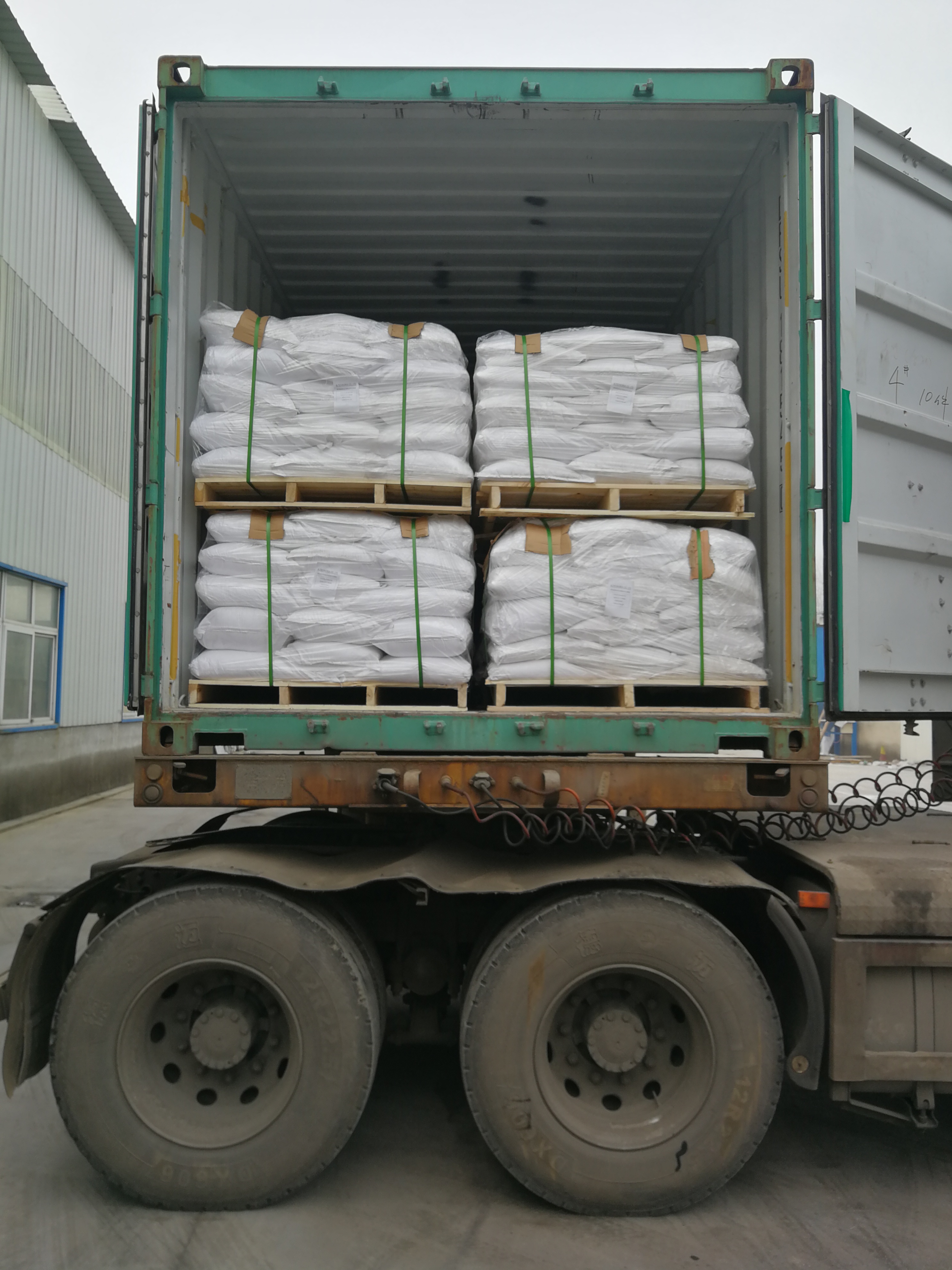
In aluminum alloy casting and recycled aluminum operations, PAF is used for degassing and slag removal. That role is directly relevant to foundries that need to reduce oxide inclusions and separate dross from the melt. Sumetech has supplied a manufacturer in South Korea with approximately 60 metric tons per month for metal additive and flux applications over a two-year period. The documented result was stable supply performance, with high purity identified as the key highlight of the relationship.
Aluminum Brazing Applications
Potassium fluoroaluminate also appears in corrosion-free brazing of aluminum alloys. The documented mechanism is effective removal of oxide films to improve weld quality. Examples include components such as battery water-cooling plates and air-conditioning radiators used in new-energy vehicles.
Beyond Flux: Abrasive and Glass Applications
PAF is not limited to flux duties. It is also used as an active filler in resin-bonded grinding wheels and as a flux or opacifier in ceramics and glass manufacturing. A buyer sourcing PAF for aluminum flux should specify that application clearly, because purity needs, particle size, and acceptance testing may differ from abrasive-grade or glass-grade material.
Available Forms of Potassium Aluminium Fluoride
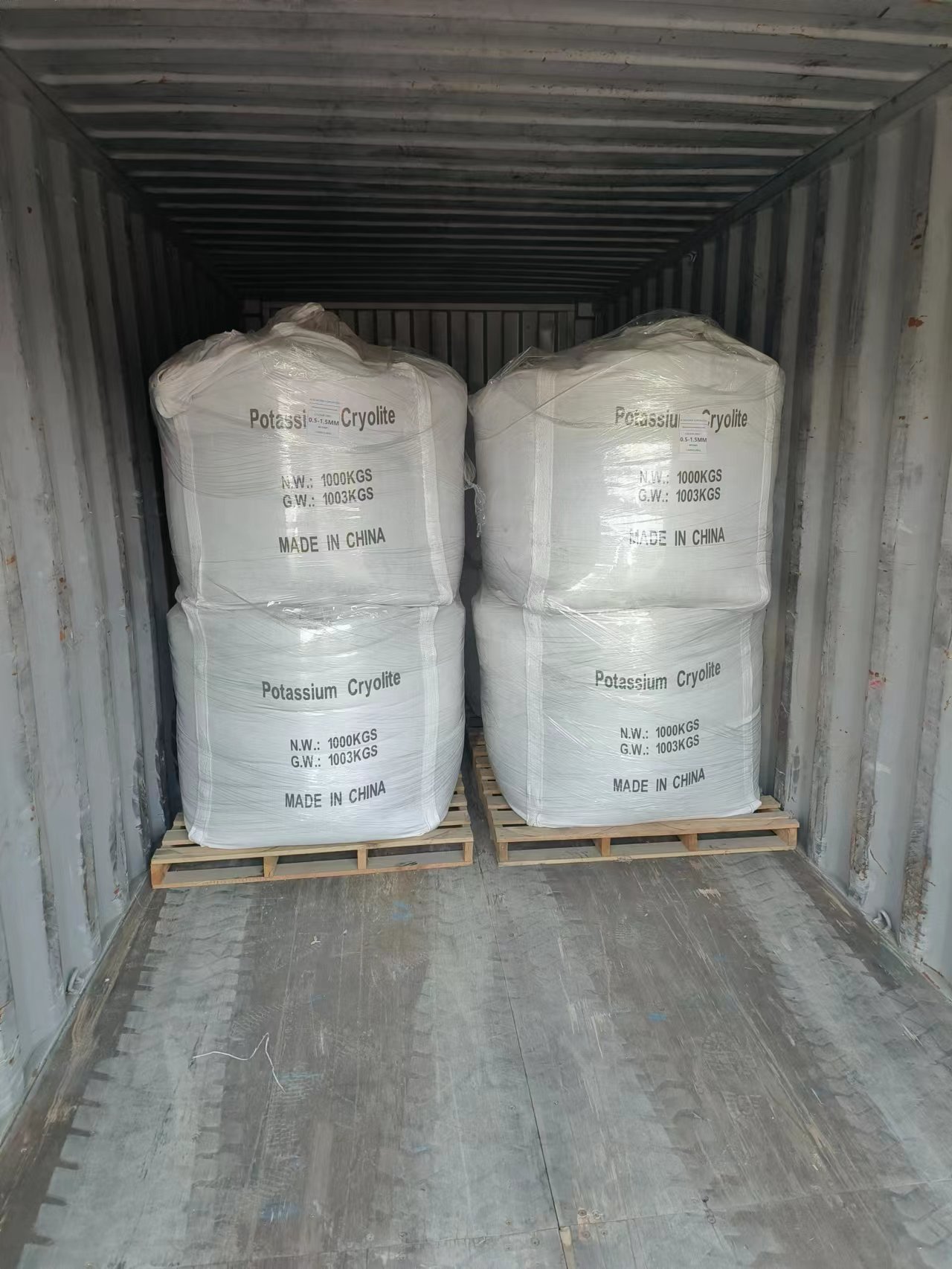
Physical form is a major selection criterion because it determines dosing behavior, dust control, melting speed, and blending performance. The Sumetech product line for potassium aluminium fluoride includes the following documented options:
- Color: white and grey
- Form: powder, granular, and lump
- Particle sizes: mesh 200, 0.3–1.0 mm, and 0.5–1.5 mm
Powder at roughly mesh 200 is suitable for buyers who plan to mix or disperse the flux into a process stream where fine particle size is acceptable. Granular PAF in the 0.3–1.0 mm and 0.5–1.5 mm ranges offers lower dust and more predictable flow in automated dosing systems. Lump PAF is an option for buyers who prefer to crush and classify material in-house or who need a coarse form for specific furnace practices. The right form depends on the equipment and handling system in the buyer’s plant.
Step-by-Step Comparison Process for Flux Buyers
The following decision sequence can help an industrial buyer compare potassium aluminium fluoride and cryolite-type fluxes without drifting into generic product claims.
Step 1: Define the Process Application
Start with the actual process: electrolytic aluminum smelting, aluminum casting, secondary aluminum recycling, or brazing. Each process has a different objective. In smelting, the objective includes lowering the melting point of alumina. In casting and recycling, the objective includes degassing and slag removal. In brazing, the objective includes oxide film removal and corrosion-free joints. A flux that works well in one process may not be designed for another.
Step 2: Convert Aliases into One Exact Chemical Specification
Ask the process engineer to approve one identification method: CAS number, molecular formula, or a documented alias set. If the requirement is potassium aluminium fluoride, the buyer should list all accepted aliases—Potassium Aluminium Fluoride, Potassium Cryolite, Potassium Tetrafluoroaluminate, and Potassium Fluoroaluminate—so suppliers and customs agencies interpret the same product.
Step 3: Compare Physical Form Against the Dosing System
Confirm whether the plant uses manual addition, pneumatic conveying, screw feeders, or another dosing method. Fine powder may suit mixing-intensive processes but can create dust issues. Granular PAF is more likely to be specified when flow consistency and reduced dust are required. Lump material may be justified when the buyer performs additional size reduction before use. When comparing suppliers, verify the exact mesh or millimeter range rather than accepting a broad “granular” label.
Step 4: Assess Color and Grade Consistency
Both white and grey PAF are available and are explicitly covered in Sumetech’s RoHS documentation. A buyer should confirm which color grade is expected for the process specification and ask the supplier to maintain consistent color and purity across production batches. If a new supplier offers a different color as an equivalent, require supporting test data before requalification.
Step 5: Check Certification and Safety Documentation
For EU-bound material, buyers should ask for RoHS compliance evidence. Sumetech holds a RoHS 2.0 Verification of Conformity with certificate number CKEYS251222003, issued by Guangdong KEYS Testing Technology Co., Ltd., covering Potassium Aluminum Fluoride in White and Gray product descriptions under the IEC 62321 testing series. The related RoHS Test Report follows RoHS Directive 2011/65/EU and subsequent amendments. Buyers should also note the GHS classification data for PAF: it is categorized as Acute Toxicity Category 4 for oral, dermal, and inhalation routes and Skin Irritation Category 2 under a GHS-compliant safety data sheet aligned with OSHA HCS 29 CFR 1910. Safe handling and ventilation requirements should be part of the plant’s operating procedure.
Step 6: Evaluate Customization and Supply Capability
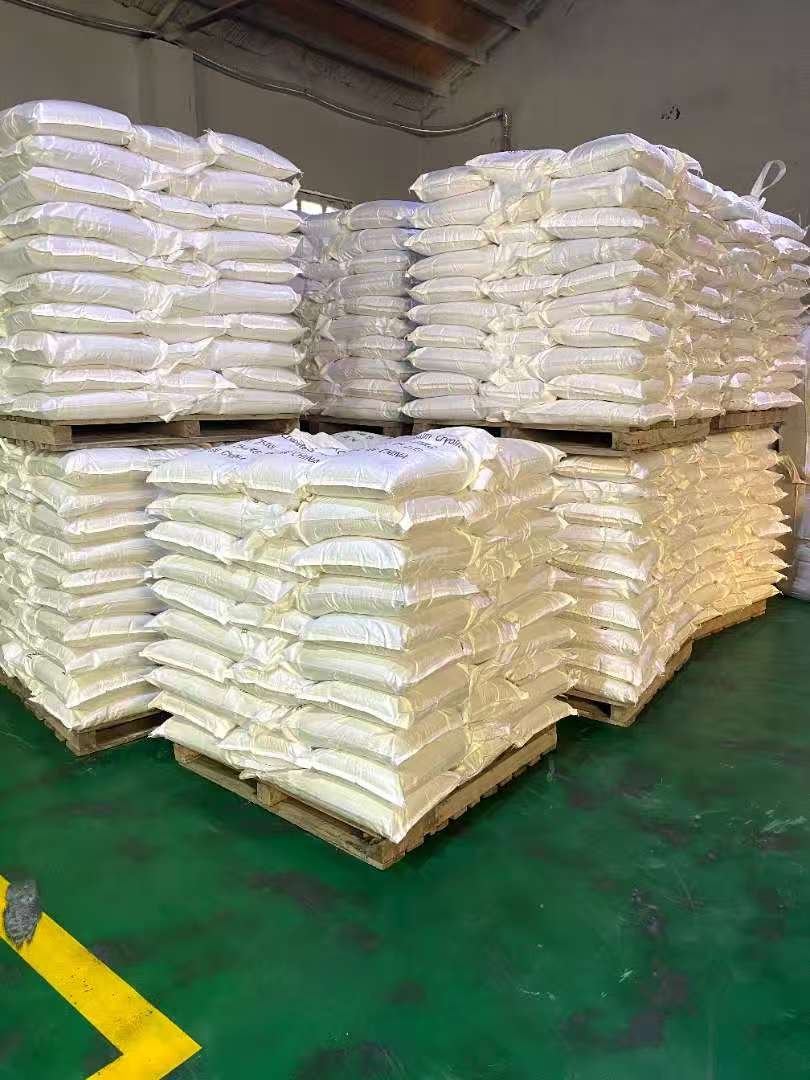
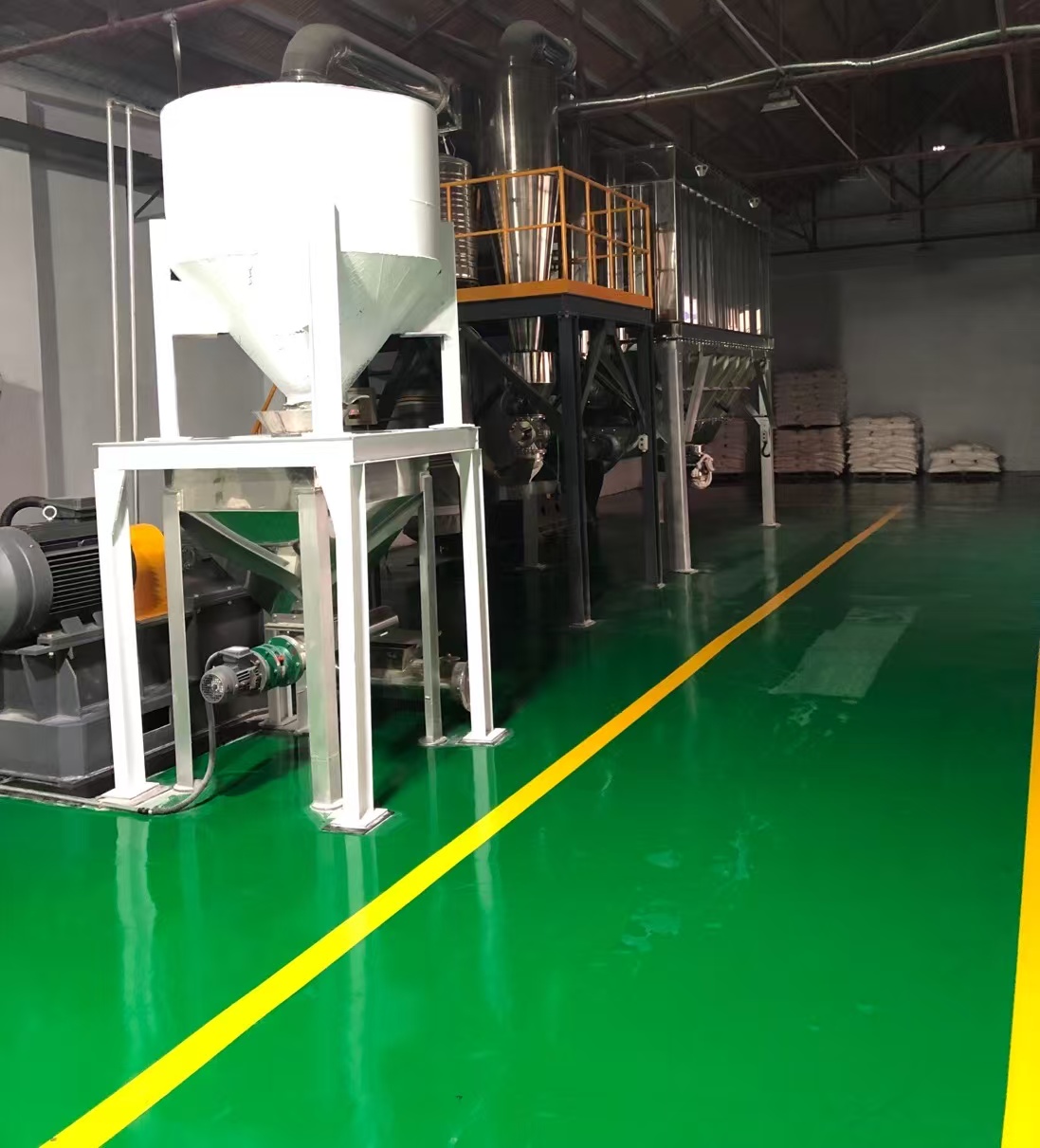
Capability assessment is an important part of the buyer’s comparison. Sumetech offers OEM and ODM production services for potassium aluminium fluoride, including customization of size and color. For trial-oriented purchasing, the company’s capability profile supports development quantities from 10 kg, while the standard commercial procurement structure is based on a MOQ of 1 metric ton. Delivery terms include FOB, CIF, and FCA, and acceptance can include pre-shipment testing. The production lead time is documented as 30 days, with a monthly capacity of approximately 1,000 metric tons.
Practical Use Cases for Flux Selection
Primary Aluminum Smelter Evaluating a New Flux Lot
A smelter buyer who needs consistent flux quality should compare suppliers on particle size distribution, batch-to-batch stability, and documentation. For potassium aluminium fluoride used in electrolysis, the documented function of lowering the alumina melting point is the process anchor. The buyer should request pre-shipment testing and reference-check the supplier’s ability to maintain production during peak order periods.
Aluminum Foundry or Recycling Plant Seeking Dross Reduction
A foundry producing aluminum alloy castings may select PAF for degassing and slag removal. For this scenario, granular PAF in 0.3–1.0 mm or 0.5–1.5 mm can support more controlled addition than dusty powder in open furnace environments. The Korean buyer case is a relevant reference point: the customer uses PAF as a metal additive and flux at approximately 60 metric tons per month, with stable results over a two-year period and high purity cited as the customer’s highlight.
Aluminum Brazing Component Manufacturer
Manufacturers of new-energy vehicle cooling plates and air-conditioning radiators use potassium fluoroaluminate to remove oxide films and improve brazed joint quality. In this application, color and purity requirements may be stricter than in general foundry use. Buyers should specify the same target form and grade in every RFQ to avoid receiving a casting-grade or abrasive-grade substitute.
Buyer Consolidating Multiple PAF Grades with One Supplier
A distributor or large end user may need both fine powder and granular grades for different customers or lines. Working with a manufacturer that can supply mesh 200 powder, 0.3–1.0 mm granular, 0.5–1.5 mm granular, and lump PAF reduces the number of approved suppliers and simplifies quality audits. The ability to customize size and color under OEM or ODM production also helps the buyer match downstream requirements.
PAF vs Cryolite: Comparison Table Based on Documented Facts
| Comparison Dimension | Potassium Aluminium Fluoride (PAF) | Cryolite-Type Flux Notes |
|---|---|---|
| Common identification | Potassium Aluminium Fluoride; Potassium Fluoroaluminate; Potassium Cryolite; Potassium Tetrafluoroaluminate | In many industry references, cryolite is used to mean sodium cryolite, Na₃AlF₆. Buyers should clarify the exact species. |
| Chemical reference | CAS 60304-36-1 for KAlF₄; molecular weight approximately 142.07 g/mol per PubChem | Verify the sodium cryolite specification against process requirements. |
| Aluminum smelting role | Documented as a flux that lowers the melting point of alumina and improves electrolysis efficiency | Sodium cryolite has traditionally been used as an alumina solvent in primary aluminum production. |
| Casting and recycling role | Documented for degassing and slag removal in aluminum alloy casting and recycled aluminum processing | Evaluation should be application-specific; no single cryolite type is suitable for all casting conditions. |
| Available forms in the Sumetech product line | White and grey; powder, granular, and lump; mesh 200 and 0.3–1.0 mm and 0.5–1.5 mm | Ask the cryolite supplier for the same level of form and particle-size documentation. |
| Compliance documentation | RoHS 2.0 Verification of Conformity CKEYS251222003 and RoHS Test Report covering White/Gray PAF | Require equivalent EU compliance documentation for the cryolite grade offered. |
| Customization and supply | OEM and ODM services available; size and color customization; documented monthly capacity around 1,000 MT | Confirm production capacity, lead time, and customization capability before supplier approval. |
The cryolite column in this table is limited to general identification guidance. No unverified performance claims are made for sodium cryolite. Buyers should request documented application data from each supplier.
Compliance and Handling Considerations
Flux materials are process chemicals, and buyers must treat them with appropriate care. The RoHS documents held by Sumetech demonstrate that the tested PAF material meets the restricted-substance requirements of RoHS Directive 2011/65/EU and its amendments, including testing under the IEC 62321 series. That is useful for EU importers and OEM buyers who need a compliance trail.
At the same time, compliance with restricted-substance rules is not the same as safe handling. Potassium aluminium fluoride is classified under GHS as Acute Toxicity Category 4 for oral, dermal, and inhalation exposure and Skin Irritation Category 2, according to a GHS-compliant safety data sheet under OSHA HCS 29 CFR 1910. Buyers should store PAF in a dry, well-ventilated area, control dust during transfer, and provide suitable personal protective equipment to operators.
FAQ
What compliance documents should a buyer request for OEM white potassium aluminium fluoride supplied into the EU?
Request RoHS 2.0 verification and test reports that cover the exact product description and color. For potassium aluminium fluoride supplied by Sumetech Industry Co., Ltd., the Verification of Conformity is number CKEYS251222003, issued by Guangdong KEYS Testing Technology Co., Ltd., and the scope covers Potassium Aluminum Fluoride in White and Gray forms under the IEC 62321 testing series. The related test report references RoHS Directive 2011/65/EU and its subsequent amendments. Buyers should also request the current safety data sheet because PAF is classified under GHS as Acute Toxicity Category 4 and Skin Irritation Category 2.
What does an OEM provider of white potassium aluminium fluoride do?
In the context of PAF supply, OEM production means the manufacturer produces potassium aluminium fluoride to the buyer’s approved specification and packaging requirements. Sumetech offers both OEM and ODM production services for PAF and supports customization of size and color. That allows an industrial buyer to order a consistent white PAF grade with a particle size matched to the process, rather than adapting the plant to a generic supplier product.
Is white potassium aluminium fluoride the same as potassium cryolite?
White potassium aluminium fluoride is one color grade of PAF and is commonly referred to by several commercial and chemical aliases. Sumetech’s RoHS documentation lists Potassium Aluminum Fluoride, Potassium Fluoroaluminate, Fluoride Potassium Aluminate, Potassium Cryolite, and Potassium Tetrafluoroaluminate across White and Gray descriptions. The potassium aluminium fluoride species KAlF₄ is covered by CAS 60304-36-1. Buyers should match the exact requested formula and alias set instead of relying on the color name alone.
What is the MOQ for a trial order of customized PAF?
For buyers who need to validate a customized size or color before commercial scale-up, Sumetech’s capability profile supports trial quantities from 10 kg. The standard commercial procurement structure for bulk orders is based on a 1-metric-ton MOQ, with documented delivery terms of FOB, CIF, or FCA. Pre-shipment testing is available so the buyer can confirm particle size and product quality before release.
What lead time should be planned for an OEM white PAF order?
Sumetech documents a production lead time of 30 days for potassium aluminium fluoride, with a monthly production capacity of approximately 1,000 metric tons. Buyers who need urgent delivery should discuss scheduling at inquiry stage, because available capacity and logistics routing affect final timing. A pre-shipment test can be included in the schedule without changing the standard acceptance process.
Conclusion: Selecting by Application, Form, and Verified Supply Data
The comparison between potassium aluminium fluoride and cryolite becomes practical when a buyer starts with three questions. First, which chemical compound does the process actually require? Second, which physical form and particle size match the dosing and melting conditions? Third, which supplier can document application behavior, compliance, and production consistency?
Potassium aluminium fluoride is a well-documented flux for lowering the melting point of alumina in electrolytic aluminum applications and for degassing and slag removal in aluminum casting and recycling. It is available in white and grey grades, in powder, granular, and lump forms, and in particle sizes ranging from mesh 200 to 0.3–1.0 mm and 0.5–1.5 mm. Buyers who are evaluating flux suppliers should verify those specifications in each lot and confirm that the manufacturer can support OEM or ODM requirements when needed.
For buyers who want to evaluate a specific PAF grade against a documented production profile, Sumetech Industry Co., Ltd. provides OEM and ODM potassium aluminium fluoride options with size and color customization. The company’s international experience includes stable two-year supply to a Korean manufacturer purchasing approximately 60 metric tons per month for metal additive and flux applications, with high purity highlighted as the key quality point. Commercial terms include a 1-metric-ton MOQ, FOB/CIF/FCA delivery, pre-shipment testing, and a documented 30-day production lead time.
If you are comparing PAF and cryolite-grade flux for your aluminum smelting, casting, brazing, or recycling process, send your target specification to Sumetech at info@sumetech.com for a technical review and quotation.
Download the full product catalogue: Catalog of Sumetech 2026.