
Thermal Stability and Application Methods: A Technical Guide to Boron Nitride Coatings
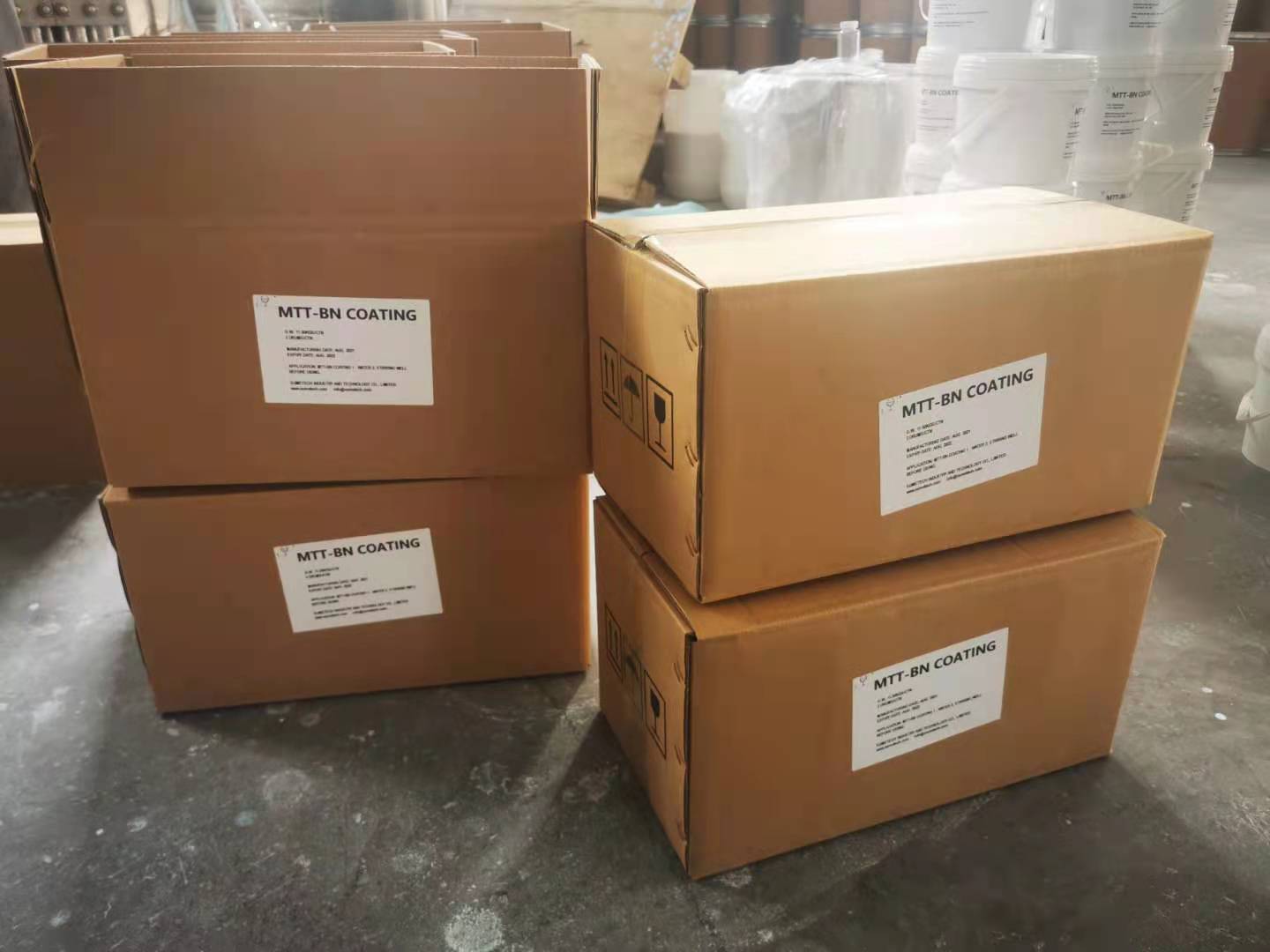
A boron nitride coating is a release and insulation layer built from hexagonal boron nitride (h-BN), the layered ceramic form of boron nitride. The material is widely described as "white graphite" because its crystal structure resembles graphite while the material stays white, electrically insulating, and non-wetting toward most molten metals.
For engineers specifying coatings for die casting, glass forming, or sintering fixtures, the working envelope is defined by two figures: a maximum working temperature of 900 °C in air and 2000 °C+ in an inert atmosphere, at a maximum purity of 99.9%. Those numbers decide whether a coating can be used at all. Application method and storage discipline decide whether it behaves the same way in month twelve as it did in week one.
This guide covers four things a specification engineer needs: how the thermal limits should be read, how brush and spraying application differ in practice, which storage rules protect performance, and how to keep a die casting or foundry line supplied consistently over a multi-year horizon. Sumetech Industry Co., Ltd, founded in 2019 and operating a 6,000 m² facility in Xuzhou, China, produces boron nitride and exports approximately 90% of its products to markets including Turkey, Japan, Korea, and Europe.
Problem Definition: Where High-Temperature Release Coatings Break Down
Most coating problems in high-temperature processes are specification problems, not material problems. The coating was qualified against a temperature that does not match the real furnace atmosphere, or against a metal that is not the one being poured.
Six issues drive the specification decision:
- Molten metal adhesion. Aluminum, magnesium, and zinc alloys wet metal surfaces and build up on molds, troughs, and ladles, which costs tool life and creates surface defects on the casting.
- Atmosphere mismatch. A coating approved from an air-atmosphere evaluation may be installed in a sealed or inert furnace, or the reverse, and the two situations do not share the same temperature ceiling.
- Cleaning downtime. Release layers that leave residue behind force cleaning cycles that reduce available production hours.
- Contamination. In sintering and heat treatment, workpieces can bond to fixtures or pick up carbon from the fixture surface.
- Storage degradation. A coating kept in a humid, open container is not the coating that was qualified.
- Application inconsistency. Two operators using the same product, but different coverage, produce two different results on the same die.
Each of these problems maps to a specification field: service temperature, furnace atmosphere, contact material, application method, storage conditions, and acceptance criteria. Treating them as one combined decision is what turns a coating purchase into a repeatable process step.
Industry Background: Why Boron Nitride Coating Demand Keeps Growing
According to Grand View Research's Hexagonal Boron Nitride Market Size Report (2025–2030), the global hexagonal boron nitride market was valued at USD 949.4 million in 2024. Asia Pacific accounted for 40.6% of that revenue in 2024, and China alone represented 41.1% of the Asia Pacific total.
Within applications, paint coatings held the largest share at 32.8% in 2024. That figure matters to buyers because it means coating-grade material — not only powder or ceramic grades — is a volume segment of the boron nitride market, and coating-grade supply terms therefore tend to be better supported than they were when the material was supplied mainly as a specialty powder.
Coating-specific market estimates are less settled. One commercial research source values the global boron nitride coatings market at USD 2.8 billion in 2025, but published figures vary considerably depending on whether downstream ceramics and composites are counted inside the definition. Buyers should treat any coating-market headline number as a definitional question first and a growth question second.
Two regulatory and trade facts matter at the purchasing stage. Boron nitride is compliant with EU REACH (Regulation (EC) 1907/2006) as a substance used in industrial applications. Boron nitride coating also moves under HS code 28500020 in export and import documentation, which is the classification buyers should expect on shipping papers.
Thermal Stability: Reading the 900 °C and 2000 °C+ Figures Correctly
The published product specification for boron nitride coating states a maximum working temperature of 900 °C in air, 2000 °C+ in an inert gas atmosphere, and a maximum purity of 99.9%. These are the numbers a die caster, glass plant, or sintering line should quote internally when a coating is being evaluated.
Thermal stability in a boron nitride coating comes from the material's structure. Hexagonal boron nitride has a layered lattice: atoms within each layer are bonded covalently, while the layers interact through van der Waals forces. That structure produces four behaviors that matter in service.
- Release and anti-stick behavior. The layers shear easily against one another, so the coating works as a solid lubricant and release agent rather than as a hard barrier that fails by adhesion.
- Non-wetting and corrosion resistance. The material resists wetting and chemical attack from most molten metals and chemicals, which is why it is applied to molds, troughs, and ladles in aluminum, magnesium, and zinc work.
- Electrical stability at temperature. It functions as a high-temperature electrical insulator with a low dielectric constant and remains reliable under high-frequency and high-voltage conditions.
- Thermal conductivity. Good thermal conductivity supports its use as a thermally conductive filler, and it explains why the coating does not easily deform or react chemically at high temperatures.
The gap between 900 °C and 2000 °C+ is not a rounding difference between two data sheets. It is the reason atmosphere belongs in the specification. A coating qualified from an air-atmosphere evaluation should not be assumed to perform identically inside a sealed or inert furnace, and the reverse also holds. Write the atmosphere into the drawing note or the process sheet, next to the temperature.
A practical decision rule follows from that: if the process runs above 900 °C in air, the options are to change the atmosphere, lower the surface temperature, or re-specify the surface solution. Buying a higher-purity grade does not extend the air-atmosphere ceiling.
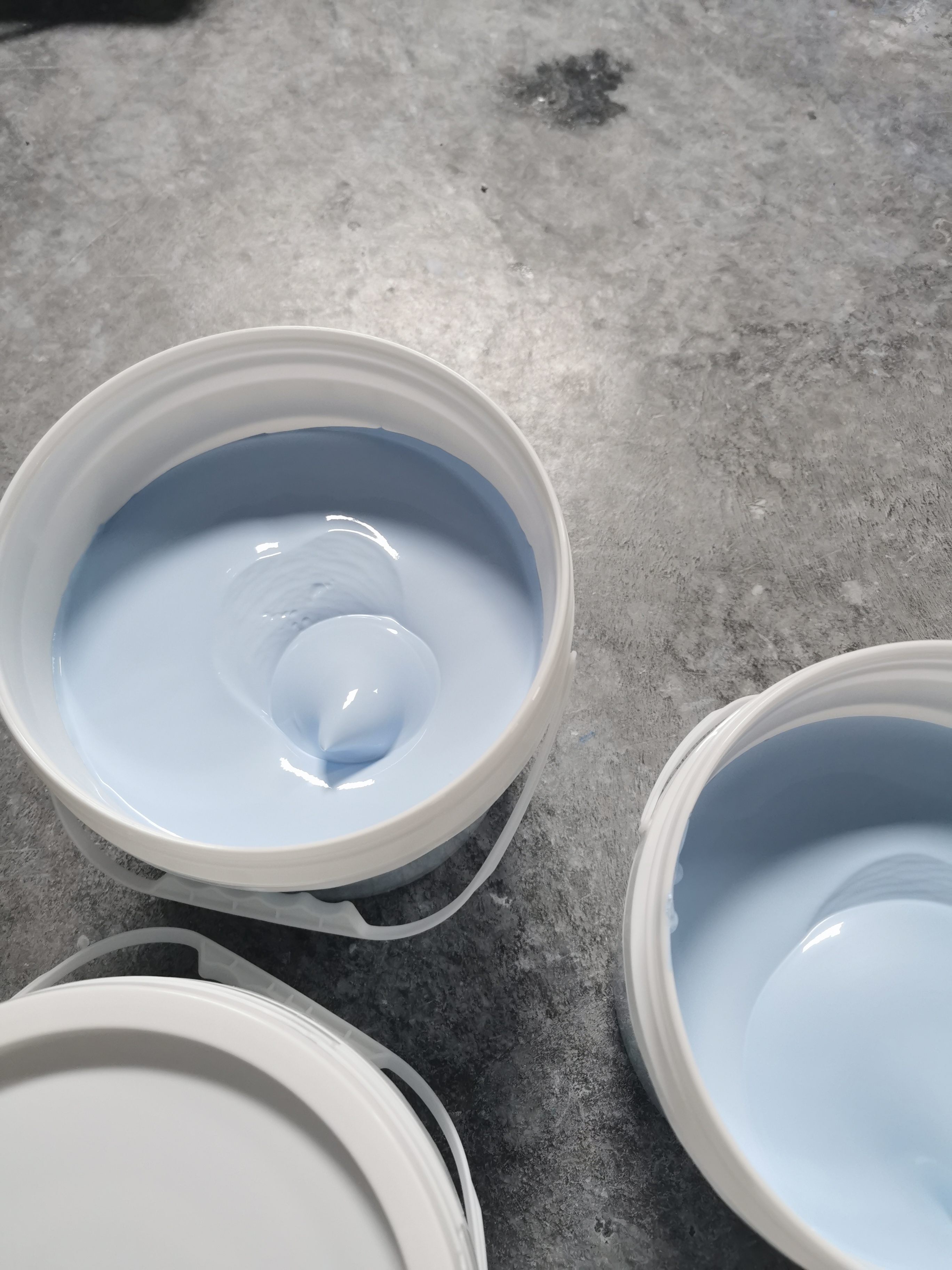
Specification snapshot
| Parameter | Published specification |
|---|---|
| Product forms | Boron nitride ceramic, boron nitride coating, boron nitride fiber, boron nitride painting, BN coating |
| Max working temperature (air) | 900 °C |
| Max working temperature (inert gas) | 2000 °C+ |
| Max purity | 99.9% |
| Application equipment | Brush; spraying machine |
| Storage requirement | Keep dry and sealed; use before the expiration date |
| Customization options | Particle size distribution, morphology, purity grades, packaging specifications |
| Export classification | HS code 28500020 |
Step-by-Step Breakdown: Applying BN Coating by Brush or Spray
Boron nitride coating is applied with a brush or with a spraying machine, and the working conditions of the individual process determine the parameters that should be used. The sequence below is the order in which those decisions normally need to be made. Specific figures such as film build, number of passes, and drying profile are defined by the supplier's data sheet for the exact product form, because they depend on the carrier system and the substrate.
Step 1 — Define the service envelope first. Record peak surface temperature, furnace atmosphere, the molten metal or material in contact, and the required cycle count between recoats. This is the input that everything else is checked against, including the 900 °C air and 2000 °C+ inert limits.
Step 2 — Select the form and the grade. Boron nitride is supplied as ceramic, coating, fiber, and painting material, so the first question is which of these fits the surface. Grade selection then covers purity, particle size distribution, and morphology, all of which can be customized to the process rather than chosen from a fixed catalogue.
Step 3 — Confirm surface preparation and masking with the supplier. Substrate type, cleanliness, and the areas that must remain uncoated are project-specific. The data sheet for the selected product defines the preparation method, and following it is the cheapest quality control available.
Step 4 — Choose brush or spray according to geometry. A brush suits localized repair, small areas, and geometries that a spray pattern cannot reach. A spraying machine suits larger molds and repetitive production, where uniform coverage across a wide surface matters more than access to a corner.
Step 5 — Target uniform coverage, not a single heavy layer. Coverage consistency is the variable that most often differs between two operators using identical material. Where the process allows, build the film in controlled passes rather than one thick application, and follow the supplier's instructions on how many passes and what film build is intended.
Step 6 — Complete the drying step before the tool returns to service. Where a high-temperature drying step is part of the process, the drying profile is taken from the supplier's data sheet for that product form and carrier, not estimated on the shop floor. Returning a coated surface to service before it is dry is a common and avoidable cause of early coating loss.
Step 7 — Release with a first-article check. Run a trial part or a first production cycle and inspect release behavior and surface quality before committing the die or fixture to full production.
Step 8 — Store what remains correctly. Keep the product dry and sealed, and use it before the expiration date. The application discipline that produced a good first result is only repeatable if the material going into the next application is in the same condition.
Storage, Shelf Life, and Quality Control
The storage requirement for boron nitride coating is explicit: keep the product dry and sealed, and use it before the expiration date. Coating performance depends on a stable material condition, so a container that has been left open in a humid foundry environment introduces a variable that no application technique can correct afterwards.
Quality control should be organized around three checkpoints:
- Incoming material. Confirm purity grade, particle size distribution, and packaging condition against the purchase specification, and record the expiration date so that stock is used in the correct order.
- Application. Check coverage and film uniformity visually before the substrate goes back into service, and log the operator and method so that deviations can be traced.
- Acceptance. The standard acceptance criterion for Sumetech boron nitride products is a pre-shipment test, which means the buyer receives test evidence tied to the shipment rather than to a general data sheet.
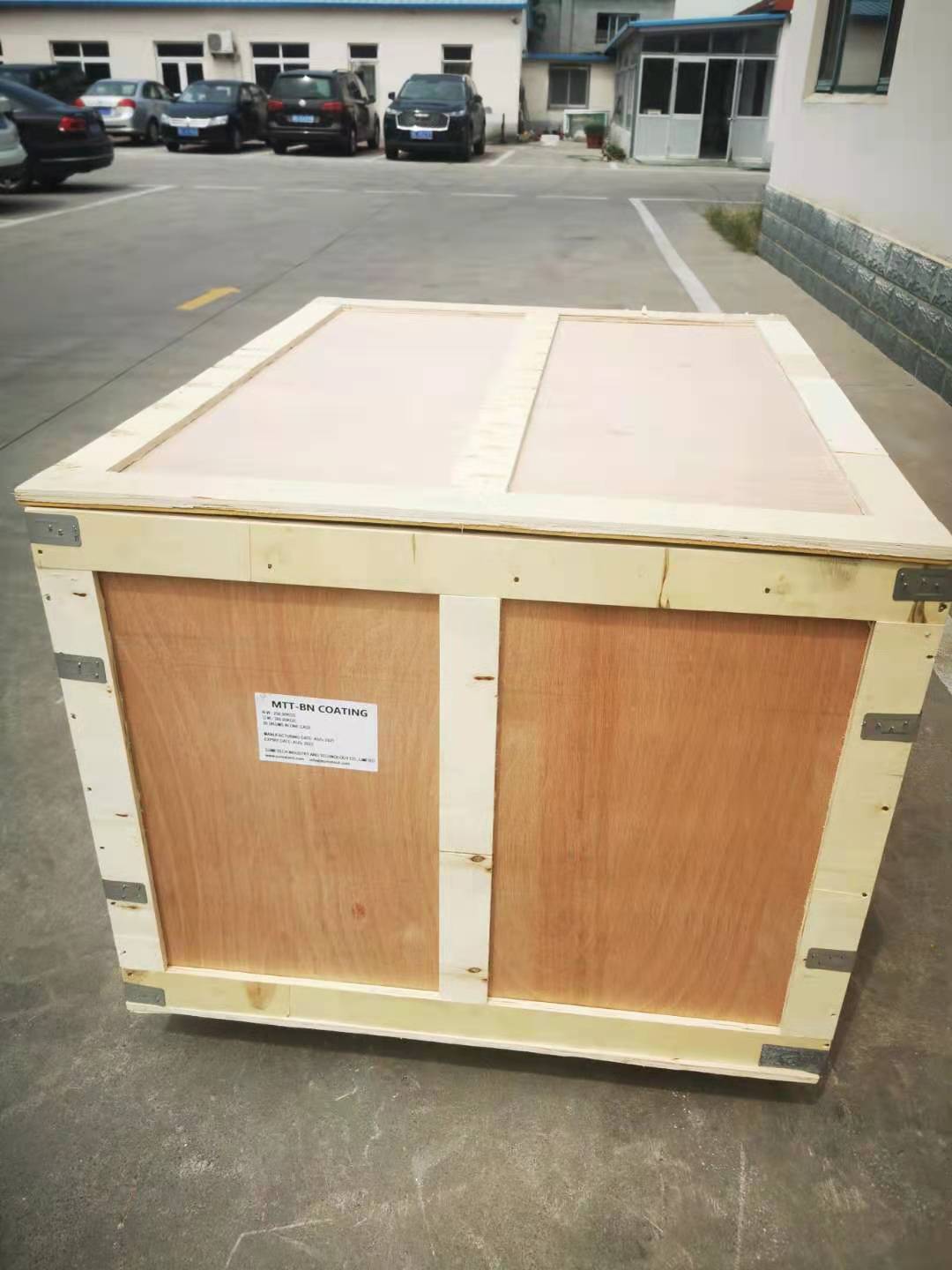
Supplier-side capability supports these checkpoints. Sumetech Industry Co., Ltd maintains large raw material inventories on-site to support uninterrupted production and short lead times, offers customizable production across particle size distribution, morphology, purity grades, and packaging specifications, and works with an R&D and quality control team of five full-time senior engineers experienced in inorganic fluoride chemistry and powder processing. The company laboratory has passed CMA (China Measurement Certification) and CNAS (National Laboratory Accreditation) — a point worth verifying in any supplier qualification file, as it is documented on the company's about page.
Use Cases: Matching Coating Behavior to the Process
Metal forming and casting. Boron nitride coating is applied to molds, troughs, and ladles used for aluminum, magnesium, and zinc alloys. The purpose is threefold: easy release from the coated surface, longer tool life, and better casting surface quality. This is the segment where the term foundry mold release coating and die casting release coating are most often searched.
Glass and ceramics manufacturing. The coating is used as a release layer on glass-forming molds to reduce surface defects and to cut the downtime spent cleaning molds.
Sintering and heat treatment. Coated graphite plates prevent carbon contamination and stop workpieces from bonding to the fixtures that carry them through the furnace. Here the coating protects the part quality rather than the tool.
Electronics and semiconductor manufacturing. The combination of high-temperature electrical insulation, low dielectric constant, and thermal conductivity places boron nitride coating and boron nitride powder in heat dissipation and insulation roles, including thermally conductive filler applications.
Aerospace, military, and energy-related applications. High-temperature insulation and release duty in demanding environments draw on the same thermal and electrical profile, alongside nuclear energy and new energy applications.
Beyond coatings. Not every boron nitride application is a coating. Cosmetic additives, functional fibers, functional ceramics, photovoltaic and solar thermal energy storage components, optical glass, vacuum coating, superhard materials, and precision casting and horizontal continuous casting use boron nitride in powder, ceramic, or fiber form. Specifying the correct form is the first step; specifying the correct coating grade is the second.
Comparison Table: Boron Nitride Coating vs. Graphite-Based Release Agents
The comparison below reflects supplier-stated performance differences between boron nitride coating and graphite-based release agents. Graphite remains a mature, widely available option, and the right choice depends on process conditions — validate both against your own line data rather than a generic ranking.
| Comparison dimension | Boron nitride coating (Sumetech) | Graphite-based release agents |
|---|---|---|
| High-temperature resistance | 900 °C in air; 2000 °C+ in inert gas | Mature high-temperature option; performance is atmosphere-dependent, so validate against your furnace conditions |
| Surface quality | Good surface quality | Well established in conventional release duty; result depends on dilution and application |
| Cleaning cost | Lower cleaning cost | Requires its own cleaning cycle; benchmark it against your current downtime |
| Purchase price | Higher purchase price | Lower entry price |
| Maintenance cost | Much lower maintenance cost | Dependent on reapplication frequency |
| Performance stability | Stable performance; not easily deformed or chemically reacted at high temperatures | Stable within its rated range |
| Best-fit applications | Electronic heat dissipation, semiconductor manufacturing, metallurgical casting, machining, new energy, nuclear energy, aerospace, cosmetics | General-purpose release duty where cost is the primary constraint |
FAQ: Specifying, Buying, and Sustaining a Boron Nitride Coating Supply
What temperature limits define the working range of a boron nitride coating?
A boron nitride coating is specified at a maximum working temperature of 900 °C in air and 2000 °C+ in an inert atmosphere, with a maximum purity of 99.9%. Because the limit changes with atmosphere, the furnace atmosphere — not only the peak temperature — should be written into the specification. Processes that run hotter than the air limit require an inert atmosphere or a different surface solution.
How should boron nitride coating be applied and stored?
Boron nitride coating is applied with a brush or a spraying machine, and the working conditions of the specific process determine the application parameters. Between uses and in storage, the product must be kept dry and sealed and used before the expiration date. Applied surfaces should be checked for uniform coverage before production release.
In which fields are boron nitride coatings used?
Boron nitride coatings are used in metal forming and casting, where they are applied to molds, troughs, and ladles for aluminum, magnesium, and zinc alloys to enable easy release and improve casting surface quality. They are also used as release coatings on glass-forming molds, and on graphite plates in sintering and heat treatment to prevent carbon contamination and bonding between workpieces and fixtures. Aerospace, semiconductor, and automotive manufacturing are among the industries that rely on them.
What are the purchasing terms and acceptance criteria?
The standard purchasing terms for Sumetech boron nitride products are a minimum order quantity of 10 kgs, delivery terms of FOB, CIF, or FCA, payment terms of 30/70, and acceptance criteria based on a pre-shipment test. Buyers who want to validate a grade before committing to a full order can request a trial quantity under the same terms.
How do I qualify a long-term boron nitride coating supplier for die casting operations?
Qualify a long-term supply on five points: customization capability across particle size distribution, morphology, purity grades, and packaging; technical depth, measured by the R&D and quality control team behind the product; verified laboratory accreditation; supply continuity, supported by on-site raw material inventories that keep production uninterrupted and lead times short; and export experience in your market. Sumetech Industry Co., Ltd, whose laboratory has passed CMA and CNAS accreditation, exports approximately 90% of its products to markets including Turkey, Japan, Korea, and Europe, and supports boron nitride buyers from sample to repeat order — contact info@sumetech.com to start a specification review.
Conclusion: From Specification to Repeatable Supply
Two numbers set the ceiling for any boron nitride coating project: 900 °C in air and 2000 °C+ in an inert atmosphere, at purity up to 99.9%. Everything else — brush or spray, film uniformity, the drying step, and sealed dry storage before the expiration date — determines whether a coating that works in the first trial still works in the hundredth production cycle.
For a process engineer at the decision and execution stage, the practical sequence is short: write the atmosphere into the specification, qualify the application method on a first article, protect the material in storage, and secure a supplier whose customization and inventory position can hold those conditions steady across repeat orders. Sumetech Industry Co., Ltd supplies boron nitride products with customizable particle size distribution, morphology, purity grades, and packaging specifications, supported by a 6,000 m² facility in Xuzhou, five senior engineers in R&D and quality control, and a laboratory accredited to CMA and CNAS.
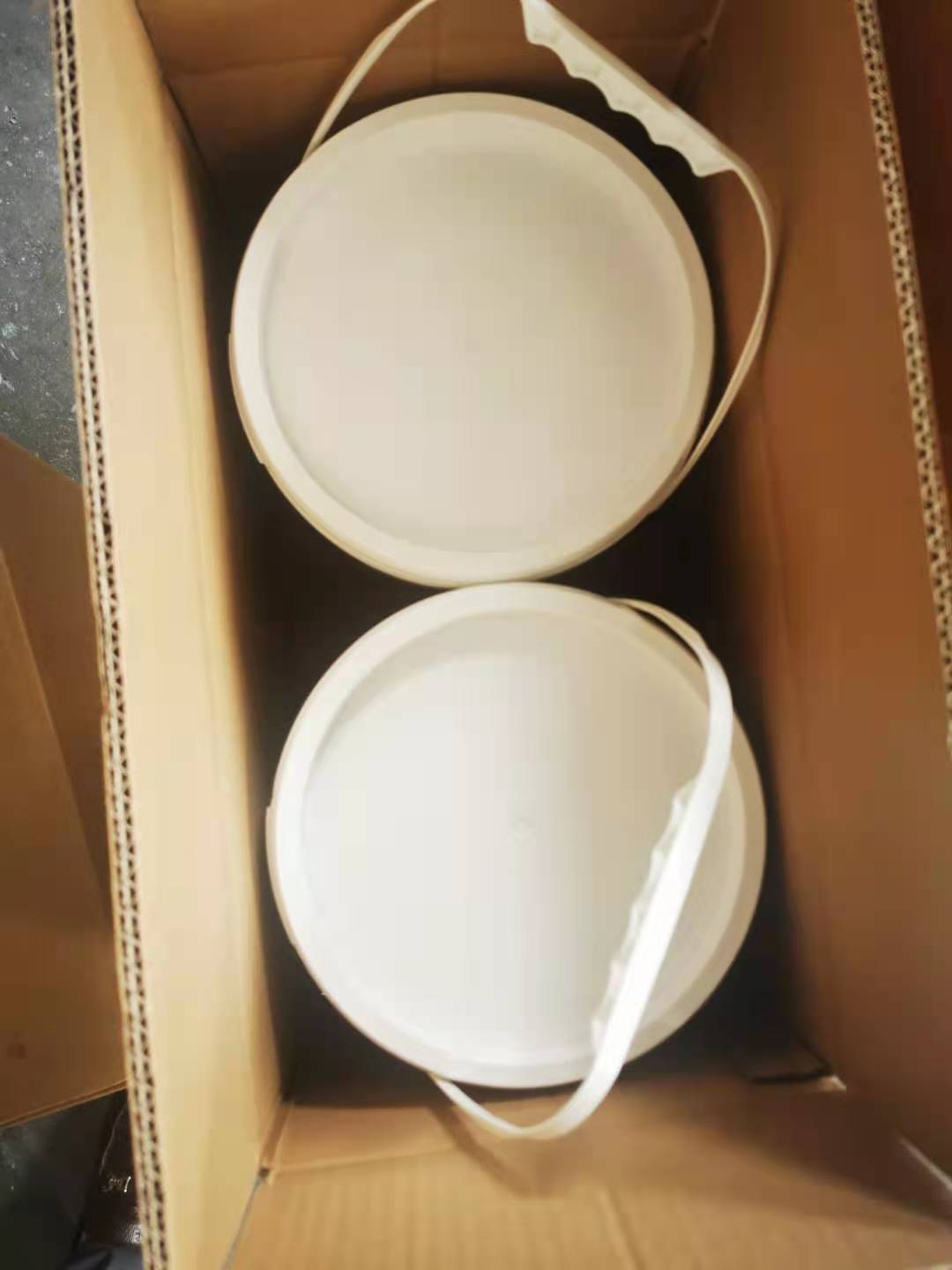
Next step: sample, quotation, or full specification review
Send your peak temperature, atmosphere, contact metal, and application method, and the Sumetech team will match the grade and packaging to your process. Trial quantities start at a minimum order of 10 kgs, with delivery terms FOB, CIF, or FCA and a pre-shipment test as the acceptance criterion.
Email: info@sumetech.com | Tel / WhatsApp: +86 13805218959
Website: www.sumetech.com
Download the 2026 product catalog: Catalog of Sumetech 2026 (PDF)