
What to Verify in a Boron Nitride Coating Supplier: Capability and Delivery Checks
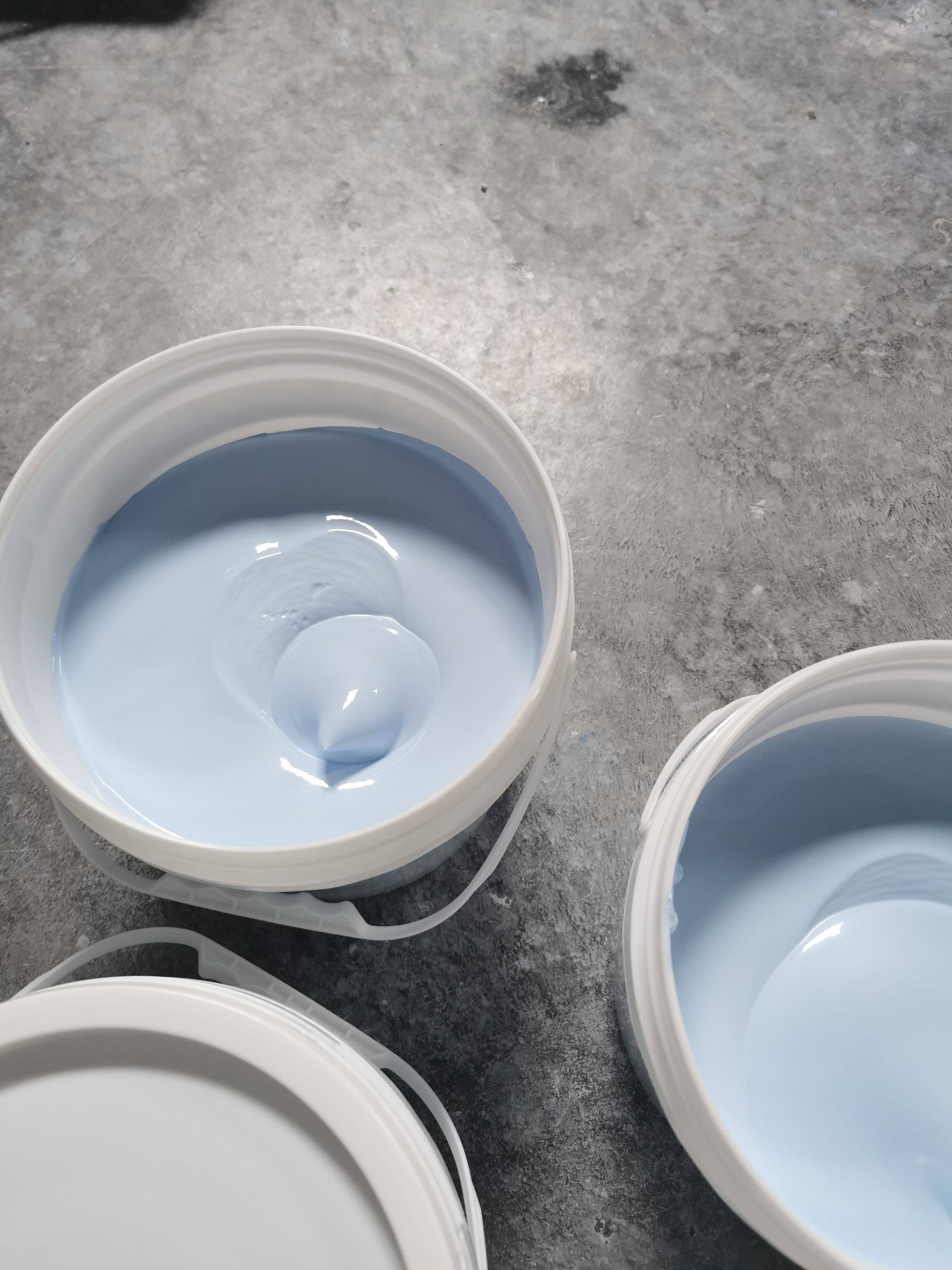
A boron nitride coating supplier should be verified on nine points before an order is placed: documented thermal limits, purity and particle-size control, quality-control regime, behaviour against molten metal, application-method support, packaging and moisture protection, capacity and lead time, minimum order quantity, and export documentation. Each point can be closed with a written answer or a sample result — none of them requires a leap of faith.
Buyers at the research and evaluation stage are usually not asking who sells boron nitride. They are asking whether a specific supplier can show, in documents and in a trial, that a high-temperature boron nitride coating will hold up in foundry mold release, continuous casting, or heat-dissipation duty at the temperatures and cycle times their process actually runs.
Sumetech Industry Co., Ltd is a China-based manufacturer founded in 2019 that produces potassium aluminium fluoride and boron nitride from a 6,000 m² facility, with a five-person technical team, an annual output of 5,000 MT, and roughly 90% of sales exported to markets including Turkey, Japan, Korea, and Europe. Its boron nitride product is catalogued as product 8233 and is supplied as powder, granular, coating, or paint. The checks below use that product's documented data as a worked example of what a verifiable answer looks like.
Why Boron Nitride Coating Supply Is Harder to Verify Than It Looks
Boron nitride coating is not a standardised commodity with a single grade and a single specification. The same product family covers a boron nitride anti-stick coating applied by brush, a boron nitride ceramic coating, a sprayable paint, and a boron nitride powder used as a thermally conductive filler. Performance is a function of three things that live in different places: the material as supplied, the way it is applied, and the conditions of the process it is applied into.
Three verification problems recur in procurement:
- Property claims without test conditions. A statement such as “high-temperature resistant” is not verifiable unless it names the atmosphere and the temperature. Hexagonal boron nitride behaves differently in air and under inert gas, and the two limits are not interchangeable.
- Consistency claims without parameters. Particle size distribution, morphology, and purity grade determine how a coating wets out, how it sprays, and how evenly it releases. If these are not controlled and stated, batch-to-batch variation becomes the buyer's problem after the first shipment.
- Delivery claims without packaging detail. Boron nitride coatings are moisture-sensitive. Storage in a dry, sealed environment and use before the expiration date are operating requirements, not suggestions, and packaging is what enforces them in transit.
The consequence is that two buyers can order the same grade and get different results, because the risk sits in the interface between the product and the line — not in the catalogue description.
Industry Background: A Fast-Expanding Supply Base Makes Verification the Bottleneck
The commercial context explains why the supply base has widened so quickly. Grand View Research values the global hexagonal boron nitride (h-BN) market at USD 949.4 million in 2024, while Dataintelo reports the boron nitride coatings segment at USD 2.8 billion in 2025. Asia Pacific accounted for 40.6% of h-BN revenue in 2024, and China alone represented 41.1% of that Asia Pacific share. Paint coatings were the largest single application, at 32.8% of 2024 h-BN demand.
Demand is spread across industries that tolerate very little unplanned downtime: precision casting, horizontal continuous casting, amorphous ribbon production, thermally conductive fillers, photovoltaic technology, solar thermal energy storage, the semiconductor industry, optical glass, vacuum coating, electronics, military and aerospace, superhard materials, cosmetic additives, functional fibers, and functional ceramics. Several of these sectors now treat boron nitride as a consumable with a specification rather than a specialty purchase.
Regulatory expectations have tightened alongside the market. Boron nitride is compliant with EU REACH (Regulation EC 1907/2006) as a substance used in industrial applications, and boron nitride coating is commonly traded under HS code 28500020. For a European foundry or a distributor shipping into several jurisdictions, the compliance paperwork is part of the product.
The Nine Checks: Five on Capability, Four on Delivery
The checks below are grouped by what they prove. Capability checks establish whether the supplier can deliver the documented properties. Delivery checks establish whether those properties survive the journey to your line.
Capability Check 1 — Thermal limits stated with the atmosphere attached
Product 8233 is documented at a maximum working temperature of 900 °C in air and 2000 °C+ in inert gas. Those figures apply to different operating realities: a foundry running an open-air mold release operation and a furnace running under protective gas are working against different limits on the same material. Ask any supplier to state both values and to confirm whether the number refers to continuous service or to a peak exposure. A single temperature figure without an atmosphere reference cannot be compared with your process conditions.
Capability Check 2 — Purity grade and particle-size control
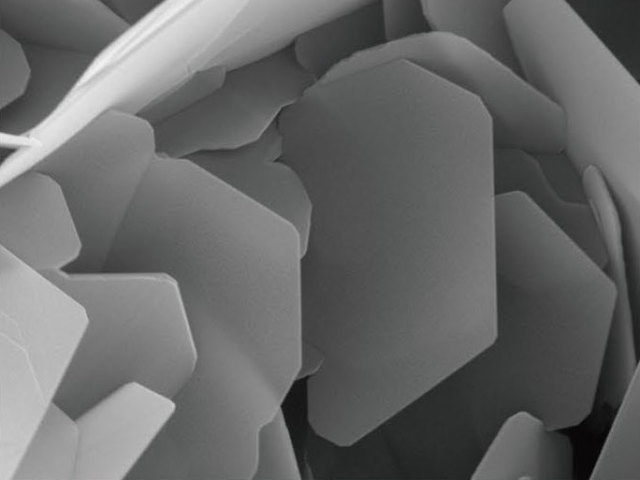
Maximum purity for product 8233 is documented at 99.9%. Customisation covers particle size distribution from coarse granules down to sub-micron powders, morphology in angular, spherical, or crushed form, purity grades, and packaging specification. For a high-purity boron nitride coating, the practical verification question is not the headline purity number but whether the supplier controls the distribution batch after batch, because distribution is what determines spray behaviour, film uniformity, and release consistency.
Capability Check 3 — Quality-control regime and laboratory accreditation
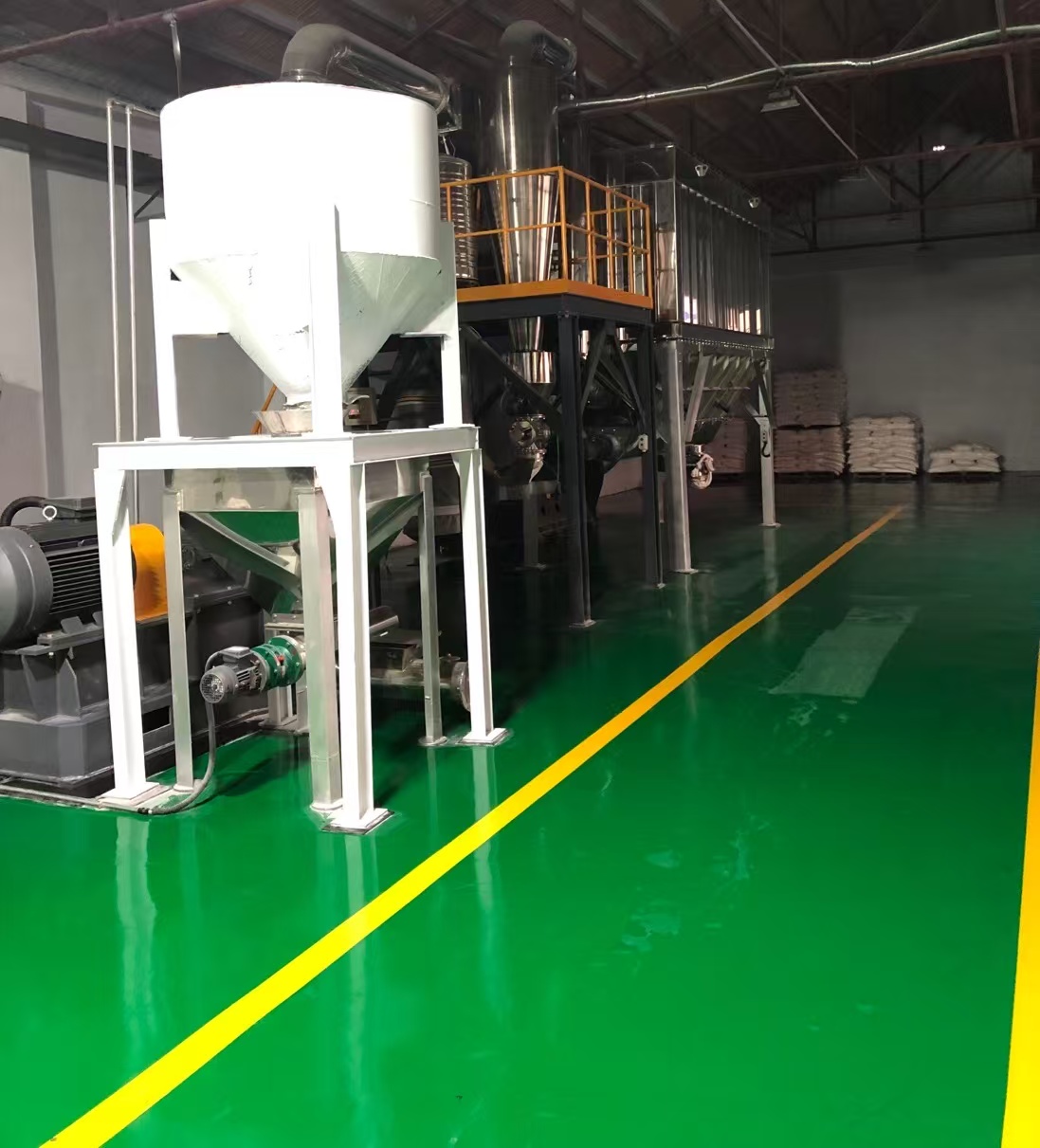
Sumetech states a 100% test regime for its production, and its laboratory has passed CMA (China Measurement Certification) and CNAS (National Laboratory Accreditation). Accreditation is a verifiable third-party marker; a testing claim is not. Ask which parameters are checked per batch, whether a certificate of analysis accompanies each shipment, and whether retained samples are held for traceability. Where a supplier cannot name the tested parameters, the 100% figure carries little weight.
Capability Check 4 — Behaviour against molten metal and chemicals
Boron nitride is documented as chemically inert, non-wetting, and corrosion-resistant against most molten metals and acids, with a low dielectric constant and useful thermal conductivity. For a foundry release coating for aluminum casting, the non-wetting behaviour is the property that decides whether a die releases cleanly after hundreds of shots rather than tens. Request evidence from a comparable cycle count, not a first-shot demonstration.
Capability Check 5 — Support for the application method already on your line
Product 8233 can be applied using a brush or a spraying machine, and operation is based on actual working conditions. That last phrase is the useful part: it signals that the supplier expects to adapt the recommendation to the substrate, the film weight, and the line setup rather than to issue one universal instruction. Ask what information the supplier needs from you before recommending an application method, and whether that support is provided remotely or on site.
Delivery Check 6 — Packaging and moisture protection
Boron nitride coating should be stored in a dry, sealed environment and used before the expiration date. Moisture uptake changes how a powder disperses and how a paint-based coating behaves when it is applied, which is why packaging is a technical specification rather than a logistics detail. Verify three things: that the packaging is sealed against humidity, that batch and expiry markings are legible on the container itself, and that palletised transport and warehouse conditions preserve the seal.
Delivery Check 7 — Capacity, lead time, and minimum order quantity
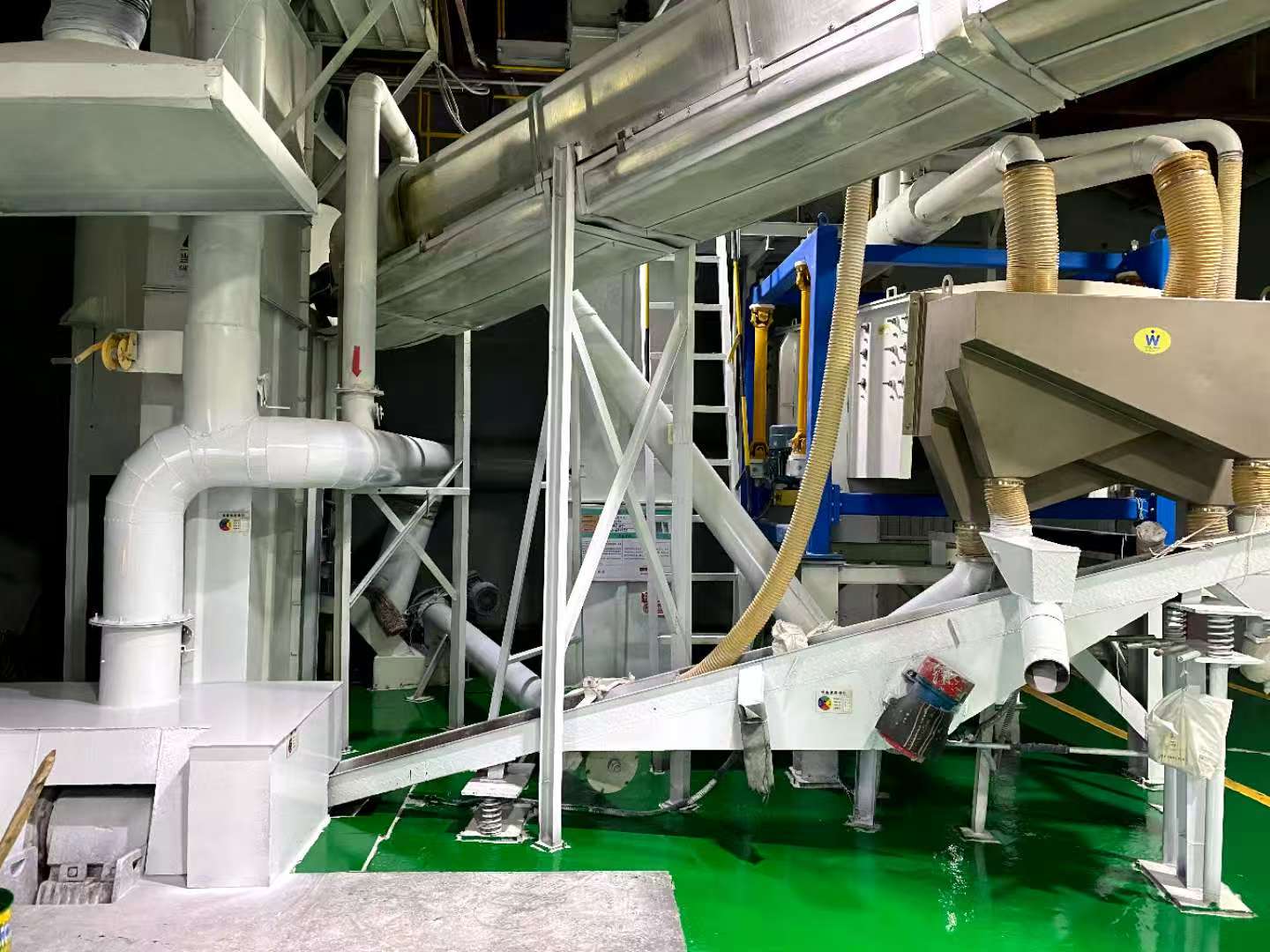
Sumetech documents a monthly capacity of 1,000 MT, a lead time of 30 days, and a minimum order quantity of 10 kgs, within a facility producing 5,000 MT annually. Capacity and lead time should be verified in writing and, importantly, tied to the specific form you are buying: a supplier may hold ample capacity for powder while coating production runs on a slower schedule. For buyers in the evaluation stage, the low MOQ matters because it makes a line trial possible before a bulk commitment.
Delivery Check 8 — Customisation and OEM/ODM scope
Sumetech operates OEM and ODM production with customisation of size and colour, alongside the earlier parameters of particle size distribution, morphology, purity grade, and packaging. For buyers developing their own branded boron nitride anti-stick coating, the relevant verification question is which variables the supplier will actually adjust and which are fixed by the production line. Ask for a written statement of the adjustable range, not a general offer to customise.
Delivery Check 9 — Export documentation, compliance, and after-sales path
Sumetech exports to the EU, the Middle East, and Asia, with main markets including Turkey, Japan, Korea, and Europe, and provides both remote support and on-site support after delivery. Verify the documentation set that will accompany the shipment — a REACH compliance statement and HS code 28500020 classification are the two items most commonly requested by European importers — and confirm who is responsible for technical support if the first production run behaves differently from the trial.
A Step-by-Step Verification Sequence
The order matters, because each step narrows the next.
- Define the operating window. Record the maximum and continuous temperature, the atmosphere (air or inert gas), the metal or glass being processed, the substrate, and the application method already installed.
- Request the technical data sheet against that window. Confirm that the documented limits include the atmosphere you operate in. Product 8233, for example, states 900 °C in air and 2000 °C+ in inert gas.
- Request the quality-control parameters and a sample certificate of analysis. Confirm what is tested per batch, and whether the laboratory behind the testing holds accreditation such as CMA or CNAS.
- Order a trial quantity. With a 10 kg minimum order quantity, a line trial is a realistic first step rather than a capital decision.
- Run the trial under production conditions. Reproduce the substrate, the film weight, the application method — brush or spraying machine — and the cycle conditions. Record release behaviour over a defined number of cycles.
- Check packaging and storage on arrival. Confirm the seal, the batch and expiry marking, and that the storage requirement for a dry, sealed environment can be met in your warehouse.
- Confirm lead time and capacity against your schedule. A 30-day lead time and 1,000 MT monthly capacity are only useful figures if they apply to the form and grade you ordered.
- Close the documentation loop. Obtain the REACH statement, the HS classification, and the after-sales support path in writing before the purchase order is issued.
Where These Checks Decide the Outcome

Foundry mold release and wheel hub demolding. This is where the two most decision-relevant properties meet: a low coefficient of friction and a soft texture that prevents adhesion. Product 8233 is applied in high-temperature lubrication and demolding projects, and Sumetech reports a Turkish manufacturer using it for wheel hub demolding at 200 kgs over a one-year period, with adhesion effectively prevented. For buyers in this segment, the verification asks for a reference in the same alloy and process, not a generic release claim.
Precision casting and horizontal continuous casting. Here the deciding property is non-wetting and corrosion resistance against molten metal. The check is whether the supplier can demonstrate the coating's behaviour against the specific alloy — and whether the product is documented for high-temperature containers and thermal protection, which is where the coating's limits are tested.
Semiconductor and electronics heat dissipation. Boron nitride serves thermal management applications as a high-temperature electrical insulator with a low dielectric constant. The verification focus shifts from release behaviour to purity and consistency, because contamination and distribution variation matter more than slip.
Optical glass and vacuum coating. Precision and thermal stability dominate. Product 8233 is used in the optical glass and vacuum coating industries for high-temperature lubrication and demolding, where surface defects caused by sticking are the costliest failure mode.
Other industrial applications. The same product family is documented for boron nitride ceramics, thermally conductive fillers, amorphous ribbon production, photovoltaic technology, solar thermal energy storage, military and aerospace, superhard materials, and cosmetic additives. Across these applications the customer-facing question set is identical: what is the working temperature, in which atmosphere, at what purity, applied how, and packaged how.
Verification Comparison Table
| Verification area | What to request from the supplier | Documented reference point |
|---|---|---|
| Thermal limits | Maximum working temperature in air and in inert gas; continuous vs. peak basis | 900 °C in air; 2000 °C+ in inert gas (product 8233) |
| Purity and morphology | Purity grade; particle size distribution; morphology | Max purity 99.9%; coarse granules to sub-micron powders; angular, spherical, or crushed |
| Quality control | Per-batch test parameters; certificate of analysis; retained samples | 100% test; laboratory passed CMA and CNAS |
| Chemical behaviour | Non-wetting and corrosion data against the specific molten metal | Chemically inert, non-wetting, corrosion-resistant to most molten metals and acids |
| Application method | Written application guidance for your substrate and film weight | Brush or spraying machine; operation based on actual working conditions |
| Packaging and storage | Humidity-sealed packaging; batch and expiry marking | Store in a dry, sealed environment; use before the expiration date |
| Capacity and lead time | Written capacity commitment for the specific form ordered | 1,000 MT monthly capacity; 30-day lead time; 5,000 MT annual output |
| Minimum order quantity | MOQ for trial and for bulk | 10 kgs |
| Customisation | Which variables are adjustable, and within what range | OEM / ODM; size and colour; particle size, morphology, purity, packaging |
| Compliance and documentation | REACH statement; HS classification; export paperwork | REACH compliant (EC 1907/2006); HS code 28500020 |
| After-sales | Named support path and escalation route | Remote support; on-site support |
A second lens is useful once the shortlist is narrow: match the application to the property that decides success, and verify only that property in depth.
| Application | Property that decides success | Documented reference |
|---|---|---|
| Wheel hub demolding / foundry mold release | Low coefficient of friction; soft texture preventing adhesion | Turkish manufacturer, 200 kgs, one-year use; adhesion effectively prevented |
| Precision casting | Non-wetting and corrosion resistance against molten metal | Product 8233 used in the precision casting industry |
| Semiconductor heat dissipation | Thermal management combined with electrical insulation | High-temperature electrical insulator with low dielectric constant |
| Optical glass and vacuum coating | Thermal stability and clean release at temperature | High-temperature lubrication and demolding in optical glass and vacuum coating |
| High-temperature containers and thermal protection | Upper temperature limit under the operating atmosphere | 900 °C in air; 2000 °C+ in inert gas |
Frequently Asked Questions
Is boron nitride coating compliant for import into the EU, and how is it classified?
Boron nitride is compliant with EU REACH, Regulation EC 1907/2006, as a substance used in industrial applications, and boron nitride coating is commonly traded under HS code 28500020. Buyers should request the REACH statement, the HS classification used on the commercial invoice, and the laboratory accreditation details behind the supplier's testing. Sumetech's laboratory has passed CMA (China Measurement Certification) and CNAS (National Laboratory Accreditation), and roughly 90% of the company's output is exported to markets including Turkey, Japan, Korea, and Europe.
How do I verify a supplier's thermal performance claims for a boron nitride coating?
Ask for the maximum working temperature in both atmospheres, because the values differ. Product 8233 is documented at 900 °C in air and 2000 °C+ in inert gas, with a maximum purity of 99.9%. A claim such as “high-temperature resistant” without an atmosphere reference cannot be compared with your furnace conditions. The second step is the control regime behind those numbers: Sumetech states a 100% test regime, which should translate into a per-batch certificate of analysis naming the tested parameters.
Which boron nitride coating manufacturers serve aluminum die casting, and what should I check?
For aluminum die casting and foundry mold release, three properties decide the outcome: non-wetting behaviour against molten aluminium, corrosion resistance, and a low coefficient of friction that prevents adhesion. Product 8233 is applied in precision casting and in high-temperature lubrication and demolding projects, and is documented as chemically inert, non-wetting, and corrosion-resistant to most molten metals. Sumetech reports a Turkish manufacturer using product 8233 for wheel hub demolding at 200 kgs over one year, with adhesion effectively prevented by the coating's soft texture and low coefficient of friction. When shortlisting suppliers, verify those three properties and ask for a reference case in the same alloy and process rather than a general release claim.
What minimum order quantity, lead time, and capacity should I expect?
At Sumetech, the minimum order quantity for boron nitride is 10 kgs, lead time is 30 days, and monthly capacity is 1,000 MT, within a facility with an annual output of 5,000 MT. The MOQ matters most at the evaluation stage, because 10 kgs allows a line trial before a bulk commitment. Confirm all three figures in writing, and confirm whether they apply to the specific form you are buying — powder, granular, coating, or paint — rather than to the product range as a whole.
Can I test a boron nitride coating before committing to a full order?
Yes. With a minimum order quantity of 10 kgs, a trial quantity is a practical first step. The trial should reproduce your line conditions: the substrate, the application method (brush or spraying machine), the film weight, and the working temperature, since product 8233 operates based on actual working conditions. The material must be stored in a dry, sealed environment and used before the expiration date, so the sample should arrive sealed, with batch and expiry marking. To request a sample and a quote, contact Sumetech Industry Co., Ltd at info@sumetech.com or +86 13805218959 (WhatsApp available), or download the company catalogue for the full product range.
Next Step: Certify the Supplier Before You Certify the Coating
Sumetech Industry Co., Ltd supplies boron nitride as powder, granular, coating, and paint, with a documented maximum working temperature of 900 °C in air and 2000 °C+ in inert gas, purity up to 99.9%, a 10 kg minimum order quantity, a 30-day lead time, and both remote and on-site technical support.
Request a sample and a quotation, or download the 2026 catalogue for the full product and specification range: Catalog of Sumetech 2026 (PDF).
Conclusion
Verification of a boron nitride coating supplier is a document trail, not a conversation. The nine checks — thermal limits stated per atmosphere, purity and particle-size control, quality-control regime and accreditation, behaviour against molten metal, application-method support, moisture-protective packaging, capacity and lead time, minimum order quantity, and export documentation — convert marketing statements into evidence that can be compared across suppliers.
For buyers at the research and evaluation stage, the sequence is straightforward: define the operating window, request documentation against it, order a trial quantity, and test under production conditions. Where a supplier can answer every check in writing, the decision becomes an engineering judgement rather than a gamble on an unverifiable claim.
The same logic applies to the product side. A coating documented at 900 °C in air and 2000 °C+ in inert gas, supplied at up to 99.9% purity, applied by brush or spraying machine, packaged for dry and sealed storage, and backed by a 10 kg trial quantity gives a procurement team something a general release claim does not: a path to a defensible decision.
Have Questions or Need More Details?
Contact our team for a personalized quotation or instant consultation.
Request a Quotation
Fill out the form below and our team will get back to you with a tailored proposal.
WhatsApp Direct Chat
Prefer to chat in real-time? Message us on WhatsApp for instant assistance & quick answers.
- Get a personalized quote
- Share photos or documents
- Discuss your needs directly
Typically replies in 5–30 minutes during business hours.