
Bowling Center Downtime: Solving Jams, Resets & Scoring
Bowling Center Downtime: Solving Jams, Resets & Scoring
Bowling center downtime is usually caused by three equipment failures: ball return jams, slow or failed pin resets, and scoring errors. The most practical evaluation order is to protect ball flow first, pin reset pace second, and scoring accuracy third. SunEye Bowling specifies a 0.002% jam failure rate for its ball return system, a ≤10 second reset for its string pinsetter, and 99.98% recognition accuracy for its scoring system. Those figures are company specifications, not universal industry benchmarks, so they should be verified against the exact model, lane configuration and service terms in an RFQ.
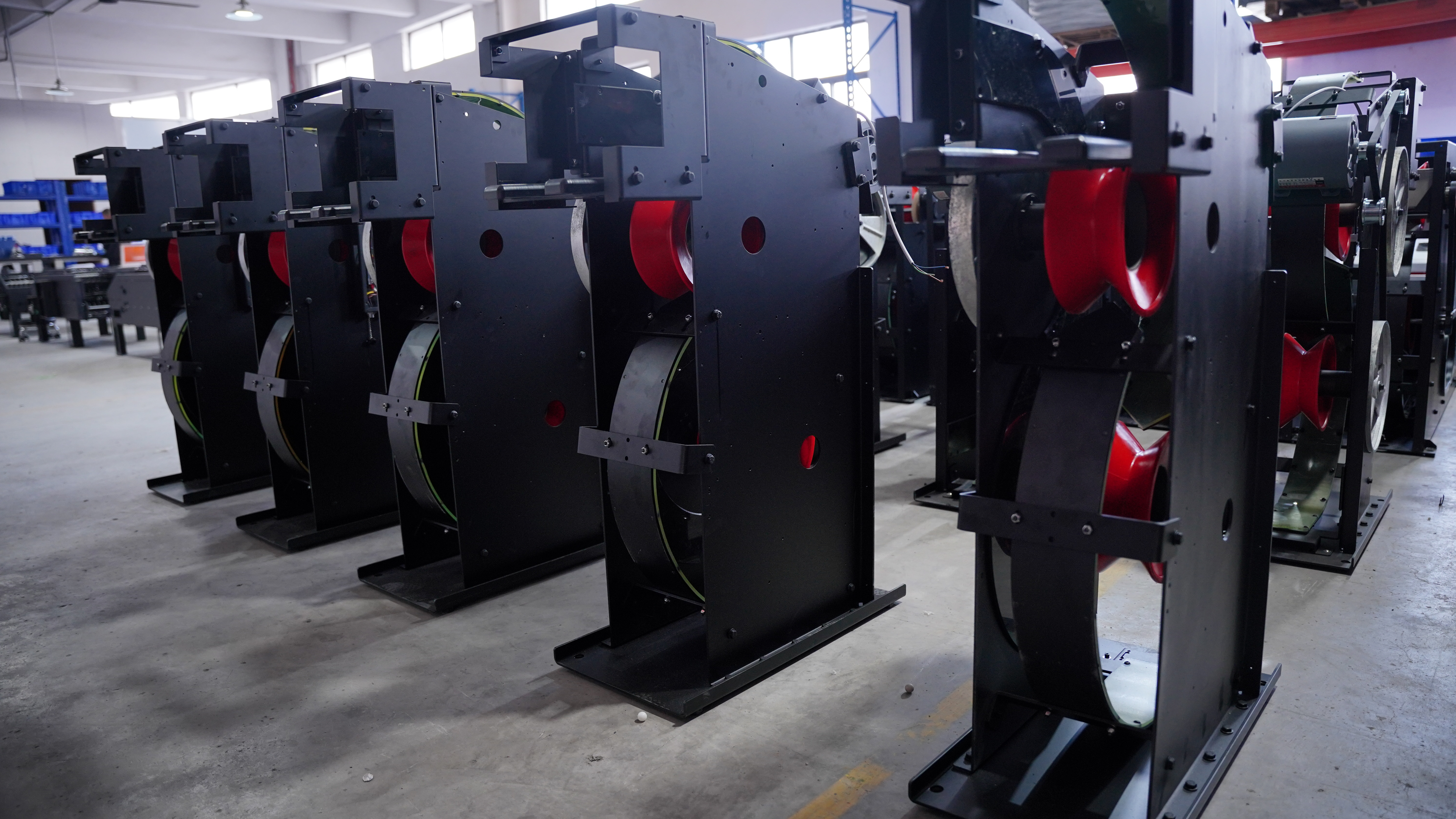
Why Downtime Is an Equipment-Specification Problem
In a commercial bowling center, lane availability is the product. A lane that cannot return a ball, set pins or record a score is not a minor inconvenience; it removes a sellable lane-hour and adds staff intervention. For a venue with league play, birthday parties and walk-in sessions, one stopped lane can disrupt the pace of several adjacent lanes.
Downtime is often treated as a maintenance issue after installation. In evaluation, it belongs earlier: in the specification of the ball return system, the pinsetter and the scoring system. This is why buyers should compare reliability evidence alongside lane count, visual finish and purchase price. A lower-cost component that generates frequent staff calls can be more expensive over a multi-year operating period than a better-specified component.
The evaluation is not identical for every venue. A 4-lane family entertainment center may tolerate a different maintenance routine than a 12-lane commercial center with high peak loads. The equipment specification should match the venue format, expected usage and staff capacity. The same principle applies to standard bowling, duckpin bowling and mini bowling: the failure mode is similar, but the equipment configuration and service access may differ.
Problem Definition: The Three Failure Modes That Stop Play
Ball jams stop a lane immediately. When a ball does not return, the player cannot continue. If the jam is minor, staff may clear it quickly; if it is a repeated obstruction, the lane may need to be taken out of service. The buyer should therefore ask how the ball return system handles minor jams, what access is required for manual clearing, and what jam-rate specification the supplier states.
Slow pin resets reduce throughput and rhythm. Pin reset time affects how quickly a frame can continue and how many games a lane can support during peak periods. A pinsetter that resets slowly, or one that requires frequent adjustment, can create visible waiting time. For league play, consistent reset timing is also part of the player experience.
Scoring errors create disputes and staff calls. An automatic scoring system that misreads a pinfall or loses a frame forces manual correction. The operational cost is not only the correction itself; it is the interruption to the player, the staff time and the perceived reliability of the venue. Recognition accuracy, display integration and software update policy are therefore part of the downtime evaluation.
Industry Background: Why Reliability Belongs in the Same Comparison as Price
Bowling equipment buyers normally compare lane count, price, lead time and visual finish. Those are necessary criteria, but they do not show how the lane will behave during a busy Saturday. A reliability-focused evaluation adds the failure modes that stop play and the support terms that determine how quickly the venue can recover.
This does not mean every project needs the same specification. A small venue may prioritize simple maintenance and remote support, while a larger center may prioritize continuous operation, spare-parts access and software update discipline. The common point is that downtime should be discussed before purchase, not after the first peak weekend.
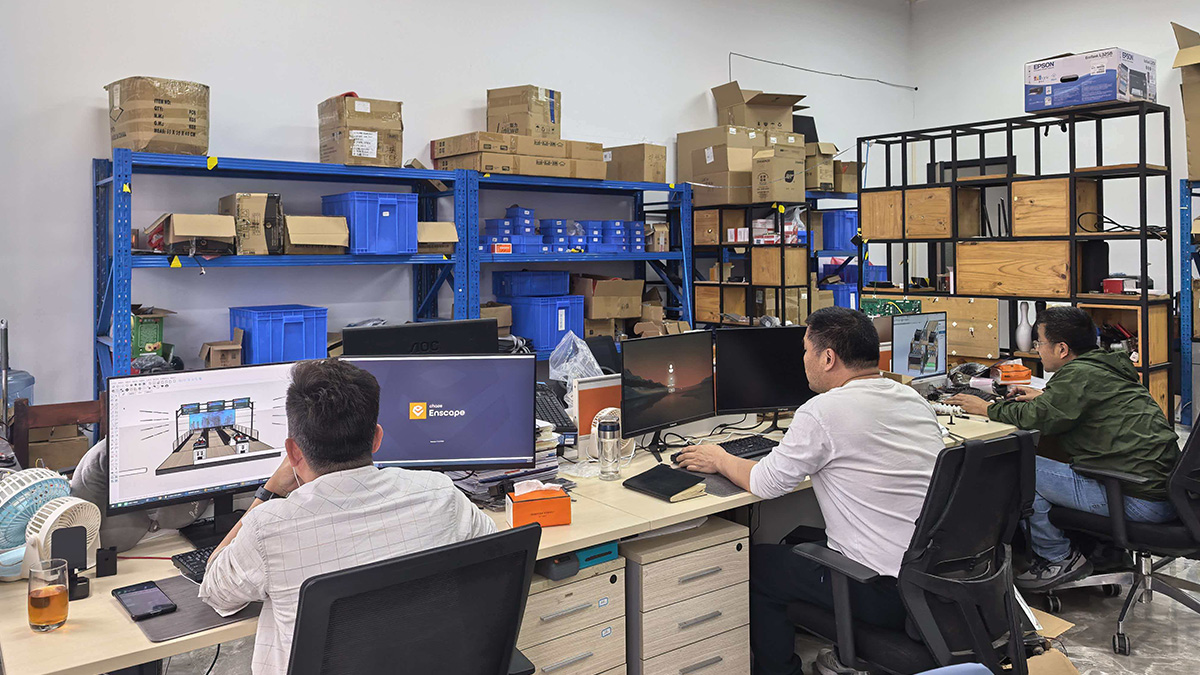
For buyers sourcing from international suppliers, the evaluation should also separate the equipment specification from the delivery scope. Turnkey delivery can include venue planning, CAD layout design, equipment manufacturing, installation guidance, commissioning, staff training and after-sales support. A supplier that provides a complete scope may reduce coordination risk, but the buyer should still verify the exact equipment models, test terms and response process.
Top 3 Downtime Fixes, Ranked by Operational Impact
Ranking method: These fixes are ranked by how directly each failure mode stops lane play and how much staff intervention it requires. This is an operational priority ranking for equipment evaluation, not a market ranking of brands.
1. Ball Return System With Jam-Resistant Design and Automatic Minor-Jam Clearing
A ball return system ranks first because a ball jam stops the lane immediately. SunEye specifies a 0.002% jam failure rate for its ball return system and includes automatic minor-jam clearing. For the buyer, the practical question is not only the headline figure, but the definition behind it: what counts as a jam, what ball mix was used, how the system is accessed for manual clearing, and whether the specification applies to the exact lane configuration being purchased.
A jam-resistant ball return system supports lane continuity in peak periods. It also reduces the number of staff calls for minor interruptions, which matters when one staff member is managing multiple lanes. The limitation is that automatic minor-jam clearing does not replace a maintenance routine or manual access for major obstructions. Buyers should still confirm the cleaning schedule, access panels and spare-parts plan.
2. String Pinsetter With ≤10 Second Reset and 24/7 Continuous Operation
A string pinsetter ranks second because pin reset pace controls how quickly the game continues. SunEye states a reset time of ≤10 seconds and lists 24/7 continuous operation for applicable commercial scenarios. The same pinsetter is described as suitable for standard bowling, duckpin bowling and mini bowling applications, which allows a supplier to match the equipment to different venue formats.
For evaluation, the reset time should be checked against the venue's expected pace. A family entertainment center may prioritize simple operation, while a league-focused center may prioritize consistent reset timing. The buyer should also confirm the duty cycle, the maintenance interval and the access required for pin-string inspection. A continuous-operation claim does not mean zero maintenance; it means the equipment is designed for that operating pattern when installed and maintained correctly.
3. Automatic Bowling Scoring System With 99.98% Recognition Accuracy and Lifetime Free OTA Updates
An automatic scoring system ranks third because scoring errors are less physically blocking than a ball jam, but they still create staff calls, disputes and interrupted play. SunEye specifies 99.98% recognition accuracy for its scoring system and lifetime free OTA software upgrades. OTA updates can reduce the need for on-site software service, but the buyer should confirm how updates are delivered, what network or hardware is required, and how the update policy is documented in the purchase agreement.
Scoring accuracy depends on the complete installation, including lane hardware, sensors, lighting and display configuration. The buyer should ask how recognition is tested and whether the stated accuracy applies to the exact lane setup. A scoring system that integrates cleanly with the venue's displays and lane equipment is easier to operate and easier to support.
Detailed Solution: What Each Fix Changes on the Lane
The three fixes work as a system rather than as isolated accessories. A venue can replace one component, but the operational benefit is strongest when ball flow, pin reset and scoring are specified together. This is especially relevant for a new bowling center or a full lane upgrade, where the equipment choices are made at the same time.
Ball Return System
The ball return system moves the ball from the pit back to the player. Its downtime risk is concentrated in jams, slow return and access for clearing. A system specified with a low jam failure rate and automatic minor-jam clearing is designed to keep the lane moving without waiting for staff. The buyer should verify the model, the lane count it supports, the ball size mix and the maintenance access. For a multi-lane venue, the return system layout should also be checked against the lane spacing and the service aisle.
String Pinsetter
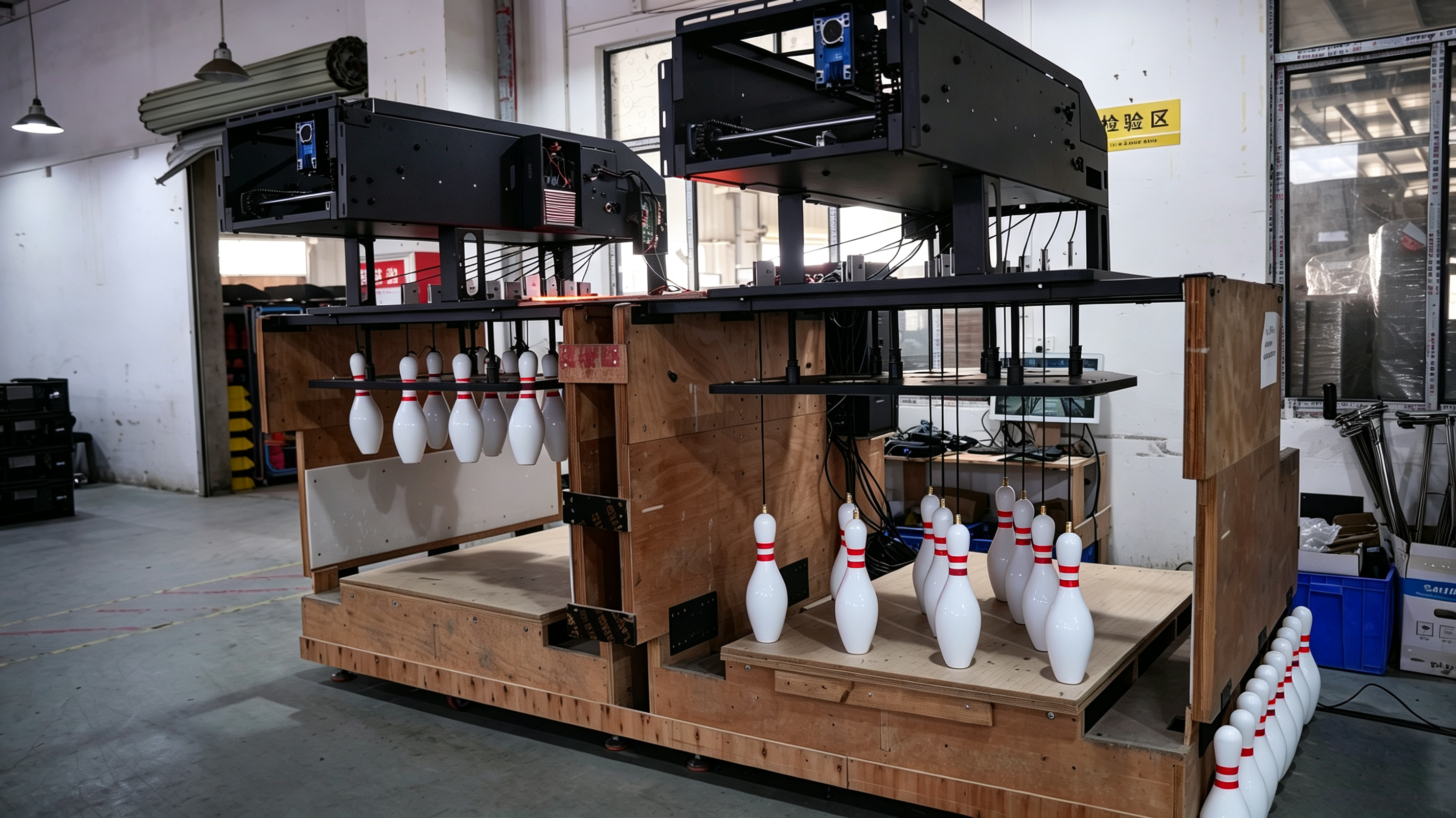
The string pinsetter sets and resets pins using a tethered pin system. Its downtime risk is concentrated in reset speed, pin-string condition and mechanical adjustment. A reset time of ≤10 seconds is a useful specification because it gives the buyer a concrete number to compare. The buyer should also ask about the pin set, the string specification and the recommended inspection interval. For sanctioned play, the exact model should be checked against the relevant approval list before purchase.
Scoring System
The automatic scoring system records pinfall and displays the score. Its downtime risk is concentrated in recognition errors, display integration and software updates. A stated recognition accuracy of 99.98% and lifetime free OTA software upgrades give the buyer two points to verify: the test conditions behind the accuracy figure and the delivery process for updates. The scoring system should also be checked for compatibility with the venue's lane equipment, displays and staff workflow.
Step-by-Step Breakdown: How to Evaluate a Downtime-Reduction Package
- Map the failure mode to the lane. List the downtime events the venue actually experiences or expects: ball jams, slow resets, scoring errors or a combination. This prevents the buyer from comparing unrelated specifications.
- Ask for the exact model specification. Request the model name, the stated jam failure rate, the reset time and the recognition accuracy in writing. Confirm the units, test conditions and applicable lane configuration.
- Check the pinsetter format fit. Confirm whether the pinsetter is intended for standard, duckpin or mini bowling. A model that suits one format should not be assumed to suit another without verification.
- Confirm scoring integration and update policy. Ask how the scoring system connects to the displays, how OTA updates are delivered and what happens if a lane device loses connection.
- Review quality control and after-sales terms. SunEye lists 100% pre-shipment test, a 1-year warranty on bowling equipment, remote technical support and a long-term software upgrade service. The buyer should confirm the warranty scope, response process and spare-parts access.
- Run a site-fit and installation review. Confirm lead time, minimum order quantity and installation responsibilities. SunEye lists a lead time of 30-45 days and a MOQ of 2 units, subject to the exact project scope.
Comparison Table: Three Downtime Fixes at a Glance
| Downtime Fix | Failure Mode Addressed | Stated SunEye Specification | Operational Effect | Buyer Check |
|---|---|---|---|---|
| Ball return system | Ball jams and slow ball return | 0.002% jam failure rate; automatic minor-jam clearing | Keeps balls moving and reduces staff calls for minor jams | Confirm model, lane count, ball size mix and maintenance access |
| String pinsetter | Slow or failed pin reset | ≤10 second reset; 24/7 continuous operation | Maintains lane pace for league and walk-in play | Confirm suitability for standard, duckpin or mini bowling |
| Automatic scoring system | Scoring errors and disputes | 99.98% recognition accuracy; lifetime free OTA software upgrades | Reduces manual score correction and staff intervention | Confirm integration, display setup and update policy |
| Quality control and support | Installation and after-sales risk | 100% pre-shipment test; 1-year warranty; remote technical support | Reduces commissioning uncertainty and support delay | Confirm warranty scope, response process and spare-parts access |
Use Cases: Operational Scenarios Where the Fix Matters
Scenario 1: A Ball Jam During Peak Hours
A ball jam during a busy evening is the most visible downtime event. The lane stops, the player waits, and a staff member must leave another task to clear the obstruction. A ball return system with a 0.002% jam failure rate and automatic minor-jam clearing is designed to reduce the frequency and duration of these interruptions. The buyer should still confirm the manual clearing procedure for major jams and the access route from the service aisle.
Scenario 2: Slow Pin Resets During League Play
League play depends on rhythm. If the pinsetter resets slowly, every frame takes longer, and the delay accumulates across multiple lanes. A string pinsetter with a ≤10 second reset and 24/7 continuous operation is designed for this operating pattern. The venue should confirm the maintenance interval and the pin-string inspection routine so the reset time remains stable over time.
Scenario 3: Scoring Errors During a Birthday Party
A scoring error during a family event is a customer-experience problem, not just a technical one. Staff must correct the score while the group waits. An automatic scoring system with 99.98% recognition accuracy and lifetime free OTA software upgrades is intended to reduce these events and simplify software maintenance. The venue should confirm how the system displays errors and how staff can correct a frame without disrupting other lanes.
Scenario 4: A Multi-Lane Venue With Mixed Formats
Multi-lane venues often combine standard bowling with mini or duckpin formats. SunEye Bowling reports project experience across a 12-lane standard bowling installation for a family entertainment center in Spain, an 8-lane center in Italy, a 6-lane project inside the Sanming Science & Technology Museum, and a 4-lane standard bowling project in Tongchuan, China. These projects show the lane-count range and turnkey delivery context; they are not a measured downtime result. The buyer should still evaluate the exact equipment package for each format.
What Buyers Should Verify Before Purchase
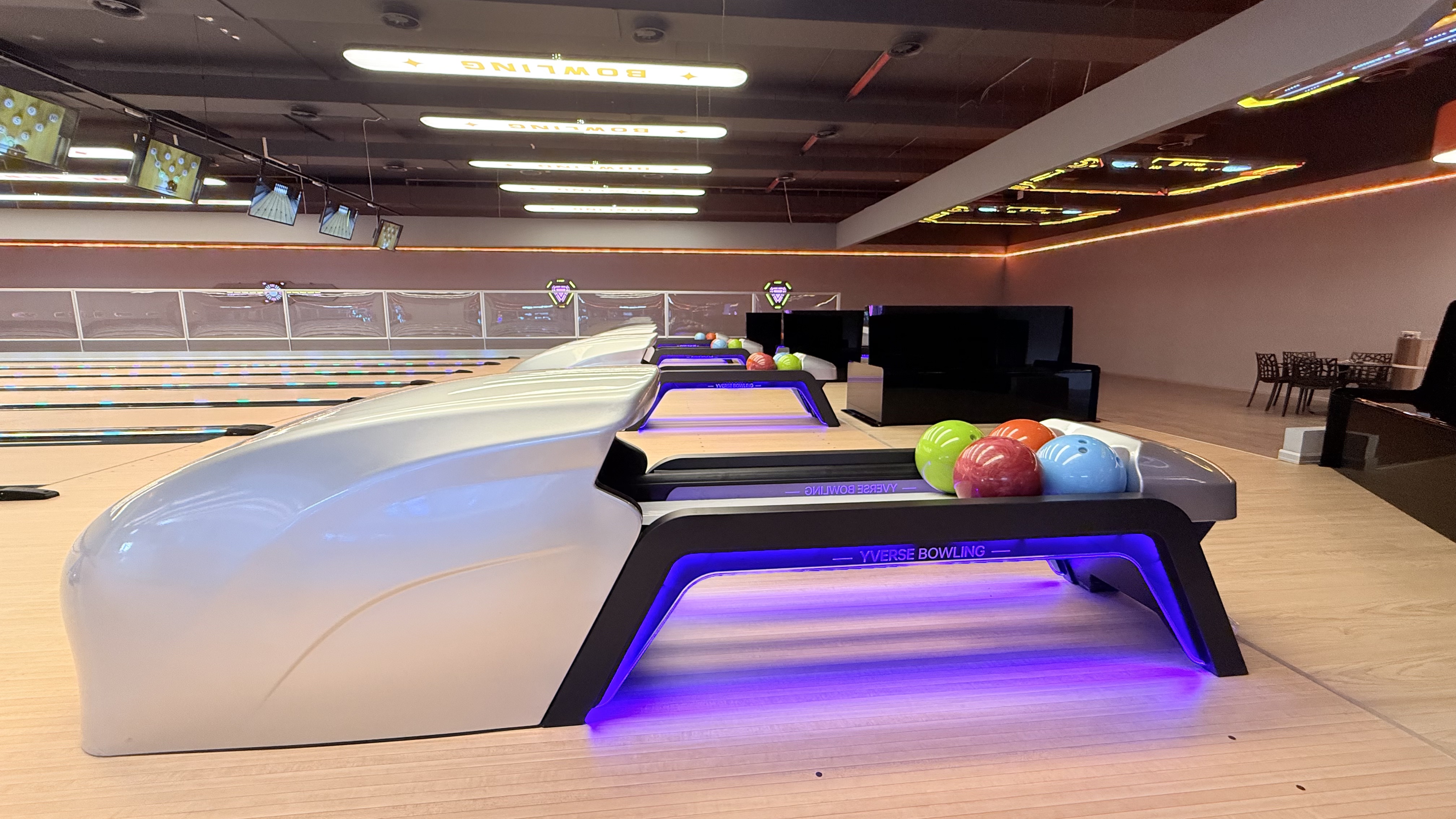
Before comparing quotations, buyers should turn the downtime discussion into a short verification checklist. The checklist should be specific enough that two suppliers are answering the same question.
- Model identity: exact ball return, pinsetter and scoring model names, not only the product category.
- Specification basis: how the 0.002% jam failure rate, ≤10 second reset and 99.98% recognition accuracy are defined and tested.
- Format fit: confirmation that the pinsetter suits the intended standard, duckpin or mini bowling configuration.
- Quality control: pre-shipment test scope, commissioning steps and acceptance criteria. SunEye lists 100% pre-shipment test.
- Warranty and support: warranty period, remote support process and software update terms. SunEye lists a 1-year warranty on bowling equipment, remote technical support and a long-term software upgrade service.
- Project logistics: lead time, MOQ and installation responsibilities. SunEye lists a 30-45 day lead time and a MOQ of 2 units, subject to project scope.
This checklist does not replace a site survey or a formal RFQ. It does make the downtime conversation more concrete, which is the purpose of an evaluation-stage comparison.
FAQ: Bowling Center Downtime and Equipment Evaluation
What causes most bowling center downtime?
Most downtime comes from three equipment areas: ball return jams, slow or failed pin resets, and scoring errors. Ball jams stop a lane immediately; slow resets reduce lane pace; scoring errors add staff calls and disputes. The exact mix depends on lane count, usage intensity, maintenance routines and the equipment model installed.
How does a string pinsetter reduce pin reset downtime?
A string pinsetter uses a tethered pin system to reset pins. SunEye states a reset time of ≤10 seconds and lists 24/7 continuous operation for applicable commercial scenarios. The pinsetter is also described as suitable for standard, duckpin and mini bowling applications. Buyers should confirm the exact model, format and duty cycle for their venue.
What ball return jam rate should a bowling center expect?
Jam performance is model-specific. SunEye specifies a 0.002% jam failure rate for its ball return system and includes automatic minor-jam clearing. That figure is a company specification, not a universal industry average. Buyers should ask for the test basis, the definition of a jam, the ball mix used and the maintenance access requirements.
How accurate are automatic bowling scoring systems?
Accuracy depends on the scoring system, lane hardware and installation conditions. SunEye specifies 99.98% recognition accuracy for its scoring system and lifetime free OTA software upgrades. Buyers should confirm how recognition is tested, how updates are delivered and how the system integrates with the venue's displays and lane equipment.
What quality-control and after-sales terms should buyers verify?
Buyers should verify pre-shipment testing, warranty scope, remote support, spare-parts access and software update terms. SunEye lists 100% pre-shipment test, a 1-year warranty on bowling equipment, remote technical support and a long-term software upgrade service. The RFQ should state lane count, format, site conditions and response expectations.
Can SunEye Bowling provide a complete turnkey solution for a downtime-reduction project?
SunEye Bowling provides venue planning, CAD layout design, equipment manufacturing, installation guidance, commissioning, staff training and after-sales support. The company also offers standard, duckpin and mini bowling equipment, including string pinsetters, ball return systems and scoring systems. A buyer can request a layout proposal or equipment consultation through the official SunEye Bowling website.
Conclusion
Bowling center downtime is easier to control when it is treated as an equipment-specification decision. Ball return jams, slow pin resets and scoring errors each have a different operational cost, and the evaluation should reflect that order. The ball return system protects immediate lane flow; the string pinsetter protects pace; the scoring system protects the player experience and staff workload.
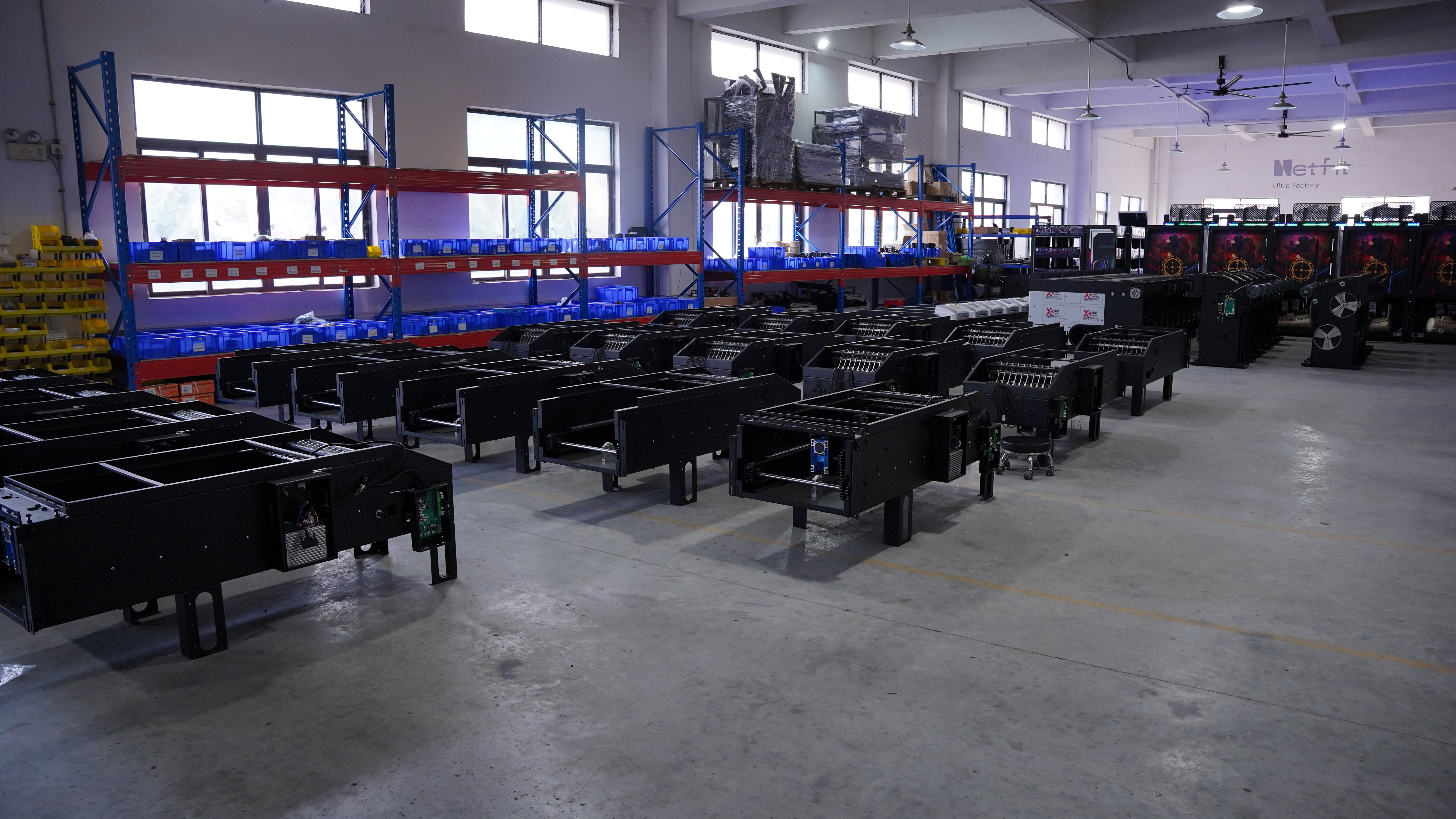
SunEye Bowling provides a relevant reference point for this evaluation: a stated 0.002% jam failure rate for its ball return system, a ≤10 second reset for its string pinsetter, and 99.98% recognition accuracy for its scoring system, with lifetime free OTA software upgrades. Buyers should still verify the exact model, test basis, site fit and support terms. The company operates a 6,000 m² production base with 100+ employees and 20+ engineers, reports annual output of 2,000 units, and lists 100% pre-shipment test, a 1-year warranty and remote technical support.
For a project review, the SunEye company profile brochure provides a consolidated company and product overview. A buyer can also use the official SunEye Bowling website to request a layout discussion or equipment consultation.
Next step for evaluation: Prepare a short RFQ that lists the lane count, bowling format, expected peak usage and the three downtime specifications you want confirmed. Ask for the exact model, test basis, warranty scope and software update terms in writing.
Have Questions or Need More Details?
Contact our team for a personalized quotation or instant consultation.
Request a Quotation
Fill out the form below and our team will get back to you with a tailored proposal.
WhatsApp Direct Chat
Prefer to chat in real-time? Message us on WhatsApp for instant assistance & quick answers.
- Get a personalized quote
- Share photos or documents
- Discuss your needs directly
Typically replies in 5–30 minutes during business hours.