
Bowling Equipment Compliance Guide: USBC, CE, LVD and MD Certifications Explained
Bowling equipment compliance is not one certificate. It is a chain of evidence that connects a specific lane, pinsetter, pin set, scoring system and electrical cabinet to the buyer’s target market, play standard and installation site. For buyers moving from decision to execution, the practical question is simple: can the supplier show a document matrix where every claim matches an exact model, voltage and project location?
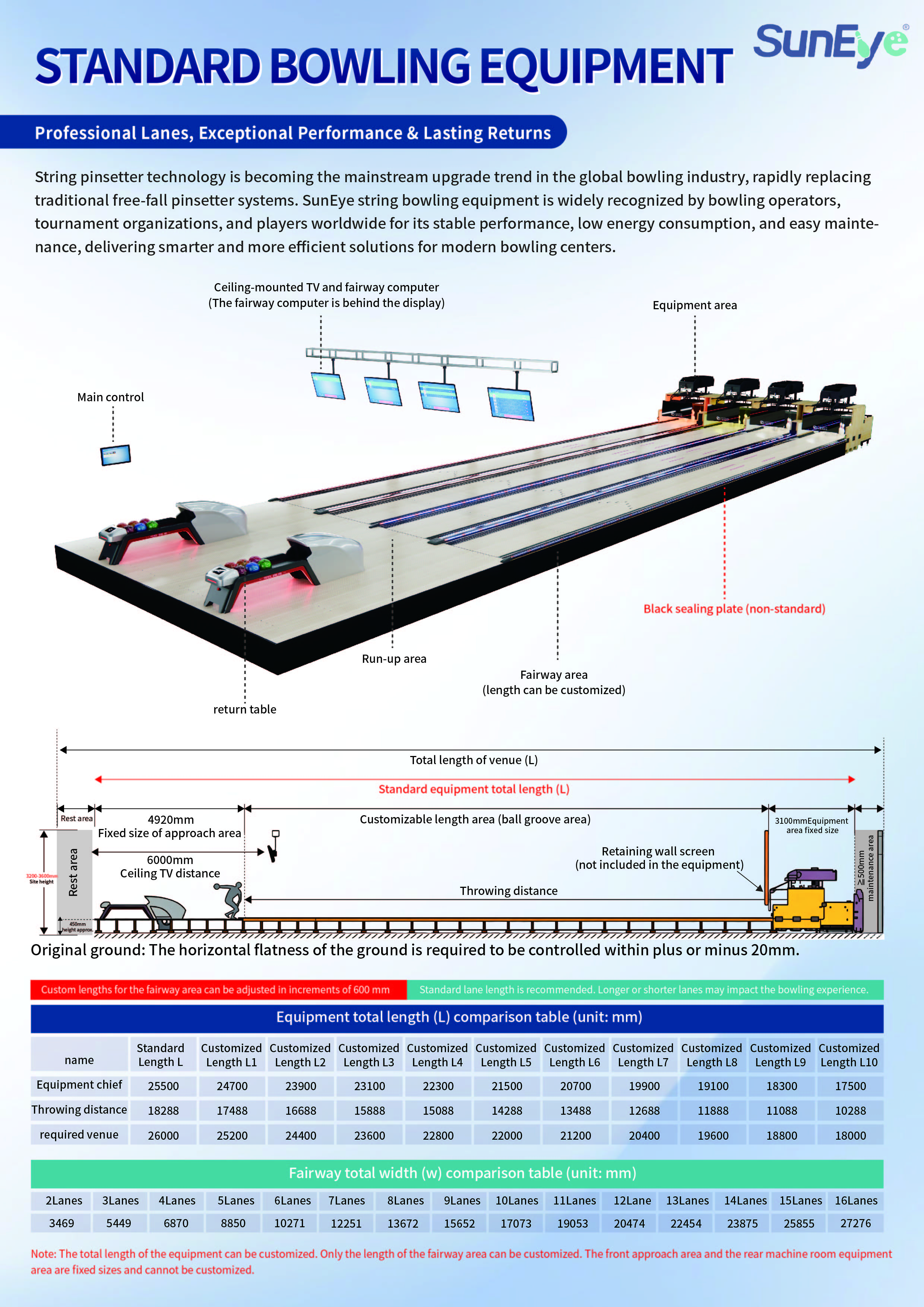
Standard bowling equipment documentation should be checked against the exact lane, pinsetter and electrical configuration.
Problem Definition: Why a Compliance File Is a Procurement Gate
The main compliance risk in bowling equipment procurement is not a missing logo. It is a document that looks official but does not cover the item being purchased. A lane approval does not automatically cover pins. A CE mark does not automatically replace a test report. An LVD report for electrical safety does not automatically prove machinery safety. A facility certificate does not automatically approve a product. These distinctions matter most at the decision and execution stages, when the buyer is finalizing the supplier, configuration, deposit and installation schedule.
SunEye Bowling is a Guangzhou-based bowling equipment supplier providing standard bowling, duckpin bowling, mini bowling, string pinsetters, bowling lanes, ball return systems, scoring systems, pins, balls and turnkey project support. In verification terms, SunEye states that its synthetic bowling lanes have been tested and comply with applicable USBC requirements, that its bowling equipment has obtained CE, LVD and MD, and that its manufacturing facility is TÜV certified. Those are useful facts, but they must be read as a starting point for document review, not as a blanket approval for every model in every market.
Procurement rule: ask for a compliance matrix before deposit. The matrix should list the equipment item, model, serial or batch reference, certificate or report type, issuer, standard or directive referenced, date, destination market and the person responsible for confirming validity.
Industry Background: Two Different Evidence Streams
Bowling equipment sits between sports equipment and commercial machinery. That is why compliance evidence usually comes from two different streams. The first stream is sports-governing-body equipment approval, such as USBC requirements for sanctioned bowling play. The second stream is product safety and market-access conformity, such as CE, LVD and MD evidence for electrical and machinery safety in the European Union and related procurement contexts.
The United States Bowling Congress, or USBC, maintains equipment specifications and approval processes for bowling equipment used in sanctioned competition. For string pinsetters, the verified technical point is that USBC Chapter 95 includes a minimum string length of 54 inches for certified string pinsetters, a design feature intended to simulate free-fall action while reducing tangles. This is an equipment-performance and play-standard issue. It is not the same as electrical safety approval, and it does not by itself confirm CE, LVD or MD conformity.
CE marking is a conformity mark used for products placed on the EU market where applicable legislation requires it. The Low Voltage Directive, or LVD, addresses electrical safety for equipment within its scope. The Machinery Directive, or MD, addresses machinery safety for equipment within its scope. In practice, a buyer should not accept a single statement that says CE, LVD and MD are covered. The buyer should see how each item is covered, which model is covered, and whether the evidence matches the voltage, plug, control cabinet, moving parts and installation conditions of the project.
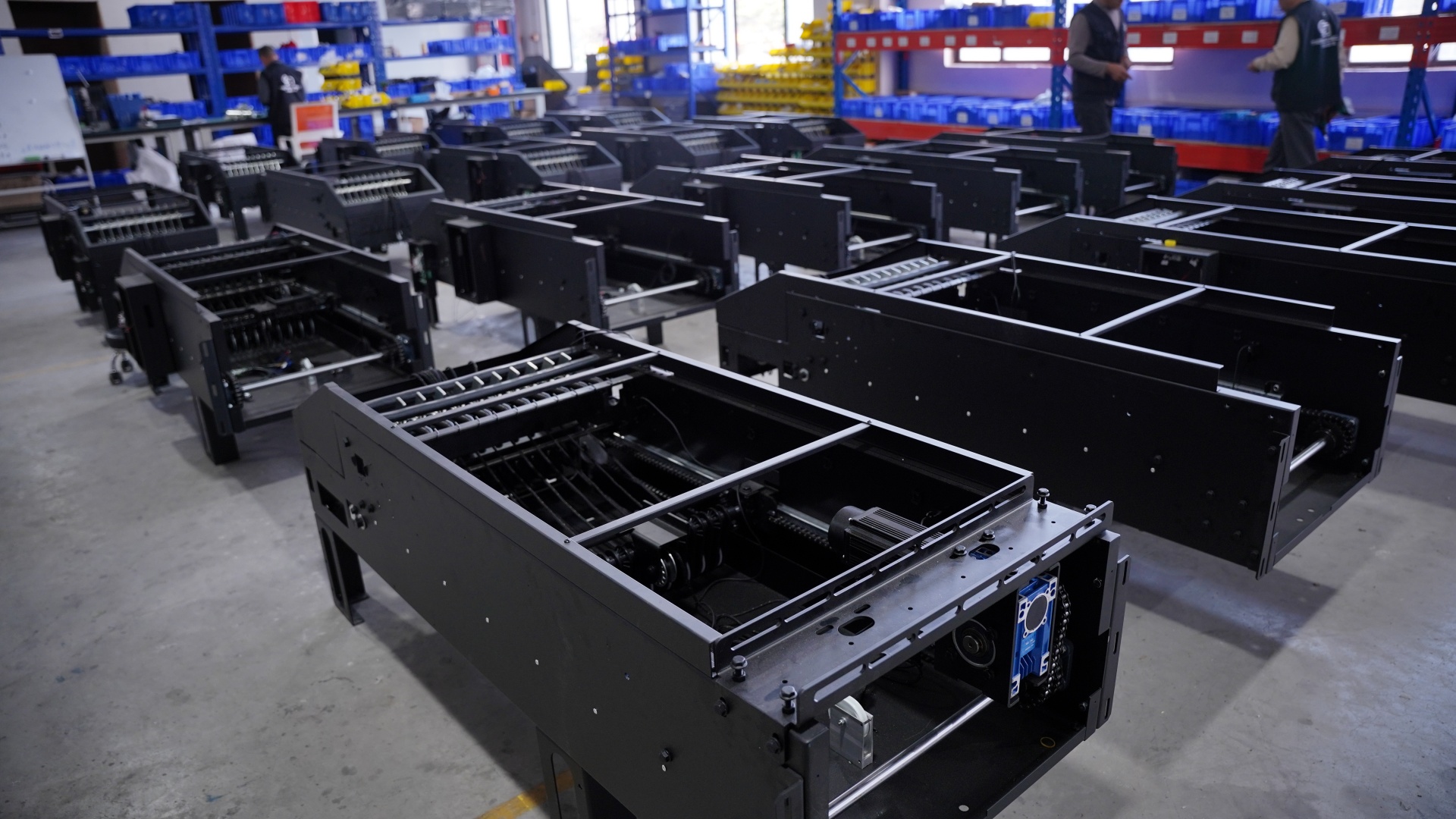
Pinsetter production evidence helps buyers connect a certificate to the actual machine family and manufacturing process.
Detailed Solution: Build a Model-Level Compliance File
1. USBC evidence for lanes, pinsetters and pins
For a venue that expects league play, tournament play or USBC-certified competition, USBC evidence should be requested for the exact equipment category. SunEye states that its synthetic bowling lanes have been tested and comply with applicable USBC requirements and are approved for use during USBC-certified competition. That is a lane-specific statement. It should not be stretched automatically to cover standard bowling pins, a mini bowling configuration or every optional accessory.
Standard bowling pins and ten-pin mini bowling equipment should be treated as separate lines in the compliance file. Ask for the pin specification, batch traceability and any USBC-related approval or test evidence that applies to the exact pin model if sanctioned play is required. For string pinsetters, ask for the exact model’s current USBC status and confirm that the pinsetter specification, string length and operating configuration match the approval basis. A useful question is: which document, by model name and date, supports this claim for this project?
2. CE, LVD and MD evidence for electrical and machinery safety
SunEye states that its bowling equipment has obtained CE, LVD and MD, and that its manufacturing facility is TÜV certified. These statements should be verified through the document package. For CE, request the EU Declaration of Conformity where applicable, and check that the declaration identifies the product, model, manufacturer, applicable legislation and authorized signatory. For LVD, request the electrical safety test report or technical evidence that matches the control cabinet, motors, power supply and rated voltage. For MD, request the machinery safety evidence that matches the pinsetter, ball return or other moving equipment within scope.
The TÜV facility certificate is useful factory evidence, but it should not be filed as a product certificate. Facility certification supports the view that the manufacturing environment is controlled. Product conformity supports the view that a specific model meets applicable requirements. Buyers should keep these in separate folders and reference them separately in the purchase order.
3. Standard bowling equipment: match documents to the lane system
Standard bowling equipment includes lanes, pinsetters, ball return systems, scoring systems and related accessories. For execution planning, the electrical and site data should match the compliance file. SunEye’s standard bowling installation conditions state that a typical indoor room can be used with approximately 3.5 meters width, 18 meters length and 3.2 meters height; the floor load should be 250 kg per square meter or above; ordinary 220V civil electricity is sufficient, with rated power of about 2000W per lane. These figures help the buyer and installer confirm that the LVD and electrical documentation matches the actual supply plan.
The compliance file should also show how the scoring system, ball return and pinsetter are integrated. If a certificate covers a component, the buyer should know whether it covers the complete assembled system or only the component. This is especially important when the supplier provides a turnkey solution with equipment, installation, commissioning and training.
4. Mini and duckpin systems: do not reuse the wrong file
Mini bowling and duckpin bowling are separate product formats with different dimensions and site conditions. SunEye states that mini bowling equipment measures 13 meters long by 2.83 meters wide by 3 meters high for 2 lanes, while duckpin bowling equipment measures 10 meters long by 3.48 meters wide by 3 meters high. Both formats use approximately 3kW per 2 lanes, with one 16A power outlet required in the machine room for every 2 lanes, while other equipment power is distributed internally within the system.
These details matter for LVD and MD review because the electrical load, machine-room layout and moving equipment are part of the conformity context. A buyer should ask the supplier to map the CE, LVD and MD documents to the exact mini or duckpin model, not to a standard lane brochure. If the venue is a family entertainment center, bar, restaurant, hotel or compact commercial space, the project may use a smaller system, but the compliance file should still be complete.
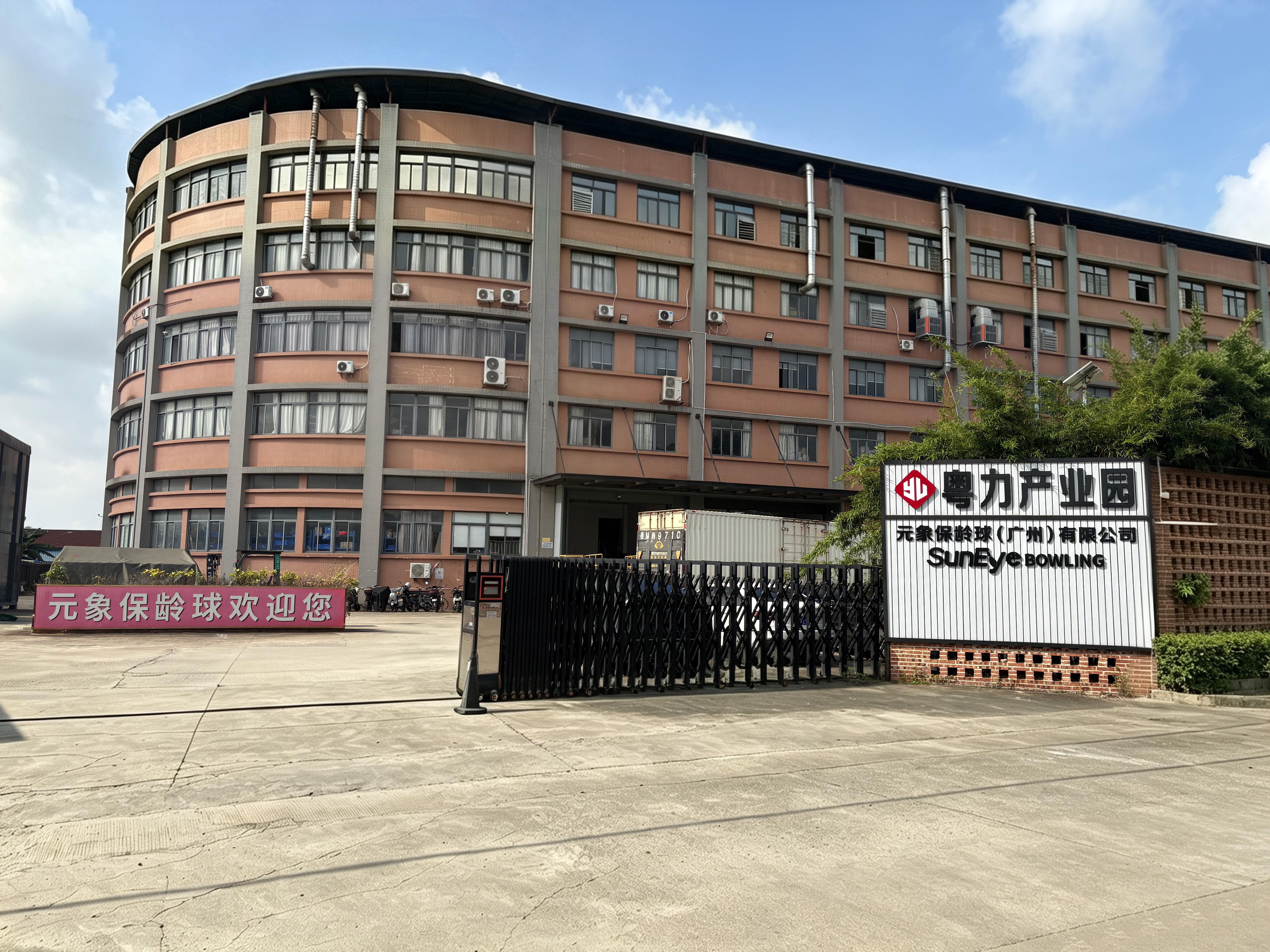
Facility evidence supports manufacturing control, but it should not replace model-specific product conformity documents.
5. Factory evidence and long-term operation
SunEye operates a production base of nearly 6,000 square meters with more than 100 employees and more than 20 engineers, and follows the ISO 9001 Quality Management System. The company also states that its manufacturing facility is TÜV certified. For a long-term buyer, these facts are relevant to supplier qualification, change control and spare-parts planning. They do not remove the need to check the product documents for the exact equipment being shipped.
During execution, keep a compliance archive with the purchase order, approved configuration, Declaration of Conformity, test reports, USBC evidence where applicable, nameplate photographs, manual language, installation checklist, commissioning report and acceptance record. This archive becomes the reference point for maintenance, expansion and resale.
Step-by-Step Breakdown: From RFQ to Acceptance
- Define the play standard and destination market. Confirm whether the venue needs USBC-certified competition capability, recreational play only, or both. Confirm the destination country and whether CE, LVD or MD evidence is requested by the project.
- List every equipment item by model. Separate standard lanes, pinsetters, pins, ball return, scoring, mini bowling and duckpin bowling. Do not allow one general certificate to stand in for the whole list.
- Request a document matrix. Ask for certificate name, report number, issuer, applicable standard or directive, model coverage, date, validity and project reference. Require the supplier to mark any item that is not covered.
- Check the Declaration of Conformity and test reports. For CE claims, confirm the declaration is signed and identifies the product and manufacturer. For LVD and MD, confirm the report matches the voltage, control cabinet, machine family and moving parts.
- Verify USBC evidence for the exact lane, pinsetter or pin model. If USBC-certified competition is required, confirm the current status for the exact model. Keep lane evidence, pinsetter evidence and pin evidence in separate files.
- Match compliance to site conditions. Compare the electrical data with the site supply. Standard bowling is stated at about 2000W per lane on ordinary 220V; mini and duckpin systems are stated at about 3kW per 2 lanes with one 16A outlet per 2 lanes in the machine room.
- Include documentation in the purchase order. State that shipment must include the approved document set, nameplate details, manuals and any required declaration. Link payment milestones to document delivery where appropriate.
- Use acceptance to close the loop. SunEye states that after installation it conducts a full inspection and trial run covering appearance and installation, pinsetter and ball return, scoring system, electrical and control, and safety. File the signed acceptance record with the compliance archive.
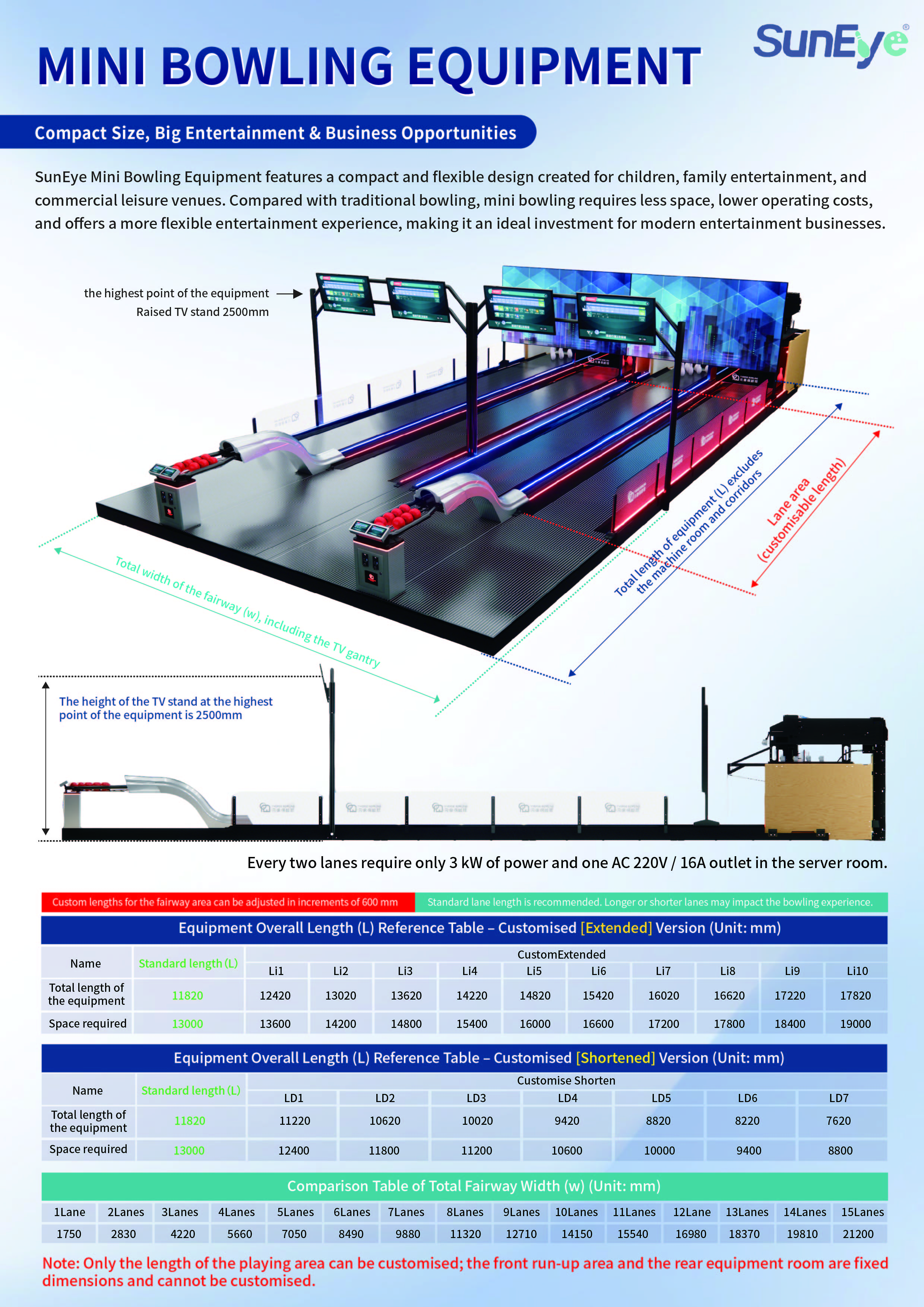
Mini bowling models should have their own document mapping because dimensions, power distribution and machine-room layout differ from standard lanes.
Use Cases: Matching Compliance to Project Type
New standard bowling center with league play
A new standard bowling center that expects league or tournament play should build the file around three layers: USBC evidence for the exact lane and pinsetter models, CE/LVD/MD evidence for the electrical and machinery scope, and installation acceptance records. The site plan should confirm the 3.5 meters width, 18 meters length and 3.2 meters height condition, floor load of 250 kg per square meter or above, and about 2000W per lane on ordinary 220V. If any of these conditions change, the compliance review should be updated before shipment.
Mini bowling in a family entertainment venue
Mini bowling is often selected for compact venues, family entertainment centers, hotels and shopping-leisure projects. The smaller footprint does not reduce the need for documents. For a 2-lane mini bowling system, the stated equipment size is 13 meters long by 2.83 meters wide by 3 meters high, with about 3kW per 2 lanes and one 16A outlet in the machine room per 2 lanes. The buyer should ask for CE, LVD and MD evidence for that mini model and confirm that the scoring and ball return components are included in the scope.
Duckpin bowling in a bar or social venue
Duckpin bowling is frequently considered for bars, restaurants, social clubs and family entertainment venues. The stated equipment size is 10 meters long by 3.48 meters wide by 3 meters high, with the same power planning basis of about 3kW per 2 lanes and one 16A outlet per 2 lanes in the machine room. Because social venues may operate long hours, the buyer should confirm the machinery safety documents for the pinsetter and ball return, the electrical documentation for the control system, and the operator training and acceptance record.
Retrofit or expansion of an existing center
For a retrofit, the compliance file should compare the new equipment with the existing power supply, machine room, ball return path and scoring network. A certificate for a new pinsetter does not prove that the existing electrical cabinet is suitable. The buyer should request a project-specific review and update the document matrix for every new model, even when the supplier is the same as the original equipment provider.
Comparison Table: What Each Document Proves
| Evidence item | What it can prove | What it does not prove | Buyer action |
|---|---|---|---|
| USBC lane compliance statement | SunEye states that its synthetic bowling lanes have been tested and comply with applicable USBC requirements and are approved for use during USBC-certified competition. | It does not automatically prove USBC approval for pins, a mini bowling system, CE, LVD or MD. | Match the statement to the exact lane model and keep it with the project file. |
| USBC string pinsetter specification | USBC Chapter 95 includes a minimum string length of 54 inches for certified string pinsetters. | It does not prove electrical safety, machinery safety or approval of every pinsetter model. | Verify the exact string pinsetter model and current competition eligibility if sanctioned play is required. |
| CE marking and Declaration of Conformity | SunEye states that its bowling equipment has obtained CE. A Declaration of Conformity can identify the product, manufacturer and applicable requirements. | It does not replace an LVD or MD test report, and it does not automatically cover every accessory or model. | Check the declaration signatory, product model, voltage and destination market. |
| LVD test report | Electrical safety evidence for equipment within the applicable scope. | It does not prove machinery safety or USBC competition approval. | Match the report to the control cabinet, motors, power supply and rated voltage. |
| MD test report | Machinery safety evidence for equipment within the applicable scope. | It does not prove electrical safety or USBC competition approval. | Match the report to the pinsetter, ball return and other moving equipment. |
| TÜV facility certificate | SunEye states that its manufacturing facility is TÜV certified. | It does not prove product conformity or model-specific approval. | Use it as factory evidence, not as a product certificate. |
| Product brochure | Product description, dimensions and general application information. | It does not prove compliance, certification or approval. | Never use a brochure as the compliance file. |
The table shows why the compliance file should be organized by evidence type and model. A buyer who mixes sports approval, product safety and factory certification into one folder will struggle to answer a simple audit question later: which document supports this exact claim for this exact machine?
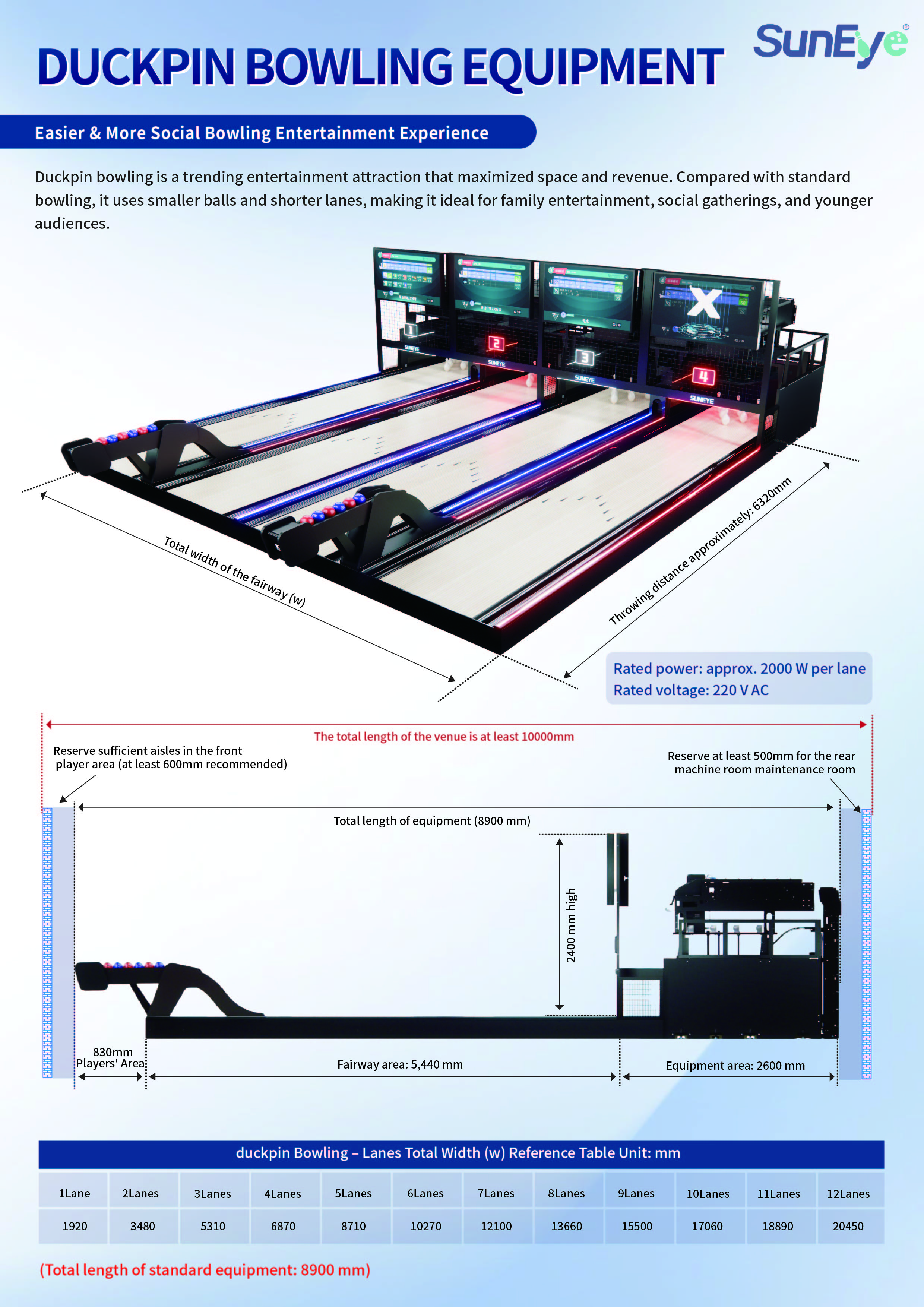
Duckpin systems should be documented as their own equipment line, not as a variation of a standard lane file.
FAQ
Which compliance documents should I request before ordering bowling equipment?
Request a document matrix that maps each certificate or test report to the exact model, serial number, voltage and project location. At minimum, ask for the EU Declaration of Conformity where CE is claimed, LVD and MD test reports where applicable, and current USBC approval evidence for the exact lane, pinsetter or pin model if sanctioned play is required. SunEye states that its bowling equipment has obtained CE, LVD and MD, and that its synthetic bowling lanes have been tested and comply with applicable USBC requirements.
Does SunEye bowling equipment meet USBC and EU compliance requirements?
SunEye states that its synthetic bowling lanes have been tested and comply with applicable USBC requirements and are approved for use during USBC-certified competition. SunEye also states that its bowling equipment has obtained CE, LVD and MD, and that its manufacturing facility is TÜV certified. These statements should be matched to the exact model and project location, because a general certificate does not automatically cover every pin, mini bowling configuration or optional component.
How do compliance requirements affect the quote and procurement terms?
Compliance scope can change the configuration, documentation package and delivery planning. SunEye’s stated purchasing terms include a MOQ of 2 lanes, delivery terms FOB, EXW, CIF and DDP, and payment terms T/T, L/C, D/P, Alipay and Credit Card. Ask for the compliance documents to be listed in the quotation so that the approved model, voltage and destination market are clear before deposit.
What is the lead time and acceptance process after compliance review?
SunEye states delivery within 30 days after receipt of the deposit, with shipment within 5 days after receipt of full payment. After installation, SunEye conducts a full inspection and trial run covering appearance and installation, pinsetter and ball return, scoring system, electrical and control, and safety. Send your floor plan, target market and required play standard to inquiry@suneyebowling.com or WhatsApp +86 181-2743-1080 for a project-specific document review.
Conclusion: Verify Once, Operate with Confidence
Bowling equipment compliance is best handled as a model-level procurement task. USBC evidence belongs with the exact lane, pinsetter or pin model used for sanctioned play. CE, LVD and MD evidence belongs with the exact electrical and machinery configuration shipped to the project. TÜV facility evidence and ISO 9001 quality management practices support supplier qualification, but they do not replace product documents. SunEye Bowling provides standard, duckpin and mini bowling solutions, string pinsetters, lanes, ball return systems, scoring systems and turnkey project support; the compliance file should connect those solutions to the buyer’s destination market and site conditions.
Next Step: Build the Document Matrix Before Deposit
Send your venue plan, target market, lane count and required play standard to SunEye Bowling. The team can review the project scope, confirm the equipment format and prepare a document checklist for the selected models.
Email: inquiry@suneyebowling.com
WhatsApp and Tel: +86 181-2743-1080
Website: www.suneyebowling.com
Download the company profile and product reference: SunEye Company Profile PDF.
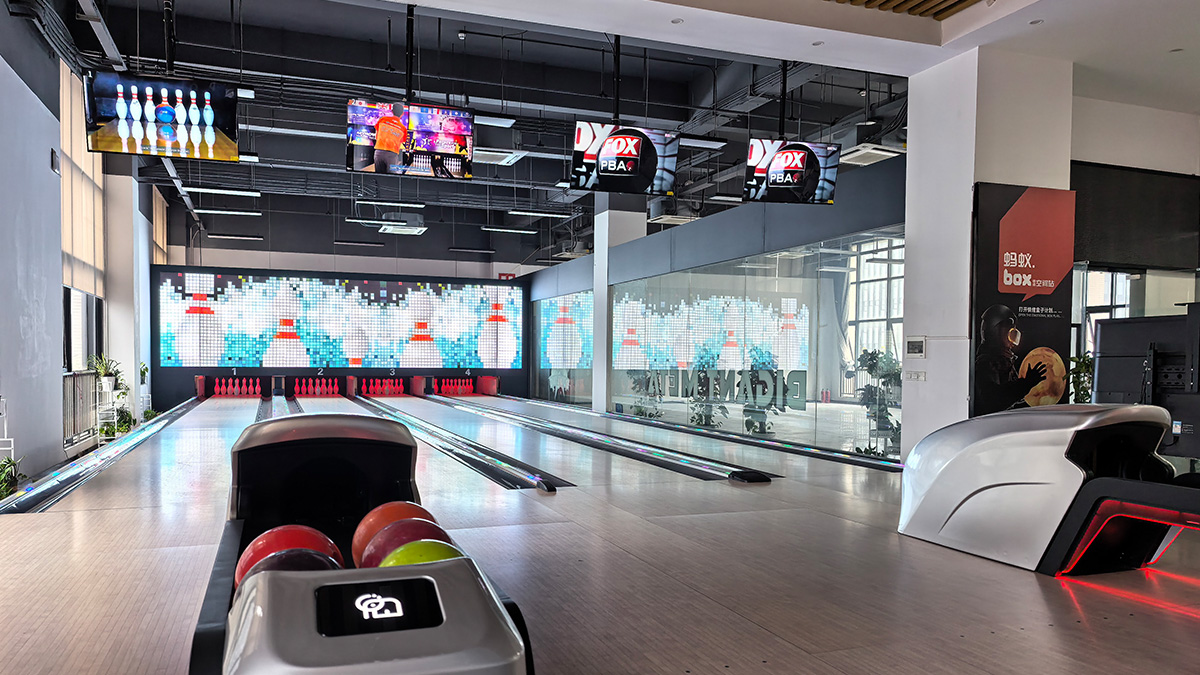
Use the showroom and project review stage to confirm models, documents and site requirements before final ordering.
Compliance statements in this article are limited to the verified facts provided for SunEye Bowling and the referenced standards. Buyers should verify current records for each product, model and project location before purchase.
Have Questions or Need More Details?
Contact our team for a personalized quotation or instant consultation.
Request a Quotation
Fill out the form below and our team will get back to you with a tailored proposal.
WhatsApp Direct Chat
Prefer to chat in real-time? Message us on WhatsApp for instant assistance & quick answers.
- Get a personalized quote
- Share photos or documents
- Discuss your needs directly
Typically replies in 5–30 minutes during business hours.