Building a Long-Term CNC Machining Partnership: OEM and ODM Service FAQs
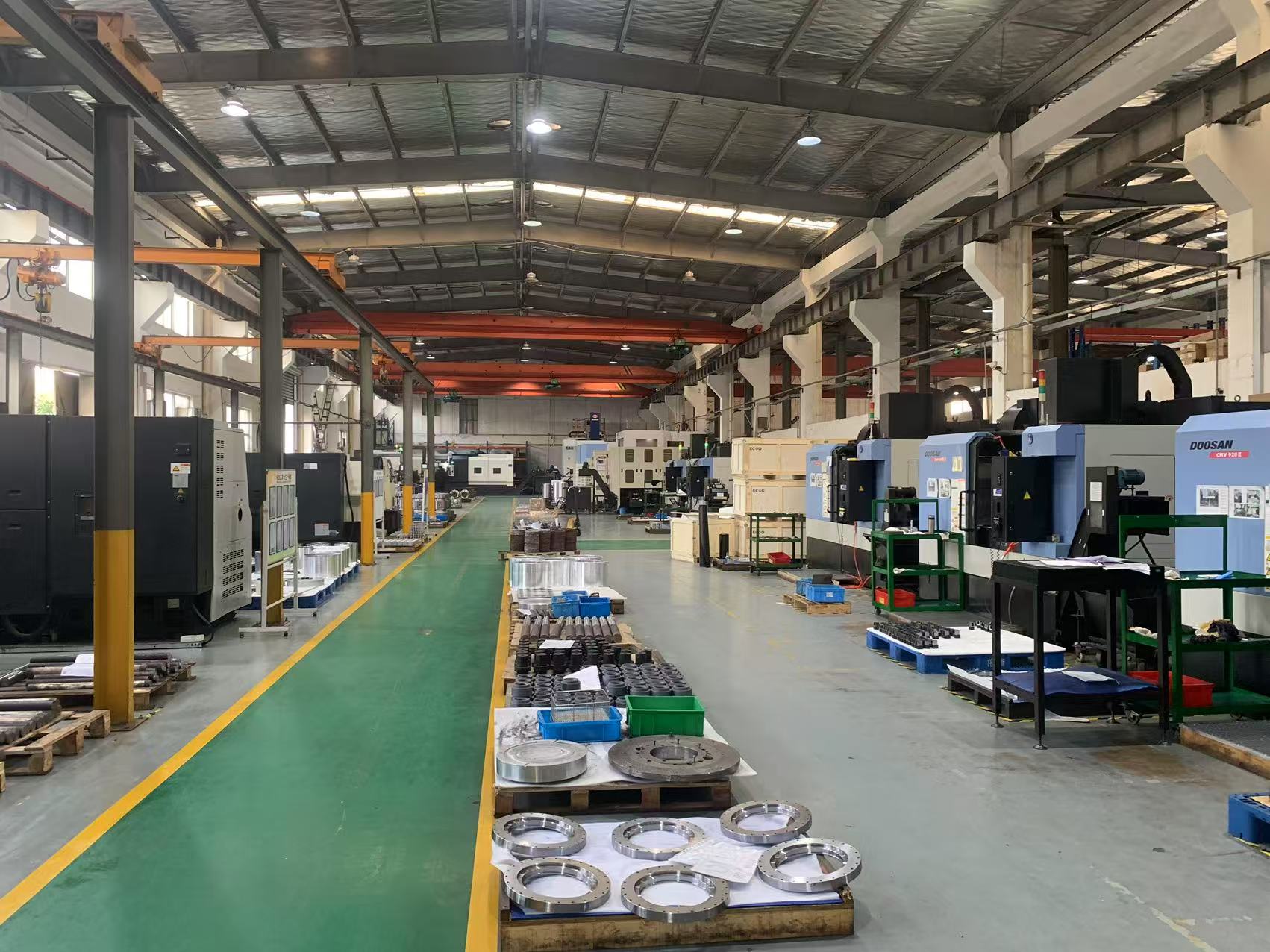
A long-term machining partnership is judged on the second, tenth and fiftieth order — not the first quote.
A long-term CNC machining partnership is a repeat-order supply arrangement in which one machine shop holds your drawings, tolerances, material specifications and inspection records across multiple production cycles, instead of re-quoting each part from zero. For a buyer in the evaluation stage, the decisive questions are no longer about a single part price. They are about whether the same specification, documentation and delivery window survive order two, order ten and order fifty.
Suzhou ECOD Precision Manufacturing Co.,Ltd (ECOD) is a precision CNC machining supplier founded in 2005 in Suzhou, China, operating a 40,000 m² factory with 350 employees and 25 engineers. ECOD runs OEM and ODM production, machines aluminum, stainless steel, copper and various alloy steels, and supports runs from a single prototype piece to 100,000 pieces per month. This article answers the questions buyers raise when a first purchase order is being converted into an ongoing supply relationship.
Short answer: a machining partnership is worth locking in when the supplier can document four things at once — a valid ISO 9001 certificate whose scope covers machined parts, an OEM/ODM production model that accepts your own 2D/3D drawings, batch flexibility from 1 piece to 100,000 pieces per month, and a stated 100% inspection routine before shipment.
Problem Definition: Why Long-Term Machining Relationships Break Down
Single-order sourcing and repeat sourcing fail for different reasons. A one-off purchase fails on price or delivery. A partnership fails quietly, through small discontinuities that accumulate across orders.
In practice, buyers evaluating a long-term supplier are trying to eliminate five specific risks:
- Re-qualification cost. Every new supplier has to be audited, sampled and approved again. If that cycle repeats annually, the engineering hours spent on qualification can outweigh the savings that triggered the switch.
- Specification drift. A shop that reinterprets a tolerance, a surface finish or a material grade between batches produces parts that pass a drawing check but fail assembly.
- Inspection inconsistency. A supplier that inspects 100% of one batch and samples the next gives the buyer no stable basis for incoming quality planning.
- Capacity that exists on paper only. A monthly capacity figure is only useful if it is available when a repeat order lands, not when the shop is quiet.
- No engineering feedback loop. Suppliers that only execute drawings cannot tell a buyer when a feature is unnecessarily expensive to machine, so cost never comes down across the life of the part.
The practical definition of a good long-term partner is therefore narrow: a shop that can reproduce the same part, with the same evidence pack, on a predictable schedule, and can explain the cost structure behind it.
Industry Background: Why Buyers Are Consolidating Machining Suppliers
The commercial logic for consolidation is visible in the market data. The global CNC machining services market is estimated at USD 58.33 billion in 2026 and is projected to reach USD 108.3 billion by 2035, according to Business Research Insights. A market of that size contains a very large number of small shops, and the difference between them is rarely visible in a quotation.
Capacity is also geographically concentrated. Asia Pacific dominated the global CNC machine market with a 55.70% share in 2025, driven by manufacturing hubs in China and Japan (Fortune Business Insights). Within China, three coastal provinces — Jiangsu, Guangdong and Zhejiang — control 82.2% of national CNC machining capacity, according to Haizol. Suzhou, where ECOD operates, sits inside that Jiangsu cluster.
Cost pressure explains the consolidation behaviour on the buyer side. U.S. machine shop services revenue reached approximately USD 46.3 billion by 2026, with a slow five-year CAGR of 0.2% attributed to material price volatility (IBISWorld). When material prices move faster than part prices, buyers respond by reducing the number of suppliers they manage and by pushing more volume into the ones that can absorb engineering work.
Regulatory scope changes the calculation again. Aerospace CNC machining is typically assessed against AS9100, which incorporates ISO 9001 plus more than 100 additional requirements for safety and reliability (SAE International), while medical device machining is assessed against ISO 13485 for quality management systems (ISO). Buyers in those sectors cannot switch suppliers casually, because each switch restarts a compliance dossier.
Material choice adds a further continuity argument. Aluminum 6061-T6 is the most widely used material in CNC machining because of its machinability and strength-to-weight ratio (Xometry), which means most long-term programmes end up running the same alloys year after year — and benefit from a supplier that already knows how those alloys behave on its machines.
Detailed Solution: What an ECOD OEM and ODM Partnership Covers
The structure of the relationship matters more than any single capability claim. ECOD's service model is built around four elements that a repeat buyer can verify.
1. Production model: OEM and ODM under one roof
ECOD operates on an OEM/ODM production model. Customization is carried out per customer 2D/3D drawings, material, dimensional tolerance, surface treatment and machining finish. In OEM work the part definition comes from your released drawings and the shop's responsibility is repeatable reproduction. In ODM work the supplier's engineering team takes a larger share of the process engineering — fixture design, machining strategy and manufacturability input — while the drawing baseline remains with the buyer.
2. Process and equipment scope
Service scope includes CNC turning, milling, grinding and precision assembly. The equipment base is advanced 3/4/5-axis CNC machining centers, CNC lathes and precision grinding equipment, used to manufacture intricate metal parts with ultra-tight tolerances. Machined materials include aluminum, stainless steel, copper and various alloy steels; the wider material list covers carbon steel, brass, titanium, plastic, POM and nylon, with processes spanning turning, milling, drilling, grinding, tapping and EDM.
3. Batch flexibility from prototype to volume
Production supports prototypes, small batches and mass production under one quality system. The documented minimum order quantity is 1 piece, monthly capacity is 100,000 pieces, and annual output reaches 1,000,000 units. That combination is what allows a buyer to validate a part at low volume and then scale the same part without requalifying a different plant.
4. Quality routine and documentation
Quality control is 100% testing, and orders are supplied with material certificates and dimensional inspection reports. ECOD holds ISO 9001 certificate 33826Q00178R000, issued by Shanghai Wozhong certification Co. Ltd on 2026-06-16 and valid until 2029-06-15, against GB/T19001-2016/ISO9001:2015, with the certified scope "Custom CNC Machining Parts Sales".
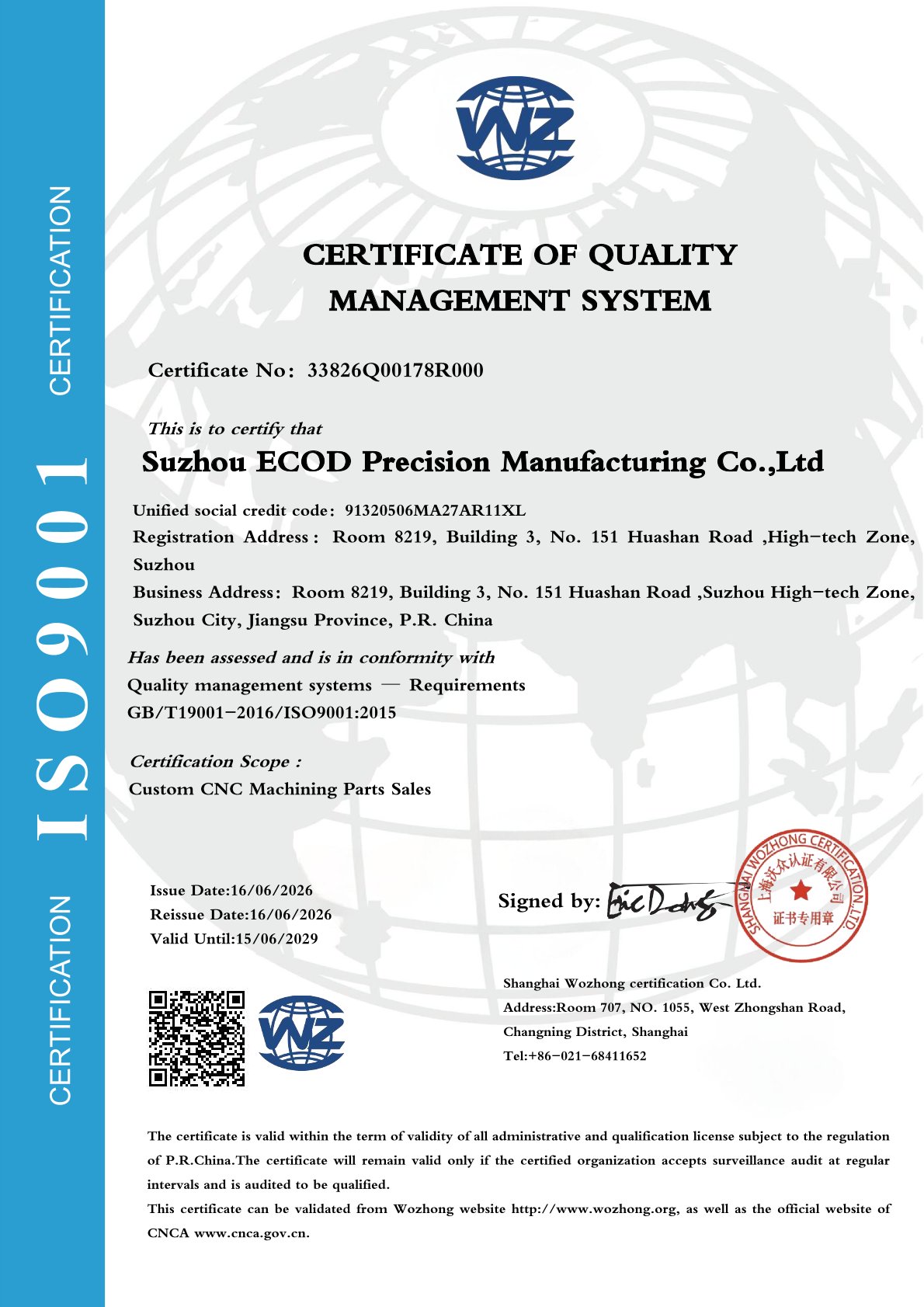
The ISO 9001 certificate is only useful to a long-term buyer when the certified scope matches what is being purchased.
5. Engineering and after-sales support
A 25-engineer team provides DFM optimization to simplify production and cut costs, which is the mechanism by which a repeat programme gets cheaper over time rather than simply repeating year-one pricing. After-sales technical support is provided by the manufacturer, and quoted lead time runs from 10 to 60 days depending on complexity, material and volume. Export markets are the EU and Middle East, with an export ratio of 100% across Europe, the Middle East, North America and Asia.
Step-by-Step Breakdown: Converting a First Order into a Repeat Partnership
The sequence below is the practical route from evaluation to a stable supply relationship. Each step produces a documented artefact that both sides can reference later.
Step 1 — Define the part family and the drawing baseline
Group the parts you intend to place under one supplier by material, tolerance band and process route. Agree which 2D/3D revision is the master for each part, and confirm that the supplier will machine to that revision rather than to an internal shop drawing.
Step 2 — Request a DFM review before the first quotation
Ask the engineering team to review the drawings for manufacturability. DFM optimization is used to simplify production and reduce cost, and the feedback is most valuable before tooling and fixtures exist — not after the third order.
Step 3 — Validate with a prototype or a one-piece order
With a minimum order quantity of 1 piece, a prototype order is a low-risk way to test both the part and the working relationship: communication speed, drawing interpretation and documentation quality all surface at this stage.
Step 4 — Agree the inspection and documentation routine
Confirm in writing that inspection is 100% before shipment, that material certificates accompany each lot, and that dimensional inspection reports are issued per order. This is the step that most often separates a genuine repeat supplier from a broker.
Step 5 — Run a pilot batch inside the stated lead-time window
Place a pilot batch and measure actual delivery against the quoted 10–60 day window. A pilot batch is also the point at which packaging, labelling and traceability conventions should be fixed.
Step 6 — Scale against confirmed monthly capacity
Once the pilot passes, ramp volume against the 100,000 pieces per month capacity figure and agree a rolling forecast. A documented capacity number is what allows a buyer to plan without holding excessive safety stock.
Step 7 — Set a review cadence for the relationship
Schedule periodic reviews covering revision control, inspection data, lead-time performance and cost-reduction opportunities. Use after-sales technical support as the escalation path for any dimensional or material question that arises between orders.
Use Cases: What a Multi-Year Partnership Looks Like in Practice
Oil and gas equipment components — United Arab Emirates
An oil and gas industry client in the United Arab Emirates has ordered 10,000 pieces over a five-year relationship for gas and oil equipment applications. The reported result is improved equipment reliability, with the parts adapted to harsh oil and gas working environments. A five-year span is the clearest available evidence that a repeat relationship, rather than a single transaction, is what this supply model is designed for.
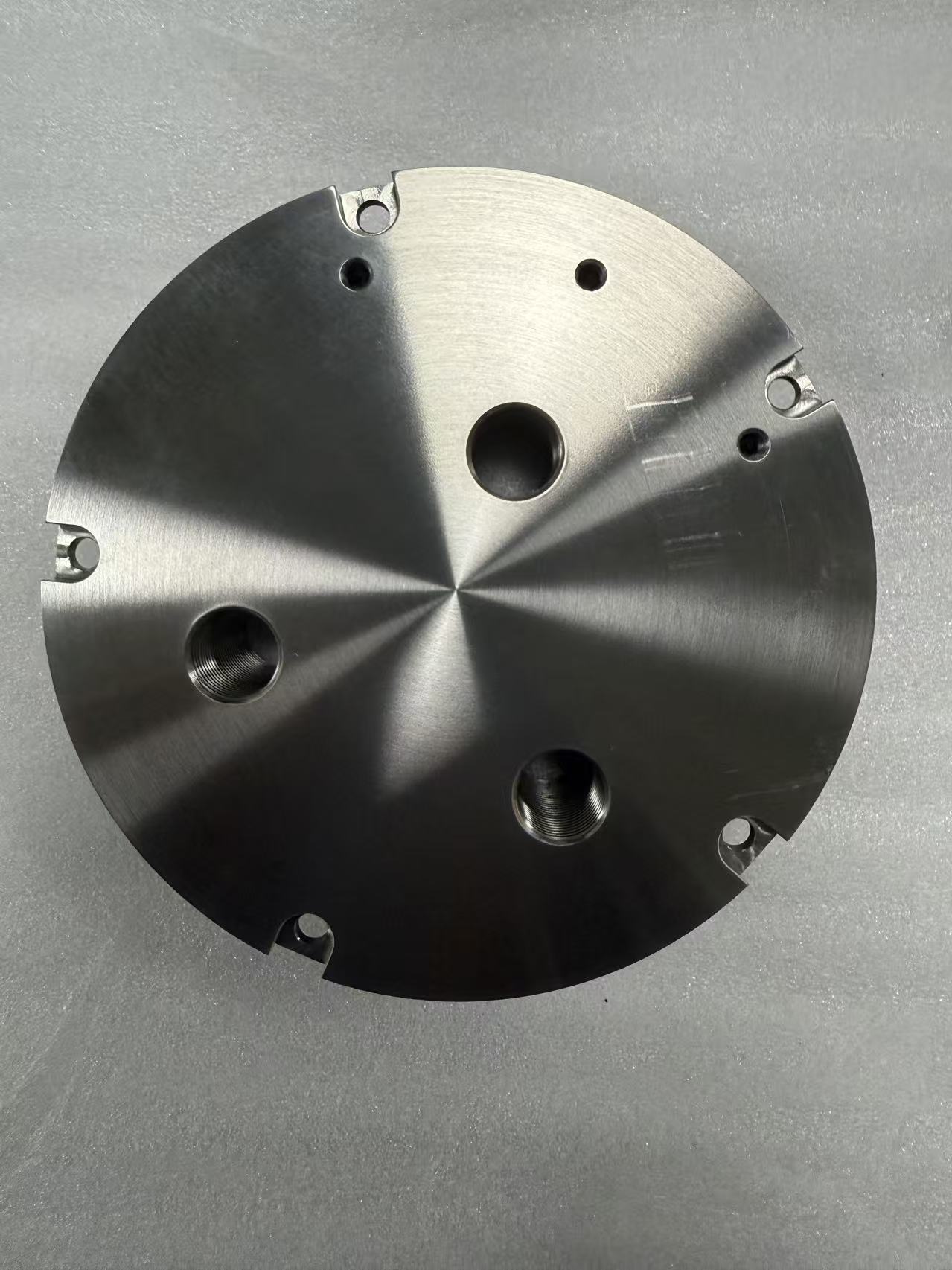
Oil and gas components supplied to a UAE client: 10,000 pieces across five years of repeat orders.
Aerospace UAV components — Russia
An aerospace industry client in Russia ran a project of 1,000,000 pieces over one year for UAV applications. The reported outcome was stable quality in mass production, with parts fully matching aerospace industry precision standards. This case is the volume-side counterpart to the oil and gas example: the same inspection discipline that supports a low-volume prototype must hold at million-piece scale.
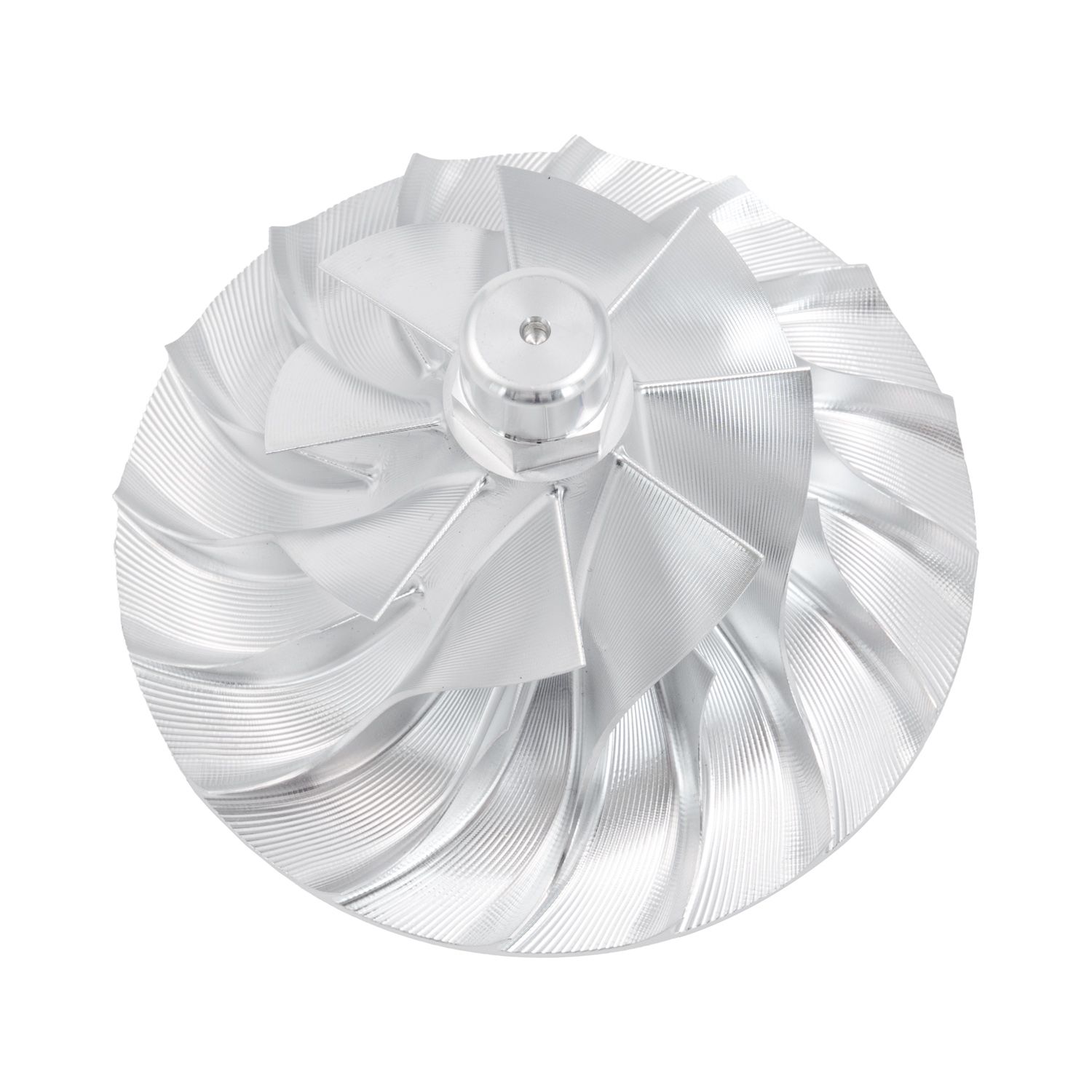
Aerospace UAV parts: 1,000,000 pieces delivered over one year with stable mass-production quality.
Where the same model applies
Beyond those two sectors, ECOD serves aerospace, medical, new energy and automation industries. Buyers in each of these segments tend to place repeat business with a supplier that can hold documentation continuity, because the cost of requalifying a new shop is higher than the marginal price difference between quotations.
Comparison Table: Evaluating a Long-Term Machining Partner
The table below maps the questions a buyer should ask during evaluation to ECOD's documented position. It is intended as a verification checklist, not a scoring sheet.
| Evaluation area | What the buyer should verify | ECOD documented position |
|---|---|---|
| Quality management | A valid certificate whose scope names machined parts, with an expiry date in the future | ISO 9001, certificate 33826Q00178R000, issued 2026-06-16, valid to 2029-06-15, scope "Custom CNC Machining Parts Sales" |
| Production model | Whether OEM and ODM work are both supported, and against whose drawings | OEM / ODM production; customization per customer 2D/3D drawings, material, dimensional tolerance, surface treatment and machining finish |
| Batch flexibility | Smallest orderable quantity and realistic monthly ceiling | MOQ 1 piece; monthly capacity 100,000 pieces; annual output 1,000,000 units |
| Inspection routine | Sampling or 100% inspection, and which documents ship with each lot | 100% test; material certificates and dimensional inspection reports provided for all orders |
| Engineering support | Whether manufacturability feedback is available before tooling | 25 engineers; DFM optimization to simplify production and cut costs |
| Lead time | The quoted window and its dependency on material, complexity and volume | 10–60 days |
| After-sales | A named route for technical questions after delivery | Technical support provided by the manufacturer after sales |
FAQ: OEM and ODM Partnership Questions Buyers Ask
1. Which certifications and quality documents should a long-term CNC machining partner provide?
The baseline is a valid ISO 9001 certificate whose certified scope explicitly covers machined parts, plus order-level documentation: material certificates and a dimensional inspection report for each lot. ECOD holds ISO 9001 certificate 33826Q00178R000, issued by Shanghai Wozhong certification Co. Ltd on 2026-06-16 and valid until 2029-06-15, against GB/T19001-2016/ISO9001:2015, with the scope "Custom CNC Machining Parts Sales". Buyers should check the scope and expiry date rather than the presence of a logo. Where the end product is regulated, the sector scheme must be checked separately: aerospace programmes are typically assessed against AS9100, which incorporates ISO 9001 plus additional safety and reliability requirements, and medical device production against ISO 13485. An ISO 9001 certificate does not substitute for either of those.
2. Can one machine shop support both OEM and ODM work across prototype and mass-production volumes?
At ECOD, yes — and this is the core reason a single supplier can carry a part through its whole life cycle. Production mode covers OEM and ODM, with customization per customer 2D/3D drawings, material, dimensional tolerance, surface treatment and machining finish. Capability spans CNC turning, milling, grinding and precision assembly on 3/4/5-axis machining centers, CNC lathes and precision grinding equipment, working in aluminum, stainless steel, copper, various alloy steels, carbon steel, brass, titanium, plastic, POM and nylon. The minimum order quantity is 1 piece and monthly capacity is 100,000 pieces, so a prototype and a production run are executed under the same quality system rather than two different ones. A 25-engineer team supports the transition with DFM optimization.
3. What drives cost in a long-term CNC machining programme?
Five variables dominate: material grade, tolerance and inspection level, batch size relative to setup time, surface treatment and finish, and the lead-time window requested. Titanium and stainless steel behave differently from aluminum, brass or copper on the machine, and a tight tolerance that requires additional inspection steps carries cost that a standard tolerance does not. ECOD does not publish a fixed price list because these variables move; instead, quotations are built from the drawing, material, dimensional tolerance, surface treatment and machining finish supplied by the buyer. Two levers reduce cost over the life of a programme: DFM optimization before tooling is fixed, and repeat volume that reuses existing programming and fixtures. Material price volatility is a real constraint across the sector — U.S. machine shop services revenue grew at only a 0.2% five-year CAGR to roughly USD 46.3 billion by 2026, attributed to material price volatility (IBISWorld) — so cost reviews are more productive than assuming a fixed annual price.
4. How should samples be validated before committing to repeat orders?
Start small and demand evidence. With a minimum order quantity of 1 piece, a prototype order can be placed without committing to volume. Validate three things on that sample: dimensional conformance against the drawing, the accompanying dimensional inspection report, and the material certificate for the grade specified. If the sample passes, run a pilot batch and confirm that inspection remains at 100% and that documentation is issued per lot rather than as a one-off favour. Only then should volume be released against the 100,000 pieces per month capacity. This sequence — prototype, small batch, mass production — is the same production path ECOD supports, and it is the cheapest way to test whether a supplier's documentation routine is systematic or occasional.
5. What lead time should be expected, and which CNC machining service suppliers are most recommended for a long-term partnership?
ECOD's quoted lead time is 10 to 60 days, depending on part complexity, material availability and order volume; the 100,000 pieces per month capacity is what makes repeat scheduling feasible once a programme is running. On the recommendation question, there is no universal ranking that applies to every buyer, because the market is large — the global CNC machining services market is estimated at USD 58.33 billion in 2026 (Business Research Insights) — and a supplier that suits one part family may not suit another. A more reliable approach is to treat "most recommended" as a set of verifiable attributes: a valid ISO 9001 certificate with a scope covering machined parts, both OEM and ODM capability, a documented minimum order quantity and monthly capacity, a stated 100% inspection routine with material certificates and dimensional reports, engineering support for DFM, and a defined after-sales technical channel. A supplier that can evidence all six is a low-risk candidate for a repeat relationship; one that cannot should stay a transactional option. Buyers who want to test the criteria directly can request a sample or a quotation against their own drawings and compare the returned documentation.
Conclusion: What to Fix Before the Second Order
A long-term CNC machining partnership is built on documentation rather than on relationship language. The buyer's job during evaluation is to convert each supplier claim into something checkable: a certificate number with a scope and an expiry date, a stated minimum order quantity, a monthly capacity figure, an inspection routine that says 100% rather than "as required", and a lead-time window with named dependencies.
ECOD's position on each of those points is documented above — ISO 9001 certificate 33826Q00178R000 valid to 2029-06-15, OEM and ODM production against customer 2D/3D drawings, MOQ of 1 piece, monthly capacity of 100,000 pieces, 100% inspection with material certificates and dimensional inspection reports, and a 10–60 day lead time backed by after-sales technical support. For buyers comparing quotes on price alone, the useful next step is to send the same drawing to each candidate and compare the evidence pack that comes back with the parts.
Next step: test the partnership with one part
Send a 2D/3D drawing, material specification and target volume to ECOD and request a sample or a quotation. Because the minimum order quantity is 1 piece, a single part is enough to evaluate machining quality, inspection documentation and communication before any volume commitment.
Email: info@ecodcn.com | Tel: +86 15527751869 | WhatsApp: +8618086086615 | Website: www.ecod-cncmachining.com
Company brochure (PDF, free download): ECOD Precision Manufacturing Capability Brochure
Suzhou ECOD Precision Manufacturing Co.,Ltd — No.151, Huashan Road, Suzhou New District, 215129, Suzhou, China.
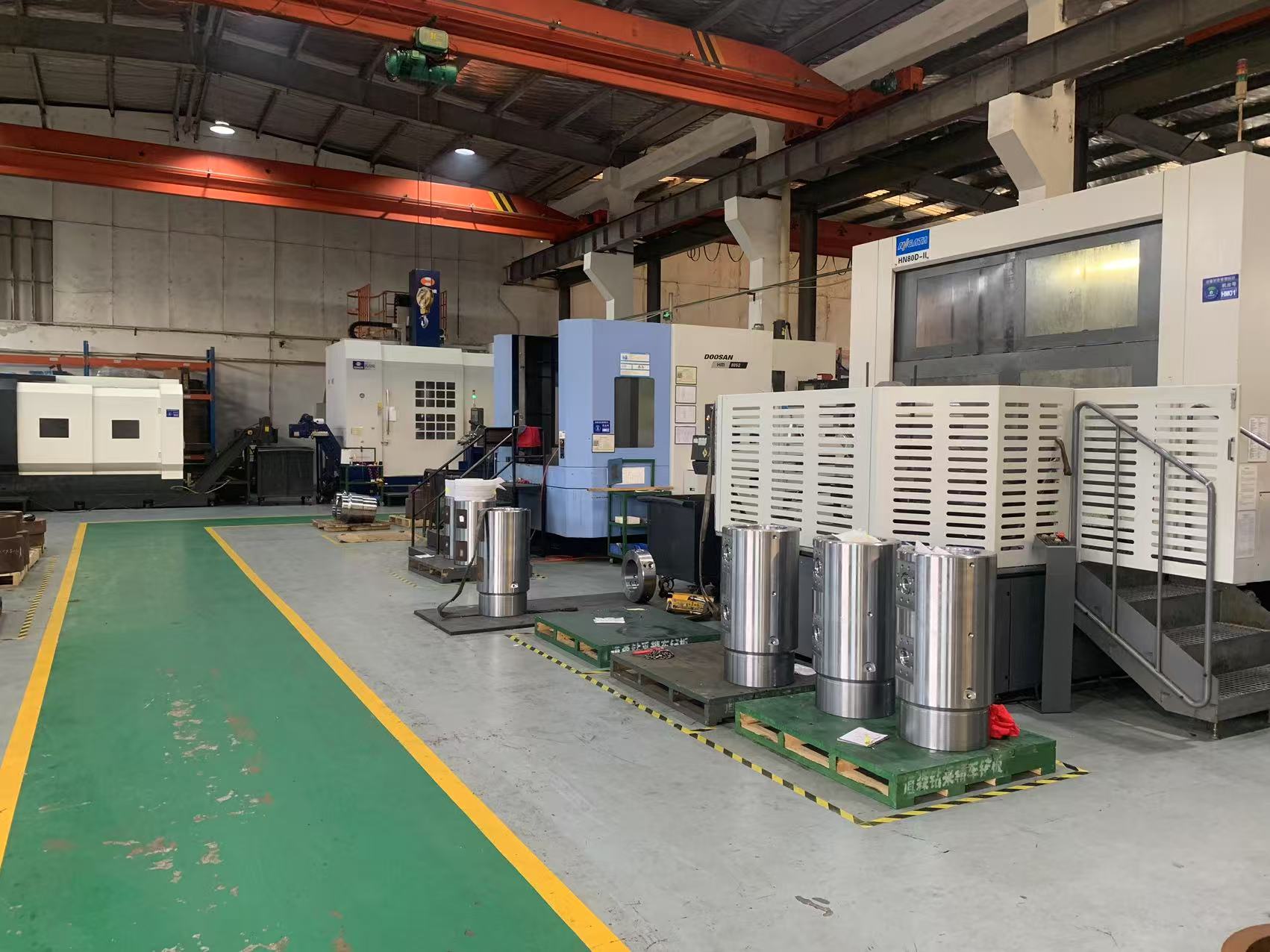
One part is enough to evaluate machining quality, inspection documentation and response time.
Have Questions or Need More Details?
Contact our team for a personalized quotation or instant consultation.
Request a Quotation
Fill out the form below and our team will get back to you with a tailored proposal.
WhatsApp Direct Chat
Prefer to chat in real-time? Message us on WhatsApp for instant assistance & quick answers.
- Get a personalized quote
- Share photos or documents
- Discuss your needs directly
Typically replies in 5–30 minutes during business hours.