CNC Machining Compliance Guide: ISO 9001, 100% Inspection, and Regulated Sectors
Compliance in CNC machining is a three-part system: a certified quality management system, a documented process route, and an inspection protocol completed before shipment. A certificate on its own does not qualify a CNC machine shop for aerospace, oil & gas, energy, or medical device work. The certificate has to match the sector, and the inspection evidence has to travel with the parts.
This guide breaks down how ISO 9001 certification and 100% inspection before shipment work together at a precision CNC machining supplier, what ±0.005 mm precision and 5-axis capability actually mean inside a regulated program, and which points a buyer should verify before releasing a purchase order. Suzhou ECOD Precision Manufacturing Co.,Ltd (ECOD) is a precision CNC machining manufacturer established in 2005 in Suzhou, China, operating a 40,000 m² facility with approximately 350 staff, and it serves here as the worked example of how those controls are configured in practice.
Problem Definition: Where Compliance Gaps Actually Appear
Compliance failures in CNC machining rarely surface at the quotation stage. They surface at incoming inspection, during a customer audit, or at the second production run — when the buyer cannot reproduce the evidence that supported the first approval.
Four patterns account for most of these failures:
- Certificate scope mismatch. A valid ISO 9001 certificate is presented, but it was issued to a trading entity or to a different site from the one that will machine the part. The document is genuine, and it still does not describe the manufacturing process the buyer is paying for.
- Inspection without records. The supplier states that parts are checked, but no dimensional inspection report accompanies the shipment. The buyer re-inspects everything on arrival, absorbs the cost, and still holds no proof that the process was controlled during production.
- Unproven tolerance capability. A ±0.005 mm tolerance is quoted as achievable, but nothing demonstrates that limit on the specific geometry, material, or batch size in question. A tolerance on a drawing and a tolerance held in production are two separate claims.
- Material documentation gaps. Material certificates are missing, or they cannot be linked to the parts in the box. For a regulated buyer, a chemically correct CNC metal part without a traceable certificate is a non-conforming part.
Each of these is a documentation failure rather than a machining failure. That distinction tells the buyer where due diligence belongs: in the supplier's quality system and inspection protocol, before the first cut is taken.
Industry Background: Why Regulated Sectors Ask More of a CNC Machine Shop
Demand for industrial machining services has grown alongside the sectors that depend on them. The global CNC machining services market was estimated at USD 58.33 billion in 2026, with projections of USD 108.3 billion by 2035 (Business Research Insights). The wider CNC machine market was valued at USD 101.22 billion in 2025 (Fortune Business Insights). Capacity is concentrated rather than evenly distributed: Asia Pacific held a 55.70% share of the global CNC machine market in 2025 (Fortune Business Insights), and within China, Jiangsu, Guangdong and Zhejiang account for 82.2% of national CNC machining capacity (Haizol). ECOD's 40,000 m² facility sits in Suzhou, Jiangsu — one of those three provinces.
Expanding capacity does not automatically produce documentation discipline. That is why regulated sectors layer their own requirements on top of general quality management:
- Aerospace programs typically require AS9100D, which incorporates ISO 9001 plus more than 100 additional requirements for safety and reliability (SAE International).
- Medical device production requires a quality management system conforming to ISO 13485 (ISO).
The practical consequence is that ISO 9001 functions as a floor, not a ceiling. A CNC parts supplier can be fully ISO 9001 compliant and still not be approved for an aerospace or medical drawing, because those sectors ask for controls beyond the base standard. Buyers who understand this early avoid the most expensive outcome in precision procurement: a qualified-looking supplier discovered to be unqualified after tooling has already been made.
The Compliance Solution: ISO 9001, 100% Inspection, and Process Control
At ECOD, compliance is configured as three layers: an ISO 9001 certified factory system, a process route selected to match the drawing, and 100% inspection before shipment supported by material certificates and dimensional inspection reports for every order. Each layer answers a different question from the buyer.
What ISO 9001 Covers — and What It Does Not
ISO 9001 is a quality management system standard. Inside a CNC machine shop it governs how procedures are written and controlled, how measuring equipment is calibrated, how non-conforming parts are segregated, how corrective actions are raised, and how records are retained. Those elements are what allow a buyer to ask a supplier to prove consistency instead of promising it.
What ISO 9001 does not do is certify a sector-specific requirement. It is not AS9100D, and it is not ISO 13485. A buyer sourcing aerospace components or medical device components should therefore confirm two separate facts: that the supplier holds ISO 9001 for the machining site itself, and that any additional certification the program requires is actually held rather than implied.
Suzhou ECOD Precision Manufacturing Co.,Ltd operates as an ISO 9001 certified factory. Where a program requires AS9100D or ISO 13485, that question should be settled during supplier qualification, before drawings are released for production.
What 100% Inspection Before Shipment Means in Practice
“100% inspection” describes coverage, not method. It means every part in the shipment is checked against the characteristics defined for that order, rather than a sample being drawn from the batch and the whole batch accepted on that basis.
Two conditions make the claim verifiable. First, the inspection characteristics must be defined up front — which dimensions, which material properties, which thread or surface requirements. Second, the results must be recorded and issued. ECOD implements strict full inspection throughout production and provides complete material certificates and dimensional inspection reports for all orders.
For buyers, the working rule is straightforward: write the critical characteristics into the purchase order, not only into the drawing. That single step converts inspection from a general promise into a defined scope that can still be audited months later.
Precision and Process Configuration: ±0.005 mm and 5-Axis Capability
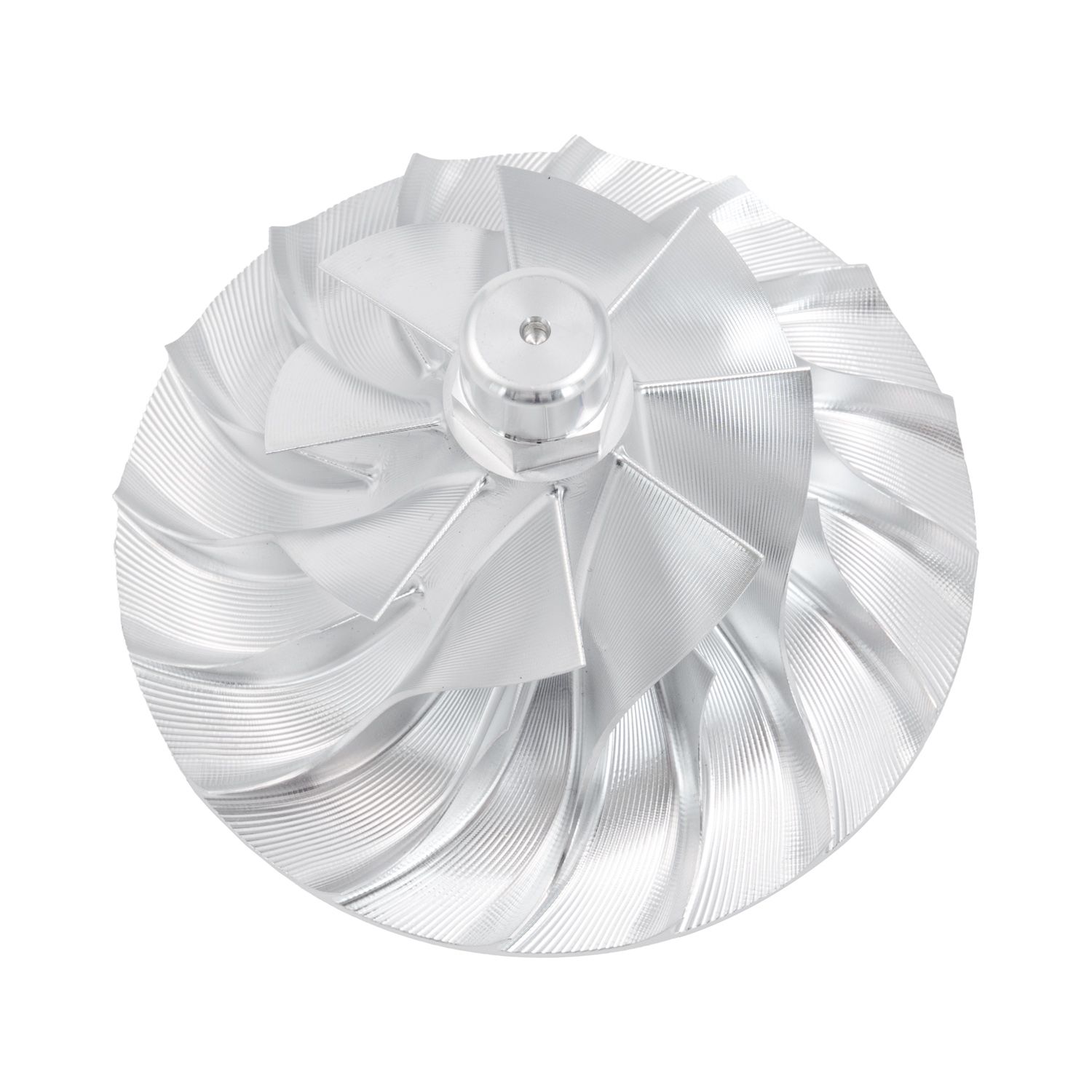
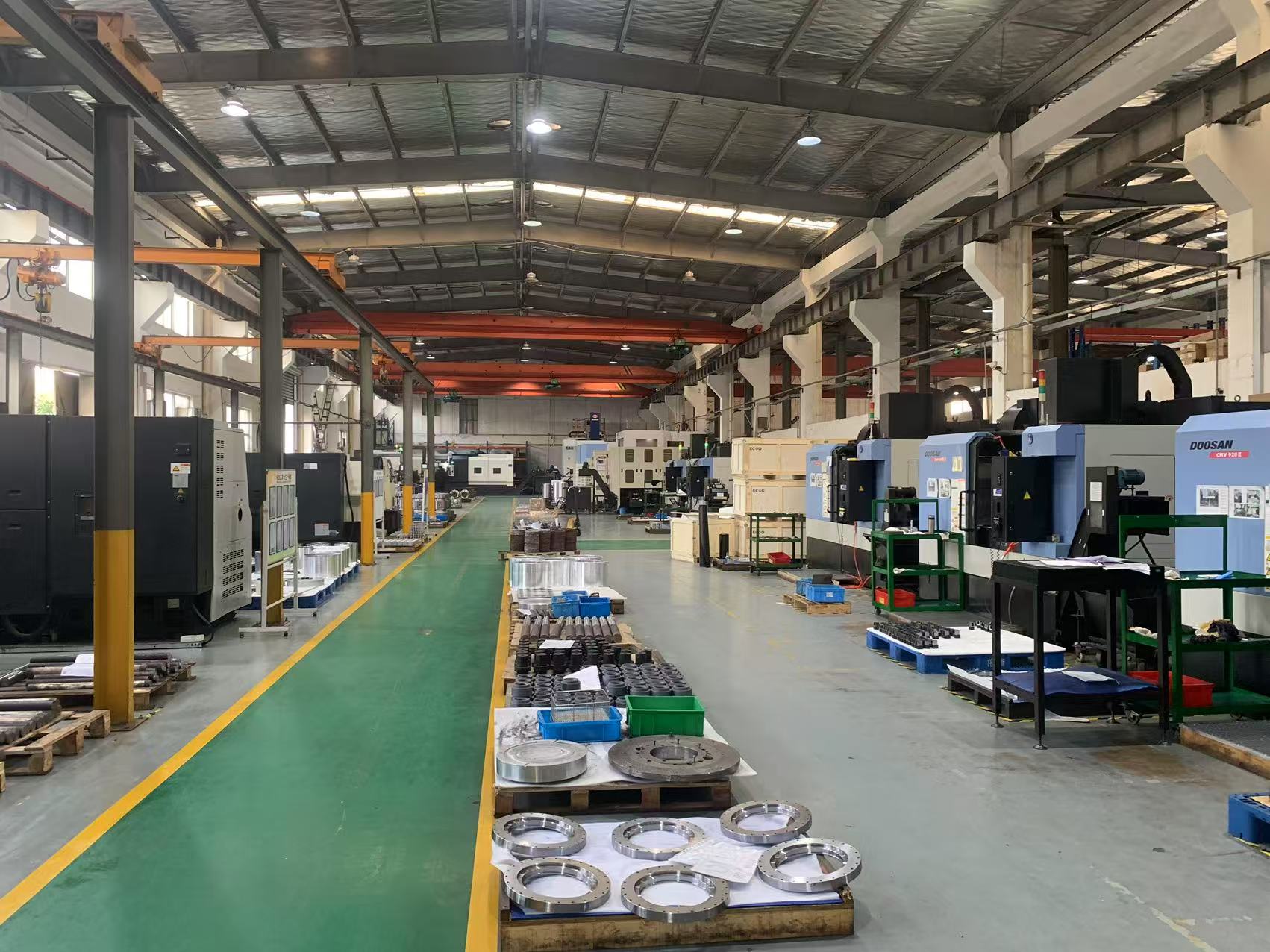
A precision claim only means something when it is attached to a process. ECOD's stated high precision is up to ±0.005 mm, produced on 3/4/5-axis CNC machining centers, CNC lathes and precision grinding equipment.
The process configuration available for a part family covers CNC turning, CNC milling, drilling, grinding, tapping and EDM. In practice the route is selected by feature type rather than by preference: turned features on rotational parts, milled features on prismatic geometry, grinding where surface finish and final tolerance dominate, tapping for threaded interfaces, and EDM for hardened material or geometry a cutter cannot reach. For complex CNC machined parts, 5-axis capability reduces the number of setups, which reduces the accumulation of positioning error across operations — the point that matters most on aerospace and medical geometry.
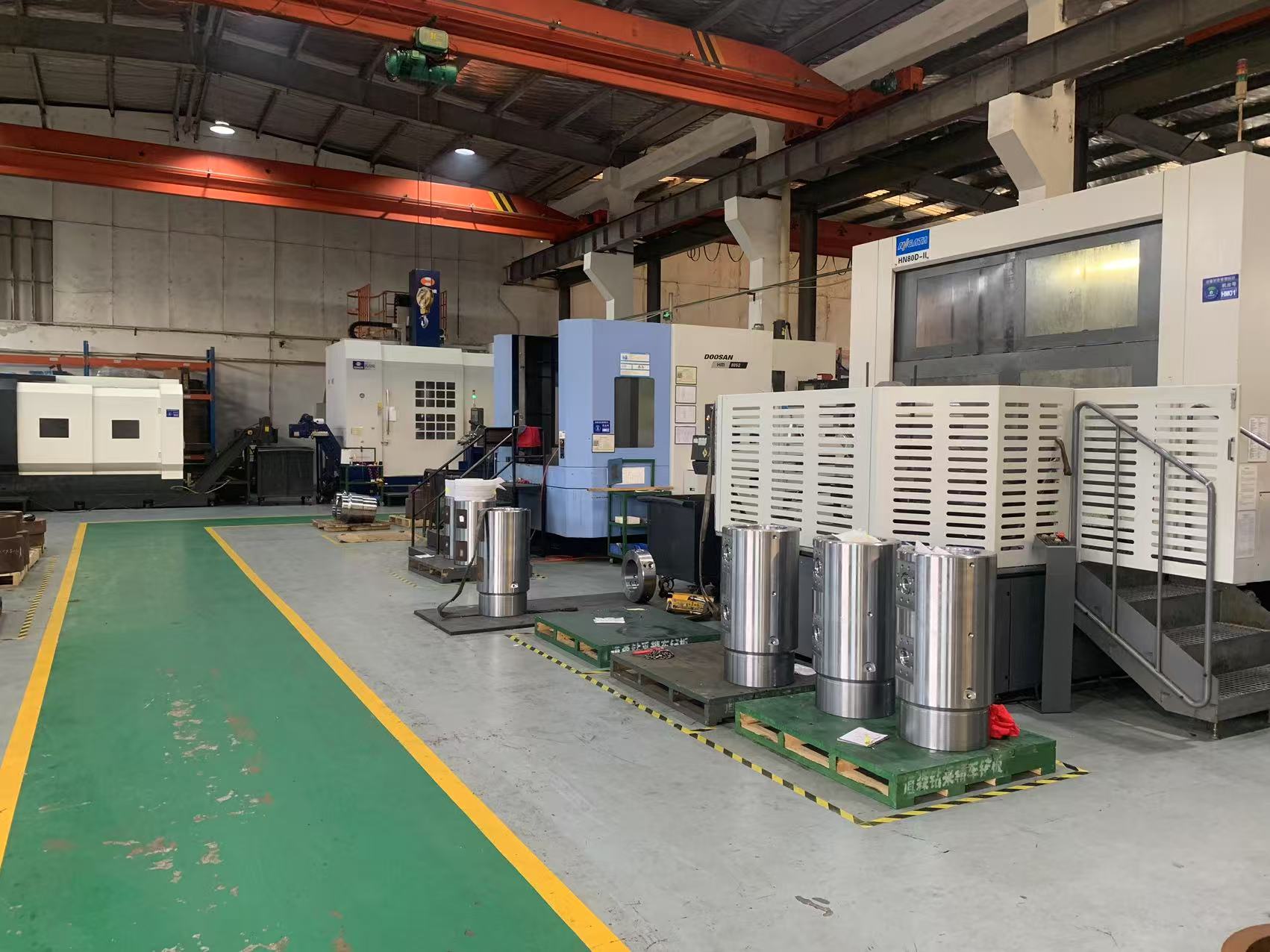
Supporting equipment includes CNC turning centers, CNC milling machines, 5-axis CNC machines, grinding machines, EDM machines and CMM inspection, with surface treatment and heat treatment available within the production chain. A 25-engineer R&D team provides DFM optimization to simplify production and reduce cost before machining begins.
Documentation That Travels With the Parts
In a regulated supply chain, the shipment is the part plus the evidence. ECOD's documentation set includes material certificates and dimensional inspection reports as standard, with custom material certifications available on request.
Materials routinely machined include carbon steel, stainless steel, aluminum, brass, copper, titanium, plastic, POM and nylon. Titanium machining and stainless steel machining dominate where corrosion resistance, high temperature performance and high strength are specified; aluminum CNC parts are common where weight and machinability drive the design — aluminum 6061-T6 is reported as the most widely used material in CNC machining because of its machinability and strength-to-weight ratio (Xometry). Brass machining and copper machining appear where conductivity or bearing characteristics matter.
Step-by-Step Breakdown: Running a Compliant CNC Machining Order
The sequence below reflects how a compliance-oriented order moves through ECOD, from first drawing to repeat delivery. Each step produces something the buyer can hold.
- Drawing review and quotation within 24 hours. The engineering team reviews the drawing or 3D model, flags features that are difficult to hold, and returns pricing; ECOD issues quotations within 24 hours. DFM notes arrive with the quotation, not after the order.
- Compliance scoping. Buyer and supplier agree on the standard that applies (ISO 9001 as the baseline, AS9100D or ISO 13485 where the program demands it), the documentation pack, and the inspection characteristics. This is the step that decides whether the order is auditable.
- Material selection and certification. Material is specified by grade and the certificate is attached to the order record. Custom material certifications are available on request where the end application requires them.
- Process routing. Turning, milling, drilling, grinding, tapping and EDM are assigned by feature; 5-axis machining is used where setup reduction improves positional accuracy on complex parts.
- In-process inspection. Checks run during production rather than only at the end, so drift is caught while the part is still in the machine.
- 100% inspection and CMM verification before shipment. Every part is checked against the defined characteristics, with CMM inspection supporting dimensional verification, before packing.
- Documentation assembly. Material certificates and dimensional inspection reports are compiled and issued with the shipment, so the buyer receives evidence at the same time as the parts.
- Volume ramp and repeat-order control. The same route and inspection plan carry from prototype to small batch to mass production, with an annual production capacity of 1,000,000 units and 24/7 production capability behind the ramp.
Use Cases: Compliance Context by Regulated Sector
The same quality system is applied differently depending on the sector. The distinctions below describe what changes in the requirement, not a different service.
Aerospace Components
Aerospace work combines tight tolerance manufacturing, high temperature exposure and continuous verification. Typical parts include structural and communication hardware, including satellite communication equipment, machined from titanium, stainless steel and aluminum alloys. 5-axis CNC machining is used where complex geometry would otherwise require multiple setups. The compliance question at the front of the project is whether AS9100D is required, since it incorporates ISO 9001 plus more than 100 additional requirements (SAE International); if the program requires it, the certification must be confirmed at qualification rather than assumed from an ISO 9001 certificate.
Oil & Gas Equipment Parts
Oil & gas components operate in corrosion-resistant environments at high temperature and under continuous mechanical load. Materials are typically stainless steel and titanium, with EDM used for hard-material features and grinding used where sealing surfaces demand final tolerance. Downhole and surface equipment parts are specified with material certificates as part of the deliverable, because that certificate is often the only evidence of alloy conformance available to the operator.
Energy Equipment Components
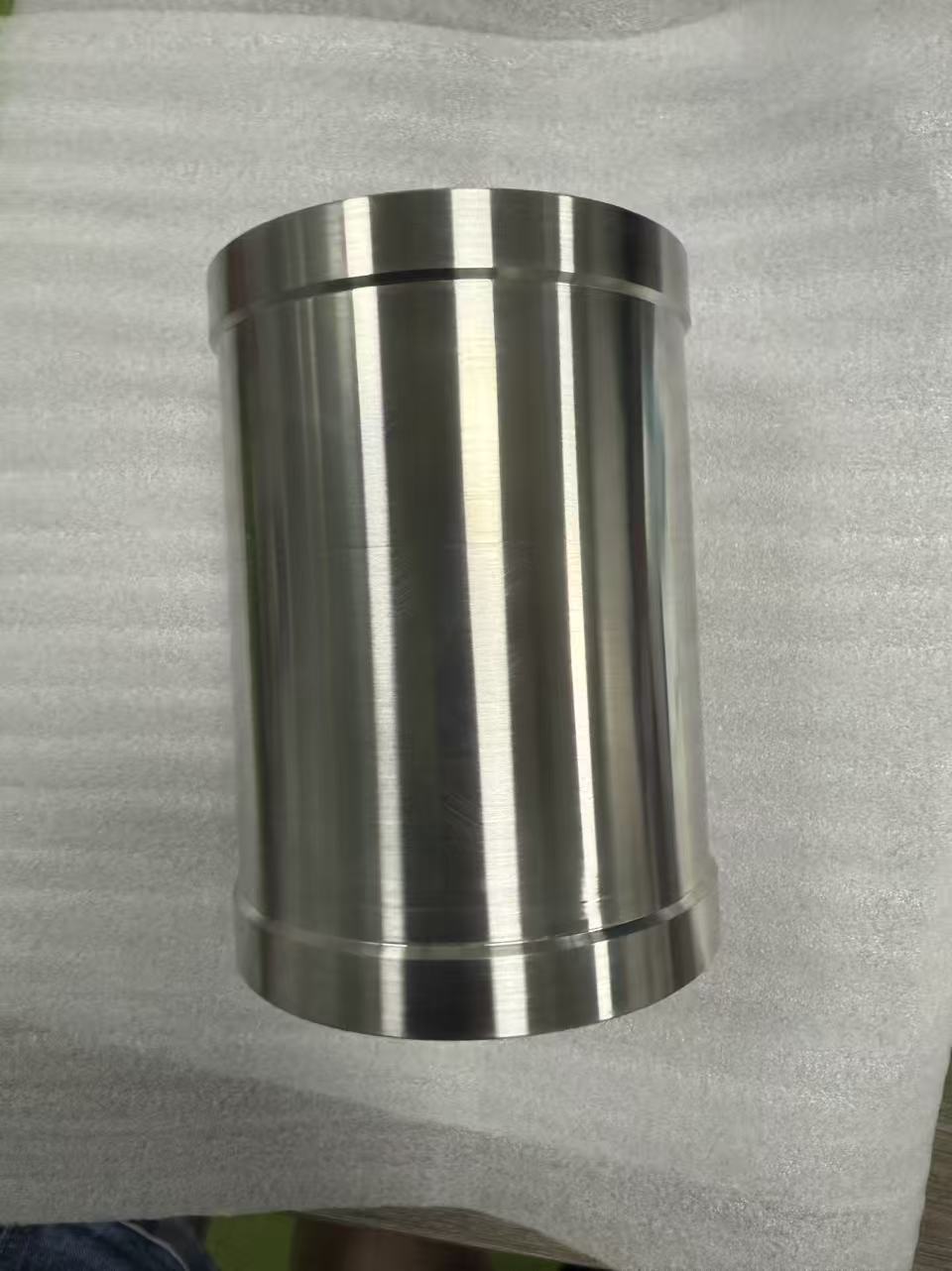
Energy equipment components are specified for high strength mechanical parts in continuous industrial operation. Heat treatment and surface treatment sit inside the production chain, so material condition can be controlled before final machining and inspection. The compliance emphasis here is repeatability across batches: the same route, the same inspection plan and the same documentation on the first order and on the tenth.
Medical Device Components
Medical device components are usually machined from titanium and stainless steel, in small batches and often as prototypes first. CNC prototype machining at an MOQ of 1 piece lets a design team validate fit and function before committing to production tooling. Where the part is a medical device component, the quality management system requirement is ISO 13485 (ISO), which is distinct from ISO 9001; that requirement should be raised before the first prototype, not after the design freeze.
Comparison: ISO 9001, AS9100D, and ISO 13485 in a CNC Machining Context
The three standards answer different questions. The table below separates them so a buyer can see which one applies to a program and what to verify.
| Standard | What it is | Typical regulated sector | Relationship to ISO 9001 | What the buyer should verify |
|---|---|---|---|---|
| ISO 9001 | General quality management system standard | General manufacturing, including CNC machining services | The base QMS standard that sector standards build on | That the certificate names the machining site that will run the parts, and that it is current |
| AS9100D | Aerospace quality management system standard | Aerospace | Incorporates ISO 9001 plus more than 100 additional requirements for safety and reliability (SAE International) | Whether AS9100D is held, rather than assumed from an ISO 9001 certificate |
| ISO 13485 | Quality management system for medical device production | Medical devices | A separate medical device QMS requirement (ISO); not covered by ISO 9001 alone | Whether ISO 13485 is held when the part is a medical device component |
Supplier Capability Reference: ECOD at a Glance
The table below summarises the facts a buyer typically requests during qualification.
| Item | Verified detail |
|---|---|
| Established | 2005 |
| Manufacturing facility | 40,000 m² |
| Staff | Approximately 350 |
| R&D team | 25 engineers |
| Annual production capacity | 1,000,000 units |
| Precision | Up to ±0.005 mm |
| Machining capability | 3/4/5-axis CNC machining centers, CNC lathes, precision grinding equipment |
| Processes | CNC turning, CNC milling, drilling, grinding, tapping, EDM |
| Materials | Carbon steel, stainless steel, aluminum, brass, copper, titanium, plastic, POM, nylon |
| Quality system | ISO 9001 certified factory |
| Inspection | 100% inspection before shipment; CMM inspection |
| Documentation | Material certificates and dimensional inspection reports for all orders; custom material certifications on request |
| Minimum order quantity | 1 piece |
| Quotation | Within 24 hours |
| Service model | OEM and ODM; No Standard Model / OEM Service |
| Industries served | Aerospace, oil & gas, energy, medical devices |
| Export markets | Europe, Middle East, North America, Asia |
Frequently Asked Questions
Does ISO 9001 certification make a CNC machining supplier compliant for aerospace or medical parts?
No. ISO 9001 is a general quality management system standard. Aerospace programs typically require AS9100D, which incorporates ISO 9001 plus more than 100 additional requirements for safety and reliability (SAE International), and medical device production requires a quality management system conforming to ISO 13485 (ISO). Suzhou ECOD Precision Manufacturing Co.,Ltd operates as an ISO 9001 certified factory; where a program requires AS9100D or ISO 13485, that requirement must be confirmed during supplier qualification before drawings are released.
Can a CNC machine shop hold ±0.005 mm on 5-axis parts while still running 100% inspection?
ECOD states high precision up to ±0.005 mm on 3/4/5-axis CNC machining centers, CNC lathes and precision grinding equipment, with process routes covering CNC turning, CNC milling, drilling, grinding, tapping and EDM. Inspection runs throughout production and is completed at 100% before shipment, with CMM inspection supporting dimensional verification. Tolerance achievement depends on the specific geometry and material, so capability should be confirmed against the buyer's own part rather than assumed from a general figure.
What drives the cost of a compliance-heavy CNC machining order?
Cost is driven less by the certificate than by scope. The main variables are material grade and whether certified material is required, the tolerance band and how much of the part sits at the tight end, whether 5-axis machining replaces multiple setups, the number of inspection characteristics recorded, the documentation pack, and batch size. ECOD issues quotations within 24 hours with DFM feedback, which allows these variables to be reviewed before an order is placed.
Can I validate a supplier with a prototype before committing to production?
Yes. ECOD supports CNC prototype machining with an MOQ of 1 piece, and the same process route and inspection plan carry from prototype through small batch production to mass production. OEM and ODM services are both available under the model designation No Standard Model / OEM Service, so a prototype and its production version follow the same control path.
How fast can a quotation and a production order move?
Quotations are issued within 24 hours. Production supports prototype, small batch and mass production runs, with 24/7 production capability and an annual production capacity of 1,000,000 units. To open a compliance review, send the drawing, material specification and the standard the program requires to info@ecodcn.com, or download the company brochure for the full capability list.
Conclusion
Compliance in CNC machining is decided by evidence, not adjectives. ISO 9001 provides the system, 100% inspection before shipment provides the coverage, and material certificates plus dimensional inspection reports provide the proof a regulated buyer can file. Precision up to ±0.005 mm, 5-axis capability and a process range covering turning, milling, drilling, grinding, tapping and EDM all matter — but they matter because they are documented, not because they are claimed.
For buyers in aerospace, oil & gas, energy and medical devices, the practical next step is to define the requirement before the quotation is requested: which standard applies, which characteristics will be inspected, and which documents must arrive with the parts. That scope, agreed in writing, is what separates a compliant order from a hopeful one.
Next step: scope the compliance requirement before the quote
Send your drawing, material specification and the standard your program requires. ECOD issues quotations within 24 hours, supports OEM and ODM work, and accepts prototypes from 1 piece. Custom CNC machining programs for aerospace, oil & gas, energy and medical devices are quoted with DFM feedback and a defined inspection scope.
Email: info@ecodcn.com | Tel: +86 15527751869 | WhatsApp: +8618086086615
Website: www.ecod-cncmachining.com
Have Questions or Need More Details?
Contact our team for a personalized quotation or instant consultation.
Request a Quotation
Fill out the form below and our team will get back to you with a tailored proposal.
WhatsApp Direct Chat
Prefer to chat in real-time? Message us on WhatsApp for instant assistance & quick answers.
- Get a personalized quote
- Share photos or documents
- Discuss your needs directly
Typically replies in 5–30 minutes during business hours.