
CNC Machining Service Application Guide: Medical Device Components in Titanium & Stainless Steel
CNC Machining Service Application Guide: Medical Device Components in Titanium & Stainless Steel
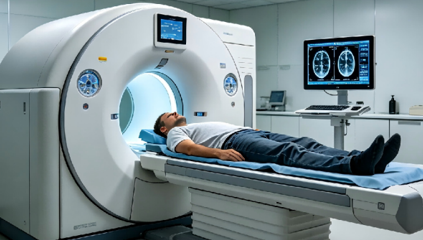
Choosing a CNC machining service for medical device components is a matching problem before it is a purchasing problem. Three questions decide most of the work: which machining process can hold the required geometry, which material supports the component's function in titanium or stainless steel, and which supplier can document both to a level the buyer's quality system will accept.
This application guide is written for medical device engineers, sourcing managers and OEM buyers who already have a component requirement and need to convert it into a machining order. It maps CNC turning, CNC milling, 5-axis CNC machining, drilling, grinding, tapping and EDM to the geometry medical components typically contain, compares titanium and stainless steel with the other materials a precision machine shop handles, and lists the checkpoints a quotation can be measured against: precision up to ±0.005 mm, 100% inspection before shipment, ISO 9001 certification, OEM/ODM support, MOQ of 1 piece, and quotations returned within 24 hours.
Why Medical Device Components Are a Narrow, Documented Sourcing Problem
Medical device components are difficult to source because the requirement is narrow and documented rather than large and simple. A single component can carry four or five constraints at once: a small feature with a tolerance measured in microns, a titanium or stainless steel material that is harder to cut than aluminium, a volume that may be one piece before the design is frozen, and a documentation package that the device maker's own quality system has to accept.
Four constraints create most of the friction with suppliers in this category.
- Tolerance and feature size. Tight tolerances on small features leave little room for setup variation between operations. On a turned medical shaft, diameter, concentricity and surface finish are produced in the same continuous operation, so the process route has to be decided before the first cut rather than corrected afterwards.
- Material behaviour. Titanium and stainless steel behave differently from aluminium. Both concentrate heat at the cutting edge, and stainless steel work-hardens when the tool rubs instead of shearing. That shifts the emphasis towards toolpath strategy, coolant delivery and cutting-tool selection rather than raw spindle speed.
- Volume profile. Medical programmes usually move from prototype to pilot lot to validated series production, so a supplier has to be efficient at one piece and at thousands of pieces. An MOQ that forces a large order before the design is frozen is a commercial problem, not a capacity problem.
- Documentation. A material certificate and a dimensional inspection report are often as important to the buyer as the part itself. A supplier with capable machines but no documentation routine creates rework at incoming inspection.
A fifth consideration sits outside the part itself. ISO 13485 is the quality management system standard for medical device production, while a machining supplier is more commonly certified to ISO 9001. Buyers should therefore treat certification as something to be mapped against their own QMS and the supplier's certificate scope, not as a box that is either ticked or not.
Where Precision Medical Component Machining Sits in the CNC Market
Precision machining is a large and geographically concentrated industry, and medical components are a small, technically demanding part of it. The figures below are third-party market estimates, included to frame scale and location rather than to size the medical segment on its own.
- The global CNC machine market was valued at USD 101.22 billion in 2025 and is projected to reach USD 251.61 billion by 2034, according to Fortune Business Insights.
- The CNC machining services market specifically is estimated at USD 58.33 billion in 2026 and is projected to reach USD 108.3 billion by 2035, according to Business Research Insights. Estimates differ by scope — whether software, automation and services are included — so these figures are best read as an order of magnitude.
- Asia Pacific accounted for 55.70% of the global CNC machine market in 2025, driven by manufacturing hubs in China and Japan (Fortune Business Insights).
- Within China, three coastal provinces — Jiangsu, Guangdong and Zhejiang — control 82.2% of national CNC machining capacity (Haizol). Suzhou, where Suzhou ECOD Precision Manufacturing Co., Ltd (ECOD) is based, sits in Jiangsu.
- By machine type, milling held the largest share at 31.4% in 2025 (Dataintelo), reflecting how much precision work begins as a milled feature before turning or finishing operations are added.
- Aluminium 6061-T6 is the most widely used CNC machining material overall because of its machinability and strength-to-weight ratio (Xometry). Medical device programmes frequently sit outside that mainstream, since titanium and stainless steel are specified when corrosion resistance, cleanability or in-service mechanical behaviour rule aluminium out.
Medical devices are one of the industries ECOD machines for, alongside aerospace, oil & gas and energy. That combination is relevant to medical buyers because the process discipline those industries require — traceable material, controlled inspection, repeatable geometry in series production — overlaps directly with medical component sourcing requirements.
ECOD: What the Machining Service Provides for Medical Device Components
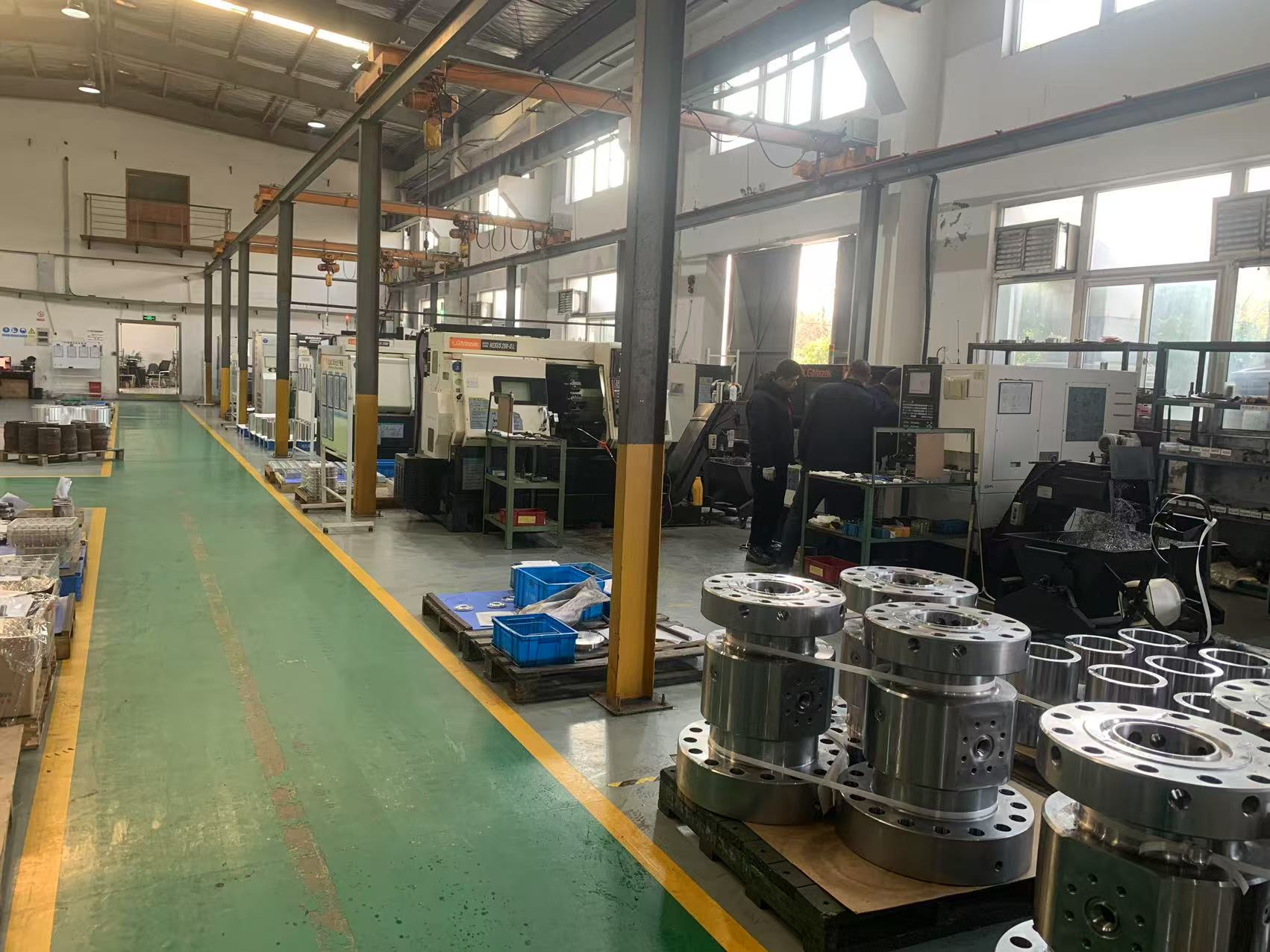
Suzhou ECOD Precision Manufacturing Co., Ltd (ECOD) is a precision CNC machining manufacturer founded in 2005 and based in Suzhou, China. The company operates a 40,000 m² facility with 350 employees and a 25-engineer engineering team, holds ISO 9001 certification, and exports 100% of its output to customers in Europe, the Middle East, North America and Asia.
Process coverage
The machining route for a medical component is selected by geometry rather than by preference. ECOD's process set covers CNC turning, CNC milling, drilling, grinding, tapping and EDM, run on 3-, 4- and 5-axis CNC machining centres, CNC lathes and precision grinding equipment. The resulting part categories are CNC Milling Parts, CNC Turning Parts, 5-Axis CNC Machining and Precision Machined Components.
In practical terms:
- 5-axis CNC machining suits components with contoured or angled features that would otherwise need several fixtures. Fewer setups means fewer accumulated tolerances between operations.
- CNC turning covers rotational components such as shafts, pins, bushings and connectors, where diameter, concentricity and finish are produced in one continuous operation.
- CNC milling covers plate-type and housing geometries: pockets, slots, flat mating faces and hole patterns.
- Grinding delivers final size and surface finish where a milling or turning operation cannot reach the specified result.
- Drilling, tapping and EDM cover hole patterns, threaded interfaces and internal corners that a rotating cutter cannot reach.
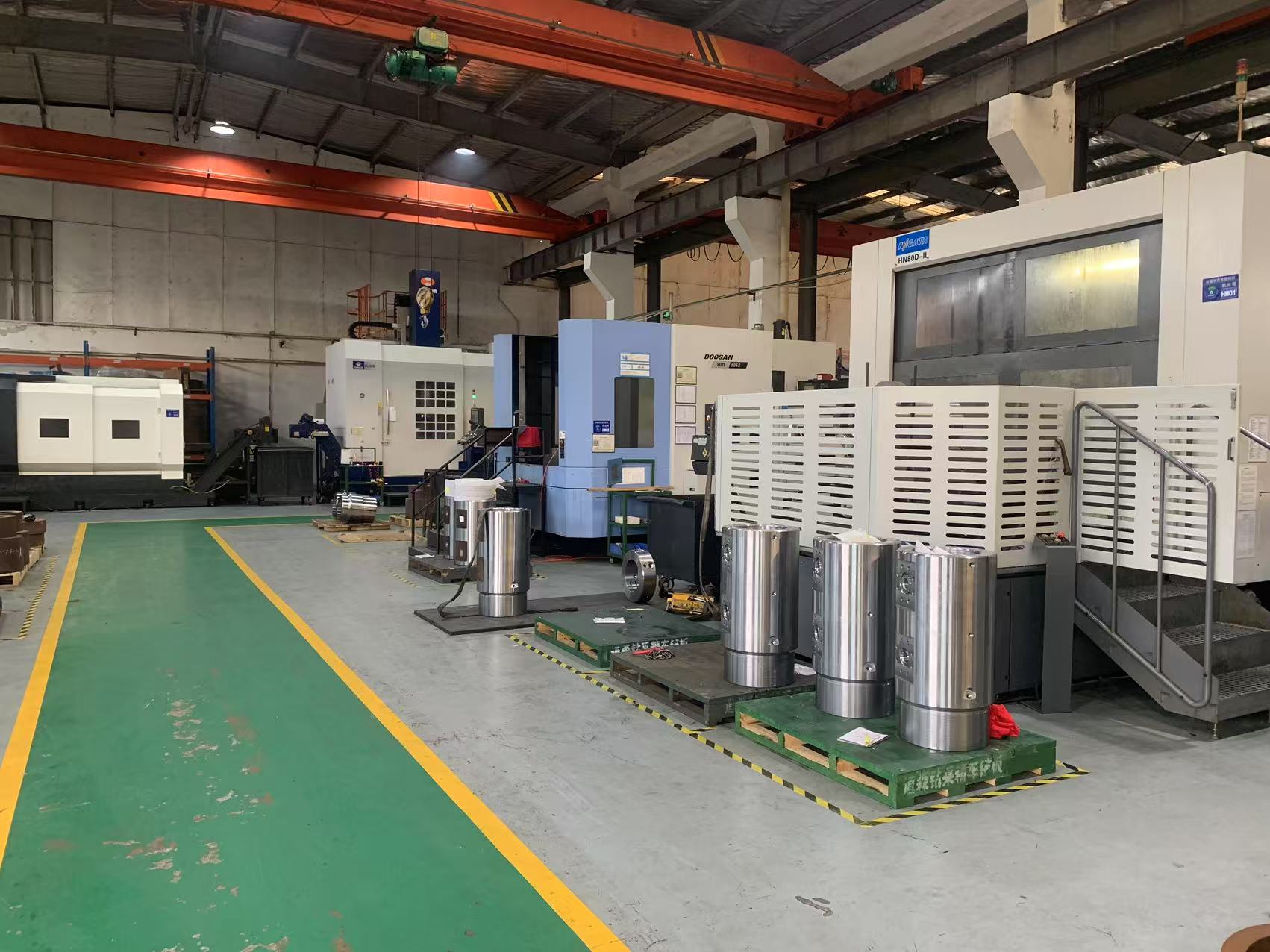
Material coverage
ECOD machines carbon steel, stainless steel, aluminium, brass, copper, titanium and plastics including POM and nylon. Titanium and stainless steel — the two materials most often specified for medical device components — are handled as standard work rather than as exceptions.
Material choice is a functional decision first. Titanium is commonly selected where corrosion resistance and strength-to-weight ratio matter; stainless steel where corrosion resistance, cleanability and exposure to sterilization cycles matter. Aluminium remains a practical option for housings, brackets, fixtures and instrument frames, where weight and machinability count for more than corrosion performance.
Precision and inspection
Achievable precision is up to ±0.005 mm on the features a drawing specifies. That figure is only meaningful alongside an inspection method, so ECOD applies 100% inspection before shipment and full inspection throughout production. Every order is supplied with material certificates and a dimensional inspection report, and factory inspection is available as the acceptance method.
Certification and documentation
ECOD holds an ISO 9001:2015 quality management system certificate, number 33826Q00178R000, issued on 16 June 2026 and valid until 15 June 2029 by Shanghai Wozhong Certification Co., Ltd. The certificate scope is Custom CNC Machining Parts Sales, under the standard GB/T19001-2016/ISO9001:2015.
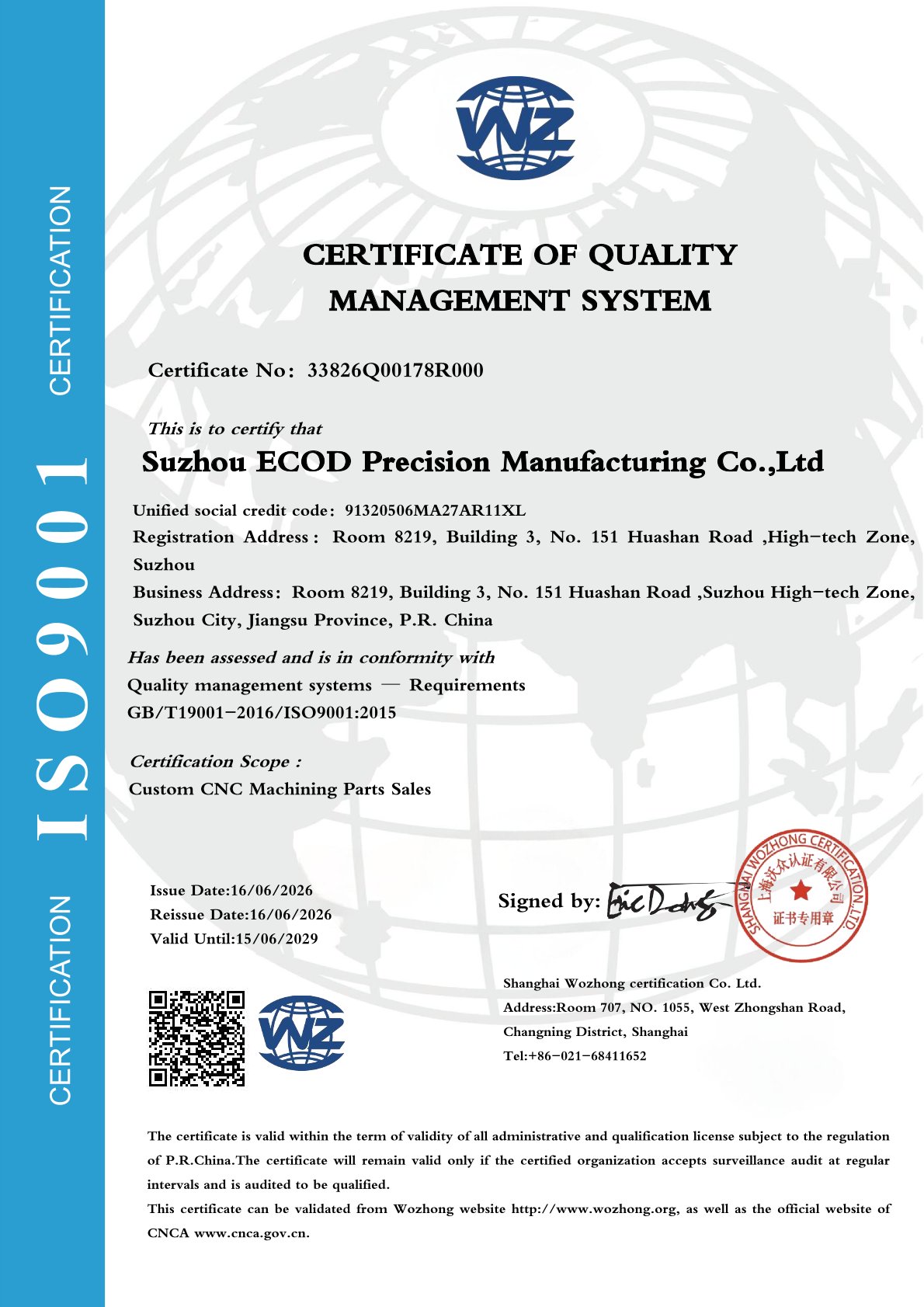
For medical device buyers, that certificate is a starting point rather than an endpoint. Because ISO 13485 is the separate quality management standard for medical device production, device makers whose own QMS must satisfy ISO 13485 should review the supplier's certificate scope, documentation deliverables and inspection records against that requirement before releasing a production order.
Commercial and customization terms
The commercial framework is built for evaluation-stage work as much as for production:
- MOQ: 1 piece, so a single component can be ordered before a design is frozen.
- Quotation turnaround: quotations are returned within 24 hours.
- Lead time: 10–60 days, depending on material, geometry and quantity.
- Capacity: 100,000 pieces per month, with annual output of 1,000,000 units.
- Production mode: both OEM and ODM.
- Customization basis: customer 2D/3D drawings, material, dimensional tolerance, surface treatment and machining finish.
- Engineering support: a 25-engineer team provides DFM optimization to simplify production and reduce cost.
- Payment: 30/70 terms.
- Delivery terms: EXW, FOB, CIF, CIP, FCA, CPT, CFR, DAP and DDP.
- After-sales: technical support.
From Drawing to Shipment: Seven Steps
- Freeze the requirement package. Confirm the component function, the material (titanium or stainless steel), the tolerances that actually matter, the surface treatment and the finish. A drawing that states every dimension at the tightest tolerance makes a quotation harder to compare, not more precise.
- Request a quotation. Send the 2D/3D drawing package and the expected quantity. ECOD returns a quotation within 24 hours, and with an MOQ of 1 piece the first order does not have to be a production order.
- DFM review. The engineering team reviews the drawing for manufacturability — feature accessibility, fixture strategy, tolerance stack-up and material-specific cutting strategy — and proposes simplifications that reduce cost without changing function.
- Prototype and validation. One piece or a small pilot lot is machined and inspected. Material certificates and a dimensional inspection report are issued with the shipment, so the buyer validates the part and the documentation trail together.
- Series production. Once validated, the programme scales against a monthly capacity of 100,000 pieces, with full inspection applied through production rather than only at the end.
- 100% inspection and documentation. Every part is inspected before shipment, with the dimensional inspection report and material certificates issued for the order.
- Delivery and support. Shipment follows the agreed delivery term — EXW through DDP — within the 10–60 day lead time, with technical support continuing after delivery.
Use Cases
Medical device components
For medical device teams, the practical value of the process matrix is that most components fall into one of three families: rotational components produced by turning, contoured components produced by 5-axis machining, and plate or housing components produced by milling followed by drilling, tapping and finishing. The ±0.005 mm precision target and the 100% pre-shipment inspection routine apply across all three.
Documented programmes in adjacent industries
Two documented programmes show how the same process discipline performs over volume and time.
- Gas & oil equipment, United Arab Emirates. 10,000 pieces were produced over a five-year supply relationship for gas & oil equipment. The reported result was improved equipment reliability, with the parts adapted to harsh oil & gas working environments.
- Aerospace UAV components, Russia. A one-year programme delivered 1,000,000 pieces for UAV applications, with stable quality in mass production and parts fully matching aerospace industry precision standards.
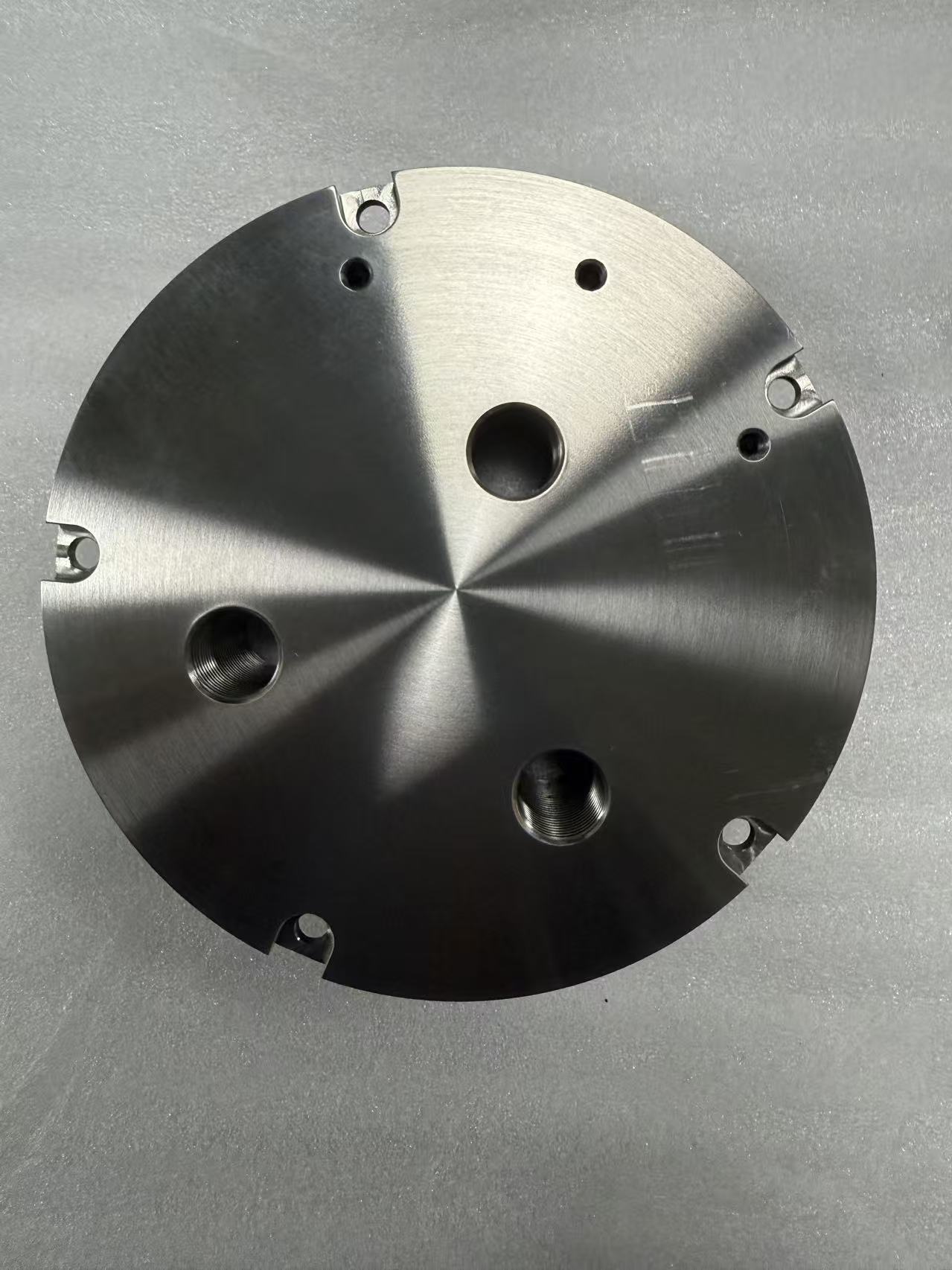
Both examples are relevant to medical sourcing for the same reason: they demonstrate repeatability across time and volume rather than a single successful prototype. Aerospace also introduces its own certification layer — AS9100D, which incorporates ISO 9001 plus additional safety and reliability requirements — the same pattern medical buyers encounter with ISO 13485.
Broader industry coverage
Precision CNC machining at ECOD serves aerospace, oil & gas, energy and medical devices. The overlap is deliberate: energy and oil & gas work demands material traceability and durability, aerospace demands dimensional repeatability, and medical devices demand documentation. A supplier organised around all three tends to have the routines in place before the first medical order arrives.
Comparison: Processes, Materials and Sourcing Checkpoints
The tables below are structured to be read against a drawing package. The process roles describe how each method is typically applied; the checkpoint column lists what a buyer should confirm in the quotation or on the inspection report.
Machining process comparison
| Machining process | Part category | Typical component role | Checkpoint to confirm |
|---|---|---|---|
| 5-axis CNC machining | 5-Axis CNC Machining | Contoured or angled features machined in fewer setups | Which features carry the ±0.005 mm tolerance; setup count |
| CNC turning | CNC Turning Parts | Rotational parts: shafts, pins, bushings, connectors | Diameter, concentricity and surface finish in one operation |
| CNC milling | CNC Milling Parts | Pockets, slots, flat mating faces and hole patterns on plate or housing geometries | Datum strategy and hole position tolerance |
| Grinding | Precision Machined Components | Final size and surface finish after turning or milling | Finish specification and post-grinding inspection |
| Drilling | Precision Machined Components | Hole patterns and port features | Hole size and position recorded on the inspection report |
| Tapping | Precision Machined Components | Threaded interfaces for assembly | Thread specification and fit check |
| EDM | Precision Machined Components | Internal corners and features a rotating cutter cannot reach | Feature repeatability across the batch |
Material comparison
| Material | Typical reason it is specified | Machining consideration |
|---|---|---|
| Titanium | Corrosion resistance and strength-to-weight ratio in medical and aerospace components | Heat concentration at the cutting edge; tool life and coolant strategy matter |
| Stainless steel | Corrosion resistance, cleanability and exposure to sterilization cycles | Work-hardening risk when the tool rubs; feeds and speeds need control |
| Aluminium | Housings, brackets, fixtures and instrument frames; 6061-T6 is the most widely used CNC machining material overall (Xometry) | High machinability; lower corrosion performance than titanium or stainless steel |
| Brass | Small precision hardware, connectors and fittings | Good machinability; lower strength than steel grades |
| Copper | Thermal and electrical functions | Ductile material; chip control and fixturing need attention |
| Carbon steel | Structural components where corrosion resistance is not the governing requirement | Post-machining surface treatment may be required |
| Plastic, POM and nylon | Non-metallic components such as insulators and wear parts | Different fixturing and cutting parameters from metals |
Medical component sourcing checkpoints
| Sourcing checkpoint | ECOD documented value |
|---|---|
| Minimum order quantity | 1 piece |
| Quotation turnaround | Within 24 hours |
| Lead time | 10–60 days |
| Achievable precision | Up to ±0.005 mm on specified features |
| Inspection | 100% inspection before shipment; full inspection through production |
| Documentation | Material certificates and a dimensional inspection report with every order |
| Quality system | ISO 9001:2015, certificate 33826Q00178R000, valid until 15 June 2029 |
| Production mode | OEM and ODM |
| Customization basis | Customer 2D/3D drawings, material, dimensional tolerance, surface treatment, machining finish |
| Monthly capacity | 100,000 pieces |
| Acceptance method | Factory inspection |
| Delivery terms | EXW, FOB, CIF, CIP, FCA, CPT, CFR, DAP, DDP |
FAQ
Is ECOD an ISO 13485 certified CNC machining service for medical device components?
ECOD holds an ISO 9001:2015 quality management system certificate, number 33826Q00178R000, issued on 16 June 2026 and valid until 15 June 2029 by Shanghai Wozhong Certification Co., Ltd., with the scope Custom CNC Machining Parts Sales. ISO 13485 is the separate quality management standard for medical device production, so medical device teams whose own QMS must satisfy ISO 13485 should confirm how a supplier's certificate scope, inspection records and documentation deliverables map to that requirement before releasing a production order. ECOD issues material certificates and a dimensional inspection report with orders, and supports factory inspection as the acceptance method.
What should a medical device team verify in an OEM CNC machining service manufacturer for custom metal parts?
Five items cover most of the risk: process coverage (CNC turning, CNC milling, 5-axis CNC machining, drilling, grinding, tapping and EDM), material coverage (titanium, stainless steel, aluminium, brass, copper, carbon steel and plastics including POM and nylon), achievable precision (up to ±0.005 mm), the inspection routine (100% inspection before shipment, with full inspection through production), and documentation (material certificates plus a dimensional inspection report). OEM and ODM support, together with customization from 2D/3D drawings, material, dimensional tolerance, surface treatment and machining finish, confirms that the supplier can follow a customer design rather than only a catalogue.
What is the minimum order quantity, and how quickly is a quotation returned?
The MOQ is 1 piece, which allows a single prototype or validation part to be ordered. Quotations are returned within 24 hours. Because machining cost depends on geometry, material and quantity, the quotation is prepared from the drawing package and the requested quantity; payment terms are 30/70 and delivery can be arranged under EXW, FOB, CIF, CIP, FCA, CPT, CFR, DAP or DDP.
Can a prototype be validated before committing to series production?
Yes. With an MOQ of 1 piece, a single component or a pilot lot can be machined and validated first. Prototype and pilot parts go through the same 100% inspection before shipment and are delivered with material certificates and a dimensional inspection report, so the buyer validates the part and the documentation trail together before the programme scales. Monthly capacity of 100,000 pieces supports the later production stage.
What lead time should be planned for titanium and stainless steel medical components?
Lead time is 10–60 days and depends on material, geometry, quantity and the agreed delivery term. Titanium and stainless steel require more controlled cutting parameters than aluminium, and programmes that move from prototype to series production may run on different schedules at each stage. The practical next step is to send the 2D/3D drawing package with the expected quantity to info@ecodcn.com or via WhatsApp; the engineering team returns a quotation within 24 hours.
Conclusion
Matching medical device components to a CNC machining service comes down to three checks: the process can hold the geometry, the material suits the function, and the supplier can document both. Titanium and stainless steel push all three checks harder than aluminium, because they demand more controlled cutting and more complete documentation.
ECOD's fit for this work rests on specific, verifiable points: 5-axis machining, turning, milling, drilling, grinding, tapping and EDM under one roof; titanium, stainless steel, aluminium, brass, copper, carbon steel and plastics including POM and nylon as materials; precision up to ±0.005 mm; 100% inspection before shipment with material certificates and a dimensional inspection report; ISO 9001:2015 certification (33826Q00178R000); OEM and ODM support; an MOQ of 1 piece; and quotations within 24 hours. Where a programme requires ISO 13485, that requirement should be planned for openly rather than assumed away.
Next step
Send your 2D/3D drawings, material and target quantity to info@ecodcn.com or WhatsApp +86 18086086615. Quotations are returned within 24 hours, and prototype quantities start at one piece.
Website: www.ecod-cncmachining.com · Address: No.151, Huashan Road, Suzhou New District, 215129, Suzhou, China · Download the ECOD brochure