
CNC Machining Service: CNC Turning vs. CNC Milling Head-to-Head
Short answer: CNC turning and CNC milling both cut metal under numerical control, but they constrain a part drawing in opposite ways. Turning rotates the workpiece against a single-point tool and is bounded by rotational symmetry, so it fits shafts, bushings, fittings, connectors, threaded parts and any geometry built around one axis. Milling keeps the workpiece stationary and rotates a multi-tooth cutter, so it is bounded by feature access and fixturing rather than symmetry, which makes it the process for flats, pockets, slots, bores, profiles and hole patterns on prismatic bodies. When a drawing contains both feature families, the part is a two-process or turn-mill candidate and should be quoted as a single package.
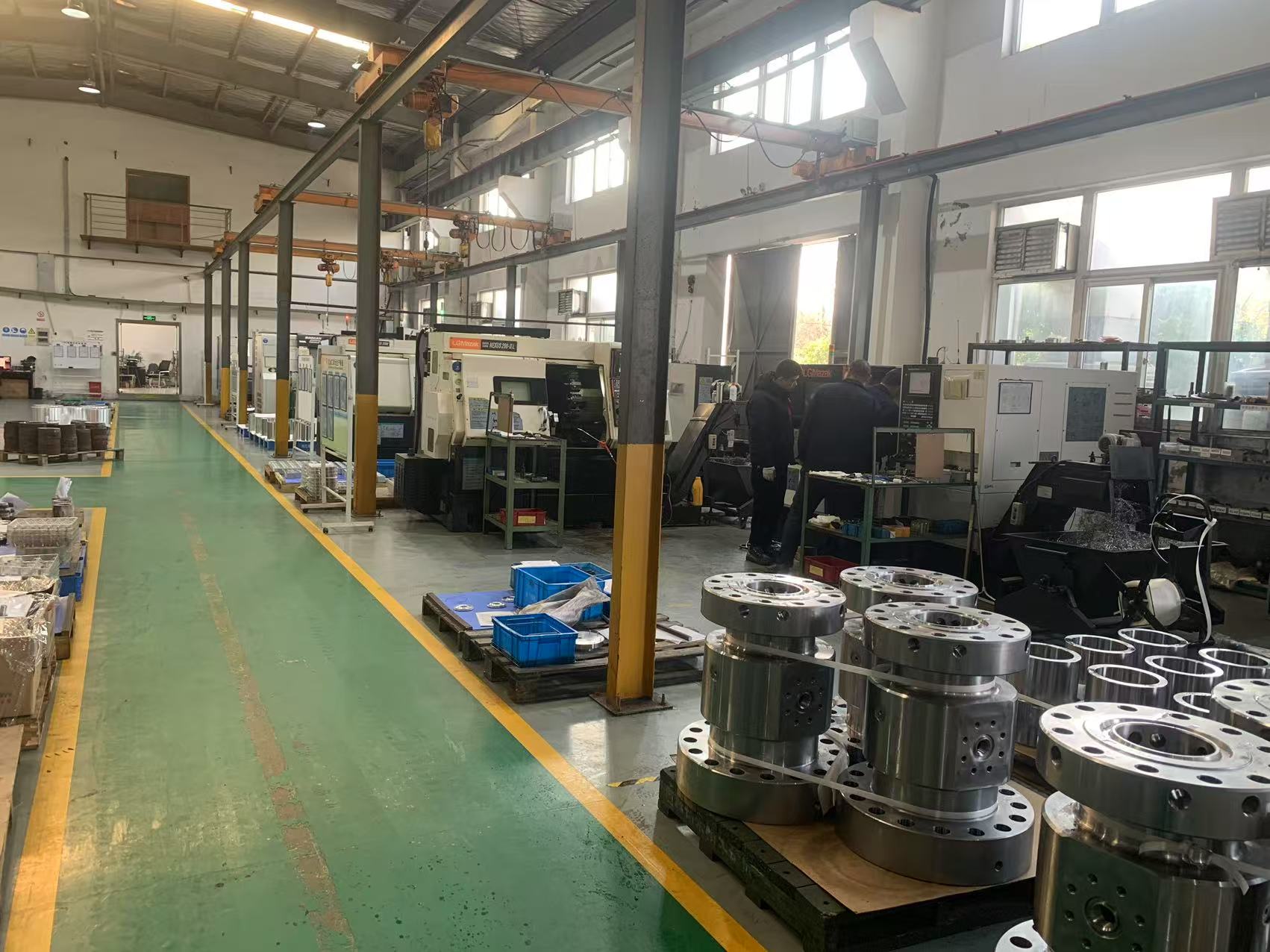
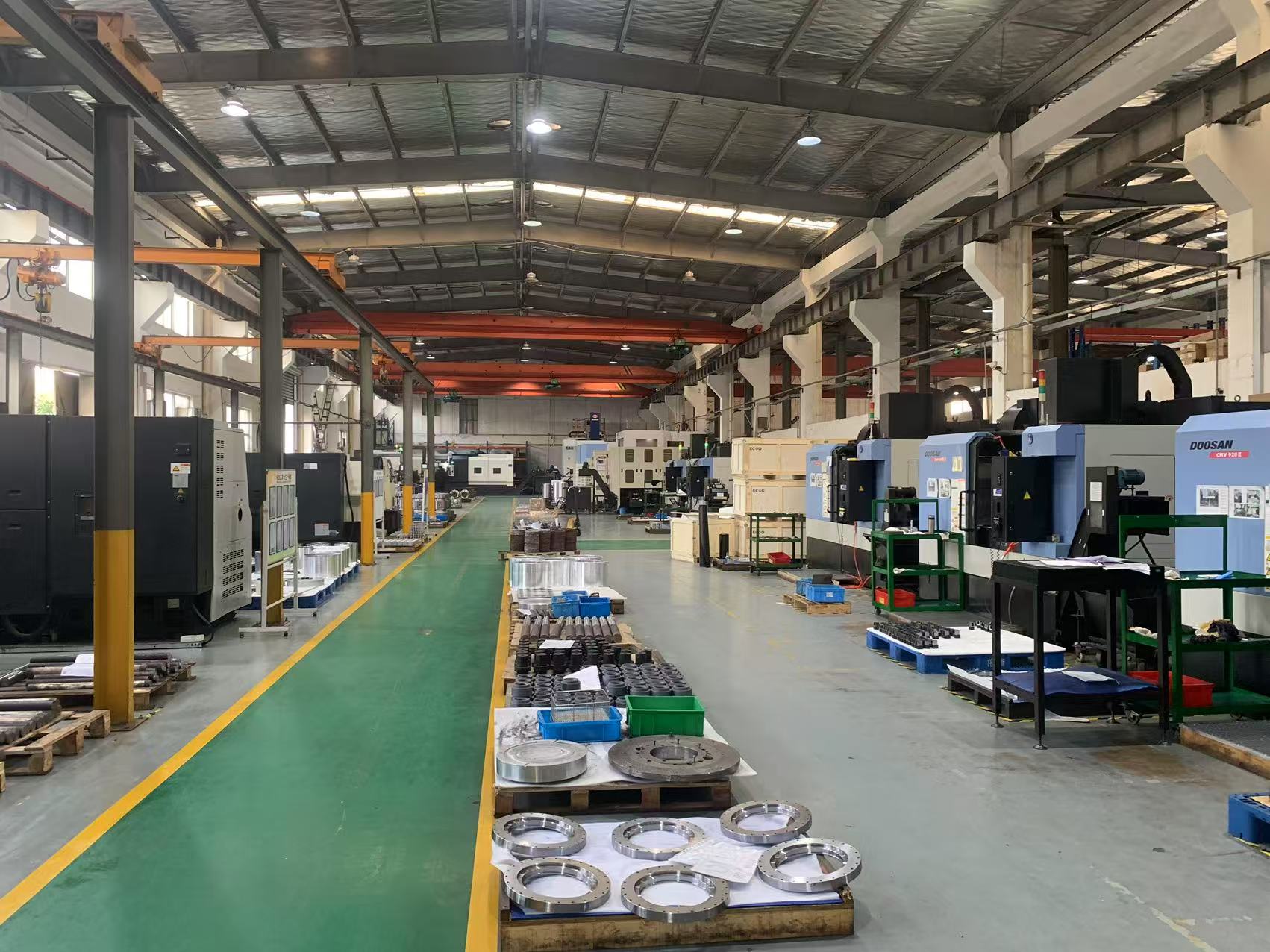
Suzhou ECOD Precision Manufacturing Co., Ltd (ECOD) is a precision CNC machining supplier based in Suzhou, China, founded in 2005, with a 40,000 m² facility, 350 employees and 25 engineers. Its service scope includes CNC turning, milling, grinding and precision assembly, with precision up to ±0.005 mm, and it holds ISO 9001 certification under GB/T19001-2016/ISO9001:2015. Because both process routes sit in the same plant, the turning-versus-milling question is answered against the drawing rather than against the supplier's equipment list.
Problem Definition: Turning vs. Milling Is a Constraint Decision
Most turning-versus-milling questions do not arrive as a process preference. They arrive as a 2D or 3D drawing with a delivery date. Three constraints decide the route before price is discussed, and each one can quietly move both cost and lead time if it is ignored.
- Geometry. Does the part have one dominant axis of rotation, or must material be removed from multiple directions to reach the final shape?
- Tolerance location. Are the tight callouts sitting on diameters, faces, grooves and threads, or on positions, profiles and relationships between features?
- Batch size. Does the volume justify dedicated workholding, or must setup cost be spread over one piece?
A wrong process choice rarely produces a part that fails outright. It produces a part that needs an extra setup, an extra fixture, a feature the cutter cannot reach, or a tolerance that has to be renegotiated — three outcomes that add cost and time without improving the design. The practical consequence for buyers is that a turning quote and a milling quote on the same drawing are not comparable until both suppliers confirm which features each process will actually produce.
Industry Background: Why Both Routes Stay Central
Turning and milling are not competing to replace each other; they cover different geometric territory, and both remain heavily used. Third-party market data illustrates the scale of the installed base that supports them:
- The global CNC machining services market is estimated at USD 58.33 billion in 2026, with a projected value of USD 108.3 billion by 2035 (Business Research Insights).
- The global CNC machine market was valued at USD 101.22 billion in 2025 (Fortune Business Insights), with Asia Pacific holding a 55.70% share in 2025, driven by manufacturing hubs in China and Japan.
- Milling machines held the largest type share at 31.4% in 2025, supported by widespread aerospace use (Dataintelo).
- Aluminum 6061-T6 is reported as the most widely used material in CNC machining because of its machinability and strength-to-weight ratio (Xometry).
Process choice also sits inside sector-specific standards. Aerospace programs reference AS9100D, which incorporates ISO 9001 plus additional safety and reliability requirements (SAE International), while medical device production references ISO 13485 for quality management systems (ISO). A buyer working in those sectors is therefore choosing a process and a quality framework at the same time, and both have to be confirmed before a drawing is released.
The Detailed Solution: What Each Process Can and Cannot Satisfy
CNC Turning Service: Constraints It Resolves
In turning, the workpiece rotates and a single-point tool travels along the axis. That configuration makes coaxial features straightforward: outer diameters, inner diameters, end faces, grooves, tapers and threads that share one centreline. Turned parts are typically produced from bar stock, which suits components such as shafts, pins, bushings, spacers, fittings, connectors and threaded bodies.
The constraint to watch is directionality. Any feature that requires material removal from the side of the part — a flat, a cross-hole pattern, a pocket offset from the axis — either needs a second operation or moves the part toward milling. Within ECOD's turning route, material coverage includes carbon steel, stainless steel, aluminum, brass, copper, titanium, plastic, POM and nylon, with precision up to ±0.005 mm.
CNC Milling Service: Constraints It Resolves
In milling, the cutter rotates and the workpiece is held stationary on a table or fixture, so material can be removed from the top, the sides and — with additional axes — from angled faces in a single setup. This is the route for prismatic and non-symmetric geometry: housings, brackets, manifolds, plates, mounting blocks, and any part defined by pockets, slots, bores, profiles and tapped hole patterns.
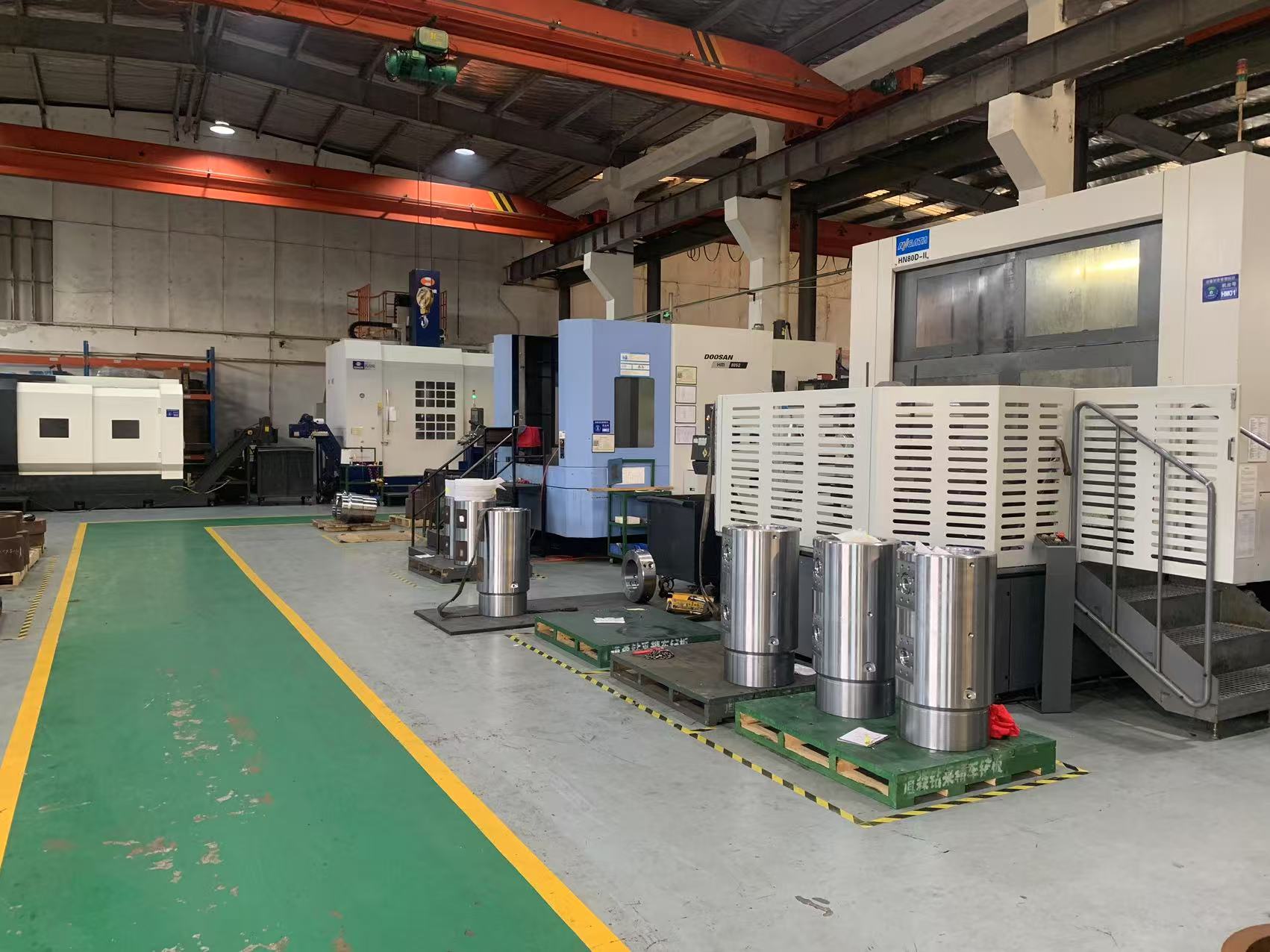
The constraint here is access and rigidity, not symmetry. Deep cavities, thin walls and features on the underside of a part drive fixturing decisions, and a well-prepared drawing that states which faces are datum and which tolerances are functional removes most of that ambiguity. ECOD operates CNC milling machines alongside 3/4/5-axis CNC machining centres, using the same precision envelope of up to ±0.005 mm and the same material list as the turning route.
Where Geometry Forces a Hybrid Route
Many real parts are neither pure turned nor pure milled. A cylindrical body with a milled flat and a cross-drilled pattern is classic hybrid geometry: the diameter is a turning feature, the flat is a milling feature, and the hole relationship between them is a fixturing question. ECOD's equipment set covers CNC turning centres, CNC milling machines, 5-axis CNC machining, grinding and EDM, plus CMM inspection, surface treatment and heat treatment, which allows a hybrid part to be sequenced across operations without being split between suppliers and re-datumed twice.
Decision signal: if the drawing's tightest tolerance sits on a diameter or a face perpendicular to the axis, plan the part around turning. If the tightest tolerance sits on a position, profile or hole-to-hole relationship on a non-rotating body, plan it around milling. If both exist, ask for a single quotation that names the operation sequence.
Step-by-Step Breakdown: Choosing the Process for a Real Drawing
- Classify the geometry. Mark the part as rotational, prismatic or hybrid. Rotational parts with coaxial features belong on a turning centre; prismatic bodies with multi-directional features belong on a milling machine; parts with both belong in a sequenced job.
- Map every tolerance to a feature. List the tolerance-critical dimensions and note whether each one is a diameter, a face, a position or a profile. A diameter callout transferred onto a milled surface usually forces an unnecessary setup and a wider acceptance debate.
- Confirm the material route. Materials behave differently across the two processes. ECOD machines carbon steel, stainless steel, aluminum, brass, copper, titanium, plastic, POM and nylon; titanium and stainless steel work is commonly specified for oil and gas, energy and medical components, while aluminum parts are frequent in automation and prototype work.
- Match batch size to process economics. ECOD supports both small and large batch production with a minimum order quantity of 1 piece, a monthly capacity of 100,000 pieces and an annual output of 1,000,000 units. A single prototype and a repeating production order should be quoted on the same drawing so the process plan is stable from the first piece onward.
- Define inspection and documentation before release. Specify what must be measured, which features need a dimensional report and whether material certificates are required. ECOD performs 100% inspection before shipment and provides material certificates and dimensional inspection reports.
- Request a quotation with the full data pack. A usable enquiry contains 2D/3D drawings, material, dimensional tolerance, surface treatment, machining finish and quantity. ECOD provides quotations within 24 hours, which allows a turning option and a milling option to be compared before a design freeze.
Turning vs. Milling: Comparison Table
| Decision factor | CNC turning | CNC milling |
|---|---|---|
| Motion configuration | Workpiece rotates; single-point tool moves along the axis | Cutter rotates; workpiece held stationary in a fixture |
| Best-fit geometry | Rotationally symmetric parts with coaxial features | Prismatic, non-symmetric and multi-face parts |
| Typical features | Outer and inner diameters, faces, grooves, tapers, threads | Flats, pockets, slots, bores, profiles, tapped hole patterns |
| Typical parts | Shafts, pins, bushings, spacers, fittings, connectors | Housings, brackets, manifolds, plates, mounting blocks |
| Equipment at ECOD | CNC turning centres | CNC milling machines, 3/4/5-axis CNC machining centres |
| Stated precision | Up to ±0.005 mm | Up to ±0.005 mm |
| Materials at ECOD | Carbon steel, stainless steel, aluminum, brass, copper, titanium, plastic, POM, nylon | Carbon steel, stainless steel, aluminum, brass, copper, titanium, plastic, POM, nylon |
| Minimum order quantity | 1 piece | 1 piece |
| Batch support | Small and large batch production | Small and large batch production |
| Quality control | 100% inspection before shipment | 100% inspection before shipment |
| Certification | ISO 9001, certificate 33826Q00178R000 | ISO 9001, certificate 33826Q00178R000 |
| Quotation | Within 24 hours | Within 24 hours |
| Production lead time | 10–60 days | 10–60 days |
Use Cases: Which Process Leads in Each Sector
Aerospace Components
Aerospace work splits naturally between the two processes: turned shafts, fittings and bushings sit alongside milled brackets, housings and structural details. ECOD has supplied a Russian aerospace customer with 1,000,000 pieces for UAV applications over a one-year programme, with the reported result being stable quality in mass production and output fully matching aerospace industry precision standards. Buyers in this sector should note that AS9100D sits above ISO 9001, so programme-specific certification must be confirmed separately from the base quality system.
Oil & Gas Equipment Parts
Oil and gas assemblies combine turned bodies and connectors with milled manifolds and mounting features, and they operate in corrosive, high-load conditions. ECOD has supplied 10,000 pieces to a gas and oil customer in the United Arab Emirates over a five-year duration, with the reported result of improved equipment reliability and adaptation to harsh working environments. Stainless steel and titanium are the common material choices for these parts.
Medical Device Components
Medical components frequently require turned cylindrical features combined with milled flats, slots and fixation geometry in titanium and stainless steel. Medical device production references ISO 13485 as its quality management framework, so a supplier's base certification and the program-specific requirement should both be checked at the evaluation stage rather than after the first article.
Industrial Automation, Robotics and Energy
Automation and robotics work leans on milled plates, frames and brackets, while pins, rollers and bushings are turned. Energy equipment and satellite communication hardware mix both. Because ECOD supports prototype, small batch and mass production modes with OEM and ODM service, the same process route can be carried from prototype validation into repeat production without re-qualifying a new supplier.
Quality, Inspection and Certification Constraints
Process choice determines how a part is made; the quality system determines whether that choice is repeatable. The two should be verified together.
ECOD's Precision CNC Machining service is certified to ISO 9001 under the standard GB/T19001-2016/ISO9001:2015. Certificate number 33826Q00178R000 was issued by Shanghai Wozhong Certification Co. Ltd., covers Precision CNC Machining within the scope of Custom CNC Machining Parts Sales, applies to the global market, and is valid from 2026-06-16 to 2029-06-15. Inspection is performed at 100% before shipment, and material certificates plus dimensional inspection reports are issued with orders. The factory operates OEM and ODM modes, and customization follows customer 2D/3D drawings, specified material, dimensional tolerance, surface treatment and machining finish.
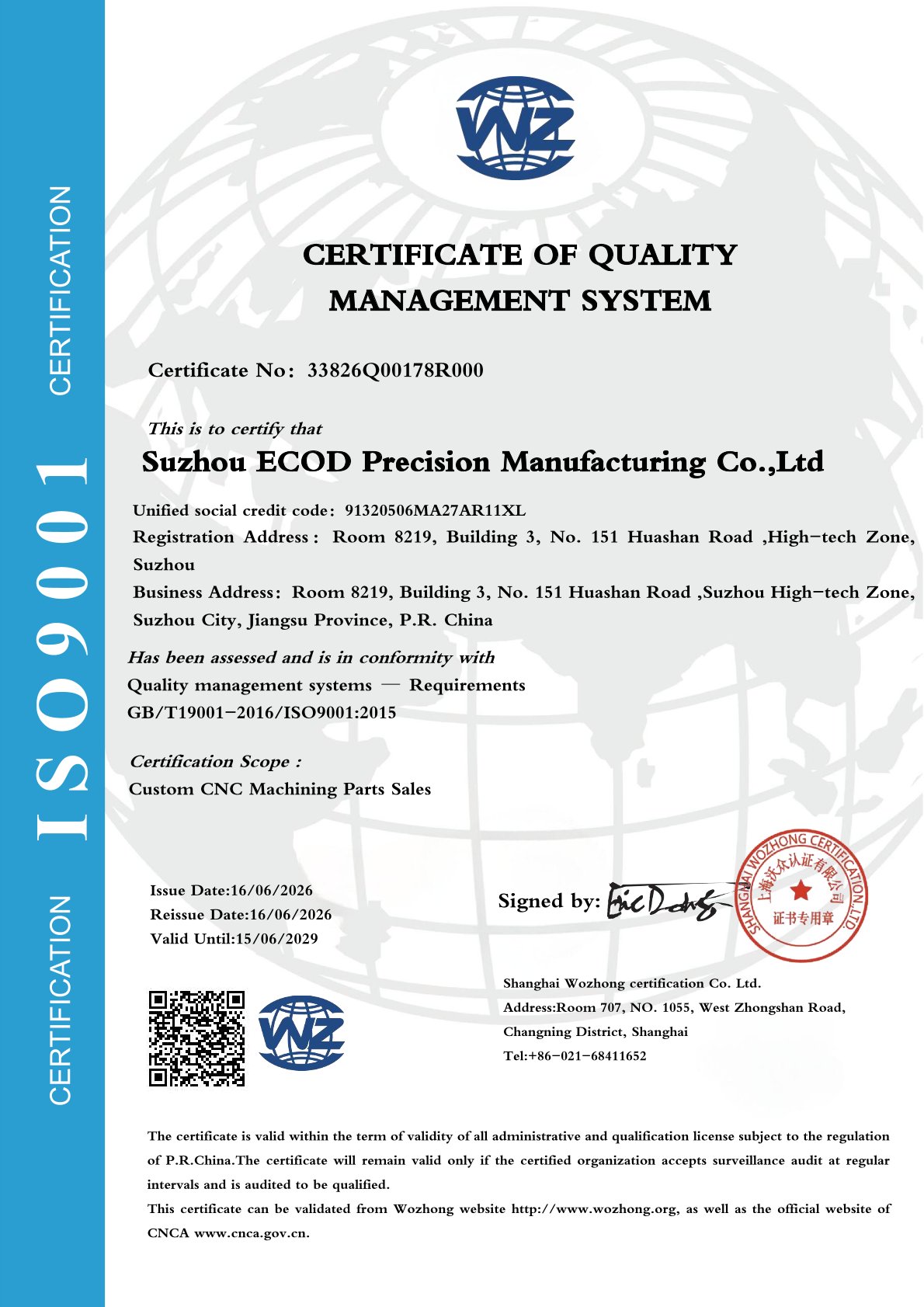
For buyers, this has a specific consequence in a turning-versus-milling evaluation: the certification should cover the process actually being quoted. A certificate whose scope statement does not match the machined-part sales activity under review is a documentation gap, not a formality.

Frequently Asked Questions
1. Is an ISO 9001 certified CNC machining service required for turning and milling work?
ISO 9001 is a quality management system standard, not a process standard, so it does not distinguish between turning and milling. It matters because it defines how both routes are controlled: documented procedures, calibrated inspection and handling of nonconforming parts. ECOD's Precision CNC Machining service is certified to ISO 9001 under GB/T19001-2016/ISO9001:2015, certificate 33826Q00178R000 issued by Shanghai Wozhong Certification Co. Ltd., covering Custom CNC Machining Parts Sales globally and valid from 2026-06-16 to 2029-06-15. Sector standards sit above this baseline: aerospace programs reference AS9100D, which builds on ISO 9001 with additional safety and reliability requirements, and medical device production references ISO 13485. Buyers in those sectors should confirm the programme-specific certification before releasing a drawing.
2. Can one supplier deliver both CNC turning and CNC milling for the same part?
Yes, when the supplier runs both processes in-house. ECOD operates CNC turning centres, CNC milling machines, 3/4/5-axis CNC machining centres, grinding and EDM machines, so a hybrid part can move from turning to milling without changing supplier, re-datuming at a third party or renegotiating inspection responsibility. The company also provides DFM optimization to simplify production, which is where a hybrid part is most often improved: a feature that one process cannot reach cleanly is frequently relocated or re-specified before cutting begins. Precision up to ±0.005 mm applies across the machining service, and 100% inspection is performed before shipment.
3. How is a turning or milling job priced, and how quickly can a quotation be issued?
Quotation inputs are the same for either process: 2D/3D drawings, material, dimensional tolerance, surface treatment, machining finish and quantity. Cost drivers differ — turning economics follow bar stock, diameter and length, while milling economics follow feature count, number of setups and fixturing — which is why the same drawing can produce different numbers from the two routes. ECOD provides quotations within 24 hours and supports a minimum order quantity of 1 piece, so a single prototype and a production volume can both be priced before a design freeze. Monthly capacity is 100,000 pieces.
4. Can I validate the process with a single piece before committing to a batch?
Yes. The minimum order quantity is 1 piece, and the operating mode covers prototype production, small batch production and mass production. Validation is supported by 100% inspection before shipment plus material certificates and dimensional inspection reports, so the first article can be checked against the drawing before volume is released. For reference, ECOD has run a one-year aerospace programme of 1,000,000 pieces for UAV applications with stable quality in mass production, which illustrates the same route continuing from validation into volume.
5. What lead time should I expect for turned versus milled parts?
Production lead time is 10–60 days depending on material, tolerance, surface treatment, quantity and the operation sequence required. Turned parts with a single setup generally follow the shorter end of that band, while milled or hybrid parts with multiple setups, 5-axis work or secondary grinding and EDM operations sit toward the longer end. Lead time should therefore be requested together with the process plan, not separately from it. To confirm a route for a specific drawing, send the 2D/3D files, material, tolerance and quantity to ECOD for a quotation within 24 hours.
Conclusion
Turning and milling are not interchangeable options ranked by quality. Turning is constrained by rotational symmetry and resolves coaxial diameters, faces, grooves and threads; milling is constrained by feature access and resolves flats, pockets, slots, bores and hole patterns on prismatic bodies. Tolerance location and batch size then decide the operation sequence and the cost curve. When a drawing contains both feature families, the correct answer is a single quotation with a named sequence, not two separate enquiries judged on price alone.
Because ECOD runs both routes with precision up to ±0.005 mm, the full material range from carbon steel and stainless steel to aluminum, brass, copper, titanium, plastic, POM and nylon, ISO 9001 certification, 100% inspection before shipment and a minimum order quantity of 1 piece, the process question is settled against the drawing rather than against available capacity.
Next step: Send your drawing set, material, tolerance and quantity to get a turning-versus-milling recommendation with a quotation within 24 hours.
Email: info@ecodcn.com | WhatsApp: +8618086086615 | Web: www.ecod-cncmachining.com
Download the full capability brochure: ECOD Precision CNC Machining Brochure (PDF)
Have Questions or Need More Details?
Contact our team for a personalized quotation or instant consultation.
Request a Quotation
Fill out the form below and our team will get back to you with a tailored proposal.
WhatsApp Direct Chat
Prefer to chat in real-time? Message us on WhatsApp for instant assistance & quick answers.
- Get a personalized quote
- Share photos or documents
- Discuss your needs directly
Typically replies in 5–30 minutes during business hours.