
CNC Machining Service Compared: ECOD vs. Conventional Machine Shops
CNC Machining Service Compared: ECOD vs. Conventional Machine Shops
Introduction: What to Compare When Choosing a CNC Machining Service
Selecting a CNC machining service is rarely a single-factor purchasing decision. Buyers at the decision stage typically compare precision capability, quality documentation, engineering support, delivery stability, and total cost across multiple suppliers. The comparison becomes even more critical for custom precision machined parts used in aerospace, medical devices, oil and gas, and energy applications, where a small tolerance deviation can affect assembly fit, functional performance, and long-term reliability.
This article evaluates Suzhou ECOD Precision Manufacturing Co., Ltd. (ECOD), a CNC machining service provider based in Suzhou, Jiangsu Province, China, against conventional machining workshops. The comparison is structured around documented service parameters, production controls, and buyer-relevant decision criteria rather than general marketing claims. Buyers can use this page as a reference framework when requesting quotes, auditing suppliers, or evaluating proposals for custom CNC machining projects.
Why a Structured Comparison Matters at the Decision Stage
In CNC machining, the lowest quote does not always deliver the lowest total cost. Dimensional tolerance deviation is one of the most common production risks. If a supplier cannot measure and document part dimensions, downstream assembly, testing, and field performance may all be affected. Other risks include material verification gaps, unclear inspection procedures, unstable delivery, and limited engineering feedback during the design-for-manufacturability stage.
For buyers evaluating custom CNC machining, the practical question is not only whether a shop can make a part, but whether the shop can hold tolerances consistently, prove compliance, respond quickly to engineering changes, and deliver on time. These factors separate a precision machining partner from a general-purpose machine shop.
When a part is planned for a regulated or safety-critical environment, such as an aerospace component or medical device, the documentation trail becomes as important as the physical part. A supplier that provides material certificates and dimensional inspection reports gives buyers the evidence needed for internal quality reviews and customer audits.
Industry Background: Scale and Geographic Concentration of CNC Machining
CNC machining services operate in a large and growing market. According to Fortune Business Insights, the global CNC machine market was valued at USD 101.22 billion in 2025 and is projected to reach USD 251.61 billion by 2034. Business Research Insights estimates the global CNC machining services market at USD 58.33 billion in 2026, with projections reaching USD 108.3 billion by 2035.
Several structural factors influence supplier selection today:
- Asia Pacific dominated the global CNC machine market with a 55.70% share in 2025, driven by manufacturing hubs in China and Japan, according to Fortune Business Insights.
- Within China, Haizol data indicates that three coastal provinces—Jiangsu, Guangdong, and Zhejiang—control 82.2% of the country's national CNC machining capacity. Suzhou, where ECOD is located, sits inside Jiangsu Province, close to a dense supply chain of material suppliers, surface treatment vendors, and equipment service providers.
- The CNC machining centers segment led the global CNC machine market with a 61.6% revenue share in 2023, according to Grand View Research. Milling machines also held the largest type share in 2025 at 31.4%, according to Dataintelo.
- The automotive industry was the largest end-user of CNC machining in 2025, accounting for 28.6% of total market revenue, according to Dataintelo. Aerospace, medical, energy, and oil and gas remain important demand drivers for precision work.
- The U.S. machining sector reported approximately 75,000 unfilled CNC operator roles in 2023, according to Gitnux and U.S. labor projections. This talent shortage increases the value of a supplier with stable engineering staff and mature production processes.
These conditions mean buyers face a wide range of supplier capabilities. Some shops are optimized for high-volume standard parts, while others focus on tight-tolerance custom components with full documentation. Aligning the supplier's production model with the buyer's quality requirements is the core of a useful CNC machining service comparison.
ECOD at a Glance: Company Profile
Suzhou ECOD Precision Manufacturing Co., Ltd. focuses exclusively on high-precision CNC machining services. The company was founded in 2005 and operates a 40,000 m² facility with about 350 employees and an annual output of approximately 1,000,000 units. Its R&D engineering team includes 25 engineers. ECOD exports 100% of its output to markets including Europe, the Middle East, North America, and Asia.
This profile is relevant to procurement decisions because a dedicated precision machining supplier with a controlled production environment is often better positioned to manage complex parts, documentation requirements, and repeat orders than a general shop with limited engineering capacity. The presence of a dedicated engineering team also supports DFM feedback and problem-solving during production.
Technical Capabilities: Equipment, Processes, and Materials
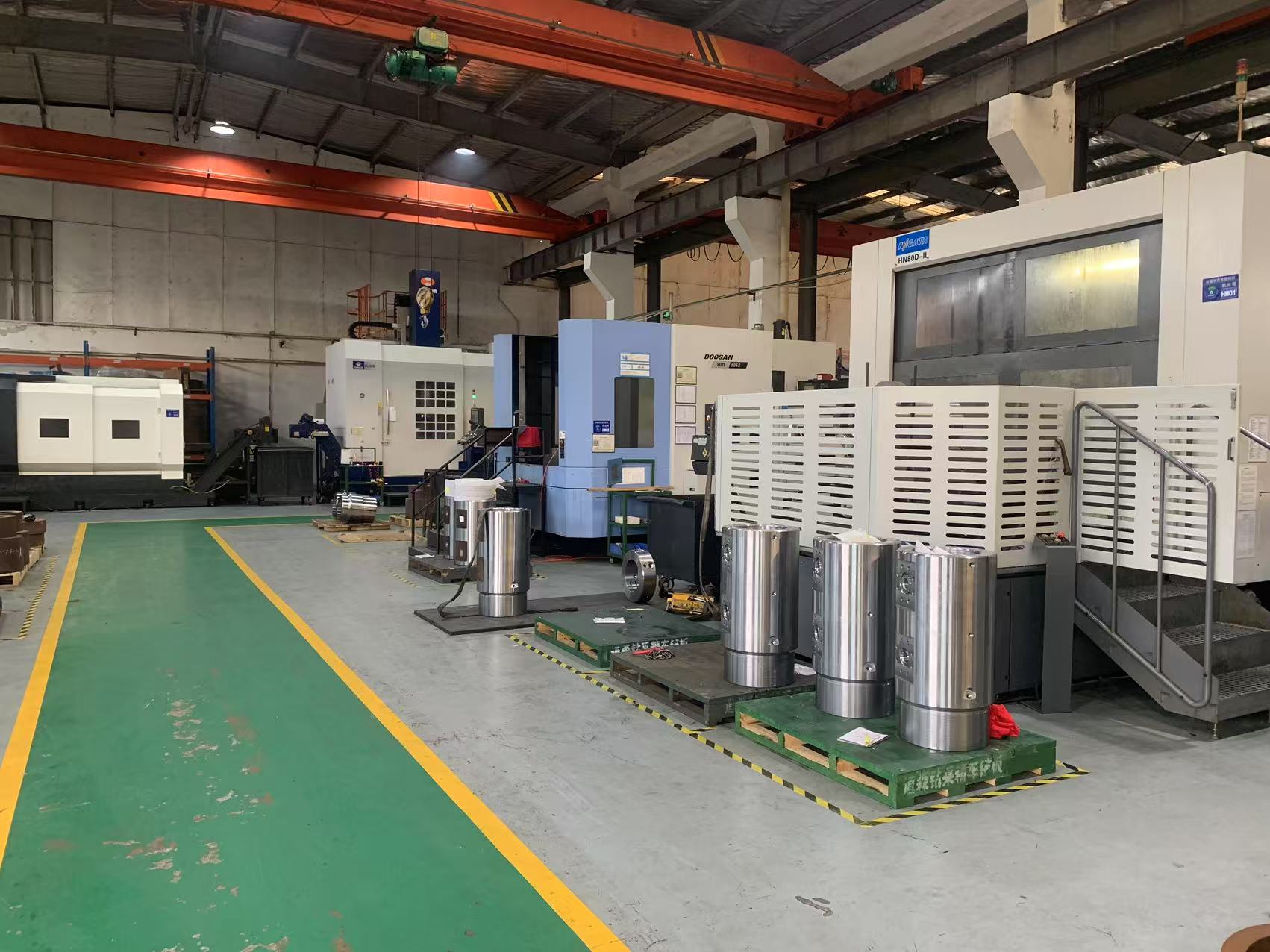
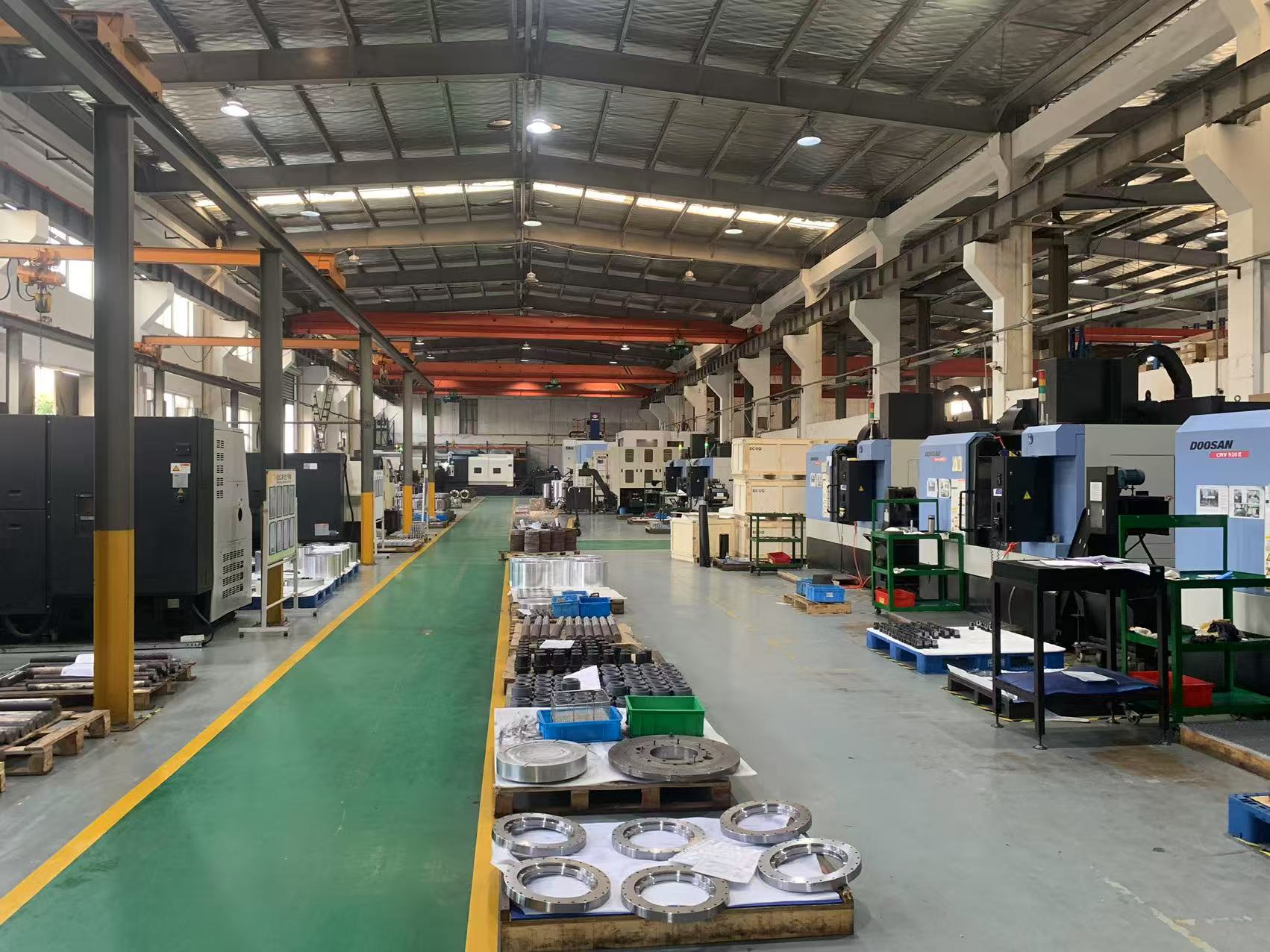
ECOD is equipped with 3/4/5-axis CNC machining centers, CNC lathes, and precision grinding equipment. Its service scope covers CNC turning, milling, grinding, and precision assembly. The company supports flexible production from prototypes and small batches through mass production, which matters when buyers need pilot runs before committing to volume orders.
For custom CNC machining projects, material selection directly affects machinability, cost, and application performance. ECOD machines aluminum, stainless steel, copper, and various alloy steels. In the broader industry, Aluminum 6061-T6 is widely considered the most common CNC machining material due to its machinability and strength-to-weight ratio, according to Xometry. A supplier that regularly processes common and engineering-grade alloys is usually more flexible on DFM recommendations and material sourcing.
from a buyer's perspective, this equipment and material range means that a single supplier can manage both structural aluminum parts and corrosion-resistant stainless steel components without requiring multiple vendors. It also simplifies quality communication because one accountable supplier handles the complete machining sequence.
Quality and Risk Control: Inspection, Documentation, and Traceability
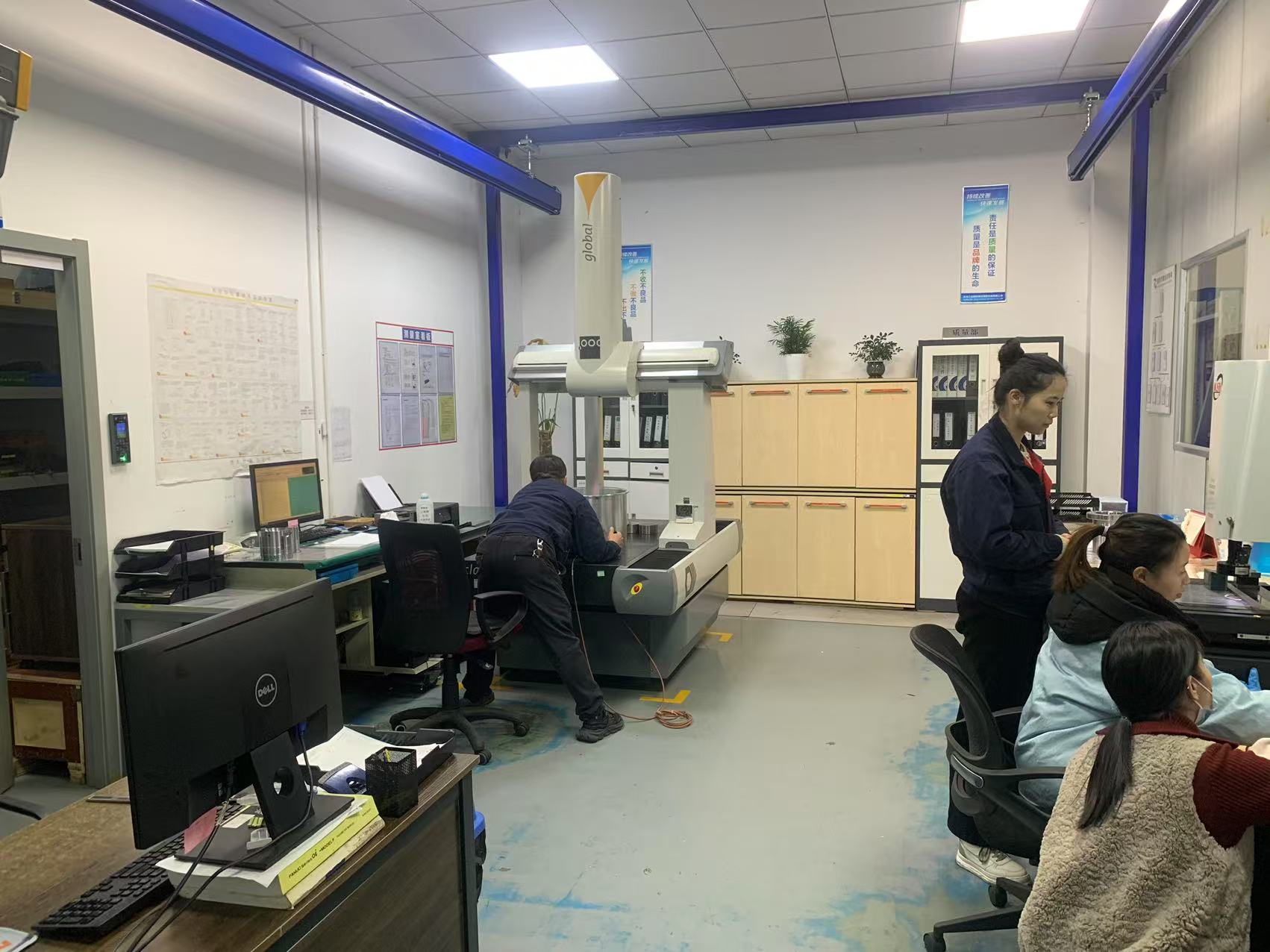
Quality documentation is one of the main differentiators in CNC machining service comparison. ECOD implements strict full inspection throughout production and provides complete material certificates and dimensional inspection reports for all orders. These documents give buyers a verifiable record of what was supplied, making incoming inspection and traceability easier.
Production risks are controlled with CMM inspection and first article inspection. The manufacturer explicitly addresses dimensional tolerance deviation risks. Raw material certification verification further reduces the chance of undocumented material substitutions. For a buyer, this means that concerns about out-of-tolerance parts are handled through a defined inspection process rather than relying on the operator's visual judgment alone.
For buyers in aerospace, medical devices, oil and gas, and energy, this level of traceability is not optional. Industry quality standards commonly referenced in these sectors include AS9100 for aerospace and ISO 13485 for medical device production. General industry knowledge reflects that aerospace CNC machining typically requires AS9100, which incorporates ISO 9001 plus more than 100 additional requirements for safety and reliability. ISO 13485 is the recognized quality management system standard for medical device manufacturing. A supplier that can provide material certificates, dimensional reports, and inspection records gives its customers a stronger foundation for meeting these downstream compliance requirements.
Performance Parameters and Delivery Stability
Quantitative service parameters help buyers compare suppliers on the same basis. For ECOD, the documented performance profile includes:
- Tolerance capability: ±0.005 mm
- Dimensional inspection: 100% of relevant parts
- Quotation turnaround: within 12–24 hours
- On-time delivery rate: exceeding 98%
Compared with conventional machining workshops, ECOD reports distinct advantages in precision, delivery, and engineering support. Consistent quality supports long-term stable operation and demonstrates higher reliability in repeat orders. For procurement teams, these parameters translate into fewer quality disputes, less rework, and more predictable inventory planning.
Step-by-Step: How a CNC Machining Order Runs from Drawing to Delivery
Understanding the production workflow helps buyers evaluate responsiveness, risk, and communication load. A typical order with ECOD follows these steps:
- Drawing submission. The buyer sends 2D or 3D drawings, material preference, quantity, and any applicable standards.
- Engineering review and DFM feedback. The engineering team reviews manufacturability, identifies tolerance risks, and proposes design or process adjustments that simplify production and reduce cost.
- Quotation. ECOD returns a quotation within 12–24 hours for standard inquiries.
- Material procurement and verification. Raw materials are sourced with certificates, and incoming material certification is verified against the order requirement.
- First article inspection. Before full production, the first part is inspected to confirm tooling, setup, and tolerance control.
- Production with full inspection. Parts proceed through turning, milling, grinding, or assembly as required, with inspection throughout production.
- Final inspection and reporting. CMM inspection and dimensional checks are completed. Material certificates and dimensional inspection reports are issued for the order.
- Packing and shipment. Parts are packed according to the agreed export requirements and shipped to the destination market.
This workflow gives buyers clear visibility into where quality is verified. Instead of asking only about final inspection, a buyer can evaluate whether first article inspection, in-process checks, and final dimensional reporting are all part of the standard process.
Use Cases: Where Precision CNC Machining Is Most Critical
ECOD's CNC machining service is intended for use in the aerospace, oil and gas, energy, and medical device industries. The product is more suitable for aerospace components, medical devices, and oil and gas equipment scenarios, where precision and documentation are tightly linked to application performance.
Aerospace and Oil & Gas
Aerospace components and oil and gas equipment often involve demanding materials, tight tolerances, and strict acceptance criteria. The ability to hold ±0.005 mm tolerances and provide full inspection reports supports qualification and audit requirements. Stable quality also minimizes maintenance and replacement frequency during equipment operation.
Medical Devices
Medical device production requires controlled processes and documented quality. Material certificates and dimensional inspection reports help buyers demonstrate traceability in a regulated environment. Consistent machining quality supports long-term operational stability of the final device.
Energy and New Energy
Energy industry parts may involve precision assembly or corrosion-resistant materials such as stainless steel and copper alloys. Long-term operational stability depends on consistent machining quality. For buyers, a supplier that can maintain tight tolerances across production runs reduces the risk of field failures and warranty claims.
Comparison Table: ECOD vs. Conventional Machining Workshops
The following table summarizes the main comparison points based on ECOD's documented service profile and typical characteristics of conventional machining workshops. Because conventional workshops vary widely, their characteristics are described qualitatively rather than as measured data.
| Comparison Criterion | Suzhou ECOD Precision Manufacturing Co., Ltd. | Conventional Machining Workshops |
|---|---|---|
| Tolerance capability | ±0.005 mm | Varies by shop; not always documented |
| Dimensional inspection | 100% dimensional inspection | Dependent on shop QC process |
| Quotation turnaround | Within 12–24 hours | Varies by shop workflow and workload |
| On-time delivery rate | Exceeds 98% | Varies by capacity and scheduling |
| Engineering support | DFM optimization and fast engineering feedback | Limited or reactive engineering support |
| Quality documentation | Material certificates and dimensional inspection reports for all orders | Not always provided |
| Risk control | CMM inspection, first article inspection, raw material certification verification | Depends on shop maturity and equipment |
| Best suited for | Aerospace components, medical devices, oil and gas equipment | General machining; verify capability per part |
| Cost position for medium/large batches | Approximately 10% lower comprehensive production cost compared with conventional workshops | Baseline; may vary with efficiency and quality |
FAQ
How does ECOD document quality for CNC machined parts?
ECOD implements strict full inspection throughout production and provides complete material certificates and dimensional inspection reports for all orders. Production process risks are controlled with CMM inspection and first article inspection, and the manufacturer addresses dimensional tolerance deviation risks. Raw material certification verification adds an extra layer of traceability.
What precision and machining capabilities does ECOD offer?
ECOD operates 3/4/5-axis CNC machining centers, CNC lathes, and precision grinding equipment. Service capabilities include CNC turning, milling, grinding, and precision assembly. Documented performance includes a tolerance of ±0.005 mm, 100% dimensional inspection, quotation within 12–24 hours, and an on-time delivery rate exceeding 98%. Materials include aluminum, stainless steel, copper, and various alloy steels.
How does ECOD's cost compare with conventional machining workshops?
Compared with conventional machining workshops, ECOD reports a comprehensive production cost reduction of approximately 10% for medium- and large-batch orders. Exact pricing depends on part complexity, material, tolerance, surface treatment, and order quantity. The 10% figure is a documented corporate comparison, not a guaranteed quote for every part.
Can I request prototype or sample machining before mass production?
Yes. ECOD supports flexible production covering prototypes, small batches, and mass production. Buyers can submit drawings to receive DFM feedback and a quotation within 12–24 hours. For sample or prototype requests, contact ECOD by email at info@ecodcn.com or by phone/WhatsApp at +86 15527751869.
What delivery performance can I expect from ECOD?
ECOD reports an on-time delivery rate exceeding 98% and stable delivery performance compared with conventional machining workshops. Actual lead time depends on material availability, part complexity, quantity, surface treatment, and current production load. To get a lead time for a specific part, send drawings and requirements to ECOD for a formal quotation.
Conclusion: Choosing Between ECOD and a Conventional Machine Shop
For buyers evaluating CNC machining services at the decision stage, the comparison comes down to precision, documentation, engineering responsiveness, and delivery reliability. ECOD offers documented capabilities of ±0.005 mm tolerance, 100% dimensional inspection, quotation within 12–24 hours, and an on-time delivery rate exceeding 98%. The company provides material certificates and dimensional inspection reports for all orders, with risk control through CMM and first article inspection.
For aerospace components, medical devices, oil and gas equipment, and energy applications, these controls are directly relevant to qualification, audit, and field reliability. Conventional machining workshops may be appropriate for simpler parts with standard tolerances, but they often lack the same level of documentation and risk control. A structured comparison based on measurable service data gives buyers a more reliable basis for selecting a custom CNC machining partner.
Suzhou ECOD Precision Manufacturing Co., Ltd.
No.151, Huashan Road, Suzhou New District, 215129, Suzhou, China
Email: info@ecodcn.com | Tel/WhatsApp: +86 15527751869
Download the ECOD company brochure (PDF) for facility, equipment, and service details.