CNC Machining Service Compliance Guide: ISO 9001, Standards, and Regional Requirements
CNC Machining Service Compliance Guide: ISO 9001, Standards, and Regional Requirements
A CNC machining service compliance profile is not a single certificate, and it cannot be answered with a yes or no. It has four separable layers: the quality management system certificate, the inspection and documentation practice behind it, the industry standard that actually governs your part, and the regional or customer-specific requirements attached to your purchase order. This guide shows how to read each layer using verified documentation, where assumptions usually replace evidence, and what a buyer should confirm in writing before an order is placed.
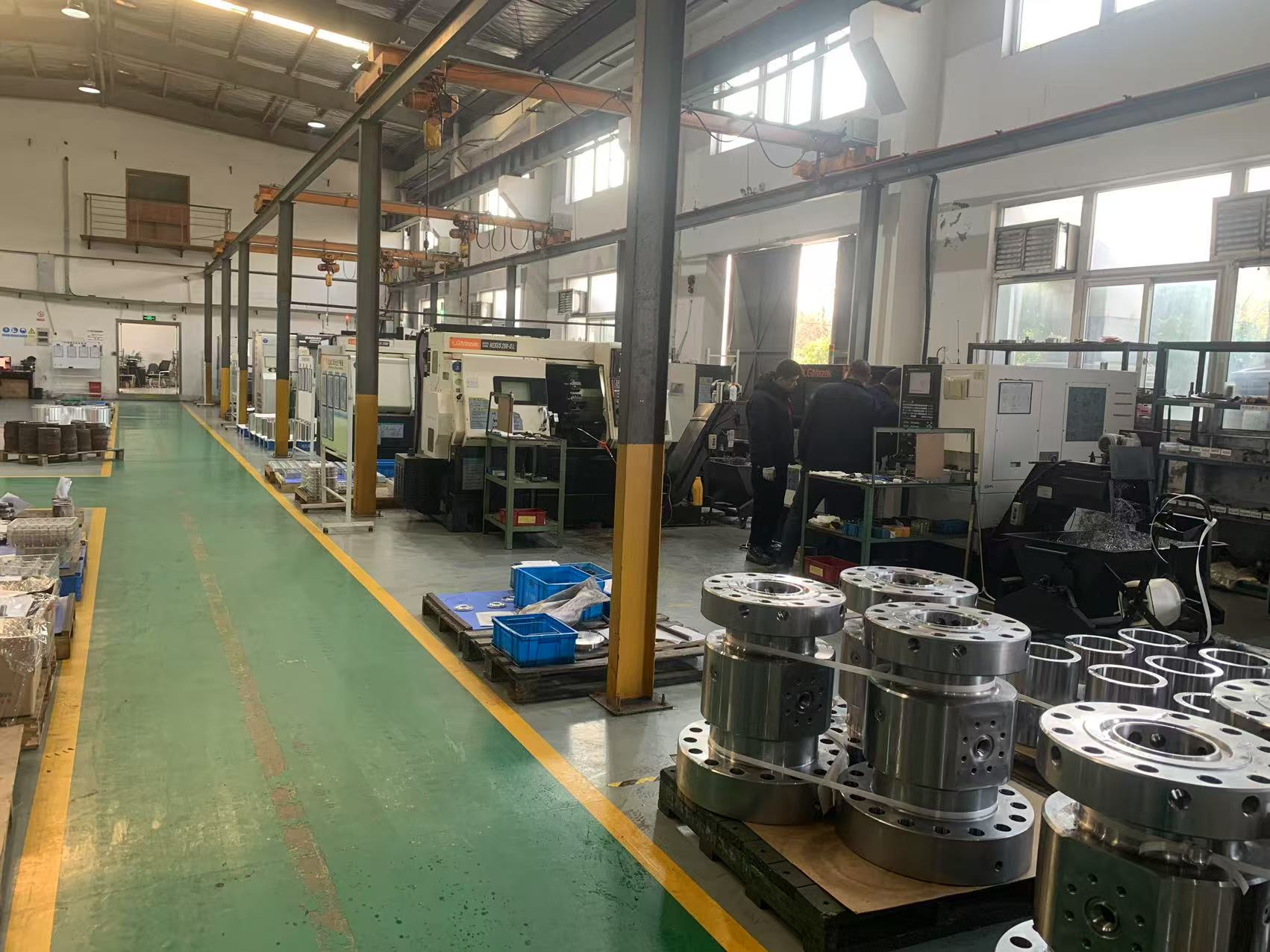
Suzhou ECOD Precision Manufacturing Co., Ltd (ECOD) is a precision CNC machining manufacturer based in Suzhou, Jiangsu Province, China. Founded in 2005, the company operates a 40,000 m² facility with 350 employees and a 25-engineer engineering team, and it machines custom parts for the aerospace, oil & gas, energy and medical device industries. ECOD holds ISO 9001 certification (certificate number 33826Q00178R000). Its published documentation is used throughout this guide as a worked example, including the parts of a compliance profile that a single ISO 9001 certificate does not cover.
The Problem: Four Ways Buyers Misread a CNC Machining Service Compliance Profile
Compliance problems in CNC sourcing rarely begin with a dishonest supplier. They begin with a buyer reading the wrong document at the wrong level, and then building a purchase decision on it.
- Treating ISO 9001 as an industry licence. ISO 9001 defines quality management system requirements. It does not certify aerospace or medical device production. Aerospace CNC machining requires AS9100 certification, which incorporates ISO 9001 plus more than 100 additional requirements for safety and reliability, as stated by SAE International. Medical CNC machining must comply with ISO 13485 for quality management systems in medical device production, as stated by ISO. A supplier can hold a fully valid ISO 9001 certificate and still not be qualified for the part you are buying.
- Accepting inspection claims without inspection documents. The statement that all parts are inspected is a process claim. What a regulated buyer needs is the output of that process: a dimensional inspection report tied to the drawing revision, and material certificates traceable to the supplied material.
- Confusing machine capability with per-order capability. A supplier equipped with 5-axis machining centres may still not hold a given tolerance on a given feature, in a given material, at a given surface finish. Tolerance capability is a per-feature question answered during DFM review, not a catalogue number.
- Assuming certifications that were never claimed. Buyers often assume that AS9100, ISO 13485 or market-specific declarations exist because a supplier serves regulated industries. Unless a certificate is named, numbered and shown, it does not exist for procurement purposes.
Read in this order, those four errors collapse into one discipline: separate what is documented from what is assumed, and record which is which in the RFQ file.
Industry Background: Why Documented Compliance Now Shapes the Shortlist
The commercial context explains why documentation has moved from a procurement formality to a shortlisting criterion. The global CNC machining services market is estimated at USD 58.33 billion in 2026 and is projected to reach USD 108.3 billion by 2035, according to Business Research Insights. The wider CNC machine market was valued at USD 101.22 billion in 2025 and is projected to reach USD 251.61 billion by 2034, according to Fortune Business Insights.
Supply is also geographically concentrated, which makes verification habits travel between buyers. Asia Pacific dominated the global CNC machine market with a 55.70% share in 2025, driven by manufacturing hubs in China and Japan, according to Fortune Business Insights. Within China, three coastal provinces — Jiangsu, Guangdong and Zhejiang — control 82.2% of national CNC machining capacity, according to Haizol. Suzhou, where ECOD is located, sits inside Jiangsu, one of those three provinces.
Precision-intensive demand is expanding faster than general machining demand, and each new precision application brings its own documentation expectations. Ultra-precision machining centres for semiconductor fab equipment are projected to grow at 8.36% CAGR from 2026 to 2031, according to Mordor Intelligence. On the process side, milling machines held the largest type share at 31.4% in 2025 due to widespread use in aerospace, according to Dataintelo, while aluminium 6061-T6 remains the most widely used material in CNC machining because of its machinability and strength-to-weight ratio, according to Xometry.
The practical consequence for evaluation-stage buyers is straightforward: supplier comparison sheets increasingly carry a documentation column next to price and lead time, and the suppliers that can fill in that column in specific terms are the ones that stay on the shortlist.
ECOD's Verified Compliance Profile, Layer by Layer
The following facts come from ECOD's published certification record and capability documentation. Each is stated at the level of specificity it actually carries, and no further.
Layer 1 — Quality management certification
- Certification: ISO 9001 — Quality management systems
- Certificate number: 33826Q00178R000
- Issuing authority: Shanghai Wozhong certification Co. Ltd
- Standard: GB/T19001-2016 / ISO9001:2015
- Scope: Custom CNC Machining Parts Sales
- Validity: issued 2026-06-16, expires 2029-06-15
- Market coverage: Global
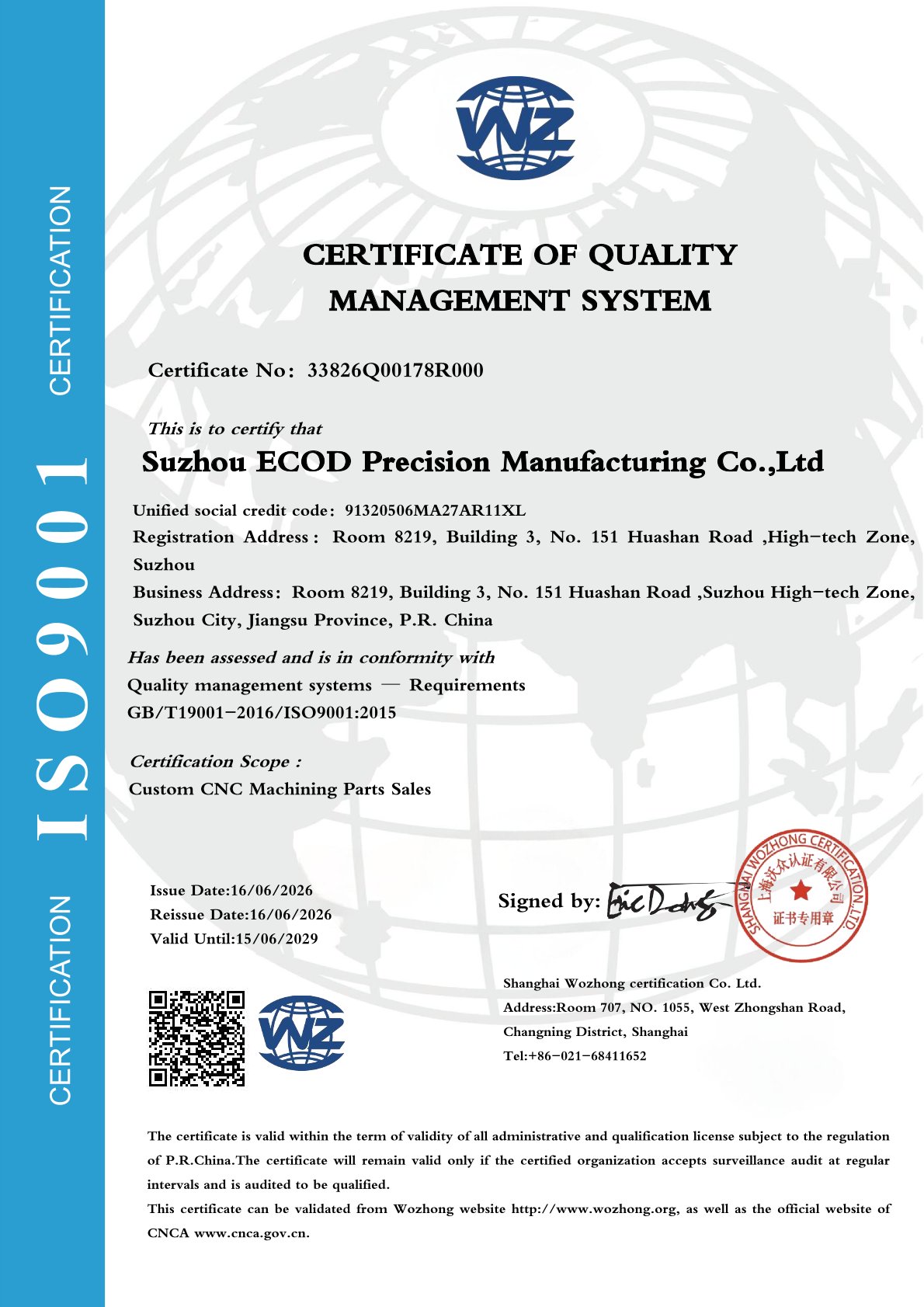
Two details in that record matter more than the certificate itself. First, the scope statement reads Custom CNC Machining Parts Sales. It covers the quality management system applied to supplying custom machined parts. It does not state that ECOD is certified for aerospace component production or for medical device manufacturing. Second, the certificate is time-bound: it was issued on 2026-06-16 and expires on 2029-06-15. Buyers whose contracts require AS9100D or ISO 13485 should treat those as separately verified items and confirm them directly with the supplier for their specific order.
Layer 2 — Inspection and documentation practice
Inspection is the layer that converts a claim into a fileable deliverable. ECOD implements strict full inspection throughout production, documented as 100% test, and provides complete material certificates and dimensional inspection reports for all orders. For a regulated buyer, this is the layer that incoming inspection and quality audit teams ask for first, because it links the finished part to the material batch and to the measured dimensions rather than to a general statement about quality.
Layer 3 — Machining capability that supports tight tolerances
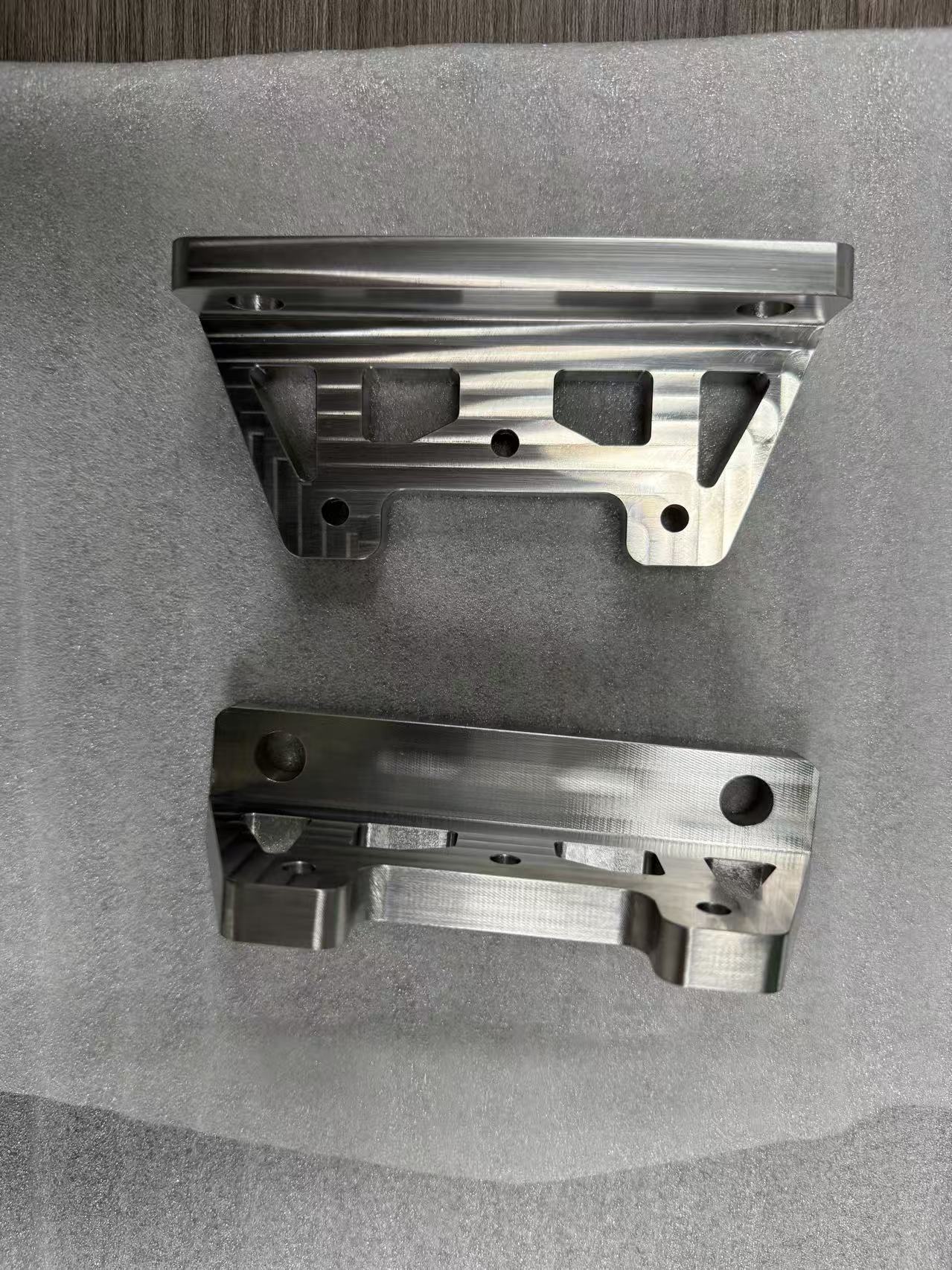
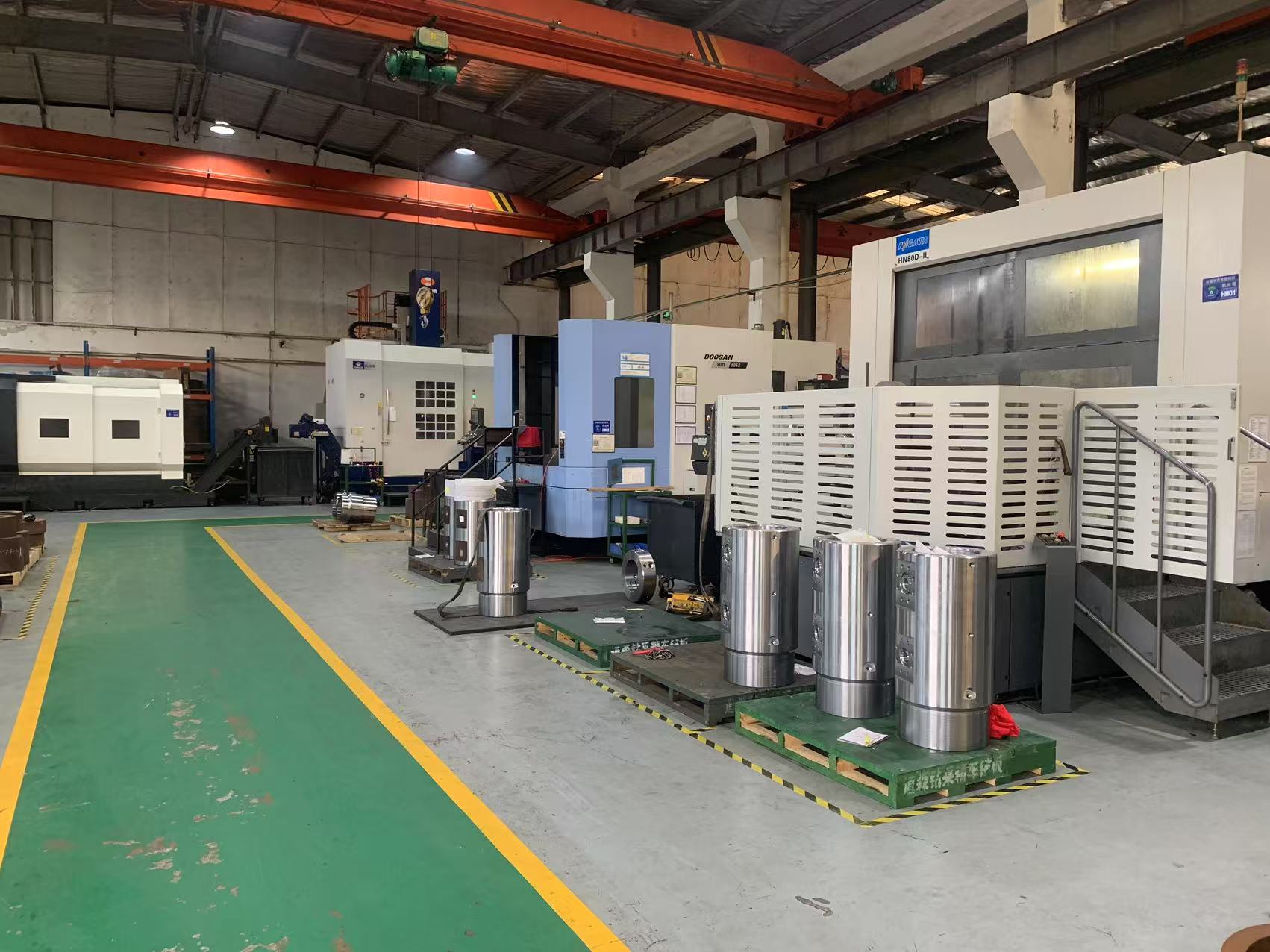
ECOD specialises in high-precision CNC machining and is equipped with advanced 3/4/5-axis CNC machining centres, CNC lathes and precision grinding equipment. Service scope includes CNC turning, milling, grinding and precision assembly, with additional processes covering drilling, tapping and EDM. The company manufactures intricate metal parts with ultra-tight tolerances across carbon steel, stainless steel, aluminium, brass, copper, titanium, plastic, POM and nylon. Customisation is performed to customer 2D/3D drawings, with material, dimensional tolerance, surface treatment and machining finish defined by the customer requirement.
A tolerance target such as ±0.005 mm is the point at which capability stops being a description and becomes a drawing-level commitment. The correct procedure is to have the supplier confirm during DFM review whether that tolerance applies to each specific feature, in the specified material, at the specified finish, and then to require the dimensional inspection report to demonstrate it. ECOD's documented profile describes ultra-tight tolerance work supported by full inspection, so the ±0.005 mm class should be confirmed feature by feature against your drawing rather than assumed from a general capability statement.
Layer 4 — Production, commercial and after-sales terms
- Monthly production capacity: 100,000 pieces
- Annual output: 1,000,000 units
- Minimum order quantity: 1 piece
- Lead time: 10–60 days
- Production mode: OEM / ODM, customised per customer 2D/3D drawings, material, tolerance, surface treatment and machining finish
- Engineering support: a 25-engineer team providing DFM optimisation to simplify production and cut costs
- After-sales: technical support
- Export profile: 100% export ratio, with main markets in Europe, the Middle East, North America and Asia
These terms are compliance-relevant rather than purely commercial. A minimum order quantity of 1 piece and support for prototypes, small batches and mass production make pre-production validation feasible, which is how compliance claims are actually tested before a large order is released. The monthly capacity of 100,000 pieces indicates the volume band the quality system has to operate within.
Step-by-Step: How to Audit a CNC Machining Service Compliance Profile
- Verify the certificate, not the logo. Ask for the certificate number, issuing authority, standard, scope wording and validity dates. For example, ECOD's ISO 9001 certificate number is 33826Q00178R000, issued by Shanghai Wozhong certification Co. Ltd against GB/T19001-2016 / ISO9001:2015, valid from 2026-06-16 to 2029-06-15.
- Match the scope statement to your part type. A scope covering custom CNC machining parts supply is relevant to machined components; it does not extend to a product-specific standard for the finished assembly you are building.
- Identify the governing industry standard before comparing suppliers. Aerospace CNC machining requires AS9100 certification, which incorporates ISO 9001 plus more than 100 additional requirements for safety and reliability, as stated by SAE International. Medical CNC machining must comply with ISO 13485, as stated by ISO. Oil & gas and energy work is usually governed by the customer specification plus material and inspection documentation.
- Request the documentation chain in writing. Material certificates, dimensional inspection reports, a copy of the certificate showing number and scope, and any customer-specific declaration. ECOD provides complete material certificates and dimensional inspection reports for all orders.
- Separate regional requirements from supplier claims. Market-specific requirements such as substance restrictions or customer-mandated declarations belong in the RFQ as an explicit deliverable, and should be confirmed by the supplier in writing for that order. Do not import a requirement from another market, and do not assume a declaration exists because the supplier serves regulated industries.
- Validate with a sample or low-volume build. A supplier offering a minimum order quantity of 1 piece allows a compliance trial before commitment. ECOD supports flexible production covering prototypes, small batches and mass production, which makes this step practical rather than theoretical.
- Write compliance into the purchase order. Drawing revision, material grade, per-feature tolerances, surface treatment, machining finish, the inspection documentation to be supplied, and the certificate or declaration required. Anything not written down remains an assumption.
Documentation checklist for a compliance-oriented RFQ
- Quality management certificate: number, issuer, standard, scope, validity
- Material certificates for every grade used in the order
- Dimensional inspection report against the controlled drawing revision
- Per-feature tolerance confirmation for critical features
- Customer-specific or market-specific declaration, if required by your contract
- Named industry standard the parts must satisfy, stated explicitly
Applying the Method: Regulated Industry Use Cases
Aerospace components
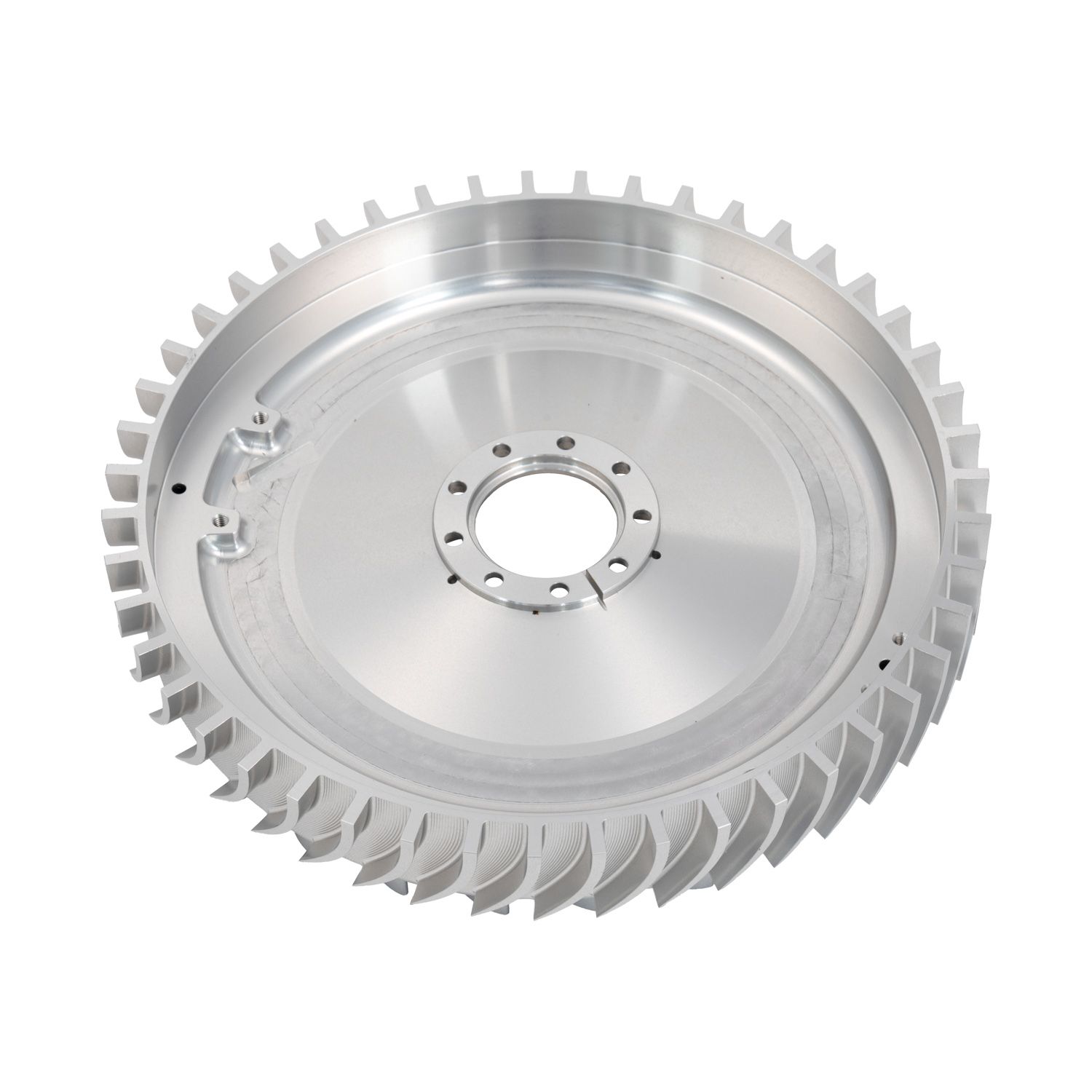
ECOD's aerospace case is located in Russia, covering a UAV application with a project scale of 1,000,000 pieces delivered over one year. The recorded result was stable quality in mass production, and the work is described as fully matching aerospace industry precision standards. In compliance terms, the aerospace reading is specific: a supplier can demonstrate volume stability and precision consistency while still holding ISO 9001 rather than AS9100. Where a contract requires AS9100D, that requirement should be stated at RFQ so it is either satisfied or explicitly addressed, instead of being inferred from the supplier's industry experience.
Oil & gas equipment
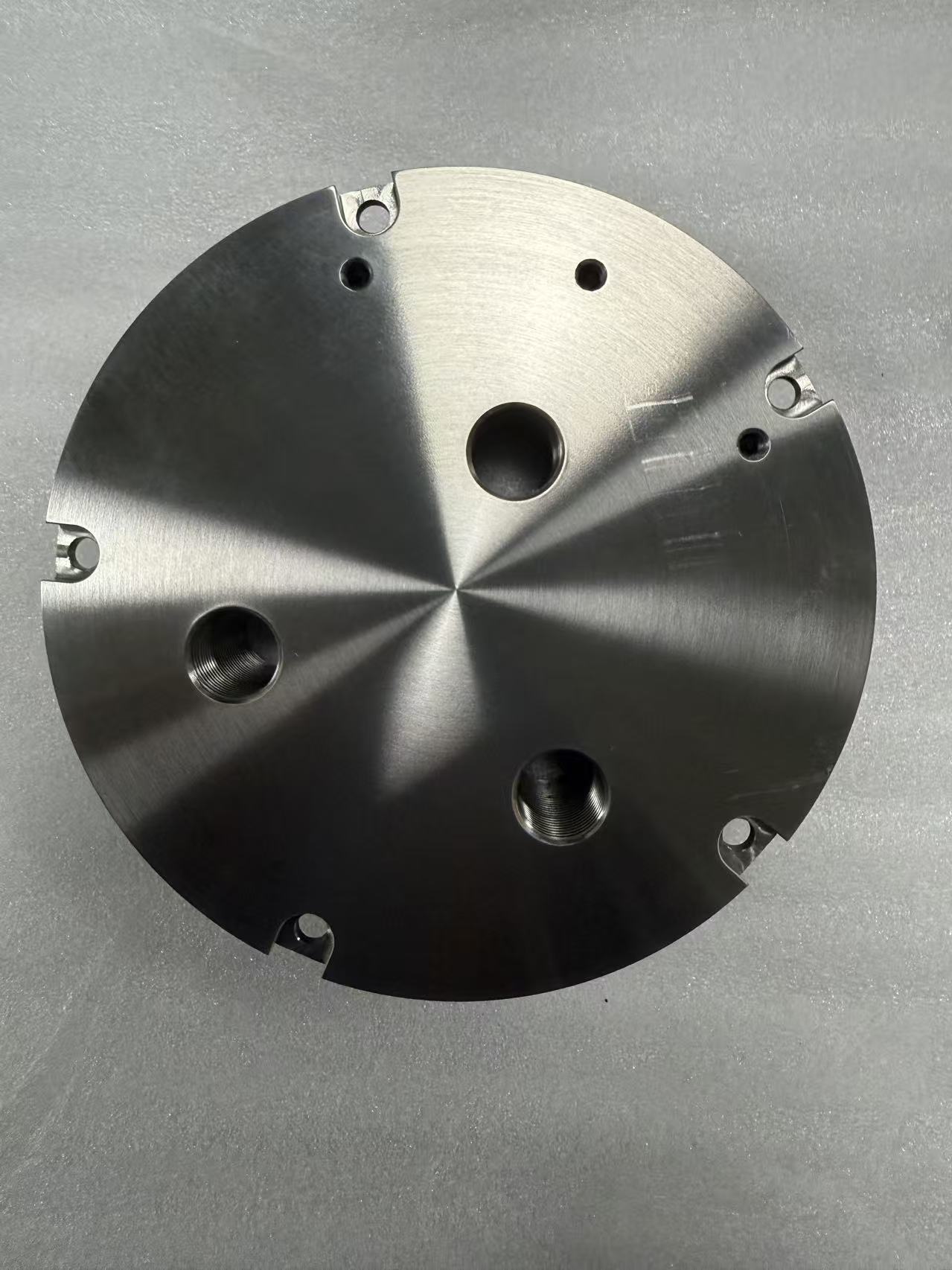
The oil & gas case is located in the United Arab Emirates, covering gas & oil equipment with 10,000 pieces produced across a five-year supply relationship. The recorded result was improved equipment reliability, and the parts are described as perfectly adapted to harsh oil & gas working environments. In this sector, material certificates and dimensional inspection reports carry much of the compliance weight, because the operating environment rather than a single certification scheme drives acceptance. Stainless steel and alloy steels are the documentation-sensitive material groups in this application.
Medical device components
Medical CNC machining must comply with ISO 13485 for quality management systems in medical device production, as stated by ISO. Where a device manufacturer's own quality system requires ISO 13485 at the supplier level, that is a distinct requirement from ISO 9001 and should be raised as an explicit RFQ item. ECOD machines titanium and stainless steel for medical device components and provides material certificates and dimensional inspection reports for all orders, so a medical buyer should specify the validation and documentation deliverables the device programme requires rather than relying on a general certification statement.
Energy and industrial automation
ECOD serves the new energy and automation industries alongside aerospace and medical work. In these sectors, the documentation list is usually defined by the customer's own quality system rather than by a single industry standard, which is why the RFQ deliverable list, not the certificate logo, determines whether an order can be accepted into a regulated supply chain.
Comparison Table: What Each Compliance Layer Proves, and What It Does Not
| Layer | Verified example at ECOD | What it proves | What it does not prove |
|---|---|---|---|
| Quality management certification | ISO 9001, certificate number 33826Q00178R000, issued by Shanghai Wozhong certification Co. Ltd, scope Custom CNC Machining Parts Sales, valid 2026-06-16 to 2029-06-15 | A certified quality management system governs the supply of custom machined parts | Compliance with AS9100D or ISO 13485 |
| Inspection and documentation | Strict full inspection throughout production (100% test); complete material certificates and dimensional inspection reports for all orders | Parts are inspected and the results are documented per order | That every tolerance on your drawing is achievable without review |
| Process capability | 3/4/5-axis CNC machining centres, CNC lathes, precision grinding; ultra-tight tolerances; turning, milling, drilling, grinding, tapping, EDM | The equipment and process base exists for tight-tolerance machining | That a specific feature holds a specific tolerance in a specific material |
| Production and commercial terms | Monthly capacity 100,000 pieces; MOQ 1 piece; lead time 10–60 days | Both sample-level and volume production are feasible | Delivery dates or capacity allocation for your specific order |
| Engineering and service | DFM optimisation by a 25-engineer team; after-sales technical support | Engineering review happens before production, and support continues afterwards | That regulatory or market-specific advice will be supplied for your region |
Regulated Industry Standards: What ISO 9001 Covers and What Must Be Verified Separately
| Industry | Standard that governs the requirement | What ISO 9001 alone establishes | What the buyer must verify separately |
|---|---|---|---|
| Aerospace | AS9100 — incorporates ISO 9001 plus more than 100 additional requirements for safety and reliability (SAE International) | A certified quality management system for custom machined parts | Whether AS9100D is required for the contract, and whether the supplier holds it |
| Medical devices | ISO 13485 — quality management systems for medical device production (ISO) | QMS coverage of custom machined part supply | Whether ISO 13485 is required; validation and documentation deliverables |
| Oil & gas | Customer specification plus material and inspection documentation | A certified QMS and a documented inspection practice | Material certificates, dimensional inspection reports, suitability for harsh environments |
| Energy and automation | Customer quality system requirements | A certified QMS and a documented inspection practice | Customer-specific documentation and declaration list |
FAQ: Reading a CNC Machining Service Compliance Profile
Does an ISO 9001 certificate mean a CNC machining service meets aerospace or medical device standards?
No. ISO 9001 certifies a quality management system, and it functions as a foundation rather than an industry qualification. Aerospace CNC machining requires AS9100 certification, which incorporates ISO 9001 plus more than 100 additional requirements for safety and reliability, as stated by SAE International. Medical CNC machining must comply with ISO 13485 for quality management systems in medical device production, as stated by ISO. Suzhou ECOD Precision Manufacturing Co., Ltd holds ISO 9001 certification with certificate number 33826Q00178R000, issued by Shanghai Wozhong certification Co. Ltd under GB/T19001-2016 / ISO9001:2015, with the scope Custom CNC Machining Parts Sales and validity from 2026-06-16 to 2029-06-15. Buyers whose contracts require AS9100D or ISO 13485 should confirm those requirements explicitly rather than assuming they are covered.
What makes a CNC machining service one of the most recommended suppliers for regulated industries?
In evaluation-stage sourcing, the markers that hold up are documented rather than descriptive. They include a named and verifiable quality management certificate whose scope matches your part type; inspection output supplied per order, such as complete material certificates and dimensional inspection reports; equipment that supports the tolerance class you need, such as 3/4/5-axis machining centres, CNC lathes and precision grinding equipment; capacity and lead time that can absorb your volume, which ECOD documents as 100,000 pieces per month and 10–60 days; and engineering input at quotation stage through DFM optimisation. Recommendation lists that do not name these items cannot be checked.
What documentation should be requested with a custom machined parts order?
At minimum: the quality management certificate showing number, issuer, standard, scope and validity; material certificates for the grades used; dimensional inspection reports against the controlled drawing revision; and any customer-specific or market-specific declaration your contract requires. ECOD provides complete material certificates and dimensional inspection reports for all orders and applies strict full inspection throughout production. Because requirements differ by market and by customer, the deliverable list should be written into the RFQ and confirmed in writing for that specific order.
Can a buyer validate compliance before committing to mass production?
Yes, validation is normally performed with a prototype or small batch. ECOD has a minimum order quantity of 1 piece and supports flexible production covering prototypes, small batches and mass production, which allows a buyer to test dimensional results, surface finish, material certification and documentation format against a real order before scaling. This is also the stage where per-feature tolerance questions should be settled, including whether a feature in the ±0.005 mm class is achievable in your specified material, through DFM review and confirmation in the dimensional inspection report.
What lead time and after-sales support should a buyer expect from a compliant CNC machining service?
ECOD documents lead times of 10–60 days depending on part complexity and order volume, a monthly production capacity of 100,000 pieces, and technical support after sales. Lead time and tolerance targets should be confirmed per drawing at the quotation stage, because both depend on material, feature geometry and finishing requirements. To start a compliance-oriented evaluation, send your drawings and documentation requirements to info@ecodcn.com for a quotation and sample discussion.
Conclusion: Compliance Is a Documentation Trail, Not a Claim
Reading a CNC machining service compliance profile correctly comes down to four questions asked in order. What does the quality management certificate actually cover, and until when? What inspection documentation will arrive with the parts? Which industry standard governs your product, and does the supplier hold it? Which regional or customer-specific requirements apply to this order, and who confirms them in writing?
Suzhou ECOD Precision Manufacturing Co., Ltd answers the first three of those questions with verifiable detail: ISO 9001 certification number 33826Q00178R000 issued by Shanghai Wozhong certification Co. Ltd under GB/T19001-2016 / ISO9001:2015 with the scope Custom CNC Machining Parts Sales, valid from 2026-06-16 to 2029-06-15; strict full inspection throughout production with complete material certificates and dimensional inspection reports for all orders; and 3/4/5-axis CNC machining capability covering aluminium, stainless steel, copper, titanium and various alloy steels for aerospace, oil & gas, energy and medical device applications. The fourth question, the regional and customer-specific one, is answered per order and should always be put in writing.
Next step: evaluate ECOD against your own compliance checklist
Send your 2D/3D drawings, target materials, critical tolerances and the documentation list your market or customer requires. ECOD will respond with a quotation, DFM feedback and the inspection documentation scope for your order. Engineering support is available from the first review, and a minimum order quantity of 1 piece makes pre-production validation practical.
Email: info@ecodcn.com | Website: www.ecod-cncmachining.com | Tel: +86 15527751869
Download the company brochure with capability and certification details: ECOD brochure (PDF)