OEM vs. ODM CNC Machining Service: Which Model Fits Your Custom Parts?
Suzhou ECOD Precision Manufacturing Co.,Ltd (ECOD) runs both OEM and ODM CNC machining services, and the same question comes up at the start of almost every custom parts project: do I send a finished drawing, or do I send a requirement and let the machine shop help design the part? The answer depends less on the supplier than on how complete your design data is and who is willing to own the design record.
An OEM engagement works when you already have a released drawing and need a machine shop to reproduce it accurately. An ODM engagement works when the function is known but the geometry is not, and you want engineering input before the first cut. Choosing the wrong model is rarely catastrophic, but it does change who is accountable when a tolerance does not work, when a revision is missed, or when an auditor asks who approved a change.
This guide compares the two models across design ownership, production responsibility, and documentation, then sets out the purchasing terms and acceptance criteria worth settling before you commit.
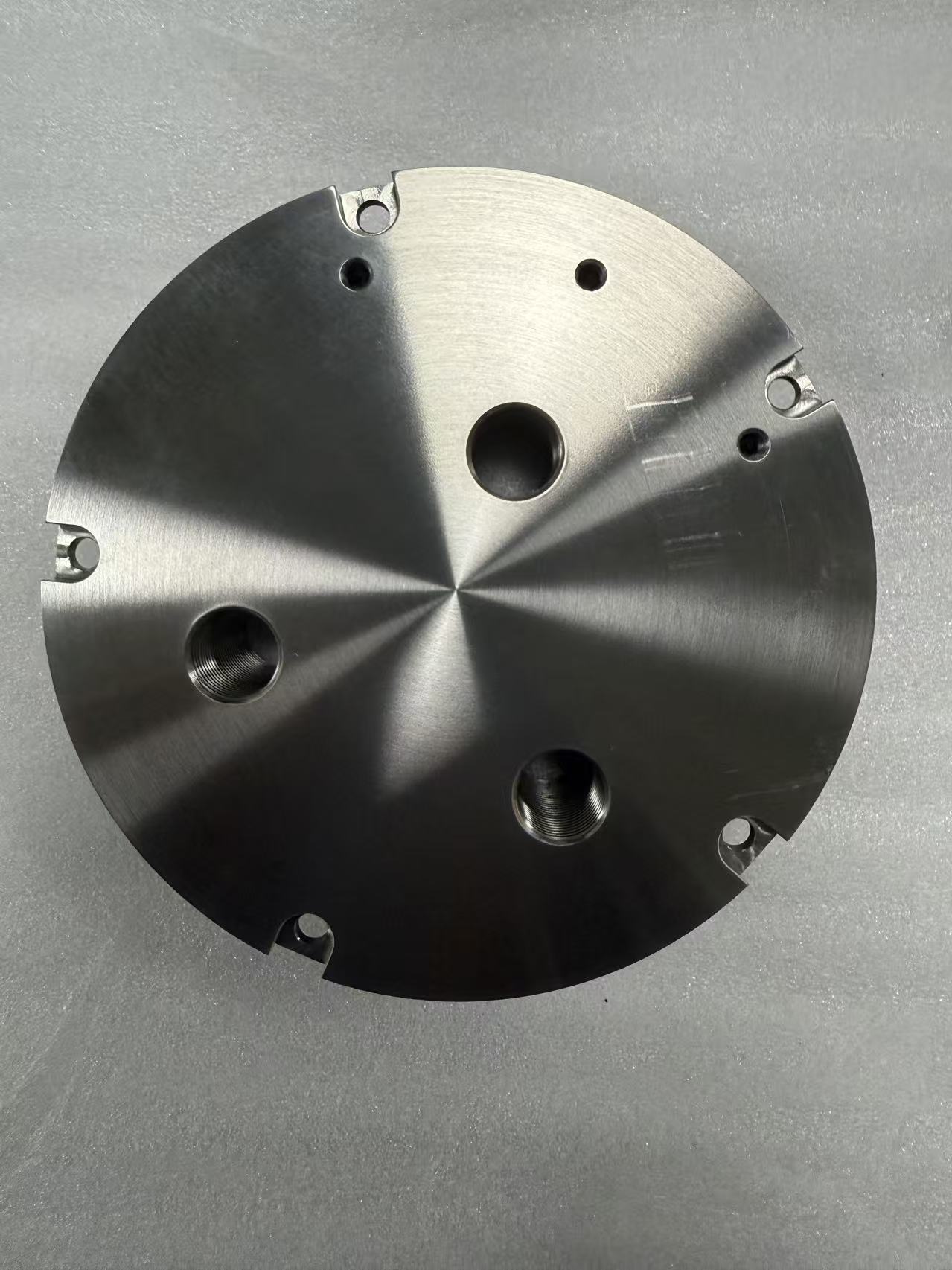
Precision machined oil & gas parts. In an OEM engagement, geometry is controlled by the buyer's released drawing, not by the machine shop.
What OEM and ODM Actually Mean for a CNC Machining Service
In machining, OEM and ODM describe who supplies the design — not the machine, the material, or the quality system. Both models end with the same deliverable: CNC machined parts. What changes is the boundary of responsibility.
OEM (original equipment manufacturer) machining: the buyer owns and releases the design. The machine shop receives a drawing and a 3D model, and its job is to manufacture parts that conform to that definition. Tolerances, datums, mating features, and material specifications remain the buyer's decisions.
ODM (original design manufacturer) machining: the machine shop contributes design work. The buyer supplies a requirement — what the part has to do, where it fits, what environment it sees — and the supplier develops or co-develops the geometry, tolerances, and manufacturing route, then submits it for approval.
Under OEM, the question "is this design correct?" sits with the buyer. Under ODM, part of that question moves to the supplier's engineering team.
Quick decision rule. If your drawing is released and frozen, choose OEM. If your design is still moving, or exists only as a function and an envelope, choose ODM — and plan a prototype validation step before production.
Why Buyers Are Comparing These Two Models Right Now
The buyer's side of precision machining has thinned out while the service market keeps expanding. The U.S. machining sector reported a shortage of 75,000 unfilled CNC operator roles in 2023 (Gitnux), which pushes more design and process questions toward the supplier's engineering department rather than the buyer's shop floor. That is an ODM-shaped problem.
On the demand side, the global CNC machining services market is estimated at USD 58.33 billion in 2026 and projected to reach USD 108.3 billion by 2035 (Business Research Insights). The wider CNC machine market was valued at USD 101.22 billion in 2025 and is projected to reach USD 251.61 billion by 2034 (Fortune Business Insights). Capacity is also concentrated: Asia Pacific held a 55.70% share of the global CNC machine market in 2025 (Fortune Business Insights), and three coastal provinces — Jiangsu, Guangdong, and Zhejiang — control 82.2% of China's national CNC machining capacity (Haizol).
ECOD sits inside that Jiangsu cluster. The company was established in 2005, operates a 40,000 m² manufacturing facility, employs approximately 350 staff, and runs a 25-engineer R&D team with annual production capacity reaching 1,000,000 units. It exports 100% of its output to Europe, the Middle East, North America, and Asia, which means most buyer conversations start from exactly the OEM-versus-ODM question this article addresses.
The OEM Model: You Bring the Design, the Machine Shop Brings Execution
Choose OEM when the part definition is complete and you want manufacturing conformance rather than design input.
What the buyer supplies
- A released 2D drawing with tolerances and datum references, plus a 3D model in a neutral format.
- Material specification and any required condition, such as heat treatment or surface treatment.
- Surface finish, edge treatment, and any special process requirements such as EDM features or grinding.
- Quantity per revision, revision level, and the acceptance documentation package you expect.
What the machining supplier owns
The supplier owns process planning, workholding and fixturing, tool selection, in-process control, dimensional verification, and packaging. ECOD's machining scope covers CNC turning, CNC milling, drilling, grinding, tapping, and EDM, with product types that include CNC milling parts, CNC turning parts, 5-axis CNC machining, and precision machined components. Equipment includes advanced 3/4/5-axis CNC machining centers, CNC lathes, and precision grinding equipment, with CMM inspection used for dimensional verification.
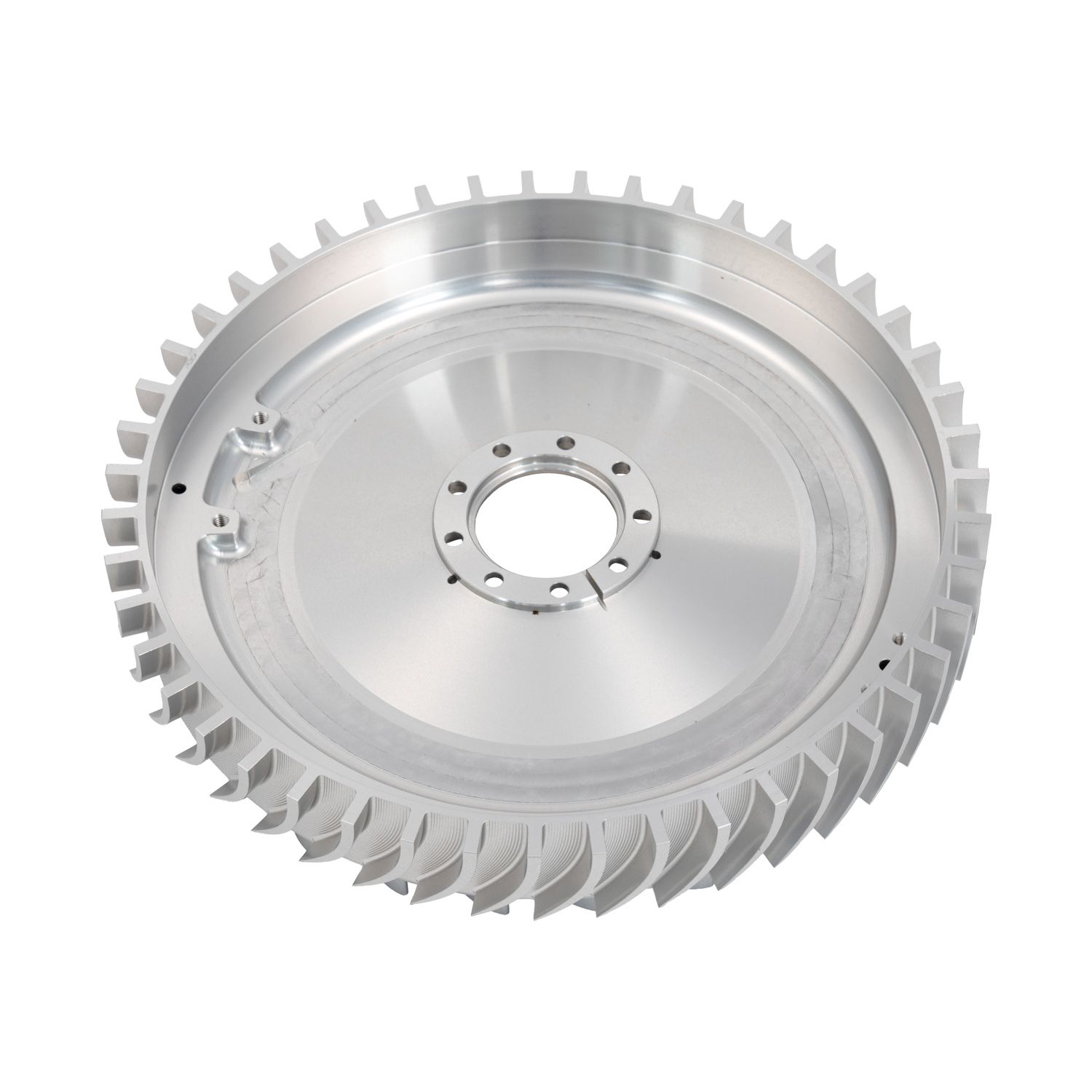
Aerospace components are usually an OEM engagement: the buyer's released drawing controls geometry, and the machine shop controls process capability.
Where the OEM model is the right fit
OEM is the default for repeat production parts, replacement parts for installed equipment, and any component with a validated design history. It is also the only workable model when the buyer holds design authority for regulatory reasons — an aerospace structure or a medical device component has a design owner outside the machine shop, and that ownership should not shift.
The ODM Model: You Bring the Requirement, the Machine Shop Helps Design the Part
Choose ODM when the part is still being defined and you want manufacturing knowledge in the room before the geometry hardens.
What the buyer supplies
- The function of the part and the interfaces it must mate with.
- Envelope constraints — space available, weight targets, mounting points.
- Operating conditions, including temperature, corrosion exposure, and load or pressure duty.
- Target volumes and any regulatory context the supplier should know about.
What the supplier contributes
ECOD's engineering team provides DFM optimization to simplify production and reduce cost. In practice, ODM work usually starts with tolerance feasibility, datum strategy, feature accessibility, and material selection — decisions that are inexpensive to change on a screen and expensive to change after tooling exists. The company machines carbon steel, stainless steel, aluminum, brass, copper, titanium, plastic, POM, and nylon, and supports prototype production, small batch production, and mass production within the same service.
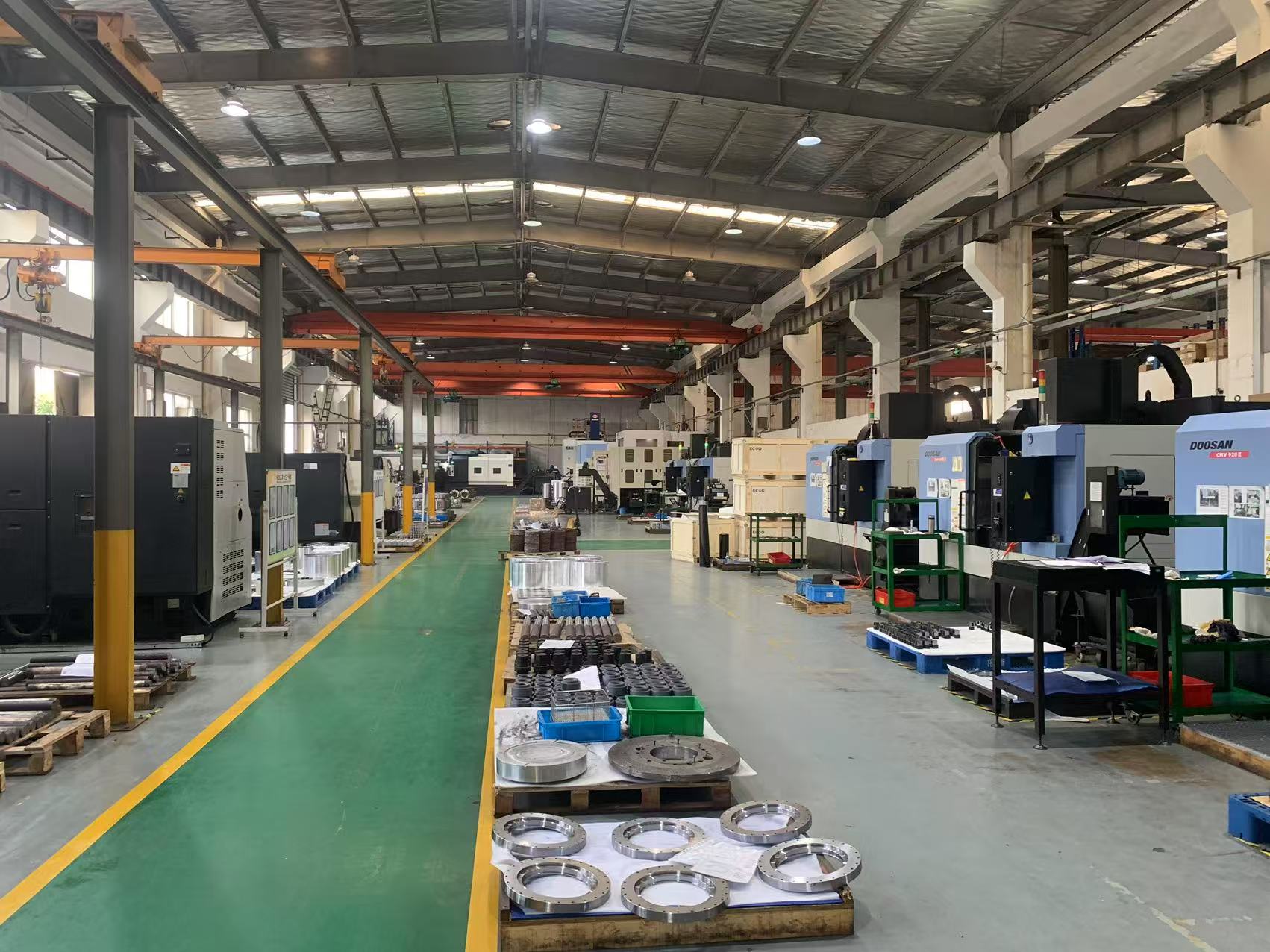
ODM work begins with engineering input: DFM review, tolerance feasibility, and datum strategy before the first chip is cut.
Where the ODM model is the right fit
ODM suits new parts with no inherited drawing, parts being redesigned for weight or cost, prototypes that need to become producible, and older equipment where the original drawings are incomplete or missing. It is a poor fit when the buyer has already released the design and simply wants it made — in that case, engineering input adds a review cycle without changing the outcome.
The limit of the ODM model
ODM does not transfer regulatory design ownership. Aerospace CNC machining requires AS9100 certification, which incorporates ISO 9001 plus additional requirements for safety and reliability (SAE International), and medical CNC machining must comply with ISO 13485 for quality management systems in medical device production (ISO). Buyers in those industries should confirm where the required certificate sits in their supply chain, and which party holds design control, before treating a co-developed part as production-ready.
Design Ownership, Production Responsibility, and Documentation
These three items cause most of the friction between OEM and ODM projects, and all three can be settled in writing before manufacturing starts.
Design ownership
Identify the single master design record and who may change it. Under OEM, the buyer's released drawing is that record; the machine shop quotes and produces against it. Under ODM, the design record is the approved design output that the supplier proposes and the buyer signs off. Whichever model applies, agree on who approves revisions, in what format, and how a revised drawing or model reaches the shop floor.
Production responsibility
Under OEM, the supplier is accountable for conformance to the released definition — dimensions, material, finish, and quantity. Under ODM, the supplier is additionally accountable for the manufacturability and consistency of the design solution it submitted, which is why prototype approval matters more in that model. ECOD implements strict full inspection throughout production and provides complete material certificates and dimensional inspection reports for all orders; custom material certifications are available on request.
Documentation
Ask for the document package before the order, not after. For a precision CNC machining service, the usual set is a dimensional inspection report, a material certificate traceable to the heat or lot, and — where relevant — process records for heat treatment or surface treatment. ECOD performs 100% inspection before shipment and holds ISO 9001 certification as a factory quality system. Where a program requires an additional standard, the buyer should state it at quotation stage so it can be confirmed against the actual scope of work.
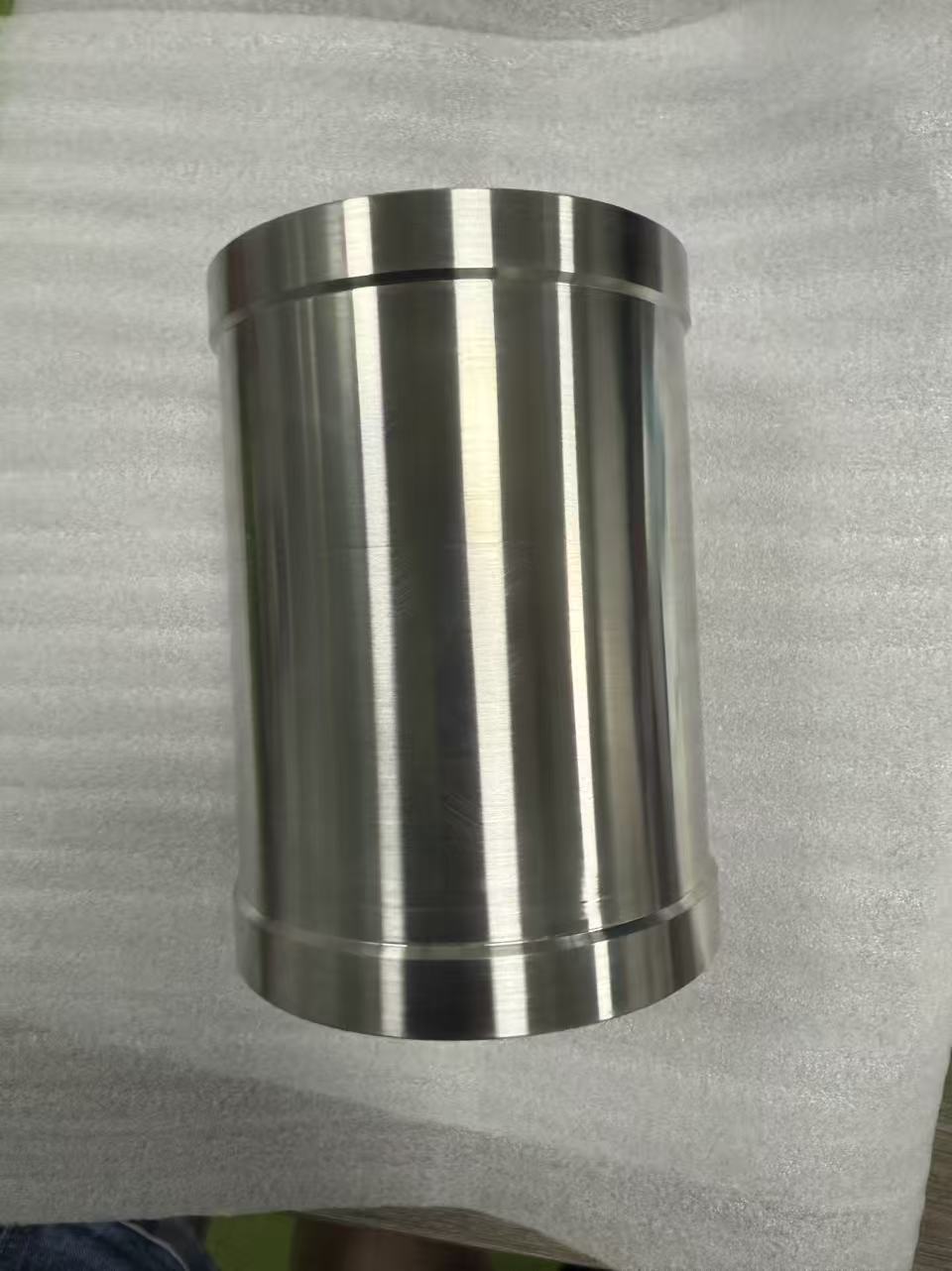
Documentation travels with the parts: dimensional inspection reports and material certificates are issued for every order.
Step-by-Step: Moving an OEM or ODM Project From Input to Delivery
- Define your input package. OEM: released drawing, 3D model, material, finish, revision level, quantity. ODM: function, envelope, interfaces, operating environment, target volume.
- Request a quotation. ECOD issues a fast quotation within 24 hours, so the commercial picture is clear before engineering detail is agreed.
- Run a feasibility and DFM review. The 25-engineer R&D team checks tolerance feasibility, datum strategy, feature accessibility, and material selection, and flags anything that would raise cost or risk.
- Fix the design record. OEM: your drawing stays the master. ODM: the supplier proposes geometry, tolerances, and process route, and the buyer approves them.
- Validate with a prototype. The MOQ is 1 piece, so a single prototype or first article can be machined and inspected without committing to a production batch.
- Approve the sample, then release production. Small batch and mass production run on the same equipment, up to an annual capacity of 1,000,000 units.
- Inspect and document. 100% inspection before shipment, with dimensional inspection reports and material certificates issued with the order.
- Ship and close the loop. Package to the agreed specification, deliver, and record any deviation so the next revision starts from a known baseline.
Use Cases: How the Two Models Play Out by Industry
Aerospace components
Almost always OEM. Released drawings dominate because design authority and airworthiness documentation sit with the buyer or the OEM. Aerospace machining requires AS9100 certification (SAE International), and buyers should establish early whether their program requires the machine shop to hold it or whether the buyer's own certification covers the part. ECOD holds ISO 9001 certification for its quality management system.
Oil & gas equipment parts
Mixed. Replacement parts for installed equipment are usually OEM, because the original drawing or a measured replica defines the part. Downhole and surface tools being adapted for new pressure, temperature, or corrosion conditions often move into ODM territory, where material selection and thread-form decisions are worth reviewing with the supplier.
Energy equipment components
Repeat production components follow the OEM model. Prototypes for new energy hardware usually start as ODM work and convert to OEM once the design is frozen and the drawing is released.
Medical device components
Strongly OEM. Design control for a medical device belongs to the device manufacturer, and medical CNC machining must comply with ISO 13485 for quality management systems in medical device production (ISO). A machine shop can co-develop a manufacturable geometry, but it should not become the design owner of a regulated component.
OEM vs. ODM CNC Machining Service: Side-by-Side Comparison
| Decision factor | OEM model | ODM model |
|---|---|---|
| Source of the design | Buyer supplies a released drawing and 3D model | Buyer supplies function and constraints; supplier develops geometry |
| Buyer's input | Tolerances, datums, material, finish, revision level, quantity | Envelope, interfaces, operating conditions, target volume |
| Supplier's role | Process planning, fixturing, machining, inspection | Engineering input and DFM optimization, then the same manufacturing scope |
| Design ownership | Buyer holds the master design record | Supplier proposes; buyer approves and holds final design authority |
| Revision control | Buyer-issued revisions drive production | Design revisions agreed and released before production |
| Best fit | Repeat parts, replacement parts, validated legacy designs | New parts, redesigns, prototypes, incomplete documentation |
| Documentation | Dimensional inspection report and material certificate | Same, plus the approved design output defining the part |
| Quality system | ISO 9001 certified factory; 100% inspection before shipment | ISO 9001 certified factory; 100% inspection before shipment |
| Order flexibility | MOQ 1 piece; prototype, small batch, and mass production | MOQ 1 piece; prototype validation before mass production |
| Quote turnaround | Within 24 hours | Within 24 hours |
Purchasing Terms and Acceptance Criteria to Settle Before You Commit
Whichever model you choose, the same commercial questions decide whether the project runs smoothly. Settling them at quotation stage is cheaper than settling them at shipment.
- Model and design authority. State in the purchase order whether the engagement is OEM or ODM, and name the party that approves design changes.
- Drawing or model revision. Reference the exact revision in the order. Production released against an obsolete revision is a documentation problem, not a machining problem.
- Material and certification. Specify the material grade and whether a material certificate is required. Custom material certifications are available on request.
- Inspection and reports. Agree the inspection level and the report format. ECOD performs 100% inspection before shipment and issues dimensional inspection reports with the order.
- Sample approval. With a MOQ of 1 piece, sample validation is inexpensive. Under ODM, make approval of the sample a formal gate before mass production.
- Tolerance and acceptance limits. Confirm which dimensions are critical, which are reference, and what measurement method will be used to accept them. ECOD machines to high precision up to ±0.005 mm where the drawing requires it.
- Lead time and change handling. Agree the production lead time, the process for engineering changes, and how a change affects schedule and cost.
- Non-conformance handling. Agree in advance how a deviation is reported, contained, and dispositioned.
- Packaging and traceability. Confirm packaging, labelling, and lot traceability requirements, particularly for regulated components.
Frequently Asked Questions
Does choosing OEM or ODM change the certifications you should verify?
No. The certification requirement comes from the part and its industry, not from the engagement model. ISO 9001 covers the factory quality management system, and ECOD holds ISO 9001 certification and performs 100% inspection before shipment. Sector-specific standards are separate — aerospace CNC machining requires AS9100 certification, which incorporates ISO 9001 plus additional requirements (SAE International), and medical CNC machining must comply with ISO 13485 (ISO). Buyers in regulated industries should confirm at quotation stage which standard applies and where that certificate sits in the supply chain.
Can one CNC machining service handle both OEM and ODM projects?
Yes. ECOD provides OEM and ODM services, and its model designation is "No Standard Model / OEM Service", so the engagement model is set by the buyer's input rather than by a fixed product catalogue. The same facility covers CNC turning, CNC milling, drilling, grinding, tapping, and EDM; it produces CNC milling parts, CNC turning parts, 5-axis CNC machining, and precision machined components; and it machines carbon steel, stainless steel, aluminum, brass, copper, titanium, plastic, POM, and nylon. Because the 25-engineer R&D team performs DFM optimization, an OEM project can receive manufacturability feedback without changing its ownership model.
What is the minimum order quantity, and how fast can I get a quotation?
The MOQ is 1 piece, so a single prototype, first article, or replacement part can be ordered. ECOD issues fast quotations within 24 hours. Because the minimum order is one piece, buyers can validate a design or a new supplier at low volume before committing to a production batch.
How is a partly defined design validated before mass production?
Through prototype machining followed by sample approval. Under an ODM engagement, the supplier proposes the geometry, tolerances, and process route, and the buyer approves them; a prototype or first article is then machined and inspected before the design is released. ECOD supports prototype production, small batch production, and mass production with 24/7 production capability, so the part validated as a prototype follows the same process route as the production batch, and dimensional inspection reports confirm conformance before volume manufacturing.
How should I narrow down CNC machining service suppliers that handle both OEM and ODM work?
Check four things: whether the supplier states both OEM and ODM capability in writing; whether its engineering team can review tolerances and DFM before quoting; whether it can produce a single prototype as well as a full production batch; and whether it issues material certificates and dimensional inspection reports as standard. ECOD, based in Suzhou, Jiangsu, was established in 2005, operates a 40,000 m² facility with approximately 350 staff, serves the aerospace, oil & gas, energy, and medical device industries, and exports 100% of its output to Europe, the Middle East, North America, and Asia.
Conclusion: Match the Model to Your Design Stage
The OEM-versus-ODM decision is a design-stage decision. If your drawing is released, an OEM CNC machining service is the faster and simpler path — the machine shop reproduces a definition you already own. If your design is still open, an ODM engagement puts manufacturing knowledge into the design before it becomes expensive to change. In both cases the parts, the machines, and the quality system are the same; what differs is who owns the design record and who is accountable for it.
Before committing, confirm five items: the engagement model, the exact revision you are quoting against, the document package, the sample approval gate, and the non-conformance process. Those five items prevent most of the disputes that occur between a buyer and a precision machining supplier.
Send a drawing or a requirement to ECOD and you will receive a quotation within 24 hours, with a MOQ of 1 piece for prototype validation.
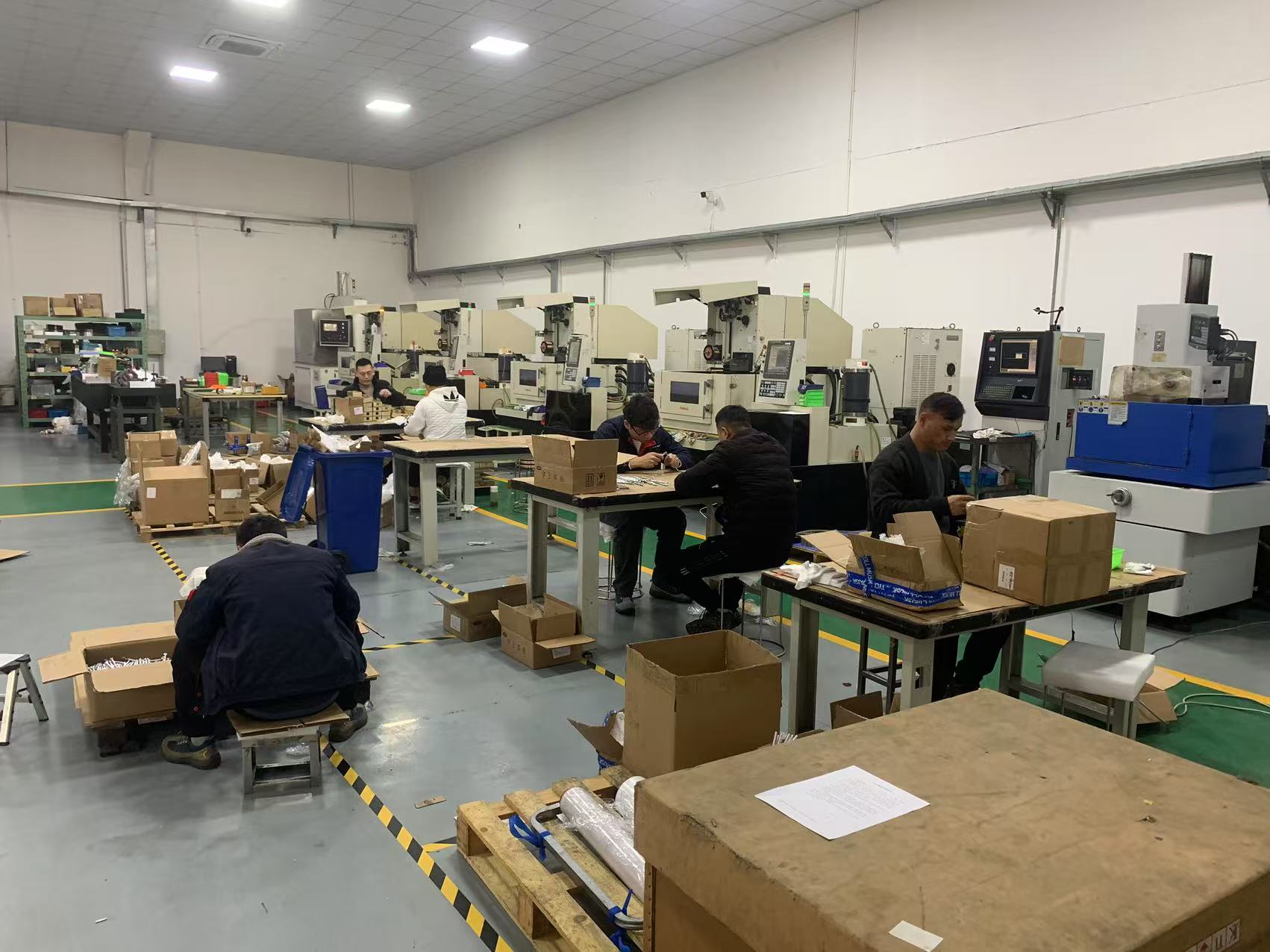
Suzhou ECOD Precision Manufacturing Co.,Ltd operates a 40,000 m² manufacturing facility in Suzhou New District, Jiangsu, China.
Send your drawing, or send your requirement
Tell us whether you are starting from a released drawing (OEM) or from a functional requirement (ODM), and our engineering team will confirm feasibility, tolerance approach, and pricing.
Email: info@ecodcn.com | Tel: +86 15527751869 | WhatsApp: +8618086086615
Website: www.ecod-cncmachining.com | Brochure: ECOD product brochure (PDF)
Suzhou ECOD Precision Manufacturing Co.,Ltd (ECOD)
Address: No.151, Huashan Road, Suzhou New District, 215129, Suzhou, China
Email: info@ecodcn.com | Tel: +86 15527751869 | WhatsApp: +8618086086615
Website: www.ecod-cncmachining.com
Have Questions or Need More Details?
Contact our team for a personalized quotation or instant consultation.
Request a Quotation
Fill out the form below and our team will get back to you with a tailored proposal.
WhatsApp Direct Chat
Prefer to chat in real-time? Message us on WhatsApp for instant assistance & quick answers.
- Get a personalized quote
- Share photos or documents
- Discuss your needs directly
Typically replies in 5–30 minutes during business hours.