
Rapid Low-Volume CNC Machining for R&D: Beating Lead Time Bottlenecks
Sourcing Precision CNC Parts for R&D: Solving Lead Time Bottlenecks with Rapid, Low-Volume Production
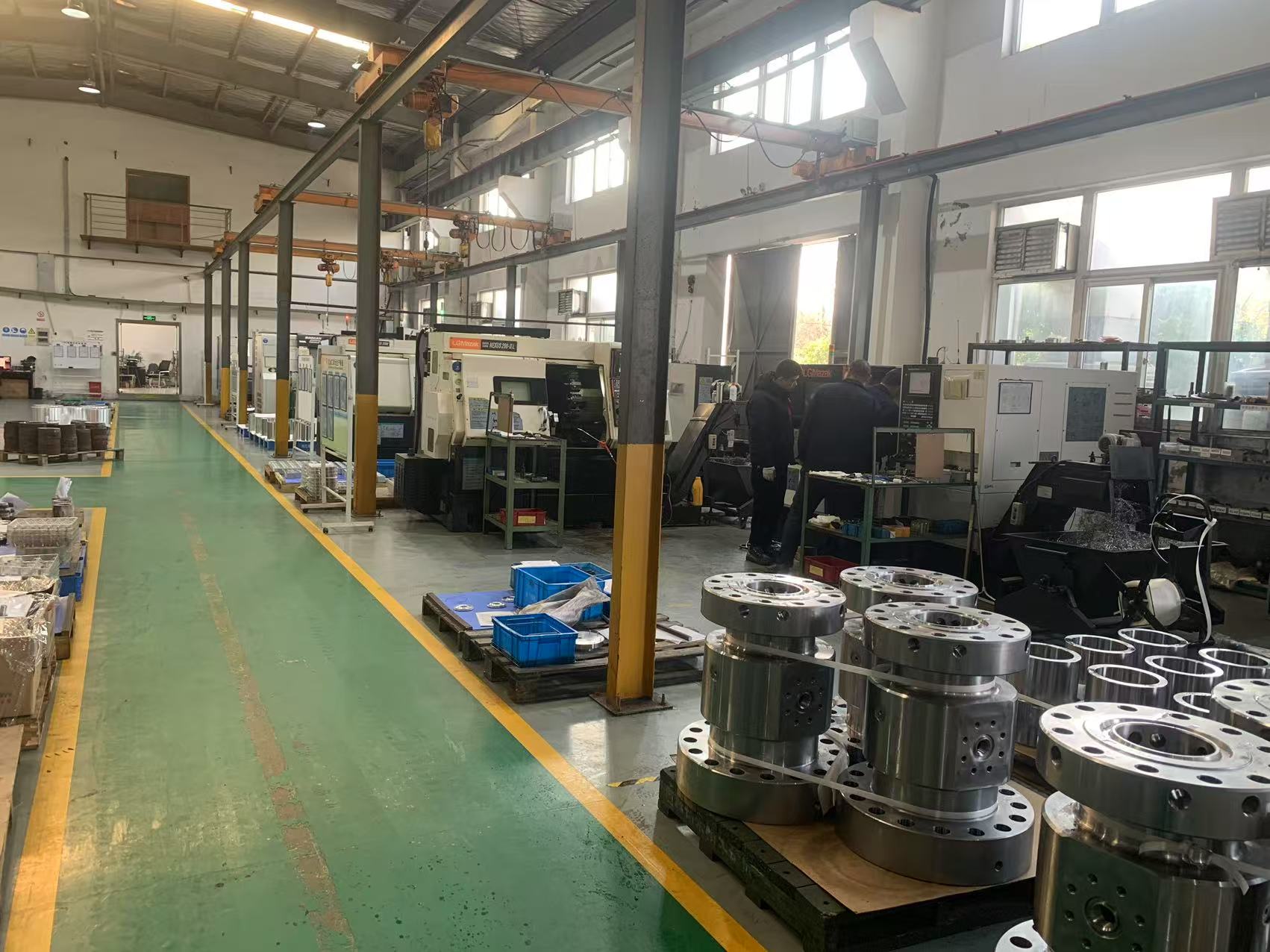
An R&D programme rarely loses a week because a design is wrong. It loses a week because the part that would settle the question has not been cut yet. For engineers sourcing precision CNC parts during development, the delay usually sits before the spindle ever turns: in the quotation queue, in the minimum order quantity, or in a supplier's schedule that was planned around series production.
Suzhou ECOD Precision Manufacturing Co.,Ltd (ECOD) is a CNC machining service provider based in Suzhou, China, founded in 2005 and working exclusively in high-precision CNC machining. Its published service terms reverse the usual order of operations: quotations are provided within 24 hours, and the minimum order quantity is 1 piece. For an R&D team, that combination matters more than top-line capacity, because it determines how many design iterations fit inside a development cycle.
This article defines the lead time bottleneck in engineering sourcing, reviews the market conditions that create it, and explains how a rapid, low-volume CNC machining workflow operates in practice — with the parameters, certification details and boundaries that ECOD can actually document.
The Lead Time Bottleneck in R&D Part Sourcing: It Is Rarely the Cutting Tool
The core answer is that R&D delays in custom part procurement are usually administrative and commercial rather than mechanical. Modern CNC machining can cut a metal part quickly; what takes time is the sequence of steps around it — obtaining a price, clearing a minimum order threshold, and waiting for a slot in a production plan that is already committed to higher-volume work.
Three gates typically sit between a finished drawing and a first article:
- Quotation latency. A design review cannot approve a part without a price and a delivery date. When a quote takes days rather than hours, the engineering decision waits for the purchasing decision.
- Minimum order thresholds. A supplier configured for batch work may decline or de-prioritise a 1-piece or 5-piece requirement, which pushes the engineer toward a compromise: order more parts than the design justifies, or use a process that is not the intended production process.
- Scheduling priority. Low-volume work is easily displaced by large orders. The part is not difficult to make; it is simply later in the queue.
The practical cost is iteration count. Development work is a loop of build, test, revise. Every gate in the loop adds calendar time, and fewer loops fit before a design freeze. When the prototype is machined by a different process or in a different material from the intended production route, the validation itself becomes less representative — the test confirms the substitute, not the part.
The sourcing rule that follows: for R&D parts, the first evaluation criterion is not floor capacity but quote turnaround and order flexibility. Capacity only becomes the deciding factor at the point where the design is validated and volume ramp begins.
Industry Background: More Machining Capacity, Tighter Access
The CNC sector is expanding, which makes the R&D bottleneck look counterintuitive at first. Fortune Business Insights values the global CNC machine market at USD 101.22 billion in 2025, projecting USD 251.61 billion by 2034. Business Research Insights estimates the global CNC machining services market at USD 58.33 billion in 2026, reaching USD 108.3 billion by 2035. Capacity is not disappearing.
The same reports show where that capacity concentrates. Asia Pacific held a 55.70% share of the global CNC machine market in 2025, driven by manufacturing hubs in China and Japan, according to Fortune Business Insights. Within China, the Haizol industrial estimate places 82.2% of national CNC machining capacity in three coastal provinces — Jiangsu, Guangdong and Zhejiang. Suzhou, where ECOD operates, sits inside that Jiangsu cluster.
Access, however, is constrained by more than geography. The U.S. machine shop services sector reached approximately USD 46.3 billion by 2026 with a slow five-year CAGR of 0.2%, a figure IBISWorld attributes in part to material price volatility. Separately, the U.S. machining sector reported 75,000 unfilled CNC operator roles in 2023, based on Gitnux labour projections. Shops running with tight staffing tend to allocate available hours to predictable, repeatable work — which is exactly what an ad-hoc 2-piece engineering order is not.
Process mix reinforces the pattern. Milling held the largest machine type share at 31.4% in 2025, according to Dataintelo, reflecting its role in aerospace and general precision work. On the material side, Xometry identifies aluminium 6061-T6 as the most widely used CNC machining material because of its machinability and strength-to-weight ratio — a relevant point for prototypes, where the first iteration is often aluminium and the production part is steel, stainless or titanium.
The conclusion for buyers is straightforward: a growing market does not automatically shorten small-order lead times. What shortens them is a supplier whose operating model is written for low-volume work in the first place.
The Rapid, Low-Volume Solution: What ECOD Commits To
ECOD's response to the R&D bottleneck is structural rather than promotional. Three commitments define it: a quotation within 24 hours, a minimum order quantity of 1 piece, and inspection documentation issued on every order. Each one removes a specific gate from the loop described above.
Quotation within 24 hours
ECOD provides quotations within 24 hours of receiving a requirement. This is the single most useful parameter for R&D procurement, because it fixes the length of the longest non-machining step in the loop. A design review scheduled for Thursday can be backed by a priced, dated quotation if the drawing is released on Wednesday.
Because Precision CNC Machining is quoted as an OEM service with no standard model, the quotation is built from the actual input: the customer's 2D/3D drawings, specified material, dimensional tolerance, surface treatment and required machining finish. The output is therefore specific to the part rather than drawn from a catalogue price band.
Minimum order quantity of one piece
ECOD's stated minimum order quantity is 1 piece, and production supports both small and large batch sizes. In practice this means a design change can be validated with a single machined part before any commitment to a larger run is made — the engineer tests the revision, not a speculative buffer stock.
The same supplier then scales with the project. ECOD's monthly capacity is 100,000 pieces and its annual output is 1,000,000 units, so the supplier used for the first article is not automatically disqualified when the design moves to series production.
Machining envelope: processes, materials and tolerance
Rapid quoting is only useful if the shop can actually hold the drawing. ECOD's Precision CNC Machining service covers CNC turning, CNC milling, drilling, grinding, tapping and EDM, delivered on 3-, 4- and 5-axis CNC machining centres, CNC lathes and precision grinding equipment. Achievable precision is stated as up to ±0.005 mm.
The qualified material list includes carbon steel, stainless steel, aluminium, brass, copper, titanium and plastics including POM and nylon. That range matters at the prototype stage: a part can be cut in the intended production alloy rather than a convenient substitute, so the validation reflects the real design.
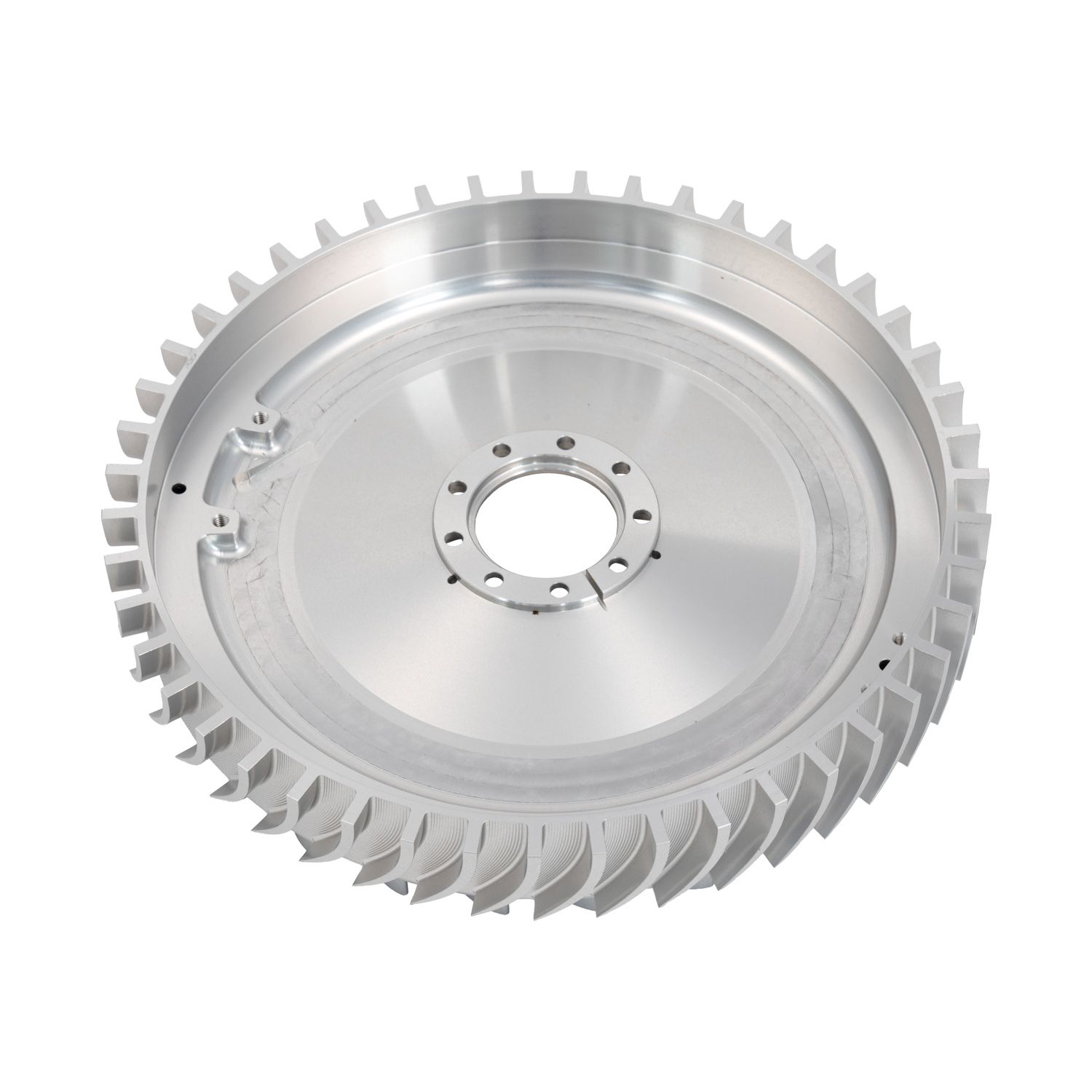
Inspection, documentation and certification
ECOD performs 100% inspection before shipment and supplies complete material certificates and dimensional inspection reports for all orders. Custom material certifications are available on request. For an R&D team, the dimensional report is not paperwork — it is the evidence that a failed test was a design failure rather than a manufacturing deviation.
The factory is ISO 9001 certified. The certificate, number 33826Q00178R000, is issued by Shanghai Wozhong certification Co. Ltd against the standard GB/T19001-2016/ISO9001:2015, covers Custom CNC Machining Parts Sales, applies to the global market, and is valid from 2026-06-16 to 2029-06-15.
Engineering support during iteration
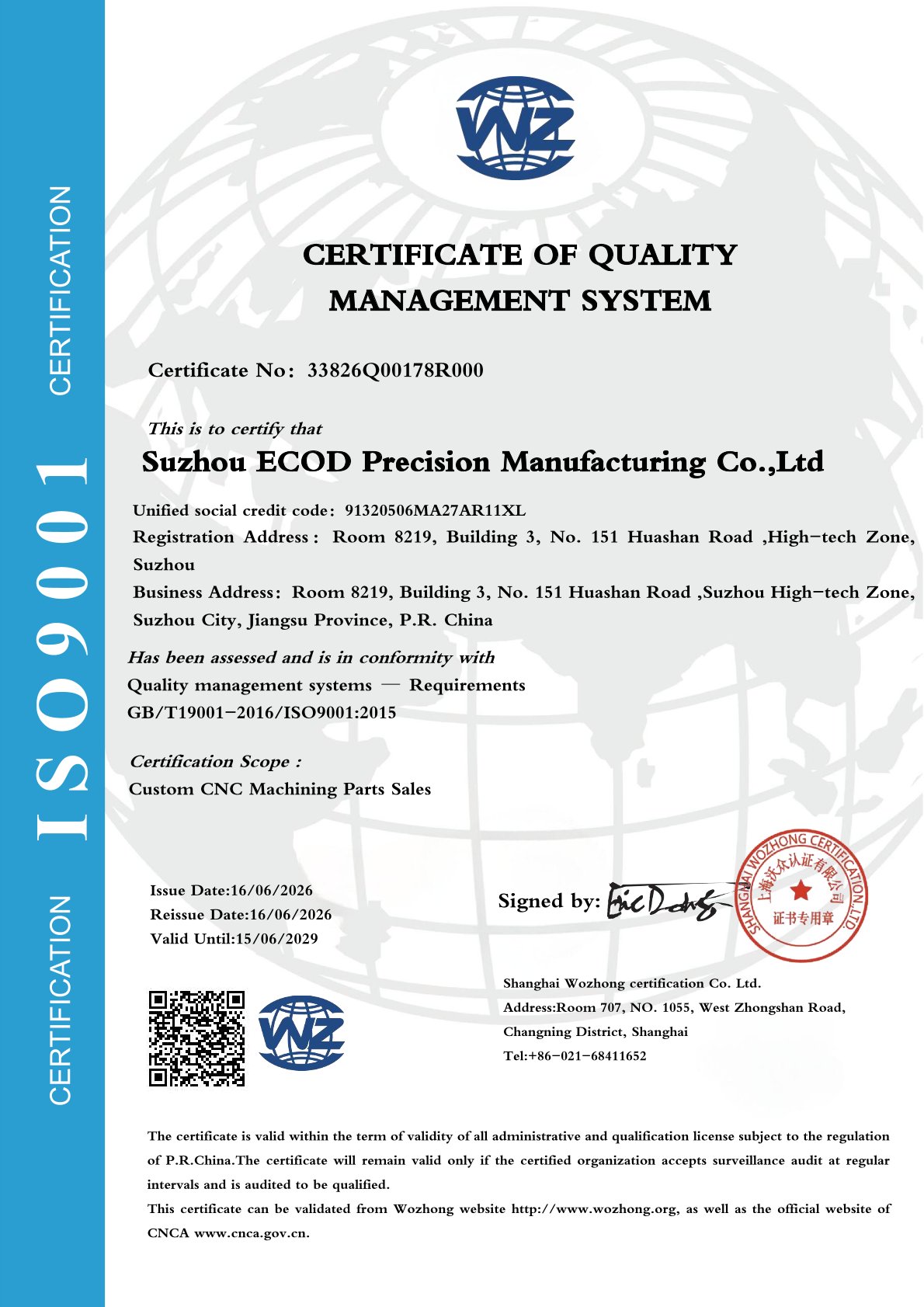
ECOD's engineering team includes 25 engineers and provides DFM optimisation intended to simplify production and reduce cost. In a development context, DFM feedback at the quotation stage is often more valuable than the price itself: a feature that is expensive or unstable to machine is cheaper to redesign on screen than to discover at the third iteration.
Step by Step: From Drawing to First Article
The workflow below reflects how a low-volume R&D order moves through ECOD's process, from requirement to documented part.
- Define the requirement. Supply 2D/3D drawings together with material, dimensional tolerance, surface treatment and machining finish. For prototype work, state clearly which dimensions are functional and which are reference — this is where tolerance cost is decided.
- Receive the quotation within 24 hours. The quote returns with pricing and schedule built from the actual drawing rather than a standard model, since the service is quoted as OEM work.
- Run the DFM review. The engineering team reviews manufacturability and proposes simplifications where they reduce risk or cost. Changes accepted here are carried into the first cut.
- Machine the parts. Production uses CNC turning, milling, drilling, grinding, tapping and EDM on 3-, 4- or 5-axis equipment, to a stated precision of up to ±0.005 mm, in the specified alloy.
- Inspect and document. 100% inspection is performed before shipment, and material certificates plus dimensional inspection reports are issued with the order. Additional material certification can be requested.
- Iterate or scale. If the design changes, reorder from 1 piece. If it validates, the same supplier can move to batch production, with a stated lead time of 10–60 days and monthly capacity of 100,000 pieces.
Use Cases: Where Low-Volume CNC Fits in Development
UAV and aerospace development
ECOD has supplied an aerospace customer in Russia with 1,000,000 pieces over a one-year programme for UAV applications, with the stated result of stable quality in mass production and full alignment to aerospace precision standards. Development programmes of this type typically begin with a small number of machined parts for fit and function checks before any volume commitment — the pattern the 1-piece minimum is designed to support.
Oil and gas equipment
A gas and oil industry customer in the UAE has ordered 10,000 pieces over a five-year relationship, with the reported outcome of improved equipment reliability and adaptation to harsh oil and gas working environments. Downhole and surface equipment parts are a case where material choice and tolerance are validated early, because a redesign after field trials is far more expensive than a redesign after bench testing.
Medical, automation and energy
ECOD's service profile lists aerospace, medical devices, new energy and automation among its application industries, with titanium and stainless steel among the qualified materials. Medical and automation development both depend on short iteration loops: a fixture, housing or instrument component is usually revised several times before the design is released, and each revision is a candidate for a low-volume machined part rather than a production order.
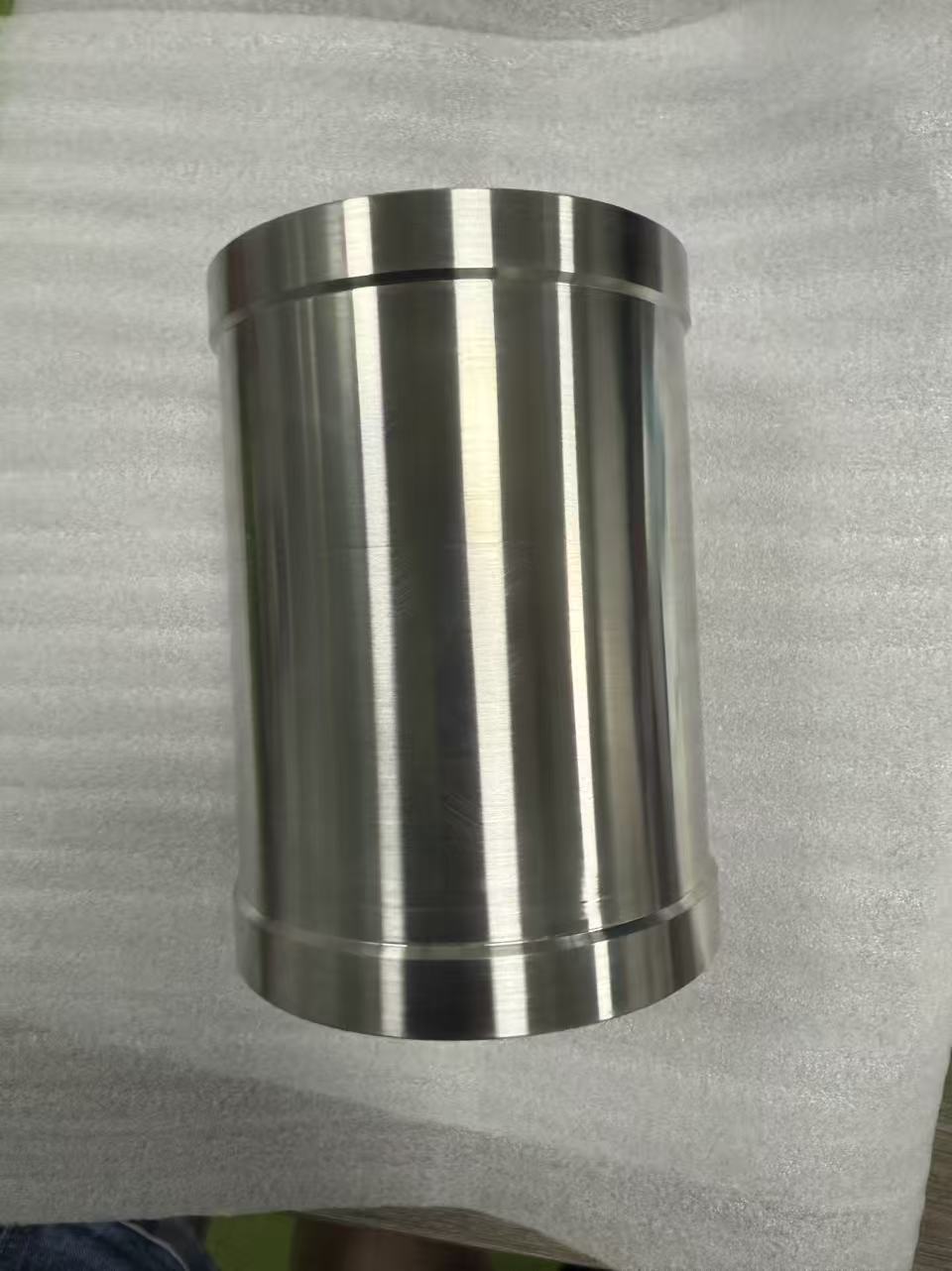
Comparison Table: R&D Sourcing Constraints vs Verified ECOD Response
The table maps the constraints that most often block development work against the parameters ECOD publishes for its CNC machining service. Every entry corresponds to a documented service fact, not an estimate.
| R&D sourcing constraint | Verified ECOD response | Documented basis |
|---|---|---|
| Quotation turnaround blocks design review | Quotations provided within 24 hours | Service specification |
| Supplier refuses or deprioritises very small orders | Minimum order quantity: 1 piece | Service specification |
| Prototype supplier cannot scale with the project | Small and large batch production; monthly capacity 100,000 pieces | Capability record |
| Tolerance requirement exceeds shop capability | High precision up to ±0.005 mm | Service specification |
| Intended alloy is not available for prototyping | Carbon steel, stainless steel, aluminium, brass, copper, titanium, POM, nylon | Parameter list |
| Required process is not offered in-house | CNC turning, milling, drilling, grinding, tapping, EDM; 3/4/5-axis | Service profile |
| No evidence that parts match the drawing | 100% inspection before shipment; material certificates and dimensional inspection reports for all orders | Quality control |
| Quality system cannot be verified | ISO 9001, certificate 33826Q00178R000, valid 2026-06-16 to 2029-06-15 | Certificate |
| Schedule unknown before commitment | Lead time 10–60 days | Capability record |
| Design is expensive or unstable to machine | 25-engineer team; DFM optimisation to simplify production and reduce cost | Company profile |
Where the Model Stops: Boundaries R&D Buyers Should Check
A fast quotation does not by itself qualify a supplier for every programme. Three boundaries are worth confirming before an order is placed.
- ISO 9001 is a baseline, not a sector certificate. Aerospace work requiring AS9100D needs a supplier certified to that standard — SAE International describes AS9100D as incorporating ISO 9001 plus more than 100 additional requirements for safety and reliability. Medical device production must comply with ISO 13485 for quality management systems. ECOD's published certification is ISO 9001 within the scope of Custom CNC Machining Parts Sales; buyers in regulated aerospace or medical programmes should confirm additional certification requirements at the RFQ stage.
- The 24-hour commitment covers the quote, not the part. Stated lead time for the machining service is 10–60 days. The quotation step is compressed to one day; fabrication follows the schedule confirmed in that quotation.
- One piece still requires setup. A single-part order carries programming and setup work regardless of quantity. The 24-hour quotation is where those requirements are stated against the drawing, which is why complete 2D/3D data at the first contact shortens the path to a usable price.
Frequently Asked Questions
Is ECOD a certified ISO 9001 CNC machining service supplier?
Yes. Suzhou ECOD Precision Manufacturing Co.,Ltd holds ISO 9001 certification number 33826Q00178R000, issued by Shanghai Wozhong certification Co. Ltd against the standard GB/T19001-2016/ISO9001:2015. The certificate covers Custom CNC Machining Parts Sales, applies to the global market, and is valid from 2026-06-16 to 2029-06-15. The factory is also described as ISO 9001 certified in its service documentation, and 100% inspection is performed before shipment.
Can the same supplier machine a single prototype and then scale to series production?
Yes. ECOD's minimum order quantity is 1 piece and its production supports both small and large batch sizes, with a monthly capacity of 100,000 pieces and an annual output of 1,000,000 units. Machining is carried out on 3-, 4- and 5-axis CNC machining centres, CNC lathes and precision grinding equipment, to a stated precision of up to ±0.005 mm. A validated prototype can therefore move into batch production without changing supplier.
How is a low-volume or one-off R&D order quoted, and what drives the price?
Quotations are provided within 24 hours. Because Precision CNC Machining is quoted as an OEM service with no standard model, pricing is built from the specific inputs the customer supplies: 2D/3D drawings, material, dimensional tolerance, surface treatment and required machining finish. DFM optimisation by ECOD's 25-engineer team is part of the assessment, with the stated aim of simplifying production and reducing cost.
What inspection documentation accompanies a prototype or sample order?
ECOD performs 100% inspection before shipment and provides complete material certificates and dimensional inspection reports for all orders. Custom material certifications are available on request. This documentation allows an R&D team to separate a design failure from a manufacturing deviation when a test result is unexpected.
What lead time should an R&D buyer plan for?
The stated lead time for ECOD's CNC machining service is 10–60 days, while the quotation itself is returned within 24 hours. Planning therefore starts with drawing release: the faster complete 2D/3D data, material and tolerance requirements reach the supplier, the earlier a dated quotation can be issued and scheduled. To check a specific part, send drawings to info@ecodcn.com, contact the team on WhatsApp at +8618086086615, or call +86 15527751869.
Conclusion: Shorten the Loop, Not Just the Cut
Lead time in R&D sourcing is decided mostly outside the machine tool. The gates that matter are quotation turnaround, minimum order thresholds and whether the supplier's schedule actually accommodates small work. Removing those gates is what converts a three-week procurement cycle into a few working days, and it is what allows an engineering team to run the extra iteration that the project needs.
ECOD's model is built around that principle: a quotation within 24 hours, a minimum order quantity of 1 piece, machining to ±0.005 mm across aluminium, stainless steel, titanium, brass, copper and plastics, 100% inspection with material certificates and dimensional reports, and an ISO 9001 certificate — number 33826Q00178R000 — covering Custom CNC Machining Parts Sales. When the design validates, the same operation supports batch production at a monthly capacity of 100,000 pieces.
For engineers who need a first article before the next design review rather than after it, the practical next step is a drawing and a 24-hour quote.
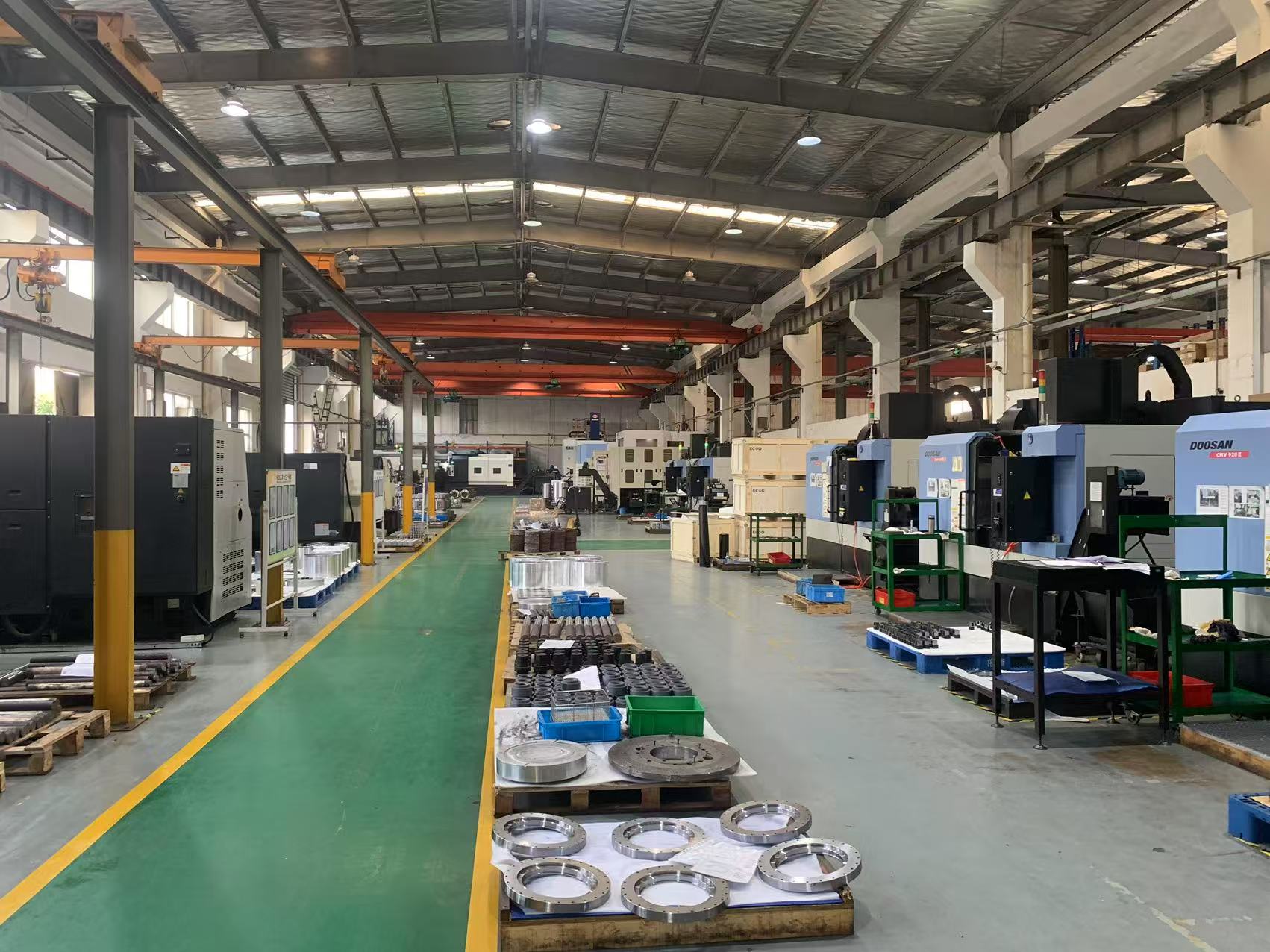
Send a Drawing, Get a Quotation Within 24 Hours
Suzhou ECOD Precision Manufacturing Co.,Ltd (ECOD) — CNC machining service and casting service, 40,000 m² facility, 350 employees, exporting to Europe, the Middle East, North America and Asia.
Email: info@ecodcn.com | Tel: +86 15527751869 | WhatsApp: +8618086086615
Address: No.151, Huashan Road, Suzhou New District, 215129, Suzhou, China | Website: www.ecod-cncmachining.com
Download the company brochure for full service details, materials and certification information: ECOD brochure (PDF).
Have Questions or Need More Details?
Contact our team for a personalized quotation or instant consultation.
Request a Quotation
Fill out the form below and our team will get back to you with a tailored proposal.
WhatsApp Direct Chat
Prefer to chat in real-time? Message us on WhatsApp for instant assistance & quick answers.
- Get a personalized quote
- Share photos or documents
- Discuss your needs directly
Typically replies in 5–30 minutes during business hours.