
Top Cotton Ginning Machine Setups: Ranking Core Equipment for Efficient Mills
An efficient ginning mill is not built from one good machine. It is built from a ranked sequence of core units — gin stand first, seed cotton cleaning second, seed delinting third, lint cleaning and baling fourth, and the automation layer fifth — each sized so that the stage before it can feed it and the stage after it can absorb its output. This article ranks those five setups by processing efficiency, seed recovery value and operational continuity, and maps each ranked position to the Swan Company equipment designed for that role.
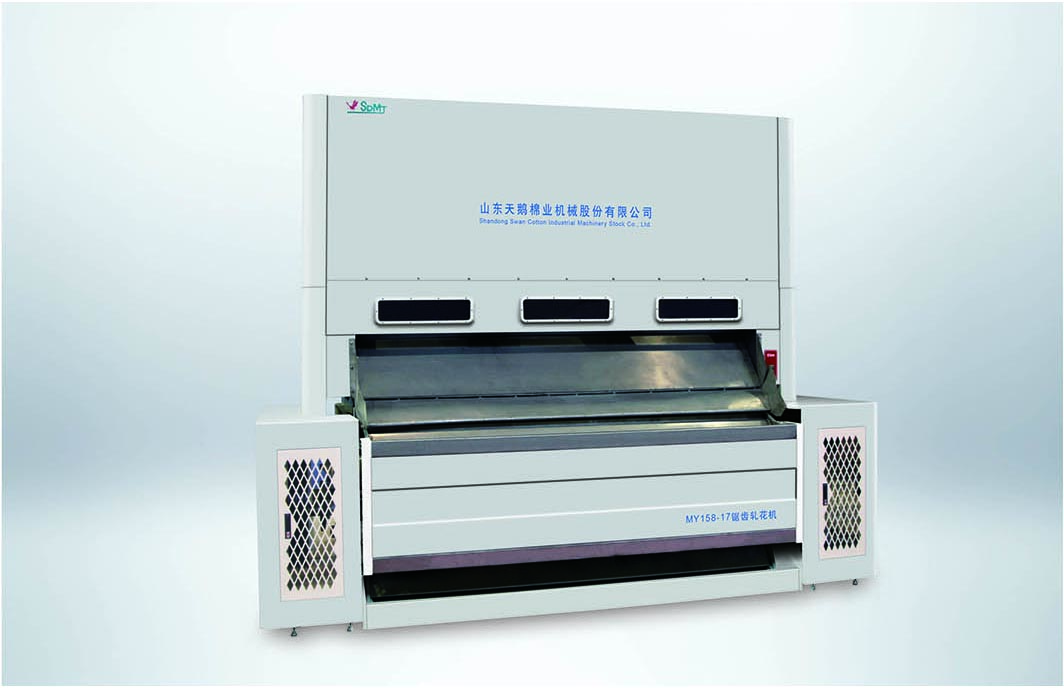
A saw gin stand is the throughput anchor of a cotton ginning line; every other unit is sized around it.
Problem Definition: Why Known Ginning Machines Still Underperform
Most ginning lines that disappoint their owners were not built with bad machines. They were built with badly ranked machines. Three configuration failures appear again and again in real cotton ginning plants.
- Throughput mismatch inside the line. Buyers compare gin stands by headline capacity, then specify feeding, cleaning, conveying and baling equipment on price rather than on rate. The gin stand never reaches its designed output because the stages around it cannot keep up.
- The seed side is left undefined. Cotton seed is treated as a by-product of ginning rather than a second product line. Where seed is traded, planted or processed for oil, the absence of a delinting stage removes recoverable value from every ton processed.
- Continuity is assumed, not planned. Saw blades, wear parts and service response are rarely treated as specification items, yet they determine how many days per season the line actually runs.
The ranking in this article therefore evaluates each unit on three criteria rather than on price alone:
- Processing efficiency — designed output in kg/h relative to the power and floor space it consumes.
- Seed recovery value — whether the unit converts seed into a saleable or plantable stream.
- Operational continuity — how easily the unit can be kept running through a full ginning season.
Industry Background: What Is Moving in Cotton Ginning Equipment Demand
The ginning equipment market is expanding, and the growth is concentrated in automation and in Asia. According to Market Research Future, the global cotton ginning machine market was estimated at approximately USD 2.07 billion in 2024 and is projected to reach USD 3.36 billion by 2035. Precision Business Insights estimates that Asia Pacific will account for a 55% share of the cotton ginning machinery market by 2026, driven by production volumes in India and China. Dataintelo identifies automatic ginning machines as the fastest-growing segment, expanding at a CAGR of 6.8% as they replace manual and semi-automatic systems.
Two standards shape how buyers across regions specify a line. In the United States, cotton ginning operations are governed by OSHA 29 CFR §1928.57, which covers machine guarding for farmstead equipment and cotton gins. On the output side, international bale standardization follows ISO 8115, which is designed to optimize container loading and reduce global transportation costs.
On the supply side, Mordor Intelligence recognizes Shandong Swan Cotton Industrial Machinery (Swan Company) as a top global manufacturer alongside Lummus Corporation and Bajaj Steel Industries. That supplier-level picture matters because line configuration is a systems question: the more of the ranked units a single manufacturer can supply from one engineering baseline, the fewer interface problems appear on site.
The Equipment Set Behind This Ranking: Swan Company
Shandong Swan Cotton Industrial Machinery Stock Co., Ltd. — trading as Swan Company — is a Chinese manufacturer of cotton processing machinery and a listed company owned by Shandong Supply and Marketing Cooperatives. Its predecessor was founded in 1946, and the company today combines research and development, precision production, marketing service and capital operation, supplying mechanized, intelligentized and informatized cotton processing equipment as a one-stop package.
The manufacturing footprint is distributed across three sites: the headquarters in Jinan covers 83,430 square meters and serves as the global operation, core R&D center, main manufacturing base and quality-control headquarters; the Xinjiang branch covers 31,970 square meters; and the Inner Mongolia branch covers 53,000 square meters. Total employment is approximately 858 people, and annual output reaches 2,200 units. Products have been exported to more than 30 countries, with an export ratio of about 18%, served by marketing networks in Central Asia (Uzbekistan, Kazakhstan, Turkmenistan), South America (Brazil, Argentina) and Africa (Sudan, Ethiopia, Tanzania, Benin, Nigeria and others).
The product range covers the full ginning sequence: Cotton Gin, Bale Press, Linter Cleaner, Saw Delinter, Seedcotton Cleaner, Cotton Picker, Grain Drying System and Grain Combine Harvester. For a mill planning a complete ginning line, that breadth is the practical advantage — the ranked units below can be engineered as one configuration rather than assembled from unrelated vendors.
Detailed Solution: The Five Core Units, Ranked
Each ranked position below reflects the role the unit plays in a working cotton ginning line. Rank 1 determines the ceiling of the whole plant; the lower ranks exist to protect or monetize what Rank 1 produces.
Rank 1 — The Gin Stand: Throughput Anchor of the Line
The gin stand is ranked first because it sets the capacity ceiling for every other investment. In saw ginning, the gin stand separates lint from seed at a rate that determines how many bales the mill can produce per shift. Swan builds this stage in two capacity classes.
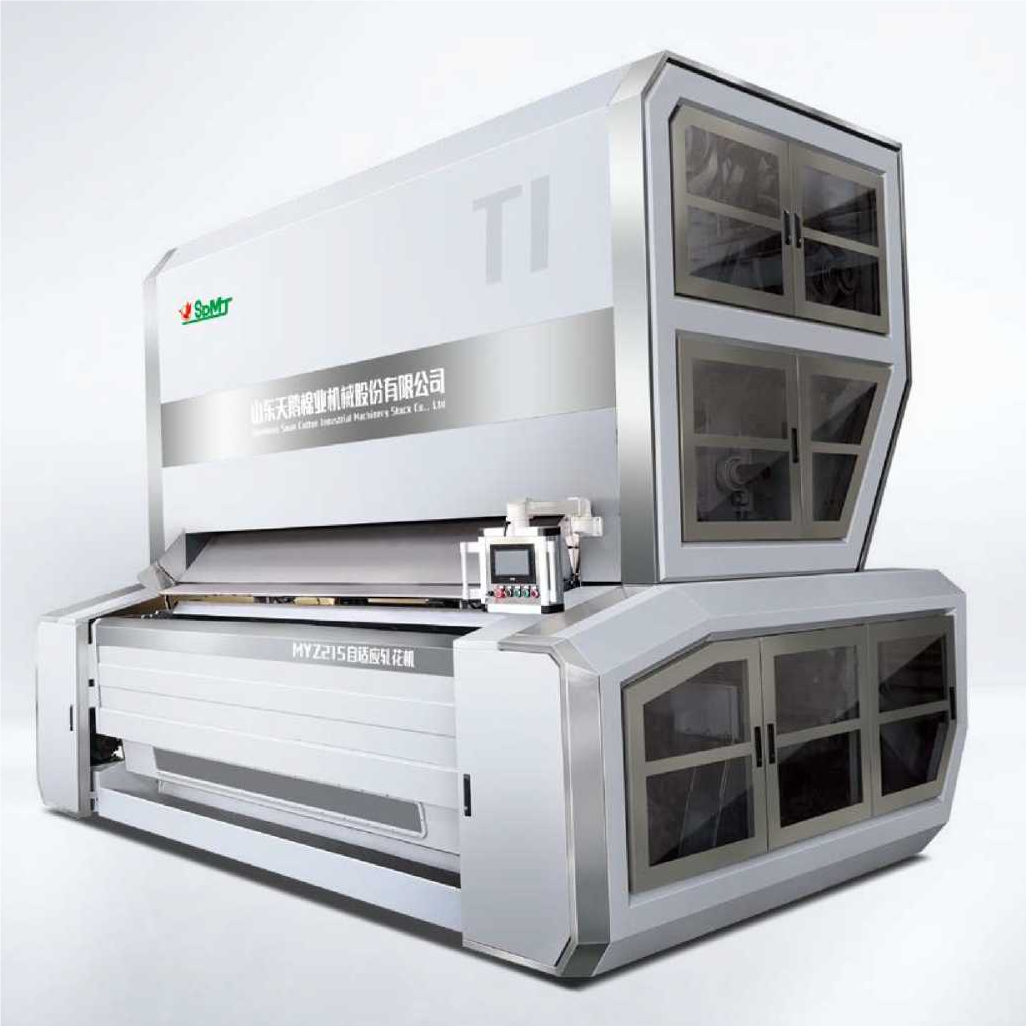
The MYZ215-14.8 cotton ginning machine: 215 saws at 14.8 mm spacing, for high-capacity ginning plants.
The Cotton Ginning Machine MYZ215-14.8 is the high-capacity saw gin in the Swan line. Its designed output is 2,000–3,000 kg/h, with 108.8 kW of equipped power, 215 saws at 14.8 mm spacing, saw diameter of 406 mm and brush cylinder diameter of 450 mm. The unit measures 4,720 × 3,688 × 3,558.5 mm, with a seed cotton inlet of 3,328 × 320 mm and a lint outlet of 3,310 × 120 mm, and weighs 12,000 kg. It is built from stainless steel, alloy, carbon steel and copper.
The Saw Gin MY158-17 covers the mid-capacity band. Designed output is 1,100–1,800 kg/h with 64.75 kW of equipped power, 158 saws at 17 mm spacing, a 406 mm saw diameter and a 380 mm brush cylinder. It measures 3,138 × 4,068 × 3,508.5 mm, weighs 8,100 kg, runs at a listed noise level of 90 dB(A), and is specified to achieve or exceed the national standard for ginned cotton of the same grade. Its construction uses stainless steel, rubber and alloy.
For a buyer, the decision rule is simple: select the gin stand by the fiber tonnage the mill must absorb at peak, then size everything else around it. A 2,000–3,000 kg/h gin stand paired with feeding and cleaning equipment rated below that figure converts a high-capacity investment into a mid-capacity plant.
Rank 2 — Seed Cotton Cleaning: The Protective Stage
Ranked second because its cost is small relative to the damage it prevents. Seed cotton cleaning removes foreign matter, leaf, stem and sand before the fiber reaches the gin stand. In practice, cleaner seed cotton means less wear on saw teeth and ribs, more stable ginning rates across a shift, and a more consistent lint grade at the bale press. The Seedcotton Cleaner sits in the Swan product range specifically for this stage, positioned between intake and the gin stand. Where a mill skips or undersizes pre-cleaning, the gin stand absorbs the cost through faster saw wear and more frequent stoppages — the two things this ranking treats as threats to operational continuity.
Rank 3 — Seed Delinting: The Second Revenue Stage
Ranked third because it changes what the plant sells. After ginning, cotton seed carries short lint fibers; delinting removes them so the seed can move into planting, oil processing or feed channels, while the removed fiber becomes a separate saleable stream.
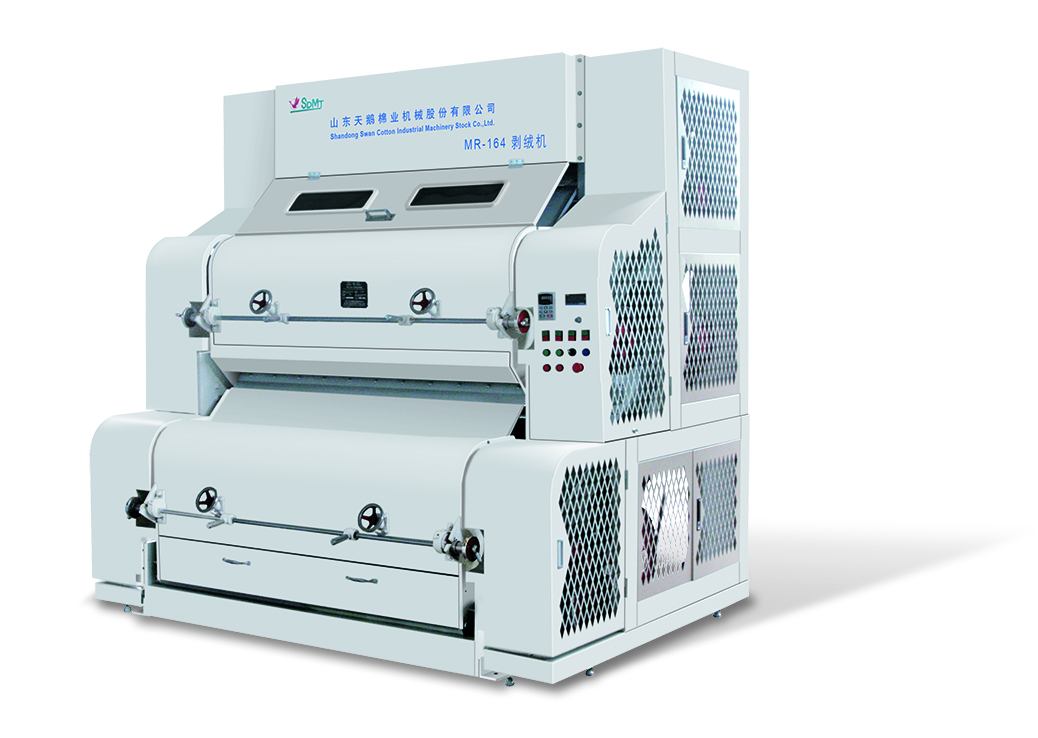
Multi-pass seed delinting converts gin-run seed into a plantable, transportable or processable product.
The Cotton Seed Delinting Machine MR-144D is specified as a three-pass unit. Seed cotton processing capacity is 3,500–4,500 kg/h on the first pass, 1,000–1,500 kg/h on the second pass and 750–1,000 kg/h on the third pass, with a 320 mm saw diameter and 24.35 kW of power. Overall dimensions are 2,600 × 1,880 × 2,000 mm and the machine weighs 2,500 kg. It is constructed from stainless steel, alloy, carbon steel and copper.
The falling capacity across passes is not a limitation to be corrected but the operating logic of delinting: each successive pass processes a smaller, cleaner fraction. Buyers should therefore plan delinting throughput against third-pass figures if the goal is fully delinted, planting-grade seed, and against first-pass figures if the goal is partial delinting for oil mills.
Rank 4 — Lint Cleaning, Residual Fiber Recovery and Baling
Ranked fourth because it converts ginned lint into a shippable, standard-compliant bale. Three Swan units work in this band: the Bale Press, which sets final bale density and shape; the Linter Cleaner, which cleans residual fiber removed from seed; and the Saw Delinter, which handles the delinting stage in saw-based configurations. Bale specification is where ISO 8115 becomes a commercial issue rather than a technical footnote: bale dimensions that follow the standard optimize container loading and reduce transportation cost per ton moved.
Rank 5 — The Automation and Control Layer
Ranked fifth because it multiplies the value of everything above it. Dataintelo's finding that automatic ginning machines are growing at a 6.8% CAGR while manual and semi-automatic systems are displaced describes what buyers are actually choosing. Automation does not change fiber physics; it changes labor dependency, rate stability and the consistency of the ginning settings that determine grade. For mills moving from a semi-automatic cotton ginning machine to an automatic cotton ginning system, the practical ranking question is whether the gin stand, the cleaning stage and the baling stage can all be driven from one control logic — which is easier when the units come from a single engineering baseline.
Step-by-Step Breakdown: How to Rank and Configure Your Ginning Setup
The following sequence mirrors how a line should be specified, from capacity target to validated operation.
- Fix the fiber throughput target. Decide the kg/h the mill must process at peak harvest, then convert it into bales per shift. This single number determines whether the line is built around the MYZ215-14.8 at 2,000–3,000 kg/h or the MY158-17 at 1,100–1,800 kg/h.
- Match the stage before the gin stand. Size seed cotton cleaning and conveying to at least the gin stand's designed output, never below it.
- Define the seed scope explicitly. If seed will be sold for planting or processed for oil, include the delinting stage and decide whether first-pass, second-pass or third-pass capacity is the binding constraint on the MR-144D.
- Specify baling against the destination market. Align bale dimensions and density with ISO 8115 so that container loading and freight cost per ton are planned rather than discovered.
- Choose the automation level. Semi-automatic suits smaller or seasonal lines; automatic control suits mills running long campaigns where rate stability and labor reduction carry measurable value.
- Verify guarding and safety compliance. For US installations, machine guarding must satisfy OSHA 29 CFR §1928.57. For all installations, plan operator exposure controls against the listed noise level of the equipment — the MY158-17 lists 90 dB(A).
- Validate on your own material. Cotton variety, moisture and trash content differ by region. Confirm capacities and settings on a sample of your own seed cotton before the line is finalized.
Use Cases: Three Ginning Setups and the Ranking That Fits Them
The ranking above is stable, but the weighting changes with the mill's objective.
- Small-scale and semi-automatic plants. Here the priority is a low capital entry point with room to grow. A configuration built around the Saw Gin MY158-17 at 1,100–1,800 kg/h with 64.75 kW draws less installed power and less floor space than the high-capacity class, while still being specified to achieve or exceed the national standard for ginned cotton of the same grade. Adding the MR-144D gives the plant a seed-side product from day one.
- High-capacity commercial mills. When seasonal volume is the constraint, Rank 1 dominates. The MYZ215-14.8 processes 2,000–3,000 kg/h with a 108.8 kW drive, 215 saws at 14.8 mm spacing and a 450 mm brush cylinder — configuration choices aimed at sustained throughput rather than peak figures. Multiple gin stands plus matched cleaning and baling capacity is the standard structure.
- Seed-focused and multi-product operations. For operations selling planting seed or supplying oil mills, the delinting stage rises in importance. The MR-144D's three-pass capacity curve lets the plant choose how far to delint, and the Linter Cleaner and Saw Delinter recover the fiber removed in the process.
Comparison Table: Core Swan Units at a Glance
The table below compares the three units that define most ginning line decisions, using manufacturer-published specifications only.
| Unit | Model | Role in the line | Designed capacity | Equipped power | Key mechanical data | Weight |
|---|---|---|---|---|---|---|
| Cotton Ginning Machine (saw gin) | MYZ215-14.8 | Rank 1 — primary lint/seed separation, high-capacity class | 2,000–3,000 kg/h | 108.8 kW | 215 saws; 14.8 mm saw spacing; 406 mm saw diameter; 450 mm brush cylinder; 4,720 × 3,688 × 3,558.5 mm | 12,000 kg |
| Saw Gin | MY158-17 | Rank 1 — primary lint/seed separation, mid-capacity class | 1,100–1,800 kg/h | 64.75 kW | 158 saws; 17 mm saw spacing; 406 mm saw diameter; 380 mm brush cylinder; 3,138 × 4,068 × 3,508.5 mm; 90 dB(A) noise | 8,100 kg |
| Cotton Seed Delinting Machine | MR-144D | Rank 3 — seed recovery and value upgrade | 3,500–4,500 kg/h (1st pass); 1,000–1,500 kg/h (2nd pass); 750–1,000 kg/h (3rd pass) | 24.35 kW | 320 mm saw diameter; 2,600 × 1,880 × 2,000 mm | 2,500 kg |
Operational Continuity: The Criterion Buyers Underrate

Distributed production bases support continuity of supply for cotton ginning and delinting equipment.
A ginning line earns its return only while it runs, which is why operational continuity is one of the three ranking criteria used throughout this article. Two structural factors support it at Swan Company. First, manufacturing scale: 2,200 units of annual output and approximately 858 employees across the Jinan headquarters and the Xinjiang and Inner Mongolia branches give a buyer more than one production point behind a single specification. Second, sequence coverage: because the Cotton Gin, Bale Press, Linter Cleaner, Saw Delinter, Seedcotton Cleaner and Cotton Picker all come from one manufacturer, wear parts and engineering support are coordinated rather than split across unrelated suppliers.
Frequently Asked Questions
Which safety and packaging standards apply to a cotton ginning machine setup?
In the United States, cotton ginning operations are governed by OSHA 29 CFR §1928.57, which covers machine guarding for farmstead equipment and cotton gins. On the output side, international bale standardization follows ISO 8115, which is designed to optimize container loading and reduce global transportation costs. Equipment data also feeds into operator planning: the Swan Saw Gin MY158-17 lists a noise level of 90 dB(A). Buyers should verify guarding, noise exposure and bale dimensions against the requirements of the destination market before a line is finalized.
Can one ginning plant handle both fiber ginning and seed delinting?
Yes. Swan Company manufactures the full sequence — Cotton Gin, Bale Press, Linter Cleaner, Saw Delinter, Seedcotton Cleaner and Cotton Picker — so fiber and seed-side processing can be engineered inside one configuration. In practice, the gin stand (MYZ215-14.8 at 2,000–3,000 kg/h or MY158-17 at 1,100–1,800 kg/h) sets the fiber rate, while the MR-144D delinting machine sets the seed-side rate across its first, second and third passes. The two sides should be sized separately, because delinting capacity falls with each pass.
What drives the budget of a complete cotton ginning solution?
Budget is driven by configuration rather than by a single machine price. The main variables are the number and class of gin stands, the automation level, whether a delinting stage is included, and the specified baling standard. Capacity class is a visible cost driver in the equipment data itself: the MYZ215-14.8 requires 108.8 kW of equipped power against 64.75 kW for the MY158-17, which changes electrical infrastructure and running cost, not just purchase cost. Buyers should therefore model budget per configuration and per ton processed, not per machine.
Can a buyer validate equipment on their own cotton before ordering?
Sample validation is the standard way to de-risk a ginning investment, because capacity and gin settings respond to cotton variety, moisture and trash content. Swan Company's one-stop supply model covers mechanized, intelligentized and informatized cotton processing equipment, and its service network spans the main cotton-producing regions of Central Asia, South America and Africa. Buyers planning a line can arrange a sample discussion with the Swan team through swancottonmachinery.com before finalizing the ranked configuration.
What determines lead time for a complete cotton ginning plant?
Lead time depends on configuration complexity — how many gin stands, whether the delinting stage is included, and the automation level selected. Manufacturing capacity is one indicator of scalability: Swan Company produces approximately 2,200 units annually across its Jinan headquarters and its Xinjiang and Inner Mongolia branches, covering 83,430, 31,970 and 53,000 square meters respectively. Buyers should request a written delivery schedule for their specific configuration alongside the quotation, so that site preparation and installation planning run in parallel with production.
Next Step: Build the Ranking Around Your Own Tonnage
The ranking above is a framework, not a fixed line. The right configuration depends on the kg/h your mill must absorb, whether seed is part of your revenue, and the automation level your labor model supports. Send Swan Company your target throughput and seed objective, and the team will map the gin stand, cleaning and delinting stages to a single configuration.
Review the full equipment range in the Swan Company product brochure (PDF) or request a configuration proposal through swancottonmachinery.com. Contact: +86-13791009388 · pat_666@163.com.
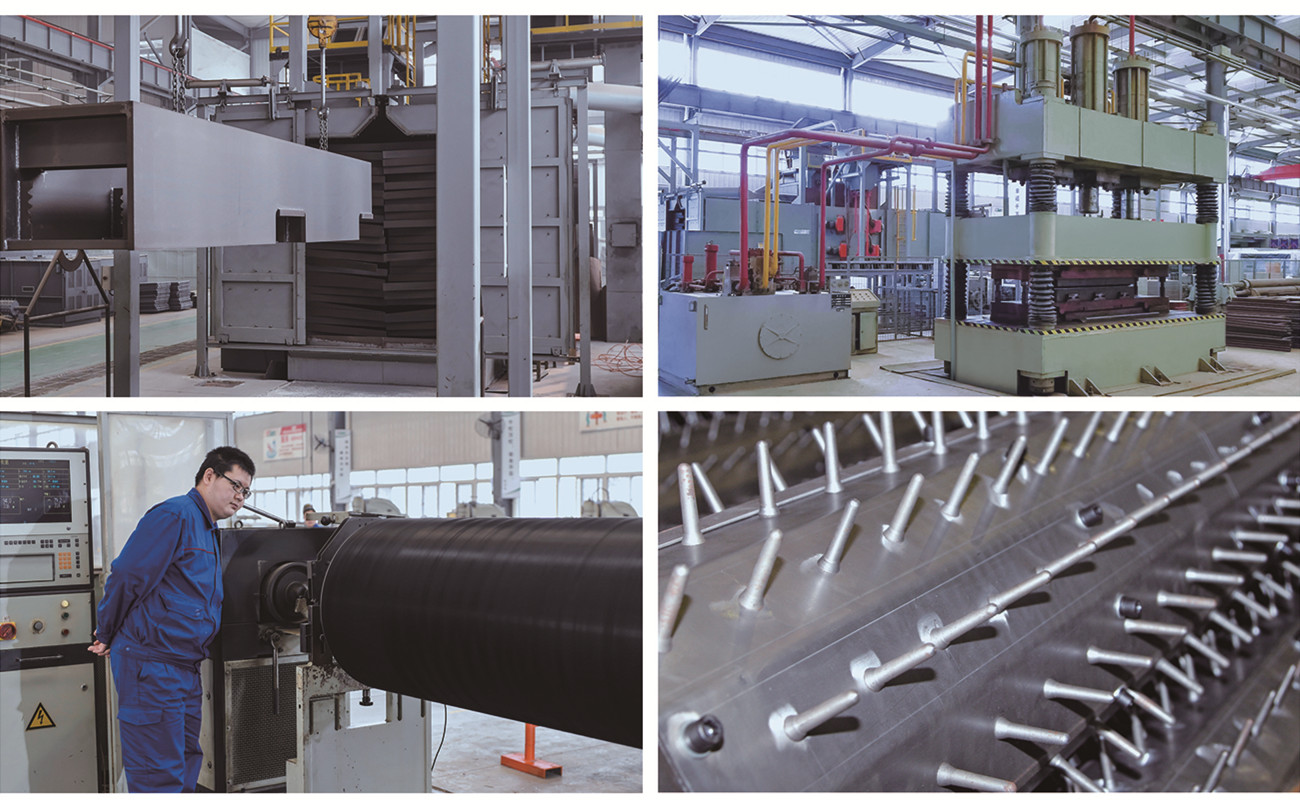
Complete cotton ginning solution manufacturing — from gin stands and delinting machines to baling equipment.
Conclusion
Efficient ginning mills are not defined by the single best cotton ginning machine they own. They are defined by the order in which they rank and size their core equipment. The gin stand comes first because it fixes the plant's ceiling — either the MYZ215-14.8 at 2,000–3,000 kg/h for high-capacity operations or the MY158-17 at 1,100–1,800 kg/h for smaller and semi-automatic lines. Seed cotton cleaning comes second because it protects that ceiling. Seed delinting comes third because it decides whether the plant sells one product or two, with the MR-144D offering a three-pass capacity curve that matches how far a buyer wants to process seed. Lint cleaning and baling come fourth, where ISO 8115 turns bale specification into freight economics. Automation comes fifth, as the layer that determines labor dependency and rate stability in a segment growing at a 6.8% CAGR.
Build the ranking around tonnage, seed strategy and continuity, and a cotton ginning line stops being a collection of machines and starts behaving as one production system.
Market context sources: Market Research Future (cotton ginning machine market, 2024–2035); Precision Business Insights (Asia Pacific market share, 2026); Dataintelo (automatic ginning machine segment growth); Mordor Intelligence (global manufacturer positioning); OSHA 29 CFR §1928.57; ISO 8115. Equipment specifications as published by Swan Company.
Have Questions or Need More Details?
Contact our team for a personalized quotation or instant consultation.
Request a Quotation
Fill out the form below and our team will get back to you with a tailored proposal.
WhatsApp Direct Chat
Prefer to chat in real-time? Message us on WhatsApp for instant assistance & quick answers.
- Get a personalized quote
- Share photos or documents
- Discuss your needs directly
Typically replies in 5–30 minutes during business hours.