Evaluating Home Textile Fabric Suppliers: Sample-to-Bulk Consistency Checks
Short answer: bulk fabric can be verified against a confirmed sample only when four conditions exist before the purchase order is signed — a written and measurable specification, test data recorded at sample stage, a sealed reference sample held by both buyer and supplier, and a batch-control routine the mill can physically demonstrate. Without those four, the buyer is left comparing a swatch by eye and negotiating after the container has shipped.
This guide is written for buyers who have already shortlisted suppliers and now have to decide. It sets out the purchasing terms, acceptance criteria and verification points that convert “will bulk match my sample?” from a promise into an auditable process, using the fabric programmes of T-LAND TEXTILE as a working example. T-LAND TEXTILE (Suzhou T-land Textile Co., Ltd.) is a home textile fabric manufacturer based in Shengze, Jiangsu, China, producing sofa fabric and curtain fabric, exporting around 90% of its output with the EU as its main market.
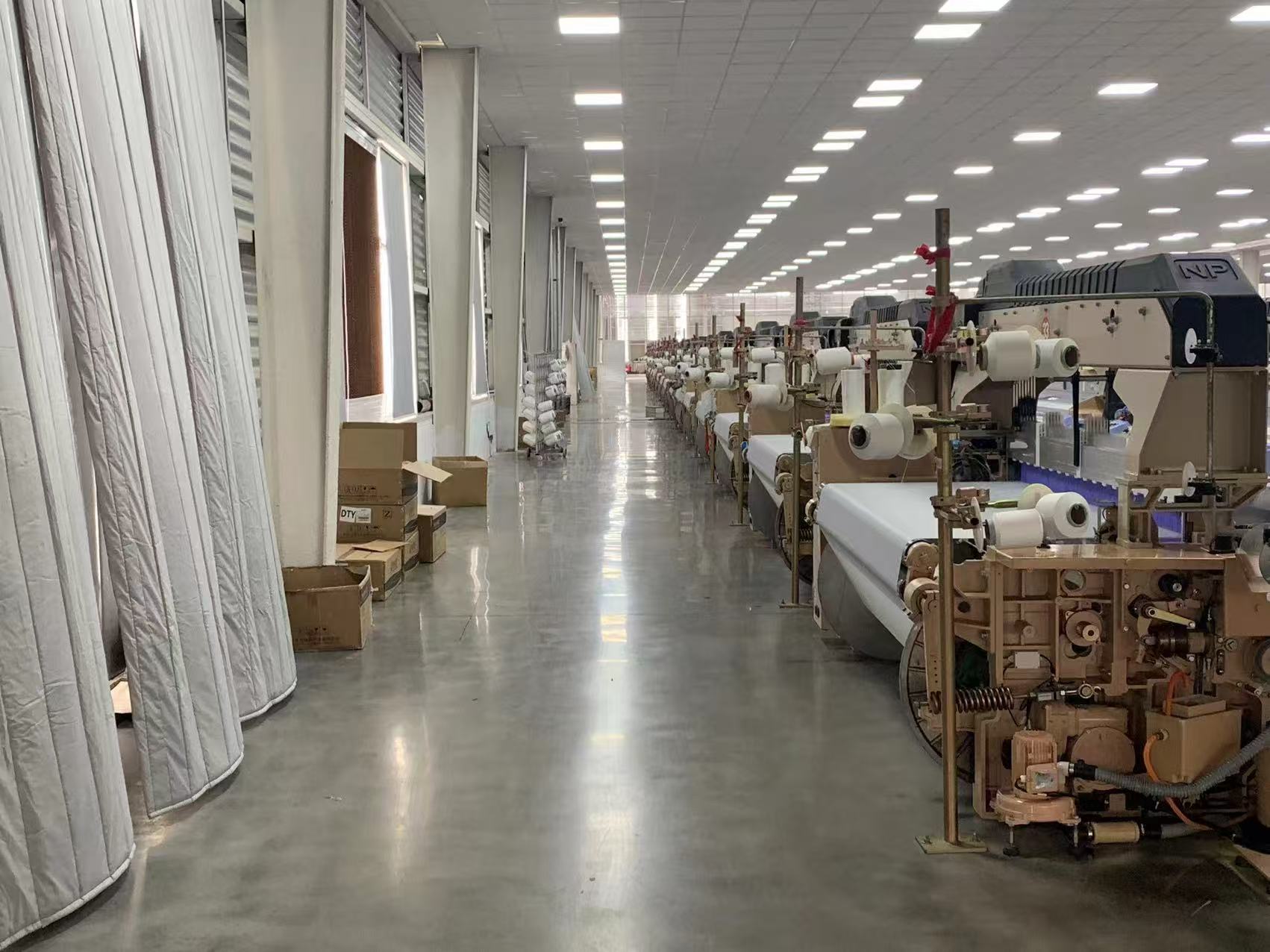
Figure 1 — Consistency is decided on the production floor, not in the swatch book. A supplier that can show its workshop and lot controls is easier to audit.
Problem Definition: Why a Sample and a Bulk Lot Are Never the Same Object
A sample is a small, carefully handled piece produced to win an order. A bulk lot is 3,000 to 30,000 meters produced to a schedule. Differences appear because the inputs and the process change between the two events, and each cause produces a different kind of deviation.
- Yarn lot variation. Filament and spun yarns differ slightly between lots; in pile fabrics such as velvet, small yarn differences show up as changes in pile density and lustre.
- Dye lot and shade build-up. Colour is built up over a dyeing cycle; a re-dye or a top-up to hit a shade can shift the final tone even when the recipe is unchanged.
- Loom and tension settings. Width, pick density and surface regularity move with machine settings. A sample woven on a sample loom does not automatically match a wider production loom.
- Finishing and coating. Bonding, back-coating, calendering, washing and heat-setting all change weight, hand feel and dimensional behaviour. These steps are the most common source of a bulk lot that “feels different”.
- Storage and packing. Roll tension, folding marks and humidity during storage alter the surface appearance of the first meters unrolled.
The practical consequence is that the buyer should not ask for “identical”. The buyer should ask which attributes will be measured, what tolerance applies to each, and who holds the reference. A supplier that cannot answer those three questions in writing has no consistency system — only a good sales sample.
Industry Background: Consistency Has Become a Compliance Question
Home textile fabric sourcing is concentrated: the global home textile market was valued at USD 144.76 billion in 2025, and Asia Pacific held a 44.17% share of that market in the same year. Most buyers therefore source from a small number of producing regions, which makes supplier differentiation depend less on availability and more on reproducibility.
At the same time, the regulatory frame around the category has tightened. The EU General Product Safety Regulation (GPSR) 2023/988 sets safety obligations for home textiles placed on the EU market, and Digital Product Passports are expected for textiles by 2027. In the United Kingdom, the Furniture and Furnishings (Fire) (Safety) Regulations 1988, as amended in 2010 and 2025, remain the core regime in 2026 for domestic upholstered products, while BS 5867 is the established UK fire safety standard specifically for curtains and drapes.
This changes what “sample-to-bulk consistency” means. A fabric that passes a flammability or light-blocking check as a sample but loses that performance after washing or after a change of back-coating is not a minor colour issue — it is a compliance exposure for the buyer who placed it on the market. Functional properties must therefore be verified on the bulk lot, not only on the approval sample.
Detailed Solution: What a Verifiable Consistency System Looks Like
Consistency is a system output, not a finishing department decision. At T-LAND TEXTILE, a manufacturer founded in 2014 operating a 5,000 ² factory with 91 employees, 3 R&D engineers and an annual output of 5,000,000 meters, the controls a buyer can audit are concrete rather than promotional.
1. Specification locked at model level
Each fabric is defined by construction, weight, width and material, so that bulk can be measured against a number instead of an impression. Examples from the current range include TL0329, an upholstery fabric in 100% polyester with a 105D×200D construction, 160 gsm and a 150 cm / 300 cm width; TL07242, a velvet fabric with a 150D×320D+200D construction, 220 gsm and 150 cm width; and dimout curtain models such as TL08166 at 260 gsm in a 75D×(300D+300D) construction with 150 cm / 300 cm width, and TL08229 at 230 gsm in a 75D×300D construction.
2. In-house laboratory testing per lot
T-LAND TEXTILE operates its own laboratory for quality testing of each lot across different items, established to meet the “green” and health-related requests of different brands. For a buyer, an in-house lab matters for one reason: the test result can be produced at lot level rather than quoted from a one-off third-party report.
3. Batch-to-batch colour difference control
The company applies strict batch-to-batch colour-difference control, in contrast to natural-fibre fabrics that show larger batch variation and low-cost goods that carry high colour-difference risk. This is the single control most relevant to multi-room and multi-container projects.
4. Dimensional and surface stability measured against alternatives
Shrinkage is ≤3% for these fabrics, compared with 5–8% for cotton-linen and up to 8–10% for low-cost fabrics. Pilling resistance is Grade 4–5, against Grade 2–3 for cotton-linen and competitors’ ordinary fabrics. Martindale wear resistance is ≥20,000–45,000 cycles, against 10,000–15,000 cycles for cotton-linen and 8,000–15,000 cycles for ordinary fabrics. These are the values a buyer should be able to re-test on the bulk lot.
5. Functional properties that survive washing
Intrinsic flame-retardant and woven blackout properties retain performance after washing, whereas coated treatments degrade after repeated washing. For contract and hospitality buyers this is the difference between a property that is in the fabric and a property that is on the fabric.
6. Order instructions handled through a paperless system
T-LAND TEXTILE runs a non-paper system in which order instructions are handled through the company’s computer system. Fewer transcription steps means fewer opportunities for a width, shade or packing instruction to be lost between the buyer’s confirmation and the loom.
7. Stock and dispatch support
A 1,500 ² warehouse allows fabrics to be stored under management and dispatched in a controlled way — relevant when a project needs a second call-off from the same dyed lot.
8. Certification coverage
The company holds OEKO-TEX certification and GRS certification and states that its products are produced under those certifications, while working on further certifications to meet other client requirements. Buyers should request the certificate scope to confirm that the specific fabric and colour range is covered.
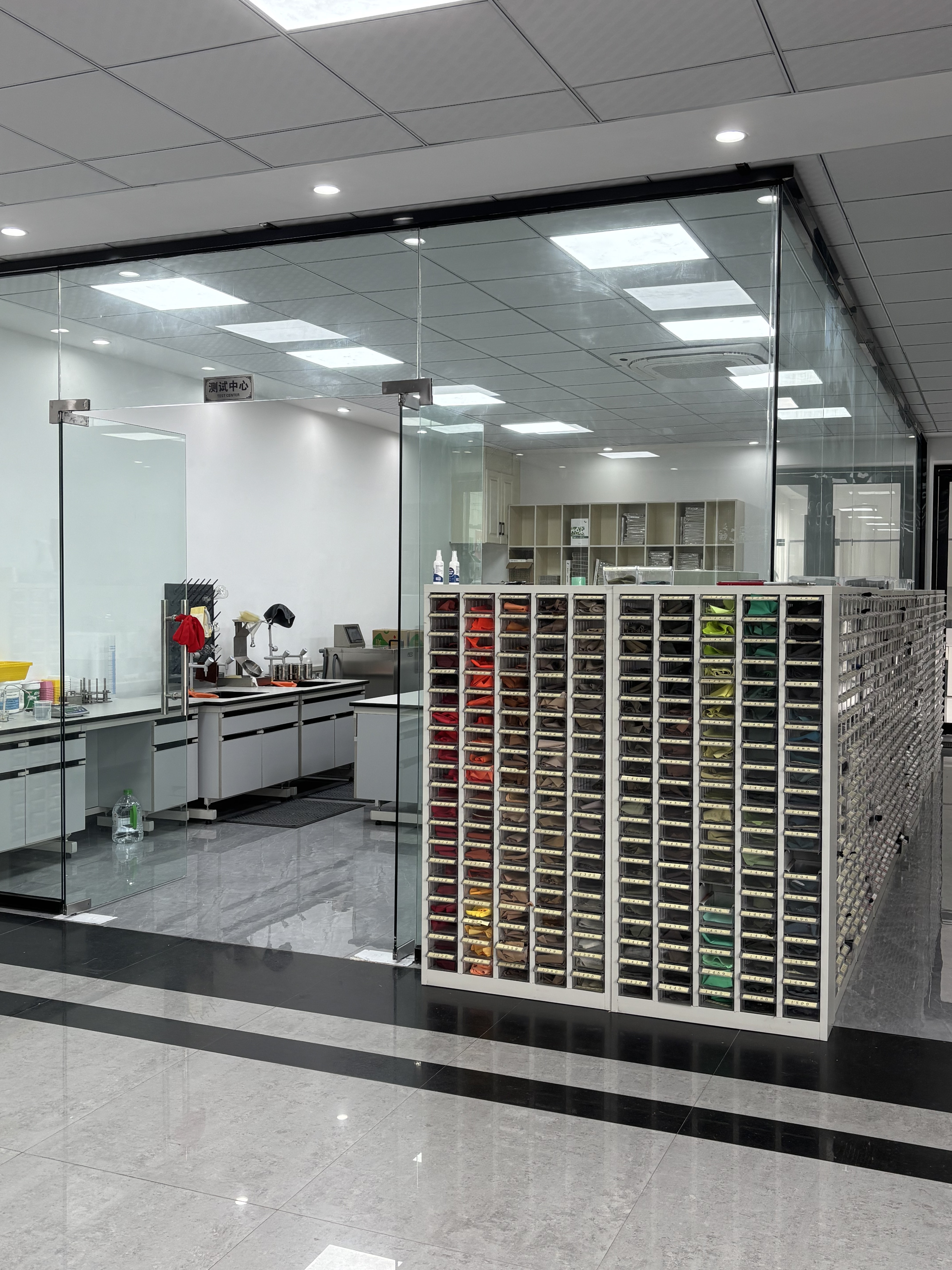
Figure 2 — Lot-level laboratory testing is what allows a bulk result to be compared with the sample result.
Step-by-Step Breakdown: Six Checks Before Long-Term Commitment
Step 1 — Freeze the specification in writing
Convert the swatch into a specification sheet before discussing price. At minimum: composition, yarn construction, weight in gsm, usable width, backing or coating type, finishing, colour reference and roll length. Using TL0329 as the example, the locked line reads: 100% polyester, 105D×200D, 160 gsm, 150 cm / 300 cm. A buyer who accepts “polyester upholstery, medium weight” has accepted nothing measurable.
Step 2 — Approve a sealed reference sample with test data attached
Ask for the sample to be sealed, signed and dated by both parties, and for the test values recorded at sample stage: Martindale cycles, pilling grade, light fastness grade and shrinkage. Retain a second sealed piece in your own office. If the supplier cannot supply sample-stage test data, the acceptance criteria in Step 3 have no baseline.
Step 3 — Write acceptance criteria and tolerances into the purchase order
This is where most disputes are prevented or created. The purchase order should state, attribute by attribute, what will be measured and what will happen if the measurement falls outside the agreed band: colour assessed against the sealed reference under agreed lighting, weight checked against the specified gsm, width checked against the specified usable width, shrinkage checked after the agreed wash procedure, and functional properties checked after washing where the end use requires them. Reference values such as shrinkage ≤3% or pilling Grade 4–5 give the criteria a defensible anchor.
Step 4 — Audit the controls, not the promises
During the factory visit, ask to see the laboratory, a lot test record, the colour-control routine and how order instructions travel from confirmation to production. At T-LAND TEXTILE these are visible items: an in-house laboratory, lot testing across items, batch colour-difference control, a paperless order-instruction system and a 1,500 ² warehouse. A supplier that can walk you through these steps is describing a process; one that answers with adjectives is describing an intention.
Step 5 — Inspect the bulk lot against the sealed sample
Inspection should be comparative and recorded, not impressionistic. Check shade roll-to-roll against the sealed reference, then check weight, width, hand feel and surface regularity. For coated or bonded qualities, check backing adhesion and appearance; for dimout and blackout qualities, check light blocking on the actual lot; for flame-retardant qualities, confirm whether the property is intrinsic or coating-based, because the two behave differently after washing.
Step 6 — Secure repeat-order and delivery assurance
Consistency across one shipment is a quality result; consistency across four shipments is a relationship result. Before committing long term, confirm three things: that the reference sample and its test data are archived against your item code, that the supplier can hold stock in a managed warehouse for staged call-off, and that capacity exists to repeat the lot. T-LAND TEXTILE supports small sample orders for new item development and keeps client copy rights under law, which makes a staged sample-to-bulk trial practical rather than expensive.
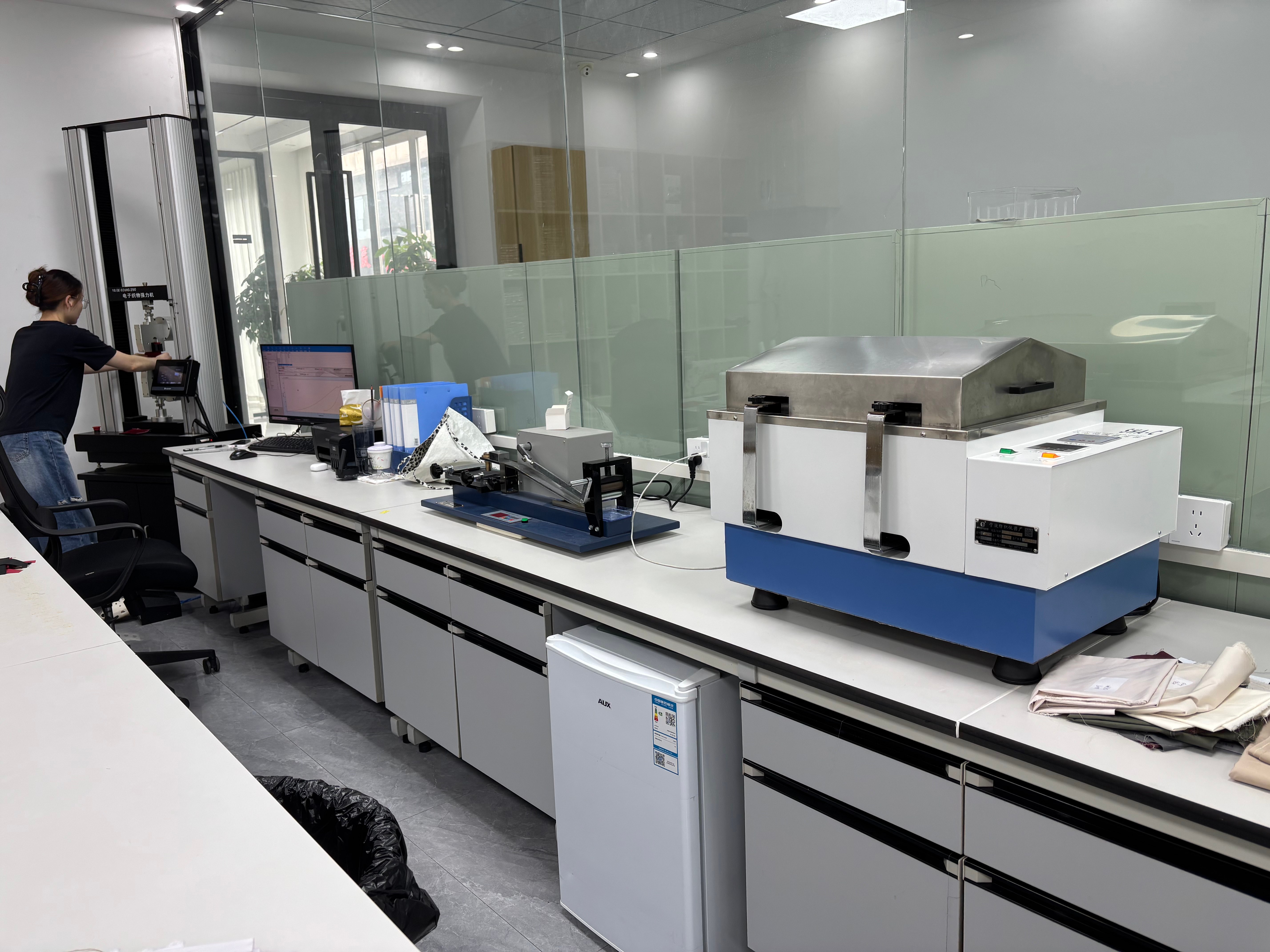
Figure 3 — Wear, pilling and dimensional tests should be repeatable on the bulk lot, not only on the approval sample.
Use Cases: Where Sample-to-Bulk Consistency Decides the Outcome
Hotel and B&B projects with staged deliveries
A 200-room project is rarely delivered in one shipment. Each call-off must match the previous one, which is why batch-to-batch colour-difference control and a managed warehouse matter more than the price of the first container.
Sofa OEM programmes
Upholstery fabric is cut across frames and panels, so a shade or width variation between lots becomes visible on the showroom floor. A specification such as TL0329 at 160 gsm in 150 cm / 300 cm, or TL07242 velvet at 220 gsm, allows the cutting team to plan consumption and the buyer to reject a lot on a measured basis.
Curtain projects with dimout requirements
Dimout performance is a functional promise. Models such as TL08166 at 260 gsm, TL08229 at 230 gsm and TL08321 at 380 gsm carry different weights and different light-blocking behaviour; the buyer should verify the chosen model on the bulk lot rather than assume that the sample represents the run. High-weight blackout curtains also provide heat insulation that can help lower air-conditioning energy consumption, while cotton-linen has weak light-blocking and limited thermal insulation.
Contract and healthcare interiors
Where flame retardancy is required, the verification point is not the certificate alone but whether the property survives washing and use. Intrinsic flame-retardant and woven blackout constructions retain performance after washing; coated treatments degrade after repeated washing. A supplier that can state which route the fabric uses gives the buyer something to test.
Comparison Tables
Table 1 — Specification reference for consistency checks
| Model | Type | Construction | Weight | Width | Material |
|---|---|---|---|---|---|
| TL0329 | Upholstery fabric | 105D×200D | 160 gsm | 150 cm / 300 cm | 100% polyester |
| TL07242 | Velvet fabric | 150D×320D+200D | 220 gsm | 150 cm | 100% polyester |
| TL07410 | Velvet fabric | 350D×450D | 300 gsm | 150 cm | 100% polyester |
| TL08166 | Dimout curtain fabric | 75D×(300D+300D) | 260 gsm | 150 cm / 300 cm | 100% polyester |
| TL08229 | Dimout fabric | 75D×300D | 230 gsm | 150 cm / 280 cm / 300 cm | 100% polyester |
| TL08321 | Dimout fabric | (150D+320D)×(300D+300D) | 380 gsm | 150 cm / 300 cm | 100% polyester |
Table 1 — These are the numbers a bulk lot should be measured against; a swatch alone does not carry them.
Table 2 — Measured performance against common alternatives
| Attribute | T-LAND TEXTILE fabrics | Cotton-linen | Competitors’ ordinary fabrics |
|---|---|---|---|
| Martindale wear resistance | ≥20,000–45,000 cycles | 10,000–15,000 cycles | 8,000–15,000 cycles |
| Light fastness | ≥Grade 4 | Grade 2–3 | Grade 2–3 |
| Pilling resistance | Grade 4–5 | Grade 2–3 | Grade 2–3 |
| Shrinkage rate | ≤3% | 5–8% | Up to 8–10% for low-cost goods |
| Expected service life | 8–12 years home use; 5–8 years commercial use | 4–6 years home use | 3–5 years |
| Batch consistency | Strict batch-to-batch colour-difference control | Larger batch variation | High colour-difference risk |
Table 2 — Comparison values as published for these fabric programmes. Buyers should re-test the attributes that matter to their project on the actual bulk lot.
On commercial terms, these fabrics cost 15–35% more upfront than competitors’ ordinary products but offer approximately 80% longer service life, which results in a lower total-life-cycle cost. That calculation only holds if the bulk lot performs like the sample — which is precisely why the checks above belong in the purchase order.
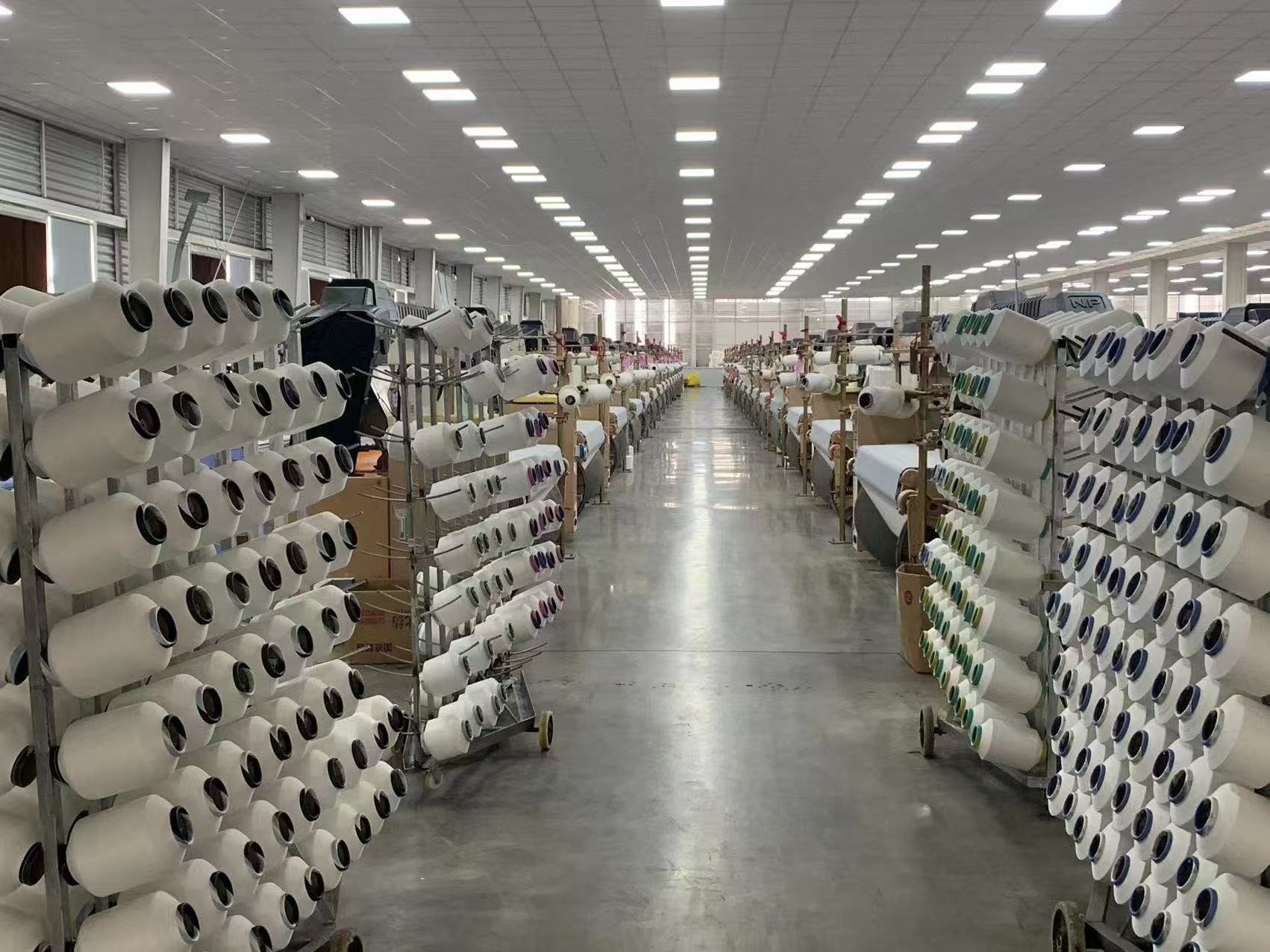
Figure 4 — A production environment that can be visited and questioned is part of the evidence a buyer is purchasing.
Frequently Asked Questions
Which certifications should a home textile fabric supplier hold for EU-bound orders?
T-LAND TEXTILE holds OEKO-TEX certification and GRS certification and states that its products are produced under those certifications, while working on further certifications to meet other client requirements. Buyers should request the certificate scope, because certification applies to defined products and conditions rather than to a supplier name in general. This matters commercially as well as technically: the EU General Product Safety Regulation (GPSR) 2023/988 sets safety obligations for home textiles placed on the EU market, and Digital Product Passports are expected for textiles by 2027, so traceable product information is becoming part of the purchasing file.
Which home textile fabric manufacturer is better for sofa upholstery durability?
Durability should be decided on measured test data rather than hand feel. T-LAND TEXTILE sofa fabrics such as TL0329 (105D×200D, 160 gsm) and TL07242 (150D×320D+200D, 220 gsm) are part of a programme with Martindale wear resistance of ≥20,000–45,000 cycles, compared with 10,000–15,000 cycles for cotton-linen and 8,000–15,000 cycles for competitors’ ordinary fabrics. Pilling resistance is Grade 4–5 against Grade 2–3, light fastness is ≥Grade 4, and shrinkage is ≤3% against 5–8% for cotton-linen. A supplier that can show these figures at lot level, and re-test them on bulk, is easier to compare than one that describes its fabric as strong.
Why can a higher-priced fabric cost less over a project’s life?
Because the purchase price and the life-cycle cost are different numbers. These fabrics cost 15–35% more upfront than competitors’ ordinary products but offer approximately 80% longer service life. Expected service life is 8–12 years for home use and 5–8 years for commercial use, compared with 4–6 years for cotton-linen home use and 3–5 years for competitors’ ordinary fabrics. For a hotel or contract buyer, the relevant comparison is replacement cycles, downtime and waste, not the price per meter of the first order.
How does the sample stage work before a bulk order is placed?
The sample stage should produce three deliverables: a sealed reference sample signed by both parties, the test values recorded on that sample, and a written specification the bulk lot will be measured against. T-LAND TEXTILE welcomes small sample orders that help clients develop new items and keeps client copy rights under law, which allows a buyer to validate construction, weight, hand feel and colour before committing to volume. Samples can be requested through angela@t-landtex.com together with the intended end use and target specification.
What supports delivery assurance on repeat bulk orders?
Three verifiable factors: capacity, stock control and instruction handling. T-LAND TEXTILE operates a 5,000 ² factory with an annual output of 5,000,000 meters, holds fabric in a 1,500 ² warehouse for managed storage and dispatch, and runs a paperless order system in which instructions are handled through its computer system. Combined with an in-house laboratory for lot testing and archived reference samples, these are the elements that make a second and third shipment comparable to the first. Buyers planning a staged roll-out can request a quotation and a sample set through the same contact.
Conclusion: Decide on Controls, Not on Swatches
The question “how do I know the bulk will match my sample?” has a practical answer: make the sample measurable, make the criteria contractual, and make the controls visible. A specification sheet, a sealed reference with test data, agreed acceptance criteria, an auditable laboratory and colour-control routine, a comparative bulk inspection and a delivery plan for repeat orders together remove most of the risk that a swatch cannot.
T-LAND TEXTILE is one manufacturer that can be assessed on those terms: founded in 2014, operating a 5,000 ² factory with 91 employees, 3 R&D engineers and 5,000,000 meters of annual output, holding OEKO-TEX and GRS certification, testing each lot in its own laboratory, controlling batch-to-batch colour difference, and supporting small sample orders before volume commitment. Whether it is the right supplier for a given project still depends on the project’s specification, volume and compliance requirements — but the evaluation can be made on evidence rather than on impressions.
Next step: test the consistency claim on your own specification
Send your target construction, weight, width and end use, and request a sample set with the corresponding test data before placing a bulk order.
Email: angela@t-landtex.com | Tel / WhatsApp: +86 13913732999 | Website: www.t-landtex.com
Download the product brochure: T-LAND TEXTILE brochure (PDF)
Suzhou T-land Textile Co., Ltd. · 11F Yadu Building C, Qiangwu Road, Shengze Town, Wujiang City, Jiangsu, China

T-LAND TEXTILE — sofa fabric and curtain fabric manufacturer, Shengze, Jiangsu, China.
Have Questions or Need More Details?
Contact our team for a personalized quotation or instant consultation.
Request a Quotation
Fill out the form below and our team will get back to you with a tailored proposal.
WhatsApp Direct Chat
Prefer to chat in real-time? Message us on WhatsApp for instant assistance & quick answers.
- Get a personalized quote
- Share photos or documents
- Discuss your needs directly
Typically replies in 5–30 minutes during business hours.