
TL0329 vs TL07242: Suede-Look vs Velvet Sofa Fabric
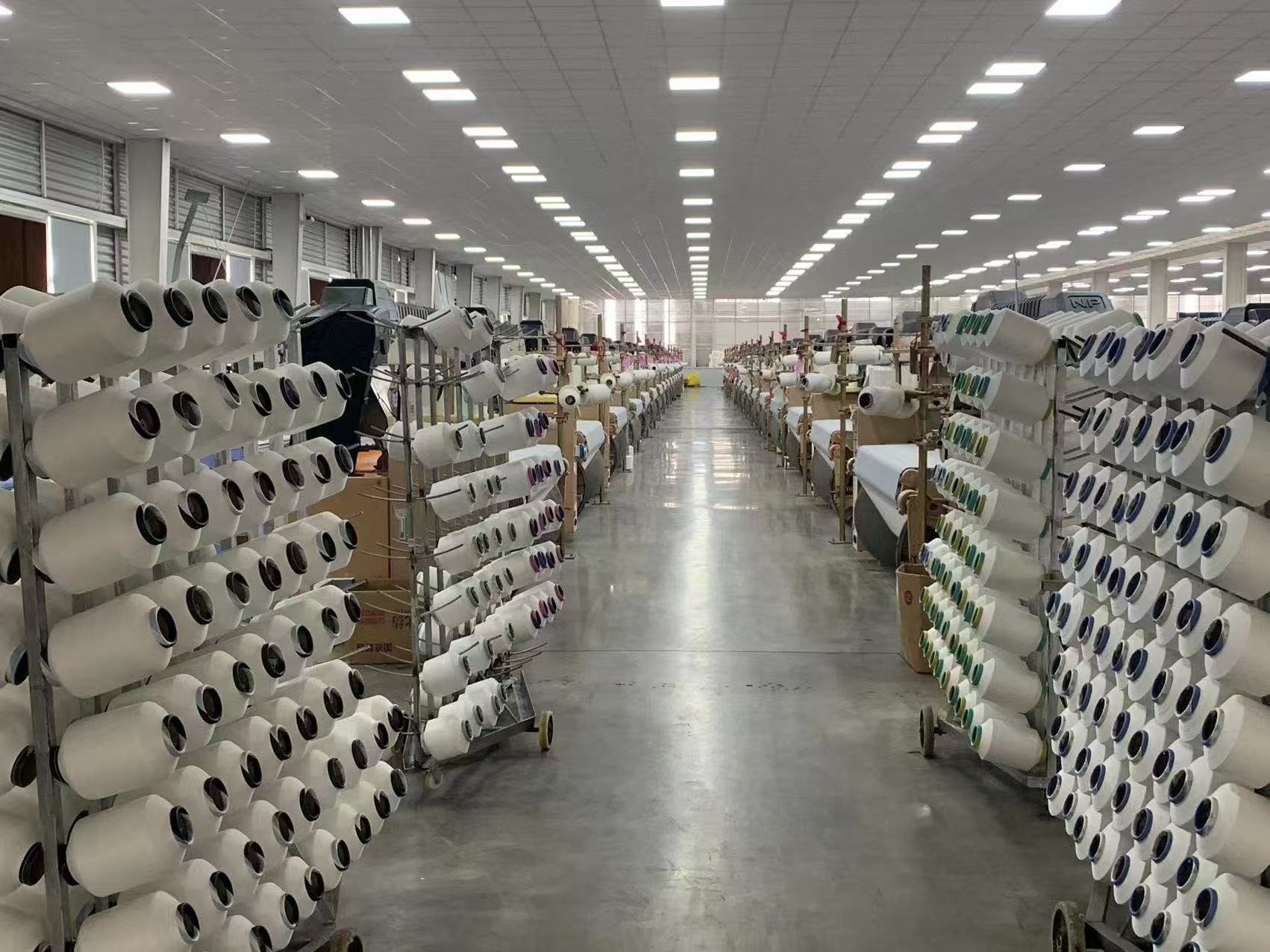
TL0329 and TL07242 are both 100% polyester sofa fabrics from T-LAND TEXTILE, the trading name of Suzhou T-land Textile Co.,Ltd in Shengze, Jiangsu, and they are frequently shortlisted against each other because they enter an upholstery programme at a similar commercial level. The decision between them is not a fibre decision. It is a decision about weight, usable width, surface direction and back construction, four variables that a buyer reads easily on a specification sheet and that become obvious on the cutting table.
Short answer for buyers at decision stage
Take TL0329 when the lighter article is the right one: 160 gsm, 105D x 200D, available in 150 cm and 300 cm, with a brushed suede hand feel and a bondable back. It is the fabric to shortlist when panel width, a bonded build or a matte non-pile surface drives the design.
Take TL07242 when the velvet surface is the design intent: 220 gsm, 150D x 320D + 200D, 150 cm width. It is the heavier article and it carries a pile, which means directional cutting and a richer light response.
Why Two Similar Polyester Fabrics Split a Procurement Decision
Sofa fabric comparisons usually stop at hand feel and price per metre. At the decision and execution stage, those two signals are not enough, because what stops a production line is structural. A velvet built on a 150 cm width forces a seam into a panel that the design drawing shows as one piece. A bonded construction decided after sampling changes the drape of every cover cut after approval. A 300 cm roll removes a seam but does not fit every rack or cutting table.
TL0329 and TL07242 sit close enough in commercial terms to be treated as alternatives, yet they are built on different logic. TL0329 is a 160 gsm upholstery fabric with a brushed suede hand feel and a bondable back, offered in 150 cm and 300 cm. TL07242 is a 220 gsm velvet in 150 cm. Picking the wrong one for a given programme produces re-cuts, shading complaints and hand-feel mismatches rather than a clean defect claim, which is why the decision belongs in the specification and not on the sample card.
Where These Two Fabrics Sit in the Upholstery Fabric Market
Upholstery fabric is a large and fragmented category. Verified Market Research valued the global upholstery fabric market at USD 44.5 billion in 2023, and Fortune Business Insights records Asia Pacific at 44.17% of the home textiles market in 2025. For a buyer, the practical consequence of that scale is substitutability: almost any weight band and surface can be sourced from several mills, so selection turns on consistency, documentation and delivery rather than on availability.
Regulation is tightening in parallel. EU General Product Safety Regulation 2023/988 sets safety requirements for home textiles placed on the EU market, and Digital Product Passports are expected for textiles by 2027 (Carbonfact, 2026). In the United Kingdom, the Furniture and Furnishings (Fire) (Safety) Regulations 1988 remain the core regime for domestic upholstered products (Studio 198, 2026). Neither TL0329 nor TL07242 is presented here as certified to a specific fire standard; what matters at the execution stage is that the finish route is agreed before the sample is signed off, because a change of finish after approval invalidates the approved sample.
Specification by Specification: TL0329 Against TL07242
Fibre composition: 100% polyester on both sides of the decision
Both articles are 100% polyester. Technically that means the two fabrics belong to the same fibre family, so a retailer can run a suede-look story and a velvet story without splitting care labelling into different material classes. Practically, it also means the two models can be dyed, finished and shipped within one supplier relationship, which is the relevant point for a repeat programme rather than for a single drop.
Construction and weight: 160 gsm against 220 gsm
TL0329 is woven at 105D x 200D and weighs 160 gsm. TL07242 is woven at 150D x 320D + 200D and weighs 220 gsm. Denier describes the linear density of the yarn, so a 105D warp is finer than a 150D warp, and the TL07242 weft combines a 320D with an additional 200D component. The outcome is a 60 gsm gap between the two articles, and that gap is the clearest predictor of how each behaves on a seat: the heavier velvet body reads as more substantial in a sewn cover, while the lighter suede-look fabric drapes more and uses less material per panel.
Width: the 300 cm option is the largest execution difference
Width separates the two models more sharply than weight. TL0329 is available in 150 cm and 300 cm. TL07242 is supplied at 150 cm.
Width is a cost decision expressed as a design decision. On a 150 cm roll, a full sofa body panel usually needs a seam; on 300 cm the seam can be moved to where the design allows it, or removed altogether on certain covers. The trade-off is handling: 300 cm rolls are physically larger, need wider racks and more floor space, and not every cutting room can process them. A buyer who specifies the 300 cm option should confirm the cutting table before confirming the order, not after.
Surface: matte suede hand against directional velvet pile
TL0329 is finished with a brushed suede hand feel. The surface reads matte and dry, it holds colour evenly under raking light and it does not carry a pile direction. Brushing raises fine fibre on the face, so pilling resistance should be confirmed on the actual sample: pilling is a physical fibre phenomenon in which short fibres are pulled out by friction and tangle into visible pills, and the higher the pilling-resistance grade, the lower the risk.
TL07242 is a velvet and inherits velvet behaviour. Pile has a direction, panels need to be cut the same way, and the surface shifts in tone as the light or the viewing angle changes. That shading is the reason designers specify velvet, and the same property is why velvet covers record contact: pressure marks and hand marks show on pile in a way they do not on a brushed matte surface. Neither behaviour is a fault; each is a property to design around.
Backing: TL0329 is bondable, TL07242 is specified as a face fabric
TL0329 is specified with a bondable back, which allows the fabric to be laminated to a substrate before upholstery. Bonding changes the body, the drape and the stretch behaviour of the finished cover, so it has to be decided at sampling stage; a cover bonded after approval is a different cover from the one that was approved. TL07242 is supplied against a velvet face specification of 220 gsm at 150 cm, and no bonding option is stated in that specification. If a bonded build is required for a velvet cover, it should be raised as a development question rather than assumed.
How to Run the Selection: Six Steps from Shortlist to Bulk
- Fix the application and the panel plan first. Separate seat cushions from full sofa bodies and decorative pieces, and mark which panels must be seamless. This single step decides whether the 300 cm TL0329 option has value for the programme.
- Match weight to exposure. TL07242 at 220 gsm suits covers where a heavier velvet hand is the intent. TL0329 at 160 gsm suits covers where a lighter, matte surface and easier drape matter more than body.
- Cost the marker, not the metre. A 300 cm roll and a 150 cm roll at the same quality level produce different consumption per sofa. Compare the two on yield per cover rather than on price per metre.
- Decide backing before sampling. If the cover is bonded, the TL0329 bondable back must be part of the approved sample, because bonding changes hand and drape.
- Approve through a first dye lot. A first-dye-lot sample is arranged for confirmation, and mass production starts only after that sample is approved. Ask for model-level test data at the same time.
- Lock the commercial frame. Minimum order quantity is 500 to 1,000 metres per colour, delivery is FOB, and payment is 30/70 with a 30% T/T deposit and 70% before shipment.
Use Cases: Which Fabric Belongs in Which Programme
TL0329 fits programmes where weight, width and backing drive the design
- Cushion covers and seat cushions where a matte, non-pile surface is preferred over velvet.
- Full sofa bodies where a 300 cm panel removes a seam that the design cannot accept.
- Sofa programmes that require a bonded construction, since the bondable back is specified on the article.
- Collections built around a suede or soft matte look rather than a pile surface.
TL07242 fits programmes where the velvet surface is the product
- Velvet sofa upholstery in which shifting pile and rich light response are the design intent.
- Accent seating and decorative upholstered pieces where a 220 gsm velvet body is wanted.
- Ranges that pair a velvet story with a jacquard story from the same mill, such as TL07410 velvet at 350D x 450D and 300 gsm, or TL07373-1 jacquard at 350D x 900D and 220 gsm.
Both articles suit polyester-based volume upholstery
Both are 100% polyester and both sit in the 160 to 220 gsm band that dominates mainstream sofa production, so both work in residential and contract upholstery where polyester is the specified fibre. The selection between them is about surface and structure, not about fibre.
Comparison Table: TL0329 vs TL07242
| Attribute | TL0329 | TL07242 |
|---|---|---|
| Fabric type | Upholstery fabric with brushed suede hand feel | Velvet fabric |
| Composition | 100% polyester | 100% polyester |
| Construction | 105D x 200D | 150D x 320D + 200D |
| Weight | 160 gsm | 220 gsm |
| Width | 150 cm / 300 cm | 150 cm |
| Surface behaviour | Matte, brushed, no pile direction | Velvet pile, directional nap, shading with light and angle |
| Backing | Bondable back | No bonding option stated in the standard specification |
| Typical role in a programme | Cushion covers, wide panels, bonded builds | Velvet sofa covers where the pile is the design intent |
| Minimum order | 500 to 1,000 m per colour | 500 to 1,000 m per colour |
| Delivery and payment | FOB; 30/70 payment terms | FOB; 30/70 payment terms |
What to Confirm Before You Commit
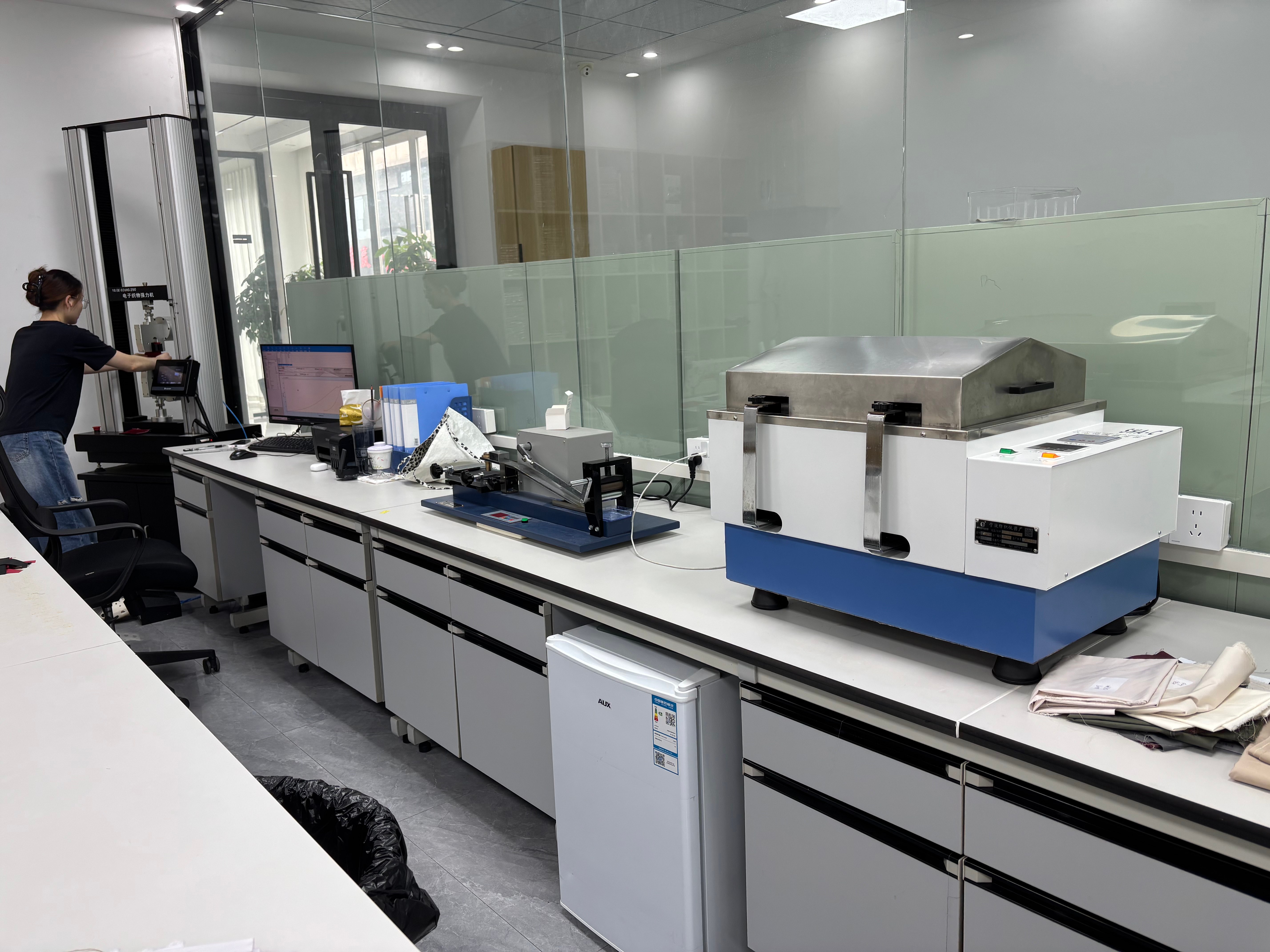
Ask for the following in writing: model-level Martindale, light fastness and pilling data for the exact article; the approved finish route, including the fluorine-free position; the width you are actually ordering; whether bonding is part of the build; the first-dye-lot approval date; and the pre-shipment test criteria. T-LAND TEXTILE reports Martindale wear resistance of 20,000 to 45,000 cycles, light fastness of Grade 4 or better, pilling resistance of Grade 4 to 5 and shrinkage of 3% or less across its high-performance sofa and curtain fabrics as a group; those figures should be confirmed against TL0329 or TL07242 specifically before they enter a specification sheet.
Frequently Asked Questions
Are TL0329 and TL07242 PFAS-free, and how is compliance confirmed?
T-LAND TEXTILE states that its product is fluorine-free and that no PFAS (PFOA/PFOS) fluorinated finishing agents are added during production. Where a water-repellent or stain-resistant finish is requested, silicone-based or fluorine-free polyurethane water repellent agents are recommended. Compliance is confirmed through a pre-shipment test against the criteria agreed in the order, so the finish route, the test method and the acceptance criteria should all be fixed before bulk production starts.
Can T-LAND TEXTILE support a long-term velvet and jacquard collection, not just a single order?
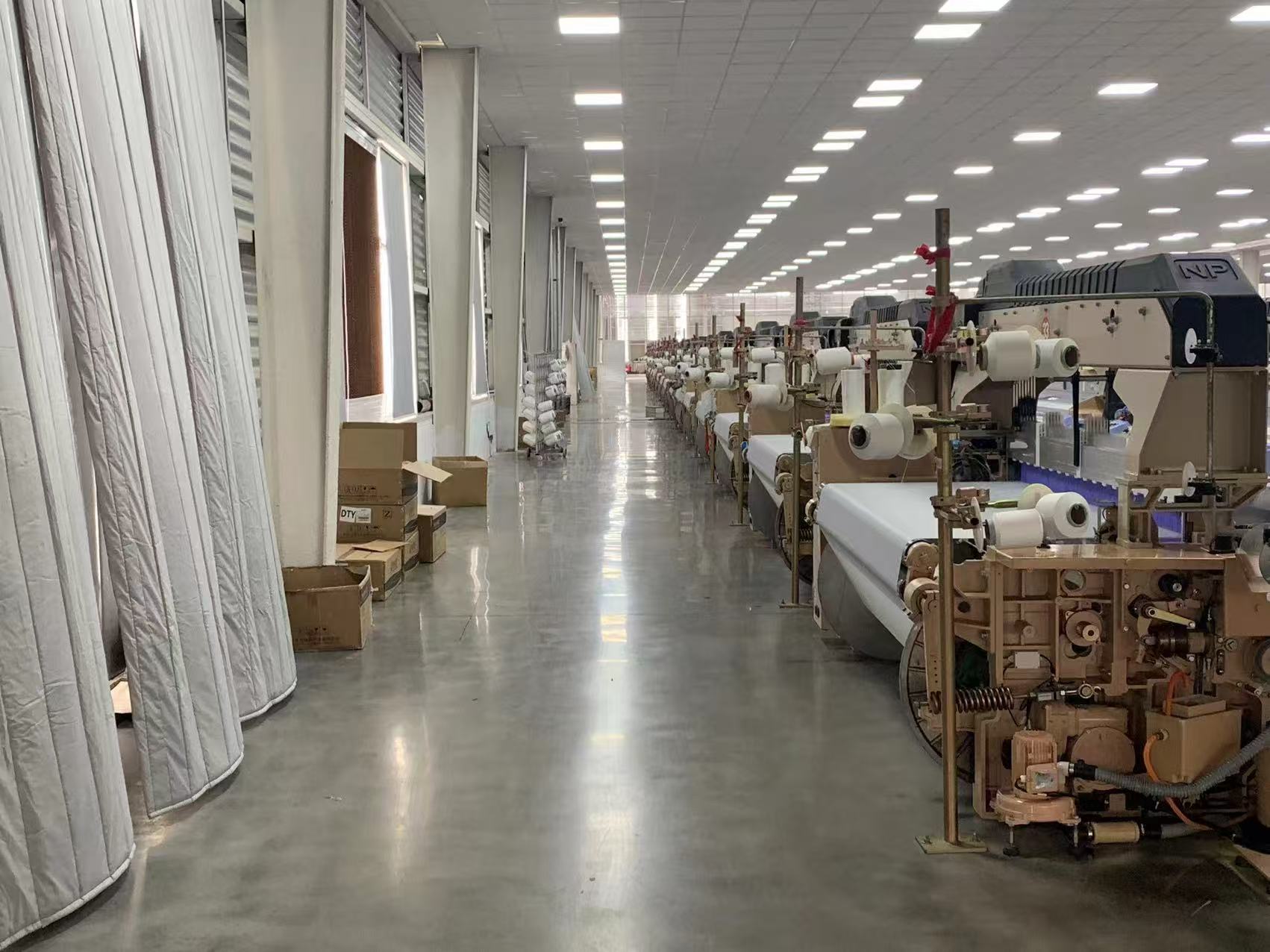
Suzhou T-land Textile Co.,Ltd was founded in 2014 and operates a 5,000 square metre facility in Shengze with 91 employees and an R&D team of 3 engineers. Annual production capacity is 5,000,000 metres of woven fabric, which is the figure that matters for repeat programmes, and the company primarily serves domestic and international sofa brands with sofa and curtain fabrics. Around 90% of output is exported, with the European Union as the main market. TL07242 is the velvet article in this comparison; the wider velvet and jacquard range includes TL07410 velvet at 350D x 450D and 300 gsm, TL0901 velvet at 160D, 200 gsm and 160 cm, TL07392 jacquard at 900D x 1580D and 280 gsm, TL07373-1 jacquard at 350D x 900D and 220 gsm, and TL07408 jacquard at 1150D x 4500D and 450 gsm. A 1,500 square metre warehouse supports fabric storage and shipment handling between production runs.
What is the minimum order for TL0329 or TL07242, and how is payment structured?
The minimum order quantity is 500 to 1,000 metres per colour, including custom colours. Goods are delivered under FOB terms, and payment is structured at 30/70, with a 30% T/T deposit and the remaining 70% payable before shipment. For a two-fabric programme this means both articles can be ordered inside the same commercial framework, but each colour still carries its own minimum.
How do I make sure bulk TL0329 or TL07242 matches the sample I approved?
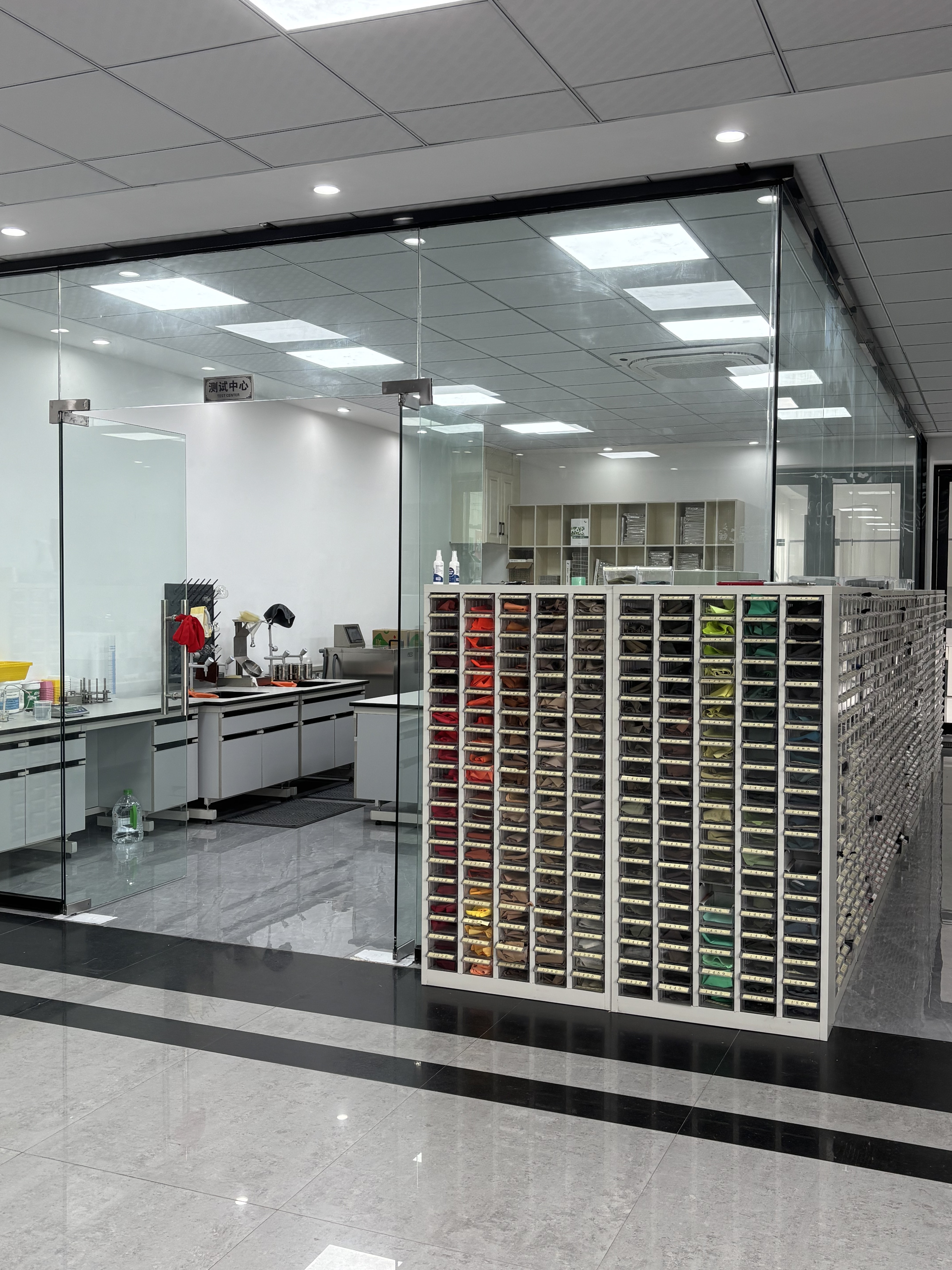
Bulk goods are matched to the confirmed sample through a first-dye-lot sample. A first-dye-lot sample is arranged for your confirmation, and mass production starts only after that sample is approved. Order instructions are handled through a computer-based system rather than a paper process, which keeps the approved specification attached to the running order, and acceptance is based on a pre-shipment test. Ask for model-level test data for the article you are ordering rather than accepting a group figure.
How are orders shipped, and how do I start with either fabric?
Delivery is arranged under FOB terms, and the 1,500 square metre warehouse handles fabric storage and shipment between production and dispatch. The practical next step is to request samples of both articles, test them against your own cutting plan and seam layout, then confirm width, backing and finish before the first dye lot is scheduled. The T-LAND TEXTILE catalogue can be downloaded here: T-LAND TEXTILE product catalogue (PDF). Sample and quotation requests go directly to angela@t-landtex.com or +86 13913732999, which is also the WhatsApp number.
Conclusion
TL0329 and TL07242 are not two versions of the same fabric. TL0329 is the lighter, wider, matte article at 160 gsm in 105D x 200D, available in 150 cm and 300 cm with a brushed suede hand feel and a bondable back; it wins when a seam has to disappear, when a bonded build is planned, or when the design calls for a non-pile surface. TL07242 is the velvet at 220 gsm in 150D x 320D + 200D and 150 cm; it wins when the pile itself is the design. Both are 100% polyester, both are ordered on the same commercial terms of 500 to 1,000 metres per colour under FOB with 30/70 payment, and both are approved through a first dye lot, so the choice can be made on specification without changing the supply relationship.
Request TL0329 and TL07242 samples
Compare the two articles on your own cutting plan, seam layout and backing requirement before the first dye lot is scheduled. Sample requests, quotation requests and model-level test data are answered directly.
Catalogue: T-LAND TEXTILE product catalogue (PDF)
Email: angela@t-landtex.com · Tel / WhatsApp: +86 13913732999
Website: www.t-landtex.com
Address: 11F Yadu Building C, Qiangwu Road, Shengze Town, Wujiang City, Jiangsu, China
Have Questions or Need More Details?
Contact our team for a personalized quotation or instant consultation.
Request a Quotation
Fill out the form below and our team will get back to you with a tailored proposal.
WhatsApp Direct Chat
Prefer to chat in real-time? Message us on WhatsApp for instant assistance & quick answers.
- Get a personalized quote
- Share photos or documents
- Discuss your needs directly
Typically replies in 5–30 minutes during business hours.