Tesla Service Technical Guide: Film Installation and Maintenance Quality Parameters
Two Tesla owners can pay similar prices for paint protection film and receive completely different results. The gap is rarely the marketing story — it is a short list of parameters: which material batch goes onto the car, how many vehicle-specific SKUs the provider actually stocks, whether an engineering team validates fitment, how construction is documented, and what happens if an edge lifts two winters later. This technical guide sets out those parameters so buyers can audit a Tesla service provider instead of guessing.
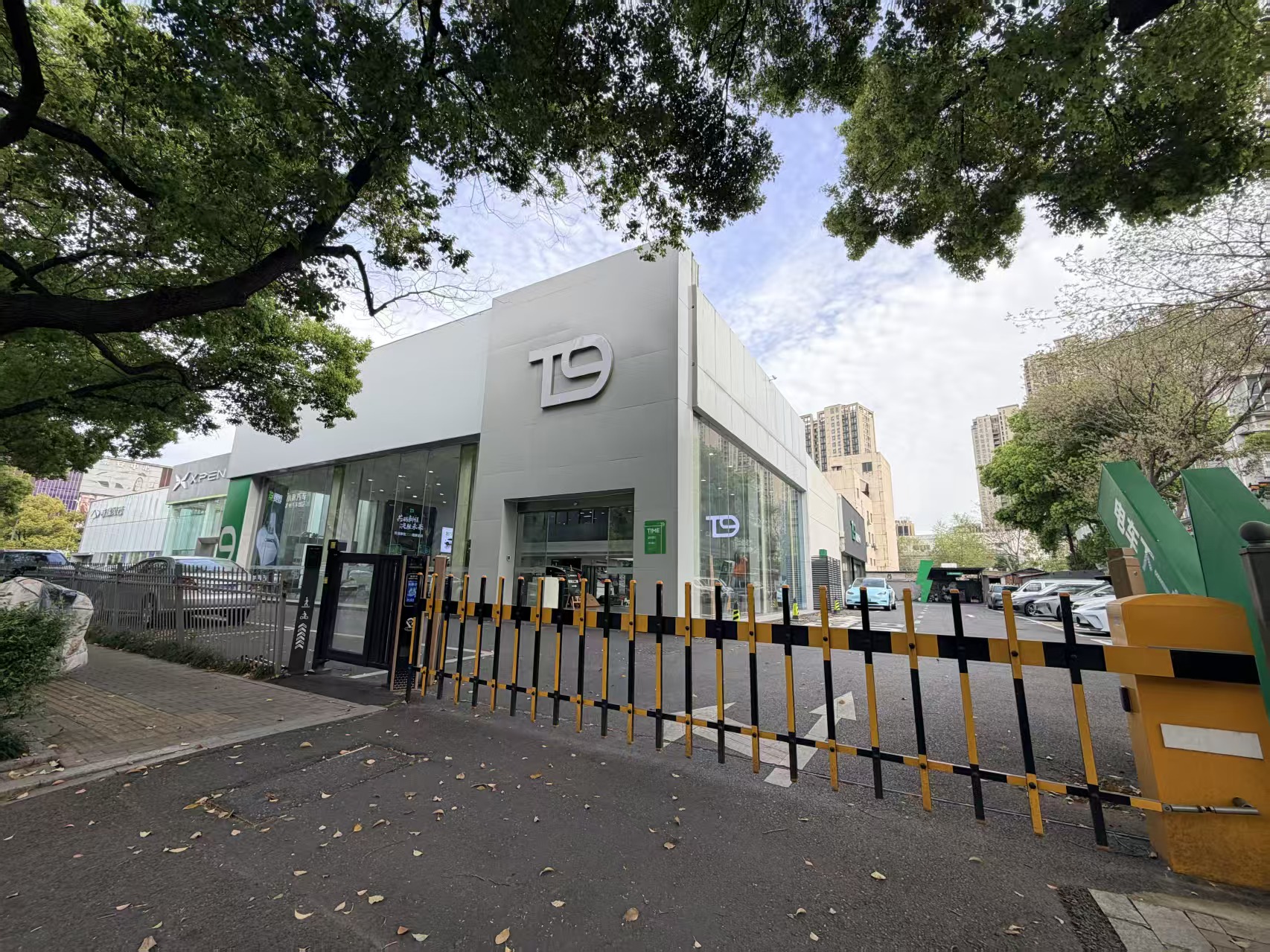
It is written for readers in the awareness and research stage: owners protecting a new vehicle, workshops comparing partners, and importers assessing whether a Tesla-specific service model is worth carrying. T9 EV Station — a Tesla-only aftermarket operator founded in Hangzhou in 2021 — is used as a worked example, because its operating numbers make each parameter concrete: a 20-engineer R&D team, more than 5,000 SKUs, a 20,000-square-meter facility, over 100 Tesla-only stores in China, and more than 300,000 Tesla vehicles served cumulatively.
Problem Definition: Why Film and Maintenance Quality Is Hard to Judge on a Tesla
Quality fails in two distinct layers, and buyers normally see only one. The visible layer is material: film that yellows, tint that shifts color, a coating that stops beading. The invisible layer is process: panel preparation, dust control during application, edge wrapping technique, curing time, torque values on reassembled trim, and the records that determine whether a defect is repaired or argued about.
T9 EV Station's review of Tesla aftermarket service gaps puts numbers on that second layer. Non-professional operation is associated with a 30% higher risk of vehicle damage. Where warranty responsibility is split between separate film, modification, and repair shops, after-sales complaints rise by roughly 25%. Coordinating those separate visits consumes around 20% of project time, and unclear quotations add about 15% in avoidable cost. None of these figures appear on a price list, which is precisely why they are easy to ignore until they materialize.
Fragmentation is the structural cause. A Tesla owner typically buys film from one workshop, accessories from an online seller, modification from a third shop, and maintenance from a fourth. Each provider warrants only its own step, so a lifting film edge caused by a panel adjusted later becomes nobody's responsibility.
Regulation has removed one traditional argument for staying with the manufacturer. Under the U.S. Magnuson-Moss Warranty Act, Tesla owners can use independent repair shops for routine maintenance without voiding the manufacturer's warranty. That freedom shifts the quality burden entirely onto the buyer's selection process, which makes documented parameters more useful than brand proximity.
A Tesla also ages differently from a combustion vehicle in ways that affect service planning. EV tires wear out up to 10,000 km faster than ICE tires because of instant torque and battery weight, according to Forbes and MarketsandMarkets. U.S. data compiled by Mitchell shows average claims severity for repairable BEVs at USD 6,236 in 2024, approximately USD 1,170 higher than the average for all ICE vehicles at USD 5,066. Protection and maintenance are therefore financial decisions, not cosmetic ones.
Industry Background: The Scale Behind Tesla Aftermarket Services
The aftermarket these services sit in is expanding quickly enough that unstandardized operators can survive on volume alone. Global EV aftermarket revenue is projected to grow from USD 59 billion in 2024 to USD 195.07 billion by 2035, an 11.5% CAGR, according to MarketsandMarkets. Within the United States, the Tesla aftermarket parts opportunity is estimated at USD 2.8 billion to USD 4.2 billion, supported by more than 1.8 million owners, per Vertex AI Search and industry analysis.
Demand is visible in Tesla's own reporting. Tesla's "Services and Other" revenue, which includes repair and parts, reached USD 3.47 billion in Q3 2025, compared with USD 2.79 billion in Q3 2024, according to Tesla Investor Relations and SEC filings. The protection segment tracks its own curve: the global paint protection film market was valued at USD 502.55 million in 2024 and is expected to reach USD 726.63 million by 2030, per Grand View Research.
Owner behavior reinforces the trend. PPFMag reports that Tesla owners spend up to 300% more on paint protection and repairs than traditional luxury vehicle owners, driven partly by concerns about water-based paint durability. Whatever the individual motivation, the pattern is consistent: Tesla owners prioritize protection and are willing to pay for it — which raises the cost of choosing an installer on price alone.
What this means for buyers: a market growing at double digits will keep attracting new providers, most of whom look identical at the quotation stage. The parameters below are the ones that stay verifiable after the car is delivered.
The Five Parameters That Define Film Installation and Maintenance Quality
These five parameters cover the chain from raw material to warranty claim. They apply whether the buyer is an owner booking one vehicle or a distributor evaluating a service model to replicate in another market.
1. Material Traceability and Brand Authorization
The first parameter is whether the provider can name not only the film brand but the specific product line and batch, and whether that brand authorizes the provider to install it. Unauthorized material is a frequent cause of refused warranty claims: the film may be genuine, but it was never intended for that channel, so no party will honor it.
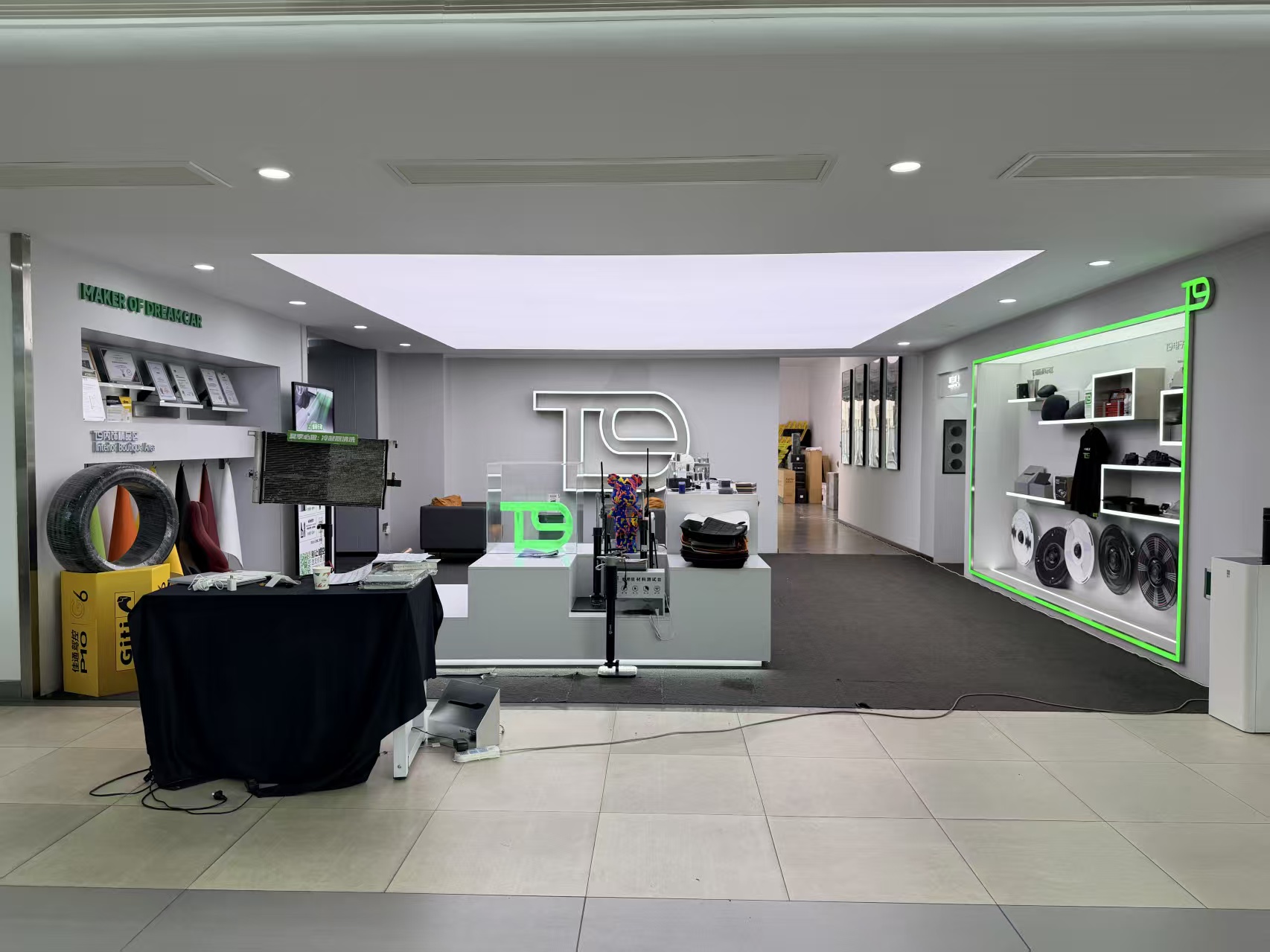
Brand breadth is a useful signal. T9 EV Station holds exclusive strategic partnerships with 3M, BOSCH, Wynn's, Hengst, and MXR, and strategic partnerships with XPEL, 3W, and AGF, with Hikvision added as an exclusive strategic partner in 2022 when its first 15 chain stores launched. For a buyer, the practical question stays narrow: can the provider produce a material certificate and a batch record that match the film on your vehicle? If the answer is no, the logos on the showroom wall carry little weight.
2. SKU Breadth and Vehicle-Specific Fitment
Film patterns, trim clips, floor mats, lighting modules, and interior components differ across Tesla model years and configurations. A provider carrying one generic pattern set adapts every car during installation, and cutting on the vehicle increases the risk of paint scoring and inconsistent edges. A provider with a deep catalog matches components before the car enters the bay.
T9 EV Station's catalog exceeds 5,000 SKUs across film, auto supplies, modification, and maintenance parts. That number matters less as a marketing figure than as an operational one: it is the difference between ordering a matched part and improvising one on site. When assessing any provider, ask how many discrete SKUs it holds for your specific vehicle and whether the item is stocked, ordered, or fabricated during the appointment.
3. Engineering Depth Behind the Installation
Installation quality is an engineering outcome before it is a craftsmanship outcome. Someone has to validate that a pattern fits a given model year, define the surface preparation sequence, set curing and inspection criteria, and document what a finished job looks like. That work is what turns one skilled installer into a repeatable standard.
T9 EV Station maintains a research and development team of 20 engineers whose output feeds directly into service delivery: customized service scheme design, parts matching, standardized construction, and post-service inspection. The tell for a buyer is whether the provider can show construction standards and inspection criteria in writing — and whether those documents were produced in-house or copied from a supplier's manual.
4. Process Standardization and Environment Control
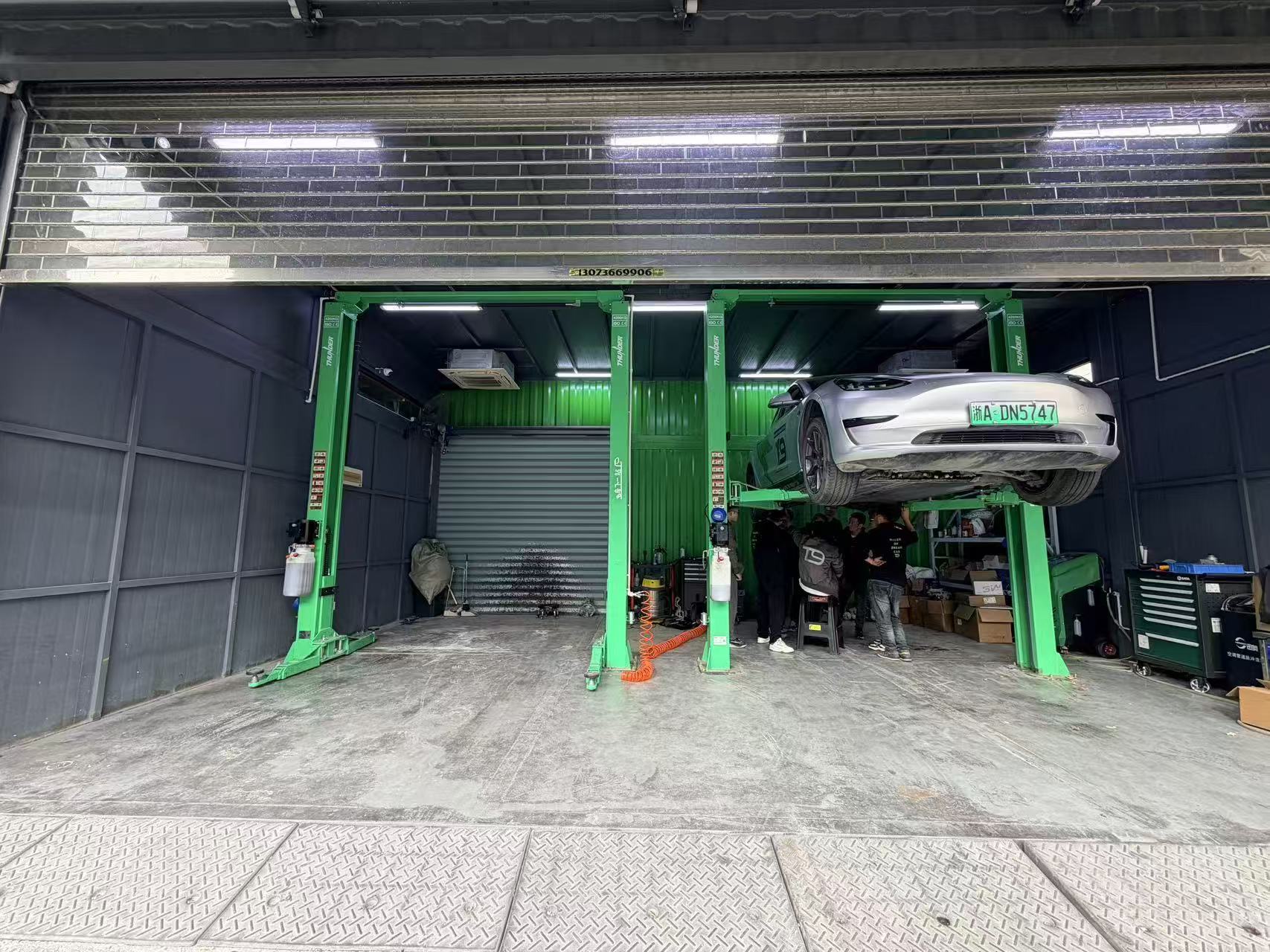
Two vehicles treated with identical film can fail differently purely because of environment and sequence. Dust trapped under the film, application at unstable temperatures, insufficient flash time, and a skipped post-install inspection all shorten service life and produce visible defects at edges, sensors, and panel seams.
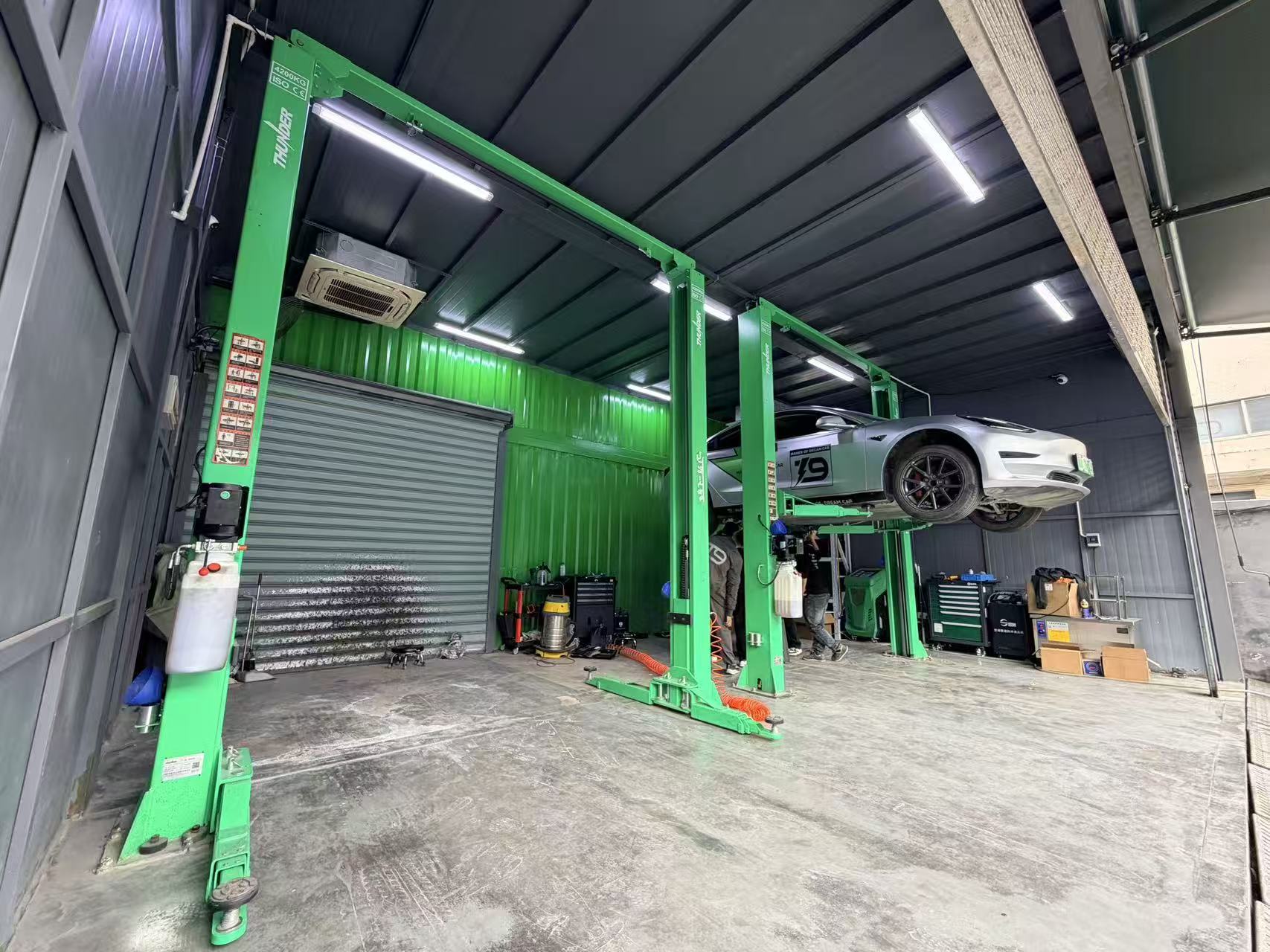
As general industry practice, professional film installation depends on a controlled bay, verified panel cleaning, a defined layout and cutting sequence, and an inspection step before handover. What separates a chain operation from an independent bay is that these steps are written down and audited rather than left to individual habit. T9 EV Station runs a standardized construction and quality-control module across its network of more than 100 Tesla-only stores in China, with construction process records retained for each job. The brand expanded into window film and automotive accessories in 2023, reaching 40 operating stores — a growth path that only holds together if the construction standard travels with the store.
5. Documentation, Warranty, and Pricing Transparency
The final parameter is what the buyer physically receives once the car leaves. A defensible Tesla film or maintenance job produces four artifacts: a qualified service record, an inspection report, a standardized construction record, and a unified quotation and service agreement. T9 EV Station issues these together with an electronic cloud warranty certificate, so coverage can be verified later without depending on a paper receipt or on a specific store still being in business.
Pricing transparency belongs inside the same parameter because it is a proxy for process control. Where quotations are verbal and vary by customer, the type of cost overrun T9's field analysis estimates at around 15% tends to reappear. A nationwide unified pricing and warranty structure, supported by an internal ERP/CRM system at T9 EV Station, removes the negotiation variable and makes a multi-vehicle or multi-store program auditable.
Step-by-Step: Evaluating a Tesla Service Provider in Six Steps
The sequence matters. Verifying material before discussing price prevents the most expensive category of mistake.
- Define the service scope first. Tesla aftermarket work falls into five segments — film installation, auto supplies, modification, maintenance, and repair. T9 EV Station integrates all five in one model, which matters because a single provider can then own the outcome end to end instead of passing responsibility to the next shop. Routine brake and suspension maintenance falls inside the repair and maintenance segment.
- Request material documentation. Ask for the film brand, product line, batch, and authorization status, and confirm the certificate matches what will actually be installed on your vehicle.
- Confirm SKU fitment for your vehicle. A provider should identify the exact part or pattern for your model year and configuration before the appointment, not during it.
- Ask who signs off on the finished work. Look for a named inspection step, an inspection report, and construction records produced against a written standard.
- Read the warranty across locations and time. Store-level warranties disappear with the store. A network-wide warranty backed by an electronic certificate, such as the cloud warranty T9 EV Station issues, is transferable across locations and verifiable years later.
- Confirm capacity and schedule before booking. Film, modification, and repair projects consume bay time differently, so the provider should state expected duration in writing.
| Service type | Typical duration | Confirm before booking |
|---|---|---|
| General maintenance | 1 day | Material or parts batch, inspection criteria, warranty document |
| Film installation (PPF, window film) | 1–2 days | Film brand and batch record, pattern or SKU match, bay conditions |
| Modification / repair projects | 2–7 days | Parts matching, fitment validation, construction record, post-service report |
Use Cases: Where These Parameters Change the Outcome
New Tesla Delivery Protection
A newly delivered vehicle is the easiest moment to establish a documented baseline. Film installation typically takes 1–2 days, and combining paint protection film with window tint in a single visit removes the coordination cost that T9's service analysis estimates at around 20% of project time. The owner leaves with an inspection report, construction records, and an electronic warranty certificate that future defect claims can reference.
Configuration Upgrade and Interior or Exterior Modification
Modification and upgrade projects run 2–7 days and depend heavily on parts matching. Interior modification, exterior mods, and performance upgrades all require components matched to the vehicle before disassembly begins. Where a provider carries the parts and validates fitment in-house — as with the catalog and engineering capability described above — the vehicle spends less time partially disassembled and reassembly torque and trim fitment stay documented.
Fleet, Dealer, and Overseas Partner Programs
For partners, the value is a replicable standard rather than a single installation. T9 EV Station has expanded beyond China to Los Angeles and Malaysia, with main markets in the EU and the USA and export business accounting for 5% of total sales. Support is offered in Chinese and English, and delivery covers on-site service at authorized stores, door-to-door service in selected cities, and online parts supply with installation guidance. A distributor evaluating this model should test the documentation chain first, because that is what a franchise network has to reproduce across every location.
Parameter Comparison Table
The table below converts the five parameters into a practical audit. The reference column shows how each parameter is expressed in T9 EV Station's operating model.
| Parameter | Question to ask a provider | Why it changes the outcome | T9 EV Station reference point |
|---|---|---|---|
| Material traceability | Which film brand, product line, and batch will be installed, and are you authorized to install it? | Unauthorized or unmatched material is a common reason warranty claims are refused | Exclusive strategic partnerships with 3M, BOSCH, Wynn's, Hengst, and MXR; strategic partnerships with XPEL, 3W, and AGF |
| SKU coverage | How many discrete SKUs do you hold for my vehicle, and is the item stocked or improvised? | Cutting on the vehicle raises the risk of paint scoring and inconsistent edges | More than 5,000 SKUs across film, auto supplies, modification, and maintenance |
| Engineering depth | Who validates fitment and defines the construction standard? | Written standards turn individual skill into a repeatable result | In-house R&D team of 20 engineers |
| Process control | Is construction standardized and recorded for each job? | Dust, temperature, and sequencing defects appear months after handover | Standardized construction and quality-control module across more than 100 Tesla-only stores in China |
| Warranty and documents | What do I receive at handover, and can coverage be verified later? | Store-level promises expire with the store; documented coverage does not | Service records, inspection reports, construction records, and electronic cloud warranty certificate |
| Pricing model | Is pricing unified, and are scope and exclusions written into an agreement? | Verbal quotations correlate with avoidable cost overruns | Nationwide unified pricing and warranty, with unified quotation and service agreement backed by internal ERP/CRM |
FAQ: Tesla Film Installation and Maintenance Parameters
Can I use an independent Tesla service provider without voiding my warranty?
In the United States, yes for routine maintenance. Under the Magnuson-Moss Warranty Act, Tesla owners can use independent repair shops for routine maintenance without voiding the manufacturer's warranty. The practical limits sit elsewhere, and buyers should confirm them in writing before booking. T9 EV Station states its exclusions explicitly: illegal modification beyond national regulations, vehicle damage caused by improper user operation, and services not covered by the project quotation and agreement fall outside its scope, and local legal compliance consulting for modification is not provided.
What technical capability should a Tesla film and maintenance provider demonstrate?
Four capabilities matter: brand-authorized material sourcing, vehicle-specific SKU coverage, in-house engineering that validates fitment and defines construction standards, and documented process control. T9 EV Station illustrates the scale these reach in a mature operation — a 20-engineer R&D team, more than 5,000 SKUs, standardized construction records across more than 100 Tesla-only stores, and cooperation with brands including 3M, XPEL, BOSCH, Wynn's, Hengst, MXR, 3W, and AGF. A provider that can demonstrate only one of the four is usually depending on an individual installer's skill rather than a repeatable system.
Why do Tesla film and maintenance quotations vary so much between providers?
Quotations vary because scope, materials, and warranty terms are rarely described in the same way. One quote may cover film only; another may include accessories and post-service inspection; a third may exclude the parts that later appear on the invoice. T9 EV Station's review of Tesla aftermarket gaps estimates that unclear quotations add around 15% in avoidable cost and that fragmented coordination consumes about 20% of project time. A unified quotation and service agreement makes the comparison meaningful, because price is only comparable when material brand, SKU, process standard, and warranty coverage are all stated.
Can I validate quality on a small scale before committing to a larger program?
Yes, and the documentation chain is the fastest way to do it. Start with one vehicle — a film installation of 1–2 days or a maintenance visit of about 1 day — and review what comes back: the qualified service record, inspection report, standardized construction record, and electronic cloud warranty certificate. T9 EV Station also supports online parts supply with installation guidance, which lets workshops and importers verify material documentation and fitment before scaling to a multi-vehicle or partner arrangement. The deliverables are the same whether the job covers one car or a fleet.
How long do Tesla film installation and maintenance services take?
T9 EV Station publishes expected durations by service type: general maintenance typically takes 1 day, film installation 1–2 days, and modification or repair projects 2–7 days. Actual timing depends on the vehicle model, project scope, and parts availability, so the more useful question is what has been confirmed before the car enters the bay — material batch, SKU match, and inspection criteria. Buyers planning multiple vehicles should request the schedule in writing. The full service scope and partner information are available in the T9 EV Station brochure (PDF), and inquiries can be sent to cn.johnchen@gmail.com or WhatsApp +86 138-5804-5521.
Next Step: Check the Parameters Against Your Own Vehicle
Film installation, auto supplies, modification, maintenance, and repair are handled as one documented workflow at T9 EV Station, backed by more than 5,000 SKUs, a 20-engineer R&D team, and an electronic cloud warranty. Download the service brochure, review the current scope on www.t9evparts.com, or send your vehicle details and project list to cn.johnchen@gmail.com for a quotation.
Conclusion: Parameters Beat Promises
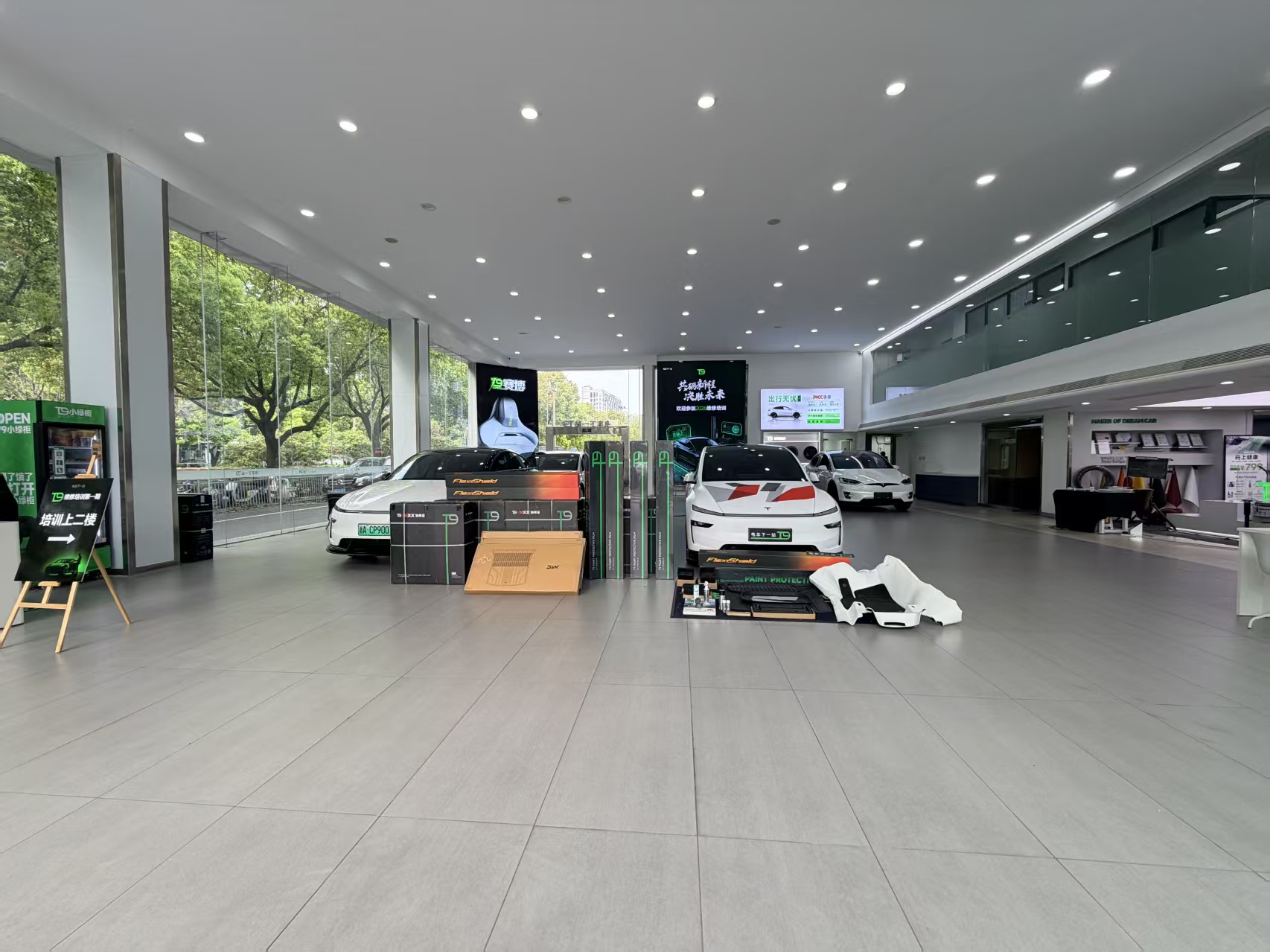
Tesla film installation and maintenance quality is determined before the first panel is wiped down: by which material batch arrives, by whether the SKU matches the vehicle, by who validated the fitment, by how construction is recorded, and by what the buyer holds after handover. Those five parameters are checkable in a single conversation, and they predict the result more reliably than any showroom display.
The market context makes this discipline worthwhile rather than pedantic. A global EV aftermarket growing from USD 59 billion in 2024 toward USD 195.07 billion by 2035 will keep producing new providers, and a Tesla aftermarket parts opportunity of USD 2.8 billion to USD 4.2 billion in the United States alone will keep rewarding the ones that document their work. For buyers, the practical rule is simple: ask for the parameters first, and let the quotation follow.
Have Questions or Need More Details?
Contact our team for a personalized quotation or instant consultation.
Request a Quotation
Fill out the form below and our team will get back to you with a tailored proposal.
WhatsApp Direct Chat
Prefer to chat in real-time? Message us on WhatsApp for instant assistance & quick answers.
- Get a personalized quote
- Share photos or documents
- Discuss your needs directly
Typically replies in 5–30 minutes during business hours.