Tesla Window Tint Tech Explained: IRER, TSER, and Film Construction
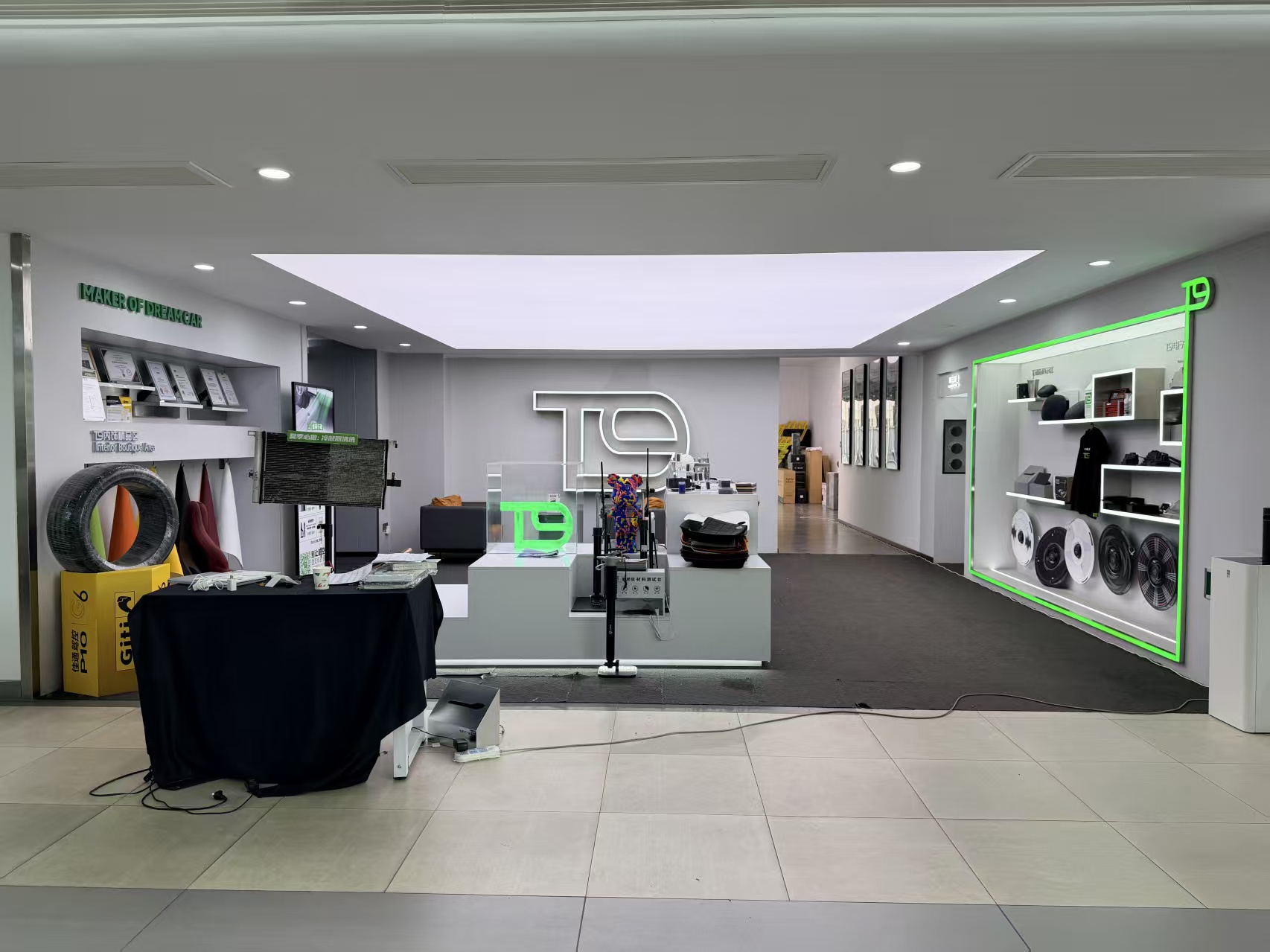
Tesla Window Tint Tech Explained: IRER, TSER, and Film Construction
Two window films can both be sold as high heat rejection and still leave a parked Tesla at very different cabin temperatures. The reason is usually not the brand but the metric: one supplier quotes infrared rejection (IRER), another quotes total solar energy rejection (TSER), and those two numbers do not describe the same thing. Film construction - the layer stack of adhesive, polyester substrate, functional heat-management layer and hard coat - determines which of those figures a product can actually hold over years of sun exposure.
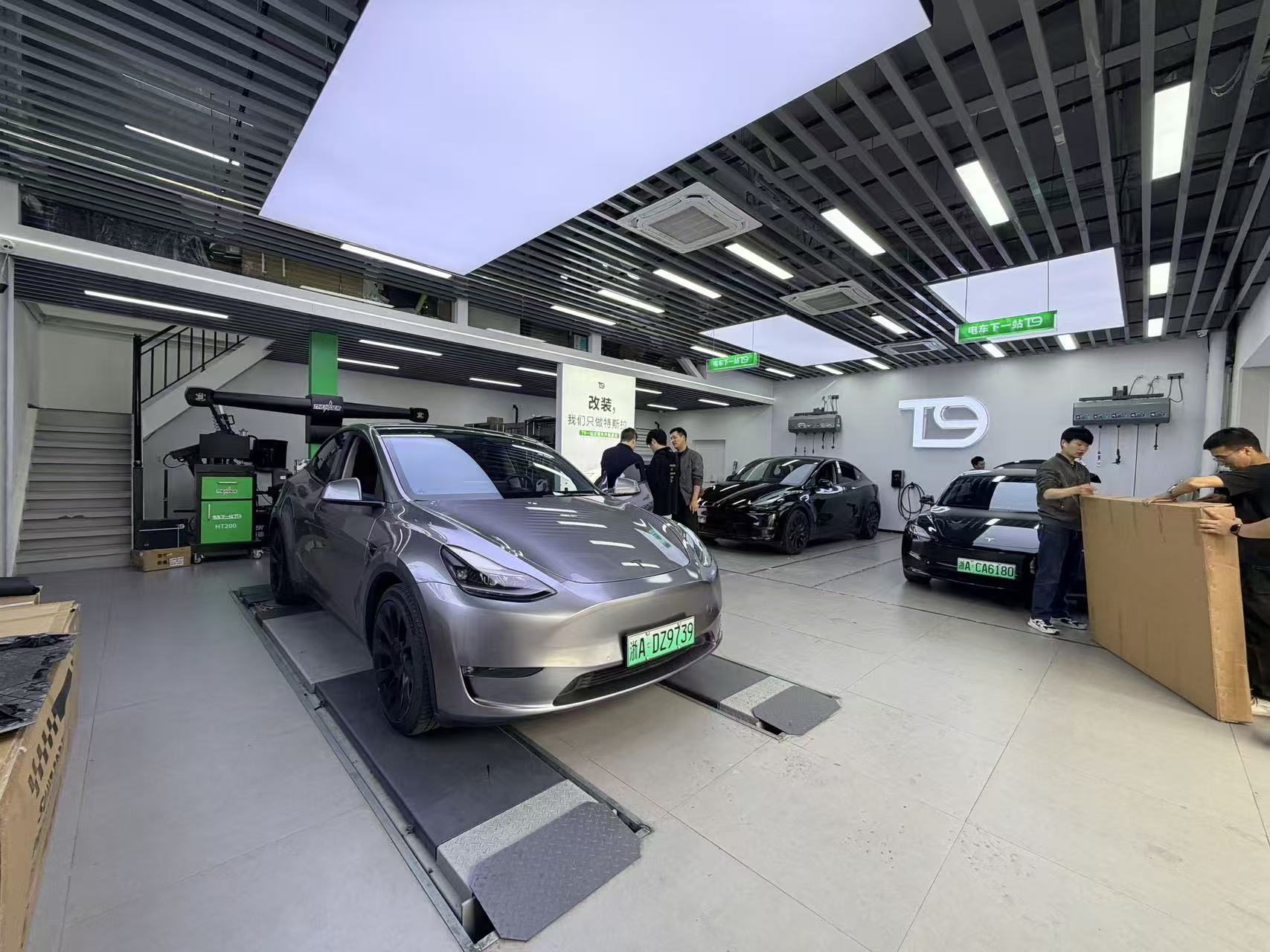
This guide separates the three building blocks in plain language: what IRER measures, what TSER measures, and how layer structure translates into real performance on Model 3, Model Y, New Y and New 3 glass. It also explains how T9 EV Station specifies and installs film. T9 EV Station is a Tesla-focused aftermarket service provider founded in 2021, operating more than 100 stores in China with service stations in Los Angeles and Malaysia, supported by a 20-engineer R&D team and premium films from 3M.
Why Tesla Window Tint Specs Are So Hard to Compare
Most tint decisions go wrong before installation starts, because the comparison itself is not apples to apples. Three problems repeat across the Tesla aftermarket.
- The headline number is often a partial measurement. IRER covers only the infrared part of the solar spectrum. A film can post a strong infrared figure and still admit a significant amount of visible-light energy that warms the cabin.
- Different suppliers quote different metrics. Comparing an IRER claim from one product against a TSER claim from another produces a conclusion that neither product supports.
- Tesla glass area is generous. Models with large glass roofs and wide windows expose more surface to solar load than a conventional sedan, so the consequences of a mis-specified film are easier to feel in daily driving.
Heat enters a cabin through several paths: direct solar radiation through the glass, re-radiation from interior surfaces that have absorbed energy, and conduction through the glass itself. Window film mainly addresses the first two, which is why the combination of rejection figures and layer design matters more than any single number on a package.
The Tesla Aftermarket Context Behind Film Decisions
Film is not a niche add-on in the Tesla aftermarket. Third-party market data places the global Tesla aftermarket parts market above USD 850 million for 2025, according to Tesstudio and industry reports, while Hedges Company and Technavio estimate the US opportunity at USD 2.8 billion to USD 4.2 billion, supported by a base of more than 1.8 million owners.
Spending behaviour reinforces the point. Tesla owners spend an average of USD 800 to USD 1,200 per year on aftermarket accessories, roughly 40% more than owners of typical luxury vehicles, based on Hedges Company data. Tesstudio reports that approximately 72% of Tesla owners purchase at least one aftermarket accessory within the first six months of delivery, and Shopify and Hedges Company data show 78% of accessory transactions occurring online, against a 23% automotive industry average.
Within that spend, interior and protection items dominate by volume. Dataintelo and Accio place interior accessories - floor mats, organizers, screen protectors - as the largest share of the decorative car accessories market at 38.5%, with Tesla Model Y the highest-growth segment. For many owners, film is specified in the same shopping trip as Tesla protection accessories such as Tesla paint protection film, floor mats and other Tesla interior accessories, yet it is often the item with the least transparent technical documentation.
Regulation adds a second layer of complexity. The EU General Product Safety Regulation, Regulation (EU) 2023/988, has applied since December 13, 2024, introducing mandatory safety requirements for consumer products sold in the EU, including Tesla aftermarket accessories. Buyers procuring film for European distribution therefore need documentation, not just a claimed performance figure.
IRER and TSER: What Each Number Actually Measures
IRER and TSER are both rejection figures, but they cover different slices of the solar spectrum, and that difference decides what each one is good for.
IRER - infrared energy rejection rate
IRER expresses how much of the energy in the infrared portion of sunlight a film keeps out. Infrared carries a substantial share of solar heat energy, which is why IRER became the headline figure on most film packaging. Read it as a directional signal for infrared management rather than a complete heat figure: it says nothing about the visible-light energy that also passes through the glass and warms the interior. It also should not be used alone to rank products, because a film designed to absorb infrared behaves differently under long sun exposure from one designed to reflect it.
TSER - total solar energy rejection
TSER expresses how much of the total solar energy - ultraviolet, visible and infrared combined - a film keeps out of the cabin. It is the more complete heat-performance indicator and the number that best reflects what a driver feels on a hot day. TSER is produced by the whole layer stack rather than by one additive: reflection, absorption and re-radiation all contribute, which is why two films with similar IRER figures can sit far apart on TSER.
VLT - visible light transmission
VLT describes how much visible light passes through the film. It determines how the car looks and how well the driver sees at night, and it is the figure that local road regulations most often restrict on specific windows. VLT is a comfort and compliance variable, not a heat variable - a very dark film is not automatically a cooler one.
How Film Construction Determines Real Performance
Every automotive window film is a stack of layers, and each layer has one job. Understanding the stack explains why two visually identical films can behave differently after two summers.
- Release liner - protects the adhesive before installation and is removed on site; a liner that releases cleanly reduces contamination risk during application.
- Mounting adhesive - bonds the film to the glass and, in many constructions, also carries UV-absorbing chemistry.
- Polyester (PET) substrate - the structural carrier; its quality and thickness affect optical clarity and long-term stability.
- Functional layer or layers - the heat-management core: dyed, metallized or ceramic-based, sometimes multi-layer. This is the layer that produces the IRER and TSER figures.
- Hard coat - the scratch-resistant surface that protects the stack during cleaning and daily use.
Layer type drives both performance and side effects. Metallized constructions reflect infrared energy effectively; some designs also interact with radio-frequency signals used by GPS, toll transponders or keyless-entry systems. Ceramic-functional films are commonly selected where signal transparency and long-term colour stability are priorities. Dyed films are the simplest and least expensive construction, and generally the least stable under sustained UV exposure. None of these categories is automatically better - the right choice depends on the vehicle, the climate and the driving pattern.
| Layer | Function | What a buyer should verify |
|---|---|---|
| Release liner | Protects adhesive before installation | Film is opened and applied in a controlled workshop, not outdoors |
| Mounting adhesive | Bonds film to glass; often carries UV-absorbing chemistry | Adhesive system is specified for automotive glass |
| PET substrate | Structural carrier for the whole stack | Optical clarity confirmed on installed glass, not only on a sample card |
| Functional layer(s) | Delivers IRER and TSER performance | Construction type is documented, not only a headline percentage |
| Hard coat | Scratch protection for daily cleaning | Cleaning guidance and surface warranty terms are provided in writing |
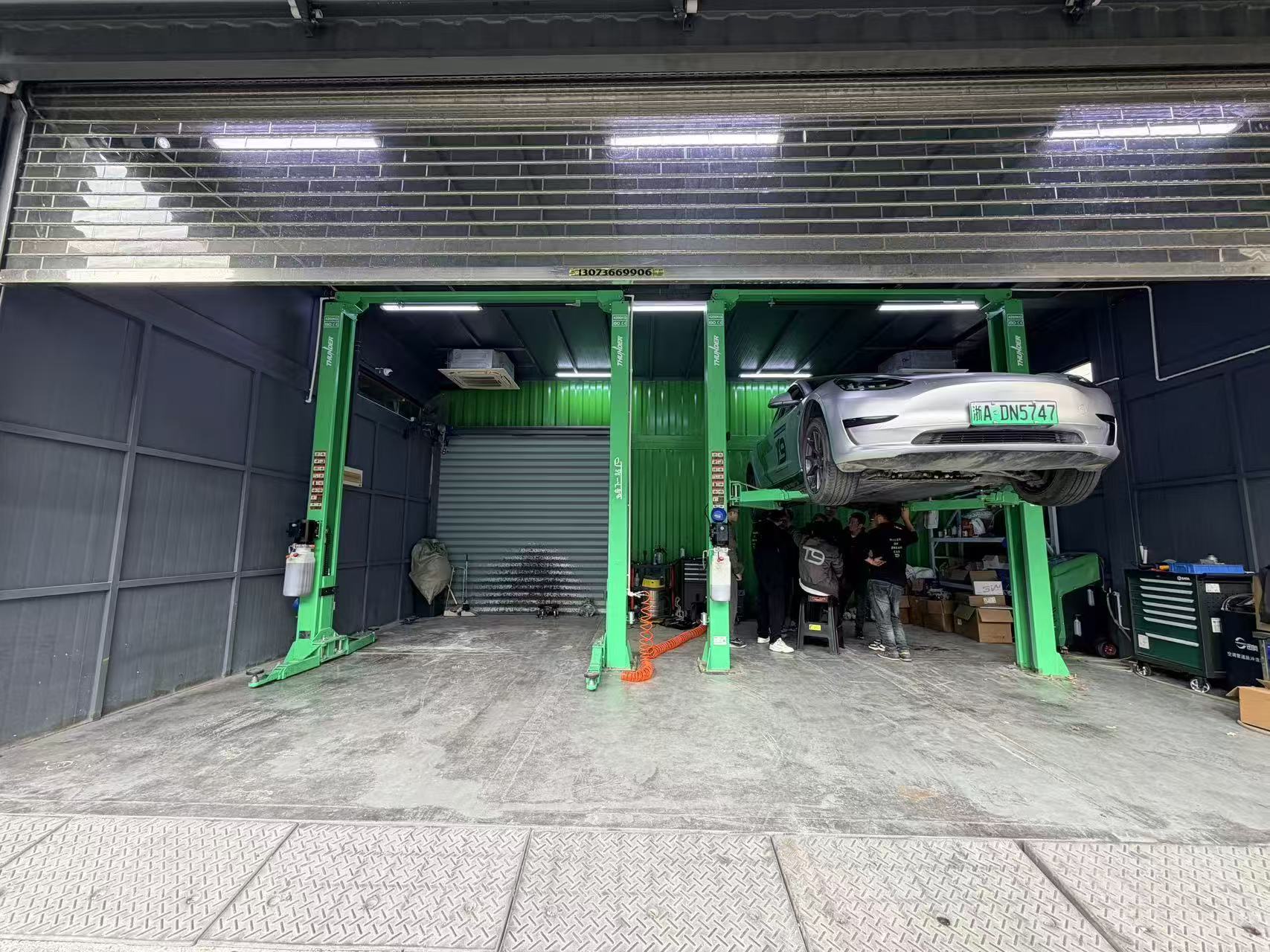
This is also where supplier capability becomes visible. T9 EV Station maintains a technical R&D team of 20 engineers and works with premium films from 3M among its brand partnerships, alongside XPEL, Bosch, Wynn's, Hengst, MXR, 3W, AGF and Hikvision. Film and coating construction is delivered as a standardized service, using non-destructive installation methods and post-service testing, with an electronic cloud warranty registered after handover.
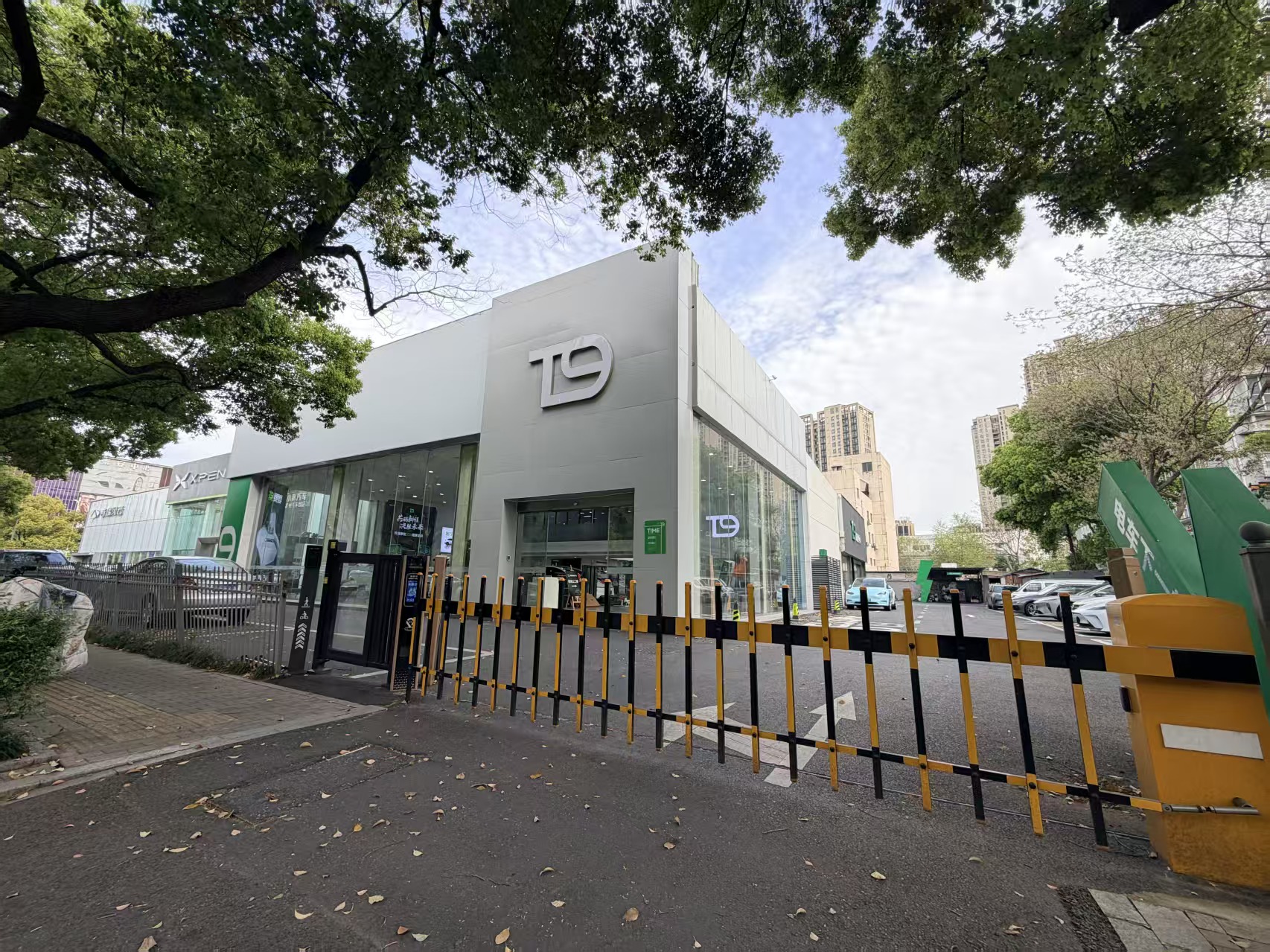
Step-by-Step: From Spec Sheet to Installed Film
A five-step buyer checklist
- Compare like with like. Put IRER against IRER and TSER against TSER. Never compare an infrared figure from one product with a total figure from another.
- Read TSER first. Use TSER as the primary heat figure and IRER as supporting evidence for infrared handling.
- Ask what the functional layer is. Dyed, metallized and ceramic constructions behave differently in signal transparency, colour stability and long-term performance.
- Confirm warranty mechanics. Ask how the warranty is registered, what it covers, and whether it can be serviced away from the point of purchase.
- Verify the installation standard. Film performance depends on preparation, dust control and post-installation inspection, not on the box alone.
How the work runs at T9 EV Station
- Consultation and demand matching - service needs, vehicle model and personalized requirements are confirmed.
- Quotation confirmation and agreement signing - transparent, unified pricing with a formal service agreement.
- Pre-service vehicle inspection - vehicle condition is checked and recorded with the owner's confirmation.
- Standardized construction and quality control - work is performed to SOP standards with real-time quality control.
- Post-service testing and delivery - results are verified and confirmed with the owner before handover.
- After-sales support and warranty activation - the electronic cloud warranty is activated with nationwide support.
Timing depends on scope. General services typically take one to two working days, while modification and repair projects run two to seven working days, according to T9 EV Station's published service process.
Use Cases: Where This Framework Changes the Decision
The IRER-versus-TSER distinction matters most in four recurring buying situations.
- Hot-climate daily driver (Model Y, New Y). Large glass areas and outdoor parking make total solar load the priority. TSER should lead the decision, with IRER used only to confirm infrared handling.
- New-vehicle delivery buyer (New 3, New Y). Buyers adding Tesla upgrade accessories at delivery often bundle film with Tesla paint protection film, Tesla interior accessories and floor mats. In that bundle, film is the item where same-metric comparison prevents over-specifying one product and under-specifying another.
- Distributor or importer building a film line. A reseller needs consistent, documented metrics across a catalogue, plus a construction standard that can be repeated in different markets. Brand-name film sourcing, a technical team and a written warranty mechanism are the practical selection criteria.
- Project-scale buyer. Where multiple vehicles are serviced or a customization programme is planned, consistency comes from standardized processes rather than from a single film variant.
One documented T9 EV Station project illustrates the operational side: a Tesla owner combining paint protection film installation, interior modification and maintenance received the full scope in three working days, with 100% customer satisfaction, zero quality issues or after-sales complaints, and service time reduced by 60% compared with using separate shops. The same service model is applied across Model 3, Model Y, New Y and New 3 vehicles.
Comparison Table: Matching the Metric to the Decision
Each film metric answers a different question, so each belongs at a different point in the buying decision. The table below compares the metric types themselves rather than specific products, because metric definitions are universal while product values are not.
| Metric | What it measures | Best used for | Common misreading |
|---|---|---|---|
| IRER | Energy rejected within the infrared portion of the solar spectrum | Judging infrared management; supporting evidence behind a heat claim | Treated as a complete heat figure for the cabin |
| TSER | Total solar energy rejected across ultraviolet, visible and infrared radiation | The primary heat-performance comparison between films | Ignored because an IRER number looks larger |
| VLT | Share of visible light transmitted through the film | Appearance, night-time visibility and local legal limits on specific windows | Assumed to be a heat metric, so darker is read as cooler |
Rule of thumb: use TSER to choose the film, IRER to confirm the technology inside it, and VLT to confirm you are still compliant and comfortable at night.
FAQ: Tesla Window Tint, IRER, TSER and Film Construction
Do Tesla window films have to meet regulatory requirements?
Yes, in several markets. In the EU, the General Product Safety Regulation, Regulation (EU) 2023/988, has applied since December 13, 2024 and sets mandatory safety requirements for consumer products sold in the EU, including Tesla aftermarket accessories. Separately, visible-light-transmission limits for specific windows are set locally and vary by market, so a film that is legal in one country may not be legal on the same glass position in another. T9 EV Station operates under a motor vehicle maintenance operation record and a franchise business filing qualification, and its film and coating work is delivered through a standardized construction SOP.
What technical capability should a Tesla film provider demonstrate?
Four things are worth checking: a technical team that can explain layer construction rather than repeat a headline number; documented film sourcing from established manufacturers - T9 EV Station works with premium films from 3M among its brand partnerships; non-destructive installation technology suited to Tesla trim and glass; and post-service testing with a traceable warranty. T9 EV Station supports this with a 20-engineer R&D team, more than 100 stores in China, service stations in Los Angeles and Malaysia, and a supply system of over 5,000 SKUs covering Tesla film, accessories, modification, maintenance and repair.
What drives the cost of Tesla window tint?
Four cost drivers dominate: film construction (dyed, metallized or ceramic), the amount and shape of glass being covered, the installation standard applied, and the warranty and after-sales coverage attached to the job. T9 EV Station quotes projects before work begins under a unified pricing system, with the quotation and service agreement confirmed by the owner at the start of the process, and with pre-inspection, construction and delivery each documented.
How can a buyer validate a film before committing?
Compare published specifications on the same metric and the same glass position, then ask for the layer construction and warranty terms in writing. For a Tesla, confirm the film is specified for the actual glass layout of the vehicle - Model 3, Model Y, New Y or New 3 - because roof and rear glass differ from side windows in both size and heat load. Reviewing a provider's construction process, quality control records and post-service testing routine gives a stronger signal than a single performance claim on its own.
How long does installation take, and what is the next step?
General film services are typically completed within one to two working days, while combined modification or repair projects run two to seven working days depending on scope. In a documented T9 EV Station case covering film, interior modification and maintenance for a Tesla owner, the project was delivered in three working days with 100% customer satisfaction and zero quality issues or after-sales complaints. To move from specification to a quotation, request a consultation and quote by email at cn.johnchen@gmail.com or on WhatsApp at +86 138-5804-5521.
Conclusion: Read the Metric, Then the Layers
Tesla window tint is a specification decision before it is a product decision. TSER tells you how much total solar energy the film keeps out, IRER tells you how the film manages the infrared part of that load, and VLT tells you whether the result stays legal and comfortable to drive with. Film construction - adhesive, PET substrate, functional layer and hard coat - is what allows those figures to hold up over years of sunlight rather than one summer.
Installation standards decide whether the specified performance is actually realised on the vehicle. A provider with documented processes, a technical R&D team and a traceable warranty turns a film purchase into a repeatable result. T9 EV Station approaches window film as part of a full-life-cycle service model for Tesla owners, covering film installation, Tesla accessories and supplies, modification, maintenance and repair, with more than 100 stores in China and service stations in Los Angeles and Malaysia.
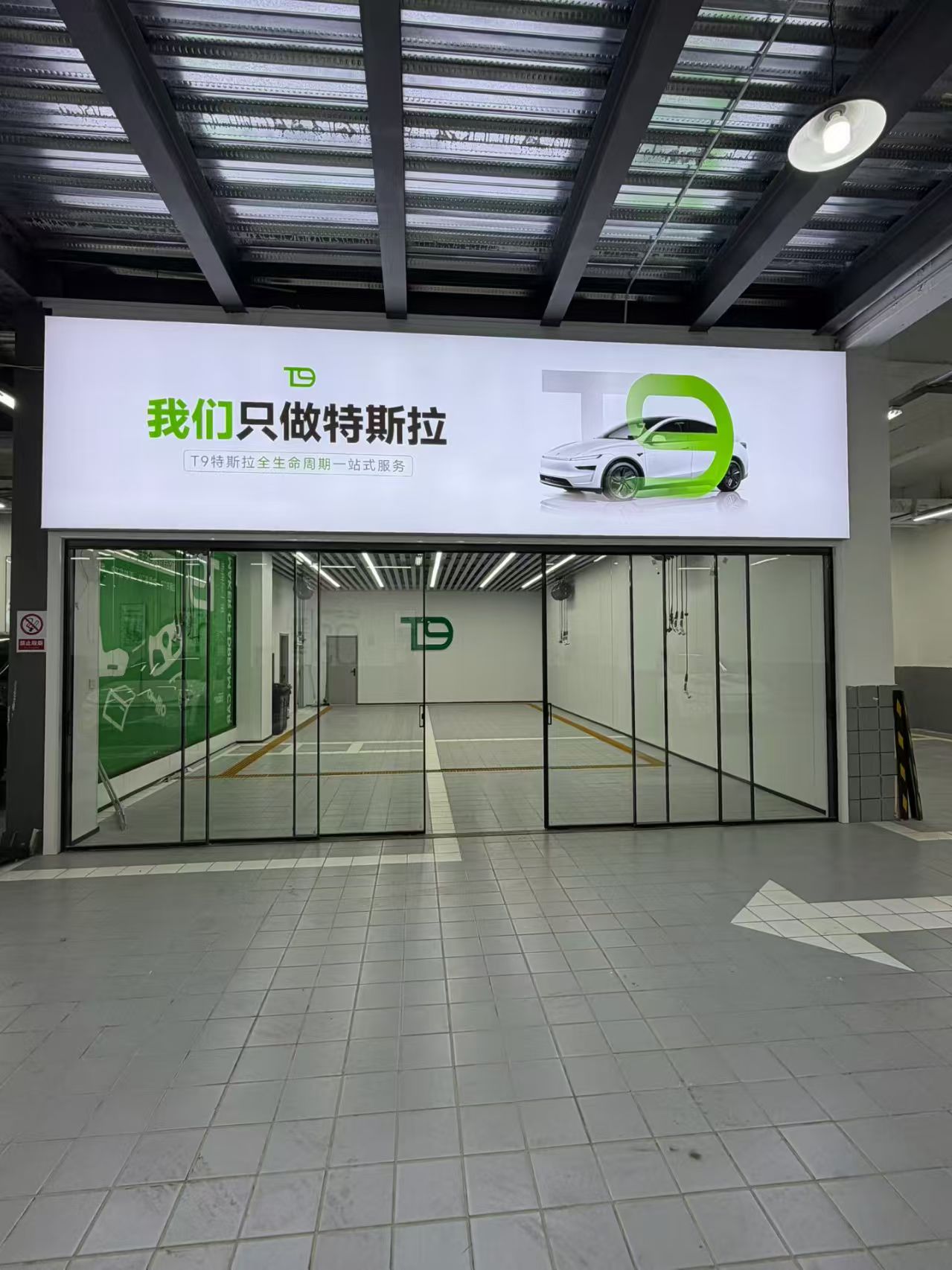
Next step: if you are specifying window film for a Model 3, Model Y, New Y or New 3 - or building a film line into a distribution catalogue - request a consultation and quotation from T9 EV Station, and compare films on TSER, IRER and VLT before you decide.
Website: WWW.T9EVPARTS.COM | Email: cn.johnchen@gmail.com | WhatsApp: +86 138-5804-5521
Download the T9 EV Station brochure (PDF): T9 EV Station company brochure