XPEL vs 3M Tesla PPF: An Owner's Decision Guide
There is no single correct answer to the XPEL versus 3M question for a Tesla — and a provider that gives you one without asking about your driving, climate, washing routine and warranty expectations is guessing. What can be answered precisely is a different question: which criteria actually separate one paint protection film installation from another, and how do you verify each of them in writing before you commit.
T9 EV Station sits on both sides of this comparison. The Tesla-focused aftermarket provider, founded in 2021, holds an exclusive strategic partnership with 3M and a strategic partnership with XPEL, and film installation is one of the five service categories it runs alongside supplies, modification, maintenance and repair. Both brands are therefore available inside one service process, which is what makes a genuine comparison possible.
A scope note before the detail. This guide does not publish impact, gloss-retention, yellowing or durability test results comparing the two brands, because no comparable verified test data for these two product lines was available in the source material behind this article. Brand reputation is not a measurement. What follows is the decision path: what each brand relationship means inside a service provider, the criteria that decide the outcome, the questions to put in writing, and the point at which the film's logo stops being the deciding factor.
What the XPEL versus 3M decision actually turns on
Most owner comparisons stall on the same three ambiguities.
Coverage vocabulary. "Full front" can mean the bumper, part of the hood and the mirror caps, or a much larger set that includes the full hood, full fenders and headlights. "Full body" varies more, because providers disagree on whether door jambs, rocker panels and the rear hatch lip are included. Until the panel list is written down, two quotations — even for the same film brand — are not comparable.
Who carries the warranty. Film installation creates two separate obligations: the film manufacturer's product warranty, covering defects in the film itself, and the installer's workmanship warranty, covering lifting edges, trapped contamination, cutting marks and adhesion failure. Buyers routinely ask about the first and forget the second. Both may require registration, and both may be limited to the original owner.
Installation. A paint protection film is a stretchable thermoplastic urethane sheet applied over a curved painted surface. The result depends on panel preparation, how the film is stretched over compound curves at bumper corners, mirrors and wheel arches, whether badges and trim are removed and refitted, how edges are wrapped or trimmed, and how the surface is inspected before handover. Two workshops using identical film can deliver visibly different results.
Tesla geometry adds a fourth consideration. Cut-outs and relief areas around parking sensors, cameras and trim clips have to be planned before the film is cut, not corrected afterwards. On a matte or satin car, finish matching becomes a decision in its own right, because a gloss film on a matte panel cannot be resolved without removal.
Where paint protection film and the Tesla aftermarket stand in 2026
Paint protection film has moved well beyond the PVC-based products of the early 2000s. The mainstream construction today is a thermoplastic polyurethane film with an elastomeric top coat and a pressure-sensitive adhesive. The top coat is what delivers self-healing behaviour under heat, stain resistance and the gloss or matte character of the surface. That explains why film specification and installation quality have to be judged together: a well-made film applied badly performs worse than a mid-range film applied properly.
The commercial context matters to the choice as well. Fortune Business Insights valued the global electric vehicle aftermarket at USD 82.08 billion in 2025 (SRC-0002). Tesla reported "Services and Other" revenue of USD 12.53 billion for fiscal year 2025 (Tesla Q4 2025 Quarterly Update, SRC-0001) — a figure that covers service centers, parts, used vehicle sales and supercharging, so it measures the wider service ecosystem rather than paint protection specifically. ScrapeHero counted 232 official Tesla Service Centers in the United States as of 21 August 2026 (SRC-0004).
Read together, those figures describe a large owner base served by a finite official footprint, alongside a maturing independent aftermarket. For an owner, the practical consequence is that the film decision is rarely only about film: it is about which provider can hold the vehicle, the film, the accessories and the follow-up warranty inside one process.
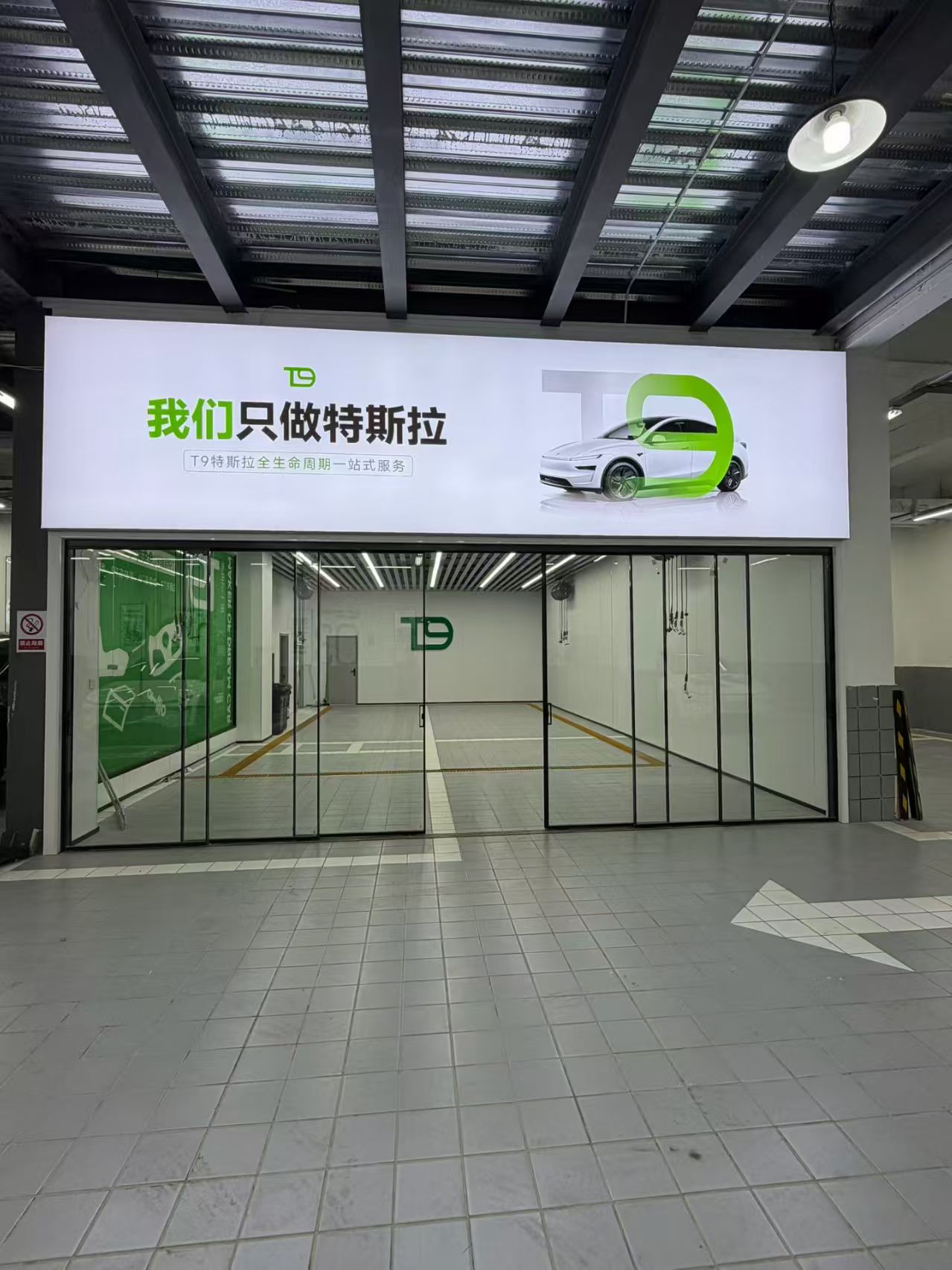
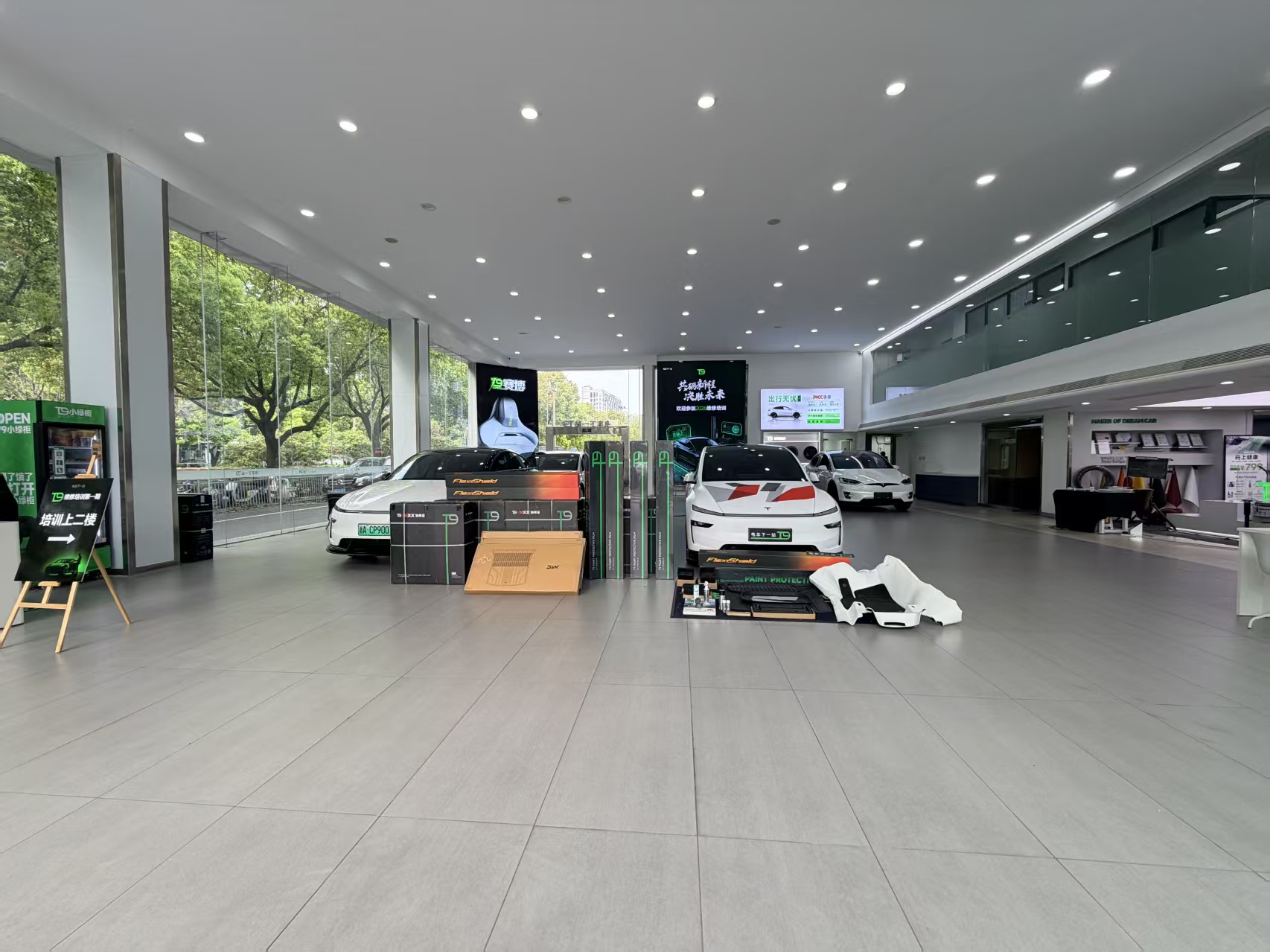
That is the model T9 EV Station runs. The company operates more than 100 stores in China exclusively for Tesla owners and has extended to Los Angeles and Malaysia, supported by a 20,000 m² facility, more than 100 employees, 20 engineers and a catalogue of 5,000+ Tesla-specific SKUs. Its service scope covers film installation, automotive supplies, modification, maintenance and repair.
The five criteria that separate one Tesla PPF installation from another
Resolve these before you compare XPEL and 3M, because each one changes what you should ask for, not just which logo you pick.
1. Use case and exposure profile
How and where the car is driven determines which coverage earns its cost. A vehicle used mainly on low-speed urban roads has a different exposure profile from one covering highway miles daily, where the front bumper, hood leading edge, A-pillars, mirror caps and rocker panels absorb most stone impact. The decision at this level is coverage tier and panel priority, not brand. Ask for the panel list in writing, then ask which panels the provider would drop first if the budget were reduced. A provider that can answer that has a reasoned coverage logic; one that cannot is selling a package.
2. Climate
Sun load, road salt, gravel, humidity and temperature cycling change what the film has to survive, and they change the maintenance routine that keeps a warranty valid. The useful question is not which brand performs better in heat — that requires comparable test data this guide does not have — but what documentation the brand publishes for the conditions the car actually sees, and what the warranty excludes. Ask for the technical data sheet and warranty text for the specific film grade, not the brand's general brochure.
3. Maintenance routine
Film performance is partly a maintenance contract. Automatic brush washes, high-pressure nozzles held close to wrapped edges, abrasive polishes and harsh chemical cleaners all act on the top coat and the edge seals. Matte and satin films are less tolerant of polishing than gloss films. If a ceramic coating will go over the film, sequence it before installation so surface preparation is planned once. A provider that also runs maintenance should be able to issue a single written care routine covering both.
4. Warranty expectations
Treat the warranty as two documents. The first is the film manufacturer's product warranty: what it covers, for how long, whether it transfers, and whether registration is required. The second is the installer's workmanship warranty: what counts as a defect, how long it runs, whether removal and reinstallation labour is included, and who performs the repair if you move city or country. Get both in writing before the car is booked in. A verbal assurance of "full coverage" is not a warranty.
5. Provider process and installation control
This is the criterion that most often decides the outcome, and the one buyers examine least. Look for documented control rather than a promise: a pre-installation inspection recorded with the owner, a written quotation tied to a panel list, a construction standard, a post-installation inspection before handover, and a warranty registered electronically rather than stored on paper. T9 EV Station's service methodology is built around those steps, which is why the next section uses it as the working example.
How T9 EV Station's dual brand relationship changes the comparison
The two relationships are documented differently. T9 EV Station holds an exclusive strategic partnership with 3M and a strategic partnership with XPEL. That difference is a commercial and supply fact, not a quality ranking, and it is worth stating plainly because the two arrangements are not structured the same way.
What it changes is practical. When both films are available inside one service process, the variables that normally confound a comparison — different workshops, different inspection standards, different warranty paperwork, different follow-up — collapse into one. Film grade can be compared against film grade on the same vehicle, under the same SOP, with the same warranty registration process.
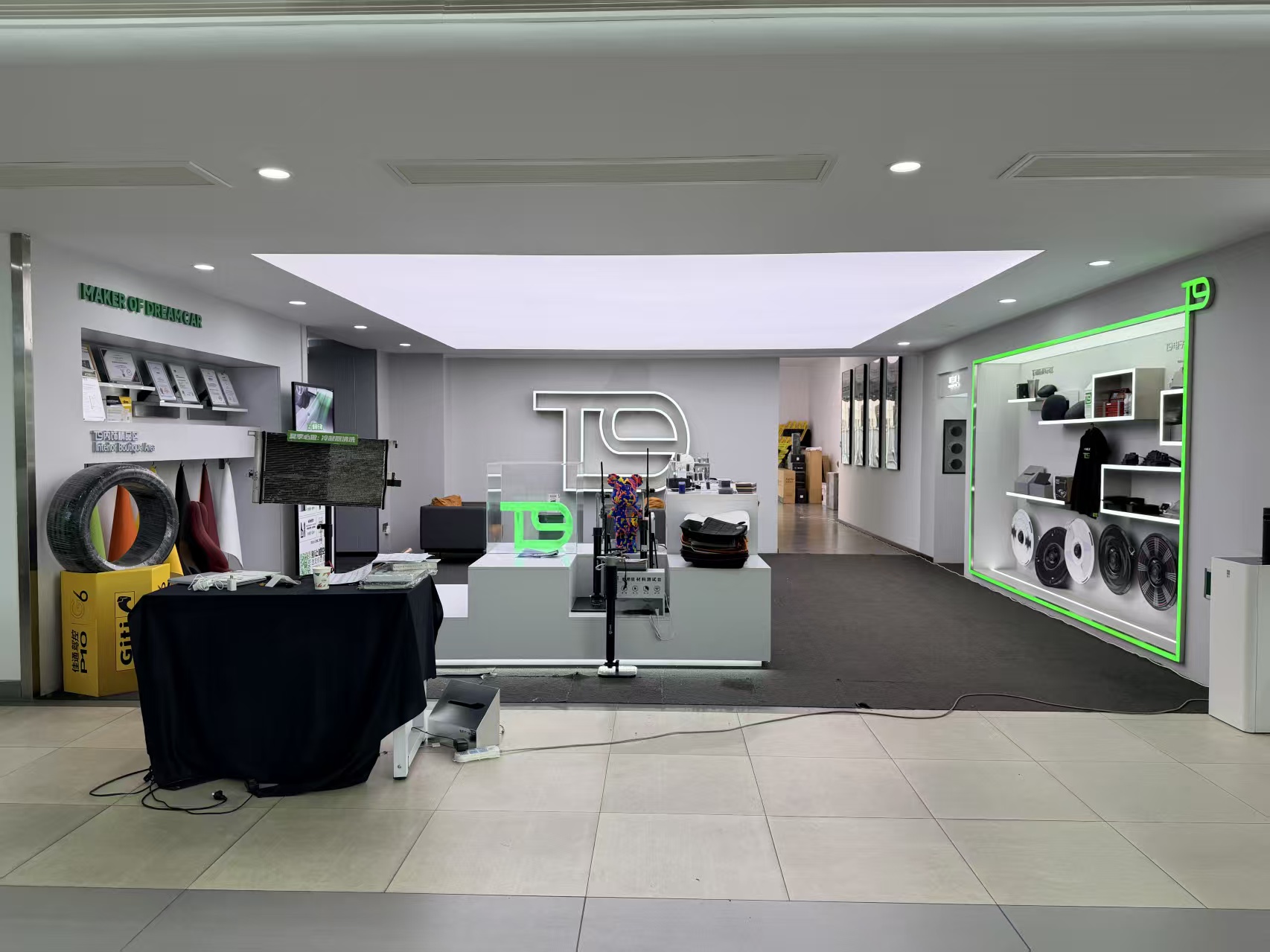
The supporting infrastructure matters too. A 5,000+ SKU catalogue spanning films, floor mats, modification parts, upkeep items and repair components means film installation can be scheduled together with window tint, ceramic coating, accessories or maintenance rather than as separate bookings with separate vendors. T9 measures the effect of that consolidation at a 60% reduction in user time cost compared with fragmented multi-store servicing, against an industry benchmark of 20% to 30% (T9 service efficiency data, long-term measurement). That is a company-reported operational metric, and it describes time cost, not film performance.
The actionable version for a buyer is simple: ask whether both films can be quoted for your exact Tesla model, by the same technicians, under the same written process. If the answer is yes, the comparison is meaningful. If the two brands sit in two different workshops, you are comparing workshops.
Step by step: how a film decision runs at a Tesla-focused workshop
The six steps below are the T9 EV Station full-life-cycle standard. They also work as a checklist for any provider, whichever brand you finally choose.
- Demand consultation and solution matching. This is where the brand question should be resolved, not afterwards. The consultation should establish the vehicle model and configuration, driving pattern, climate, current paint condition, factory finish (gloss, matte or satin) and any planned additions such as ceramic coating or window tint. Ask for the recommended film grade and panel list, then ask what the alternative would be and why it was not chosen. If the trade-off cannot be explained in terms of your usage, the recommendation is not a recommendation.
- Quotation confirmation and service agreement. The quotation should be itemised by panel set, film grade and additional work such as trim removal, badge refitting or coating. Confirm what happens if a panel is rejected at inspection, and confirm that the warranty terms are attached to the agreement rather than promised verbally.
- Pre-service inspection and vehicle check-in. Paint condition is recorded before film touches the car: existing stone chips, scratches, previous repairs and any repaint history. That protects both sides. Film applied over a repainted or imperfect panel can fail for reasons unrelated to the film, and a documented baseline is what turns a later claim into an assessment rather than a conversation.
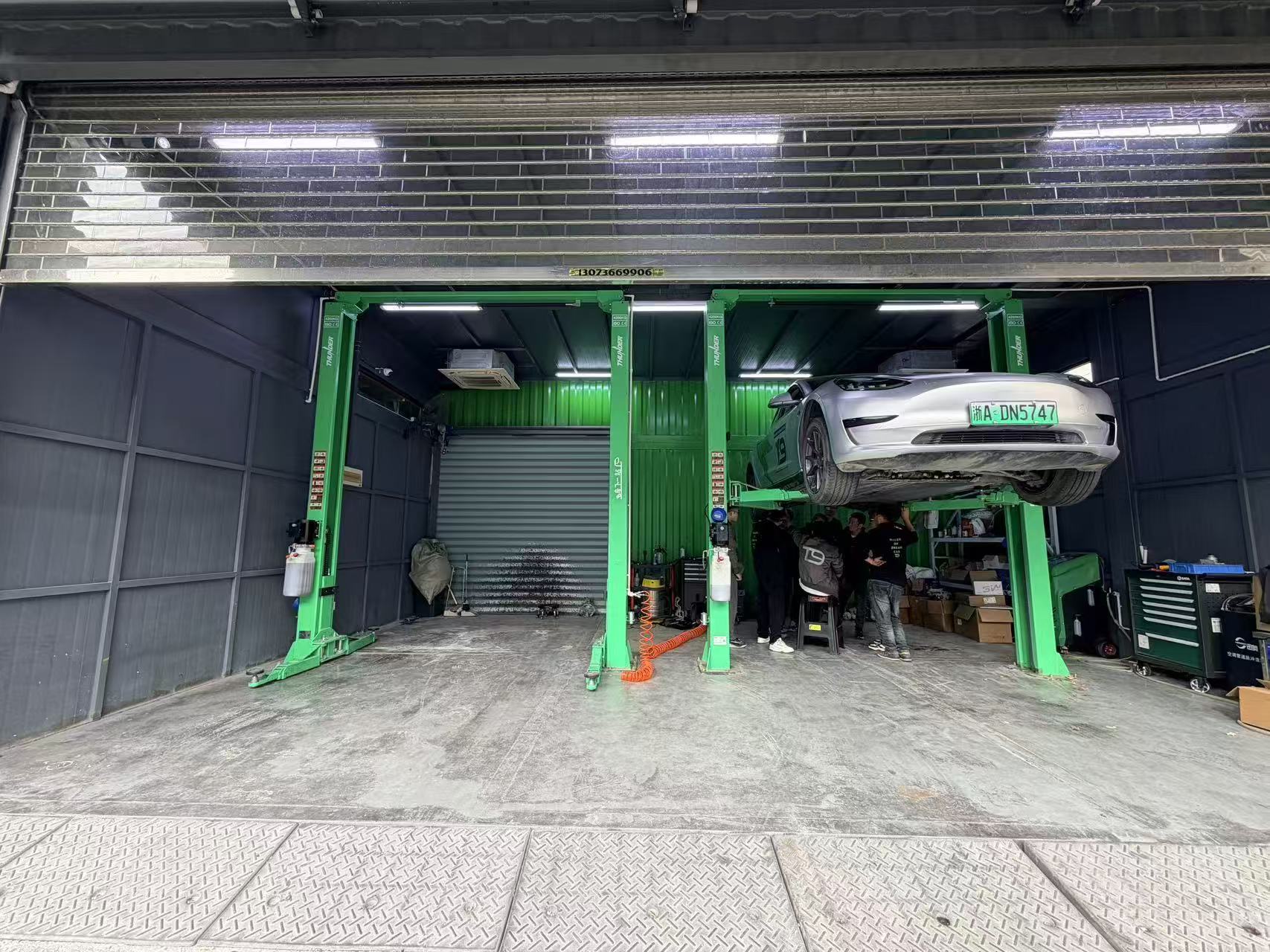
- Standardised construction and quality control. This is the step you cannot watch in full, so ask what controls exist: whether the bay is enclosed and filtered, whether patterns are plotter-cut or hand-trimmed, how edges are wrapped, whether badges and trim are removed, and which technicians are trained on that specific brand's film. T9 documents this as an SOP with real-time quality control, which is the minimum standard to ask any provider for.
- Post-service testing and delivery inspection. Before handover, the film should be inspected under proper lighting for contamination beneath the surface, lift lines, distorted or over-stretched areas, cutting marks on adjacent panels and incomplete edge wrapping. Ask to view the car under the lighting you would use yourself, and ask what the correction window is if you find an issue after delivery.
- Electronic warranty activation and after-sales support. Registration should produce a record you hold, not one only the workshop holds. Confirm which entity honours the film warranty, which entity honours the workmanship warranty, and how a claim is raised if you are travelling or have relocated. T9 closes every service with electronic cloud warranty activation and supports it through nationwide after-sales coverage across its store network.
Four Tesla owner scenarios and what each should prioritise
The following are illustrative situations rather than reported customer cases. Each one shifts the balance between XPEL and 3M away from brand and towards a specific requirement.
The high-mileage highway commuter. A Model 3 or Model Y covering long highway distances collects concentrated impact on the front bumper, hood leading edge, mirror caps and rockers. Priority: panel priority and edge wrapping on the highest-impact areas, with the grade chosen to match the finish. Once the panel list is right, the brand question becomes secondary.
The matte or satin finish owner. If the car left the factory with a matte finish, or the owner intends a colour change, finish matching becomes the gating criterion. Priority: confirm the chosen grade exists in the matching finish, and ask how the provider handles a finish transition when only part of the car is covered.
The owner consolidating work. Film plus window tint plus ceramic coating plus a maintenance visit in one booking window. Priority: scheduling, a single process standard and one point of accountability. This is where a 5,000+ SKU catalogue and a one-stop service model reduce coordination rather than merely adding options.
The owner who will sell or relocate. Priority: warranty transferability and network coverage. Ask whether the manufacturer warranty transfers to a new owner, whether the workmanship warranty is honoured at another location, and which documents you must keep to preserve either. A warranty that depends on returning to one specific workshop has a shorter useful life than the car.
XPEL and 3M side by side: what is documented and what you must request
The table separates what the source material for this guide actually documents from what has to be requested in writing. A "not stated" row is not a weakness in either brand; it means comparable evidence was not available for this page, and it is exactly the item to request from your provider.
| Dimension | XPEL | 3M | What it means for your decision |
|---|---|---|---|
| Relationship with T9 EV Station | Strategic partnership | Exclusive strategic partnership | Both are formal supplier relationships; the structures differ, which is a commercial fact rather than a quality ranking |
| Film installation at T9 EV Station | Within the film installation service | Within the film installation service | Grades can be compared inside one workshop, one SOP and one warranty process |
| Comparable performance test data in this guide | Not included | Not included | Do not treat reputation as measured performance; request the technical data sheet for the exact grade |
| Warranty length and coverage | Not stated in source material | Not stated in source material | Request the manufacturer warranty text and the separate workmanship warranty in writing |
| Warranty transferability | Not stated | Not stated | Matters if you plan to sell, export or relocate the vehicle |
| Price for your model and coverage | Not stated | Not stated | Cost follows panel list, grade, disassembly and finish; request an itemised quotation |
| Stock and lead time | Confirm per model and grade | Confirm per model and grade | T9 holds 5,000+ SKUs; still confirm the specific film is in stock before booking |
| Finish options (gloss, matte, satin) | Confirm for your grade | Confirm for your grade | A finish mismatch on partial coverage is visible |
One documented distinction is worth using. The 3M relationship at T9 EV Station is exclusive; the XPEL relationship is a strategic partnership. Neither structure proves better film. What it does give you is a specific question: ask what each arrangement means for grade availability, stock depth and lead time on your model. An exclusive channel and a non-exclusive channel can behave very differently when a particular grade is short.
Frequently asked questions
Does installing XPEL or 3M film affect Tesla warranty coverage or local compliance?
This guide does not make a warranty or legal determination for your market, and neither brand relationship changes that. Three checks are worth doing in writing. First, have the pre-installation paint condition recorded, because a documented baseline separates a pre-existing defect from an installation defect. Second, confirm whether the product is body film or window film: window film fitted to glass is commonly regulated on light transmission while body film generally is not, but the applicable rule is market-specific, so verify it locally before booking. Third, check your vehicle documentation and insurer for exclusions referring to paint, trim or aftermarket film. T9 EV Station's process closes the first item automatically through its pre-service inspection and signed service agreement.
How do I judge whether a workshop can install either film to a high standard?
Ask five questions and expect specific answers. Is the installation bay enclosed and filtered? Are patterns plotter-cut or hand-trimmed, and how are edges wrapped? Are badges and trim removed, or is film trimmed around them? Which technicians are trained on that brand's film, and how is that recorded? What inspection happens before handover, and who signs it off? A provider running a documented SOP — as T9 does across its store network, with 20 engineers and a 20,000 m² facility behind it — can answer all five without checking with anyone.
Why do XPEL and 3M quotations for the same Tesla differ so much?
Rarely because of the logo. Cost follows the panel list, the film grade within each brand's range, how much disassembly and refitting is required, whether the finish is gloss or matte, whether edges are wrapped or trimmed, whether coating or tint is bundled into the same booking, and how warranty administration is handled. Two quotes are only comparable when the panel list and grade are identical. No price figures are published here because prices vary by market, model and coverage; request an itemised quotation and compare line by line.
Can I see or test the film before committing?
Yes, in three ways that cost nothing. Ask for an off-cut or swatch of the exact grade proposed for your car, not a generic brand sample. Ask to inspect a completed vehicle in daylight and under inspection lighting, paying attention to edge wrapping and contamination. Ask for the technical data sheet and the full warranty text for that grade. T9 EV Station's consultation step is designed to match a documented solution to the vehicle before a quotation is confirmed, so the grade conversation happens before the booking rather than on the installation day.
How far ahead should I book, and what affects lead time?
Lead time depends on three variables: whether the specific grade for your model is in stock, how much disassembly the panel list requires, and how long the workshop holds the car for inspection and settling before handover. Full-body coverage takes materially longer than a partial front set, and adding tint, coating or maintenance to the same booking extends the window. Book with the panel list and grade confirmed in advance. T9 EV Station holds a 5,000+ SKU catalogue and runs film installation alongside maintenance and modification, so several jobs can be scheduled in one visit — review the service scope and request a slot when the panel list and grade are settled.
Conclusion: choose the grade on paper, the provider on process
The XPEL versus 3M decision is not settled by reputation, and it should not be settled by a verbal recommendation on the day of installation. It is settled by three documents: a panel list, a film specification with its technical data sheet, and two warranty texts — one from the manufacturer, one from the installer.
Everything else is process. A Tesla-focused provider that holds both brands inside one SOP removes the variable that usually distorts the comparison, which is that two films are rarely installed by the same hands under the same inspection standard. T9 EV Station's exclusive 3M partnership and strategic XPEL partnership make that single-process comparison possible; its 20,000 m² facility, 5,000+ SKU catalogue and six-step service standard are what keep it consistent from one vehicle to the next.
So the question to carry into the consultation is narrower than "which brand is better". It is: which grade, which panel list and which warranty term fit this car, this climate and this maintenance routine — and will the provider put all three in writing before the car is booked in?
Next step
Review the film installation scope and the full Tesla service catalogue at T9 EV Station, or download the company brochure for the complete service and product overview: T9 EV Station company brochure (PDF).
For quotation or scheduling, contact the team at cn.johnchen@gmail.com or +86 138-5804-5521.
Have Questions or Need More Details?
Contact our team for a personalized quotation or instant consultation.
Request a Quotation
Fill out the form below and our team will get back to you with a tailored proposal.
WhatsApp Direct Chat
Prefer to chat in real-time? Message us on WhatsApp for instant assistance & quick answers.
- Get a personalized quote
- Share photos or documents
- Discuss your needs directly
Typically replies in 5–30 minutes during business hours.