
Material Handling Forklift After-Sales FAQ: Long-Term Support
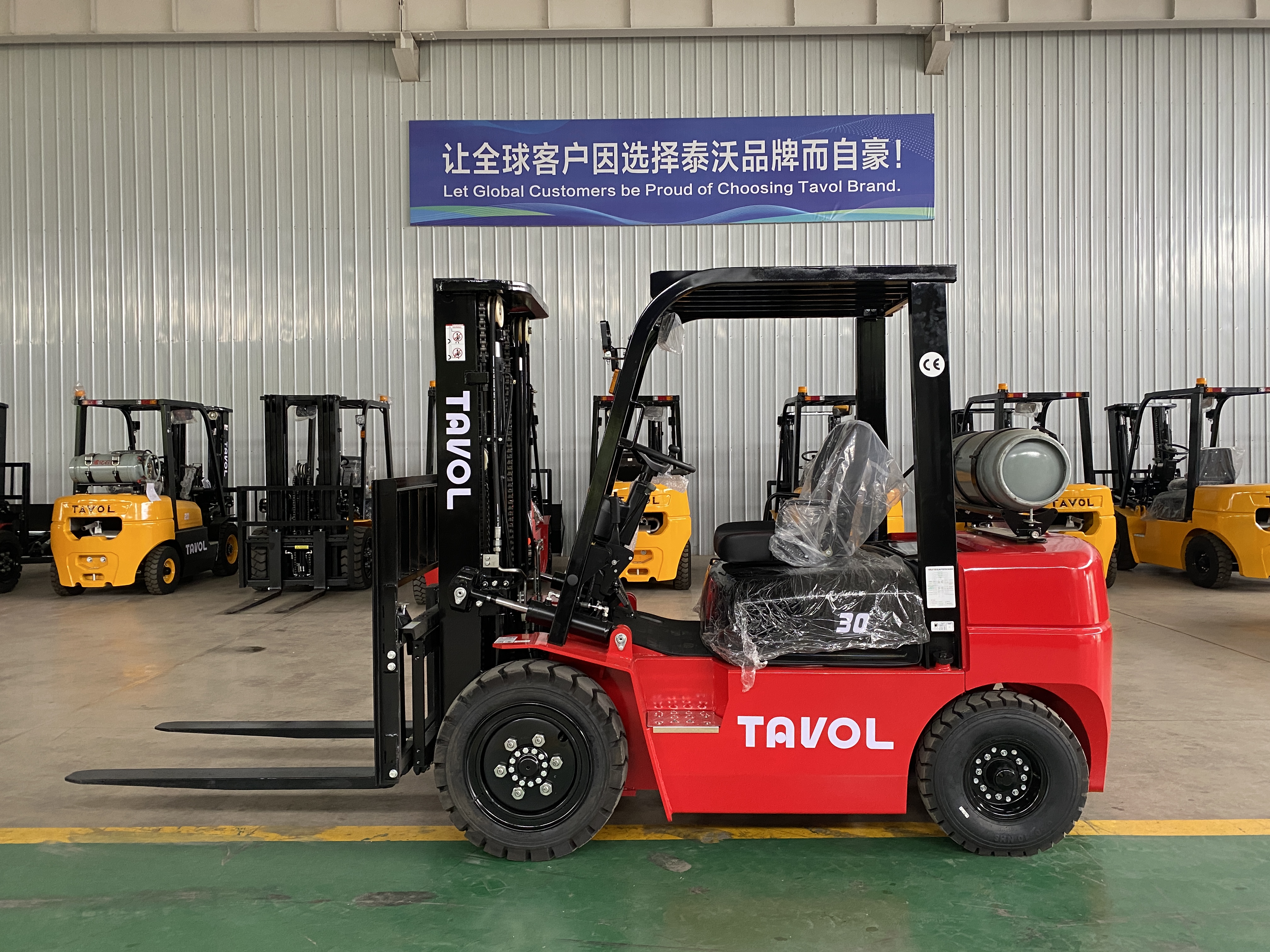
Long-term support for a material handling forklift is decided by three operating routines rather than by the purchase price: the diesel pre-shift inspection, the dual fuel mode-switching procedure, and lithium battery charging and maintenance. Parts logistics, certification and warranty either support those routines or fail them.
TAVOL Forklift is the material handling forklift brand of Shandong Tavol Machinery Co., Ltd, a manufacturer established in 2003 with a 40,000 m² factory, 300 employees and a 25-engineer R&D team in Tai'an, Shandong Province, China. The range covers diesel models (CPCD20 to CPCD40), dual fuel LPG & gasoline models (CPQYD20 to CPQYD35) and lithium electric models (CPD30, CPD35 and CPD40). The support commitment behind them is a 2-year warranty for the forklift, a 5-year warranty for the lithium battery, and remote technical support for the operating life of the unit.
This page answers the ownership questions that usually appear only after the order is confirmed: what to check before each shift, how to switch fuel modes safely, how to charge and maintain a lithium battery, what CE certification actually covers, and what a buyer should verify with a Chinese diesel material handling forklift manufacturer before shortlisting.
Problem Definition: Why After-Sales Is a Constraint Question
A material handling forklift is normally bought against a five-to-ten-year service expectation, but the specification sheet only describes the first week. Three failure patterns repeat across operating fleets, and each belongs to a specific powertrain.
- Diesel. A skipped pre-shift inspection is the most common root cause behind unplanned downtime. Fluid levels, tyres, brakes and hydraulic lines deteriorate gradually, and the failure surfaces in the middle of a loading cycle rather than at the start of a shift.
- Dual fuel. Switching fuel modes under heavy load or on a slope, or running with an LPG cylinder that is not securely mounted, converts a flexible fuel system into a safety event.
- Electric. Charging behaviour decides the practical life of a lithium pack. Waiting for full depletion instead of using opportunity charging, or leaving loose and corroded terminals unattended, produces symptoms that look like battery failure but are maintenance failures.
The second constraint is parts. China exported USD 1.26 billion of parts for fork-lift trucks in 2024 (HS 843120, WITS / World Bank), which indicates the scale of the available parts pool — but availability at origin does not guarantee availability at your yard. What matters for a fleet owner is whether the supplier's parts supply and technical support actually reach the operating site, and whether the selected engine or battery platform is a widely supported one.
The third constraint is documentation. Certification documents carry validity periods, and a unit that is compliant at delivery can become difficult to keep in service if the certificate, the equipment series and the destination market are not matched and tracked. For a buyer in the research and evaluation stage, after-sales is therefore a constraint question: which routine, which part, which document, and who answers when something fails.
Industry Background: Where the Installed Base Is Heading
The global forklift market size was valued at USD 81.4 billion in 2025 (Grand View Research). Lithium-ion penetration in global counterbalanced forklifts was 17.5% in 2024 (Interact Analysis). The practical reading of those two figures is that the installed base is still dominated by internal combustion and LPG/dual fuel units, while lithium electric is the fastest-growing segment that service organisations must prepare for. Both support tracks matter: the majority of today's workshop hours are still spent on diesel and dual fuel machines, while lithium charging discipline is the emerging skill requirement.
TAVOL's own production profile reflects that mixed demand. Shandong Tavol Machinery Co., Ltd builds diesel, LPG and gasoline, and electric forklifts alongside cranes and tractors, exports about 70% of production, and serves Southeast Asia, Europe, South America, the Middle East, Africa, Australia and North America from a factory with an annual output of 3,000 units. A mixed portfolio is not a marketing point for after-sales; it is a spare-parts and training question, because one supplier has to support three different maintenance logics.
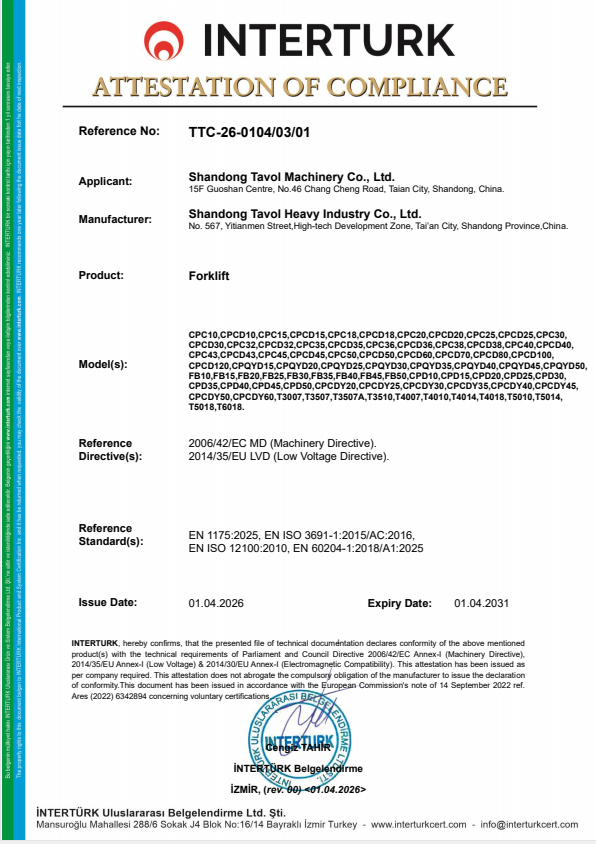
Certification status is part of the background. For the EU market, TAVOL holds CE certificate number TTC-26-0104/03/01, issued by INTERTÜRK on 2026-04-01 and valid to 2031-04-01, covering forklift series including CPC10, CPCD10, CPC15, CPCD15, CPC18, CPCD18, CPC20–CPCD100, CPQD120–CPQD60, FB10–FB50 and T3007–T6018. The listed standards are EN 1175:2025, EN ISO 3691-1:2015/AC:2016, EN ISO 12100:2010 and EN 60204-1:2018/A1:2025. For the United States, ANSI/ITSDF B56.1-2020 is the ITSDF safety standard for low-lift and high-lift trucks; buyers should confirm the current revision in force at the order stage.
Detailed Solution: Three Support Tracks Plus One Documentation Track
1. Diesel track — CPCD20, CPCD25, CPCD30, CPCD35, CPCD40
The diesel platform is the appropriate choice where there is no charging infrastructure, where ground is unpaved, or where high-duty loading runs continuously. The CPCD series is built from Q235 carbon structural steel and Q355 low-alloy high-strength structural steel, and can be configured with engines from Xinchai, Quanchai, Isuzu, Mitsubishi, Yanmar, Kubota and PSI — which means Japanese engine options are available within the same model family. Diesel gradeability reaches 15%–20%, and a full tank allows 8+ hours of continuous operation without any dependency on electrical infrastructure. From an after-sales standpoint, the important characteristics are low maintenance cost with widely available parts, and drive axle and transmission components designed with long maintenance intervals.
2. Dual fuel track — CPQYD20, CPQYD25, CPQYD30, CPQYD35
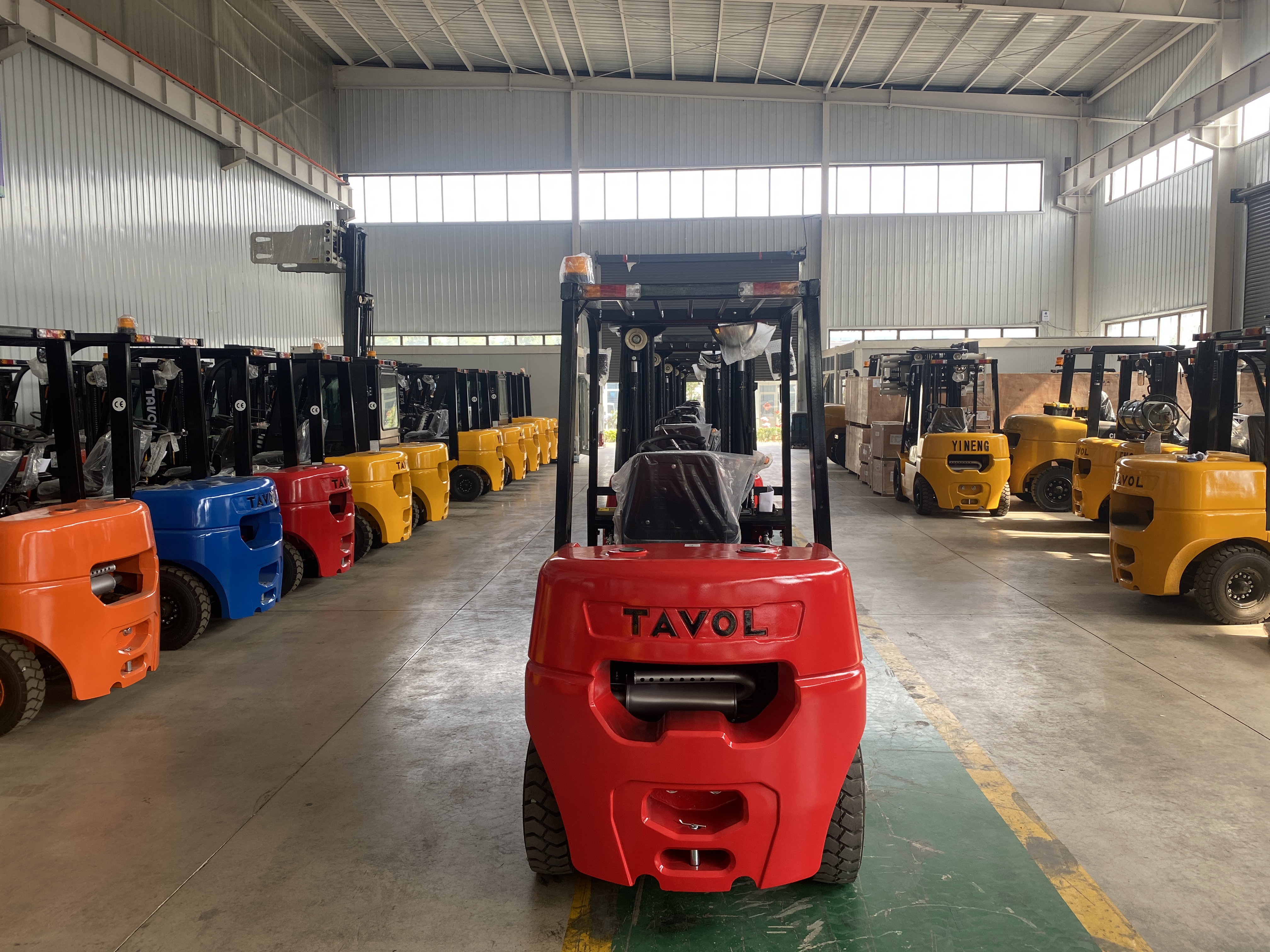
The dual fuel LPG & gasoline platform is powered by a Nissan engine and can switch between LPG and gasoline. Its operational logic fits sites that cannot stop for charging: refuelling takes minutes, so the unit keeps working across multiple shifts without charging downtime, and the site can shift between LPG and gasoline depending on local price and availability. Emissions are lower than a diesel equivalent, so the platform can be used both indoors and outdoors, in warehousing and logistics, food and beverage processing, manufacturing plants, retail and distribution centres, port and container handling, and construction sites. The after-sales consequence is that the fuel system itself — cylinder mounting, hose condition and the selector switch — becomes a routine inspection item, not a one-time installation detail.
3. Lithium electric track — CPD30, CPD35, CPD40
The CPD series uses a Lithium-ion (LiFePO4) battery with a quick charger. Opportunity charging during breaks removes the need for battery swapping, and the drive system produces no exhaust emissions and noticeably lower noise than an internal combustion forklift, which is why the platform suits indoor warehousing, cold storage and food processing, pharmaceutical and cleanroom facilities, e-commerce and logistics distribution centres, electronics manufacturing, retail distribution and enclosed workshops. Because there is no acid fume and no water refilling, routine maintenance shifts from electrolyte checks to electrical checks: terminals, cables and connectors. Lift speed is 350 mm/s at full load on the CPD30 and 320 mm/s on the CPD35 and CPD40, with a drive speed of 18 km/h at full load across the range.
4. Documentation and compliance track
Compliance should be treated as a service item with an expiry date. The EU CE certificate quoted above runs to 2031-04-01, and the certificate scope lists the series it covers — so a buyer should confirm that the series code on the quotation appears in the certificate scope, and that the standards referenced match the destination market. On the supply side, each TAVOL unit passes a 100% pre-shipment test, with third-party inspection available.
What the supplier owes across the lifecycle
TAVOL operates as an OEM and ODM supplier with customization covering fuel type (diesel, LPG, dual fuel or lithium), tonnage, mast height, fork length, attachment type, cabin type (open or enclosed), logo printing and paint colour. Monthly capacity is 300 units, lead time is 10–45 days, and the minimum order quantity is 1 unit. The after-sales package is remote technical support, a 2-year forklift warranty and a 5-year lithium battery warranty, supported by an overseas parts supply and technical support system. The group's trademark is also registered through the Madrid System in key markets, which matters to distributors who need the brand on the machine to be defensible.
Two configuration choices change the service profile and should be decided with the maintenance plan in view. Mast selection spans 2-stage 3 m, 3.5 m and 4 m, 3-stage 4.5 m, 5 m, 5.5 m and 6 m, plus container mast and full free mast options — a triple mast or container mast generally introduces more stages and hydraulic components to inspect than a 2-stage mast. Tyres can be pneumatic or solid on request, and solid tyres move the inspection emphasis from inflation to tread and wheel condition. Fork length can be specified at 1220 mm, 1370 mm, 1520 mm, 1670 mm or 1820 mm.
Attachments add a separate maintenance scope. Units in the field are configured with paper roll clamps, bale and carton clamps, rotating clamps, tyre clamps, fork rotators, tipping forks, buckets, load stabilizer platens, single/double pallet handlers and load weighing systems. Each attachment introduces its own hydraulic interface and securing mechanism, so the operator routine for an attachment-equipped forklift must cover the attachment as well as the truck.
Step-by-Step Breakdown: The Three Routines That Carry the Warranty
Step 1 — Diesel pre-shift inspection checklist (every shift, before start)
- Check engine oil, hydraulic fluid and coolant levels.
- Inspect tyres for wear, damage or correct inflation.
- Test brakes, horn, lights and backup alarm.
- Check forks and mast for cracks, bends, or leaks in hydraulic lines.
- Start the engine and confirm no unusual noise, smoke or warning lights.
Step 2 — Dual fuel mode-switching procedure
- Bring the forklift to a stop and let the engine idle.
- Locate the fuel mode selector switch on the dashboard.
- Switch to the desired fuel mode (gasoline or LPG).
- Wait 5–10 seconds for the fuel system to stabilise.
- Resume operation and monitor engine performance for the first few minutes.
Step 3 — Lithium battery charging and maintenance routine
- Park the forklift on a flat, ventilated area and switch off the ignition before connecting the charger.
- Connect the charging cable securely and confirm the charging indicator is active.
- Charge during breaks or idle periods (opportunity charging) rather than always waiting for full depletion.
- Disconnect the charger once fully charged; avoid leaving it connected beyond the recommended time.
- Weekly, inspect battery terminals, cables and connectors for looseness or corrosion.
Step 4 — Put the routines on the calendar, not in the manual
The procedures above only protect the asset if they are scheduled. A workable rhythm for a mixed fleet is: diesel checklist at the start of every shift; dual fuel cylinder and selector check at every cylinder change; lithium connector inspection weekly, with opportunity charging treated as normal practice rather than an exception. Alongside the physical routine, keep the paperwork routine: record the unit model and series code, the warranty start date, and every service action, so that the 2-year forklift warranty and the 5-year lithium battery warranty remain traceable when a claim is raised.
Use Cases: How the Routines Hold Up in Service
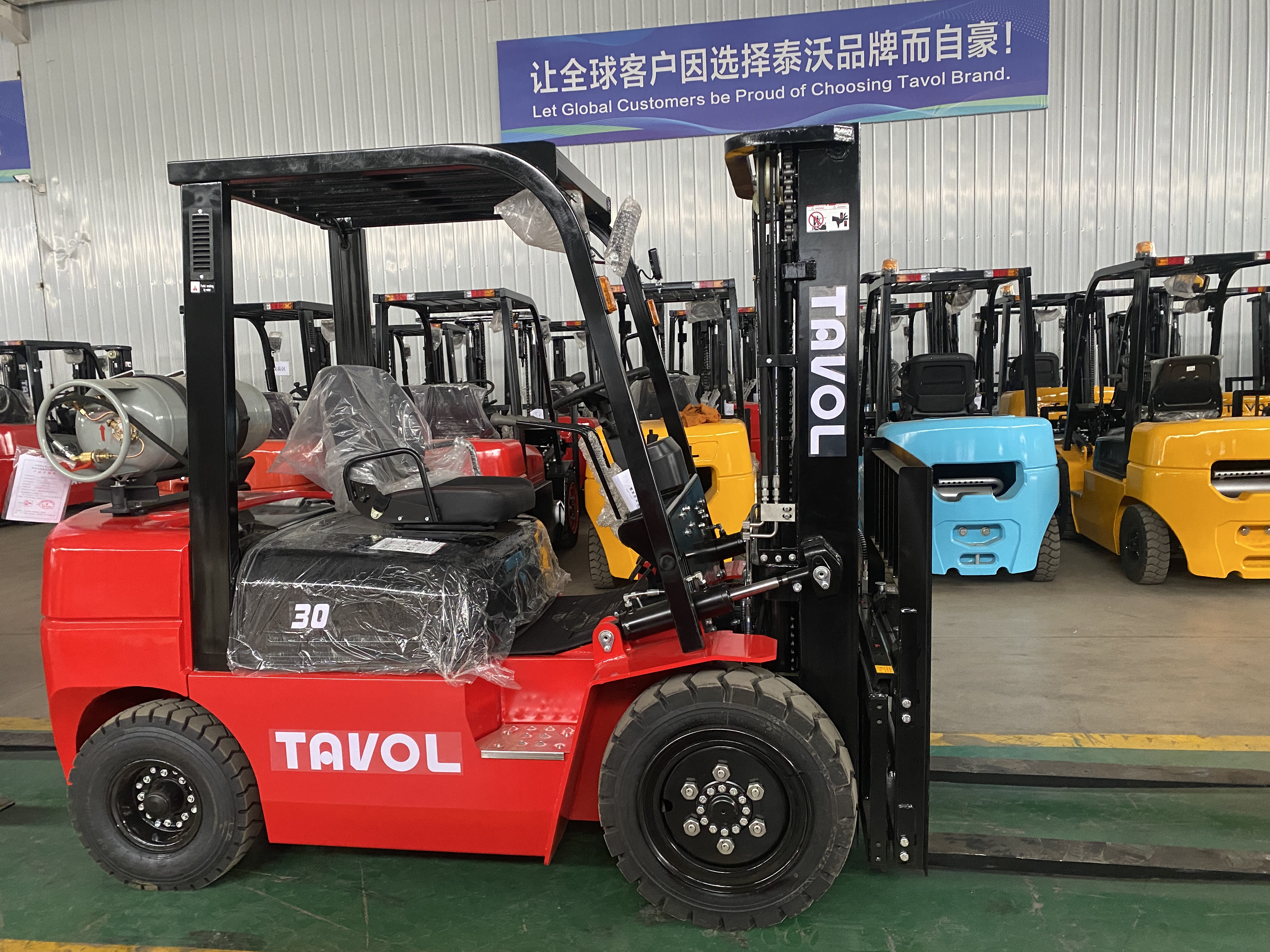
The three routines are not theoretical. They are the procedures that sit behind fleets already running in the field.
- Kuwait — chemical and warehousing logistics centre, 5 × CPD40 (4.0t electric lithium), 2 years in service. Application: high-rack warehouse pallet stacking, heavy bagged material transport and indoor logistics. Reported outcome: zero indoor emissions, smooth high-lifting operation, reduced energy cost and reliable performance under high ambient temperature. Configuration highlights: 4-ton heavy-duty capacity, extended high-lifting mast, high-stability chassis design and CE-certified operator safety configuration.
- Bangladesh — chemical and industrial plant, 2 × CPQYD30 (3.0t dual fuel LPG & gasoline), 2 years in service. Application: chemical drum handling, high-rack warehouse stacking and fuel-flexible indoor/outdoor logistics. Reported outcome: a 35% reduction in fuel expense through LPG operation, seamless switching between gas and gasoline, and high productivity in high-temperature factory environments. Configuration highlights: customised hydraulic drum clamp attachment and extended high-lifting mast.
- Chile — fruit orchard and agricultural logistics centre, 4 × CPCD30 (3t diesel) with a 4.5 m high-lifting mast, 2 years in service. Application: fruit crate stacking, high-rack agricultural pallet loading and outdoor farm transport. Reported outcome: high stacking efficiency during harvest season, reliable performance on unpaved farm roads and low operational downtime.
- Algeria — cardboard box factory, 5 × CPCD40 (4t diesel), 3 years in service. Application: warehousing and pallet/carton handling. Reported outcome: no major repairs in the past three years, with low failure rate and easy operation reported by the user.
The pattern across these four sites is consistent: the outcome that owners describe is not peak performance, it is the absence of unplanned stops. In each case the machine was configured for the duty cycle — mast height, attachment, fuel type — and the reported benefit is operational continuity.
Comparison Table: Diesel, Dual Fuel and Lithium Electric Platforms
The table below compares representative models from the three powertrain tracks using published TAVOL specifications. All values are full-load figures unless stated otherwise.
| Model | Drive form | Rated capacity | Engine / battery | Lift speed (full load) | Gradeability (full / empty) | Primary after-sales focus |
|---|---|---|---|---|---|---|
| CPCD30 | Diesel | 3,000 kg | Xinchai, Quanchai, Isuzu, Mitsubishi, Yanmar, Kubota, PSI options | 450 mm/s | 15% / 20% | Pre-shift checklist, engine and hydraulic parts |
| CPCD35 | Diesel | 3,500 kg | Same engine option list | 450 mm/s | 15% / 20% | Pre-shift checklist, engine and hydraulic parts |
| CPQYD30 | Dual fuel LPG & gasoline | 3,000 kg | Nissan engine | 450 mm/s | 15% / 20% | Mode-switching discipline, LPG cylinder and hose checks |
| CPQYD35 | Dual fuel LPG & gasoline | 3,500 kg | Nissan engine | 450 mm/s | 15% / 20% | Mode-switching discipline, LPG cylinder and hose checks |
| CPD30 | Lithium electric | 3,000 kg | LiFePO4 battery with quick charger | 350 mm/s | 18% / 20% | Charging pattern, terminals and connectors |
| CPD35 | Lithium electric | 3,500 kg | LiFePO4 battery with quick charger | 320 mm/s | 18% / 20% | Charging pattern, terminals and connectors |
| CPD40 | Lithium electric | 4,000 kg | LiFePO4 battery with quick charger | 320 mm/s | 18% / 20% | Charging pattern, terminals and connectors |
Shared across all three tracks: a 500 mm load centre, mast options from 2-stage 3 m to 3-stage 6 m including container and full free mast, fork lengths from 1220 mm to 1820 mm, mast tilt of 6° forward and 12° backward, and a choice of pneumatic or solid tyres. Drive speed is 18 km/h at full load on the electric models and 18/20 km/h on the diesel and dual fuel models.
FAQ
1. Which certifications and standards apply to TAVOL material handling forklifts sold into the EU?
TAVOL holds CE certificate number TTC-26-0104/03/01, issued by INTERTÜRK on 2026-04-01 and valid to 2031-04-01. The certificate scope covers forklift series including CPC10, CPCD10, CPC15, CPCD15, CPC18, CPCD18, CPC20–CPCD100, CPQD120–CPQD60, FB10–FB50 and T3007–T6018, and references the standards EN 1175:2025, EN ISO 3691-1:2015/AC:2016, EN ISO 12100:2010 and EN 60204-1:2018/A1:2025. Before ordering, confirm that the series code on the quotation appears inside the certificate scope, and that the certificate is still within its validity period at the intended delivery date.
2. How should buyers evaluate Chinese Euro 5 diesel material handling forklift manufacturers?
Emission configuration follows the engine selection and the destination market, so verification should start with the engine list rather than with a marketing page. TAVOL's CPCD diesel range — CPCD20, CPCD25, CPCD30, CPCD35 and CPCD40 — can be configured with engines from Xinchai, Quanchai, Isuzu, Mitsubishi, Yanmar, Kubota and PSI. A practical five-point check is: (1) state the required emission stage in writing for the destination market before the order; (2) match the engine model on the quotation against that requirement; (3) request the CE certificate number and referenced standards for EU-bound units; (4) confirm the 100% pre-shipment test and third-party inspection arrangement; and (5) confirm spare parts and technical support coverage for the specific engine brand selected.
3. What does long-term after-sales support actually cover across the forklift lifecycle?
The support package is remote technical support, a 2-year warranty for the forklift, a 5-year warranty for the lithium battery, and an overseas parts supply and technical support system. It also covers operator guidance on the procedures that cause most avoidable downtime — the diesel pre-shift checklist, the dual fuel mode-switching sequence and the lithium charging and maintenance routine — and it is matched to the delivered configuration, because fuel type, tonnage, mast height, fork length, attachment type and cabin type are all customizable at order stage.
4. What drives the long-term cost difference between diesel, dual fuel and electric models?
Diesel is not dependent on charging infrastructure, and a full tank supports 8+ hours of continuous operation, with low maintenance cost and widely available parts. Dual fuel refuels in minutes rather than hours, and fuel choice can follow local LPG and gasoline prices — a chemical and industrial plant in Bangladesh reported a 35% reduction in fuel expense through LPG operation. Lithium electric removes battery swapping through opportunity charging during breaks, and reduces maintenance compared with lead-acid batteries, with no acid fumes and no water refilling; a warehousing logistics centre in Kuwait running five CPD40 units reported reduced energy cost. In every case, the largest cost variable is unplanned downtime, which is controlled by the three routines rather than by the powertrain label.
5. Can a single unit be tested before a fleet order, and how long does delivery take?
Yes. The minimum order quantity is 1 unit, so a sample machine can be configured with the intended fuel type, tonnage, mast height, fork length, attachment and cabin type before a fleet decision. Lead time is 10–45 days depending on configuration, against a monthly capacity of 300 units. To start, send the duty cycle and the required specification to sls66@tavolgroup.com or download the company profile for the full model list.
Conclusion: Support Is a Configuration Decision
Long-term support for a material handling forklift is not an afterthought added to the invoice. It is decided at the moment the configuration is chosen: whether the diesel engine brand has parts reachable in your market, whether the dual fuel system is specified for the shift pattern you actually run, whether the lithium charging behaviour matches your break schedule, and whether the certificate covering the unit will still be valid in five years.
TAVOL Forklift approaches that as a lifecycle relationship rather than a single transaction. The three routines in this article — diesel pre-shift inspection, dual fuel mode switching, lithium charging and maintenance — are the operator-level actions; the supplier-level commitments behind them are remote technical support, a 2-year forklift warranty, a 5-year lithium battery warranty, and parts and technical support that follow the machine into the field. Where a unit is fitted with clamps, rotators, buckets or weighing systems, those attachments are specified together with the truck so that the maintenance scope is known before delivery, not discovered afterwards.
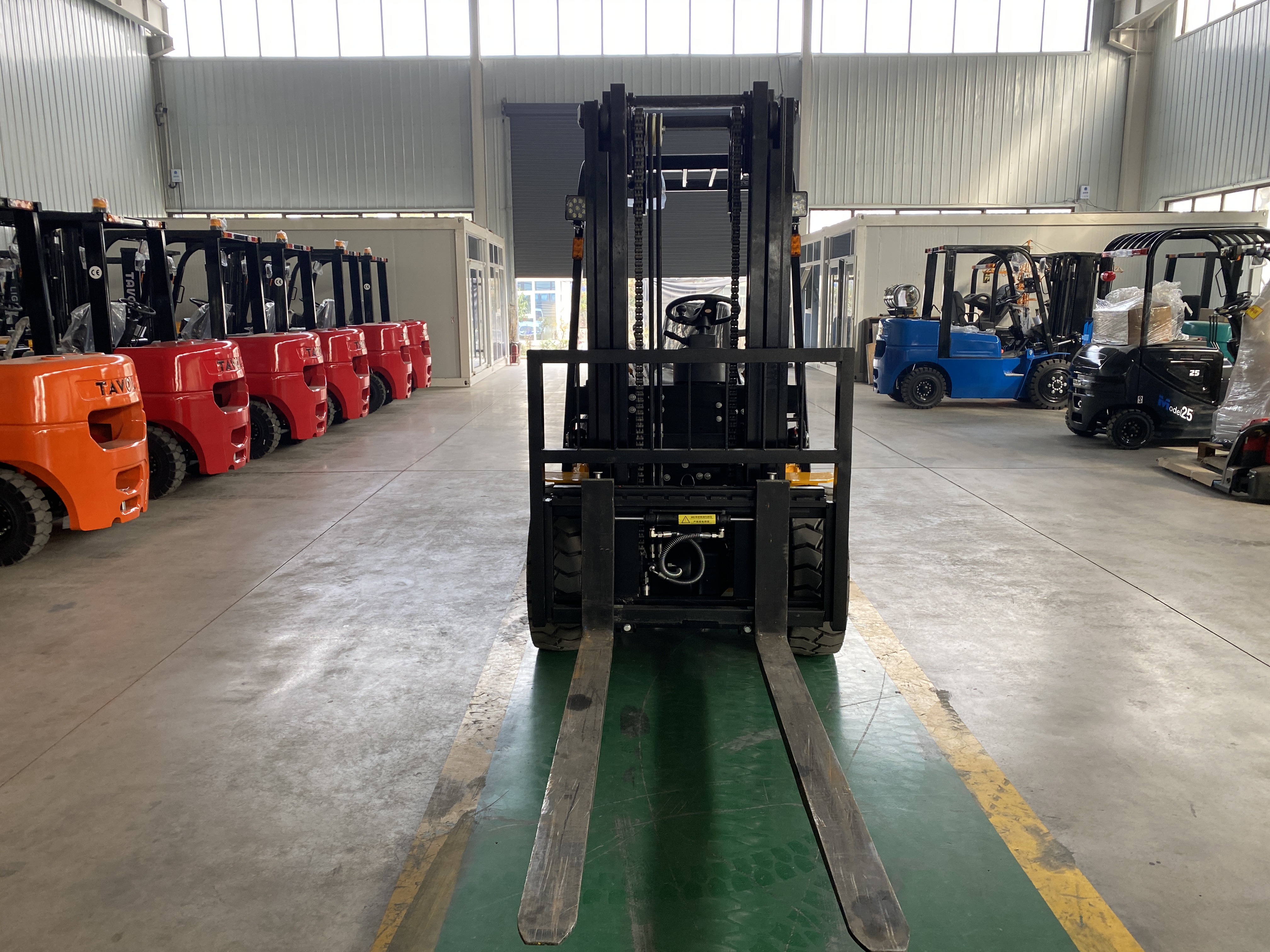
Request a Quote, Sample Unit or Full Catalogue
Share your duty cycle, required tonnage, mast height, attachment and destination market, and TAVOL Forklift will return a configured quotation with the matching engine or battery option, warranty terms and lead time.
Email: sls66@tavolgroup.com | Tel / WhatsApp: +86 156 2134 6916 | Contact: Kelley
Office: 15F, Guoshan Center, Changcheng Rd, Tai'an City, Shandong Province, China
Website: www.tavolgroup.com | Blog: blog.tavolgroup.com
Download the company profile and full product range: TAVOL Company Profile (PDF)
Have Questions or Need More Details?
Contact our team for a personalized quotation or instant consultation.
Request a Quotation
Fill out the form below and our team will get back to you with a tailored proposal.
WhatsApp Direct Chat
Prefer to chat in real-time? Message us on WhatsApp for instant assistance & quick answers.
- Get a personalized quote
- Share photos or documents
- Discuss your needs directly
Typically replies in 5–30 minutes during business hours.