
Material Handling Forklift Supplier Evaluation: Delivery Assurance (Electric, Diesel & Dual Fuel)
Material Handling Forklift Supplier Evaluation: Delivery Assurance for Electric, Diesel and Dual Fuel
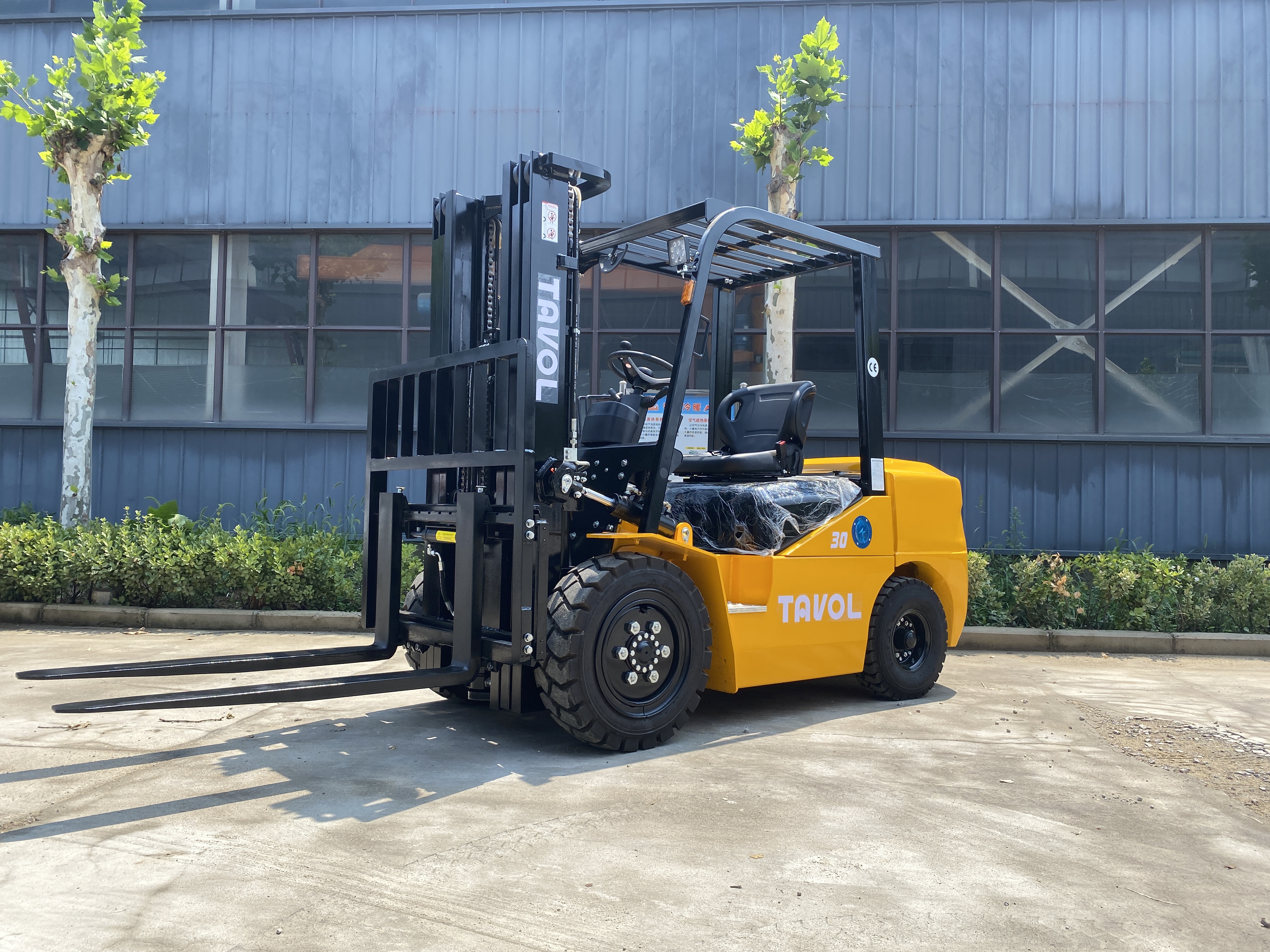
A material handling forklift is bought on a specification sheet, but it is delivered — or not delivered — on a supplier's production, documentation and parts system. This guide explains how to evaluate a forklift supplier's delivery assurance before purchase, using three powertrain families as the evaluation scope: electric, dual fuel LPG and gasoline, and diesel.
The working example is the TAVOL Forklift range from Shandong Tavol Machinery Co., Ltd., a material handling equipment manufacturer established in 2003 in Shandong, China, which researches, develops and produces diesel forklifts, LPG and gasoline forklifts, electric forklifts, overhead cranes, gantry cranes and tractors in-house. The sourcing contexts used throughout are outdoor yards, general cargo handling, manufacturing plants, and warehousing and logistics operations.
Answer first: treat every statement a supplier cannot document as a claim rather than a capability. A supplier that can document production capacity, per-model technical data, the operating procedures handed over with the machine, and written acceptance criteria is a supplier whose delivery can be planned around.
Problem Definition: Where Supplier Claims and Delivery Capability Diverge
Two suppliers can quote the same 3-ton diesel forklift, the same 3.5-ton dual fuel LPG and gasoline forklift, or the same 3-ton lithium electric forklift, and still differ completely in what happens after the deposit: how firm the production slot is, whether handover documentation exists, whether the mast and fork configuration arrives as ordered, and how quickly a hydraulic fault is diagnosed in the field.
The gap between claims and delivery capability appears in three predictable places:
- Capacity claims without production evidence. A trading company and a source factory can present identical catalogs. Only one of them can show a facility, an engineering headcount and an annual output figure that matches the order volume.
- Operating procedures that were never written down. Pre-shift inspection routines for diesel units, fuel mode switching for dual fuel units, and charging routines for lithium units are frequently assumed rather than documented, which pushes avoidable risk onto the buyer's operators.
- Acceptance criteria agreed verbally. Mast type, fork length, tyre type, engine brand option and battery configuration are exactly the variables that turn a delivered unit into a rejected unit when they are not fixed in writing.
The consequence is not only a delayed shipment. It is a machine that enters service without a maintenance baseline, which makes every later fault harder to attribute, harder to quote, and slower to resolve.
Industry Background: What Shapes Material Handling Forklift Supply Today
Forklift demand is broad enough that no single powertrain dominates a buyer's planning. The global forklift market size was valued at USD 81.4 billion in 2025, according to Grand View Research — a market in which diesel, LPG and gasoline, and electric units are all actively sourced.
Electrification is advancing at a measurable but partial pace. Lithium-ion penetration in global counterbalanced forklifts was 17.5% in 2024, based on Interact Analysis data. In practical terms, most material handling forklift purchases today still involve a combustion powertrain, which is one reason delivery assurance has to be evaluated across all three lines rather than only on the electric range.
Spare parts are a separate supply chain with its own risk profile. China exported USD 1.26 billion of parts for fork-lift trucks in 2024 under HS code 843120, according to World Bank WITS trade data. For a buyer, that figure describes an available parts ecosystem — but not a guarantee that any individual supplier has mapped its own parts route to your market.
Standards add a third layer. In the United States, ANSI/ITSDF B56.1-2020, published by ITSDF, sets out safety requirements for low-lift and high-lift trucks. A supplier's documentation should allow you to identify which standards apply to your market — and whether the delivered unit's manual, capacity plate and inspection routine align with them.
The practical implication for buyers: delivery assurance is a documentation question first, and a price question second.
The Delivery Assurance Evidence Framework
Four evidence blocks separate a documented supplier from a persuasive one. Each block can be requested and reviewed before a purchase order is issued.
Block 1 — Production and Capacity Evidence
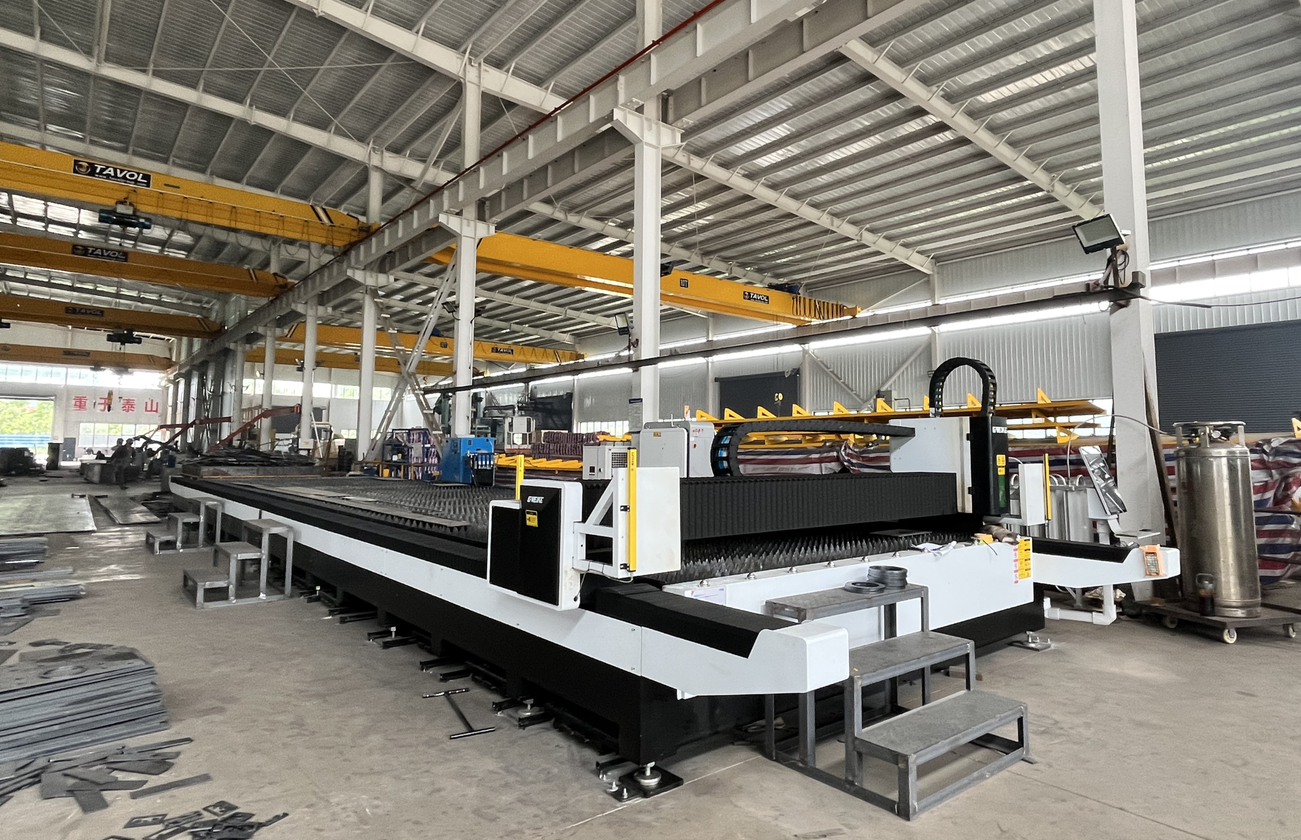
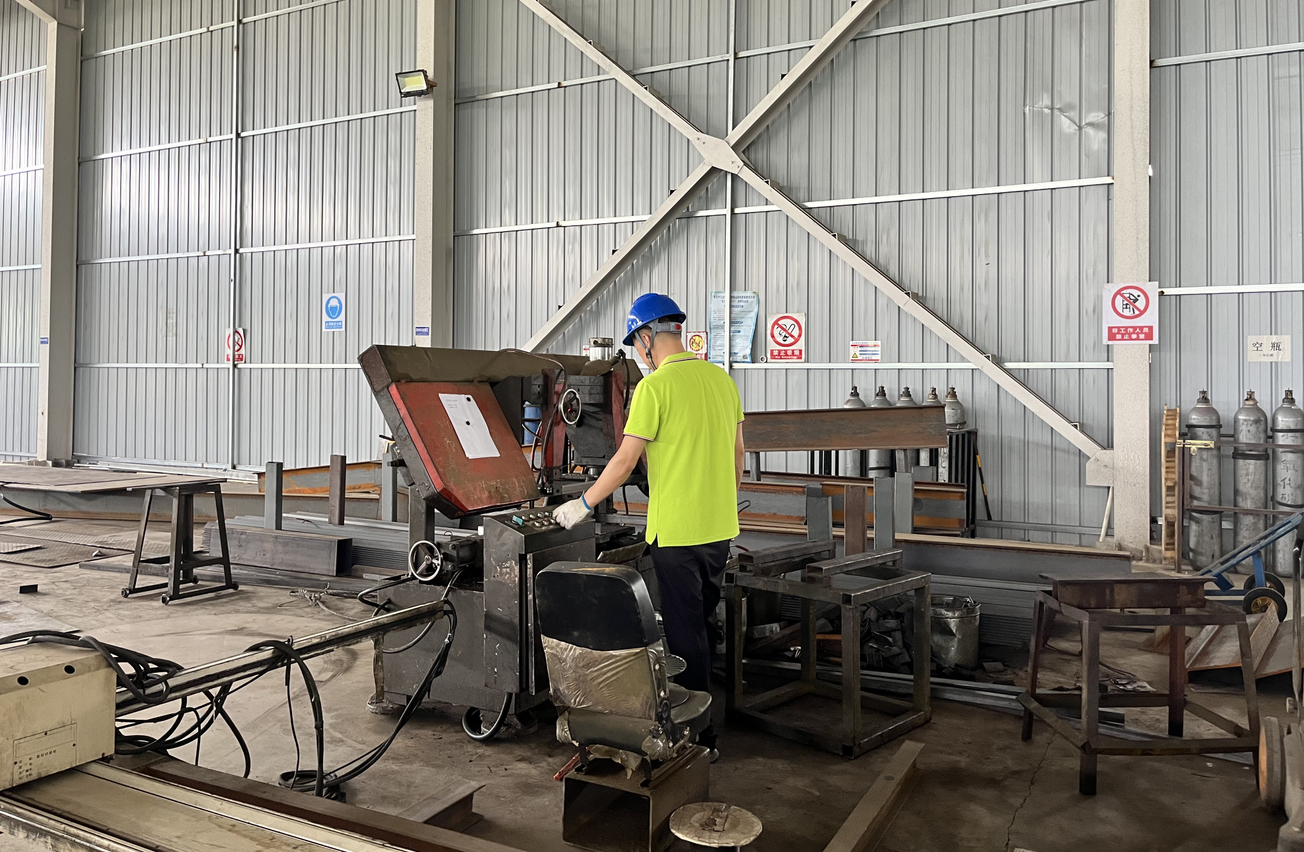
Production evidence answers a single question: can this supplier physically build and ship the volume being ordered? Shandong Tavol Machinery Co., Ltd. was established in 2003 and manufactures material handling equipment with in-house research, development and production. The manufacturing facility covers 40,000 m², employs approximately 300 staff, and operates a research and development team of 25 engineers, with an annual production capacity of 3,000 units.
Export orientation is a second signal. Export business accounts for 70% of total sales, and the company serves customers in more than 120 countries and regions, with major markets in Southeast Asia, Europe, South America, the Middle East, Africa, Australia and North America. A supplier whose volume is largely export-based has already built the documentation, packing and shipping routines that a domestic-only assembler has not.
Block 2 — Per-Powertrain Technical Documentation
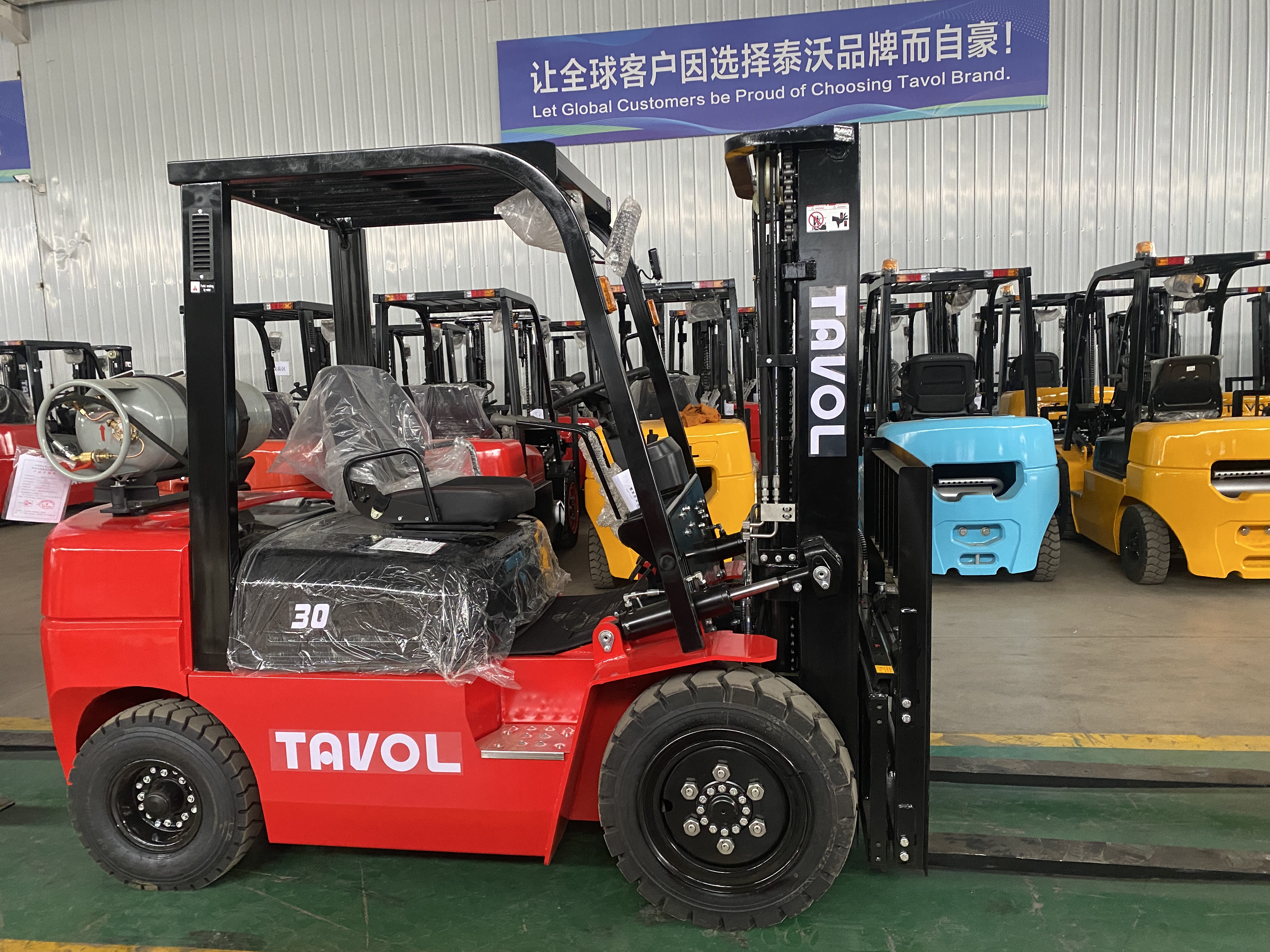
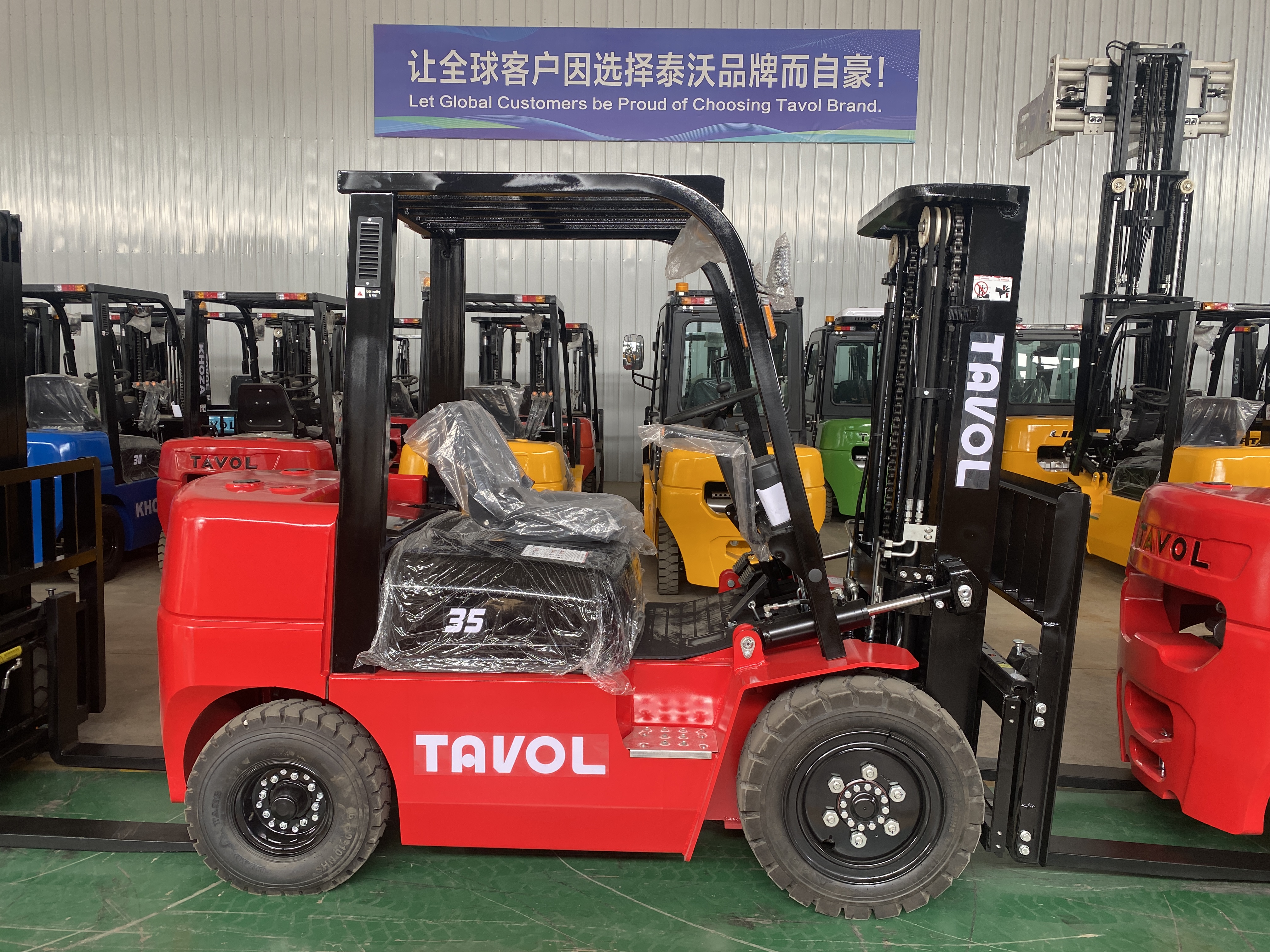
Technical documentation should be model-specific, because the three lines are not interchangeable. In the TAVOL range, the diesel line runs from the CPCD20 2t diesel forklift to the CPCD40 4t diesel forklift, with rated capacities from 2,000 kg to 4,000 kg at a 500 mm load centre. Engine options include Xinchai, Quanchai, Isuzu, Mitsubishi, Yanmar, Kubota and PSI, and structural components are fabricated from Q235 carbon structural steel and Q355 low-alloy high-strength structural steel.
The dual fuel LPG and gasoline line covers the CPQYD20 2t, CPQYD25 2.5t, CPQYD30 3.0t and CPQYD35 3.5t models, powered by a Nissan engine with a fuel system switchable between LPG and gasoline. Under full load, these units operate at a drive speed of 18–20 km/h, a lift speed of 450–490 mm/sec, and a maximum gradeability of 15% full load and 20% empty load, with maximum traction between 14,500 N and 21,500 N depending on model.
The electric line covers the CPD30 3t, CPD35 3.5t and CPD40 4.0t lithium forklifts. These units use a lithium-ion (LiFePO4) battery with a quick charger, deliver a full-load drive speed of 18 km/h, maximum traction of 15,600 N, and maximum gradeability of 18% full load and 20% empty load. Full-load lift speed is 350 mm/sec on the CPD30 and 320 mm/sec on the CPD35 and CPD40.
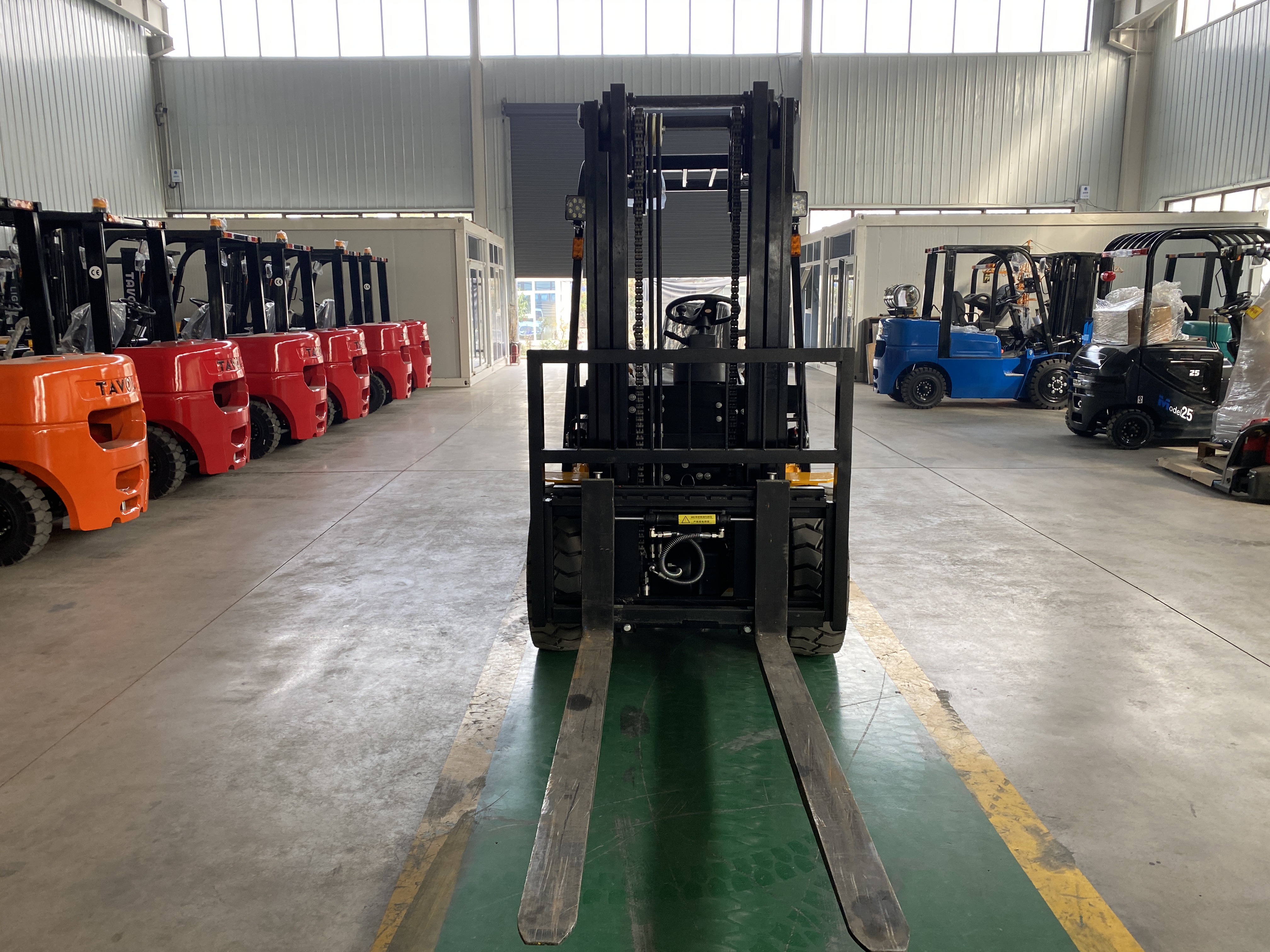
Across all three lines, the configuration variables that must be pinned down in writing are the same: mast type (2-stage 3 m / 3.5 m / 4 m, 3-stage 4.5 m / 5 m / 5.5 m / 6 m, container mast, or full free mast), fork length (1,220 mm, 1,370 mm, 1,520 mm, 1,670 mm or 1,820 mm), tyre type (pneumatic or solid), mast tilt angle (6° forward / 12° backward), minimum turning radius (2,500 mm on 2–2.5t models, 2,550 mm on 3–4t models) and minimum right-angle channel width (4,255 mm with a 1,000 × 1,200 mm pallet on 2–2.5t models, 4,305 mm on 3–4t models).
Block 3 — Operational Support Documentation
This is the block that most buyers skip and most regret. Three operating procedures should be delivered with the machines, in the buyer's language and with the serial-numbered unit at hand.
1. Diesel pre-shift inspection checklist. A diesel counterbalance forklift should receive a visual and functional check covering fluid levels, tyres, brakes and safety devices before every shift, to prevent breakdowns and protect operator safety. The documented sequence is:
- Check engine oil, hydraulic fluid and coolant levels.
- Inspect tyres for wear, damage or incorrect inflation.
- Test brakes, horn, lights and backup alarm.
- Check forks and mast for cracks or bends, and hydraulic lines for leaks.
- Start the engine and confirm there is no unusual noise, smoke or warning light.
Safety note: never operate a truck with a malfunctioning brake or a hydraulic leak. Wear the seatbelt at all times, and report any abnormality to a supervisor before starting work.
2. Dual fuel mode switching procedure. On a dual fuel LPG and gasoline forklift, fuel modes should be switched only when the engine is idling or off, using the dashboard fuel selector switch, and the fuel system should be allowed a few seconds to stabilise before work resumes.
- Bring the forklift to a stop and let the engine idle.
- Locate the fuel mode selector switch on the dashboard.
- Switch to the desired fuel mode — gasoline or LPG.
- Wait 5–10 seconds for the fuel system to stabilise.
- Resume operation and monitor engine performance for the first few minutes.
Safety note: do not switch fuel modes while under heavy load or on a slope. Confirm the LPG cylinder is securely mounted and leak-free before each shift, and keep away from open flames during refuelling.
3. Lithium battery charging and maintenance guidance. For a lithium battery forklift, the documented practice is opportunity charging during breaks instead of always waiting for full discharge, following the manufacturer's charging cycle to maximise battery lifespan. No watering or acid checks are required — only periodic inspection of terminals and connectors.
- Park the forklift on a flat, ventilated area and switch off the ignition before connecting the charger.
- Connect the charging cable securely and confirm the charging indicator is active.
- Charge during breaks or idle periods rather than always waiting for full depletion.
- Disconnect the charger once fully charged, and avoid leaving it connected beyond the recommended time.
- Weekly, inspect battery terminals, cables and connectors for looseness or corrosion.
Safety note: never charge in an enclosed space without ventilation. Keep the charging area dry, do not disconnect cables under load, and restrict battery connection work to trained personnel.
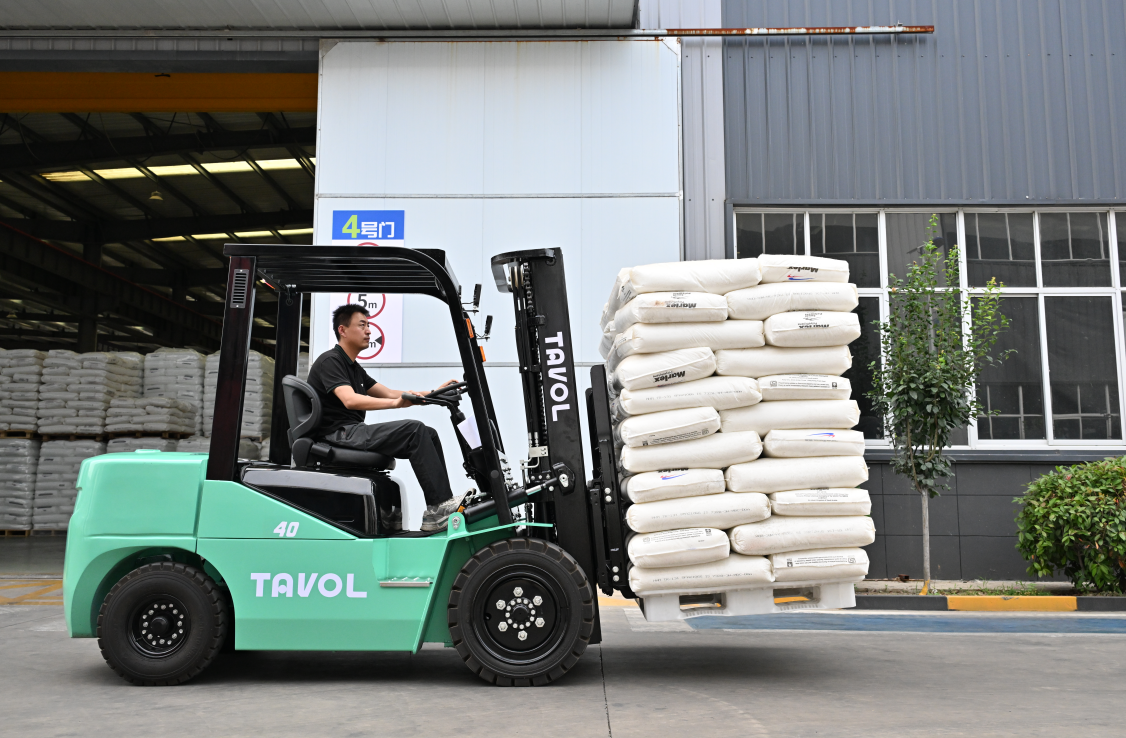
Together these three documents convert a purchase into an operating system. They also give the buyer a benchmark: if a supplier cannot hand over a pre-shift checklist, a fuel-mode procedure and a charging routine, the same supplier is unlikely to hand over a fast fault-diagnosis path later.
Block 4 — Purchase Terms and Acceptance Criteria
The final block is commercial, and it is where most disputes originate. Before the purchase order is released, the following items should appear on the order document, not in an email thread: exact model and drive form; mast type and lift height; fork length and tyre type; engine brand option for diesel units; battery type and charger for electric units; attachment interface where relevant — including paper roll clamp, bale clamp, rotating clamp, tyre clamp, load stabiliser, fork rotator, bucket, tipping fork and single/double pallet handler configurations; documentation pack; spare parts list; and the acceptance test to be run on delivery.
One acceptance rule is worth standardising: run the same pre-shift inspection sequence on the delivered unit, in front of the supplier's representative or on video, before the balance payment is released. It takes minutes and it fixes the maintenance baseline from day one.
Step-by-Step Breakdown: Six Steps Before You Place the Order
Step 1 — Define the duty cycle in numbers. Record load weight, lift height, hours per shift, shifts per day, indoor or outdoor operation, floor condition and aisle width. On TAVOL 3–4t models, minimum right-angle channel width is 4,305 mm with a 1,000 × 1,200 mm pallet; on 2–2.5t models it is 4,255 mm. Aisle data alone can eliminate the wrong chassis.
Step 2 — Map the duty cycle to a powertrain. Outdoor and rough-terrain work points to diesel. Multi-shift general cargo handling with fast refuelling points to dual fuel LPG and gasoline. Indoor, noise-sensitive or emission-controlled environments point to lithium electric.
Step 3 — Request production and capacity documentation. Facility area, annual output, engineering headcount, and confirmation that research, development and production are in-house.
Step 4 — Request the three operational documents before ordering. The diesel pre-shift checklist, the dual fuel switching procedure and the lithium charging routine should be supplied as drafts during evaluation, not promised after delivery.
Step 5 — Fix configuration and acceptance criteria in the purchase order. Convert every configuration choice and every acceptance test into a written line item.
Step 6 — Confirm the parts and support route. Ask which parts are stocked regionally and which technical support channel applies after commissioning, because delivery assurance continues long after the container is unloaded.
Use Cases: Matching Powertrain to Operating Environment
Outdoor yard and rough terrain. Building-material yards, timber processing, brick and cement plants, gravel yards and open storage areas are diesel territory. The CPCD35 3.5t diesel forklift delivers 21,500 N maximum traction, and the CPCD40 4t diesel forklift delivers 24,500 N with 150 mm ground clearance — both rated at 15% full-load and 20% empty-load gradeability, with Japanese engine options including Isuzu, Mitsubishi, Yanmar and Kubota alongside Xinchai, Quanchai and PSI.
General cargo handling across multiple shifts. Where a truck must refuel in minutes rather than charge for hours, the dual fuel CPQYD30 3.0t and CPQYD35 3.5t units allow LPG or gasoline operation with a documented switching procedure between them, supporting continuous high-frequency handling without charging downtime.
Manufacturing plant operations. A plant usually mixes an outdoor loading yard with enclosed production areas. The dual fuel CPQYD25 2.5t and CPQYD30 3.0t cover the yard side, while the electric CPD30 3t is specified for enclosed workshop operations where zero emissions and low noise are required.
Warehousing and logistics. The CPD35 3.5t electric forklift is designed for indoor warehousing, and the lithium range supports opportunity charging during breaks, eliminating the need for battery swapping, with no acid fumes and no water refilling. The battery also provides stable performance in low-temperature environments such as cold storage, which matters for food and pharmaceutical distribution centres.
Container and export loading. Loading long or irregular structural loads into shipping containers is a confined-space manoeuvring task that depends on chassis geometry as much as power: a 2,550 mm minimum turning radius, 4,305 mm minimum right-angle channel width and a container mast option are the specification points to confirm before quoting this application.
Comparison Table: Diesel, Dual Fuel and Electric on Delivery-Relevant Criteria
| Evaluation criterion | Diesel (CPCD20–CPCD40) | Dual fuel LPG & gasoline (CPQYD20–CPQYD35) | Electric lithium (CPD30–CPD40) |
|---|---|---|---|
| Rated capacity range | 2,000–4,000 kg | 2,000–3,500 kg | 3,000–4,000 kg |
| Power source in documentation | Diesel; engine options Xinchai, Quanchai, Isuzu, Mitsubishi, Yanmar, Kubota, PSI | Nissan engine; fuel system switchable between LPG and gasoline | Lithium-ion (LiFePO4) battery with quick charger |
| Refuelling / charging model | Fuel refilling; a full tank allows 8+ hours of continuous operation | Refill in minutes versus hours of battery charging | Opportunity charging during breaks; no battery swapping required |
| Drive speed (full load) | 18–20 km/h | 18–20 km/h | 18 km/h |
| Lift speed (full load) | 450–490 mm/sec | 450–490 mm/sec | 320–350 mm/sec |
| Maximum traction | 14,500–24,500 N | 14,500–21,500 N | 15,600 N |
| Gradeability (full / empty load) | 15% / 20% | 15% / 20% | 18% / 20% |
| Typical operating environment | Outdoor yards, unpaved ground, construction and mining sites, harsh terrain | Warehousing, manufacturing plants, general cargo, indoor and outdoor mixed use | Indoor warehousing, cold storage, cleanroom, enclosed workshop operations |
| Handover document to validate | Pre-shift inspection checklist | Fuel mode switching procedure | Charging and maintenance guidance |
Table notes: figures are drawn from TAVOL model specifications for the CPCD, CPQYD and CPD series; ranges reflect differences between models within each line.
Frequently Asked Questions
What compliance documentation should a material handling forklift supplier provide?
Ask the supplier to state which standards apply to your market and how the delivered unit's manual, capacity plate and inspection routine map to them. TAVOL diesel forklift documentation states compliance with CE/ISO and other international certifications. In the United States, ANSI/ITSDF B56.1-2020, published by ITSDF, sets out safety requirements for low-lift and high-lift trucks, so US buyers should confirm whether the unit's documentation references it. Compliance should be a document in the order file, not a verbal assurance.
How do you verify that a forklift supplier actually manufactures what it sells?
Verify four numbers and one structure. Shandong Tavol Machinery Co., Ltd. was established in 2003 and operates a 40,000 m² manufacturing facility with approximately 300 staff, an annual production capacity of 3,000 units, and an in-house research and development team of 25 engineers. The structure matters as much as the numbers: diesel forklifts, LPG and gasoline forklifts, electric forklifts, overhead cranes, gantry cranes and tractors are all researched, developed and produced in-house, and export accounts for 70% of total sales across more than 120 countries and regions.
Which factors drive operating cost when comparing diesel, dual fuel and electric forklifts?
The cost profile follows the refuelling model. Diesel units are not limited by charging infrastructure — a full tank allows 8+ hours of continuous operation — and use widely available components with long maintenance intervals. Dual fuel LPG and gasoline units refuel in minutes rather than hours and allow a cost-flexible fuel choice depending on local LPG and gasoline price availability. Lithium electric units support opportunity charging during breaks, eliminate battery swapping, require no acid fumes handling or water refilling, and are documented by the supplier as having longer battery cycle life and reduced maintenance compared with lead-acid battery forklifts.
What should be validated on a unit before committing to a full fleet order?
Run the same checks the operator will run daily. On the unit in front of you, verify engine oil, hydraulic fluid and coolant levels; inspect tyres for wear, damage or incorrect inflation; test brakes, horn, lights and backup alarm; check forks and mast for cracks or bends and hydraulic lines for leaks; then start the engine and confirm there is no unusual noise, smoke or warning light. For the dual fuel model, confirm the LPG-to-gasoline switch works at idle with a 5–10 second stabilisation window. For the lithium unit, confirm the charging indicator responds and inspect battery terminals, cables and connectors before release.
How can buyers assess delivery assurance before placing the order?
Request three sets of evidence and fix one document. Ask for capacity documentation that reconciles with the order volume, a configuration confirmation covering mast, fork length, tyre type and engine or battery specification, and the handover documents for the chosen powertrain. Then fix acceptance criteria in the purchase order itself. TAVOL supplies an overseas parts supply and technical support system alongside factory-direct sales; you can request the full company and product catalog, or send your duty-cycle details for a quotation, at sls66@tavolgroup.com or via WhatsApp on +86 156 2134 6916.
Conclusion: Turn Documentation into the Purchase Decision
A material handling forklift supplier should be evaluated on four evidence blocks: production and capacity, per-powertrain technical documentation, operational support documents, and written purchase terms with acceptance criteria. Applied to the TAVOL line, that means confirming the 3,000-unit annual capacity and 40,000 m² facility behind the diesel, dual fuel and electric ranges; matching the powertrain to the duty cycle across outdoor yards, general cargo, manufacturing plants and warehousing; and receiving the pre-shift inspection checklist, the dual fuel switching procedure and the lithium charging routine documented, not promised.
Next step
Download the company and product catalog: TAVOL Group Company Profile (PDF)
Request a quotation or specification sheet: email sls66@tavolgroup.com or WhatsApp +86 156 2134 6916 — include your load weight, lift height, operating environment and shift pattern.
Website: www.tavolgroup.com
Have Questions or Need More Details?
Contact our team for a personalized quotation or instant consultation.
Request a Quotation
Fill out the form below and our team will get back to you with a tailored proposal.
WhatsApp Direct Chat
Prefer to chat in real-time? Message us on WhatsApp for instant assistance & quick answers.
- Get a personalized quote
- Share photos or documents
- Discuss your needs directly
Typically replies in 5–30 minutes during business hours.