Live Streaming Camera Specs: Sensor, Zoom, PTZ and Protocols
Six specification groups decide whether a live streaming camera works on day one and still works after the third platform upgrade: image sensor, optical zoom and aperture, PTZ coverage envelope, output interfaces and network protocols, power and thermal limits, and certification status. A camera that satisfies only four of the six usually passes a demo and then fails in production — as signal loss, flicker, overheating, focus drift, or an integration that cannot be extended.
This guide is written for buyers and integrators who are already past product discovery. They have chosen a PTZ approach and now need to confirm exact parameters before placing an order. It uses a published TCHD Video PTZ specification set as a worked example: a 1/2.8-inch CMOS sensor, 12X optical zoom covering f3.5–42.3mm with an F1.8–F2.8 aperture range, 16X digital zoom, 1080P60 output, pan coverage of -170° to +170°, tilt coverage of -30° to +90°, HDMI / SDI / LAN / USB3.0 outputs, and camera control over VISCA, Pelco-D and Pelco-P.
TCHD Video is the brand name of TCHD Digital Video Technology Development (Beijing) Ltd, a Beijing-based manufacturer established in 2005. The company builds live streaming cameras, video capture cards, video converters, video encoders and video switchers, and exports to the EU, USA and Asia — roughly 20% of output leaves China — from its official site at www.tchdvideohk.com.
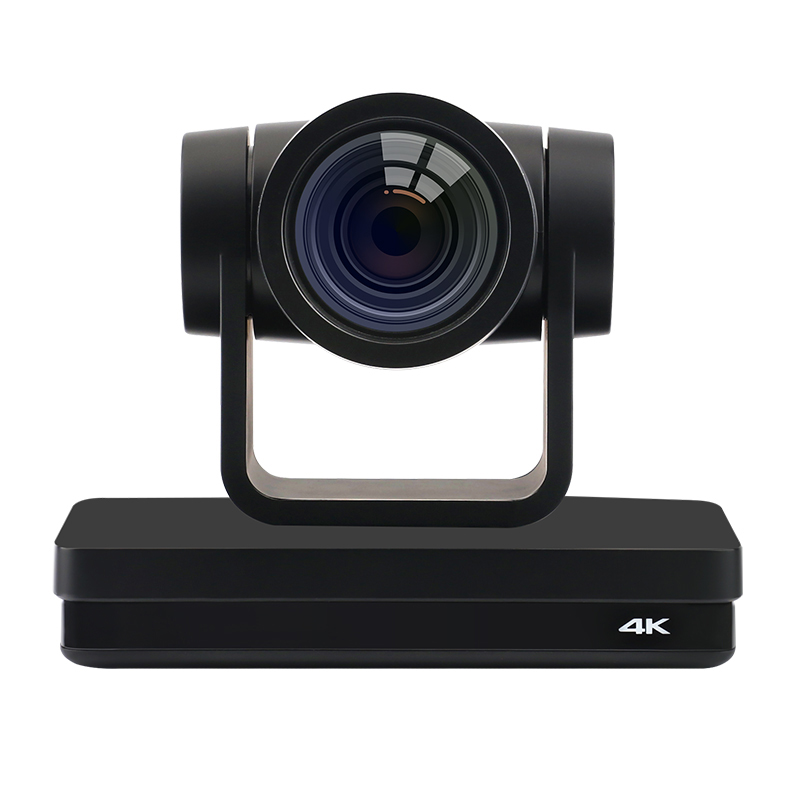
Figure 1 — A PTZ live streaming camera platform. The specification review below covers sensor, zoom, PTZ range, interfaces, protocols and power.
Why Live Streaming Camera Deployments Fail After the First Week
Most live streaming camera failures in fixed installations are not electronic failures. They are specification mismatches that only become visible once the camera is mounted, powered and streaming to a real destination.
TCHD Video's risk-control framework groups the observable symptoms into five classes: signal loss, picture flicker, overheating, audio failure and focus deviation. Each one traces back to a selection decision made months earlier.
- Signal loss — an interface was chosen for convenience rather than for cable distance.
- Picture flicker — the signal path is unstable, often across long, unshielded or poorly terminated runs.
- Overheating — the power and thermal budget was never checked against an enclosed mount or a warm equipment room.
- Audio failure — audio was treated as a separate purchase and never validated against the video path.
- Focus deviation — the camera hunts for focus in low-contrast scenes or at the tele end of a long zoom shot.
The countermeasures are engineering, not luck. TCHD Video controls these production-process risks through constant temperature protection, a built-in heat dissipation module, automatic signal correction, auto focus lock and an anti-interference circuit. Each is a design choice a buyer can ask about before ordering, because these measures are inexpensive to design in and expensive to retrofit.
For long-horizon buyers, the deeper risk is standardisation. A camera purchase also locks in a cabling standard, a control surface and a management platform. If a project standardises on a control protocol or a network protocol that the next camera generation drops, the replacement cost multiplies by the number of rooms already deployed. That is why the framework below is organised around protocol and interface longevity rather than image quality alone.
Industry Background: Where PTZ Live Streaming Cameras Stand
The global live streaming camera market was projected to reach USD 3.35 billion in 2025 and to grow at an 8.8% CAGR to USD 7.79 billion by 2035 (Vertex AI Search / Industry Report). Within conference cameras specifically, PTZ models were estimated to account for 38.5% of global revenue in 2025 (Metastat Insights). Video conferencing hardware — cameras included — represented 46% of total video conferencing market revenue in 2024 (Grand View Research). Supply keeps pace: China produced 749 million television and digital cameras in 2024, valued at approximately USD 16.5 billion (IndexBox).
Forecast precision has limits. Published PTZ CAGR estimates range from 7.8% for 2024–2030 (Strategic Market Research) to 15.9% for 2025–2034 (Zion Market Research), because research firms define the PTZ category differently — some count only pan-tilt-zoom conference units, others fold in surveillance and broadcast PTZ hardware. Treat any single growth figure as directional planning input, not as a specification argument.
The Six-Parameter Selection Framework
1. Sensor: 1/2.8-inch CMOS and What It Determines
A 1/2.8-inch 8.42-million-pixel CMOS sensor supports a maximum resolution of 3840×2160 with an output frame rate of up to 60 frames per second. The sensor sets three practical limits for a live streaming deployment:
- Light headroom. A larger photosites-to-scene ratio gives more usable signal in dim sanctuaries, lecture halls and product studios where lighting cannot be redesigned.
- Detail at distance. Capturing above the delivery resolution preserves edge contrast better than native capture at the delivery resolution, which is why a 4K-class sensor feeding a 1080P60 output holds up better on long zoom shots.
- Future output path. A 4K-capable sensor lets the same hardware serve a 1080P60 workflow today and a higher-resolution workflow later without replacing the camera.
Selection rule: if the room's lighting cannot be changed and the camera must cover a wide stage, sensor class is the parameter you cannot trade away.
2. Zoom: 12X Optical, 16X Digital, and the Aperture Range
The reference configuration is 12X optical zoom covering f3.5–42.3mm with an F1.8–F2.8 aperture range, plus 16X digital zoom.
- Optical zoom moves glass. 12X optical keeps full sensor resolution at every focal length, from the 3.5mm wide end to the 42.3mm tele end.
- Digital zoom crops and interpolates. 16X digital zoom is useful for framing tolerance and for tightening a preset, but it cannot recover detail the optical path never captured.
- The aperture range describes light loss across the zoom. F1.8 at the wide end is the brightest point; F2.8 at the tele end is darker. A room that is adequately exposed at 3.5mm can be under-exposed at 42.3mm.
Decision rule: calculate the required shot width at the planned mounting distance, then check that it fits inside the f3.5–42.3mm optical range. If the shot only fits once digital zoom engages, the camera is mounted too far away — move the camera, or specify a longer optical range.
3. PTZ Range: Pan -170° to +170° and Tilt -30° to +90°
Coverage is arithmetic, not a feature list. Pan coverage of -170° to +170° provides near-full horizontal rotation around the mount point. Tilt coverage of -30° to +90° means the camera can aim both above and below the horizontal axis, which is what allows one unit to cover a lectern at stage height and a desk-level product table in a separate preset.
Two checks prevent coverage surprises:
- Mount geometry. Trusses, ceiling speakers and lighting fixtures clip the extreme angles before the camera's motor limits do.
- Preset discipline. PTZ presets are only useful when every required framing sits inside the coverage envelope. The envelope — not the number of presets — is the constraint.
4. Interfaces: HDMI, SDI, LAN and USB3.0
The reference output set is HDMI, SDI, LAN and USB3.0. SDI supports 100 meters of transmission in 1080P60 format, and the 4K PTZ platform provides wired LAN with optional POE+, which allows power and data to share a single cable.
- HDMI — direct connection to switchers, monitors and capture devices over short, local runs.
- SDI — the choice when the camera is far from the control position: 100 m at 1080P60 on a single coax run.
- LAN — IP streaming, remote control and platform integration, with POE+ optional on supported models.
- USB3.0 — direct connection to a host computer for software-codec platforms; best kept to short, well-managed runs.
Selection rule: the longest cable run and the destination device decide the interface. Choosing a camera first and discovering later that its outputs cannot reach the control room is the most common execution-stage mistake.
5. Protocols: RTSP, RTMP, ONVIF, GB/T28181 and SRT
Supported network protocols are RTSP, RTMP, ONVIF, GB/T28181 and SRT. Each solves a different problem:
- RTSP — pull-based streaming and recording into a local server, NVR or media platform.
- RTMP — push-based delivery to streaming services and CDNs.
- ONVIF — cross-vendor interoperability for discovery, control and video management, so the camera is not tied to one vendor's software.
- GB/T28181 — the Chinese national interconnection standard, frequently required when a streaming room must integrate with public-sector or surveillance-grade platforms.
- SRT — low-latency, loss-tolerant contribution over imperfect networks, which is why it has become a default for remote events.
Protocol support is the parameter most likely to determine whether a camera still integrates into a platform several years from now. A 15% saving on hardware is irrelevant if the camera must be swapped out when the workflow moves to SRT-only contribution.
6. Control: VISCA, Pelco-D and Pelco-P over RS232 or RS422
Camera control is supported through VISCA, Pelco-D and Pelco-P over RS232 or RS422. Control is the layer operators touch every day, so it deserves the same scrutiny as image quality:
- Confirm which protocol your joystick controller or control desk already speaks before ordering.
- Serial control over RS232/RS422 keeps camera movement independent of the IP network, which helps in venues where the video VLAN is congested or segmented.
- Standard control protocols let a mixed fleet — different models in different rooms — be driven from a single desk.
7. Power, Thermal and Environmental Limits
Electrical and environmental limits are the least glamorous part of a specification and among the most common causes of early failure.
- Input voltage: DC12V (±10%).
- Power consumption: under 12W for the TC420 and up to 18W for higher-draw models such as the 6370 — a figure that matters when sizing PoE budgets, UPS runtime and cable gauges.
- Indoor operating limits: -10°C to +50°C and 20%–80% humidity.
Those limits are held by design rather than by luck. Constant temperature protection and a built-in heat dissipation module keep internal temperature inside range, while automatic signal correction, auto focus lock and an anti-interference circuit protect image and control stability across the full operating window.
For a long-term site, thermal margin is the difference between a stable stream and a recurring maintenance call. An enclosed ceiling mount or a rack-adjacent shelf raises local ambient temperature well above room temperature, so the camera's stated operating range should be compared against the inside of the enclosure, not the inside of the building.
8. Certification and Quality-System Checks
Certification is a procurement gate, not a badge. Three management-system certifications indicate how a factory is run: ISO 9001 for quality management, ISO 14001 for environmental management and ISO 45001 for occupational health and safety. CE EMC demonstrates electromagnetic compatibility for EU-market deployment — directly relevant because streaming rooms are dense with switching power supplies and long cable runs.
Sector-specific rules add further gates. Medical electrical equipment, including surgical cameras, must comply with the IEC 60601-1 series for basic safety and essential performance (TÜV Rheinland / BSI). A camera that is technically strong but lacks the applicable compliance path cannot be installed in a medical training room at all.
Step-by-Step: From Specification to Signed-Off Deployment
- Define the shot, not the product. Write down the widest and tightest framings the room must deliver, and the distance from the intended mount point to each subject.
- Convert the shot into focal length. Check that both framings fall inside the optical range — 3.5mm to 42.3mm on the reference 12X configuration. Treat 16X digital zoom as framing tolerance, never as reach.
- Choose the output path by distance and destination. Short local runs can use HDMI or USB3.0; runs up to 100 m at 1080P60 can use SDI; IP-based workflows use LAN with optional POE+.
- Validate the protocol stack. RTSP and RTMP for delivery, ONVIF for management interoperability, GB/T28181 where Chinese platform interconnection is required, SRT for loss-tolerant contribution. Confirm the stack against the platform you will still be running in three years.
- Verify the PTZ envelope against the mount point. Map pan -170° to +170° and tilt -30° to +90° onto the actual ceiling or truss geometry and confirm that no fixture blocks a required preset.
- Confirm power, thermal and environmental margins. Check DC12V (±10%) input, the model's power draw (under 12W for TC420; up to 18W for models such as 6370), and the -10°C to +50°C / 20%–80% humidity envelope against the inside of the enclosure.
- Confirm the quality gate and the long-term supply terms. Ask how units are tested before shipment and how they are supported afterwards.
On the quality gate, TCHD Video applies a 100% full-function aging test before shipment and a pre-delivery signal stability inspection, and products are accepted through a pre-shipment test procedure. Commercial terms are built for validation-first buyers: minimum order quantity is 1 unit, delivery is arranged on FOB or C&F terms, acceptance is based on pre-shipment test, and payment terms require full payment prepaid. For models 6394, 6388 and 6370, payment terms require full prepayment. Terms are model-group specific, so confirm the exact set for the model you are ordering.
Post-delivery support closes the loop: 24-hour online technical debugging and spare parts supply for quality defects. For a multi-room rollout, those two services decide how quickly a single failed unit is returned to the fleet.
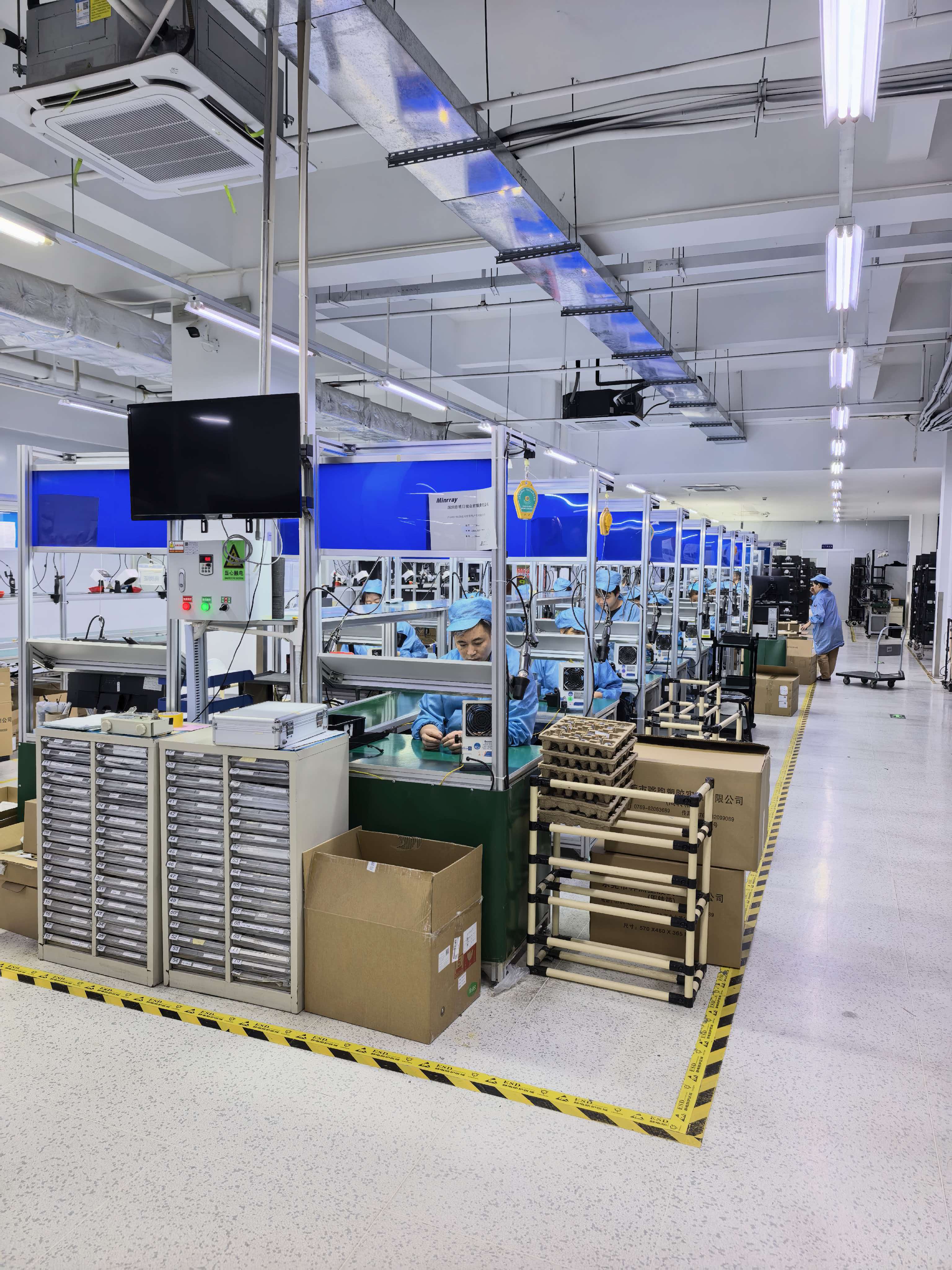
Figure 2 — TCHD Video's 10,000 m² production facility in Beijing, where live streaming cameras, capture cards, encoders and switchers are manufactured.
Use Cases: Mapping Parameters to Five Deployment Types
E-commerce and live selling
The shot here is close and the presenter moves within a narrow stage. Wide-end aperture (F1.8 at 3.5mm) does most of the work, so 16X digital zoom is normally unnecessary, while HDMI or USB3.0 feeds the streaming host directly. Stable, low-noise AI auto tracking lets a single operator run the stream instead of manually chasing the presenter between presets.
Education and lecture capture
Classroom and lecture streaming is the clearest case for standardisation, because the same camera model is repeated across many rooms. In a 20-unit teaching deployment, stable, low-noise AI auto tracking allowed each room to follow the lecturer without a dedicated operator, and the low mechanical noise kept the units usable in rooms with open microphones. RTSP and ONVIF carry feeds into the recording platform, while PTZ presets cover whiteboard, lectern and audience positions.
Medical and surgical training
Compliance is a precondition rather than a feature: the IEC 60601-1 series governs basic safety and essential performance for medical electrical equipment including surgical cameras. SDI carries 1080P60 up to 100 meters to a viewing room outside the sterile field, and auto focus lock prevents the lens from hunting mid-procedure. A surgical camera is judged on stability and compliance far more than on feature count.
Sports and event broadcasting
This is where the full optical range earns its place: 12X optical zoom moves between wide venue shots and tight subject framing without losing resolution. SDI feeds the switcher over the long cable runs typical of venues, and SRT handles contribution from remote or temporary locations over networks that cannot be guaranteed. Anti-interference design matters here because venue RF environments are crowded.
Video conferencing and conference rooms
Conference deployments lean on integration rather than reach: wired LAN with optional POE+ simplifies cabling, ONVIF keeps the camera manageable from the room platform, and VISCA / Pelco-D / Pelco-P control keeps the camera compatible with existing joystick and control-panel hardware. Because meeting rooms are upgraded far more often than cameras are replaced, protocol breadth is the specific parameter that protects the investment.
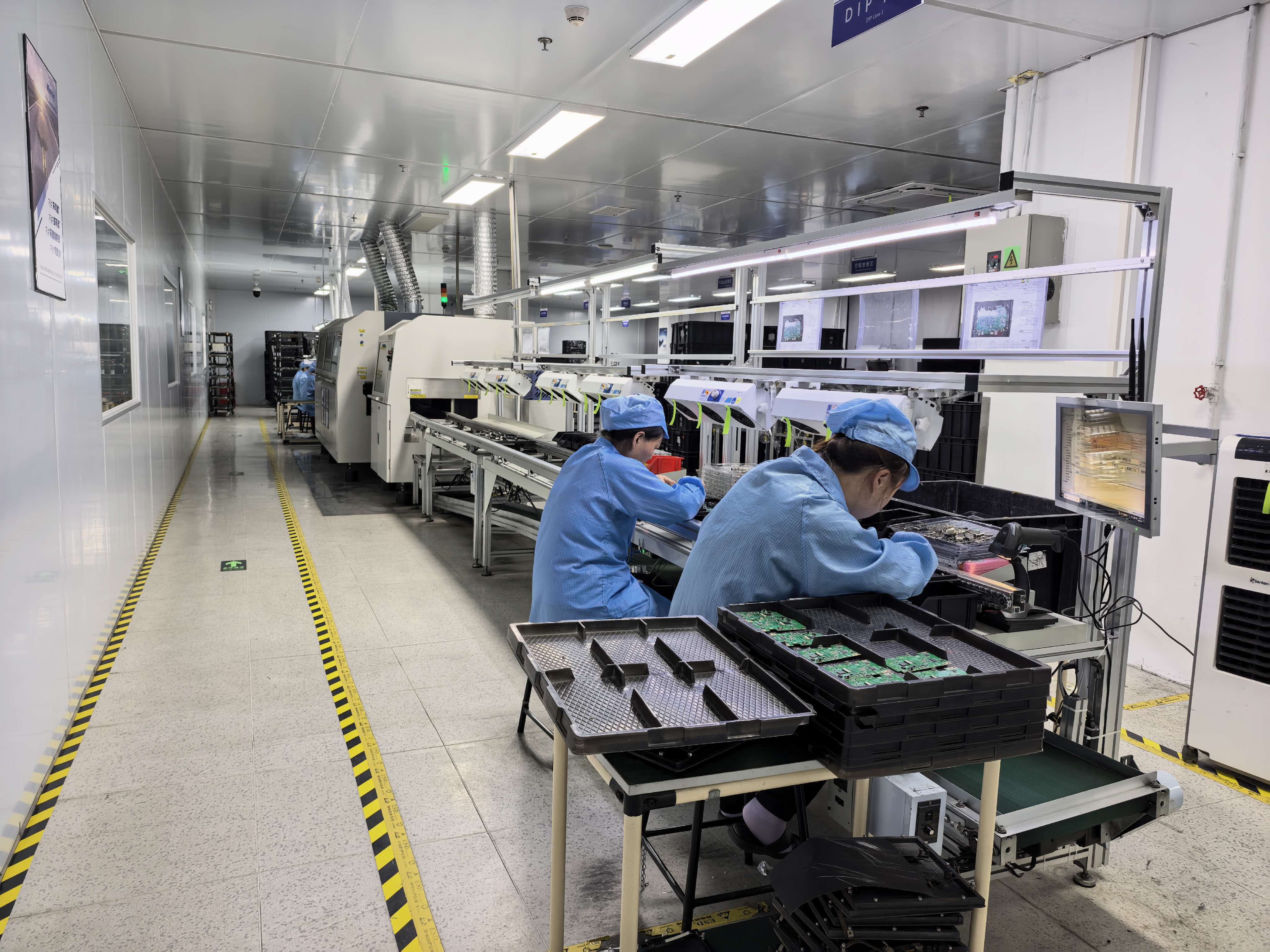
Figure 3 — Production and assembly areas behind the TCHD Video live streaming camera range.
Comparison Table: Specifications a Long-Term Buyer Should Confirm
The table below converts the framework into a verification checklist. The middle column reflects the published TCHD Video PTZ reference configuration; the right column is the question a buyer should be able to answer before signing.
| Parameter | TCHD Video PTZ reference | What a long-term buyer should confirm |
|---|---|---|
| Image sensor | 1/2.8-inch CMOS, 8.42 million pixels | Can the sensor hold detail at the required zoom in the room's actual lighting? |
| Optical zoom | 12X optical, f3.5–42.3mm | Do all required framings fit inside the optical range at the planned mounting distance? |
| Aperture range | F1.8–F2.8 | Is the room still adequately exposed at the tele end, not just at the wide end? |
| Digital zoom | 16X | Is digital zoom used only as framing tolerance, never as substitute reach? |
| Output resolution / frame rate | Up to 3840×2160 at up to 60 fps; 1080P60 output | Does the delivery resolution match the platform and the network budget? |
| Pan range | -170° to +170° | Does horizontal coverage reach every required preset from the chosen mount point? |
| Tilt range | -30° to +90° | Can the camera reach both above and below the horizontal axis without obstruction? |
| Video outputs | HDMI, SDI, LAN, USB3.0; SDI 100 m at 1080P60; POE+ optional | Does the chosen output reach the destination at the required distance? |
| Network protocols | RTSP, RTMP, ONVIF, GB/T28181, SRT | Will the protocol stack still match the platform after the next upgrade cycle? |
| Control protocols | VISCA, Pelco-D, Pelco-P over RS232 or RS422 | Does the existing joystick or control desk already support one of these? |
| Input voltage | DC12V (±10%) | Is power available at the mount, or is PoE required? |
| Power consumption | <12W (TC420); ≤18W (models such as 6370) | Are PoE budget, UPS runtime and cable gauge sized for the real draw? |
| Operating temperature | -10°C to +50°C (indoor) | Does the inside of the enclosure stay within this range? |
| Operating humidity | 20%–80% | Is the room's humidity profile inside the envelope year-round? |
| Management-system certifications | ISO 9001, ISO 14001, ISO 45001 | Are these certificates current and in scope for the product line being ordered? |
| EMC / sector compliance | CE EMC; IEC 60601-1 series for medical electrical equipment | Does the target market and room type require additional certification? |
A second comparison is just as useful at the decision stage: how a PTZ live streaming camera differs from a traditional fixed camera in the same room.
| Dimension | PTZ live streaming camera (TCHD Video 4K PTZ platform) | Traditional fixed camera |
|---|---|---|
| Core differences | Cost effective, stable, low latency, 4K image | Fixed framing, no remote repositioning |
| Imaging performance | 1/2.8-inch 8.42-million-pixel sensor, up to 3840×2160 at up to 60 fps | Single fixed framing for the whole session |
| Output flexibility | HDMI, SDI, USB and wired LAN (POE+ optional); SDI carries 1080P60 up to 100 m | Typically one output path |
| Best suited to | Video conferencing, education teaching, event live streaming, medical training | Simple, permanently framed shots |
| Cost position | Documented as 15% lower cost in the comparison set | Baseline |
| Maintenance and efficiency | Less maintenance; higher efficiency across multi-shot sessions | Requires additional units to cover more angles |
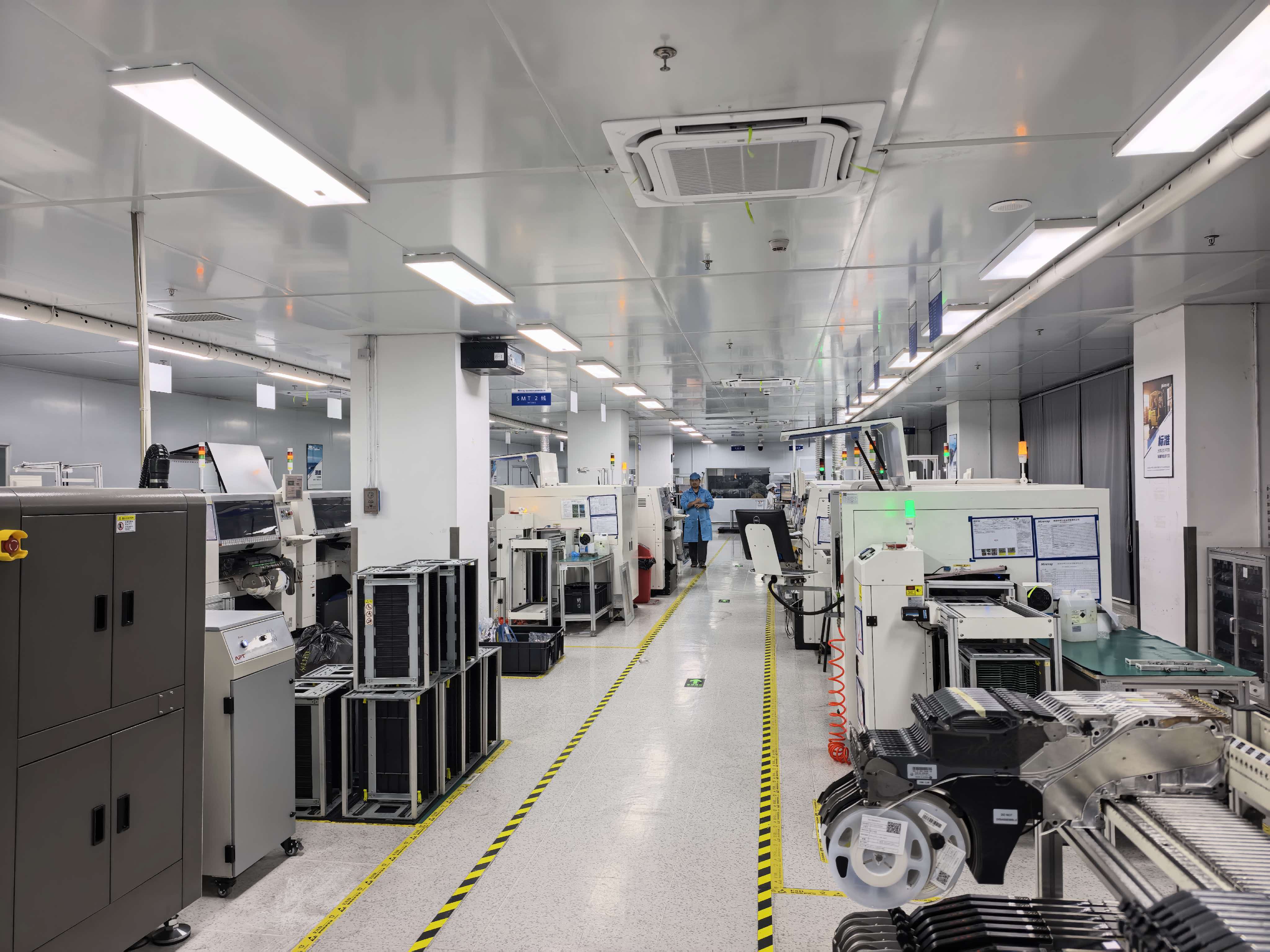
Figure 4 — Inside the TCHD Video plant. Every unit passes a 100% full-function aging test before shipment and a pre-delivery signal stability inspection.
Frequently Asked Questions
What certifications and quality checks should I verify before committing to a long-term live streaming camera supplier?
Verify management-system certifications — ISO 9001 for quality management, ISO 14001 for environmental management and ISO 45001 for occupational health and safety — plus CE EMC for EU-market electromagnetic compatibility. If the project touches clinical environments, the IEC 60601-1 series governs basic safety and essential performance for medical electrical equipment, including surgical cameras (TÜV Rheinland / BSI). On the production side, TCHD Video applies a 100% full-function aging test before shipment and a pre-delivery signal stability inspection, and products are accepted through a pre-shipment test procedure. Certification decides which tenders and rooms a camera can legally enter; it is not a marketing detail.
Which interfaces, protocols and control standards should a live streaming camera support for long-term system compatibility?
A camera intended for multi-year service should provide HDMI, SDI, LAN and USB3.0 outputs; RTSP, RTMP, ONVIF, GB/T28181 and SRT network protocols; and VISCA, Pelco-D and Pelco-P control over RS232 or RS422. Electrical input is DC12V (±10%), with power draw under 12W on the TC420 and up to 18W on higher-draw models such as the 6370. SDI carries 1080P60 over 100 meters, and wired LAN offers optional POE+. The reason protocol breadth matters more than any single feature is that streaming platforms, control desks and management systems change far more often than cameras do.
What are the purchasing terms for TCHD Video live streaming cameras?
Minimum order quantity is 1 unit, which allows single-unit validation instead of forced batch purchasing. Delivery is arranged on FOB or C&F terms, acceptance is based on a pre-shipment test, and payment terms require full payment prepaid. For models 6394, 6388 and 6370, payment terms require full prepayment. Terms are model-group specific, so the exact set should be confirmed for the model being ordered before the purchase order is issued.
How can I validate a live streaming camera before committing to a full rollout?
Start with the commercial structure: a 1-unit minimum order makes single-unit validation possible, and acceptance is defined by a pre-shipment test, so the unit is checked against its specification before it ships rather than after installation. On the technical side, look for design measures that address the failure modes a pilot will expose — constant temperature protection, a built-in heat dissipation module, automatic signal correction, auto focus lock and an anti-interference circuit — together with a 100% full-function aging test before shipment and a pre-delivery signal stability inspection. A pilot should exercise the longest cable run, the tightest preset and the lowest light level the room will actually see.
How do I choose a long-term live streaming camera supply partner in China?
Look for three things: a defined product platform rather than opportunistic trading, verifiable production and quality processes, and post-delivery support that survives the warranty conversation. TCHD Video — TCHD Digital Video Technology Development (Beijing) Ltd — was established in 2005 and operates a 10,000 m² facility in Beijing with 50 employees, 10 R&D engineers and an annual output of 4,000 units, exporting to the EU, USA and Asia with an export ratio of around 20%. Post-delivery support includes 24-hour online technical debugging and spare parts supply for quality defects. A practical next step is to request the product catalogue and start with a single-unit pilot before scaling to a multi-room or multi-channel rollout: download the TCHD Video product catalogue.
Conclusion
Selecting a live streaming camera is a specification exercise with six checkpoints: the 1/2.8-inch CMOS sensor, the 12X optical zoom range (f3.5–42.3mm, F1.8–F2.8) against 16X digital zoom, the pan -170° to +170° and tilt -30° to +90° coverage envelope, the HDMI / SDI / LAN / USB3.0 interface set, the RTSP / RTMP / ONVIF / GB/T28181 / SRT protocol stack with VISCA, Pelco-D and Pelco-P control, and the power and environmental limits — DC12V (±10%), under 12W on the TC420, up to 18W on models such as the 6370, and an indoor -10°C to +50°C / 20%–80% humidity window.
What separates a short-lived installation from a long-lived one is not any single number. It is whether the sensor still delivers at the tele end, whether the interface reaches the control room, whether the protocols will still be supported after the next platform upgrade, and whether the supplier can still ship the same platform and support it afterwards. Buyers who verify those four questions before ordering avoid the most expensive outcome in this category: replacing a fleet that was correctly priced but incorrectly specified.

Next step: validate the specification before you scale. Review the full range and specifications in the TCHD Product Catalog 2025, or contact the team directly for a sample, a quotation, or a specification review of your room.
TCHD Video — TCHD Digital Video Technology Development (Beijing) Ltd
Website: www.tchdvideohk.com
Contact: Leo Chen | Email: tomzhang@tchdvideo.com | Tel: +86-13910334207 | WhatsApp: +86 19498872019
Address: Room#411, Building#1, Yard#9, Lianqiao 2nd street, Haidian district, Beijing, China
Have Questions or Need More Details?
Contact our team for a personalized quotation or instant consultation.
Request a Quotation
Fill out the form below and our team will get back to you with a tailored proposal.
WhatsApp Direct Chat
Prefer to chat in real-time? Message us on WhatsApp for instant assistance & quick answers.
- Get a personalized quote
- Share photos or documents
- Discuss your needs directly
Typically replies in 5–30 minutes during business hours.