
Live Streaming Camera Supplier Evaluation: Certifications, Pre-Shipment Tests & FOB Delivery
Live Streaming Camera Supplier Evaluation: Certifications, Pre-Shipment Tests & FOB Delivery
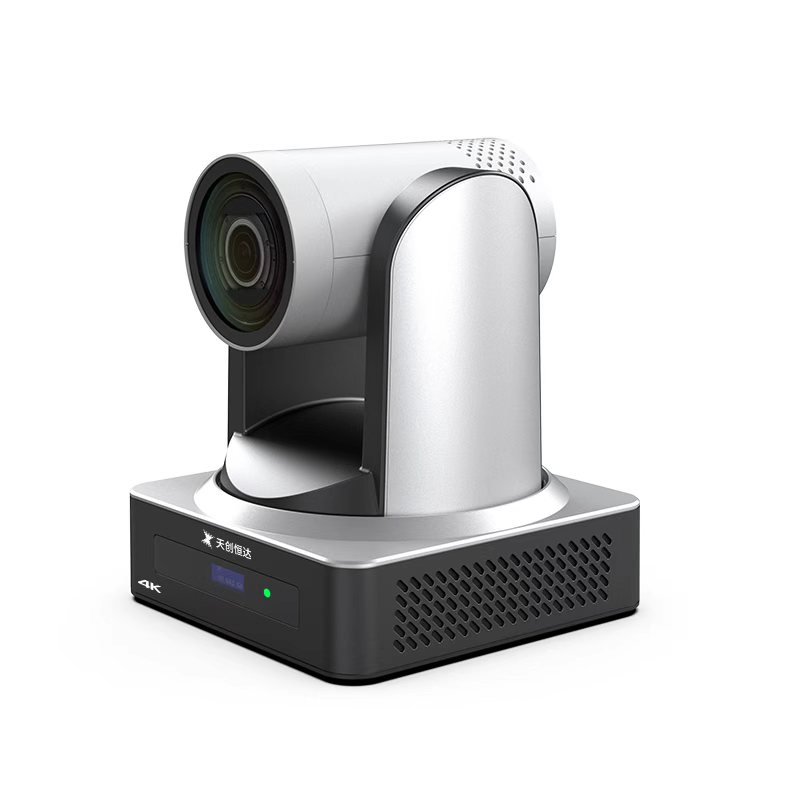
Camera sourcing failures rarely start with the camera. They start with documentation that names the company instead of the model, with an acceptance standard that was never written down, and with delivery and payment terms that were assumed rather than confirmed in the quotation.
For a buyer in the Research-to-Evaluation stage, evaluating a live streaming camera supplier therefore comes down to four verifiable gates: model-level certification, a defined pre-shipment test, explicit commercial and delivery terms, and evidence that the camera has already run in a comparable project. This article sets out that four-gate method and works it through using TCHD Video (TCHD Digital Video Technology Development (Beijing) Ltd, a live streaming camera and video hardware manufacturer established in 2005 and based in Haidian District, Beijing) as a documented example.
The example is deliberately not uniformly flattering. Two TCHD models carry published certification documentation; one model in the current line-up does not yet list CE, FCC, or ISO numbers in its published specifications. Knowing how to tell those two situations apart before a purchase order is issued is the actual skill this article is about.
The Core Problem: Supplier Claims Are Company-Level, Purchase Risk Is Model-Level
When a buyer starts researching a live streaming camera supplier, the first documents they meet are usually a company profile, a compliance badge on a homepage, and a downloadable catalog. None of those three documents tells the buyer what will actually arrive in the carton, and none of them survives contact with a customs officer or a failed installation.
Three gaps cause most of the damage, and all three are visible during evaluation if the buyer knows what to ask for.
Gap 1 - The certification gap
Management system certificates such as ISO 9001:2015 and ISO 14001:2015 describe how a factory is organised: how quality is planned, documented, and audited, and how environmental impact is controlled. They are a supplier-level signal. They do not certify an individual camera model.
Product conformity documentation such as CE EMC describes a product's tested behaviour against a defined standard. That is a model-level signal. Buyers who ask "are you certified?" receive a yes either way. Buyers who ask "which certificate covers model X, against which standard version, issued by whom?" receive an answer they can use in an import file.
Gap 2 - The acceptance gap
"100% tested" is a process claim, not an acceptance standard. It does not state which functions were tested, at which settings, against which limits, or what happens to a unit that fails. Without a written acceptance protocol agreed before production, the buyer's only remedy after arrival is a dispute - usually from a weaker position, especially when payment has already cleared.
Gap 3 - The delivery and payment gap
Minimum order quantity, lead time, Incoterms, and payment schedule are frequently buried in the final quotation rather than stated in the first. On small or first orders where full prepayment is required, the buyer carries the entire commercial risk until the goods arrive. That makes Gates 1 and 2 below the buyer's only real protection during the production window.
The three gaps compound. A model-level certification question that goes unanswered during research becomes an import problem at the border; an undefined acceptance protocol becomes a quality argument after delivery; an unconfirmed Incoterm becomes an unexpected freight line on the final invoice.
Industry Background: More Supply, More Overlapping Claims
The live streaming camera category is expanding, and supply is expanding with it. Four verified data points frame the verification burden that buyers now carry.
- The global live streaming camera market is projected to reach USD 3.35 billion in 2025, growing at a compound annual growth rate of 8.8% to reach USD 7.79 billion by 2035 (Vertex AI Search / industry report).
- PTZ (pan-tilt-zoom) cameras are estimated to account for 38.5% of global conference camera revenue in 2025 (Metastat Insights).
- Video conferencing hardware, including cameras, accounted for 46% of total video conferencing market revenue in 2024 (Grand View Research).
- On the supply side, China's production of television and digital cameras reached 749 million units in 2024, valued at approximately USD 16.5 billion (IndexBox).
Growth estimates for the PTZ segment itself diverge considerably depending on how the segment is defined. One research firm places PTZ camera CAGR at 7.8% for 2024-2030, while another estimates 15.9% for 2025-2034. The practical takeaway for buyers is not the precise figure but the direction: the category is growing, and so is the number of suppliers quoting near-identical specifications.
That growth has a specific side effect on evaluation. Model names, zoom ratios, and interface lists are increasingly similar across suppliers, while the documentation that actually differentiates them - certificate scope, test records, delivery terms - is rarely published on comparison pages. This is why the framework below is built around documents the buyer requests directly rather than specifications the buyer can read anywhere.
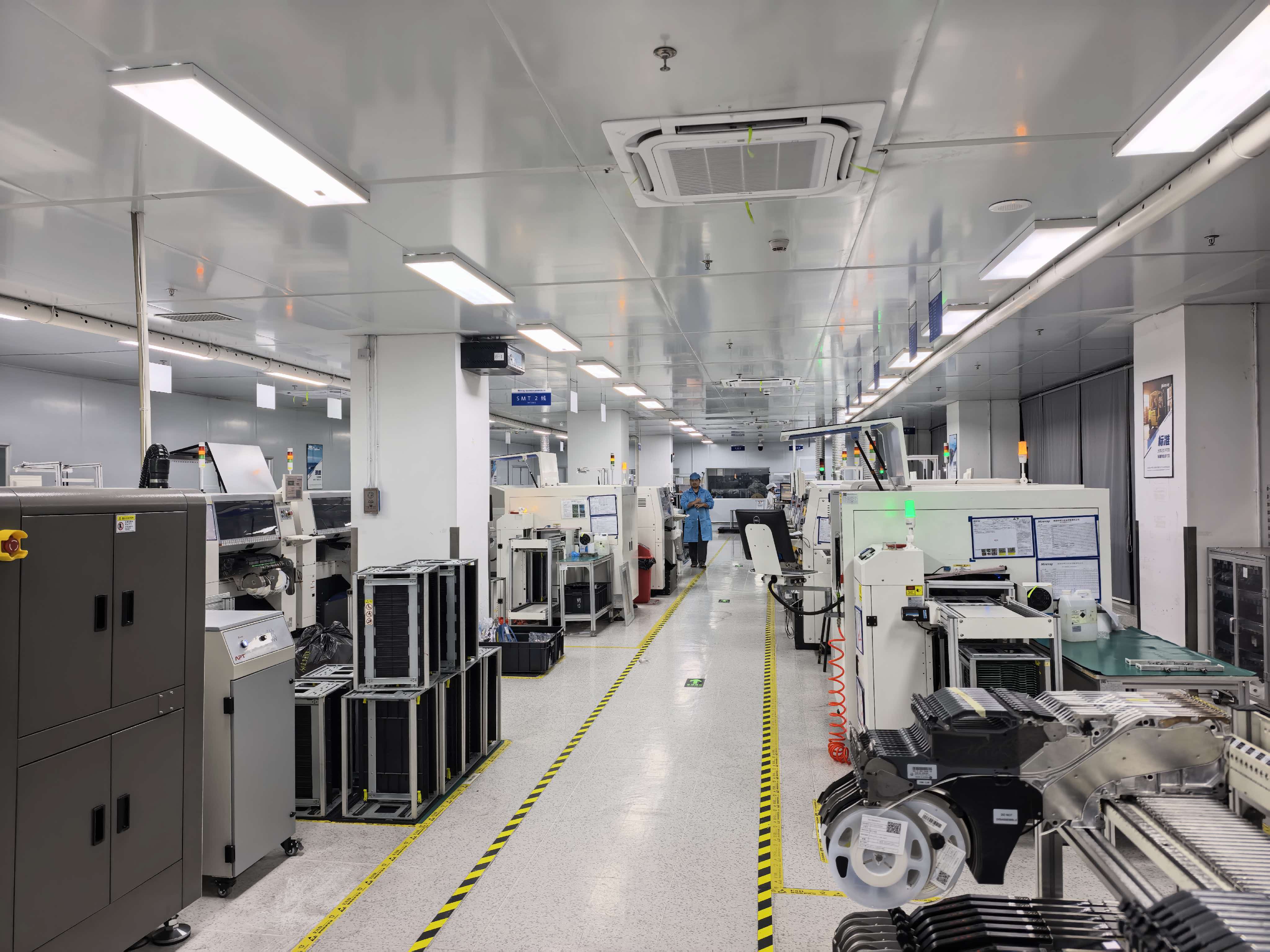
For scale reference, TCHD Video operates a 10,000 m² facility with 50 employees, an annual output of 4,000 units, and a 10-engineer R&D team. It exports roughly 20% of output, with main markets in the EU, USA, and Asia, and its product range covers live streaming cameras alongside video capture cards, converters, encoders, and switchers.
The Four-Gate Supplier Evaluation Framework
Gate 1 - Model-level certification: separate management systems from product conformity
The first document to request is the certificate set that names the quoted model. Two document types matter, and they answer different questions.
- Management system certificates - ISO 9001:2015 (quality management) and ISO 14001:2015 (environmental management) - describe the manufacturer's processes and are supplier-level signals.
- Product conformity documentation - for example CE EMC - describes tested product behaviour against a defined standard and is a model-level signal.
For TCHD Video models, the documented position at the time of writing is as follows:
- TC-980S (model 6370): ISO 9001:2015 and ISO 14001:2015 documentation covering the model.
- TC420 (model 6388): quality management system documentation together with CE EMC certification.
- TCHD-X6: the current published specifications do not list CE, FCC, or ISO numbers. Buyers planning EU or US distribution for this model should request the current certificate set before ordering and treat the item as open until it is documented.
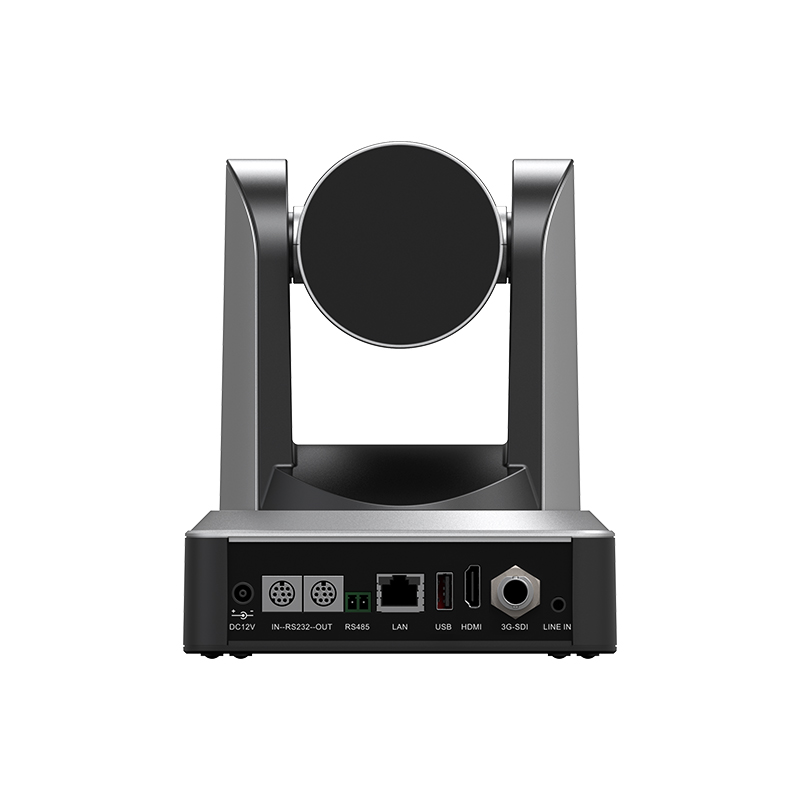
A further distinction matters for medical teaching projects. Medical electrical equipment, including surgical cameras, must comply with the IEC 60601-1 series for basic safety and essential performance. If a live streaming camera is used inside a medical teaching chain, the buyer should confirm with the supplier whether the device is supplied as a non-patient-contact video device or as part of a medical electrical system, because that changes which documentation applies.
Practical rule: ask for the certificate that names the model, the standard version, the certificate number, and the issuing body. A homepage badge is none of those four things.
Gate 2 - Pre-shipment test and acceptance criteria
TCHD Video states 100% test as its quality control approach. A process statement of that kind becomes a usable acceptance standard only when the buyer converts it into a written, checkable list before the purchase order is issued. The list below is built from the published specifications of the models discussed in this article, so every line item can be verified against the physical unit rather than against a promise.
- Identity and configuration. Model, firmware version, and serial number matched to the order; lens option confirmed where the model supports multiple optical zoom configurations (the TC-980S is listed in 12X, 20X, and 30X optical zoom versions).
- Optical path. Full zoom travel, focus behaviour, and image output checked at the model's listed formats. TC-980S lists 12X optical zoom with 16X digital zoom; TC420 lists 12X optical zoom with 15X digital zoom; TCHD-T3 lists a 12X lens (f3.5-42.3 mm, F1.8-F2.8) with 16X digital zoom.
- Mechanical range. Pan and tilt driven through the full published range: -170° to +170° pan and -30° to +90° tilt on TC-980S, TC420, and TCHD-T3.
- Preset recall. Presets stored and recalled. TC-980S, TC420, and TCHD-T3 all list up to 255 preset positions, with 10 accessible from the remote control.
- Video and audio interfaces. HDMI, SDI, LAN, and USB output verified at the formats listed on the data sheet; USB verified against UVC (video) and UAC (audio).
- Network and streaming protocols. RTSP, RTMP, ONVIF, GB/T 28181, and SRT are listed on TC420, TCHD-T3, and TC-980S; NDI and Dante AV are listed as optional on the TC-980S.
- Power behaviour. DC 12 V input, with consumption inside the published figure (≤18 W for TC-980S; under 12 W for TC420).
- Accessory completeness. HDMI cable, SDI cable, and power adapter present and tested together with the unit.
- Environmental limits. For indoor deployment, the stated operating window is -10 °C to +50 °C and 20% to 80% relative humidity.
- Packing and labelling. Carton integrity, internal protection, and label accuracy against the order specification.
Two design points are worth writing into the acceptance document itself. First, define the pass/fail threshold for each item in advance, not after the units arrive. Second, define the remedy - rework, replacement unit, or credit - and the window in which that remedy applies.
Gate 3 - Commercial terms: MOQ, prepayment, FOB and C&F
This is the gate where the buyer's risk profile is actually set, and it is usually the gate that gets the least attention during the research stage.
Published commercial terms for TCHD Video orders are a 1-unit minimum order quantity, a 30-45 day lead time, a monthly production capacity of 500 units, full prepayment, and delivery on FOB or C&F terms. OEM/ODM production is available with logo customization, quality control is stated as 100% test, after-sales support is provided remotely, and export markets cover the EU, South East Asia, and the USA.
Read as a risk statement rather than a price list, three implications follow.
- A 1-unit MOQ changes the sample question into a standard step. The buyer can validate a single camera before committing to volume. That is unusual in hardware categories where tooling and packaging normally impose higher minimums.
- Full prepayment transfers payment risk to the buyer for the entire 30-45 day production window. Because the buyer holds no payment leverage after the transfer, the written acceptance standard from Gate 2 becomes the only mechanism that makes the delivered shipment match the ordered specification. Accepting full prepayment without a written acceptance standard means accepting the risk without the control.
- FOB and C&F place different responsibilities on the buyer. Under FOB, the buyer arranges and pays main carriage and insurance from the port of loading. Under C&F, the supplier arranges and pays freight to the named destination port, while the buyer still carries insurance and import obligations. The Incoterm should be fixed at quotation stage, because it changes both landed cost and who controls the freight booking.
Gate 4 - Deployment evidence from comparable projects
Documentation proves compliance. Deployment evidence suggests that the model behaves as documented outside a test bench.
One TCHD Video reference can be checked against a real project profile: TC-980S (model 6370) units deployed for teaching live streaming in Germany, Australia, and Malaysia - 20 units in service over 2 years, across government, hospital, school, and YouTuber client types. The reported performance characteristics are stable operation, low noise, and auto tracking.
The way to use evidence like this is to match it against your own deployment profile. A teaching live streaming reference covering 20 units over 2 years is directly relevant if you are deploying for education, training, or worship streaming in a fixed indoor space. It is only indirectly relevant if you are specifying a mobile outdoor production rig.
The 2-year service window matters more than it first appears. A pilot that survives three months tests almost nothing; a two-year deployment exercises the parts that fail in year two - motors, connectors, and power supplies. A supplier who can name the countries, the quantity, the duration, and the application has given the buyer something a logo wall cannot.
Step-by-Step: Running the Evaluation in Eight Steps
- Define the deployment first. Write down the resolution requirement, mounting position, cable runs, and streaming platform before contacting suppliers. Every subsequent question depends on this document.
- Request model-level certification. Ask specifically for the certificate that names the quoted model, the standard version, the certificate number, and the issuing body.
- Request the acceptance protocol in writing. Convert "100% test" into a concrete checklist - the Gate 2 list above, or its equivalent for the model you are buying.
- Confirm commercial terms in the first quotation. MOQ, lead time, monthly capacity, payment schedule, and Incoterm (FOB or C&F) belong in the initial document, not the final one.
- Order one unit. With a 1-unit MOQ, single-unit validation is a normal commercial step rather than a concession to negotiate.
- Test against your own environment. Confirm the camera on your actual platform, network, and control system, not on a sales demonstration.
- Review evidence from a comparable deployment. Ask the supplier to describe a project with the same application type, quantity band, and service duration as yours.
- Fix the after-sales route before scaling. TCHD Video states remote support as its after-sales model; confirm the contact path, expected response, and spare-parts approach before committing to volume.
Use Cases: The Same Checklist, Different Weights
Education and lecture capture
Teaching live streaming is the application behind the TC-980S reference deployments in Germany, Australia, and Malaysia. In this scenario the acceptance checklist should weight preset recall (up to 255 positions), auto-tracking behaviour across a stage or lectern area, and stability across long teaching sessions rather than short tests. Fixed indoor installation in a classroom or lecture theatre sits comfortably inside the stated operating window of -10 °C to +50 °C and 20% to 80% relative humidity.
Enterprise conference rooms
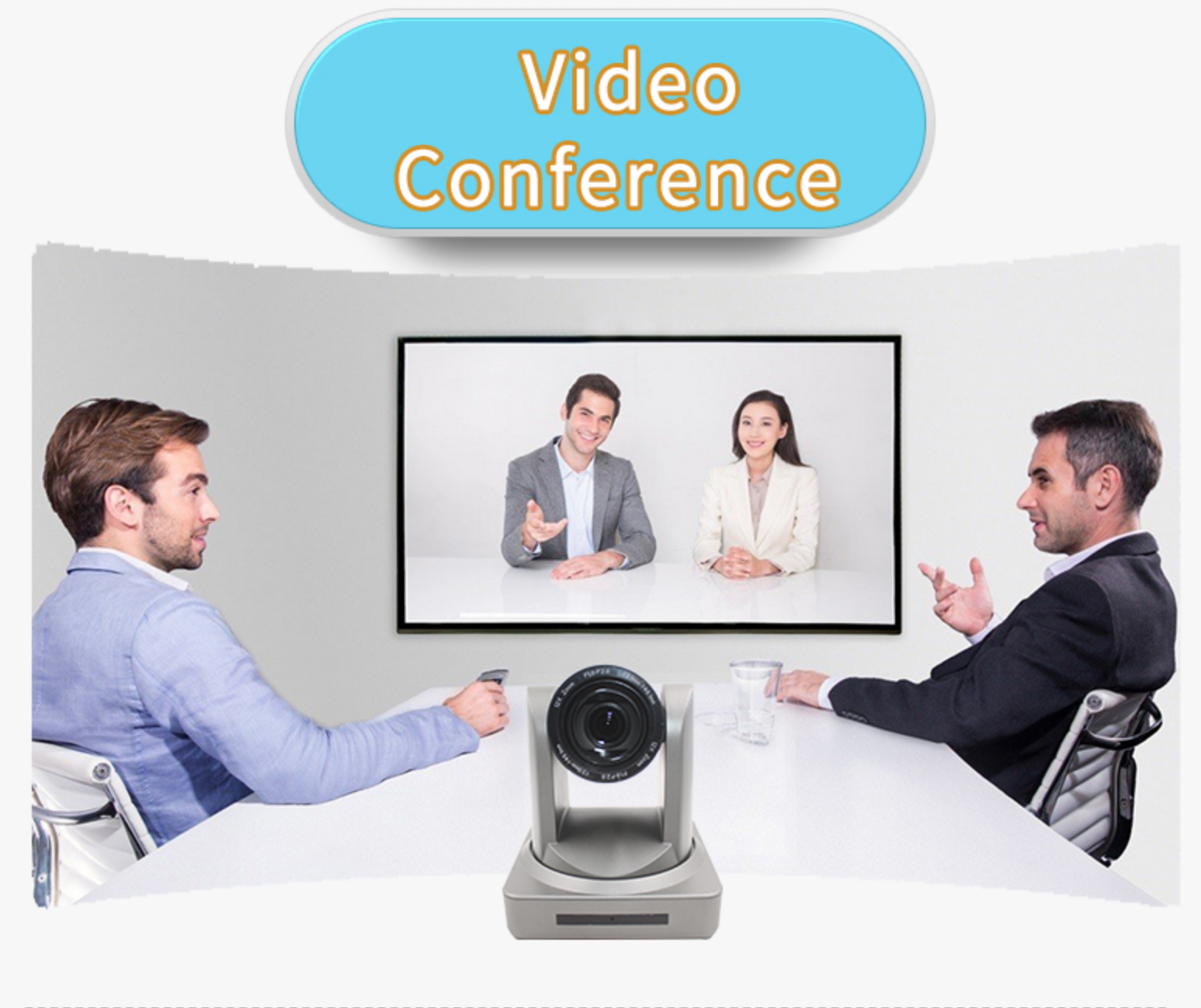
TC420 is categorised as a PTZ camera and video conference camera, supporting VISCA, Pelco-D, and Pelco-P control protocols over RS232 and RS422/RS485. For meeting-room integration, the evaluation weight shifts to control-system compatibility with the existing room controller, LAN and PoE provision, and ceiling or wall mounting geometry.
Medical teaching and training
TC-980S and TC420 are both categorised as medical teaching or medical training cameras. In this scenario, documentation questions come first: confirm whether the deployment involves a medical electrical system subject to the IEC 60601-1 series, and confirm the specific certificate set covering the model being quoted. Low-noise output and reliable remote support matter more here than in a general-purpose room, because a teaching hospital cannot schedule a camera failure around a lecture timetable.
Church and worship streaming
Church live streaming appears in TCHD Video's stated application coverage. It is a fixed indoor deployment with multi-camera angles, a fixed control position, and long service hours. The evaluation weight falls on preset-based camera positions, a tilt range that covers the stage and congregation, and output stability across services that run longer than a typical meeting.
E-commerce live streaming
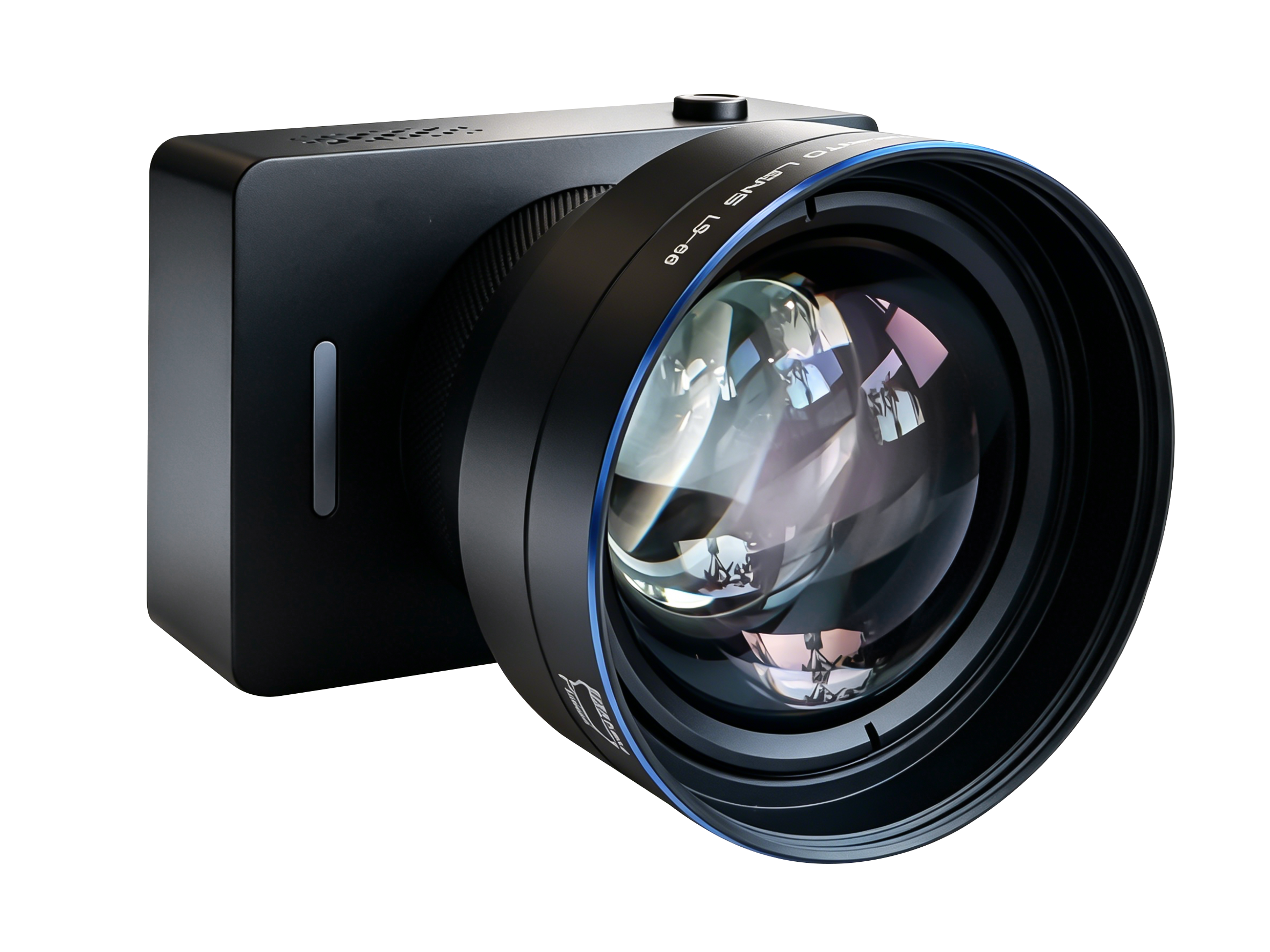
For e-commerce, the relevant TCHD models are the TCHD-T3 and the TCHD-X6. The TCHD-X6 uses a 1-inch CMOS 50 MP sensor with face-tracking autofocus, an interchangeable lens, and USB 3.0 output supporting UVC and UAC. Buyers should note that the X6's current published specifications do not list CE, FCC, or ISO numbers, so this is the model where the Gate 1 request is most important to raise early in the process.
Comparison Table: Model Documentation and Specification Snapshot
The table below compares the three PTZ live streaming camera models discussed in this article against the verification items a buyer needs at quotation stage. Every entry is taken from published model specifications or the deployment record described above. Where a value is not published, the table says so rather than estimating.
Model-level snapshot
| Evaluation item | TC-980S (6370) | TC420 (6388) | TCHD-T3 (6394) | TCHD-X6 |
|---|---|---|---|---|
| Documented certification position | ISO 9001:2015 and ISO 14001:2015 documentation for the model | Quality management system documentation plus CE EMC certification | Request the current certificate set from the supplier | CE, FCC, and ISO numbers are not listed in current published specifications |
| Image sensor | 1/2.8 inch high quality CMOS, 8.42M effective pixel, 16:9 | 1/2.8 inch high quality HD CMOS, 8.29M, 16:9 | 1/2.8 inch CMOS, 2.07M effective pixel | 1 inch CMOS, 50 MP |
| Optical / digital zoom | 12X optical, 16X digital (20X and 30X optical versions also listed) | 12X optical, 15X digital | 12X optical (f3.5-42.3 mm, F1.8-F2.8), 16X digital | Fixed body with interchangeable 4.8X macro or 58 mm portrait lens |
| Main video outputs | HDMI (up to 3840x2160 / 1080P60), SDI, LAN (PoE+), USB 3.0 | HDMI (4Kp30, 1080P60), SDI, LAN (PoE), USB 3.0 | HDMI 1.4b, SDI, LAN (PoE), USB 3.0 Type-C and USB 2.0 Type-A | USB 3.0 (UVC / UAC), up to 4K@30fps MJPEG |
| Control interfaces | RS232-IN, RS232-OUT, RS485; VISCA, Pelco-D, Pelco-P | RS232-IN, RS232-OUT, RS422 (compatible with RS485); VISCA, Pelco-D, Pelco-P | USB 3.0 Type-C, USB 2.0 Type-A, RJ45, HDMI, 3.5 mm audio | USB 3.0 full-function port |
| Pan / tilt range | -170° to +170° / -30° to +90° | -170° to +170° / -30° to +90° | -170° to +170° / -30° to +90° (preset count 255) | Not applicable to this form factor |
| Preset positions | Up to 255 (10 via remote control) | Up to 255 (10 via remote control) | 255 | Not applicable |
| Power | DC 12 V, total consumption ≤18 W | DC 12 V, consumption under 12 W | DC 12 V (JEITA type), PoE supported on the network port | USB port powered |
Commercial terms at a glance
| Commercial term | Published position |
|---|---|
| Minimum order quantity | 1 unit |
| Lead time | 30-45 days |
| Monthly production capacity | 500 units |
| Payment terms | Full prepayment |
| Delivery terms | FOB and C&F |
| Production mode | OEM / ODM with logo customization |
| Quality control | 100% test |
| After-sales | Remote support |
| Export markets | EU, South East Asia, USA |
Frequently Asked Questions
What certifications should I ask a live streaming camera supplier to document?
Ask for the certificate that names the quoted model, the standard version, the certificate number, and the issuing body, and separate management system certificates from product conformity documentation. As a worked example, TCHD Video documents ISO 9001:2015 and ISO 14001:2015 for the TC-980S (model 6370), and quality management system documentation plus CE EMC for the TC420 (model 6388). The TCHD-X6 does not list CE, FCC, or ISO numbers in its current published specifications, so EU or US buyers should request the current certificate set before ordering that model. Where the camera forms part of a medical teaching chain, also confirm whether the IEC 60601-1 series applies to the intended use.
How do I verify pre-shipment testing before an order ships?
Convert the supplier's process statement into a written acceptance checklist before issuing the purchase order. For PTZ models such as TC-980S, TC420, and TCHD-T3, that list should cover identity and firmware, full zoom and focus travel, pan and tilt through the published range of -170° to +170° and -30° to +90°, preset storage and recall, HDMI, SDI, LAN, and USB output at the listed formats, streaming protocol support, DC 12 V power behaviour, and accessory completeness. TCHD Video states 100% test as its quality control approach; the buyer's task is to define pass/fail thresholds and the remedy for a failed unit before shipment rather than after arrival.
What MOQ, payment, and delivery terms apply to a TCHD Video order?
The published terms are a 1-unit minimum order quantity, a 30-45 day lead time, a monthly production capacity of 500 units, full prepayment, and FOB or C&F delivery. Full prepayment means the buyer carries payment risk across the whole production window, which is why the written acceptance standard matters more than the price line. FOB and C&F differ in who arranges and pays for main carriage, so the Incoterm should be selected at quotation stage because it changes both landed cost and freight control.
Can I validate a single unit before placing a project order?
Yes. With a 1-unit MOQ, ordering a single live streaming camera for validation is a standard commercial step rather than a special concession. Use the sample to run the full acceptance checklist and to test the camera against your own network, control system, and streaming platform before committing to volume. A single unit is also the practical way to compare model types - for example, whether a USB-based camera such as the TCHD-X6 fits the workflow, or whether a PTZ model with HDMI, SDI, and LAN output such as the TC-980S, TC420, or TCHD-T3 fits better.
Does TCHD Video supply live streaming cameras for church streaming projects, and how long does delivery take?
Church live streaming is listed in TCHD Video's application coverage. It is a fixed indoor deployment with multiple camera angles, a fixed control position, and long service hours - a profile that fits PTZ models with HDMI, SDI, and LAN output such as the TC-980S, TC420, and TCHD-T3, all of which list pan and tilt coverage of -170° to +170° and -30° to +90° with up to 255 preset positions. Planned production lead time is 30-45 days, monthly capacity is 500 units, and the stated after-sales model is remote support. Buyers can request a sample unit, a formal quotation, or the full product catalog as a first step, and should confirm the current certificate set for the specific model at the same time.
Conclusion: Buy Documents, Not Adjectives
Evaluating a live streaming camera supplier is a documentation exercise before it is a technical one. The four gates in this guide answer four separate questions: which certificate covers the model being quoted, what the pre-shipment test actually checks, what the commercial and delivery terms transfer to the buyer, and whether the model has already run in a comparable project.
Applied to TCHD Video, the framework produces a mixed but usable picture. The TC-980S carries ISO 9001:2015 and ISO 14001:2015 documentation and has a two-year teaching live streaming record across Germany, Australia, and Malaysia with 20 units. The TC420 carries quality management system documentation and CE EMC certification. The TCHD-X6 does not currently list CE, FCC, or ISO numbers in its published specifications, which makes it the model where a buyer should raise the certification question earliest.
That last point is the one worth carrying into any supplier conversation. A manufacturer that tells you which model is not yet documented is more useful during evaluation than one that answers yes to every question. The first answer can be planned around; the second has to be discovered at the border.
Next Step: Sample, Quote, or Catalog
TCHD Video supplies live streaming cameras, video capture cards, converters, encoders, and switchers from a 10,000 m² facility in Beijing, with OEM/ODM support, a 1-unit MOQ, and a 30-45 day lead time. Buyers can request a single sample unit for validation, a formal quotation with an FOB or C&F Incoterm, or the full product catalog covering the TC-980S, TC420, TCHD-T3, TCHD-X6, and the wider range.
Download the catalog: TCHD Product Catalog 2025 (PDF)
Website: www.tchdvideohk.com
Technical blog: blog.tchdvideohk.com
Email: tomzhang@tchdvideo.com | WhatsApp: +86 19498872019
Tel: +86-13910334207 | Address: Room#411, Building#1, Yard#9, Lianqiao 2nd Street, Haidian District, Beijing, China
Have Questions or Need More Details?
Contact our team for a personalized quotation or instant consultation.
Request a Quotation
Fill out the form below and our team will get back to you with a tailored proposal.
WhatsApp Direct Chat
Prefer to chat in real-time? Message us on WhatsApp for instant assistance & quick answers.
- Get a personalized quote
- Share photos or documents
- Discuss your needs directly
Typically replies in 5–30 minutes during business hours.