Match Your Live Streaming Camera to the Project: PTZ, 4K, HDMI and SDI Options
Match Your Live Streaming Camera to the Project: PTZ, 4K, HDMI and SDI Options
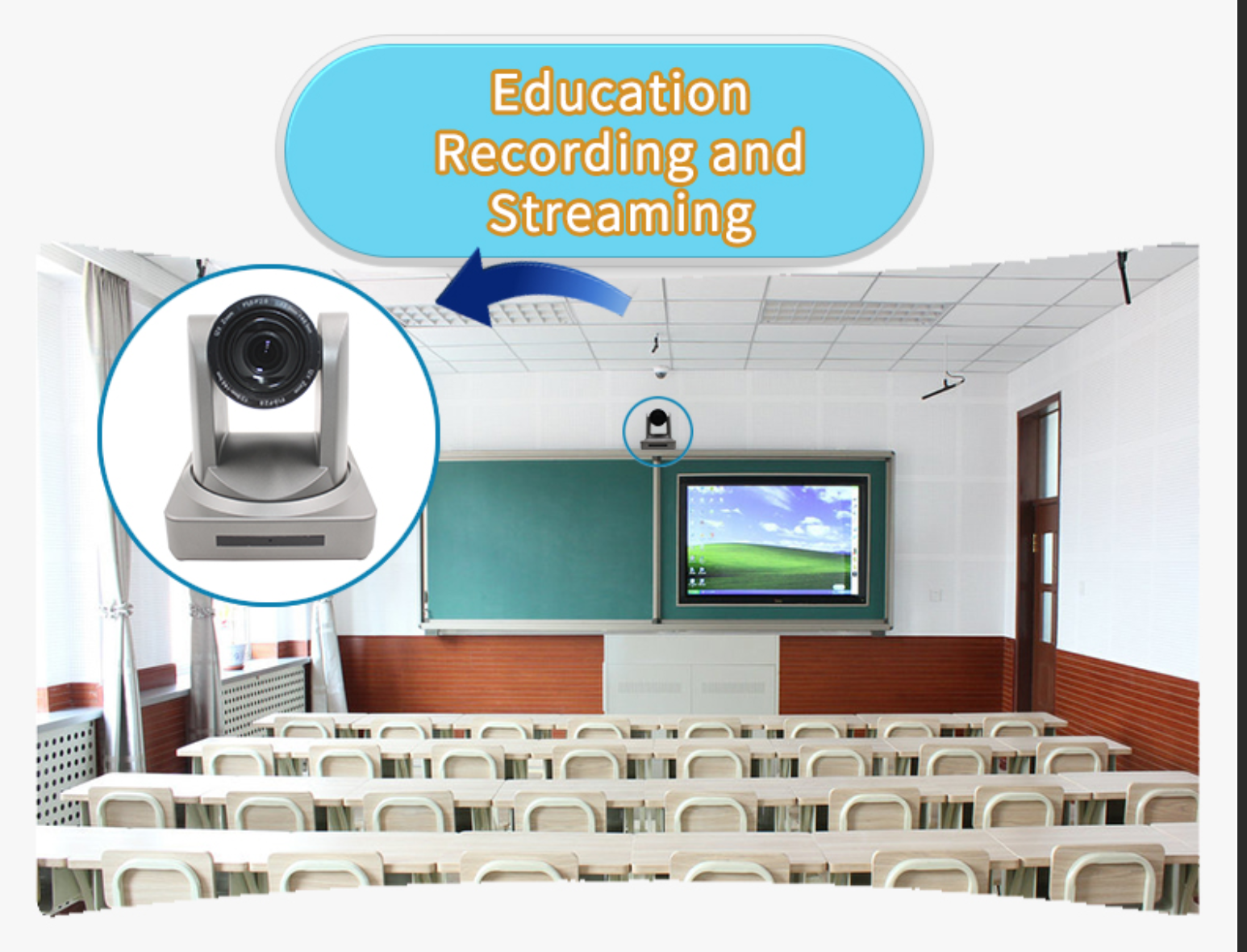
Classroom, medical teaching and event streaming share common PTZ needs but require different output and control choices.
The most useful question in a streaming camera project is not “which camera has the highest resolution?” but “which live streaming camera can be installed, controlled, connected and maintained in this room?” This project-fit view helps buyers separate specialized terms such as PTZ camera, video conference camera, IP camera, HDMI camera, SDI camera and 4K camera from the actual interface and workflow needed.
TCHD Video is the working brand of TCHD Digital Video Technology Development (Beijing) Ltd, a Beijing-based manufacturer established in 2005. The company produces live streaming cameras, video capture cards, converters, encoders and switchers, and customizes products according to customer needs. This article uses TCHD Video’s three main streaming camera lines—TC-980S, TC420 and TCHD-T3—as examples of how a specification sheet maps to education, medical, e-commerce, corporate and event streaming projects.
Project-Fit Is More Than a Camera Category
Cameras are often grouped by category keywords instead of by the video chain they must feed. A PTZ camera adds motorized pan, tilt and zoom control; a 4K camera adds resolution headroom for cropping and reframing; an HDMI or SDI camera is often used when a production switcher or encoder expects a direct video connection; an IP camera is network-oriented and not always suitable as a clean HDMI/SDI source; and a CCTV or surveillance camera is designed more for monitoring than for real-time platform streaming.
A live streaming camera therefore has to be matched to the whole project: the venue, the operator model, the network, the streaming platform and the supporting equipment. In TCHD Video’s application data, the defined project types include e-commerce streaming, sports broadcasting, outdoor scenic streaming, education lecture capture, medical teaching and corporate meetings. The common function is to stream video to streaming server platforms, but the best camera model changes with the use case.
Industry Context: Why Hardware Choice Still Matters
Several third-party market signals support the move toward application-specific selection. Industry reporting projects the global live streaming camera market at USD 3.35 billion in 2025, growing at 8.8% CAGR to USD 7.79 billion by 2035. In the related video conferencing hardware segment, camera hardware accounted for an estimated 46% of total video conferencing market revenue in 2024. PTZ cameras alone are estimated to represent 38.5% of global conference camera revenue in 2025, according to market tracking. These figures show that buyers increasingly expect PTZ motion, higher resolution and clean video outputs in the same device rather than forcing a generic camera into a streaming workflow.
For a buyer at the Research-to-Evaluation stage, the practical implication is simple: camera selection should be validated by the output path, not only by product names. This is why TCHD Video separates application data from product specifications and supports indoor projects with defined temperature, humidity, interface and streaming-protocol requirements.
Detailed Solution: Three Camera Models for Different Projects
TC-980S: PTZ camera with broadcast-oriented outputs and tracking modes
The TC-980S is positioned for broadcasting, education training, medical teaching, event streaming, video conferencing and live streaming. It uses a 1/2.8-inch CMOS sensor with 8.42M effective pixels and lists optical zoom options of 12X, 20X and 30X. Its video interfaces include HDMI, SDI, LAN with PoE+ support, and USB3.0. Over the LAN interface the TC-980S supports H.264 and H.265 compression as well as protocols including RTSP, RTMP, ONVIF, GB/T28181 and SRT; the specification sheet also lists optional NDI and Dante AV support.
For venues that need unattended movement, the TC-980S includes monocular tracking modes: off, real-time tracking, stage tracking, area tracking and intelligent framing, with a listed maximum tracking distance of 18 meters. The PTZ range is -170° to +170° pan and -30° to +90° tilt, and users can set up to 255 preset positions. Total power consumption is ≤18W.
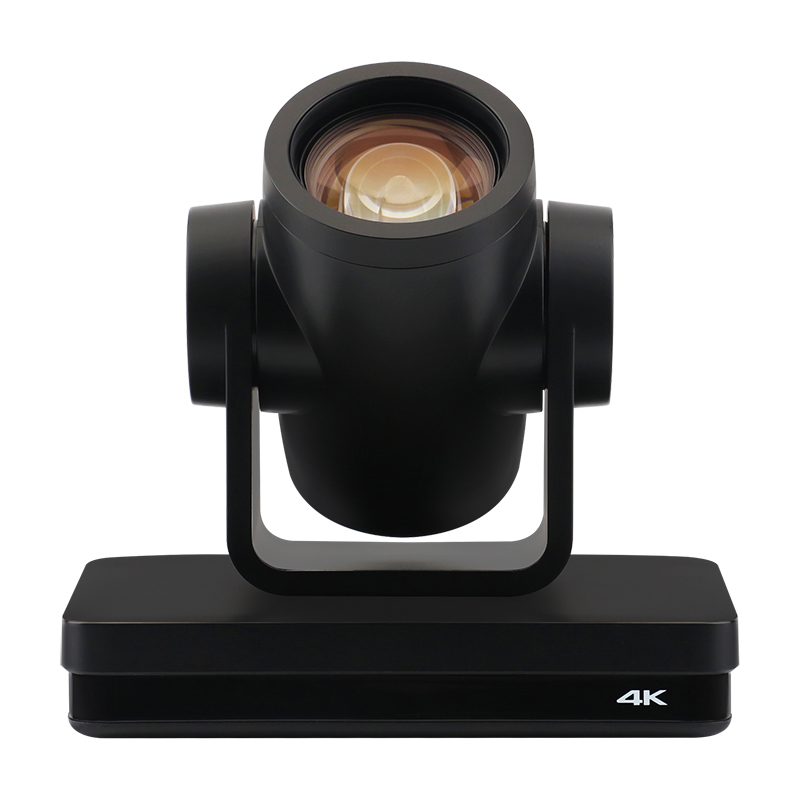
The PTZ models in TCHD Video’s lineup pair HDMI/SDI video output with network protocols such as RTSP, RTMP and SRT.
TC420: Lower-power PTZ video conference and training camera
The TC420 is a PTZ camera type intended for video conferences, education, medical training, event live streaming and broadcasting. It is built around a 1/2.8-inch HD CMOS sensor with 8.29M effective pixels and a 12X optical zoom. Its HDMI output supports up to 4KP25/30, while its SDI output supports 1080P60 and other common broadcast rates. USB3.0 provides flexible connection to computers, and the LAN interface supports PoE.
For meeting rooms and training spaces, one of the most useful TC420 facts is its power consumption: less than 12W. It also supports common control protocols including VISCA, Pelco-D and Pelco-P, plus network protocols such as RTSP, RTMP, ONVIF, GB/T28181, RTMPS and SRT for integration into different streaming environments.
TCHD-T3: 1080P60 USB/HDMI camera for e-commerce and education workflows
The TCHD-T3 is designed for education teaching, e-commerce streaming and medical training applications. It uses a 1/2.8-inch CMOS sensor with 2.07M effective pixels, a 12X optical lens from f3.5mm to f42.3mm, and 16X digital zoom. The camera outputs 1080P video at up to 60fps and supports H.264, H.265 and MJPEG compression. USB connectivity is based on UVC 1.1 to 1.5, with UVC PTZ support, which means it can behave like a standard webcam while still giving software control of pan, tilt and zoom.
The TCHD-T3 also includes an HDMI 1.4b output, a 3.5mm line input, and a 10M/100M RJ45 network interface with PoE support. A practical advantage for e-commerce and social selling is the horizontal/vertical screen button, which helps operators change framing for standard landscape streams or vertical social-streaming layouts without swapping cameras.
Step-by-Step: How to Match a Live Streaming Camera to Your Project
Step 1: Define the video destination
Determine whether the camera will feed a computer over USB, a hardware encoder or switcher over HDMI/SDI, or a network streaming system with RTMP/RTSP. For a PC-based conference room, UVC compatibility is essential. For a production desk, HDMI and SDI matter more than auto-framing software.
Step 2: Decide whether the camera must move
A fixed camera can cover a static speaker, but most education, church and medical teaching rooms need repeated shot changes. In those spaces, look for PTZ control, preset positions and the ability to recall shots from a controller or software. If the presenter moves, add a tracking-capable model such as the TC-980S.
Step 3: Confirm indoor operating conditions and duty cycle
TCHD Video’s application scenario data for this product family is indoor: working temperature -10°C to +50°C, working humidity 20% to 80%, and the capability to support 24/7 operation in at least one listed streaming project type. Any camera placed in an unheated outdoor housing or extreme environment would need additional enclosure and thermal review.
Step 4: Check control, audio and supporting equipment
Plan for the small connections that make live streaming reliable: HDMI cable, SDI cable, power adapter, and audio input path. If you use RS-232, RS-422 or RS-485 controllers, check whether the camera supports the same serial protocols as your control system. TCHD Video lists VISCA, Pelco-D and Pelco-P compatibility across the PTZ-oriented models.
Step 5: Evaluate the source before scaling
For OEM or branded projects, production facts also matter. TCHD Video lists OEM/ODM production, logo customization, a minimum order quantity of 1 unit, monthly capacity of 500 units, lead time of 30-45 days, and 100% test before shipment. That allows an integrator to validate one camera in the real venue before committing to a larger rollout.
Use Cases That Drive Camera Choice
Education and lecture capture
Classrooms usually operate with either a local technician or a scheduled automatic system. For lecture capture, the camera needs stable output, quiet operation, PTZ presets and the ability to run through long teaching blocks. TCHD Video’s project case data includes a teaching-live-streaming deployment of 20 TC-980S units used by government, hospital, school and YouTuber clients over a two-year period; the reported result was stable operation, no noise and auto tracking. This is not a claim that every classroom will have the same result, but it shows that the TC-980S has been used in real teaching-live-streaming environments.
Medical teaching and training
Hospitals, medical schools and training centers need to show procedures to a larger audience without making the room feel crowded with camera operators. For this reason, the product categories for the TC-980S, TC420 and TCHD-T3 include medical teaching or medical training. A camera intended for medical teaching is not automatically a regulated surgical camera; integrators should verify applicable requirements such as the IEC 60601-1 series when the camera becomes part of regulated medical electrical equipment. For training and observation workflows, the important selection points are image stability, HDMI/SDI output, quiet PTZ movement and repeatable presets.
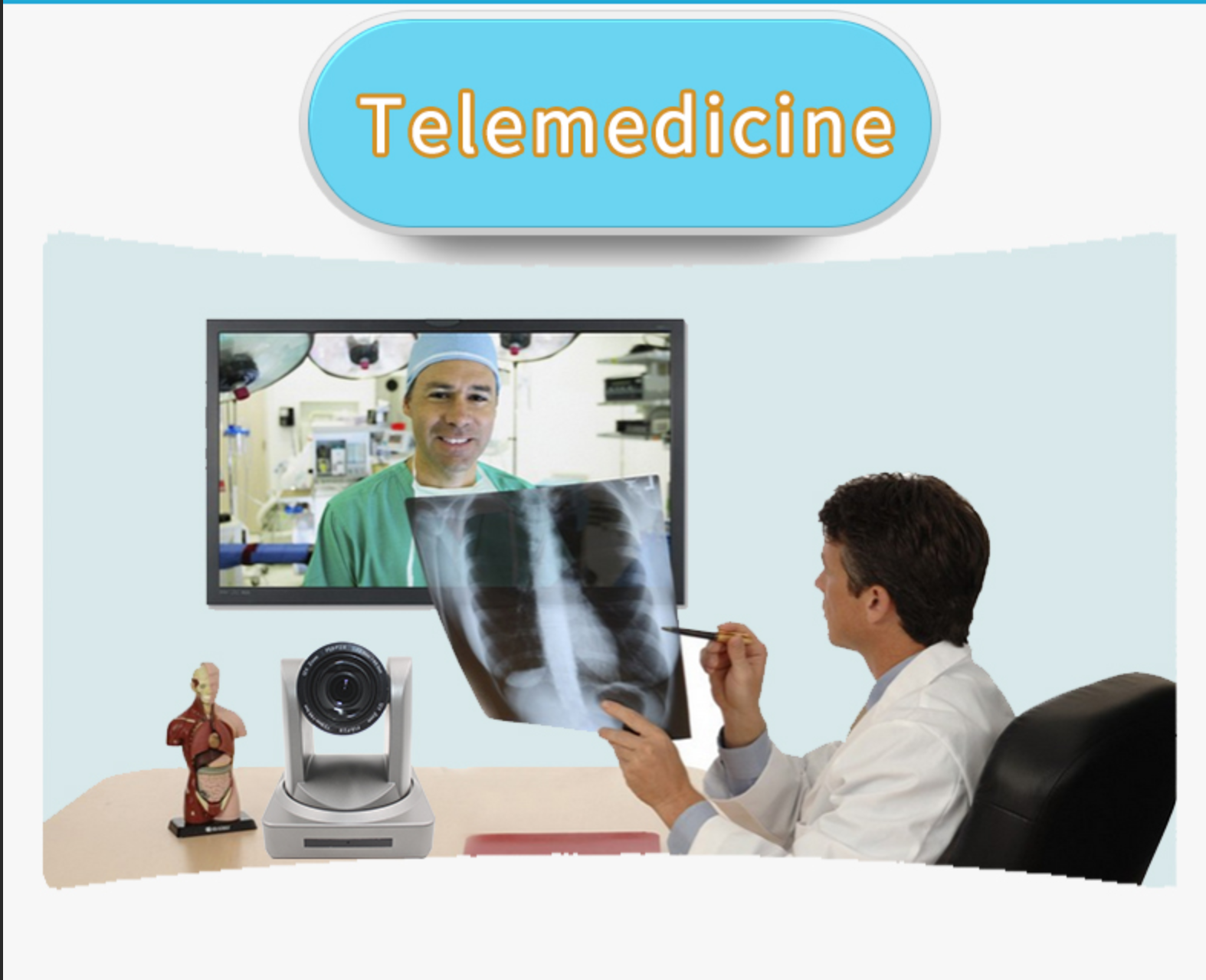
Medical teaching videos benefit from camera models with clean HDMI/SDI outputs and repeatable PTZ presets.
Corporate meeting rooms and video conferencing
For meeting rooms, power consumption, USB compatibility, and camera-control integration often matter more than 4K branding. The TC420’s less-than-12W power consumption, USB3.0 output and support for VISCA/Pelco control make it well suited to conference tables and huddle-room installations. When the meeting room is also used for executive presentations or hybrid events, the TC-980S provides higher zoom options and additional network streaming flexibility.
E-commerce and social media livestream selling
E-commerce streaming needs a camera that works with commonly used encoding software and can change framing quickly. The TCHD-T3 is useful here because it behaves as a UVC camera, supports 1080P60, and includes a dedicated horizontal/vertical screen button. For sellers who present products from a small desk setup, a USB3.0 connection and software-based PTZ control remove the need for a separate camera control panel.
Church, event and house-of-worship streaming
Church live streaming is listed among TCHD Video’s application areas together with broadcasting, education teaching, medical teaching and event live streaming. Typical church production layouts require a camera positioned far from the stage, repeated stage shots, and direct streaming to popular platforms. Models such as the TC-980S and TC420 bring PTZ presets, network streaming protocols and either HDMI/SDI output to that workflow. If the camera is far from the stage, the TC-980S’s 12X, 20X or 30X optical zoom options give the integrator more freedom in lens selection.
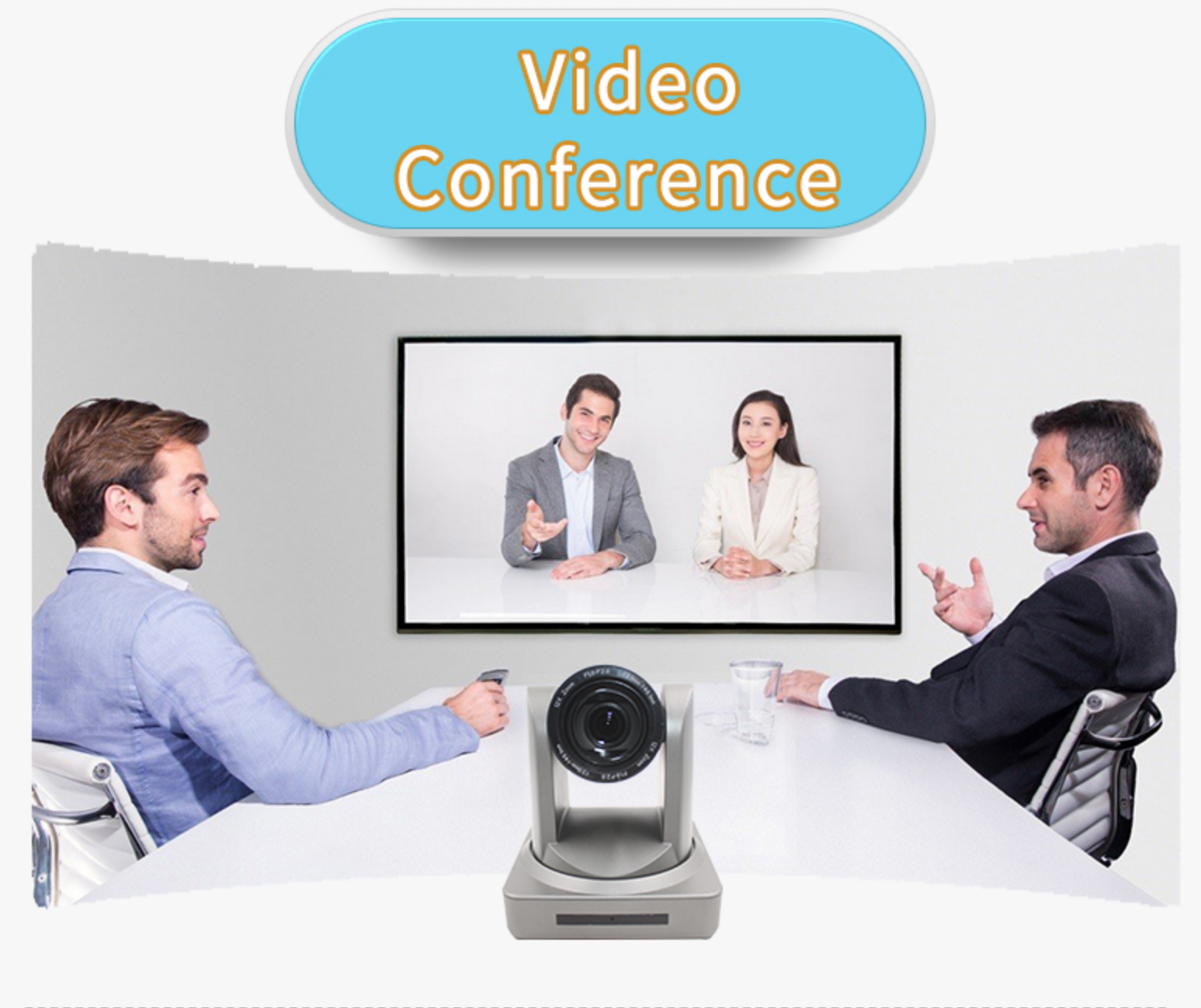
Conference and event streaming share the need for reliable camera presets, stable video interfaces and remote control.
Comparison Table: TCHD Video Live Streaming Camera Models
| Feature | TC-980S | TC420 | TCHD-T3 |
|---|---|---|---|
| Main project fit | Broadcasting, education training, medical teaching, event streaming, video conference | Video conference, PTZ, education, medical training | Education teaching, e-commerce streaming, medical training |
| Image sensor | 1/2.8-inch CMOS, 8.42M effective pixels | 1/2.8-inch HD CMOS, 8.29M effective pixels | 1/2.8-inch CMOS, 2.07M effective pixels |
| Optical zoom | 12X / 20X / 30X configurations listed | 12X | 12X, f3.5–42.3mm |
| Video interfaces | HDMI, SDI, LAN with PoE+, USB3.0 | HDMI, SDI, LAN with PoE, USB3.0 | HDMI 1.4b, USB3.0 Type C, USB2.0 Type A, RJ45 with PoE |
| Network protocols | RTSP, RTMP, ONVIF, GB/T28181, SRT; optional NDI or Dante AV | RTSP, RTMP, ONVIF, GB/T28181, RTMPS, SRT, VISCA over IP | RTSP, RTMP, ONVIF, plus TCP/IP and other network protocols |
| Camera control | RS-232, RS-485, VISCA/Pelco-D/Pelco-P, 255 presets | RS-232, RS-422 compatible with RS-485, VISCA/Pelco-D/Pelco-P, 255 presets | UVC PTZ, 255 presets, horizontal/vertical screen button |
| Tracking / automation | Monocular tracking modes with up to 18m tracking distance | No tracking mode specified in product data | Horizontal/vertical screen support |
| Power | ≤18W, DC12V | <12W, DC12V | DC12V input |
All three models are listed by TCHD Video for indoor use. The working temperature range in the scenario data is -10°C to +50°C, with working humidity of 20% to 80%; one application scenario also lists 24/7 operation. These boundary conditions are as important as resolution when matching a camera to a project.
FAQ: Project-Level Questions About Live Streaming Camera Fit
Which live streaming camera manufacturer should a church team evaluate for church streaming?
Start with camera distance, preset shots and streaming platform. A suitable manufacturer should offer PTZ control and output choices that fit the church’s production system. TCHD Video includes church live streaming in its listed application coverage. The TC-980S and TC420 both support up to 255 preset positions; the TC-980S has 12X, 20X or 30X optical zoom options; and both support RTSP/RTMP network streaming. This lets the production operator set repeatable shots for the stage, pulpit or band without hand-positioning the camera.
Is a 4K live streaming camera needed for classroom and lecture capture?
Not always. Classroom capture usually benefits from stable 1080P60 output, accurate PTZ presets, low-light performance and simple connection to a capture or encoding system. The TCHD-T3 outputs up to 1080P60 over USB and HDMI with UVC/UVC PTZ support, which is practical for a PC-based lecture-capture workflow. The TC-980S and TC420 add HDMI 4K-capable interfaces and SDI output for hardware-based systems. In one teaching-live-streaming case, 20 TC-980S units were used over a two-year period with reported stable operation, no noise and auto tracking; that type of workflow fit can matter more than maximum resolution.
What should medical teaching teams verify before specifying a PTZ camera as a medical camera?
A teaching camera and a regulated surgical camera are not the same device. TCHD Video lists the TC-980S, TC420 and TCHD-T3 for categories that include medical teaching or medical training, and hospital clients appear in the documented teaching-live-streaming case set. If the installation is part of regulated medical electrical equipment, the system integrator should check applicable requirements such as the IEC 60601-1 series. For training and observation, product decisions should focus on video quality, camera control, audio input and output path. The listed indoor range of -10°C to +50°C, 20% to 80% humidity and 24/7-capable operation provides a practical environment boundary.
Can TCHD Video support an OEM streaming camera project with a small initial order?
Yes, based on TCHD Video’s first-party capability data. The company lists OEM/ODM production, logo customization, minimum order quantity of 1 unit, monthly capacity of 500 units, lead time of 30-45 days and 100% test before shipment. For integrators, this makes it feasible to evaluate one unit in the venue before scaling. The specified export markets include Europe, the United States and Asia. For a current sample or quote policy, contact tomzhang@tchdvideo.com or use the catalog link below.
Conclusion
The fastest way to choose a live streaming camera is to define the room, the operator, the output interface and the streaming destination first. After those decisions are made, the answers become more practical: a medical training room may need an HDMI/SDI PTZ camera with repeatable presets, a classroom may need stable 1080P with auto tracking, and a social-commerce studio may need a UVC camera with vertical-screen support.
The TCHD Video lineup gives project teams a useful range of choices. The TC-980S covers broadcast-style output, higher zoom options and tracking; the TC420 offers a lower-power PTZ video-conference and training option; and the TCHD-T3 supports a practical 1080P60 USB/HDMI workflow with horizontal/vertical framing. None of these is a universal camera, and that is the point: project-specific matching prevents integration rework and gives installers a clearer path from one tested unit to a permanent deployment.
Need a project-specific recommendation?
If your venue type is still unclear after reviewing the comparison table, send the project details to tomzhang@tchdvideo.com or message +86 19498872019. TCHD Video can help you connect the camera model to your streaming platform, control system and room layout.