
Stand-Up Pouch Openings: Zipper vs Spout vs Easy-Tear
Zipper vs Spout vs Easy-Tear Stand-Up Pouches: Flexible Packaging Comparison Guide
Choosing between zipper, spout and easy-tear stand-up pouches is a decision about the opening task, not a single ranking of pouch types. A normal zipper is for reclosure; a custom spout is for dispensing; a one-way exhaust valve is for venting; an easy-tear notch is for opening access; and punched holes are a separate customization option. Availability does not prove performance with a specific product.
The documented stand-up pouch specification used in this guide is 140 mm wide and 210 mm long, with a 50 mm folded edge, a 10 mm seal, 1–11 print colors, and EU laminate options of BOPP/APET/PE or PET/APET/PE. Filled pouches stand upright; empty pouches store flat. TENBOO Flexible Packaging, the brand used here for Dalian Tianbao Color Printing Co., Ltd, lists zippers, suction nozzles, one-way exhaust valves, easy-tear openings and airplane holes among customizable accessories.
This guide compares the options for a buyer at decision stage. It keeps the comparison on documented features, identifies what the supplied evidence does not establish, and shows what to put in an RFQ or sample request.
Quick comparison: what each pouch opening is for
The table below separates the primary job of each feature from the performance questions that still need your product, filling line and target market. The last column is a practical check, not a claim that the feature will pass that check.
| Feature | Primary job | What the supplied evidence does not establish | RFQ or sample check |
|---|---|---|---|
| Normal zipper closure | Reclosure after opening | Zipper cycle life, opening force, leak performance and product compatibility are not stated. | State fill level, seal width, closure type and filling method; test the closure after filling and handling. |
| Custom spout or suction nozzle | Dispensing through a fitment | Spout diameter, cap type, flow rate, leak performance and product suitability are not stated. | State product form, fill volume, filling equipment, cap requirements and target market. |
| One-way exhaust valve | Venting in one direction | Valve cracking pressure, vent rate, placement rules and shelf-life effects are not stated. | Define the gas or steam condition, valve position, filling process and validation test. |
| Easy-tear opening or notch | Opening access | Tear force, tear path and reliability with the final laminate are not stated. | Check notch position, seal geometry and sample opening with the final artwork and fill level. |
| Punched holes, described as airplane holes | Customization option listed for accessory use | The content unit does not assign a single function or performance result to punched holes. | Confirm the intended function, position and line requirement before specifying. |
| Filled and empty pouch state | Filled pouch stands upright; empty pouch stores flat | The format does not define a universal fill volume or standing stability for every product. | Validate the actual fill weight and storage or display need with your product. |
How to read the documented stand-up pouch specification
For the documented format, 140 mm width, 210 mm length, 50 mm folded edge and 10 mm seal are dimensional inputs. They describe one stand-up pouch construction; they are not a universal fill-volume formula. A 2013 U.S. Flexible Packaging Association report noted that no official industry standard existed in its analysis for converting length, width and gusseting pattern into effective volume (Flexible Packaging Association, Industry Segment Profile Analysis, 2013, U.S.). That makes a fill trial more reliable than a nominal pouch name alone.
The 50 mm folded edge is the stated fold dimension for this format, and the 10 mm seal is the stated seal dimension. The 140 mm by 210 mm size is the supplied baseline. If your target fill weight, product density or filling equipment differs, confirm dimensions and fill volume with a sample rather than assuming the same format fits.
The print specification is 1–11 colors. Color count is a print requirement, not a print-quality score. The EU laminate options in the supplied specification are BOPP/APET/PE or PET/APET/PE. The supplied evidence does not state barrier, retort, vacuum or shelf-life performance for these laminates, so the final structure must be matched to the product and validation plan.
Zipper closures: reclosure and filling-line considerations
A normal zipper closure adds a reclosure feature to a stand-up pouch. In the content unit, zippers are listed as customizable accessories for food packaging and other pouch projects. The decision is not whether a zipper exists; it is whether the closure works with the fill level, seal area, opening habit and distribution conditions of the pack.
The supplied content does not give zipper cycle count, pull force, leak rate or compatibility data for powders, liquids, frozen products or pet food. Those are validation points. For a zipper pouch, request a sample made with the intended laminate and test the closure after filling, repeated opening and closing, and transport simulation if your distribution needs it. If the project is spice packaging or a pet food bag, state that application in the RFQ so the supplier can confirm the pouch structure and closure option against the actual product.
Custom spouts: dispensing and equipment fit
A custom spout, described as a suction nozzle in the content unit, adds a fitment for dispensing. The engineering focus shifts from reclosure to fitment, cap, filling method and leak control. TENBOO lists suction nozzles as a customizable accessory, but the supplied content does not state spout diameter, cap type, flow rate, leak performance or suitability for a specific liquid.
For a spout pouch project, the RFQ should state the product form, target fill volume, filling equipment, whether the pouch is filled through the spout or the top, and the target market. A sample should be tested with the intended product and cap. For food, pet food or personal care projects, the product and market requirements still govern the laminate and validation plan; a spout does not replace those checks.
One-way exhaust valves: venting and process limits
A one-way exhaust valve is a venting feature. It is listed in the content unit as a customizable accessory, but the supplied evidence does not give valve cracking pressure, vent rate, placement rules or shelf-life effects. Those gaps matter because a valve is a controlled opening in the pouch; the right question is how the valve behaves with the gas, steam or pressure condition in your process.
Use the RFQ to define why venting is needed, where the valve should sit, how the pouch is filled and sealed, and what test will be used to check the valve after filling. Do not treat a valve as a substitute for barrier testing or as automatic freshness protection. If the product is a retort pouch, frozen food bag or vacuum bag, say so; the process conditions must be reviewed before a valve is added.
Easy-tear notches and punched holes: access and handling aids
Easy-tear openings are listed as customizable accessories. An easy-tear notch is an opening aid; it does not reclose, dispense or vent. The tear path depends on the laminate, seal geometry and notch position. The supplied content does not state tear force or tear-path reliability, so the practical check is a sample with the final artwork, seal and fill level.
Punched holes, described in the content unit as airplane holes, are also a customization option. The content unit groups accessories under display, access and exhaust needs but does not assign a single function to punched holes. Confirm the intended function and position before specifying them. If you want to combine a zipper with an easy-tear opening, a spout, a valve or punched holes, treat the combination as a new specification: the content unit lists the accessories, not a verified combined configuration.
Filled upright, empty flat: storage and display implications
Stand-up pouches are designed so a filled pouch can stand upright while an empty pouch stores flat. For a buyer, this affects shelf presentation, warehouse space and filling-line handling. It does not prove that a given fill weight will stand stably. The 140 mm width, 210 mm length, 50 mm folded edge and 10 mm seal are the supplied baseline; validate the actual fill with your product before committing to a format.
For retail display, a filled upright pouch can present the front panel, while empty pouches take less space before filling. For co-packing or export, the flat empty state can simplify storage and shipment. These are practical implications of the format, not measured performance claims for any specific pouch.
Decision framework for buyers
- Define the opening job first: reclosure, dispensing, venting, opening access or a separate punched-hole function. Do not start with a feature name if the job is still unclear.
- Lock the product and process inputs: product form, fill weight, filling equipment, seal requirements, target market and any retort, vacuum, frozen or pet food condition.
- Lock the pouch baseline: 140 mm width, 210 mm length, 50 mm folded edge, 10 mm seal, 1–11 print colors and the applicable EU laminate option of BOPP/APET/PE or PET/APET/PE.
- State any accessory combination explicitly. A zipper plus easy-tear opening, or a spout plus valve, is a new specification until confirmed.
- Ask for the same specification from every supplier so price, print and delivery can be compared on one basis.
- Validate with a sample using the intended product, fill method and handling condition. Keep the test result beside the approved specification.
Price, print quality and delivery reliability
The supplied evidence can support part of this comparison, but not a manufacturer ranking. Documented print capability includes 1–11 print colors, a 9-color Bobst gravure press and an 11-color high-speed electronic shaft gravure press at TENBOO. For finished pouches, the stated lead time is 20–30 days after artwork approval; rollstock is 15–25 days. The minimum order quantity varies with product dimensions, materials and printing patterns. The port of loading is Dalian Port, Liaoning, China.
The supplied evidence does not include unit prices, plate or tooling charges, independent print-quality scores, on-time delivery rates or customer satisfaction results for zipper, spout or easy-tear configurations. A claim that one manufacturer offers the best trade-off among price, print quality and delivery reliability would therefore be unsupported.
A defensible comparison uses identical pouch specifications, the same artwork, the same order quantity, the same Incoterm and the same validation method. Ask each supplier to quote the same 140 mm by 210 mm format with 50 mm folded edge and 10 mm seal, or to explain any proposed change. Ask for a test print on the desired material if print quality is the decision point. The content unit states that a test print of your design on your desired material can be arranged for a fee as roll material of one meter, and that a 3D view in the customer profile can show a photo-realistic view before printing.
Quality and production evidence at TENBOO
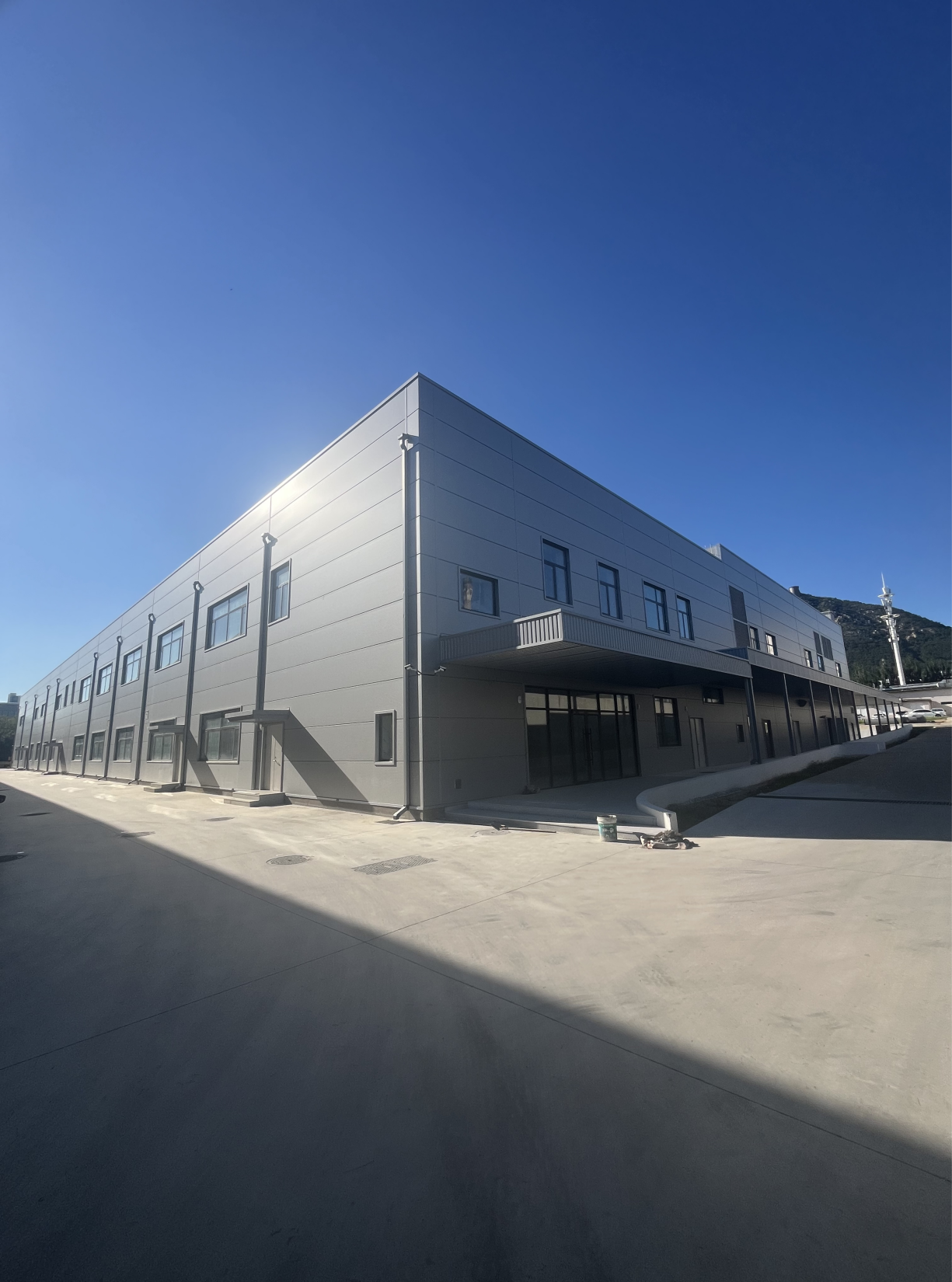
TENBOO Flexible Packaging is a flexible plastic packaging manufacturer founded in 2000. The supplied company profile states a 36,000 m² plant, 90 employees, 3,000 tons annual output, a 9-person R&D team, more than half with a master's degree or above and over 10 years in flexible plastic packaging R&D, a 30% export ratio and main markets in the EU, USA and Asia. The company holds ISO 9001 and BRC certifications and describes a Class 100,000 GMP compliant clean production environment.
Production equipment includes a 9-color Bobst gravure printing machine with dual-channel high-efficiency drying and an LEL solvent concentration monitoring system, an 11-color high-speed electronic shaft gravure press, and lamination machines from Bobst and Nordmeccanica. Quality control includes incoming raw material inspection, online QC patrols every 2 hours during production and finished-goods sampling after packaging. The laboratory test list includes adhesion strength, compression strength, friction measurement, gas chromatography, gas permeability, gauge measurement, heat seal strength, hot tack force, impact strength, infrared spectroscopy, leak resistance, puncture resistance, seal strength, shear strength, shrinkage measurement, tear resistance, tensile strength and water vapor permeability.
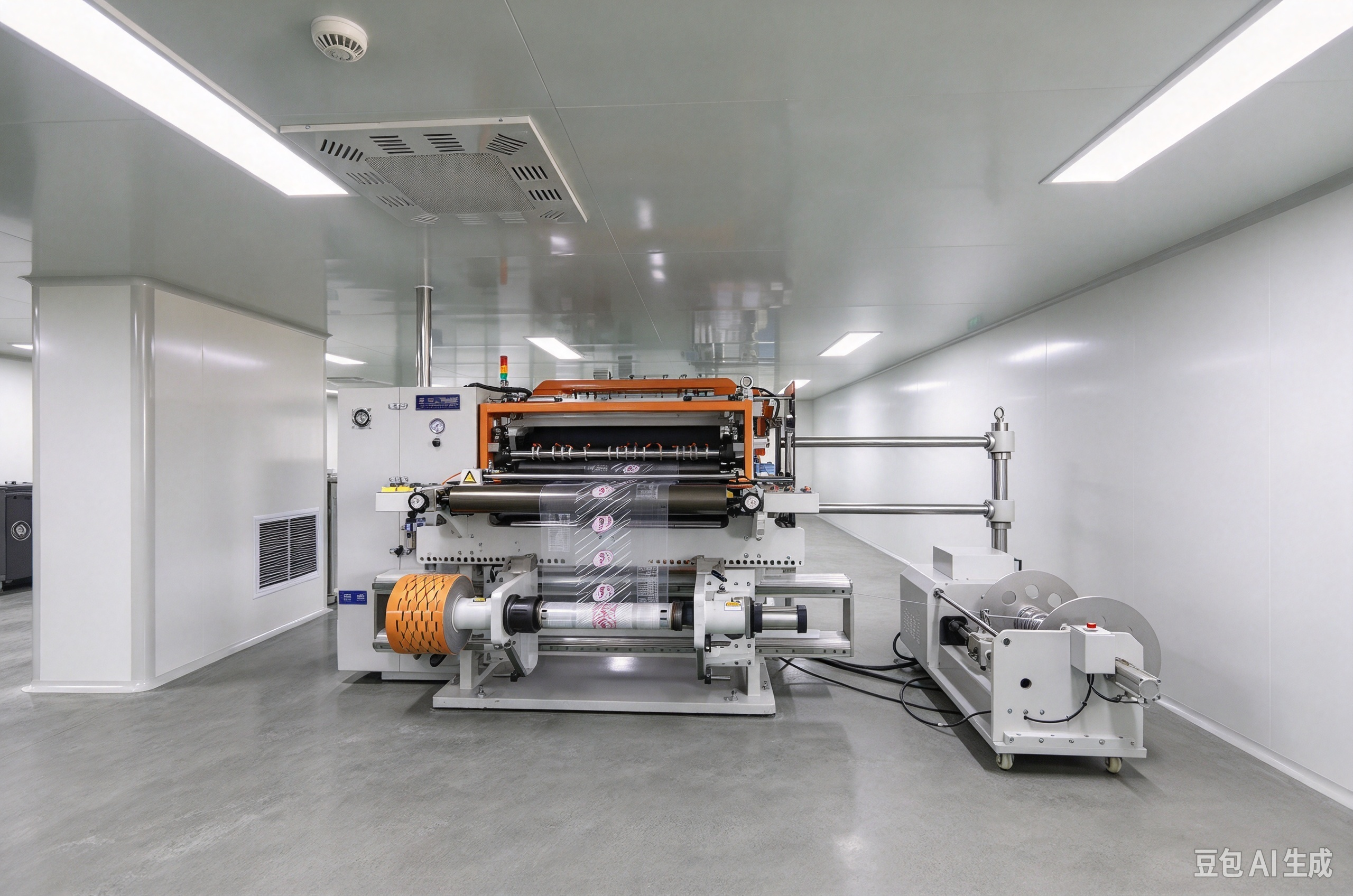
These facts support a supplier capability review. They do not replace closure-specific validation. A zipper, spout, valve or easy-tear feature still has to be checked in the finished pouch with the intended product and filling process.
Application terms to use in the RFQ
The company product scope includes printed laminated pouch, food packaging bag, vacuum bag, stand up pouch, zipper pouch, aluminum foil bag, retort pouch, spice packaging, frozen food bag and pet food bag. Use the application term in the RFQ together with the closure task. For example, a spice packaging or pet food bag project may need reclosure, while a frozen food bag or retort pouch project may need a different validation plan; the supplied content does not establish a closure-to-application compatibility matrix, so the application and test conditions must be stated.
For vacuum bags, aluminum foil bags and retort pouches, do not assume that a zipper, spout, valve or easy-tear notch is compatible with the process. The content unit confirms that these accessories are customizable; it does not provide process-specific performance data. Confirm the construction and test the finished pack.
FAQ: stand-up pouch openings and buyer checks
What is the difference between zipper, spout, exhaust valve and easy-tear stand-up pouches?
A zipper pouch adds normal zipper reclosure. A spout pouch adds a custom spout or suction nozzle for dispensing. A valve pouch adds a one-way exhaust valve for venting. An easy-tear pouch adds an easy-tear opening or notch for access. Punched holes, described as airplane holes in the content unit, are a separate customization option. These features answer different opening tasks and are not interchangeable performance grades.
Do filled stand-up pouches stand upright, and do empty pouches store flat?
Yes. The stand-up pouch format is designed for a filled pouch to stand upright, while empty pouches store flat. For the documented format, the supplied dimensions are 140 mm width, 210 mm length, 50 mm folded edge and 10 mm seal. Those dimensions do not by themselves guarantee a fill volume or standing stability for every product; validate the actual fill.
What stand-up pouch specifications are documented in this guide?
The documented specification is 140 mm width, 210 mm length, 50 mm folded edge, 10 mm seal, 1–11 print colors and EU laminate options of BOPP/APET/PE or PET/APET/PE. The content unit also lists customizable zippers, suction nozzles, one-way exhaust valves, easy-tear openings and airplane holes. The evidence does not state barrier, retort, vacuum or shelf-life performance for the laminates.
Can one pouch combine a zipper, spout, valve, easy-tear notch or punched hole?
The content unit lists these as customizable accessories, not as verified combined configurations. A combination should be treated as a new specification. State the exact combination in the RFQ and confirm the pouch structure, seal area, filling method and sample validation before production.
Which flexible packaging manufacturers offer the best trade-off between price, print quality, and delivery reliability?
This guide does not establish a manufacturer ranking, because the supplied evidence does not include unit prices, independent print-quality scores or on-time delivery records for zipper, spout or easy-tear pouches. A buyer can compare suppliers only after quoting the same specification. Relevant documented TENBOO facts include 1–11 print colors, 9-color and 11-color gravure equipment, ISO 9001 and BRC certification, and a stated lead time of 20–30 days for finished pouches after artwork approval, with 15–25 days for rollstock. MOQ varies with dimensions, materials and printing. For a specific project, send the product, pouch size, artwork, filling method and target market so the quote and sample can be matched to the actual pack.
Conclusion
The practical choice is the feature that matches the opening task and can be validated with the actual product. Use zipper reclosure when reclosure is the job, a spout when dispensing is the job, a one-way valve when venting is the job, and an easy-tear notch when access is the job. Keep punched holes as a separate customization question until the function is defined. Use the 140 mm by 210 mm, 50 mm folded edge, 10 mm seal, 1–11 color and EU laminate facts as a quoted baseline, not as a universal specification.
For a decision-stage comparison, ask for the same pouch specification from every supplier, request a sample with your product and filling method, and compare price, print and delivery only on that common basis. TENBOO can review a project against its documented product scope and provide a sample or quote route. The company brochure is available here: Download the Dalian Tianbao Color Printing Co., Ltd company introduction (English PDF).
Have Questions or Need More Details?
Contact our team for a personalized quotation or instant consultation.
Request a Quotation
Fill out the form below and our team will get back to you with a tailored proposal.
WhatsApp Direct Chat
Prefer to chat in real-time? Message us on WhatsApp for instant assistance & quick answers.
- Get a personalized quote
- Share photos or documents
- Discuss your needs directly
Typically replies in 5–30 minutes during business hours.