
LMI Controller HC4900 and Sensor LWG208: A Truck Crane Guide
LMI Controllers and Sensors in Modern Truck Cranes: HC4900, LWG208 and the Safety Chain
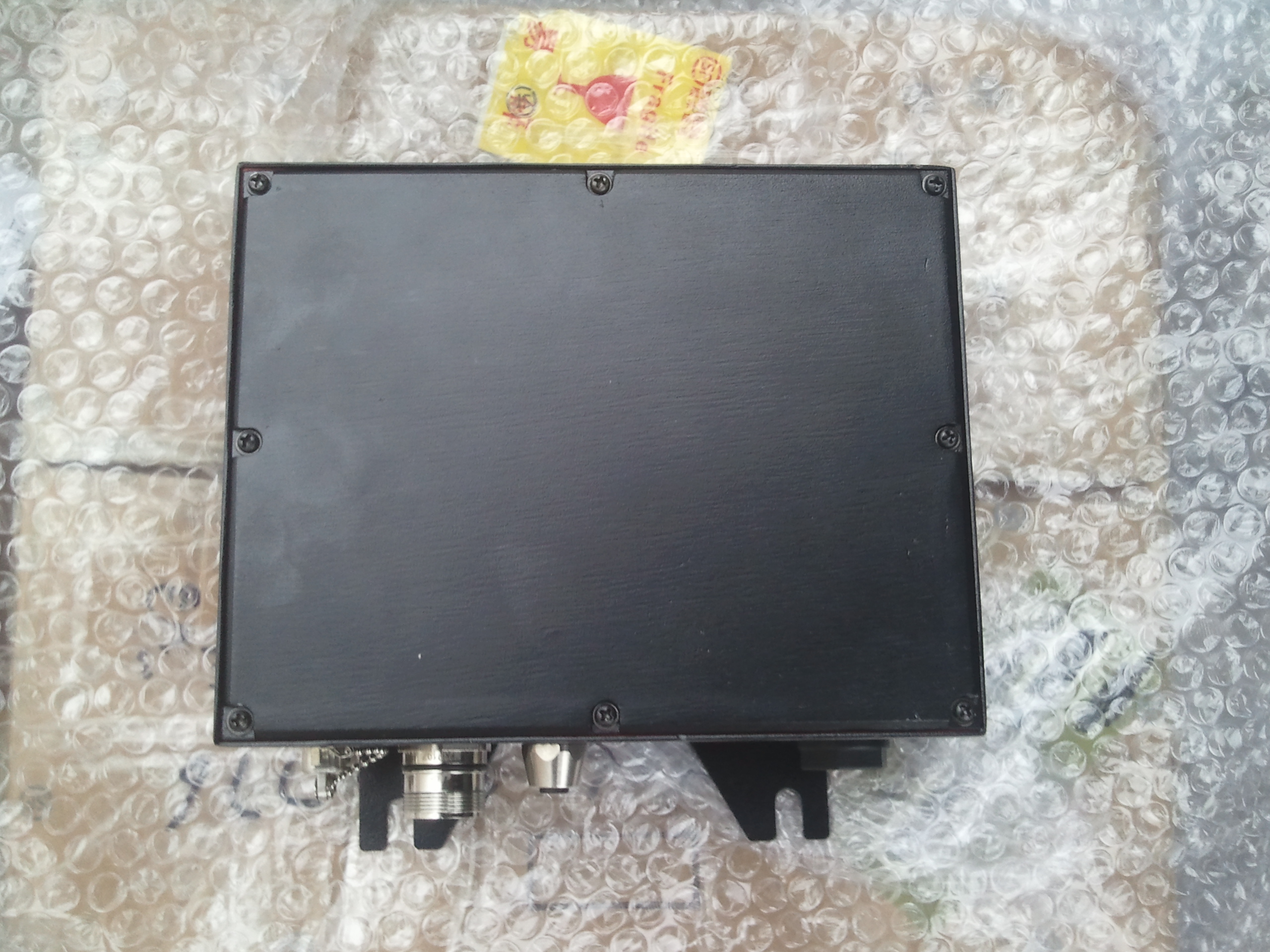
A truck crane's load moment indicator is not one device. It is a chain: a length and angle sensor measures boom geometry, an LMI controller converts that geometry into a load moment value, and the result is compared against the machine's rated capacity so the crane can warn the operator — or stop the motion — before an overload occurs. On XCMG, SANY and Zoomlion truck cranes in the 20–150 ton class, the HC4900 LMI controller and the LWG208 length and angle sensor are two of the components most frequently replaced when that chain breaks.
This technical guide is written for fleet maintenance managers, crane technicians and spare-parts buyers who have to replace one of those units without weakening a safety device. It explains what each component does, how the two interact during a lift, how compatibility should be confirmed by OEM part number rather than by brand assumption, and how the choice between genuine, premium aftermarket and low-cost imitation Truck Crane Parts changes the risk profile of the machine.
Problem Definition: What Actually Fails in a Truck Crane LMI Circuit
LMI failures rarely announce themselves as component failures. From the operator's seat, a drifting length reading, a drifting angle reading and a failing controller can all appear as the same symptom: an alarm that arrives too early, an alarm that never arrives, or a display that stops responding. Diagnosing which element of the circuit is responsible is the first and most commonly skipped step of a replacement decision.
The failure patterns that matter most in the 20–150 ton class are these:
- Length channel error. The boom extension reported to the controller does not match the real boom length, so the computed load moment is built on the wrong geometry.
- Angle channel error. The boom angle signal drifts or drops out, which produces the same effect through a different input.
- Cable reel and take-up faults. A combined length and angle sensor measures boom extension through a mechanical take-up mechanism, so a reel or cable fault can imitate an electronic fault.
- Controller and display faults. Intermittent lockouts, missing display output or unstable readings that survive a sensor swap.
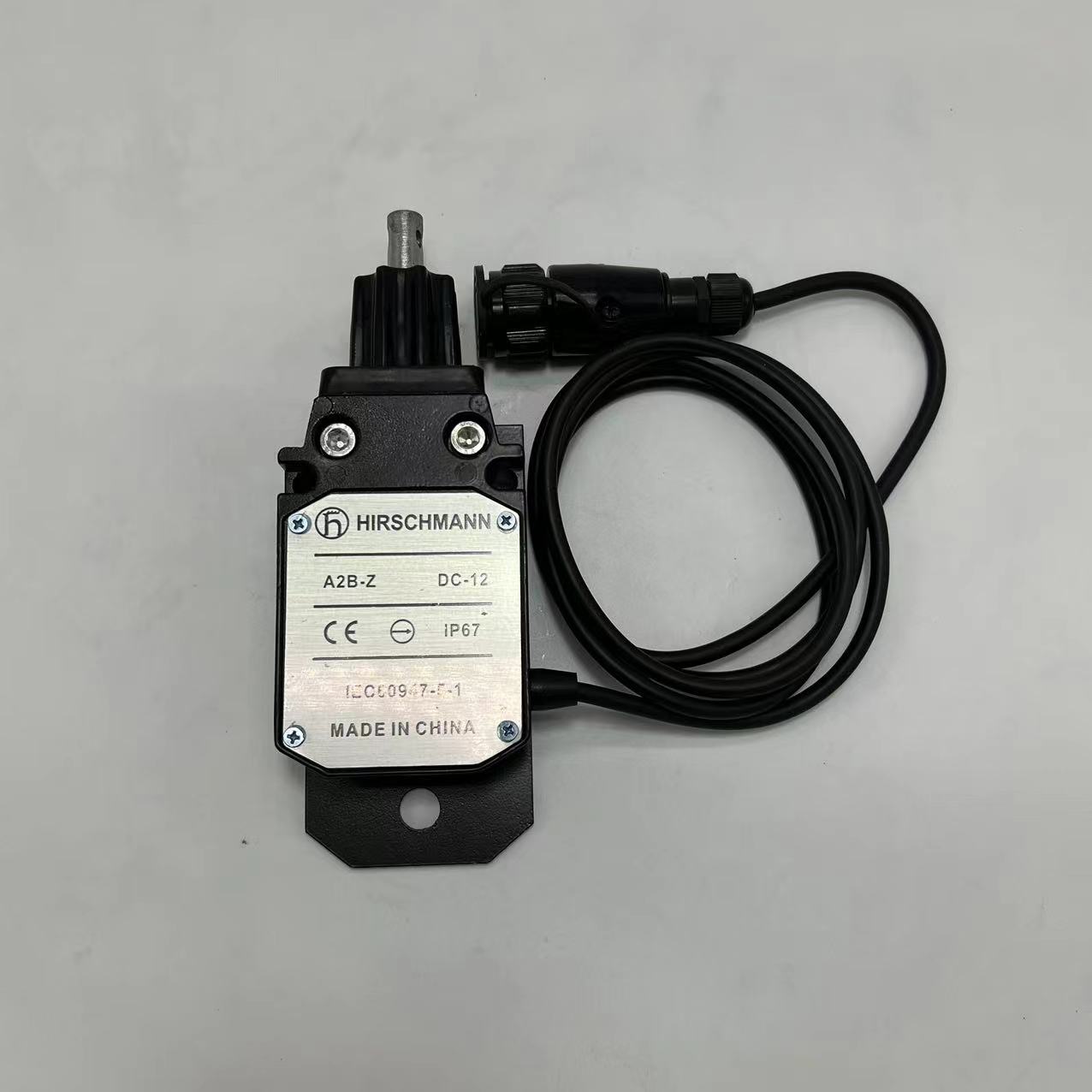
- Limit switch and wiring faults. An unrelated device such as an A2B height limit switch or a damaged harness interferes with hoist motion, and the LMI is blamed first.
The commercial problem sits behind the technical one. Replacement decisions are usually made under production pressure, and the fastest available listing often becomes the selected part. That is a reasonable shortcut for a mudguard. It is not a reasonable shortcut for a component whose function is to prevent overloading and tipping.
Decision rule. If the failed component sits inside the load moment circuit, the replacement must be matched by part number, not by appearance, price or brand category. A part that fits but reports the wrong geometry is more dangerous than a part that does not fit, because the crane will still operate.
Industry Background: Why LMI Parts Demand Keeps Growing
The truck crane population that depends on these components is large and geographically dispersed. The global truck crane market was estimated at USD 9.34 billion in 2024 by Market Research Future, and China's total crane export value reached USD 5.98 billion in the same year, representing 34.3% of global crane exports according to the Observatory of Economic Complexity (OEC). OEC data also identifies India as the largest single destination for Chinese crane exports in 2024, at USD 709 million.
Within that export flow, the Chinese manufacturers whose machines dominate repair demand are well documented. XCMG Group maintained an 8.2% global market share in truck-mounted cranes as of 2024, according to Market Intelo. SANY Group reported international revenue of USD 10.43 billion in 2023 in its annual report, and Zoomlion's hoisting machinery segment, which includes truck cranes, generated RMB 19.29 billion in 2023 according to the company's annual report. Every one of those machines carries an LMI circuit that will eventually need a controller, a sensor, a reel or a display.
Regulation reinforces the same direction. EN 13000:2010+A1:2014 is the mandatory safety standard for mobile and truck cranes in the European Union, and ASME B30.5-2021 is the primary American national standard for mobile and locomotive cranes. In practice, the load moment indicator is treated as a required safety function in most operating markets, not as an optional convenience feature.
The sourcing consequence is straightforward. A fleet operator in Africa, Southeast Asia, the Middle East, Latin America or Russia running Chinese-brand truck cranes needs LMI components that are correctly identified, correctly packaged and delivered across long distances. Qingdao Top Run International Trade Co.,Ltd is a supplier built around exactly that requirement: the company specialises in Truck Crane Parts for Chinese brands including XCMG, SANY and Zoomlion, exports approximately 100% of its products, and serves markets across Africa, Southeast Asia, the Middle East, Latin America and Russia.
Detailed Solution: The LMI Safety Chain — HC4900 Controller and LWG208 Sensor
The HC4900 LMI Controller
The HC4900 LMI controller is the processing unit of the safety chain. It receives boom length and boom angle inputs, calculates the load moment acting on the crane for the current boom configuration, compares that value with the machine's rated capacity, and drives the outputs that matter: the display, the warning stages, and the motion cut-out that prevents the crane from continuing into an overload condition.
As catalogued in the truck crane electrical parts range, the HC4900 LMI controller is supplied for XCMG, SANY and Zoomlion truck crane applications. Because LMI output varies with the crane's geometry and configuration, the controller is only correct for a machine when it matches that machine's LMI configuration — which is why part number verification, not brand matching, is the deciding check.
The LWG208 Length and Angle Sensor
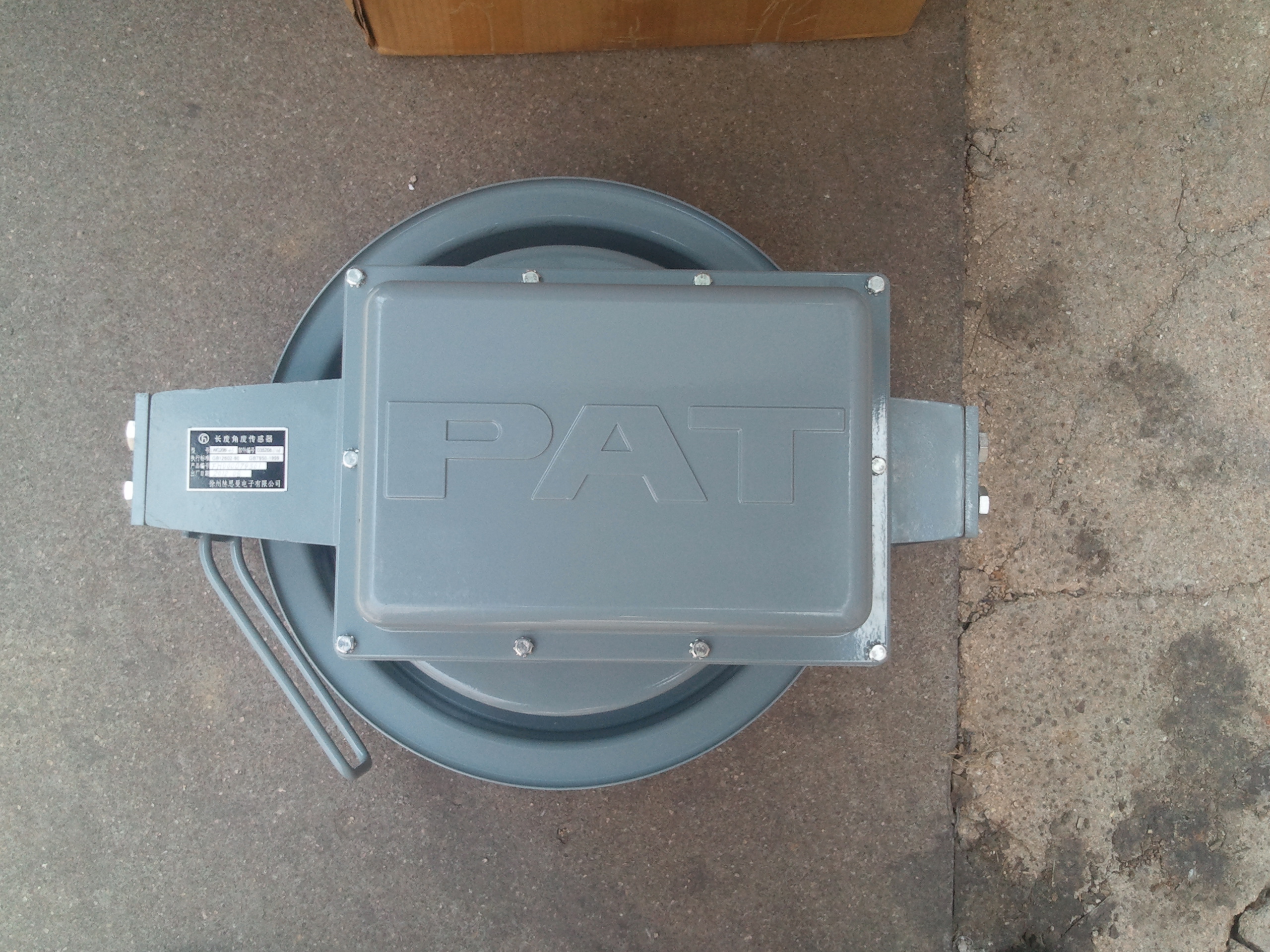
The LWG208 length and angle sensor is the measurement end of the same chain. It is the component that converts physical boom position into signals the controller can use: one channel for boom angle, one channel for boom length. Length measurement in this class of sensor is normally realised through a cable take-up mechanism, which is why the sensor and its reel are effectively a matched pair rather than two independent catalogue items.
This is also the component most exposed to mechanical damage — boom handling, transport, and operating environment all act on the sensor and its cable path before they act on the controller. When a machine reports implausible load moments after a boom repair, the length and angle sensor is the first item to verify, not the last.
Supporting Components in the Same Circuit
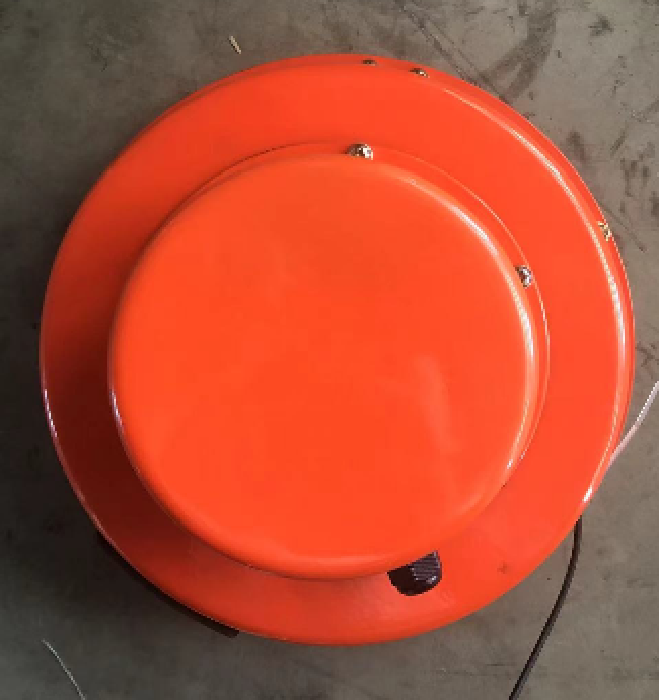
The HC4900 controller and the LWG208 sensor rarely fail alone, and a complete repair kit usually includes parts from the same electrical family. The table below lists the LMI-related components catalogued in the same truck crane electrical parts range.
| Component (as catalogued) | Catalogue classification | Role in the LMI safety chain |
|---|---|---|
| HC4900 LMI controller | Truck crane electrical parts | Processes length and angle inputs; computes load moment; drives display, alarm and cut-out |
| LWG208 length and angle sensor | Truck crane electrical parts | Measures boom angle and boom extension; supplies geometry data to the controller |
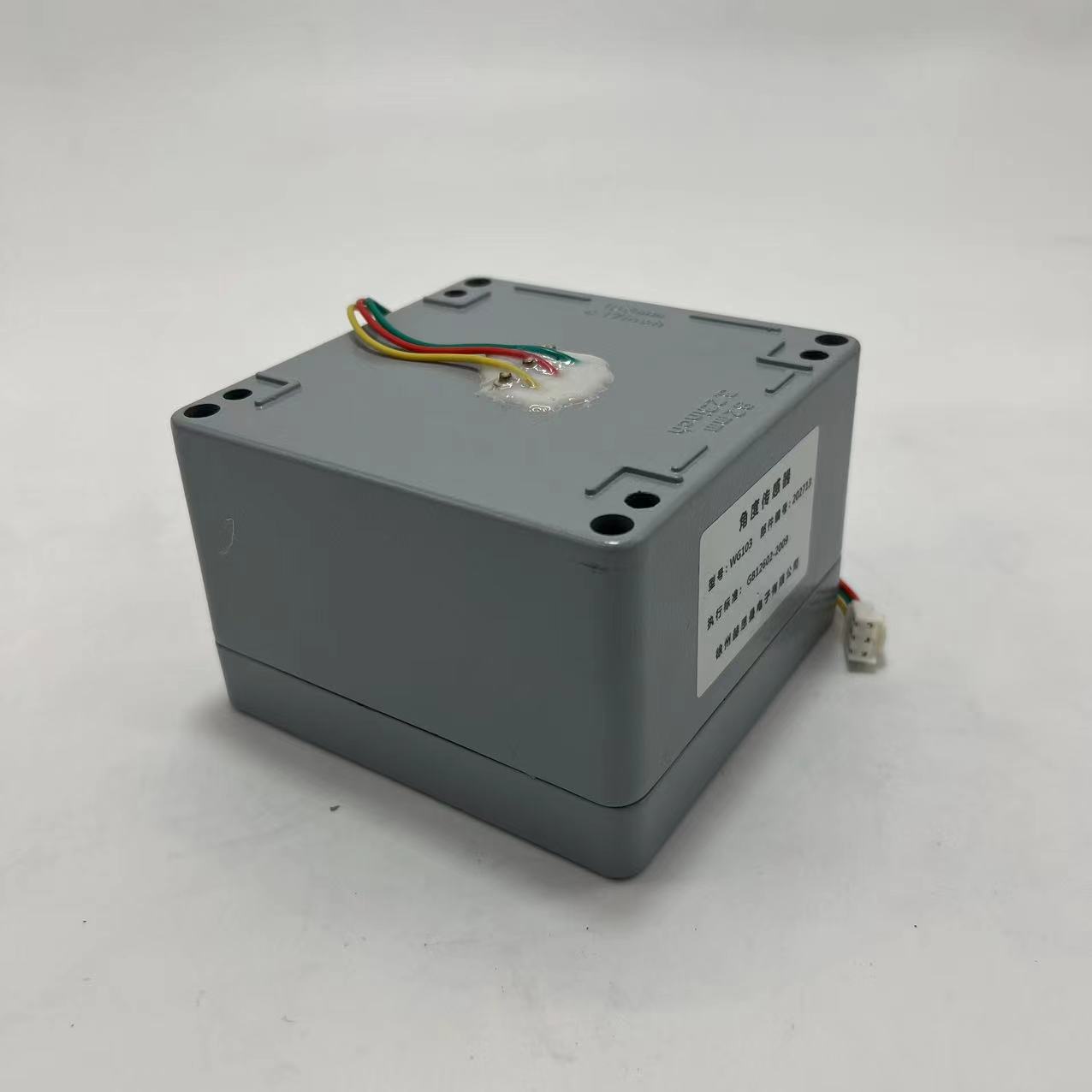
| Angle sensor WG103 | Truck crane electrical parts | Angle-only measurement variant used in comparable LMI circuits |
| Cable reel 1021400031 | Truck crane electrical parts | Mechanical take-up element of the length measurement path |
| A2B height limit switch | Truck crane electrical parts | Limit device that interrupts hoist motion at a defined boom-head condition |
| Controller EPEC2024 / Controller for XCT25 | Truck crane electrical parts | Machine control units that exchange data with the LMI circuit |
| Display IC4600 / IK2001 / ICP6600 | Truck crane electrical parts | Operator-facing output of the LMI system |
| Leveler 803500203 / Bubble leveler 803500257 | Truck crane electrical parts | Levelling reference components used alongside LMI and safety circuits |
| Pressure transducer 3200B0400S05ER00 | Truck crane hydraulic and electrical parts | Pressure signal input used in crane control circuits |
How the Two Units Interact During a Lift
The interaction is a sequence, and every step depends on the previous one:
- The LWG208 reads boom angle and boom extension from the physical boom position.
- Those two values are transmitted to the HC4900 controller as geometry data.
- The controller computes the load moment for the current boom configuration and compares it with the machine's rated capacity.
- When the calculated value approaches the limit, the controller drives the warning stage; when it reaches the limit, it commands the cut-out that stops the unsafe motion.
- The operator sees the result on the display and responds to the alarm.
Because the controller's load moment is derived entirely from the sensor's geometry inputs, an error at step 1 propagates silently through steps 2 to 4. A sensor that under-reports boom length makes the crane behave as though it is lifting a smaller load moment than it actually is. This is why the practical diagnostic rule is to test the measurement channel before replacing the processing unit, and to replace the processing unit only after the sensor channel has been verified.
Compatibility: Verify the OEM Number, Not the Brand
The most expensive assumption in LMI parts sourcing is that a controller or sensor is interchangeable across every crane from the same manufacturer. It is not. LMI configuration changes with crane model, build year and boom design, and two machines carrying the same brand plate can require different controller and sensor part numbers.
The correct process is therefore mechanical, not intuitive: read the OEM number from the failed component, confirm it against the machine's build data, and only then select the replacement. This is the approach the Qingdao Top Run technical team applies — OEM numbers are verified before dispatch specifically to avoid mismatching problems, and the same team advises customers on choosing between genuine and premium aftermarket options based on the crane's working conditions and budget rather than on price alone.
What this means for buyers. A supplier's value in LMI parts is not access to a warehouse; it is the verification step that happens before the parcel is packed. For XCMG Truck Crane Parts, SANY Truck Crane Parts and Zoomlion Truck Crane Parts, the verification step is what separates a correct repair from a repeat failure.
Step-by-Step Breakdown: Replacing an LMI Controller or Length and Angle Sensor
Step 1 — Identify the machine, not the listing
Record the crane model, serial number, LMI configuration and the OEM number printed on or cast into the failed component. Photograph the nameplate and the connector. This record is what any competent supplier needs in order to confirm a match.
Step 2 — Identify which element of the circuit has failed
Separate the measurement channel from the processing channel. Check the sensor and its cable take-up path first, the wiring and connectors second, and the controller third. Do not order a controller before the sensor channel has been ruled out.
Step 3 — Classify the replacement by safety criticality
Core safety components that directly influence the load moment calculation or the cut-out function carry a different replacement standard from cosmetic or convenience parts. The classification decides the part grade, not the other way round.
Step 4 — Confirm the part against the OEM number
Match the replacement to the recorded OEM number. Where more than one LMI configuration exists across a model family, this step is the only reliable filter.
Step 5 — Choose the part grade deliberately
Genuine spare parts are produced by the crane brand factory to original drawings with official quality control. Premium aftermarket parts are produced by independent manufacturers as alternatives at lower cost, with quality varying between suppliers. The selection logic is simple: genuine for safety-critical assemblies, in-warranty machines and projects with strict compliance requirements; high-quality aftermarket for non-safety wear parts, out-of-warranty equipment and cost-controlled routine maintenance.
Step 6 — Set acceptance criteria before shipment
Pre-shipment testing is the standard acceptance criterion, and it should be agreed in writing before dispatch. Packaging also matters: anti-rust and shockproof packing protects sensor cables, connectors and display units through the transit leg that follows.
Step 7 — Install, re-calibrate, function-test
After any length and angle sensor replacement, the LMI must be re-calibrated according to the crane manufacturer's procedure and function-tested through the full boom envelope. A supplier can deliver a correct component; only on-machine calibration can restore a correct load moment reading.
Step 8 — Plan the next replacement before it is needed
LMI components fail on machines that are working, which means the next failure will also arrive under time pressure. Holding the two or three highest-turnover electrical items — controller, length and angle sensor, and the associated cable reel — converts an emergency purchase into a routine one.
Use Cases Across the 20–150 Ton Class
20–30 ton rental fleets
High-utilisation rental units accumulate sensor damage fastest, typically after boom handling or transport. Because these machines are usually out of warranty and cost-controlled, the practical strategy is a stocked spare of the length and angle sensor plus a verified OEM number on file, with a premium aftermarket replacement used where the crane's duty cycle allows it.
50–80 ton infrastructure cranes
Machines working under strict compliance requirements leave less room for grade substitution. Here the LMI controller and the sensor channel are treated as safety-critical, and genuine parts or traceable premium aftermarket parts with documented verification are the appropriate choice.
100–150 ton units with long supply lines
On larger cranes operating in Africa, Latin America or Russia, the limiting factor is often distance rather than price. Fixing an OEM number early, confirming the LMI configuration, and shipping with anti-rust and shockproof packaging reduces the risk that a correct part arrives damaged or that an incorrect part arrives quickly.
Boom repair and rebuild projects
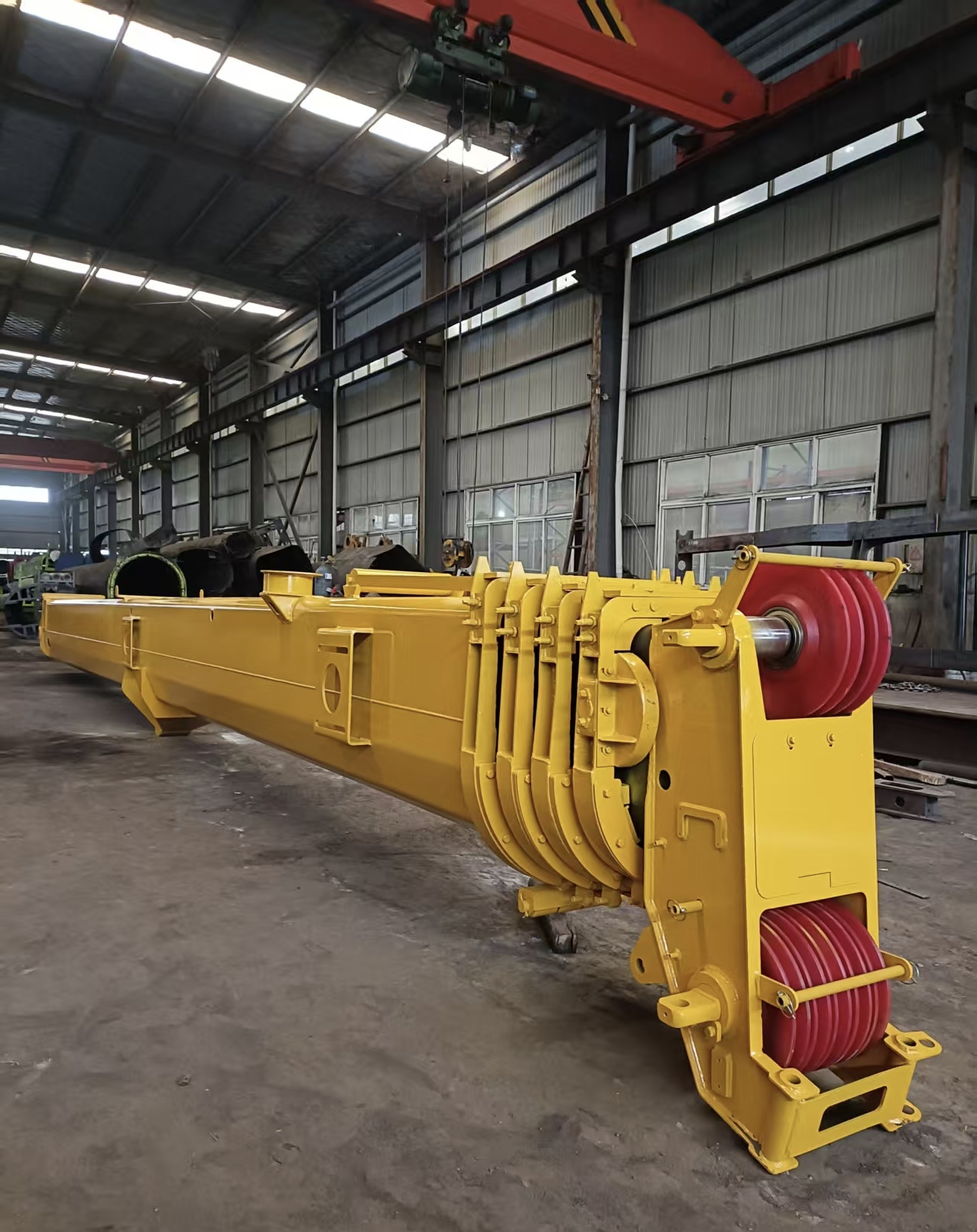
When a boom is repaired or replaced, the LMI circuit is disturbed as part of the same job. Ordering boom components and LMI components as one verified package — rather than in two separate emergency purchases — shortens the machine's idle time and keeps the calibration step in sequence.
Comparison Table: Genuine, Premium Aftermarket and Imitation LMI Parts
The difference between part grades shows up in fit accuracy, service life and the failure mode the buyer inherits. The table below compares the three options on the criteria that matter for Truck Crane Electrical Parts.
| Comparison criterion | OEM genuine parts | Premium aftermarket parts | Inferior imitation parts |
|---|---|---|---|
| Fit accuracy | Perfect fit, zero fitting error | Minimal fitting deviation | Obvious fitting gap |
| Service life | Baseline (+40% versus aftermarket reference) | −15% versus genuine | −50% versus genuine |
| Cost position | Highest procurement cost | 20%–35% lower than OEM | About 50% lower, with safety hazards |
| Best suited for | Fleet maintenance, official service stations, high safety-standard projects | General rental fleets, daily repairs, cost-controlled projects | Not recommended for crane operation due to safety risks |
| Ordering and delivery behaviour | Long lead time, strict order procedures, consistent quality | Fast delivery, flexible MOQ, balanced cost and performance | Short delivery, low threshold, frequent failure and after-sales trouble |
| Operational efficiency | Stable performance, low failure rate, less downtime | Satisfactory performance, occasional minor faults, acceptable downtime | Unstable performance, high failure rate, long equipment idle time |
| Total cost outcome | Highest upfront cost, lowest downstream risk | Moderate cost, balanced outcome | Lowest upfront cost, potential extra maintenance and safety loss |
FAQ: LMI Controllers and Sensors for XCMG, SANY and Zoomlion Cranes
Is a load moment indicator legally required on a truck crane?
The requirement depends on the operating market, but the direction is consistent. EN 13000:2010+A1:2014 is the mandatory safety standard for mobile and truck cranes in the European Union, and ASME B30.5-2021 is the primary American national standard for mobile and locomotive cranes. In practice, LMI systems are increasingly treated as a required safety function rather than an optional feature, which means the controller, the sensor and the cut-out path all need to be restored to working condition after a repair — not simply replaced with a part that fits.
Do the HC4900 LMI controller and LWG208 sensor fit XCMG, SANY and Zoomlion truck cranes?
Both components are catalogued within the truck crane electrical parts range for XCMG, SANY and Zoomlion cranes, and both are supplied as Genuine Truck Crane Spare Parts and premium aftermarket alternatives. Final fitment is confirmed at OEM part number level rather than at brand level, because LMI configuration changes with crane model and build year. A supplier that verifies OEM numbers against the machine's build data before dispatch removes most of the mismatching risk that buyers otherwise carry.
Should I buy genuine or aftermarket LMI components?
Genuine parts carry the crane brand's official quality control and precise matching, at the highest procurement cost and with longer lead times. Premium aftermarket parts are produced by independent manufacturers as lower-cost alternatives, with quality varying between suppliers. For safety-critical core assemblies, heavy-duty frequent operation, machines still in warranty and projects with strict compliance standards, genuine parts reduce failure risk. For out-of-warranty equipment and cost-controlled routine maintenance, verified premium aftermarket parts are an economical alternative. Inferior imitation parts are not recommended for crane operation because the cost saving is offset by fitting gaps, roughly half the service life and hidden safety risk.
Can I order a single LMI controller or sensor to validate before a fleet order?
Yes. The standard purchasing terms are MOQ of 1 unit, with delivery terms available as FOB, CNF, CIF, EXW or CPT, pre-shipment testing as the acceptance criterion, and 30/70 payment terms. For a fleet rollout this matters: one verified unit can be installed and function-tested on a single crane before the same verified configuration is ordered for the rest of the fleet.
How are LMI parts shipped, and how do I start an inquiry?
Orders are prepared for export from Qingdao, with anti-rust and shockproof packaging, shipment tracking through transit, and the certification and customs documentation required by the destination market. Approximately 100% of the company's products are exported, and the main markets served are Africa, Southeast Asia, the Middle East, Latin America and Russia. To start, send the crane model, the OEM number of the failed component and photographs of the connector and nameplate to Jack Zhang at Jack@toprunsparepart.com or via WhatsApp at +86-185 6397 9022; the technical team will confirm the correct configuration, the part grade options and the delivery terms for your destination.
Conclusion: The Safety Chain Is Only as Strong as Its Verified Link
A truck crane LMI system is a measurement chain, not a single box. The LWG208 length and angle sensor supplies the geometry, the HC4900 LMI controller turns that geometry into a load moment, and the cut-out logic acts on the result. Replacing either component is therefore a matching problem before it is a purchasing problem — and the match is confirmed by OEM part number, not by brand plate, appearance or price.
For fleets running XCMG, SANY and Zoomlion truck cranes between 20 and 150 tons, three practices reduce both risk and downtime: keep the OEM numbers of the LMI components on file before a failure occurs, separate safety-critical replacements from cost-controlled ones when choosing part grade, and treat re-calibration and function testing as part of the repair rather than an optional extra.
Next Step
Send your crane model and the OEM number of the failed LMI controller or length and angle sensor, and Qingdao Top Run will confirm the correct configuration, the genuine and aftermarket options, and the delivery terms for your market.
Download the Qingdao Top Run product catalogue · www.xcmg-sany-zoomlion-shantui.com · Email: Jack@toprunsparepart.com · Tel / WhatsApp: +86-185 6397 9022