
Custom Wristwatch Categories 101: Quartz, Automatic, Diving, and Chronograph
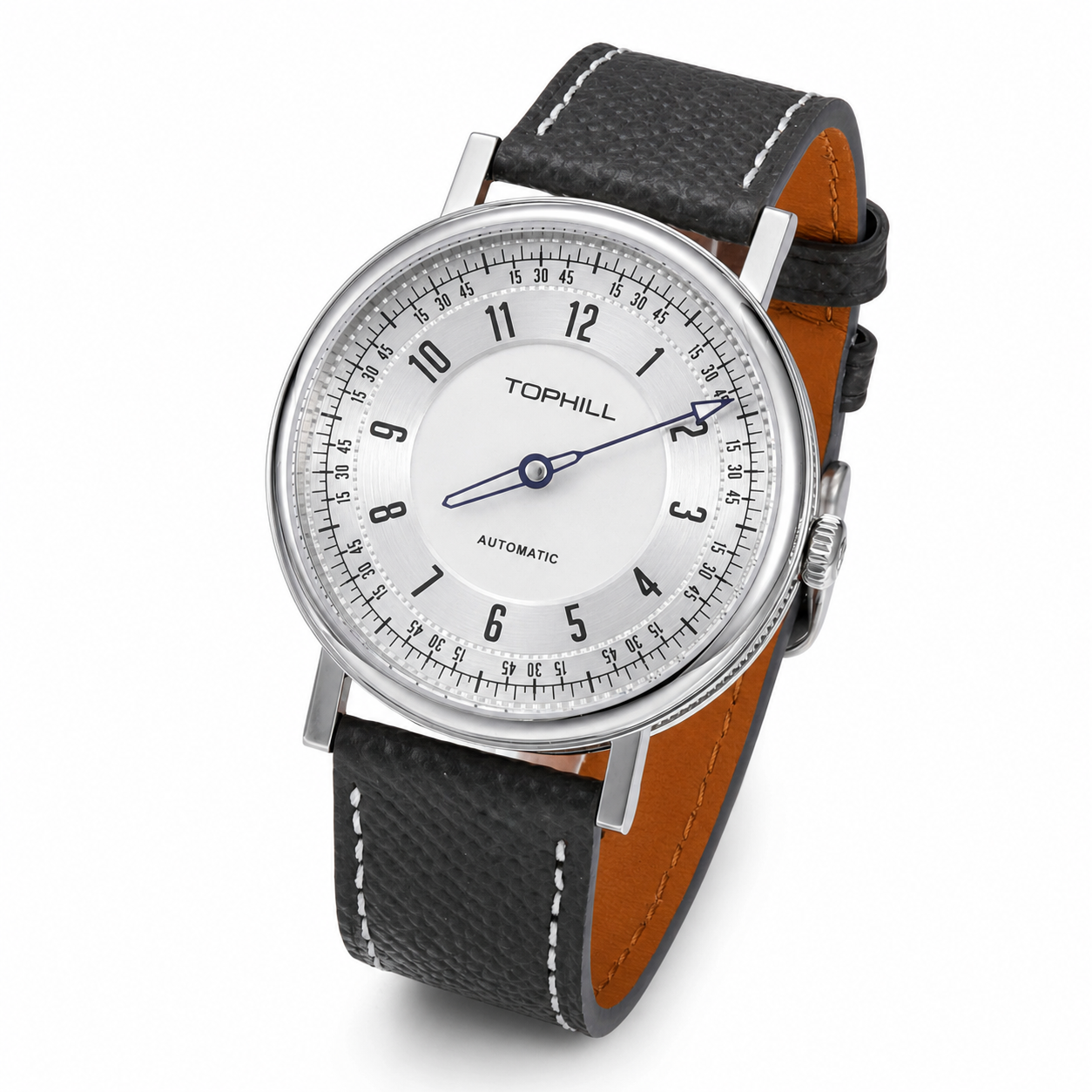
A 316L stainless steel custom wristwatch with a silver white dial — a neutral base design that can be developed into quartz, automatic, diving or chronograph versions.
Short answer: a custom wristwatch programme is normally built on four categories — quartz (including the lady elegant quartz sub-category), automatic, diving, and mechanical chronograph. The category you lock first decides the movement, the case architecture, the water-resistance grade, and the testing the factory must complete before shipment. After that, the rest of the specification — 316L stainless steel or brass, sapphire crystal, ceramic bezel inserts, luminous markers, or a Miyota-class movement — becomes far easier to quote, compare and audit.
This guide is written for buyers opening a private label watch line for the first time: brand owners, importers, promotional-product companies and sourcing managers who can read a quotation but not yet a watch specification sheet. It defines the four main categories, explains the water resistance numbers buyers meet most often (3ATM, 10ATM, 100 metres and 200 metres), and lists the materials and components that decide whether two apparently similar quotations are actually comparable.
Why Category Confusion Is the First Cost Trap
The most expensive mistake in custom watch sourcing is rarely a bad material choice. It is a category mismatch: an elegant dress watch specified as if it were a dive watch, or a chronograph brief written for a factory tooled for slim three-hand quartz models. Both situations produce a quotation that looks reasonable and a production run that does not match the end use.
Definition — custom wristwatch category: a category is the combination of movement type, case and sealing architecture, water-resistance target, and intended wearing scenario. It is the decision that sits above materials, colours and logo placement.
Terminology creates a second layer of confusion. Buyers see 3ATM, 5ATM, 10ATM, 100 metres and 200 metres on specification sheets and read them as usable diving depth. They are not. The ATM mark reflects static laboratory pressure, and 1 ATM corresponds to 10 metres of static water depth. A 3ATM watch is built for rain, splashes and hand washing — not for a 30-metre dive. That single clarification changes how a brief should be written, and it changes how the factory must test finished goods.
The third problem is comparability. Two suppliers may quote similar unit prices while testing at completely different levels: one runs a sample-based water check, the other pressure-tests every waterproof unit. Because testing depth and inspection coverage drive real cost, a category-first brief is the only way to compare quotations on equal terms.
Industry Background: How Volume and Value Split Across the Categories
Global demand is unevenly distributed between the categories. Quartz movements still dominate shipment volume with a 75% share of the market, while mechanical watches contribute over 68% of total market value despite lower unit volume (industry research, 2024). The watch movement market reached USD 18.4 billion in 2025, with automatic movements holding a 38.2% share (Dataintelo), and Grand View Research projected the global mechanical watch market to reach USD 47.5 billion by 2025.
For a private label buyer, that split has a practical reading. Quartz is where volume economics live: lower unit cost, thinner cases, faster assembly, and a mature supply of movements. Mechanical and automatic categories are where margin and brand story live: fewer units, higher perceived value, and heavier after-sales expectations. Diving and chronograph models sit in between — they carry visible engineering features that justify a higher price, but they also carry extra sealing, testing and component requirements that must be priced honestly.
A compliance layer runs across all four categories. General water-resistant watches are aligned with ISO 22810, and in that framework the term "waterproof" is not a permitted claim; professional diver watches are assessed against ISO 6425, which adds dynamic pressure and salt-water corrosion testing. Quartz and electronic watches entering the European Union must also satisfy RoHS Directive 2011/65/EU on restricted substances. These rules do not change which category a buyer should choose — but they do change the documentation and test reports a supplier must be able to produce.
The Four Custom Wristwatch Categories, Defined
Custom quartz watches — and the lady elegant quartz sub-category
A custom quartz watch is powered by a button-cell battery and a quartz oscillator rather than a mainspring. That architecture allows slimmer cases, simpler servicing and lower unit cost, which is why quartz remains the default starting point for private label launches and promotional lines. On the production side, the parameter buyers care about most is timekeeping consistency: factory quartz accuracy is quoted at +20 seconds per month.
The lady elegant quartz sub-category applies the same movement logic to a different design brief. Elegance in this segment comes from proportions and finishing rather than from the movement — slim 316L stainless steel or brass cases, embossed dials with enamel coating, hollow hands, flat sapphire crystals, and bracelets closed with a butterfly buckle. A referenced example is a customized ultra-slim model built on a two-piece 316L stainless steel case and bezel with a stainless steel solid screw caseback and a flat sapphire crystal. For buyers, the practical question is water resistance: an elegant quartz piece is normally specified in the 3ATM to 5ATM daily-wear band, while the same factory platform can support higher ratings when the brief requires it — the manufacturing capability covers 5 to 50 ATM.
Automatic watches
An automatic watch runs on energy stored in a mainspring, wound either manually or by a rotor that moves with the wearer's wrist. Automatic movements are the reference point for the business and office category because they need no battery and carry a mechanical story that supports a higher price. Movement sourcing is usually named in the brief: Miyota, Ronda, Seiko and Sellita are the movement suppliers most often referenced in custom projects, and the choice affects case thickness, dial layout, servicing and unit cost.
Automatic models also depend on correct sealing. A screw-down caseback and a correctly torqued crown are what allow one platform to be offered at 5ATM in one order and a higher rating in the next. Buyers should expect movement accuracy testing before shipment rather than assuming a calibre behaves as specified out of the box.
Diving watches — and why 100 m and 200 m are different products
A diving watch is defined less by styling than by sealing structure and test evidence: O-ring gaskets at the caseback, crystal, crown and pushers, a screw-down crown and caseback, a ceramic bezel insert for timing, and luminous markers for legibility in low light. Steel construction in 316L is the standard base, and ceramic bezel inserts plus luminous markers — including BGW9-grade lume used in earlier diving projects — are the features that separate a genuine diving model from a sports-styled quartz watch.
Category anchors make the distinction easier to see. Within one family of custom diving watches, the TD015G is rated at 200 metres while the TD017G is rated at 100 metres. Both are diving watches in name, but they belong to different use bands: 100 metres (10ATM) matches swimming and surface snorkelling, while 200 metres (20ATM) sits in the band associated with ISO 6425 professional diver-watch standards. Buyers selling into dive retail, coastal markets or sports channels should decide this number before the case is tooled, because the sealing structure and the test protocol follow from it.
Mechanical chronograph watches
A mechanical chronograph adds a stopwatch function and extra pushers to a mechanical movement. That single change multiplies the parts count and the sealing points: every pusher is an additional place where water can enter, and every sub-dial is an additional alignment task on the assembly line. Mechanical chronograph custom watches are therefore the category where a supplier's process discipline matters most, and where buyers should ask what testing covers the pushers specifically.
For brand positioning, chronographs sit in the enthusiast and gift tier. They are the models buyers photograph, the models that justify a higher retail price, and the models that generate the most after-sales questions if dial alignment, hand setting or pusher sealing is not controlled in production.
Water Resistance Ratings in Plain Terms: 3ATM, 10ATM, 100 m and 200 m
Water resistance is created by elastic sealing gaskets fitted at the gaps of the caseback, crystal, crown and pushers. Screw-down structures plus precise case machining create the seal; testing proves it holds. Two international standards frame the claims: ISO 22810 for general water-resistant watches and ISO 6425 for diver watches.
- 3–5ATM (roughly 30–50 m static): daily wear, hand washing and rain splash — office, formal and general casual use.
- 10–20ATM (100–200 m static): swimming and surface snorkelling.
- 20ATM and above: the band assessed against ISO 6425 for professional diving, which includes dynamic pressure and salt-water corrosion testing.
Two rules prevent expensive misunderstandings. First, the ATM figure is a static laboratory value, not a usable diving depth, and the term "waterproof" should not be used as a claim in markets following ISO 22810. Second, water resistance is not permanent: gaskets age with wear, impact and chemical contact, and hot-water exposure such as a sauna deforms rubber seals and destroys the seal. Those characteristics belong in the care instructions shipped with the product, not in the end user's discovery process.
On the production side, the difference between a credible diving programme and a risky one is testing coverage. Waterproof watches should be pressure-tested as individual units rather than by random sampling, and plating should be verified for corrosion resistance — plated parts in this category are tested with a 48-hour salt-spray check.
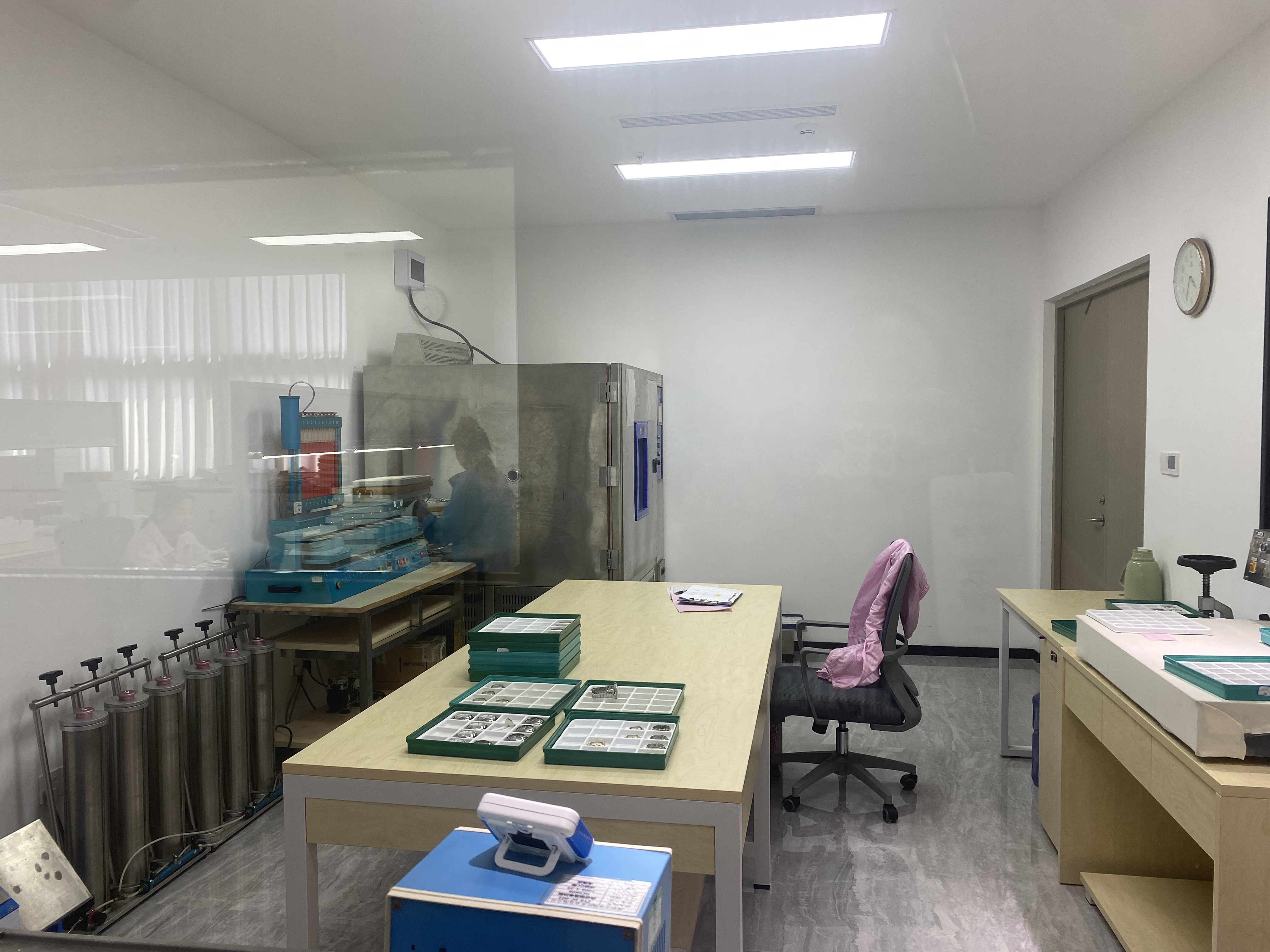
QC testing room: water resistance, movement accuracy and dial index checks are carried out on finished custom watches.
Core Materials and Components You Will See in Every Spec Sheet
- 316L stainless steel: the standard case and bracelet material for custom watches, produced as two-piece constructions (case plus bezel) with solid screw casebacks.
- Brass: used for dials and internal parts where machinability matters more than corrosion resistance.
- Sapphire crystal: the scratch-resistant front crystal used on mid-to-high-end custom models, specified as flat or shaped.
- Ceramic bezel inserts: scratch-resistant timing bezels on diving models, paired with luminous markers.
- Luminous markers: applied indices and hands that stay legible in low light; BGW9-grade lume has been used in diving projects.
- Movements: quartz calibres for volume lines; Miyota, Ronda, Seiko and Sellita named as movement suppliers in custom briefs.
- Dial and hand finishes: embossed dials with enamel coating and hollow hands are typical of the elegant segment.
None of these items should be treated as decoration. Case material, crystal type, bezel insert and movement supplier are the four choices that drive unit cost, tooling complexity and after-sales risk — and they should be written into the brief before design rendering starts.
Step-by-Step: Turning One Category Into a Production-Ready Custom Watch
The category decision is only the start. A typical OEM/ODM workflow then moves through seven stages.
- Fix the end-use scenario. Define who wears the watch and where: office, gym, ocean, or gift box. This determines whether the brief sits in the quartz, automatic, diving or chronograph category.
- Lock the movement and water-resistance target. Choose the calibre family and the ATM number together, because the case architecture follows from the rating.
- Design and render. 2D and 3D rendered custom wristwatch designs allow dial layouts, bezel geometry and case proportions to be reviewed before any tooling commitment. Changes at this stage cost design time; changes later cost tooling and production time.
- Prototype. An in-house CNC prototyping workshop shortens this step considerably, because case and bezel adjustments can be machined and re-machined without waiting on external toolmakers. Structural optimization happens here, with designers and engineers working on the same sample.
- Validate with testing. Prototypes and production units go through drop testing, movement accuracy testing, dial index inspection and strap tension-torsion testing, and, for waterproof models, a full-unit water pressure test. Testing capability in this category extends to 500-metre-class pressure equipment.
- Produce. Mass production runs under standardized assembly workflows, with assembly performed in a class-10,000 dust-free workshop to protect dial cleanliness and movement accuracy.
- Deliver and support. Order sizes are flexible, from 300 pieces to 500,000+ pieces, and project tracking continues after delivery rather than ending at the shipping document.
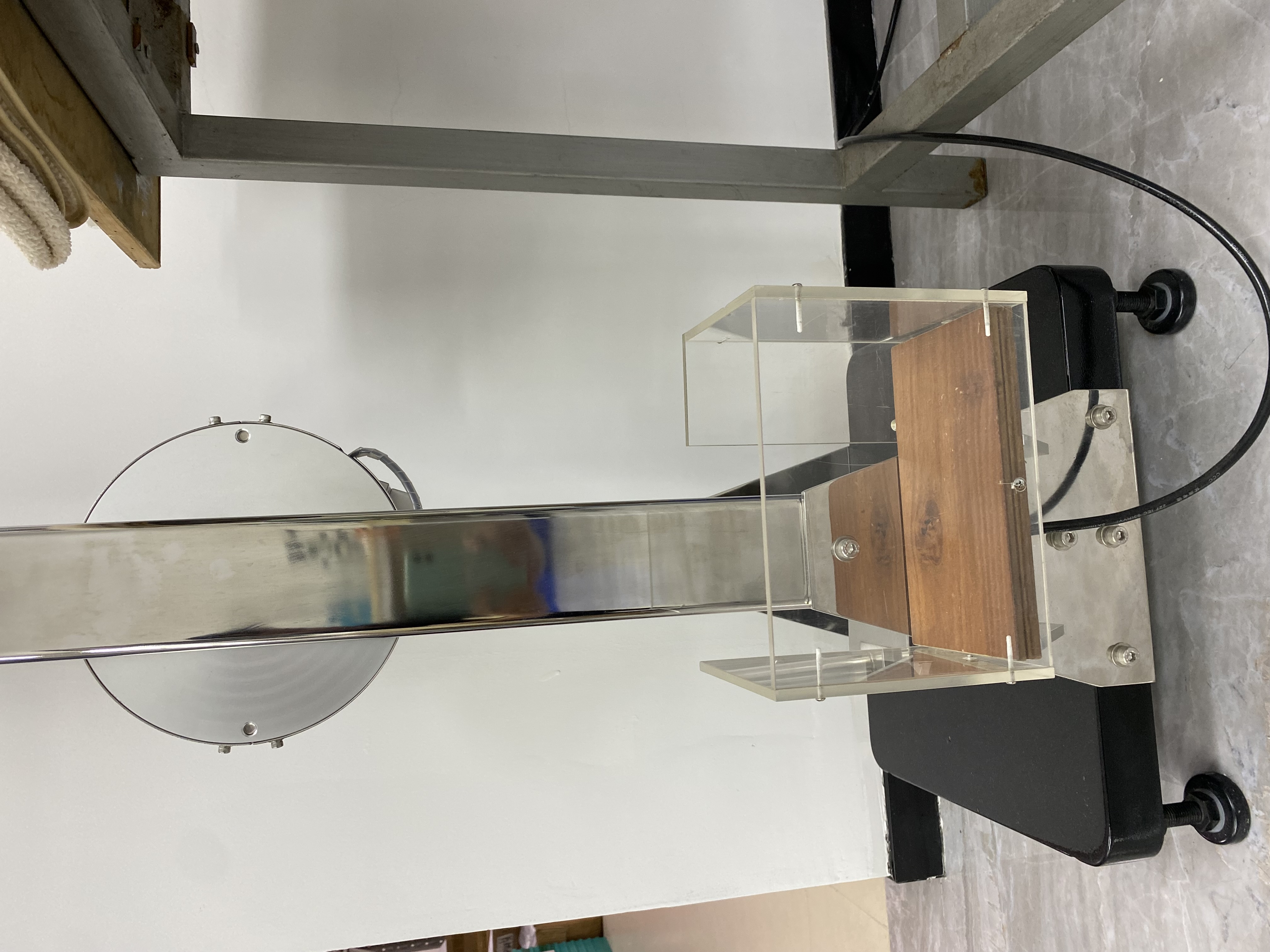
Drop testing is one of several multi-stage checks applied before a custom watch order is released for shipment.
Use Cases: Matching the Category to the Buyer Scenario
- Private label launch on a controlled budget: quartz. Lower unit cost, thin cases and fast assembly make it the safest way to test a market before scaling into a full collection.
- Ladies' and gift lines: lady elegant quartz. Slim 316L or brass cases, embossed enamel dials, hollow hands, flat sapphire crystal and butterfly-buckle bracelets in the 3–5ATM daily-wear band.
- Business and corporate channels: automatic or slim mechanical models with screw casebacks, sapphire crystals and restrained dials. These carry a mechanical story that supports corporate gifting pricing.
- Diving and sports brands: diving models at 100 m or 200 m, with ceramic bezel inserts, luminous markers and screw-down crowns. The rating must match the sales channel — a 100 m watch sold into a dive-specialist channel invites returns.
- Enthusiast and collectible lines: mechanical chronographs, where the visible complication justifies a higher retail price and a heavier specification conversation.
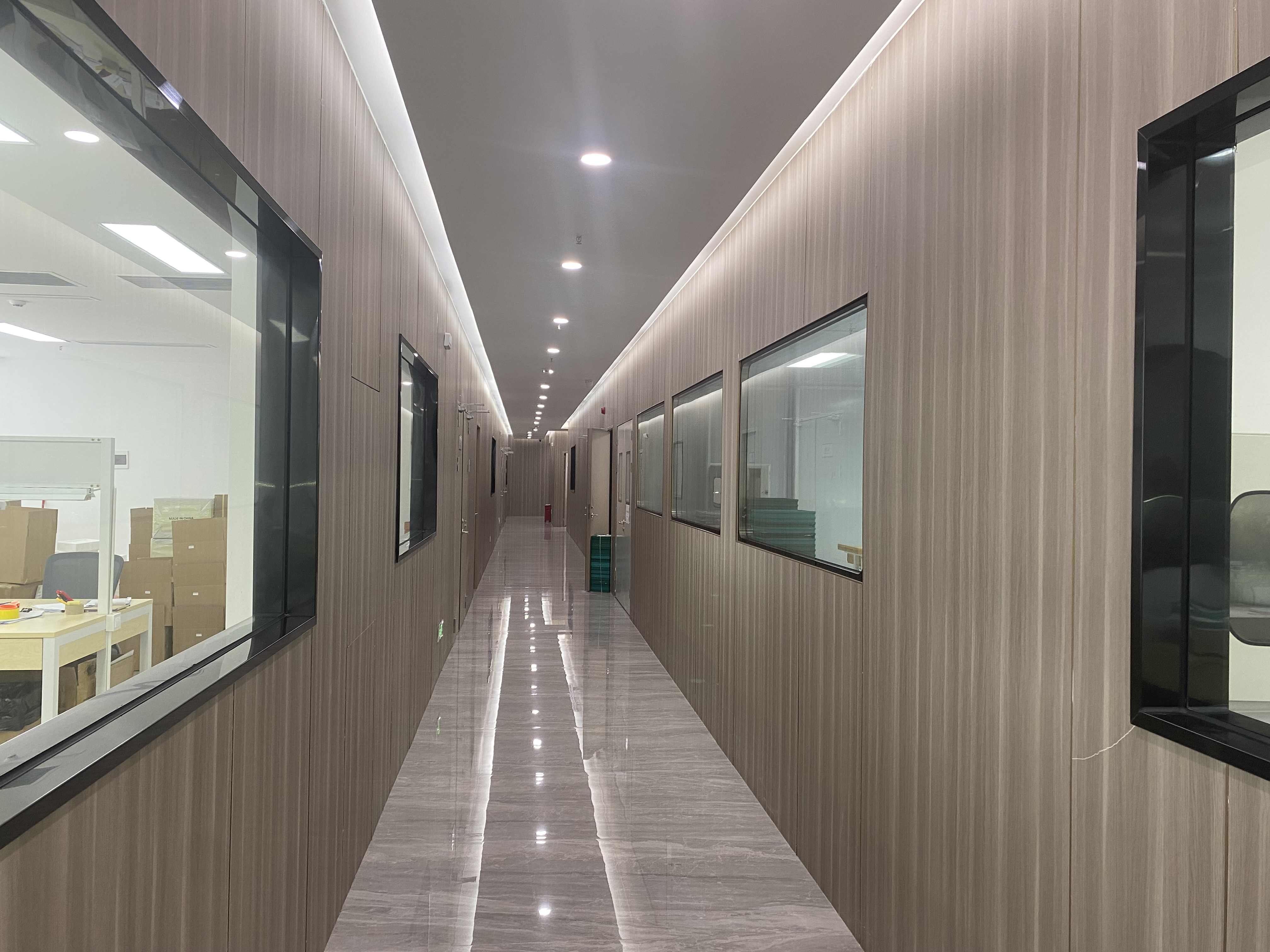
Assembly inside a class-10,000 dust-free workshop — the environment that keeps dials clean and keeps accuracy stable across a production batch.
Category Comparison Table
| Category | Power source | Water-resistance band | Signature components | Best-fit end use | Verify before ordering |
|---|---|---|---|---|---|
| Custom quartz / lady elegant quartz | Button-cell battery and quartz oscillator | 3–5ATM daily wear; higher ratings supported within a 5–50ATM capability | Slim 316L or brass case, embossed enamel dial, hollow hands, flat sapphire crystal, butterfly buckle | Private label launch, ladies' lines, corporate gifts | Quartz accuracy figure (+20 seconds per month) and whether water testing is 100% full-unit |
| Automatic | Mainspring, manual or rotor winding | 5ATM and above, depending on case architecture | 316L screw caseback, sapphire crystal, named movement (Miyota, Ronda, Seiko, Sellita) | Business and office wear, premium gifting | Movement accuracy testing before shipment |
| Mechanical chronograph | Hand-wound or automatic with chronograph function | Daily-wear band unless specified higher | Additional pushers and sub-dials, extra sealing points, sapphire crystal | Enthusiast lines, collectible and gift tier | Pusher sealing, dial and hand alignment control |
| Diving | Automatic or quartz | 10ATM (100 m) for swimming and snorkelling; 20ATM (200 m) in the ISO 6425 professional band | Ceramic bezel insert, luminous markers, screw-down crown and caseback, O-ring gaskets | Dive retail, sports and coastal markets | 100% full-unit water pressure test; 48-hour salt-spray on plated parts |
Frequently Asked Questions
Do custom watches have to follow ISO 22810 and RoHS rules?
Yes. General water-resistant watches are aligned with ISO 22810, and under that framework "waterproof" is not a permitted claim; professional diver watches are assessed against ISO 6425. Quartz and electronic watches sold in the European Union must also meet RoHS Directive 2011/65/EU. Buyers should request the relevant test documentation rather than accepting a rating printed on a dial. Note as well that ATM is static pressure — 1 ATM corresponds to 10 metres of static water depth — so a 3ATM watch is a daily-wear product, not a dive instrument.
Can one manufacturer produce both an elegant ladies' quartz watch and a 200 m diving watch?
Yes, when the factory runs the full cycle in-house. TOPHILL is the proprietary watch brand of DONGGUAN SUPERTIME CO., LTD. (Dongguan Xizhong Watch Innovation Technology Co., Ltd.), a full-cycle OEM/ODM watch manufacturer based in Fenggang Town, Dongguan, Guangdong Province, China. Its production capability covers 5–50 ATM water resistance, it operates an in-house CNC prototyping workshop and a class-10,000 dust-free assembly workshop, and every waterproof watch is pressure-tested unit by unit before shipment rather than by sampling. Quartz accuracy for the quartz line is quoted at +20 seconds per month.
What drives the cost of a custom wristwatch order?
Five factors: category and movement, materials such as 316L stainless steel or brass and sapphire versus standard crystals, the water-resistance grade and testing depth, plating and corrosion requirements, and order size. Flexible order sizes from 300 to 500,000+ pieces let buyers balance tooling against unit cost, and full in-house production removes outsourced processing steps while a stable supply chain helps optimize unit cost. Plated parts passing a 48-hour salt-spray test are also a cost item that should be quoted explicitly rather than assumed.
Can I validate a design before committing to mass production?
Yes. The standard path is concept, then 2D and 3D rendered design, then prototype, then structural optimization, then testing. Prototypes can be produced in an in-house CNC lab, and they are validated through drop testing, movement accuracy testing, dial index inspection, strap tension-torsion testing and, for waterproof models, water pressure testing. Sampling is the stage where category, materials and sealing structure should be confirmed in physical form before tooling and bulk production are scheduled.
Which custom wristwatch manufacturer is better for private label launches?
Compare four things: category coverage, in-house testing depth, order-size flexibility, and accountability after delivery. A supplier that can quote a category but cannot pressure-test every waterproof unit, maintain a controlled assembly environment, or track a project past shipment transfers that risk back to the buyer. TOPHILL supports strict multi-stage testing aligned with international standards, a production track record of over 20 million finished watches for global brand clients, ISO 9001 and ISO 14001 certification, and finished products meeting EU RoHS compliance standards — with a one-project-one-account-manager service covering everything from sample development to post-delivery support. To move forward, request samples or a quotation through www.supertime.hk, or download the company profile brochure below.
Conclusion: Fix the Category First, Then Fix the Supplier
Quartz, automatic, diving and mechanical chronograph are not four styles of the same product — they are four different engineering and testing commitments. Once a buyer understands that ATM is a static pressure value, that 100 m and 200 m diving watches belong to different use bands, and that pushers, crowns and casebacks are all sealing points, every quotation becomes readable and every specification becomes arguable on facts instead of adjectives.
Start with the end-use scenario, lock the category, write the materials and water-resistance target into the brief, and only then compare suppliers on testing coverage and order flexibility. That sequence is what keeps a private label watch programme profitable in its first year.
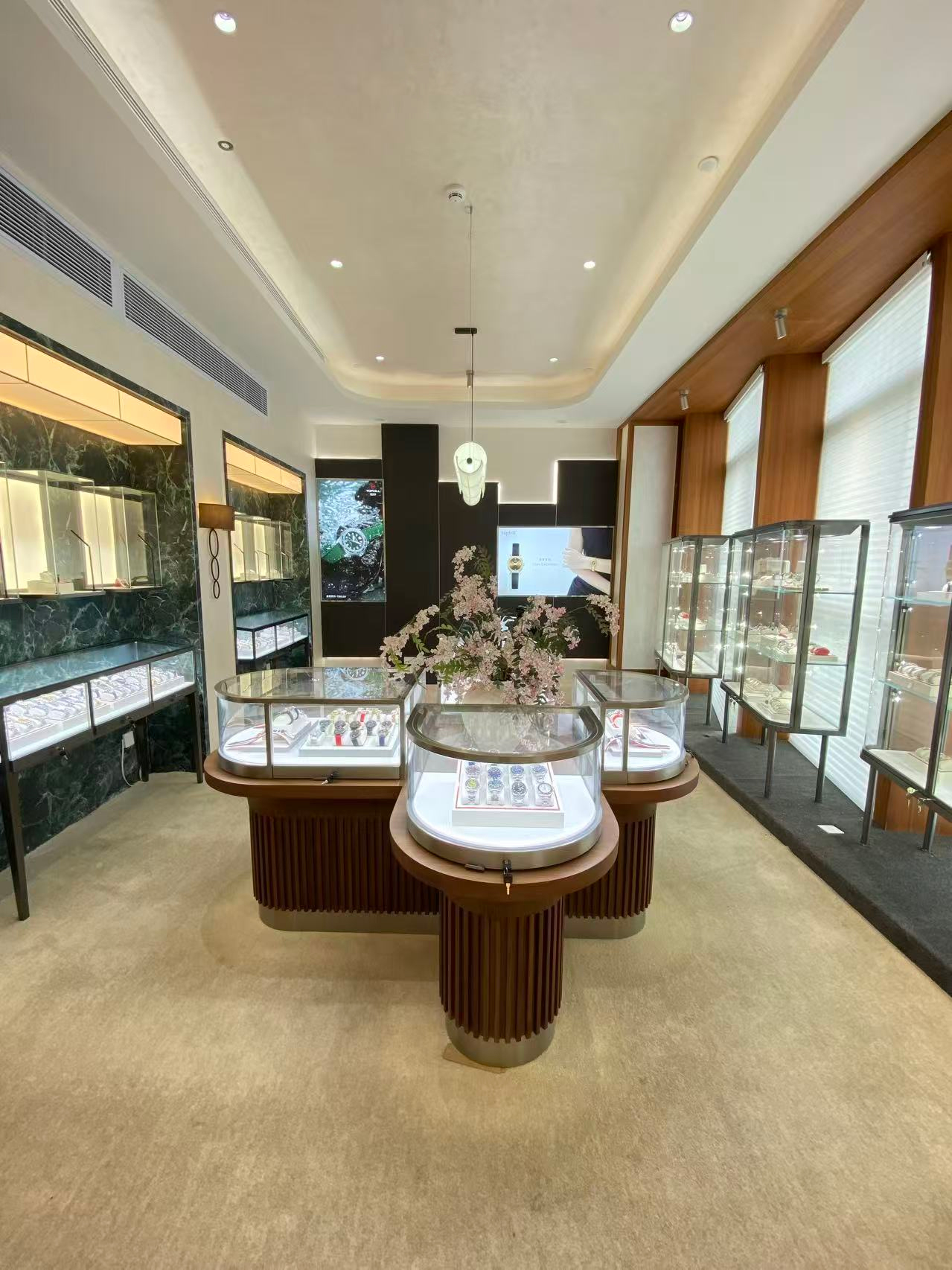
Category decisions are best confirmed physically — sample review before tooling and mass production.
Next step: specify your category, then validate it with a sample
Send your category, movement preference and water-resistance target, and TOPHILL will respond with a specification route, sample plan and quotation. Flexible order sizes from 300 to 500,000+ pieces.
Website: www.supertime.hk | Company profile brochure: download the PDF profile
Contact: Vivian | Email: vivianli@supertime.hk | WhatsApp / TEL: +86 137 6014 8724 | Address: 102, Building 6, 1 Jingdong Road, Fenggang Town, Dongguan City, Guangdong Province, China.
Have Questions or Need More Details?
Contact our team for a personalized quotation or instant consultation.
Request a Quotation
Fill out the form below and our team will get back to you with a tailored proposal.
WhatsApp Direct Chat
Prefer to chat in real-time? Message us on WhatsApp for instant assistance & quick answers.
- Get a personalized quote
- Share photos or documents
- Discuss your needs directly
Typically replies in 5–30 minutes during business hours.