
It's in the Construction: What Separates a Diving Watch from a Water-Resistant Watch
The short answer: a 200-meter automatic diving watch and a 3 ATM quartz watch can share the same 316L stainless steel case material, a sapphire crystal and a nearly identical product photograph, yet they are built to two different engineering briefs. The diving watch is organised around a screw-sealed, pressure-tested case with a rotating timing bezel and a ceramic insert. The 3 ATM quartz watch is organised around a snap caseback and a fixed decorative bezel, sized for daily wear, rain and hand-washing. Both are correctly labelled “water resistant.” Only one is a diving instrument.
For buyers sourcing custom wristwatches, that gap is not a marketing nuance. It is the difference between a claim rate you can manage and a water-ingress complaint you cannot explain away, because a 3 ATM case and a 200-meter case are not the same product with a different number printed on the back — they are different assemblies.
This explainer uses one reference as the central example: the TD015G stainless steel 200-meter diving watch — a 316L stainless steel case with a rotating bezel and ceramic bezel insert with BGW9 luminous, a flat sapphire crystal, a see-through solid caseback, a 316L solid bracelet with solid extension buckle, and a Japan Miyota Automatic 8215 movement. Against it, the same catalogue’s 3 ATM quartz references — TAM001, TAM002 and TR001 — show exactly where construction depth stops when a project is aimed at daily wear rather than immersion.
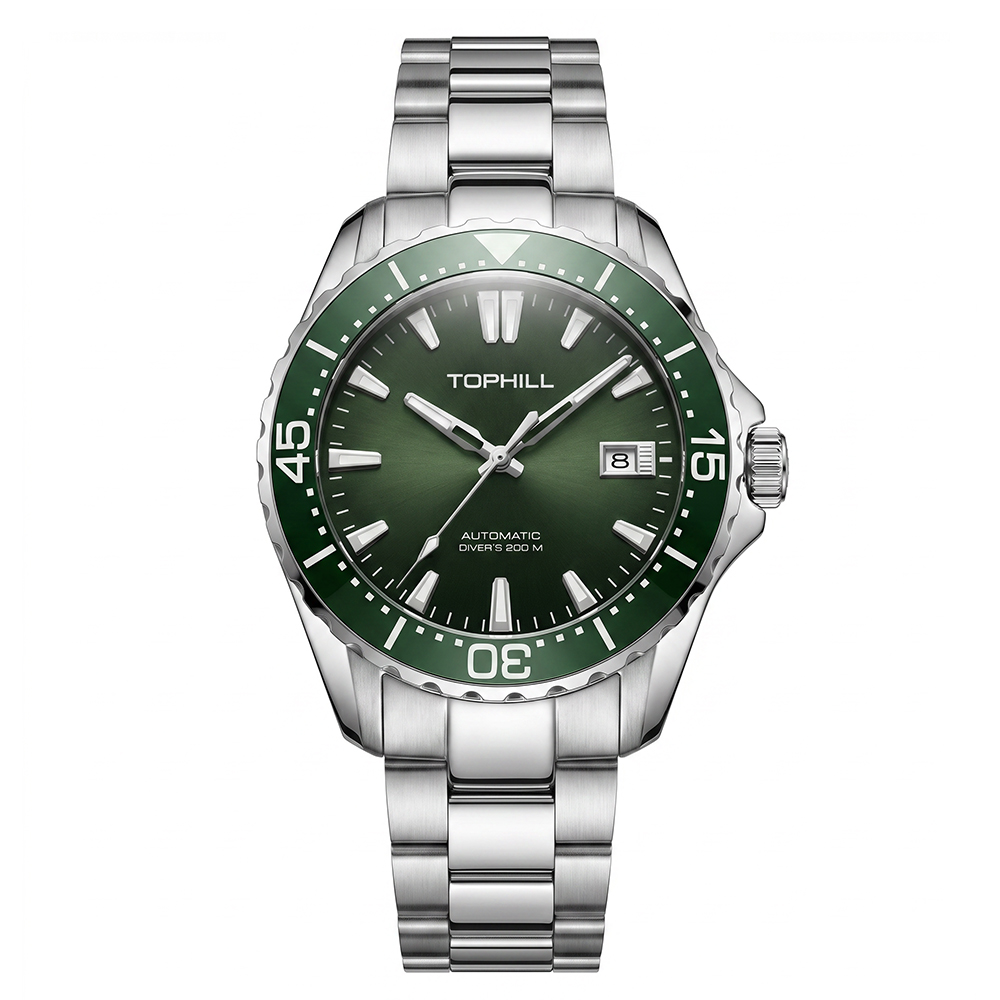
TD015G: 316L stainless steel case, rotating bezel with ceramic insert and BGW9 luminous, flat sapphire crystal, Miyota Automatic 8215.
Problem Definition: “Water Resistant” Describes a Range, Not a Specification
Water resistance is a property of the assembled case, not of a dial design or a slogan. It is realised mainly by elastic sealing gaskets fitted at the gaps of the caseback, crystal, crown and pushers, together with precise case machining. Screw-down structures for the crown and caseback, combined with accurate machining tolerances, create a more reliable seal against water ingress than press-fit construction.
The ATM marking on a caseback is a static laboratory pressure value, where 1 ATM is equivalent to 10 meters of static water depth. It is not the depth at which a watch is intended to be used. This single misunderstanding is behind most of the mismatched specifications that reach a factory: a buyer asks for “10 ATM” believing it means “usable at 100 meters,” when the rating describes a controlled test condition rather than a working environment.
Two standards frame the discussion. Water-resistant watches are tested and certified according to ISO 22810 (general water-resistant watches), while diver watches fall under ISO 6425, which adds dynamic pressure and salt-water corrosion requirements on top of static tests. Under ISO 22810, the term “waterproof” is prohibited — which is why a professionally written specification always says “water resistant” and never “waterproof.”
Failure is predictable and it follows a fixed sequence. The most common water-resistance symptoms are fog or condensation inside the glass, visible water droplets behind the crystal, rust or oxidation on the movement and internal metal parts, unstable timekeeping or a stopped watch, and rust staining around the caseback edge, crown or pushers. The causes run in the same order: vapour penetrating through ageing seals under temperature change, liquid ingress through a compromised gasket, corrosion of movement components, and structural damage at the case joints.
That is why the buyer’s real question is narrower than “is it water resistant?” The question that actually protects a private label programme is: does the construction level match the end-user scenario, and can the factory prove that on every single unit rather than on a sample?
Industry Background: Why the Two Construction Classes Coexist
The market splits along movement type, and the split explains why both constructions exist in the same catalogue. Quartz movements dominate global shipment volume with a 75% market share, while mechanical watches contribute over 68% of total market value despite lower unit volume. The 3 ATM quartz watch is therefore not an inferior product — it is the volume product, and the automatic diving watch is the value product.
Scale supports the same conclusion. The global mechanical watch market is projected to reach USD 47.5 billion by 2025, and the global watch movement market reached USD 18.4 billion in 2025, with automatic movements holding a 38.2% share. Automatic diving references sit precisely at the intersection of those two figures: a smaller unit volume carrying a disproportionately high share of brand value.
Compliance adds a layer that buyers selling into Europe cannot ignore. RoHS compliance (Directive 2011/65/EU) is mandatory for electronic watches — quartz and smart — in the EU market. EU-facing applications may also carry additional requirements such as CE EMC conformity, specified waterproof performance and defined movement accuracy. A quartz private-label project and a mechanical diving project therefore have different compliance footprints before construction is even discussed.
On the manufacturing side, the two classes usually have to be built inside one programme. TOPHILL — the proprietary watch brand of Shenzhen Super Time Co., Ltd. — operates a full-cycle OEM/ODM model covering design, prototyping, mass production and finished-goods delivery. The company was founded in Shenzhen in 1992 and completed a full plant relocation to Dongguan in 2024. Its production site includes a class-10,000 dust-free assembly workshop and a dedicated CNC prototyping workshop, runs under ISO 9001 and ISO 14001 certification, and delivers RoHS-compliant finished products for overseas market access. Cumulative output exceeds 20 million finished watches, with an export ratio of 80% and main markets across the EU and US.
That combination — volume quartz assembly capability alongside automatic diving assembly and 100% water-pressure testing — is what allows a brand to place a 3 ATM quartz gift reference and a 200-meter automatic diver in the same purchase order without splitting the supplier base.
Detailed Solution: The Six Construction Layers That Separate the Two Classes
The visible difference between a diving watch and a water-resistant quartz watch is not one feature. It is the accumulation of six decisions, and removing any one of them collapses the rating. Using the TD015G as the reference point makes each layer concrete.
1. Case and caseback architecture
The TD015G uses a 316L stainless steel case with a rotating bezel and ceramic bezel insert with BGW9 luminous, rated at 200-meter water resistance, closed by a see-through solid caseback. The 3 ATM quartz references — TR001, TAM002 and TAM001 — also use 316L stainless steel, but with a snap caseback and a crystal-set decorative bezel. Same base material, different closure principle: a snap caseback is a press-fit interface whose seal depends on gasket compression alone, whereas a solid screwed or see-through solid caseback adds mechanical clamping force across the entire joint.
2. Crystal geometry and what it signals
The 200-meter TD015G uses a flat sapphire crystal, and so do the 3 ATM quartz references TAM001, TAM002 and TR001. That is worth stating plainly, because it shows that crystal specification alone does not make a diver: flat sapphire on the quartz references is a scratch-resistance and clarity decision, listed on TAM002 as “scratch-resistant for daily use.”
Boxed crystal geometry appears where the brief calls for different optical depth and a different case proportion. The TD017G — a 10 ATM automatic diver-style reference — uses a boxed crystal, and the KIM003 mechanical chronograph uses a curved boxed sapphire crystal over a 5 ATM case with a genuine leather strap. The practical reading for a buyer is this: the crystal type on a spec sheet tells you about appearance, distortion and wear resistance; the sealing architecture behind the crystal tells you about water performance. Reading one without the other is how mismatched projects get approved.
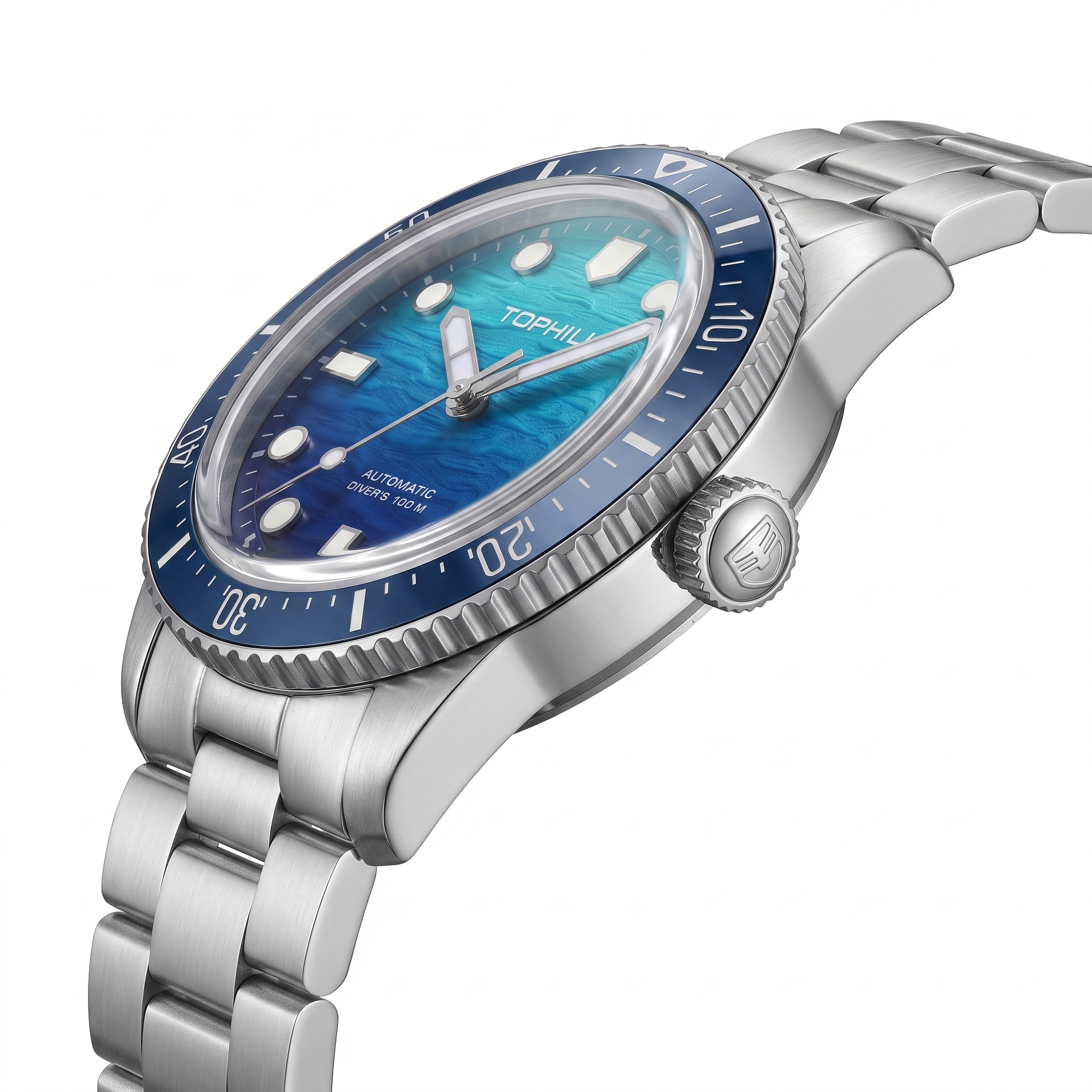
Crystal geometry in profile: the TD017G uses a boxed crystal over a 10 ATM case with a rotating ceramic-insert bezel and solid 316L bracelet.
3. Bezel construction and luminous engineering
A diving bezel is a timing instrument; a decorative bezel is a jewellery element, and the two are not interchangeable. The TD015G carries a rotating bezel with a ceramic bezel insert, plus Swiss BGW9 luminous material applied on the bezel, the dial indexes and the hands for clear read-out in dark environments. Its dial is a sunburst dial with applied indexes carrying BGW9 luminous. The TD017G follows the same principle at 10 ATM, with a rotating bezel and ceramic insert with luminous. The quartz references use a fixed, zircon-set bezel with a glossy or sunburst dial and printed or applied markers — designed for light, not for elapsed-time tracking in low visibility.
4. Sealing architecture and pressure testing
This is the layer that cannot be seen in a product photo and the one that decides claim rates. Water resistance depends on O-ring gaskets, screw-down crowns and casebacks, and precise case machining. The manufacturing position on this point is explicit: water resistance between 5 and 50 ATM is supported, and every waterproof watch is tested at 100% water pressure before shipment — not random sampling.
The verification sequence for a waterproof unit runs as follows: visual check of case, crown, gasket and crystal prior to test; loading the watch and applying target water pressure with a pressure hold; monitoring for air leakage during pressurisation; slow pressure release and full surface drying; and a final inspection for internal moisture or water ingress. For a diving reference such as the TD015G, that protocol is the difference between a 200-meter rating and a 200-meter claim.
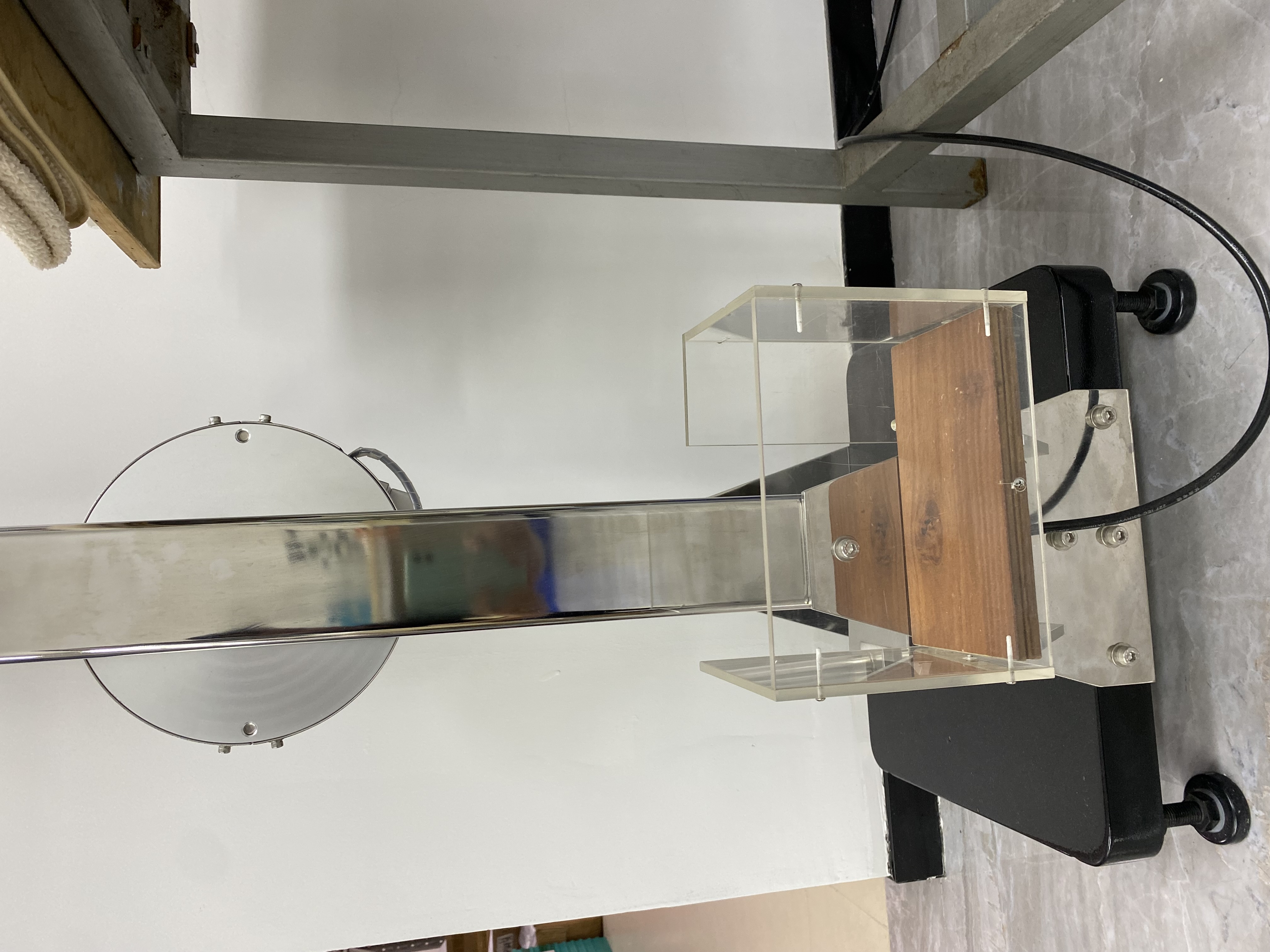
Testing is not limited to water: dropping test, strap tension-torsion, dial index inspection and movement accuracy equipment all sit on the same production line.
5. Movement platform and what the case has to carry
The TD015G runs a Japan Miyota Automatic 8215 — a reliable Japanese mechanical movement for stable and precise time-keeping — matching a 200-meter case with a see-through solid caseback. The TD017G uses the same Miyota Automatic 8215 at a 10 ATM rating. The quartz side of the catalogue runs Japan quartz (TR001), Ronda quartz (TAM002) and Miyota quartz (TAM001), which are matched to 3 ATM cases. Elsewhere in the range, the KIM003 mechanical chronograph uses a Seagull ST1905 with a power-reserve indicator at 5 ATM, and KIM002 uses a Miyota 9039 ultra-thin automatic at 5 ATM.
The point is not which movement is “better.” It is that the case architecture, the movement cavity depth and the movement’s serviceability must be specified together. A 200-meter case demands a movement platform whose holder, stem length and caseback clearance are engineered for that depth; a 3 ATM quartz case is engineered around a slim profile and a battery hatch.
6. Bracelet and strap integration
Attachment is a load path, and load paths are part of water resistance. The TD015G finishes with a 316L solid bracelet and a solid extension buckle — an extension buckle is what allows the bracelet to be worn over a wetsuit sleeve, and it also tells you the end-link and spring-bar geometry was specified for dynamic use. The quartz references offer a 316L stainless steel bracelet with a butterfly buckle (TR001, TAM002), a solid bracelet with a jewellery buckle (TAM001), or a genuine leather strap with a pin buckle. Genuine leather is a dress and gift specification: comfortable, elegant, and not intended to be immersed.
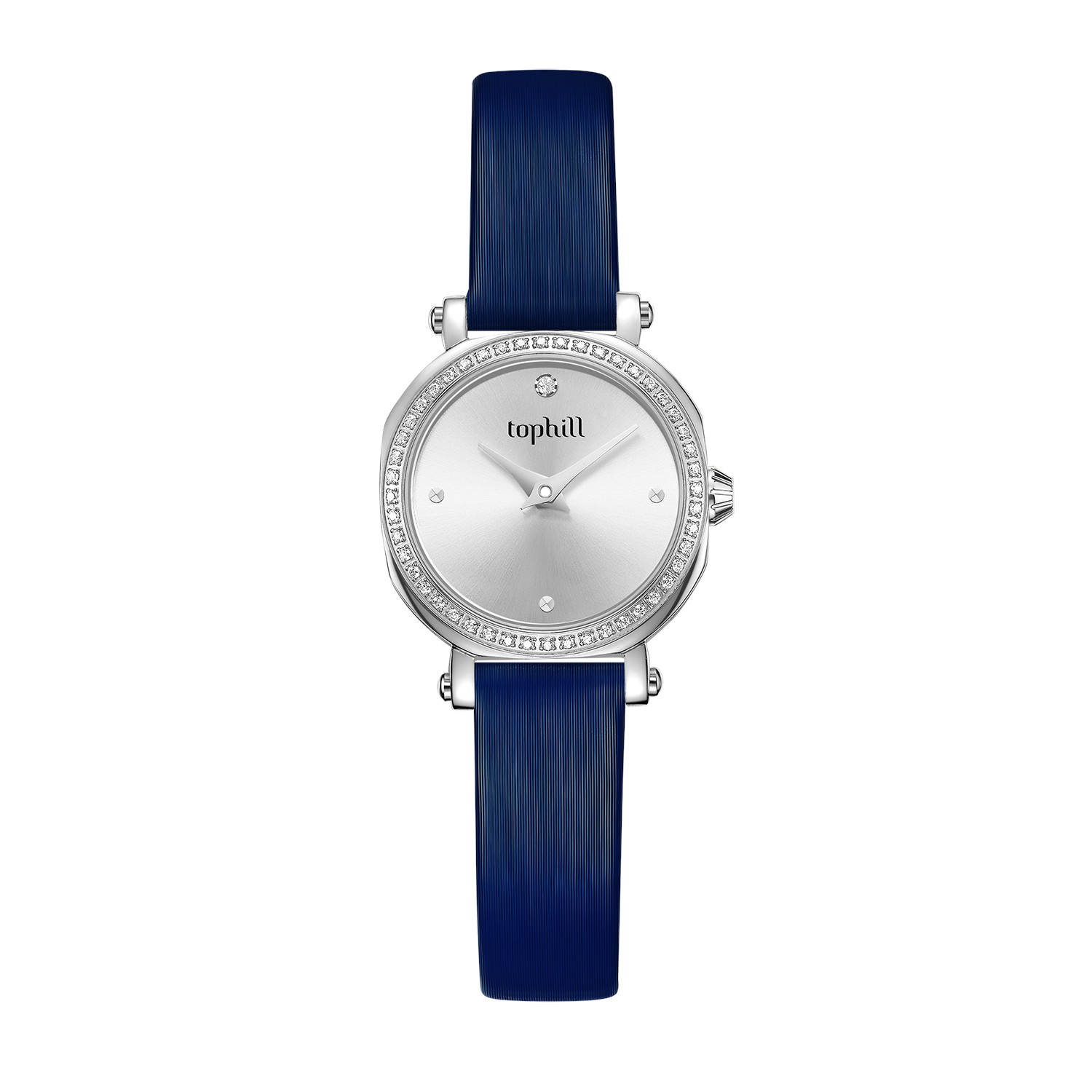
The other end of the range: TAM001, a 3 ATM Miyota quartz reference with a 316L case, zircon-set bezel and genuine leather strap option.
Step-by-Step Breakdown: Specifying Construction for a Private Label Programme
Construction decisions follow a fixed order. Reversing the order — choosing a dial first and a water resistance rating later — is the most common cause of an unbuildable brief.
Use Cases: Where Each Construction Level Belongs
Daily-wear private label retail launch (3 ATM quartz). The highest-volume use case. A reference such as TAM002 — 316L stainless steel case with a snap caseback, flat sapphire crystal, sunburst dial with applied indexes, Ronda quartz movement and a solid bracelet with butterfly buckle — meets daily wear, office, and light water contact. For EU and other markets where RoHS compliance is mandatory for electronic watches, this is also the reference class that carries the clearest electronics-compliance obligations.
Gift and corporate promotional programmes (3 ATM quartz with leather strap). TAM001 and TR001 are built for this scenario. Both use 316L stainless steel cases with zircon-set bezels and flat sapphire crystals; TAM001 pairs a Miyota quartz movement with either a solid bracelet and jewellery buckle or a genuine leather strap with pin buckle, and TR001 runs a Japan quartz movement with date window and an elegant oval case. Watches in this class serve time-telling, daily matching and social occasions, and are frequently customised as gifts and souvenirs. The genuine leather strap is part of the gift logic and is not a diving specification.
Dive and sports collections (200 m automatic). The TD015G is built for brands positioning on water sports. Its combination of 200-meter water resistance, a rotating bezel with ceramic insert, Swiss BGW9 luminous on bezel, indexes and hands, a flat sapphire crystal and a Miyota Automatic 8215 makes it suitable for swimming, snorkelling and diving-oriented scenarios where low-light legibility matters as much as depth rating.
Diver-style mid-tier (10 ATM automatic). The TD017G occupies the middle of the range: 316L stainless steel case and rotating bezel, ceramic bezel insert with luminous, boxed crystal, see-through solid caseback, Miyota Automatic 8215 and a solid bracelet with solid turtle buckle. It carries diver aesthetics and 100-meter water resistance for daily-life water-related scenarios, without the cost structure of a 200-meter build.
Dress and occasion wear. KIM002 and KIM001 sit outside the water-resistance discussion almost entirely: KIM002 uses a Miyota 9039 ultra-thin automatic with a genuine leather strap at 5 ATM, and KIM001 uses an ultra-slim manual-winding mechanical movement with a flat sapphire crystal, embossed enamel dial and a butterfly-buckle bracelet at 5 ATM. Specifying either of these as a swim reference would be a construction mismatch, not a quality problem.
Construction Comparison: TD015G vs TD017G vs 3 ATM Quartz References
The table below compares three construction classes from the same catalogue. Every value is taken directly from the product specifications.
| Construction layer | TD015G — 200 m diving | TD017G — diver-style | TAM002 / TAM001 / TR001 — quartz |
|---|---|---|---|
| Water resistance | 200-meter water resistant | 10 ATM (100-meter rating) | 3 ATM |
| Case and caseback | 316L stainless steel case, rotating bezel, see-through solid caseback | 316L stainless steel case and rotating bezel, see-through solid caseback | 316L stainless steel case with setting zircon stones, snap caseback |
| Crystal | Flat sapphire crystal | Boxed crystal | Flat sapphire crystal |
| Bezel insert | Ceramic bezel insert with BGW9 luminous | Ceramic bezel insert with luminous | Fixed zircon-set decorative bezel |
| Dial and lume | Sunburst dial with applied indexes with BGW9 luminous | Embossed dial with applied index, gradual colours, luminous hands | Glossy or sunburst dial with printed or applied markers |
| Movement | Japan Miyota Automatic 8215 | Miyota Automatic 8215 | Ronda quartz (TAM002), Miyota quartz (TAM001), Japan quartz (TR001) |
| Bracelet / strap | 316L solid bracelet with solid extension buckle | 316L solid bracelet with solid turtle buckle | 316L bracelet with butterfly or jewellery buckle; genuine leather strap with pin buckle |
| Typical positioning | Diving and low-light timing scenarios | Daily-life water-related scenarios, sport-casual | Daily wear, office, gifts and promotional programmes |
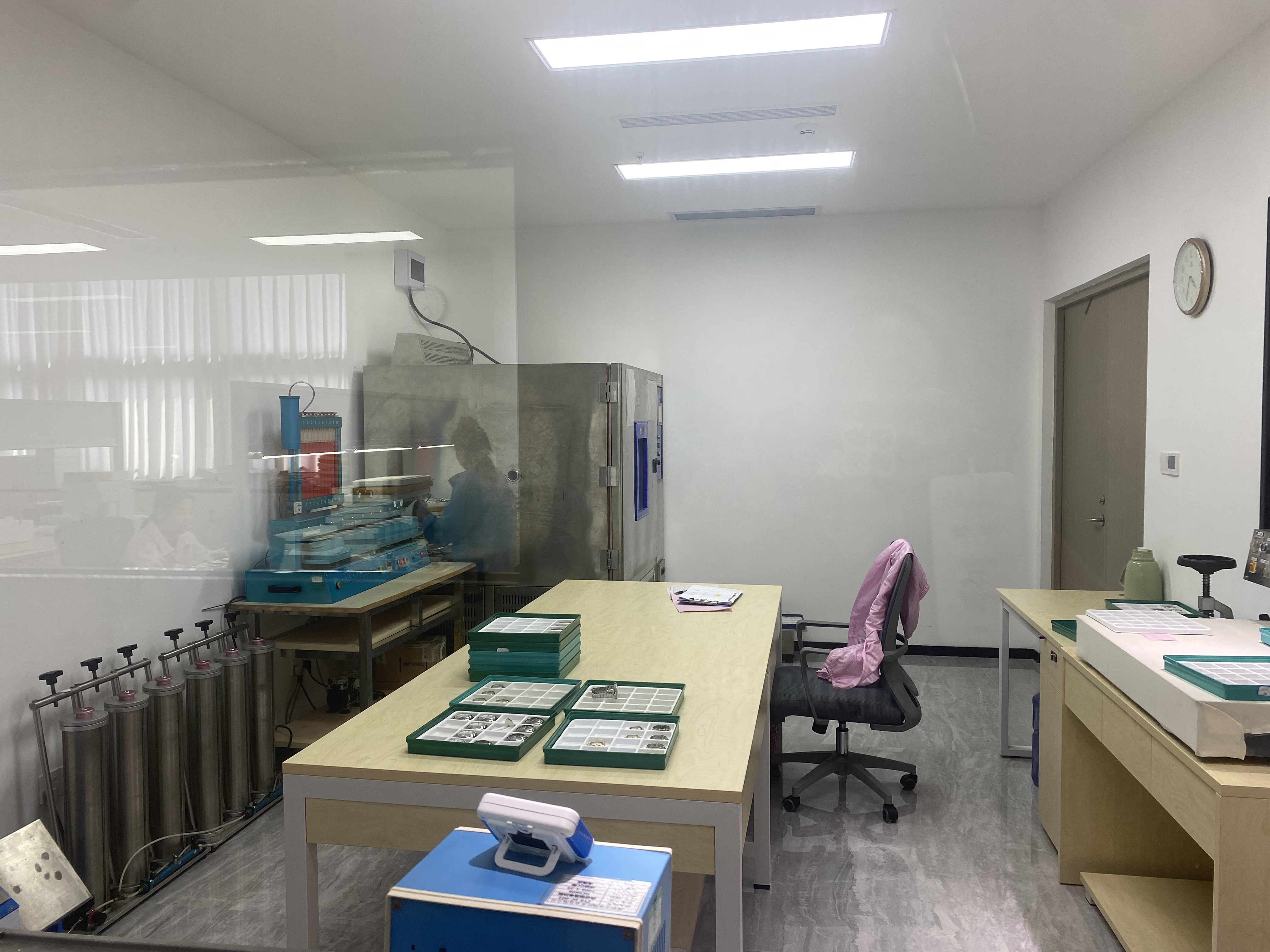
The verification layer: QC testing room equipment supports movement accuracy, water-pressure and inspection routines on finished units.
FAQ
Do water-resistant and diving custom wristwatches follow the same standards?
No. General water-resistant watches are tested and certified according to ISO 22810, while diver watches follow ISO 6425, which adds dynamic pressure and salt-water corrosion requirements. Under ISO 22810 compliance, the term “waterproof” is prohibited — which is why a compliant specification always reads “water resistant.” Separately, RoHS compliance (Directive 2011/65/EU) is mandatory for electronic watches, including quartz, in the EU market, and EU-facing applications may carry further requirements such as CE EMC conformity, specified waterproof performance and defined movement accuracy.
What water resistance levels can a custom watch manufacturer achieve, and how is it verified?
The supported range is 5 to 50 ATM. Every waterproof watch is tested at 100% water pressure before shipment rather than by random sampling, which lowers the risk of water leakage compared with suppliers reaching only 3–10 ATM with sampling inspection. The verification sequence is: visual check of the case, crown, gasket and crystal before testing; loading the watch and applying the target water pressure with a pressure hold; monitoring for air leakage during pressurisation; slow pressure release and full surface drying; and final inspection for internal moisture or water ingress. One limit is worth stating clearly: passing a laboratory water-pressure test does not equal permanent waterproof performance, because sealing gaskets age with wear, impact and chemical contact, and high-temperature steam such as a sauna or hot-water bath will deform and age rubber gaskets.
What actually separates a 200-meter automatic diving watch from a 3 ATM quartz watch in construction?
Six layers. The TD015G 200-meter diving watch uses a 316L stainless steel case with a rotating bezel and ceramic bezel insert with BGW9 luminous, a flat sapphire crystal, a see-through solid caseback, BGW9 luminous on bezel, indexes and hands, a Japan Miyota Automatic 8215 movement, and a 316L solid bracelet with solid extension buckle. A 3 ATM quartz reference such as TAM001 or TR001 uses the same 316L stainless steel base material but a snap caseback, a fixed zircon-set decorative bezel, a Ronda, Miyota or Japan quartz movement, and a bracelet or genuine leather strap with a pin buckle. The water-resistance rating difference comes from the closure principle, the bezel function, the luminous specification and the load path — not from the case metal.
What should a buyer verify in a custom wristwatches manufacturer for private label retail launches?
Verify the test protocol first: 100% full-unit water-pressure testing on every waterproof watch, not sampling, supported by equipment including a water resistant testing machine, movement stem cutting machine, automatic movement accuracy testing machine, strap tension-torsion testing machine, dial index inspection machine and dropping test machine. Then verify movement authenticity by model (Miyota Automatic 8215, Miyota 9039, Ronda quartz, Japan quartz, Seagull ST1905), the caseback and gasket architecture, whether the crystal is flat sapphire or boxed geometry, and whether the luminous material is specified by grade such as BGW9. Finally, confirm the compliance documentation for the destination market and validate construction through a physical sample rather than a rendered drawing — every item should pass multiple strict tests before shipment.
What are the MOQ, sampling route and lead time for private label custom wristwatches?
For OEM/ODM projects the MOQ starts at 300 pcs, standard lead time is 75 days, and monthly capacity runs between 50,000 and 60,000 units, with 100% testing and 2 years of after-sales support. A 4-designer and 3-engineer R&D team handles concept interpretation and prototype development, supported by a dedicated CNC prototyping workshop, so prototype dimensions can be confirmed before mass production. If you want to test the construction difference directly, request a TD015G sample alongside a 3 ATM quartz reference such as TAM001 or TAM002 and compare the caseback closure, bezel function and luminant side by side — you can start by requesting a sample or a quotation and reviewing the factory profile.
Conclusion: Build the Watch Around the Scenario, Not the Label
“Water resistant” is a family of constructions, not a single specification. A 200-meter automatic diving watch such as the TD015G earns its rating through a specific combination: a 316L stainless steel case, a rotating bezel with ceramic insert and BGW9 luminous, a flat sapphire crystal, a see-through solid caseback, a Miyota Automatic 8215 movement and a solid bracelet with extension buckle — all bound together by sealing gaskets, screw-down structures and 100% unit-level water-pressure testing. A 3 ATM quartz reference such as TAM001, TAM002 or TR001 is an equally valid product built to a different brief: snap caseback, fixed zircon-set bezel, flat sapphire crystal for scratch resistance, and a genuine leather strap or jewellery-buckle bracelet for daily wear and gifting.
For buyers of custom wristwatches, the practical rule is simple: fix the end-user scenario first, then let the scenario dictate the case architecture, crystal geometry, bezel function, movement platform and bracelet load path. A watch is diving-grade or daily-wear grade long before it is photographed — it is in the construction.
Next Step: Compare the Construction in Hand
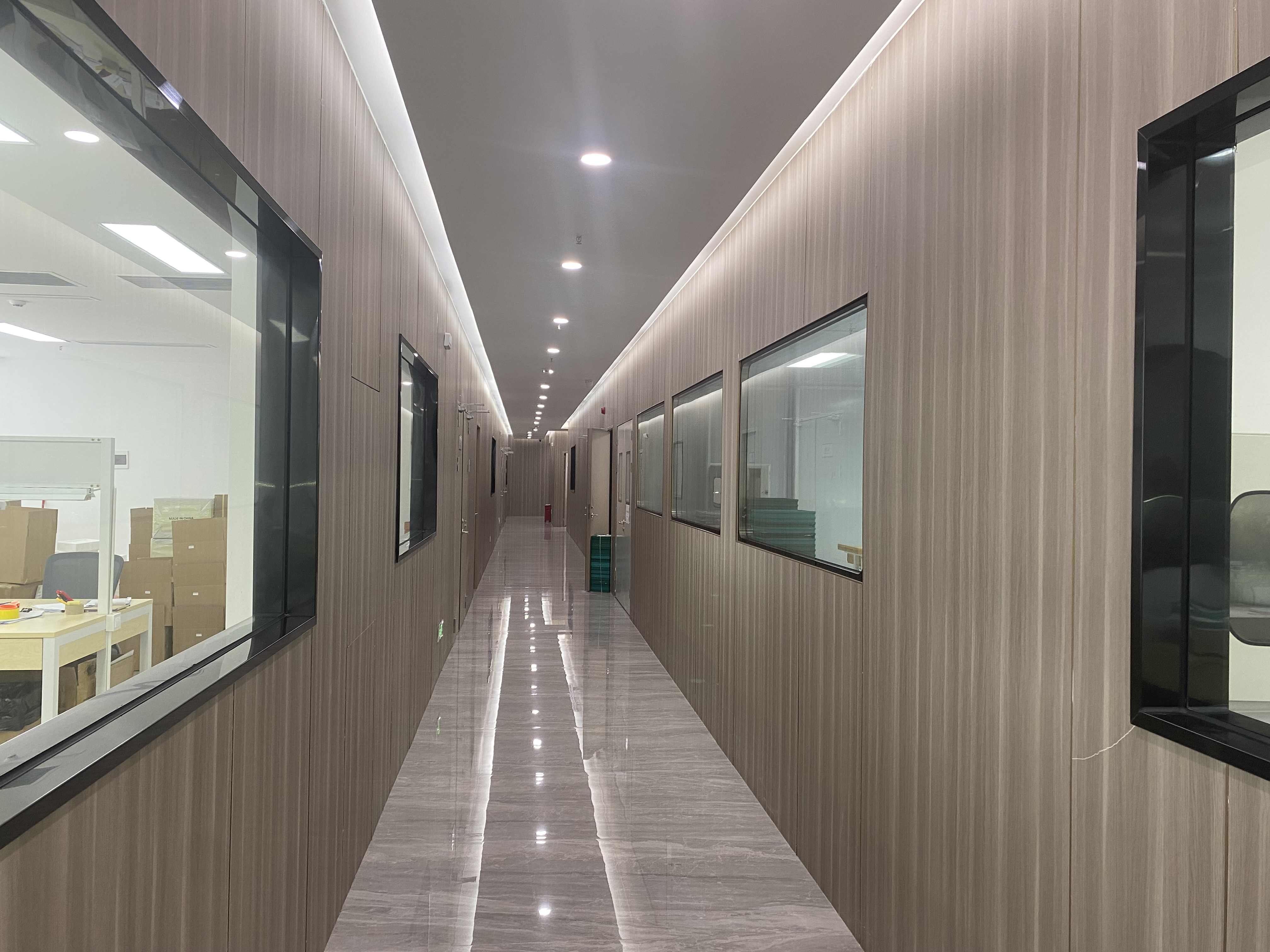
From prototype to finished goods: the assembly line behind private label custom wristwatch programmes.
TOPHILL — the proprietary watch brand of Shenzhen Super Time Co., Ltd. — supports OEM and ODM custom wristwatch projects from prototype development through mass production and finished-goods delivery, with ISO 9001 and ISO 14001 certification and RoHS-compliant products for overseas markets.
Request a sample or quotation: Vivian · Email: vivianli@supertime.hk · WhatsApp / Tel: +86 137 6014 8724 · Address: 102, Building 6, 1 Jingdong Road, Fenggang Town, Dongguan City, Guangdong Province · Website: www.supertime.hk
Download the company catalogue: Profile of Super Time (HK) Industrial Ltd.
Have Questions or Need More Details?
Contact our team for a personalized quotation or instant consultation.
Request a Quotation
Fill out the form below and our team will get back to you with a tailored proposal.
WhatsApp Direct Chat
Prefer to chat in real-time? Message us on WhatsApp for instant assistance & quick answers.
- Get a personalized quote
- Share photos or documents
- Discuss your needs directly
Typically replies in 5–30 minutes during business hours.