
Water Resistance Claims in Custom Wristwatches: 3ATM, 10ATM and 200-Meter Rules
A 3ATM custom wristwatch is built for rain, hand-washing and splashes. A 10ATM model is built for swimming and snorkeling. A 200-meter (20ATM) timepiece belongs to the diver-watch class. The number on the caseback is the shortest part of the story — the sealing construction behind it decides whether the claim still holds after six months on a customer's wrist.
This guide is written for buyers, brand owners and procurement teams who have to approve water resistance claims inside a custom watch specification, and then defend those claims in a purchase order. It covers what ATM actually measures, how the 3ATM, 10ATM and 20ATM (200-meter) bands differ in construction, how water resistance is verified at the factory, and how to write the requirement so that the delivered goods match the label. Every technical statement below is tied either to a defined standard or to documented production practice — including the limits that no supplier should gloss over.
The Problem: A Water Resistance Label Is Not a Depth Rating
Water resistance in a wristwatch is a laboratory test result expressed as static pressure, not a working depth. The ATM mark is a static laboratory pressure value, and 1 ATM is equivalent to 10 meters of static water depth under test conditions. That single definition explains most of the confusion in watch specifications: a 10ATM watch is not described as usable at 100 meters of open water, and a 20ATM / 200-meter model is not a licence to descend to 200 meters.
Wording is regulated as well as measured. ISO 22810:2010, the standard framework for general water-resistant watches, requires the term "water resistant"; the term "waterproof" is prohibited. The prohibition is not a formatting preference. It reflects a physical reality: sealing materials age, and no watch stays water resistant forever without maintenance.
The commercial problem for buyers is a mismatch between three documents that are usually written by three different people:
- The caseback label, which states an ATM figure.
- The technical construction — gaskets, crown type, case-back thread, case material — which determines whether that figure is achievable in mass production.
- The purchase order, which often says nothing at all about how water resistance is verified before shipment.
When those three documents disagree, the failure surfaces months later: condensation under the crystal, rust on movement parts, or a return claim from an end user who swam with a watch that was only specified for splashes.
Industry Background: Why Water Resistance Is a Construction Spec
Water resistance is realised mainly by elastic sealing gaskets fitted at the gaps of the case-back, crystal, crown and pushers. A screw-down crown and screw-down case-back, combined with precise case machining, create the sealing interface that keeps water out. Every one of those elements is a manufactured part with a tolerance, which is why water resistance is best treated as a system rather than a feature.
Three construction variables appear in almost every buyer discussion:
- Case material and corrosion resistance. A 316L stainless steel case resists corrosion in normal use, and plating quality matters just as much, because corrosion attacks sealing surfaces and case-back threads. Plated parts can be validated with a 48-hour salt-spray test for anti-corrosion performance.
- Crystal and case-back interface. A flat sapphire crystal seated against a solid stainless steel screw case-back, as used on a 5ATM 316L stainless steel custom model such as KIM001, gives the gasket a stable, machined seat.
- Assembly environment. Gaskets and movement assemblies are sensitive to contamination. Production in a class-10,000 dust-free assembly workshop keeps particles and moisture out of the sealing zone during final assembly.

Standards frame the market in two layers. ISO 22810 covers general water-resistant watches and governs the labelling language described above. ISO 6425 is the standard that governs diver's watches, and it addresses conditions that ordinary water resistance does not: dynamic pressure during movement through water, and salt-water corrosion exposure. On the regulatory side, RoHS compliance under Directive 2011/65/EU is mandatory for electronic watches — quartz and smart models — placed on the EU market. Buyers selling into Europe should therefore treat water resistance labelling and RoHS documentation as two separate, equally non-negotiable requirements.
3ATM, 10ATM and 200-Meter Rules: What Each Band Actually Covers
The three bands buyers order most often are the daily-splash band, the swimming band and the diver band. They differ in sealing build, not only in the number printed on the dial.
| Rating band | Static pressure equivalent | Exposure it is intended for | What it does not mean |
|---|---|---|---|
| 3–5 ATM | 30–50 m static test pressure | Daily wear, hand-washing, rain splash | Not a swimming or diving rating |
| 10–20 ATM | 100–200 m static test pressure | Swimming and surface snorkeling | Not intended for high-temperature steam environments |
| ≥20 ATM (200-meter class) | 200 m and above static test pressure | Diving activity, framed by the diver-watch standard ISO 6425 | Not a certified usable depth of 200 m on the wrist |
3ATM — the daily-splash band. A 3ATM label covers everyday exposure: rain, hand-washing and accidental splashes. Practical daily-wear specifications are usually written as 3–5 ATM, because this band balances splash protection against case thickness and cost. Buyers who intend the watch for office, formal or gift use should stay inside this band and say so explicitly in the spec sheet, rather than accepting a diver-styled case that carries no matching rating.
10ATM — the swimming band. A 10ATM rating is specified for swimming and surface snorkeling, where the watch meets dynamic water pressure rather than static immersion alone. This is the band where sealing construction becomes commercially decisive — a screw-down crown instead of a push-pull crown, a solid screw case-back, correctly seated gaskets — because the end user will simply assume the watch can be worn in a pool without discussion.
200-meter rules — the diver band. At 20ATM and above, a watch enters the diver-watch conversation, and the reference standard is ISO 6425, which adds dynamic pressure and salt-water corrosion tests on top of static pressure testing. The important clarification for buyers is a limit, not a feature: no model is certified beyond its stated ATM rating. A caseback reading 20ATM carries a 20ATM claim — nothing more and nothing less. Suppliers who imply otherwise are selling a style, not a specification.
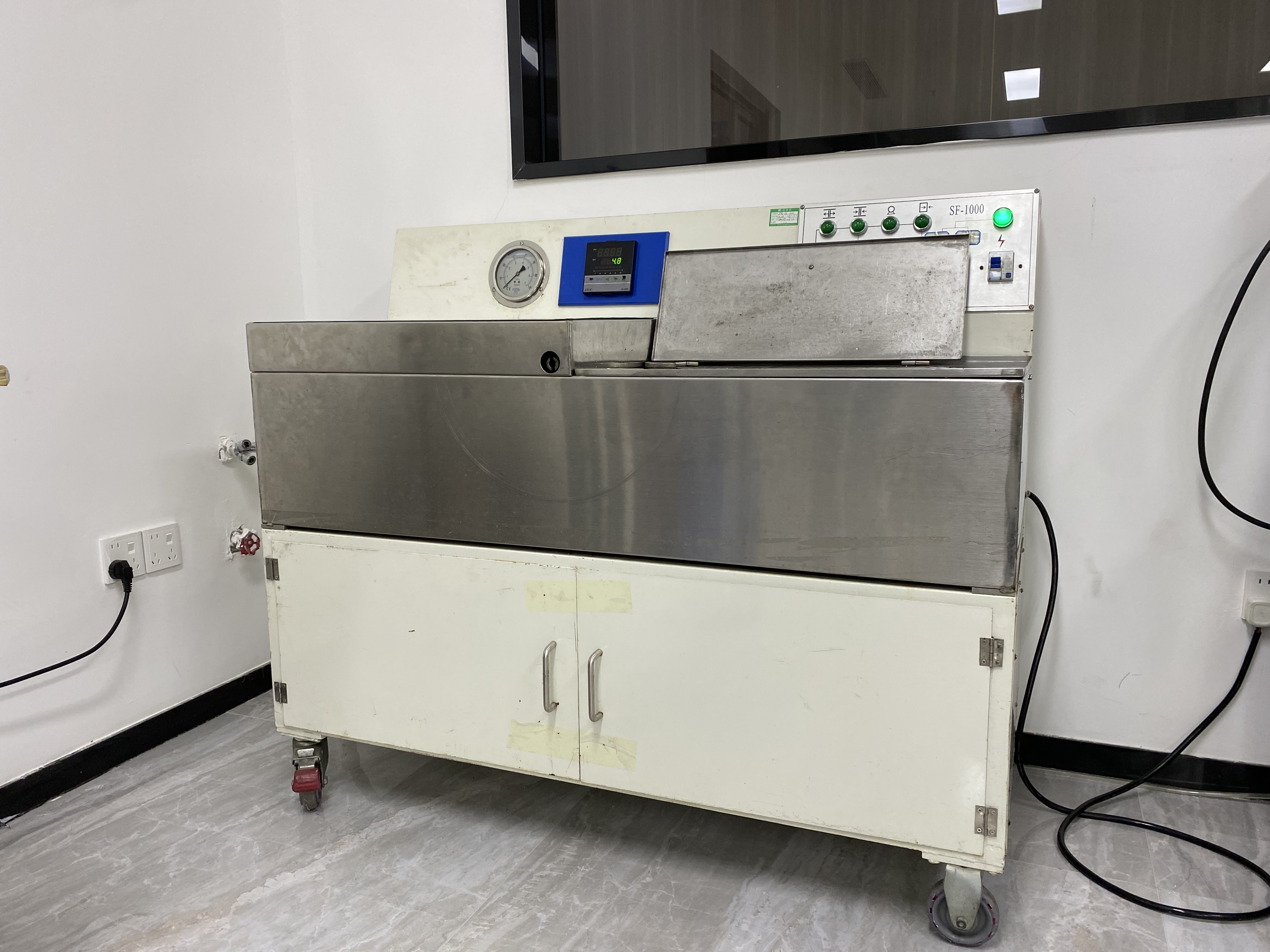
For scale, DONGGUAN SUPERTIME CO., LTD. states a supported water resistance range of 5–50 ATM across its custom watch programmes, using an in-house water resistance testing machine rated to 500 m. A 50ATM / 500-meter static rating is a manufacturing capability statement — it is not a claim that a delivered watch is certified for 500 meters of diving. That distinction should appear in writing between buyer and supplier, because it is the single most common source of downstream dispute.
How Water Resistance Is Verified Before Shipment
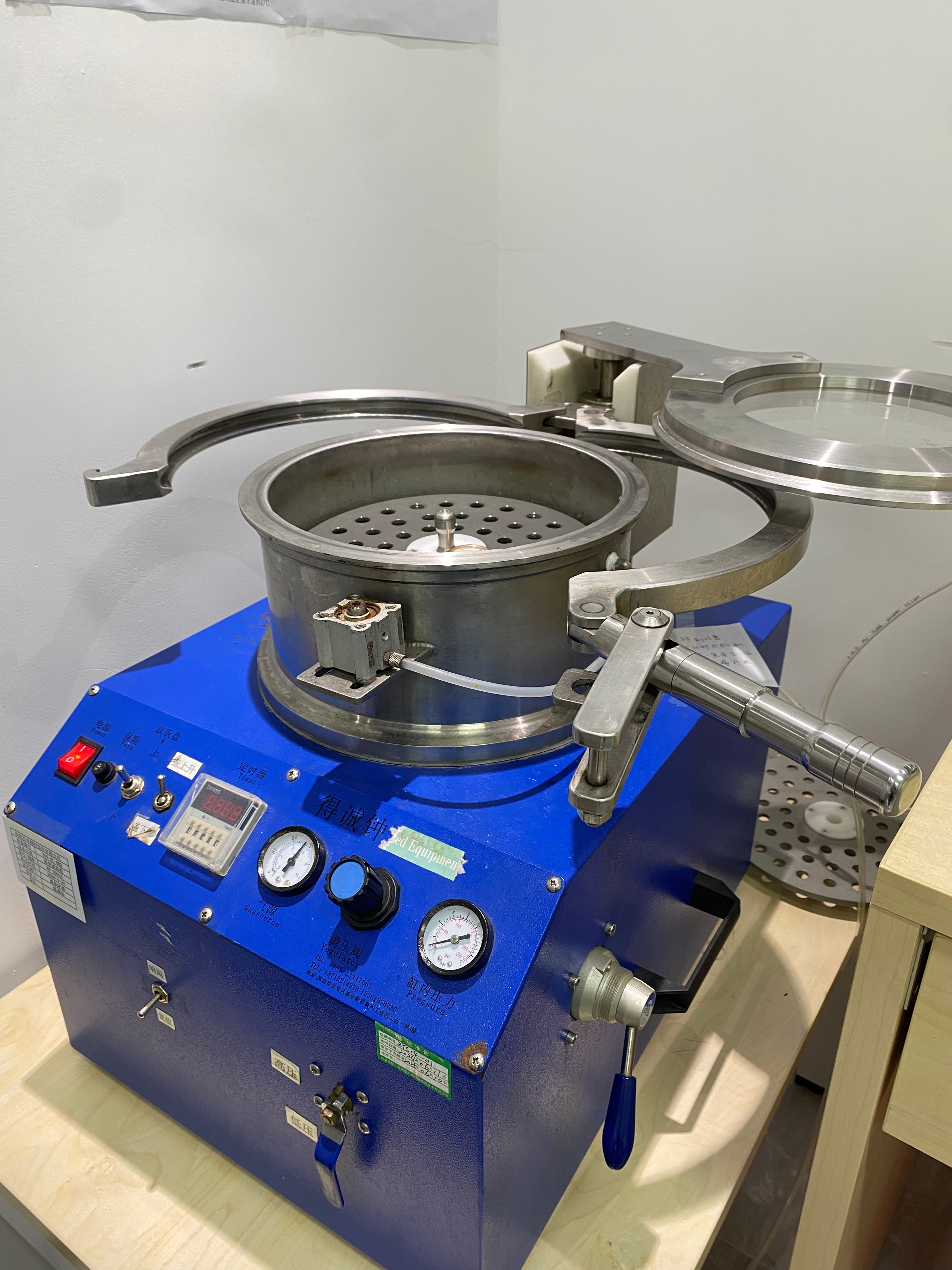
Testing is where a water resistance claim becomes auditable. Every waterproof watch produced at the DONGGUAN SUPERTIME CO., LTD. facility goes through a 100% water pressure test before shipment — full-unit testing, not random sampling. The distinction is commercially meaningful: sampling confirms that a process works, while full-unit testing confirms the individual watch that reaches the customer.
The pressure test follows a defined sequence:
- Visual check of the case, crown, gasket and crystal before the watch is loaded.
- Load the watch and apply the target water pressure, holding it for the defined period.
- Monitor for air leakage during pressurisation — the fastest indicator of a sealing fault.
- Release pressure slowly and dry the watch surface completely.
- Final inspection for internal moisture or water ingress before the unit moves to packing.
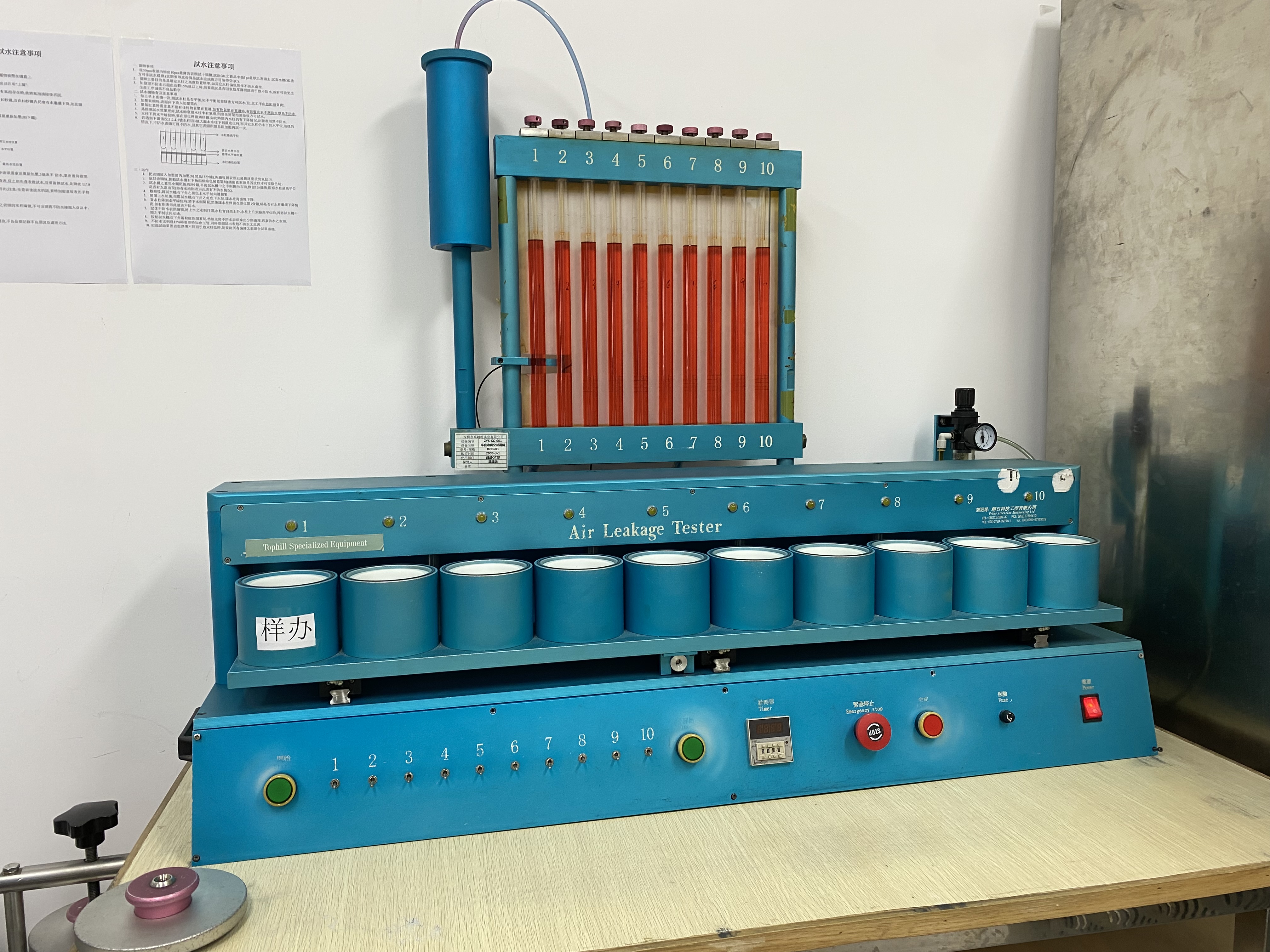
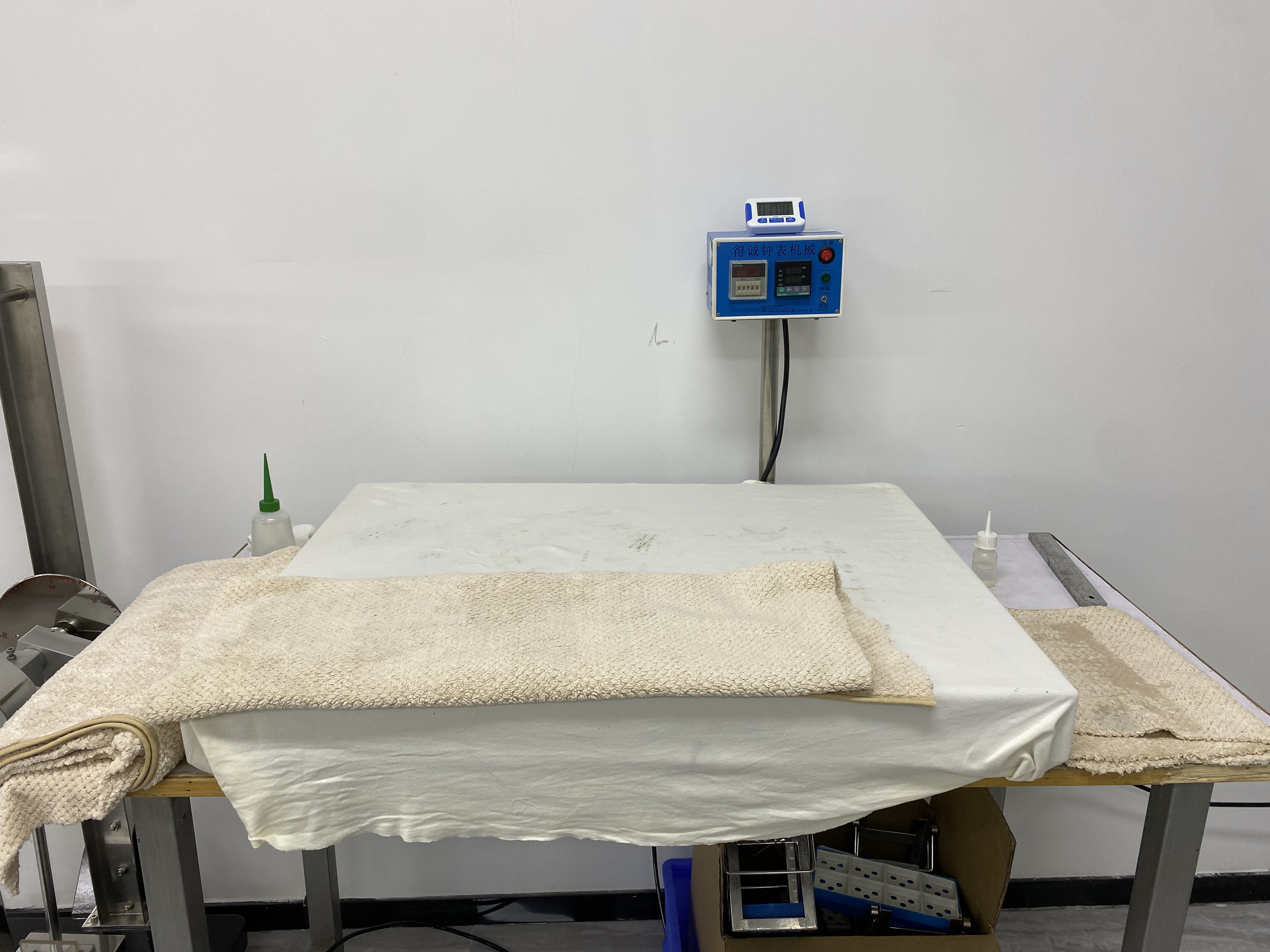
One boundary condition belongs in every internal specification. Passing a lab water-pressure test does not equal permanent water resistance. Gaskets age over time under daily wear, impact and chemical contact, so a test result describes the condition of the watch at the moment of testing — not its service life.
Step-by-Step: Writing Water Resistance Into a Custom Watch Order
A water resistance requirement survives the journey from brief to bulk shipment only when it is written as verifiable clauses. The sequence below reflects how the requirement is normally specified for a private label programme.
- Define the end-user exposure, not the number. Decide whether the watch is for office and formal wear, swimming and snorkeling, or diving activity. The exposure decides the band; the band decides the sealing build.
- Select the band and write it per reference. Specify 3–5 ATM, 10–20 ATM or the diver band (≥20 ATM) for each model code, and state the static pressure equivalence, so that nobody later reads the figure as a working depth.
- Specify the sealing construction. Name the gasket seats, the screw-down crown, the solid screw case-back, the case material (for example 316L stainless steel) and the crystal type. A rating without a construction specification is a promise without a mechanism.
- Require 100% full-unit pressure testing, not sampling. Write the five-step test sequence into the quality section, and require the test record to travel with the shipment.
- Fix acceptance criteria in the purchase order. Standard commercial terms for this product line are an MOQ of 300 pcs, FOB delivery terms, 30% deposit on order confirmation with the 70% balance before shipment, and pre-shipment test as the acceptance criterion. Written this way, water resistance becomes a contractual item instead of a goodwill claim.
- Plan for gasket ageing. Ask for handling and maintenance guidance with the finished goods, and align warranty wording with the fact that water resistance degrades through wear, impact and chemical exposure.
Use Cases: Matching the Rating to the End User
The rating band should follow the wearer's environment rather than the visual style of the case.
- Business and office wear, formal occasions. The 3–5 ATM daily band is sufficient. These models can stay slim, because the sealing requirement does not force a heavy diver case. A 316L stainless steel case with a solid screw case-back, flat sapphire crystal and 316L stainless steel bracelet — as used on the 5ATM model KIM001 — keeps the profile formal while meeting a daily-wear rating.
- Daily casual wear, travel and outdoor use. Also the 3–5 ATM to 10ATM range. Rain, splashes and hand-washing are covered, but buyers should still state that steam environments such as saunas and hot-water baths are not recommended.
- Swimming and snorkeling. 10–20 ATM, with a screw-down crown and full-unit pressure testing written into the order.
- Diving activity. The ≥20 ATM band, with the diver-watch standard ISO 6425 named in the specification so the supplier confirms exactly which tests apply to the reference.
- Gifts and corporate giveaways. Match the rating to the recipient's real environment instead of over-specifying. A correctly labelled 3–5 ATM gift watch produces fewer after-sales questions than a diver-styled watch whose rating was never defined.
When Water Resistance Fails: Symptoms and Correct Handling
Water ingress rarely presents itself as a sudden, obvious failure. The most common symptoms are fog or condensation inside the crystal, visible water droplets in the case, rust or oxidation on movement and internal metal parts, unstable or stopped timekeeping, and rust stains at the case-back, crown or gap joints. Each symptom points to moisture that is already inside the case.
The underlying causes are consistent across projects: water vapour entering through a sealing gap and condensing under temperature change; liquid water accumulating behind the crystal; moisture causing rust spots on screws, gears and movement components; corroded movement parts producing erratic timekeeping; and water seeping through case-back, crown or pusher gaps.
Correct handling is procedural, and it rules out one common shortcut:
- Inspect visually for fog, water, case damage and loose parts.
- Stop using the watch immediately and open the case-back in a dry environment.
- Disassemble the movement for professional dehumidification — no high-temperature baking.
- Inspect and replace aged or cracked O-ring gaskets.
- Check the case, crown and pushers for structural damage; repair or replace defective parts.
- Re-assemble at standard torque and complete a water-pressure test.
- Verify watch functions and anti-condensation performance before the watch is returned to service.
High-temperature steam deforms and ages rubber gaskets. This is why sauna and hot-water bath exposure is not recommended even for 10–20 ATM models, and why "it passed the test once" is not a maintenance plan.
Buyer Verification Table: What to Write and What to Accept as Evidence
| Requirement to write into the specification | Why it matters | Evidence to accept |
|---|---|---|
| Stated ATM band per model code, with static pressure equivalence | ATM is static laboratory pressure, not a usable depth; the band defines the end-user exposure | Specification sheet line per reference, matched by the caseback marking |
| Sealing construction: gasket seats, screw-down crown, solid screw case-back, case machining | Gaskets and screw-down structures create the seal; a rating without construction detail cannot be produced reliably | Approved technical drawing and pre-production sample verification |
| Case material and corrosion protection | Corrosion attacks sealing surfaces and case-back threads | 316L stainless steel specification; 48-hour salt-spray test for plated parts |
| 100% full-unit water pressure test before shipment | Random sampling leaves leakage risk inside the shipped batch | Pre-shipment test as the contractual acceptance criterion, with the five-step test sequence applied to each unit |
| Gasket ageing and maintenance guidance | Water resistance is not permanent and degrades with wear, impact and chemical contact | Handling and maintenance documentation supplied with the finished goods |
FAQ
Does a higher ATM rating mean the watch can be used for diving at that corresponding water depth?
No. ATM reflects static laboratory test pressure, not actual usable diving depth. 1 ATM is equivalent to 10 meters of static water depth under test conditions, so a 20ATM / 200-meter rating describes a static lab result rather than a working depth in open water. Buyers should also note that ISO 22810:2010 requires the term "water resistant" for general water-resistant watches and prohibits "waterproof", precisely because the condition is not permanent.
Will a watch remain water resistant forever after passing the water-pressure test?
No. Water resistance is not permanent. Sealing gaskets age with normal wear, impact and chemical contact, and high-temperature steam deforms and ages rubber gaskets, which is why sauna and hot-water bath exposure is not recommended even for 10–20 ATM models. Every waterproof watch on this production line is tested at 100% before shipment, but that result describes the watch at the moment of testing, not its condition after a year of use. Gasket inspection and replacement belong in the maintenance plan of any water-resistant custom watch.
What water resistance levels can a custom watch factory actually deliver and verify?
DONGGUAN SUPERTIME CO., LTD. states a supported water resistance range of 5–50 ATM, covering daily-wear, swimming, snorkeling and diver-grade builds. Verification uses an in-house water resistance testing machine rated to 500 m, and every waterproof watch receives a 100% water pressure test before shipment rather than random sampling. The test sequence covers pre-test visual inspection of the case, crown, gasket and crystal; pressurisation with pressure holding; leakage monitoring during pressurisation; slow pressure release and full surface drying; and a final inspection for internal moisture. No model is certified beyond its stated ATM rating.
What are the purchasing terms, MOQ and acceptance criteria?
Standard terms are an MOQ of 300 pcs and FOB delivery terms, with 30% deposit on order confirmation and the 70% balance before shipment. The acceptance criterion is the pre-shipment test, which is where water resistance verification is contractually anchored: the five-step pressure test sequence and the test record for the batch are the evidence behind the acceptance decision.
How do buyers identify a long-term private label custom wristwatch OEM supplier?
Long-term suitability usually comes down to how much of the process a supplier owns. DONGGUAN SUPERTIME CO., LTD. provides end-to-end custom solutions covering concept interpretation, prototype development, structural optimization, bulk production and finished-goods delivery, and operates its proprietary watch brand TOPHILL alongside OEM and ODM programmes for global brand clients. The manufacturing site includes a class-10,000 dust-free assembly workshop and a dedicated high-efficiency CNC prototyping workshop, supported by an R&D team of 4 designers and 3 engineers and more than 15 core staff members with over 15 years of watch-industry experience. Projects are run on a one-project-one-account-manager basis, with tracking from sample development through post-delivery support, and order quantities range from small-batch trial custom runs to large-volume batches exceeding 500,000 units. Buyers who need to confirm a water resistance specification before committing to a long-term programme can request a sample and a quotation, or download the company profile from the link at the end of this article.
Conclusion: Keep the Claim, the Construction and the Test in One Document
A water resistance claim in a custom wristwatch holds up when three things are documented together: the ATM band matched to the end user's real exposure, the sealing construction that makes the band achievable — gaskets, screw-down crown and case-back, 316L stainless steel case, precise case machining — and the test that proves each unit before shipment. Anything less leaves the claim attached to a label instead of a product.
Two limits are worth repeating in every specification and in every conversation with the end customer. ATM is static laboratory pressure, not a working depth. And water resistance is not permanent, because gaskets age with wear, impact and chemical contact. Buyers who write both limits into the purchase order, and who require a 100% full-unit pressure test as the acceptance criterion, remove the most common source of water-related after-sales claims.
For brand owners planning a private label or OEM/ODM programme, water resistance belongs on the specification sheet as a line item with a number, a construction requirement and a test record — not as a styling cue taken from a diver case. That is the framework used to specify, build and verify waterproof custom wristwatches at DONGGUAN SUPERTIME CO., LTD., the manufacturer behind the TOPHILL brand.
Next Step: Samples, Quotations and Factory Review
Send us the exposure scenario for your model — daily wear, swimming or diving — and we will confirm the ATM band, the sealing construction and the pre-shipment test record that applies to your reference. Samples and quotations for private label custom wristwatch programmes are available on request.
Contact: Vivian · Email: vivianli@supertime.hk · WhatsApp / Tel: +86 137 6014 8724
Address: 102, Building 6, 1 Jingdong Road, Fenggang Town, Dongguan City, Guangdong Province
Website: www.supertime.hk · Blog: blog.supertime.hk
Company profile (PDF): Download the DONGGUAN SUPERTIME CO., LTD. / TOPHILL company profile