
Car Radio Application Guide: Universal Multimedia, Motorcycle Nav, and CarPlay Boxes
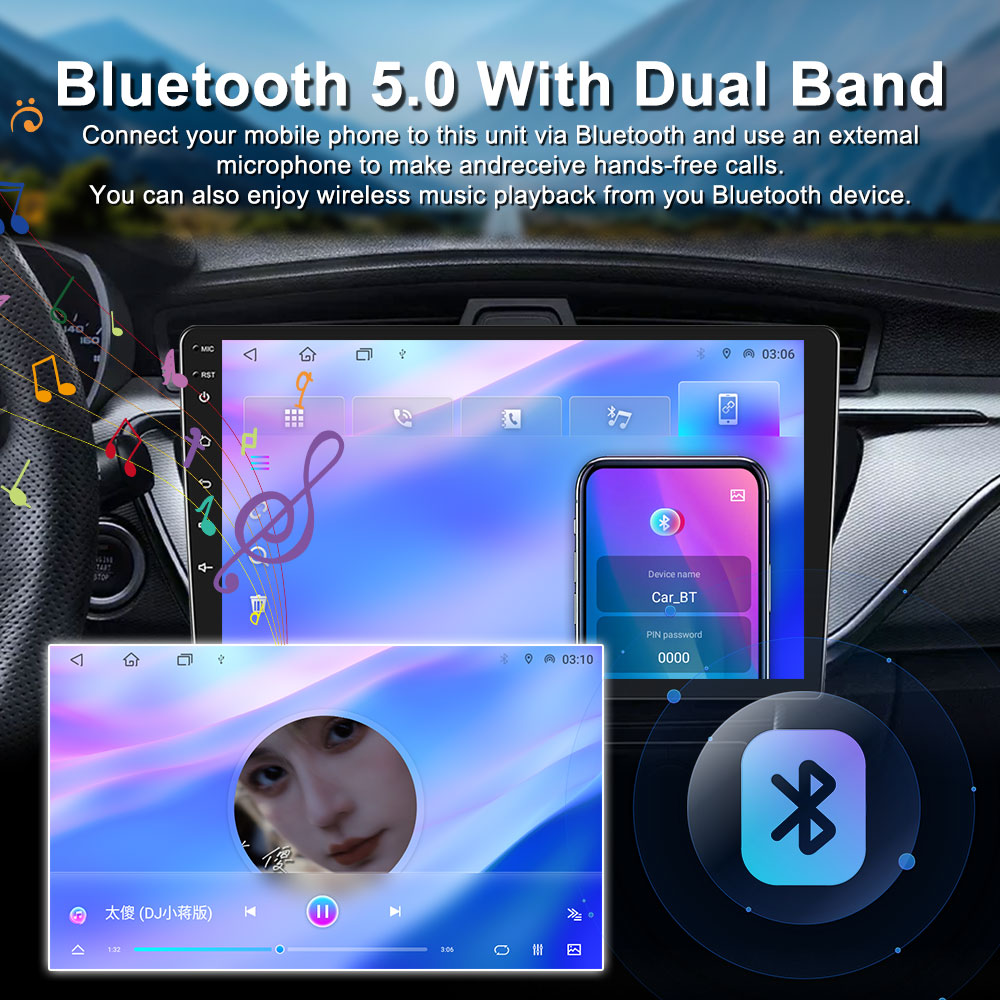
Universal dashboard-mount multimedia platforms such as the TS10 replace an ageing factory head unit with a modern Android car radio.
Matching a car radio to a real installation is a platform-class decision, not a model-number decision. At the decision stage, the question buyers actually ask is not “which car radio is best”, but “which class of hardware fits this vehicle, this dashboard, and this project”. Three classes cover the majority of aftermarket installations: universal dashboard-mount multimedia players such as the TS105 (9-inch IPS display, Android 14, UIS7865 platform, wireless CarPlay and Android Auto); motorcycle navigation units such as the TN-M9 and TN-M11 (IP67 enclosure, handlebar mount, integrated DVR, TPMS and GPS functions); and CarPlay boxes such as the TN-AI47, intended for vehicles whose factory head unit already provides wired CarPlay.
This guide answers the fitment, connectivity and feature trade-off questions that decide between those three classes, using verified product specifications together with the testing, compliance and manufacturing facts behind TOPNAVI's in-vehicle product line. According to Grand View Research, the global in-car infotainment market was valued at USD 22.5 billion in 2024, and Market Research Future estimates the car audio head unit segment alone at USD 15.44 billion in 2024 — which is why platform selection, rather than brand selection, is where most projects are won or lost.
Why the Decision Usually Goes Wrong Before It Starts
Most failed car radio projects fail on one of three points: the wrong platform class was chosen, the integration assumptions were wrong, or the feature trade-offs were never weighted against the working environment.
Platform class comes first. A universal dashboard-mount player replaces the factory head unit and depends on the dashboard accepting a standard bay or a model-matched housing. A CarPlay box is the opposite approach: the factory head unit stays in the vehicle, so no new dashboard housing is needed, and the vehicle keeps its original electronics. A motorcycle navigation unit is not a car radio at all — it is a handlebar-mounted, weather-exposed device whose design priorities are enclosure sealing, vibration resistance and continuous power behaviour rather than interior aesthetics.
Integration assumptions come second. Two physically similar head units can behave very differently in the same car if the wiring harness and CAN protocol do not match the vehicle. Steering wheel control (SWC), amplifier triggering, reversing camera input and dashboard illumination are all integration points, not optional extras. This is also why a wiring harness is not a commodity item on its own: the automotive wiring harness market was valued at USD 50.1 billion in 2023 by Grand View Research, reflecting how much of the real engineering in vehicle electronics sits in connections rather than in the visible screen.
Feature trade-offs come third, and they are the most subjective. Wireless CarPlay and Android Auto remove the need for a cable and, on the TS10 platform, connect in around 5 seconds — documented at roughly 80% faster than wired adapters. A built-in DSP changes audio architecture rather than adding a feature. Over-the-air (OTA) firmware updates change the maintenance model of the product over its service life. Screen size changes the perceived quality of the upgrade. None of these can be compared meaningfully until the platform class is fixed, which is why the sections below are organised by class rather than by price band.
Industry Background: What the Aftermarket Numbers Say
The aftermarket car radio category sits inside a larger, clearly measurable infotainment market, and the shape of that market explains why universal platforms continue to dominate unit volume.
- Fortune Business Insights reports that Asia Pacific dominated the car audio market in 2025 with a 54.21% revenue share, reaching USD 6.01 billion in that region.
- Within the head unit segment, Market Research Future identifies Double DIN as the largest segment in 2024, which matches the continued prevalence of standard dashboard openings in older and mid-life passenger vehicles.
- Market size estimates vary with scope: published figures for the core automotive infotainment and audio market range between roughly USD 15 billion and USD 33.5 billion depending on whether telematics and OEM-fitted systems are counted. Buyers should treat any single market figure as scope-dependent rather than absolute.
Compliance is a hard gate rather than a marketing topic. CE marking is mandatory for car radios entering the EU under the RED, EMC and LVD frameworks, while FCC certification is required for the US market. Beyond market-access marks, ISO 16750 defines environmental testing for automotive electronic devices, covering temperature, vibration and humidity resilience. For a buyer at the decision stage, that standard is the reference point for asking a supplier what was tested — not whether testing happened.
The competitive landscape is well documented: key global competitors in the car audio and head unit space include Alpine Electronics, Harman International, Sony, Pioneer and JVCKenwood, according to Fortune Business Insights and Market Research Future. Those brands define the upper price tier and the OEM installation base. Universal aftermarket platforms compete on a different axis — model coverage, customisation flexibility and integration support for vehicles that those tiers no longer serve.
Detailed Solution: What Each Platform Class Actually Solves
1. Universal dashboard-mount multimedia: TS105, TS10 and TS20
A universal dashboard-mount player is the correct choice when the factory head unit is being replaced altogether. The TS105 is a 9-inch IPS dashboard-mount Android 14 player built on the UIS7865 platform with wireless CarPlay and Android Auto, which places it in the mainstream of modern aftermarket screen car radios: a large touch display, current-generation Android, and wireless phone projection as the default rather than an accessory.
The comparison data behind TOPNAVI's multimedia platforms shows where the value sits versus the alternatives they replace. Compared to traditional car navigation systems, the TS10 Car Multimedia Player is documented with wider vehicle compatibility, faster GPS positioning, a customisable Android system and built-in DSP sound. The measurable differences listed in the comparison set are 30% higher sound fidelity versus non-DSP systems, a 5-second wireless connection that is about 80% faster than wired adapters, and 10% lower power consumption than a multi-device combination, with roughly double the system boot speed.
The maintenance and cost picture matters just as much at the decision stage. The TS10 platform is documented at 15% lower cost than adding a separate DSP and CarPlay module, requires no extra hardware installation, and includes five years of free OTA firmware updates covering CarPlay and navigation features.
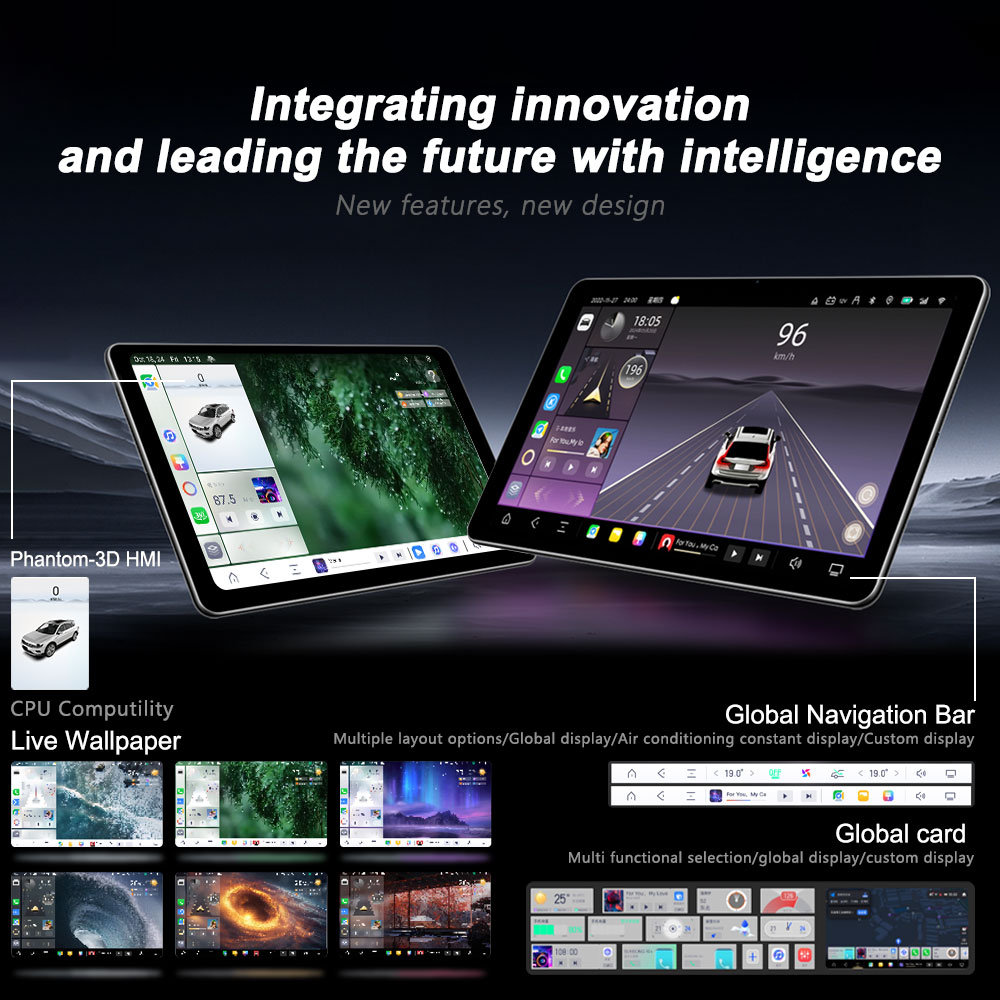
The TS20 platform is positioned against portable GPS navigators, with a screen twice the size of typical portable units.
Where the benchmark is a portable GPS navigator rather than a head unit, the TS20 Car Multimedia Player is documented with more compatible vehicle models, a screen twice the size of the portable equivalent, 15% lower power consumption, a cold start roughly two seconds faster, and a 20% lower unit price. Its maintenance model is lifetime free OTA updates with remote diagnosis support. The comparison set also positions it specifically for aftermarket car modification shops, which is a useful signal for installers deciding what to keep in stock.
For used-car upgrades, the replacement head unit comparison against an original car radio documents wireless Apple CarPlay and Android Auto, an HD touch screen, built-in navigation with map data, DSP sound enhancement, steering wheel control and Bluetooth, together with higher screen resolution, faster performance, better sound quality and more functions than the original unit — at a documented 10% lower cost, with less maintenance and OTA-based updates. In short: for any vehicle whose factory radio predates phone projection, a universal multimedia platform is the shorter path to a modern dashboard.
2. Motorcycle navigation: TN-M9 and TN-M11
Motorcycle navigation units are specified against a different environment, and the specification differences are not cosmetic. The TN-M9 and TN-M11 are IP67-rated handlebar-mount units with integrated DVR, TPMS and GPS functions. IP67 means the enclosure is dust-tight and protected against temporary immersion, which is the relevant threshold for rain, spray and washdown rather than for a dashboard that never leaves the cabin.
Function consolidation is the main practical argument for this class. Navigation, recording and tyre-pressure monitoring are handled inside one unit, so the handlebar area carries fewer separate devices and fewer separate power feeds. For modifiers building a touring or long-distance bike, that reduction in wiring and mounting hardware is usually worth more than any single feature.
Signal reliability is the second specification that separates motorcycle units from car radios. TOPNAVI addresses GPS signal loss and interference with a dual-band GPS plus Beidou high-gain antenna and an anti-interference signal-receiving algorithm, supported by weak-signal environment simulation testing and 100% pre-shipment GPS positioning accuracy inspection. Vibration is handled structurally: a shock-absorbing design with reinforced internal fixation, followed by vibration and shock testing and a drop test before shipment.
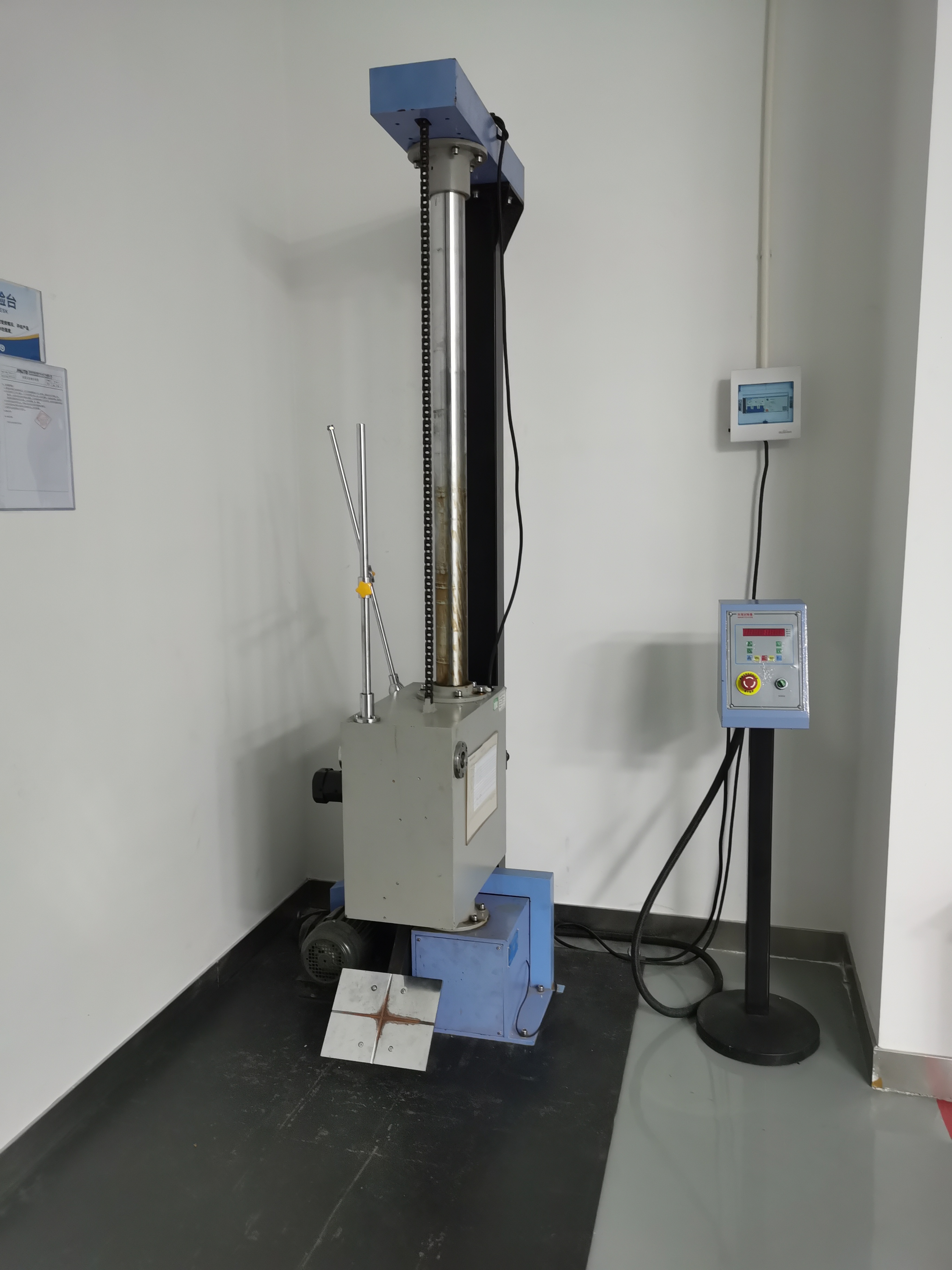
Shock-absorbing structure and drop testing are part of the pre-shipment control set for exposed installations.
3. CarPlay box: TN-AI47 for OEM wired CarPlay vehicles
The CarPlay box is the least invasive of the three classes. The TN-AI47 is designed for cars whose factory head unit already provides wired CarPlay; because the factory unit and its existing vehicle connections remain in place, the upgrade does not require a new dashboard housing or a full head-unit replacement.
That makes the class attractive for newer vehicles where the factory screen is acceptable but the owner wants more from it, and for markets where removing an OEM head unit risks disturbing other vehicle systems. The critical pre-purchase check for this class is not performance — it is confirming that the factory head unit is a wired CarPlay unit in the first place, because the box is designed around that starting condition.
4. The verification layer behind all three classes
Whatever class is chosen, the reliability questions are answered before shipment, not after installation. TOPNAVI applies a 72-hour full-load aging test to 100% of products before shipment, with a 1,000-hour accelerated life test on prototypes and high-temperature accelerated aging screening. Temperature resilience is verified through a -40 °C to 85 °C thermal cycling test, and touch reliability through a 100,000+ times touch durability test with full screen function inspection before shipment.
Electromagnetic compatibility is managed through EMC/EMI shielding design and anti-interference circuit layout, verified by CE/FCC EMC certification testing. Software compatibility is handled through pre-sales full model CAN protocol matching, with a full car model compatibility database updated every month, OTA software optimisation, and one-to-one technical troubleshooting. System stability is supported by real-time operation monitoring with automatic crash recovery, backed by the aging test regime and OTA bug fixes.
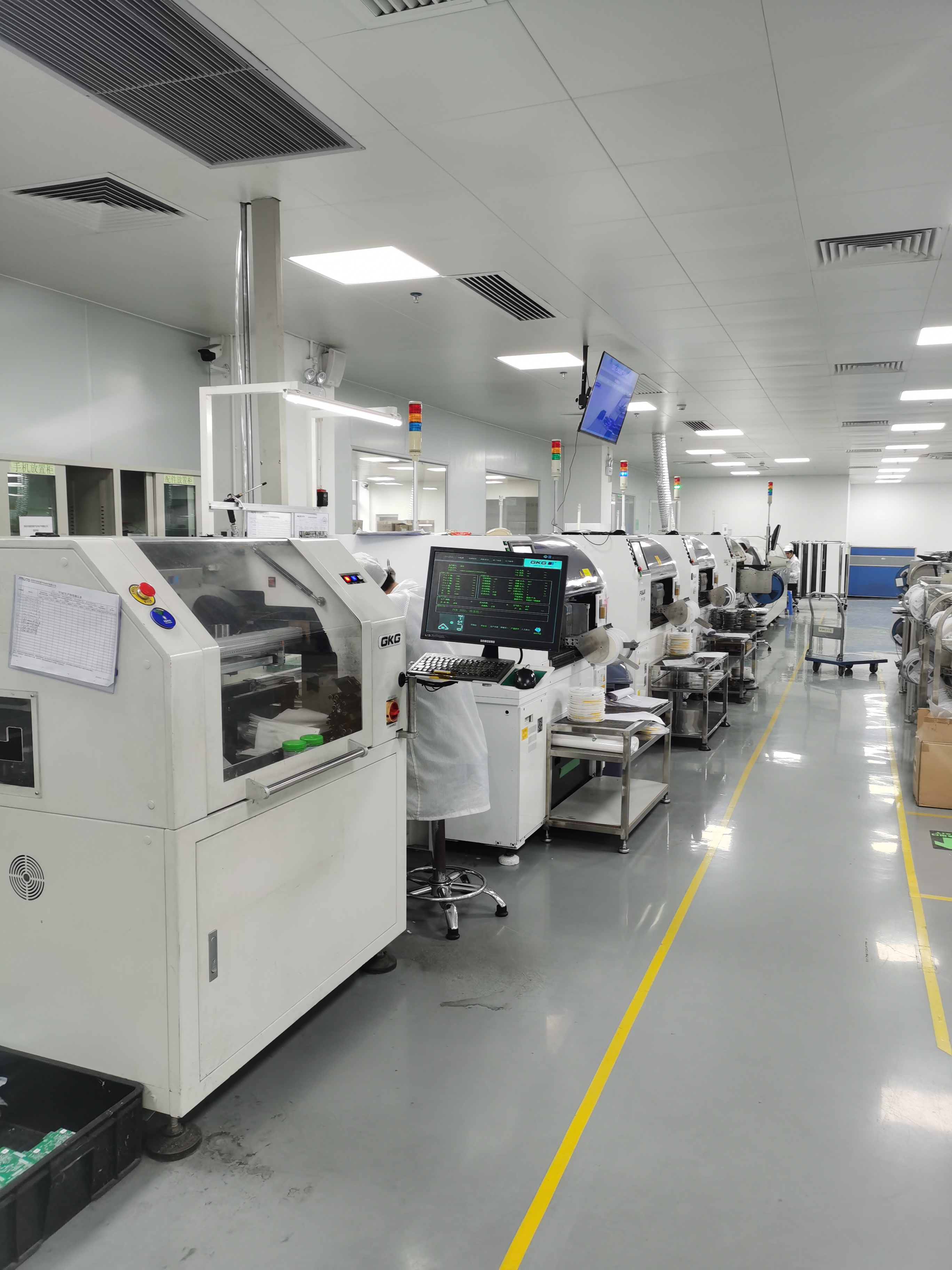
Electronics are assembled on SMT lines inside a 20,000 m² facility that produces approximately 360,000 units per year.
Shenzhen Topnavi Electronic Tech Co., Limited is a Shenzhen-based manufacturer of in-vehicle infotainment products founded in 2014, operating a 20,000 m² factory with more than 100 production staff, a 50-engineer R&D team, and annual output of approximately 360,000 units. Approximately 95% of production is exported, with active distribution in more than 70 countries. The factory holds ISO 9001 certification, and products carry CE, FCC, RoHS, E-Mark and EMC certifications.
Step-by-Step Breakdown: Matching a Platform to a Project
Six checks, in this order, remove most of the risk from a car radio or multimedia purchase. Running them out of order is the most common reason a technically sound product ends up in the wrong vehicle.
Step 1 — Establish what the host vehicle already has. Identify whether the factory head unit is a standard bay unit, a model-specific integrated unit, or a wired CarPlay unit. This single answer eliminates one or two of the three platform classes immediately.
Step 2 — Choose the platform class, not the model. Standard bay or obsolete unit: universal dashboard-mount multimedia. Acceptable factory unit with wired CarPlay: CarPlay box. Two wheels: motorcycle navigation unit. Mixing classes at this stage produces projects that are technically installable but commercially wrong.
Step 3 — Confirm electrical and control integration. Verify the wiring harness, CAN protocol match, steering wheel control support, amplifier triggering and camera input against the specific vehicle model. TOPNAVI's pre-sales process runs full model CAN protocol matching against a compatibility database that is updated monthly, which is the point at which fitment questions should be resolved.
Step 4 — Match environmental resilience to the working environment. A cabin-mounted head unit and a handlebar-mounted unit have different exposure profiles. For exposed installations, IP67 enclosure rating, dual-band GPS plus Beidou antenna design and anti-interference reception matter more than screen specification.
Step 5 — Weight the feature trade-offs explicitly. Screen size and panel type, DSP sound enhancement, wireless versus wired phone projection, OTA update coverage, and whether the platform replaces two or three separate devices. On the TS10 platform, the built-in DSP and wireless CarPlay together are documented at 15% lower cost than adding a separate DSP and CarPlay module.
Step 6 — Verify compliance documentation and after-sales structure before ordering. Confirm that CE (RED/EMC/LVD) and FCC documentation covers the exact model being purchased, ask which tests were run against ISO 16750 environmental criteria, and confirm the update and support model — for example, five years of free OTA firmware updates on the TS10 platform or lifetime free OTA updates with remote diagnosis support on the TS20 platform.
Use Cases: Four Projects That Decide Differently
Passenger car upgrade
For an older passenger car, the decision is dominated by integration simplicity and the audio architecture. A replacement head unit removes the need for separate CarPlay and DSP modules, keeps steering wheel control and Bluetooth functions, and adds HD touch, built-in navigation and map data. The relevant trade-off is between a universal bay-fit player and a model-matched housing; both use the same electronics, but only one leaves the dashboard looking factory-finished.
Toyota Prado multimedia projects
A Toyota Prado multimedia project is decided by housing and protocol, not by screen size. The work sits in matching the dashboard housing to the vehicle, matching the CAN protocol so that vehicle functions continue to behave correctly, and confirming camera and audio inputs. TOPNAVI's product line is engineered to be compatible with hundreds of car models, and the full car model compatibility database is updated every month so that model-specific matching is verified before the order is placed rather than after installation. For vehicles used in weak-signal environments, the dual-band GPS plus Beidou antenna design and pre-shipment GPS positioning accuracy inspection are directly relevant to day-to-day usability.
Motorcycle navigation and modification
Motorcycle modifications change the priority order entirely. IP67 sealing, handlebar mounting, vibration resistance and GPS stability in weak-signal environments outrank screen resolution. Units that combine DVR, TPMS and GPS reduce the number of devices mounted on the bars and the number of separate power feeds, which is a measurable reduction in installation and maintenance work for a modifier.
Fleet management
Fleet buyers rarely optimise for peak features. They optimise for repeatability across a mixed vehicle stock. A universal platform compatible with hundreds of car models reduces SKU count across the fleet, OTA updates and remote diagnosis reduce workshop time, and the accessories that matter most operationally — DVR, reversing camera and headrest monitors for passenger-carrying vehicles — sit in the same product family. The 72-hour full-load aging test applied to 100% of products before shipment addresses the failure mode fleet managers care about most: units that fail in the first weeks of service rather than at end of life.
Comparison Table: Three Platform Classes Side by Side
The table below compares the three classes on the factors that change the purchase decision, using documented product and comparison facts only. Cost positions are shown only where a documented comparative figure exists.
Frequently Asked Questions
1. What certifications does a car radio or CarPlay box need before it can be imported into the EU or the US?
CE marking is mandatory for car radios entering the EU under the RED, EMC and LVD frameworks, while FCC certification is required for the US market. Separately from market-access marks, ISO 16750 defines environmental testing for automotive electronic devices, covering temperature, vibration and humidity resilience. TOPNAVI's factory holds ISO 9001 certification, and its products carry CE, FCC, RoHS, E-Mark and EMC certifications. When verifying a supplier, check that the certificate scope names the specific model being ordered rather than a generic product family.
2. Can a universal multimedia player be fitted to a specific model such as a Toyota Prado, or is a factory-specific unit required?
Fitment depends on two things: the dashboard housing and the CAN protocol match, not on the electronics. TOPNAVI's product line is engineered to be compatible with hundreds of car models, and the company maintains a full car model compatibility database that is updated every month. Before an order is placed, pre-sales verification runs full model CAN protocol matching and adaptation testing, and one-to-one technical troubleshooting is provided if an adaptation issue appears. For model-specific projects, confirm the housing and protocol match first — screen specification is the easy part.
3. Is it cheaper to replace the whole head unit or to add a CarPlay box?
Documented comparison figures exist for the head-unit route. The TS10 Car Multimedia Player platform is positioned at 15% lower cost than adding a separate DSP and CarPlay module, and the TS20 platform at 20% lower unit price than portable GPS navigator equivalents. For used-car upgrades, TOPNAVI's replacement head unit is documented at 10% lower cost than the original car radio baseline in its comparison set. No comparative pricing is published for the TN-AI47 CarPlay box, so the rule of thumb is structural rather than numeric: if the factory head unit is already acceptable, the box approach preserves it and avoids the cost and labour of a full replacement; if the factory unit is obsolete, the replacement route covers more functions per unit.
4. Can buyers test a sample before committing to a production order?
Sampling is a normal step for aftermarket and project buyers, and it is most useful when it tests the specific risks of the chosen class. For universal multimedia, test wireless CarPlay connection behaviour (documented at around 5 seconds on the TS10 platform, roughly 80% faster than wired adapters) and harness/CAN integration in the actual vehicle. For motorcycle units, test GPS acquisition in weak-signal conditions — supported by dual-band GPS plus Beidou antenna design and 100% pre-shipment GPS positioning accuracy inspection — and confirm handlebar mounting. For CarPlay boxes, confirm the factory unit type before sampling. Sample requests, model-matched quotations and the current product catalogue can be requested from the TOPNAVI sales team at sales@topnaviauto.com, or through the brochure at TOPNAVI product brochure.
5. What lead time and after-sales support should a distributor plan for?
Production and delivery schedules are confirmed at order stage, because they depend on model mix and order volume. What is documented and can be planned for is the screening stage and the support model: 100% of products pass a 72-hour full-load aging test before shipment, which adds a defined testing stage to the schedule, and prototypes are validated with a 1,000-hour accelerated life test. After delivery, the TS10 platform includes five years of free OTA firmware updates for CarPlay and navigation features, and the TS20 platform includes lifetime free OTA updates with remote diagnosis support. One-to-one technical troubleshooting is available for adaptation issues. Distributors planning a first order should confirm current lead times directly with the sales team.
Conclusion
The right car radio is the platform class that matches the vehicle, not the model with the longest feature list. Universal dashboard-mount multimedia such as the TS105, TS10 and TS20 covers vehicles where the factory head unit is being replaced, and carries documented cost and update advantages over combining separate modules. Motorcycle navigation units such as the TN-M9 and TN-M11 cover two-wheel projects where IP67 sealing, handlebar mounting and GPS stability in weak-signal environments decide the outcome. The TN-AI47 CarPlay box covers vehicles that already have wired CarPlay at the factory and need an add-on rather than a replacement.
Once the class is fixed, the remaining decisions are integration questions: housing, harness, CAN protocol match, environmental exposure and update model. Those are exactly the points TOPNAVI verifies before shipment, through full model CAN protocol matching, a monthly-updated compatibility database, thermal cycling from -40 °C to 85 °C, drop and vibration testing, 100,000+ touch durability testing and a 72-hour aging test on every unit.

Match a platform to your project
Send us the vehicle model, the platform class you are considering and your target market. We will confirm housing, CAN protocol and certification coverage for that model, and return a quotation with sampling options.
Email: sales@topnaviauto.com | WhatsApp: +86 150-7094-1278
Website: www.topnavi.com.cn
Catalogue download: TOPNAVI product brochure (PDF)
Shenzhen Topnavi Electronic Tech Co., Limited — founded 2014 in Shenzhen, China. Factory: 20,000 m², ISO 9001 certified. Products: Android car radio, car head unit, car stereo, motorcycle Carplay, Carplay AI box, headrest monitor, car backup camera and DVR. Approximately 95% of production is exported to more than 70 countries.
Have Questions or Need More Details?
Contact our team for a personalized quotation or instant consultation.
Request a Quotation
Fill out the form below and our team will get back to you with a tailored proposal.
WhatsApp Direct Chat
Prefer to chat in real-time? Message us on WhatsApp for instant assistance & quick answers.
- Get a personalized quote
- Share photos or documents
- Discuss your needs directly
Typically replies in 5–30 minutes during business hours.