
Car Radio Supplier Partnerships: A Long-Term OEM/ODM Guide for Distributors
Car radio distribution is no longer a simple product transaction. Distributors that supply double din car radios, Android car radios, and touch screen car radios to installers and retail chains must plan for vehicle compatibility, software updates, warranty service, and market compliance. For buyers in the Decision and Execution stage, the question is not only which car radio to buy; it is which aftermarket car radio manufacturer can support the program over several years.
This guide uses TOPNAVI as a working example of an OEM/ODM car radio supplier. The goal is to give distributors a practical framework for evaluating production capacity, certifications, testing, customization, commercial terms, and long-term support.
Problem Definition: Why Short-Term Car Radio Sourcing Is Expensive
Choosing a supplier based only on unit price can create hidden costs. A car radio that cannot be updated may become obsolete. A model without the correct certifications may be stopped at customs. A failure in screen touch, GPS signal, or system stability can increase return rates and damage installer confidence.
For distributors, the real cost of a poor sourcing decision appears after the first container is sold. Multi-year distribution requires a supplier with defined controls for mechanical shock, GPS signal loss, electromagnetic interference, system crashes, touch failure, software compatibility, and long-term aging.
Industry Background: Car Radio Market Conditions in 2026
Global demand for car radio and in-car infotainment remains strong. The in-car infotainment market was valued at USD 22.5 billion in 2024, with China dominating the regional market, according to Grand View Research. The car audio head unit market was estimated at USD 15.44 billion in 2024, with double DIN as the largest segment, according to Market Research Future. Fortune Business Insights reported that Asia Pacific held 54.21% of car audio revenue in 2025.
At the brand level, established names in the car audio space include Alpine Electronics, Harman International, Sony, Pioneer, and JVCKenwood. At the same time, specialized OEM/ODM suppliers in China produce the hardware behind many regional aftermarket brands. TOPNAVI is one example. Founded in 2014 in Shenzhen, the company manufactures Android car radios, car head units, car stereos, motorcycle CarPlay, CarPlay AI boxes, headrest monitors, car backup cameras, and DVRs.
Detailed Solution: What a Long-Term Car Radio OEM/ODM Partner Should Provide
Technical and Platform Fit
Long-term distributors need products that match current car models and consumer feature expectations. For a double din Android car radio, important specifications include a high-resolution touch screen, wireless Apple CarPlay and Android Auto, Bluetooth, GPS navigation, DSP sound processing, and steering wheel control support. TOPNAVI's product range includes universal and customized car multimedia players and integrated GPS navigators, compatible with hundreds of car models and regional standards.
For buyers that need a concrete benchmark, the TOPNAVI TS10 is a universal car multimedia player based on Android 12, an 8-core Unisoc UIS7862S processor, LPDDR4X memory from 4GB to 8GB, eMMC storage from 64GB to 256GB, a capacitive touch screen with several resolution options, dual-band WiFi, Bluetooth 5.0, and a 48-band DSP sound processor. This level of specification provides a stable baseline for current aftermarket Android car radios.
Production Capacity and Factory Validation
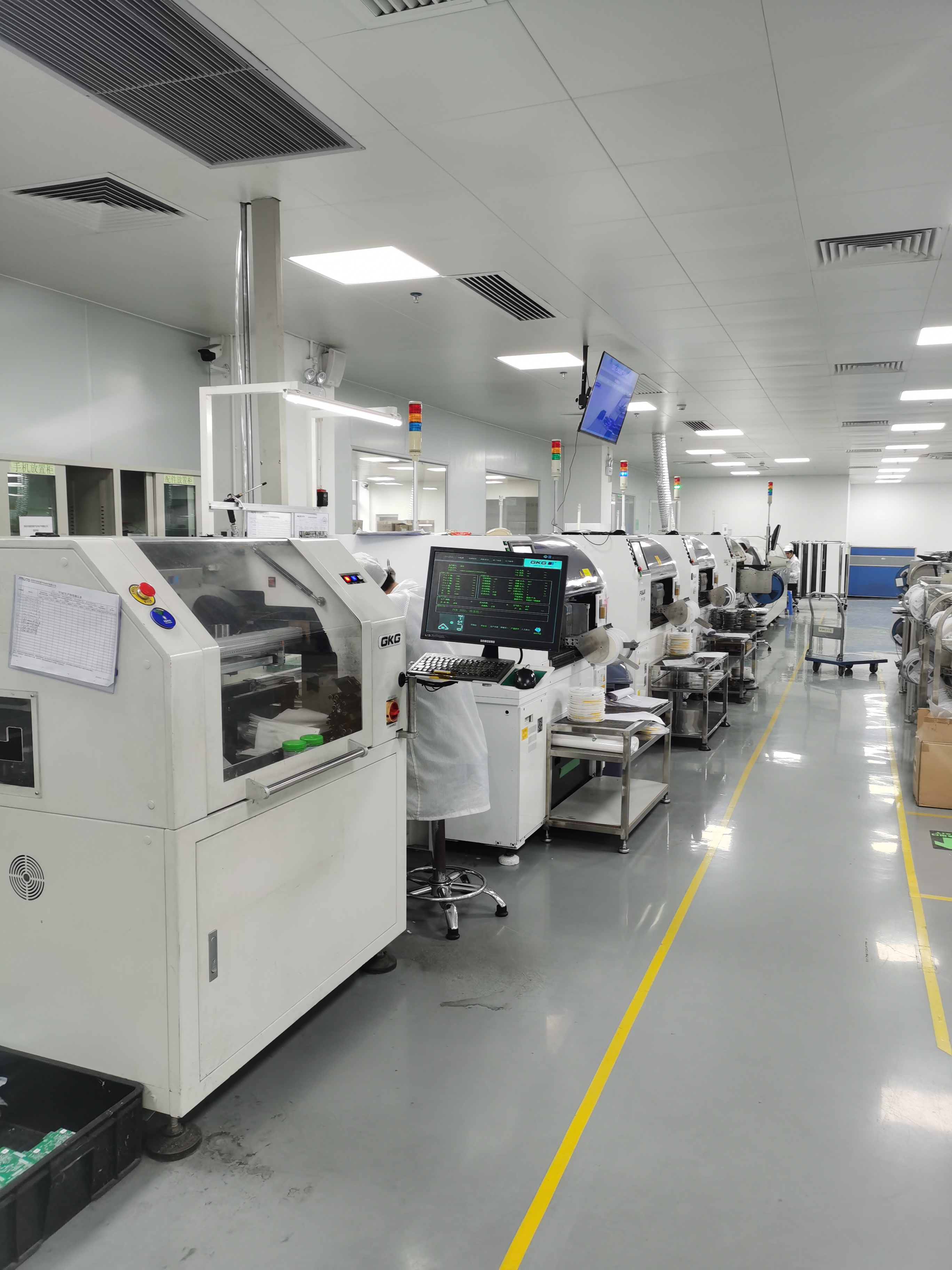
Production scale directly affects lead time and the ability to handle repeat orders. TOPNAVI operates a 20,000 m² factory in Shenzhen with 100+ production staff, a 50+ senior engineer R&D team, annual sales over 360,000 units, and a monthly production capacity of 30,000 units. The company's typical lead time is 7 to 15 days. These figures matter to distributors who need replenishment without holding excessive inventory.
Certifications and Compliance Readiness
Compliance is a gatekeeper for car radio distribution. CE marking is mandatory for car radios entering the EU under RED/EMC/LVD, and FCC certification is required for the US market. ISO 16750 is a common reference for environmental testing of automotive electronic devices. TOPNAVI's factory holds ISO 9001 certification, and its products carry CE, FCC, RoHS, E-Mark, and EMC certifications.
Quality Control and Risk Mitigation
Long-term suppliers need repeatable quality. TOPNAVI applies a defined set of controls for known car radio risks:
- Screen touch failure: high-sensitivity capacitive screen calibration, anti-interference touch algorithm, 100,000+ touch durability test, and pre-shipment full screen function inspection.
- GPS signal loss: dual-band GPS+Beidou high-gain antenna, anti-interference signal receiving algorithm, weak signal environment simulation, and 100% pre-shipment GPS positioning accuracy inspection.
- Electromagnetic interference: EMC/EMI shielding design, CE/FCC EMC certification test, and strict electromagnetic compatibility inspection before shipment.
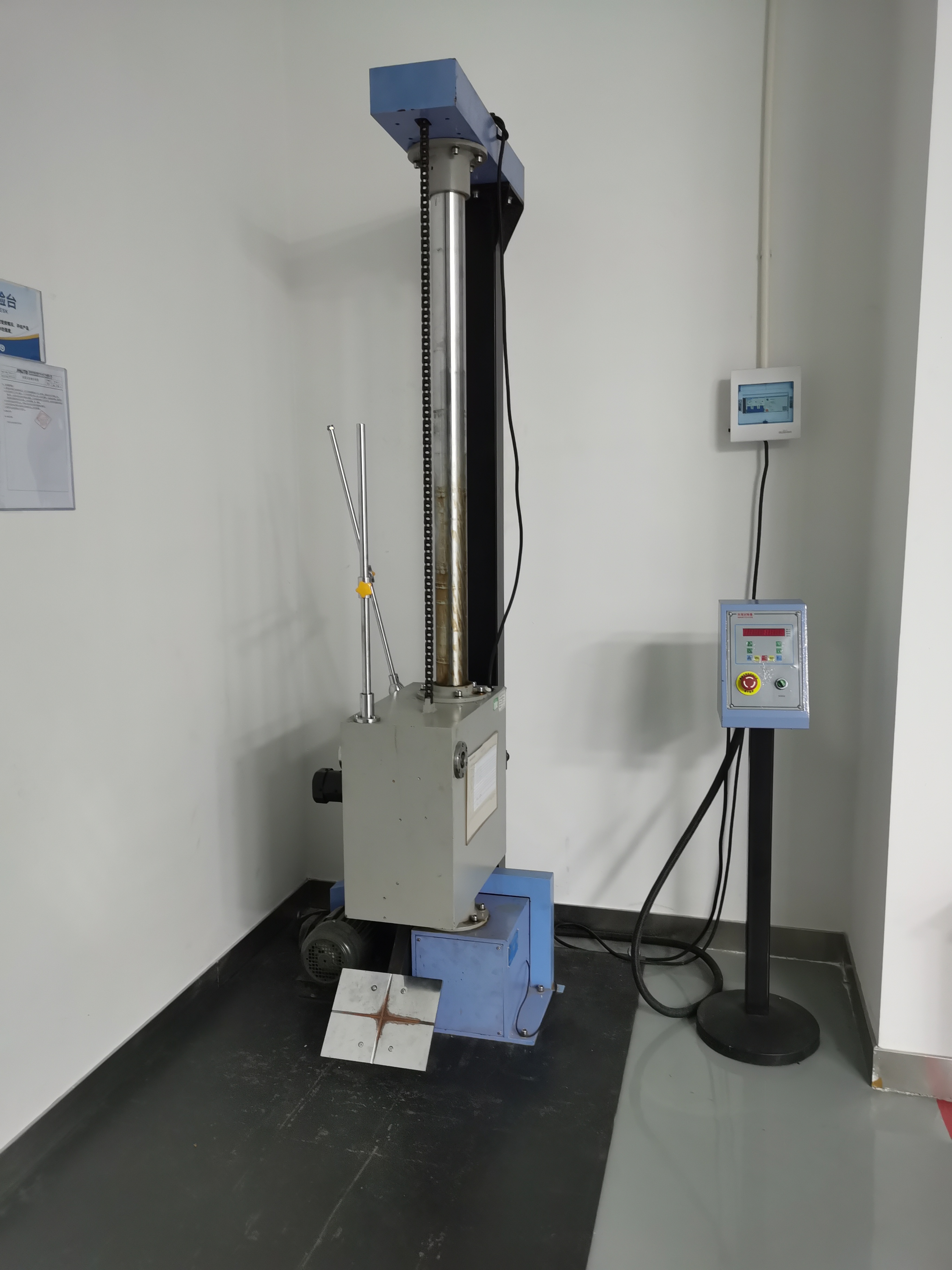
- System crash and freeze: real-time system operation monitoring, automatic crash recovery, strict 72-hour continuous aging test, and OTA online update for bug fixes.
- Software compatibility: pre-sales full model CAN protocol matching, monthly full-model compatibility database updates, and one-to-one technical troubleshooting service.
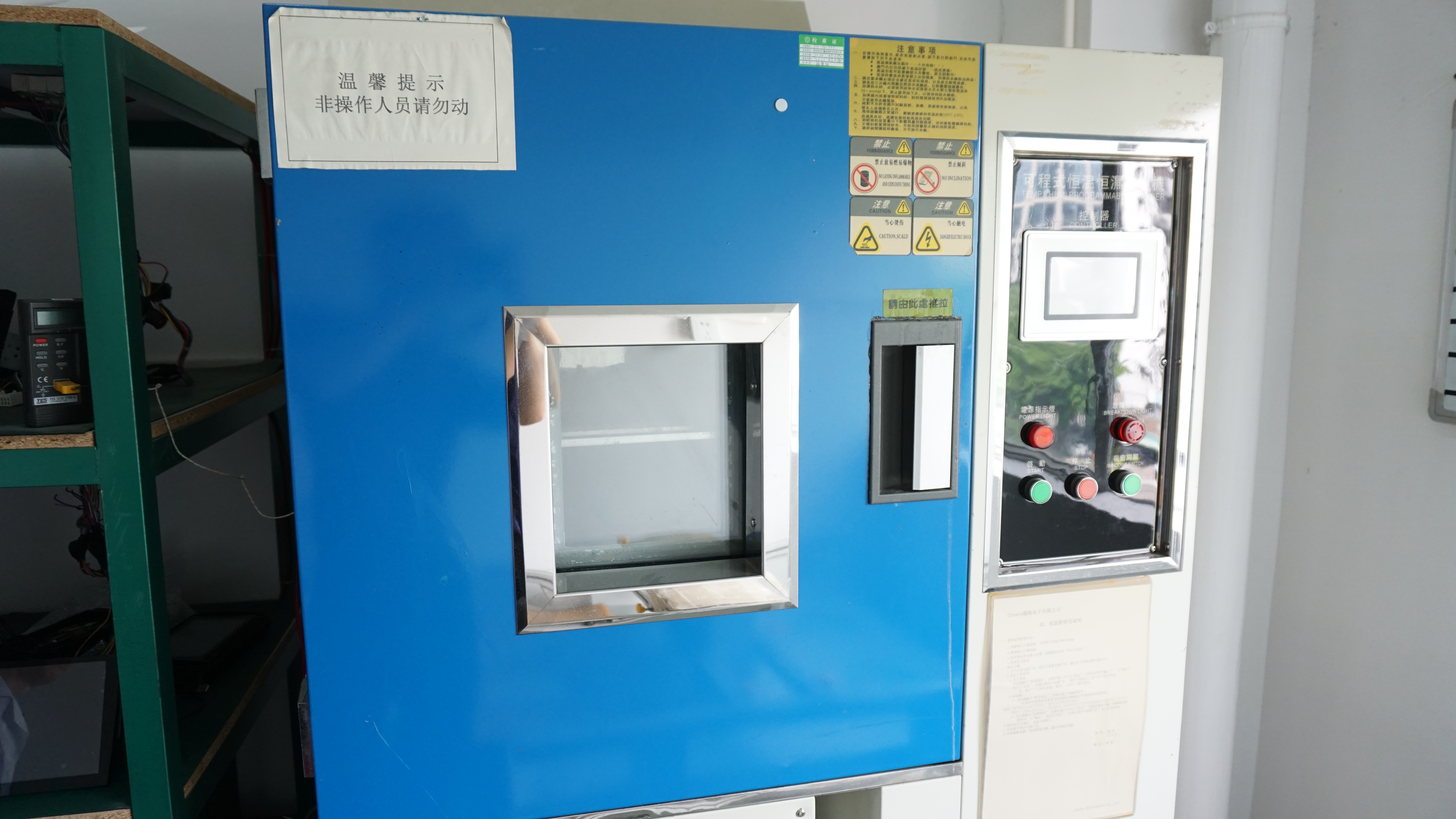
- Long-term aging and extreme temperature: 72-hour full-load aging test for 100% of products, 1000-hour accelerated life test on prototypes, and a -40°C to 85°C thermal cycling test before shipment.
Customization and Product Ecosystem
For distributors building their own brand, OEM/ODM capability is central. TOPNAVI provides universal and customized car multimedia players, MP5 players, and integrated GPS navigators. The product line also includes single DIN and double DIN models, such as the TN-UK1105 single knob car multimedia player and the TN-X23 dual knob car stereo radio. In addition, product categories such as headrest monitors, car backup cameras, CarPlay AI boxes, and DVRs allow distributors to consolidate suppliers and reduce procurement complexity.
Commercial and Operational Fit
For a first order, commercial terms should be clear. TOPNAVI's MOQ is 10 units, delivery is FOB, and standard payment is 30% T/T in advance and 70% T/T against copy of B/L. Sample orders require 100% full payment. Before bulk production, sample confirmation is required. Acceptance includes 100% full function test before shipment; customer on-site inspection and third-party inspection such as SGS/TUV are supported.
Distributors should also clarify how firmware is maintained after a product model enters the market. A car radio with Android software requires regular updates to fix bugs and maintain compatibility with newer phones and vehicle CAN protocols. TOPNAVI's product system includes OTA updating and a monthly full-model compatibility database, which are practical signals of lifecycle support.
Step-by-Step Breakdown: Onboarding a Car Radio Supplier for the Long Term
- Define target markets and compliance. Confirm whether the program needs CE for the EU, FCC for the US, E-Mark for vehicle-level approval, or other regional certifications.
- Shortlist the platform and feature set. Decide between single DIN and double DIN, Android or Linux, wireless CarPlay, Bluetooth, DSP, screen size, and rear camera support.
- Audit the factory and test plan. Review factory size, headcount, monthly capacity, and the specific tests used to screen products before shipment.
- Validate samples and inspection. Require sample confirmation before bulk production and confirm whether third-party inspection is acceptable.
- Align commercial terms. Confirm MOQ, delivery method, payment schedule, and lead time in the supply agreement.
- Plan after-sales and firmware support. Define how software bugs, model updates, and installer technical questions will be handled.
Distributors can use this checklist in reverse when auditing an existing supplier. If a manufacturer cannot document compliance, cannot state monthly capacity, or cannot describe its durability tests, the risk of a long-term agreement increases.
Use Cases: How Long-Term Car Radio Supply Works in Practice
EU New Energy Vehicle Pre-Installation Program
A 4-year project in Germany involved the delivery of 2,000 units for factory pre-installation in new energy vehicle models. The project required CE/FCC/E-Mark certification, an Android 14 system, and an 8-core high-performance CPU. The result was compliance with EU automotive EMC standards and stable long-term operation.
Distributor Private-Label Double DIN Program
TOPNAVI's OEM/ODM process covers universal and customized car multimedia players and integrated GPS navigators. A distributor can start with a low MOQ to test the market and then scale using monthly production capacity of 30,000 units. The same product platform can be configured with different memory, display, and accessory combinations for regional needs.
Multi-Category Aftermarket Program
Instead of managing separate suppliers for head units, backup cameras, headrest monitors, and DVRs, a distributor can use TOPNAVI's product line to reduce logistics cost and supplier management burden. This is especially useful for importers that sell complete car radio replacement kits to installation shops.
Comparison: Aftermarket Android Car Radio vs. Original Radio vs. Portable GPS
The table below summarizes TOPNAVI comparison data for an aftermarket Android car radio against original car radios, traditional car navigation systems, and portable GPS navigators.
| Attribute | Aftermarket Android Car Radio (TOPNAVI) | Compared With |
|---|---|---|
| Vehicle compatibility | Wider vehicle compatibility than traditional car navigation systems | Traditional car navigation systems |
| Smartphone connectivity | True wireless Apple CarPlay and Android Auto; 5s fast wireless connection, 80% faster than wired adapters | Wired adapter solutions |
| Display | HD touch screen; 2x larger screen size than portable GPS navigators | Garmin portable GPS navigators |
| Audio | Built-in DSP; 30% higher sound fidelity compared with non-DSP systems | Non-DSP systems |
| Cost | 10% lower than original car radio upgrades; 15% lower than adding separate DSP and CarPlay modules; 20% lower unit price than portable GPS | Original car radio, separate modules, portable GPS |
| Maintenance | OTA firmware updates, remote diagnosis support, no extra hardware installation | Multi-device installations |
For an importer, choosing between an original car radio, a portable GPS, and an aftermarket Android head unit depends on the target customer. Used car dealers and modification shops often prefer the integrated experience of an Android car radio because it combines navigation, entertainment, and smartphone connectivity in one touch screen unit.
FAQ
What certifications should a long-term car radio supplier have for EU and US markets?
For EU market access, CE marking is mandatory under RED/EMC/LVD, and FCC certification is required for the US market. TOPNAVI's factory is ISO 9001 certified, and its car radio products carry CE, FCC, RoHS, E-Mark, and EMC certifications.
How can a distributor evaluate a car radio manufacturer's long-term production capability?
Review the factory size, R&D headcount, monthly capacity, product range, and test procedures. TOPNAVI operates a 20,000 m² factory with 100+ production staff and a 50+ senior engineer R&D team. Monthly production capacity is 30,000 units, and annual sales exceed 360,000 units. Quality controls include 72-hour aging, -40°C to 85°C thermal cycling, drop testing, and pre-shipment function checks.
What are TOPNAVI's MOQ, payment terms, and sample order requirements?
The MOQ is 10 units. Delivery is FOB, payment is 30% T/T in advance and 70% T/T against copy of B/L, and sample orders require 100% full payment. Sample confirmation is required before bulk production.
Is third-party inspection supported before shipment?
Yes. Acceptance includes 100% full function test before shipment. Customer on-site inspection is accepted, and third-party inspection such as SGS/TUV is supported.
What is the typical lead time, and how does TOPNAVI support long-term firmware and compatibility?
Typical lead time is 7 to 15 days. For long-term support, TOPNAVI provides OTA online updates for bug fixes and software optimization, monthly full-model CAN compatibility database updates, one-to-one technical troubleshooting, and remote diagnosis support. To start a qualification conversation, contact sales@topnaviauto.com or WhatsApp +86 150-7094-1278.
Conclusion
Choosing a car radio supplier for the long term is a strategic decision. The supplier must prove compliance, maintain quality, adapt software, and scale production as distribution grows. TOPNAVI's combination of OEM/ODM experience, monthly capacity of 30,000 units, EU/US certifications, and structured quality controls gives distributors a practical foundation for multi-year car radio programs.

If you are planning a double din car radio line or a broader aftermarket infotainment program, the next step is to request a sample or quote. Download the TOPNAVI Capability Brochure to review the factory profile, product range, and production capabilities.
Have Questions or Need More Details?
Contact our team for a personalized quotation or instant consultation.
Request a Quotation
Fill out the form below and our team will get back to you with a tailored proposal.
WhatsApp Direct Chat
Prefer to chat in real-time? Message us on WhatsApp for instant assistance & quick answers.
- Get a personalized quote
- Share photos or documents
- Discuss your needs directly
Typically replies in 5–30 minutes during business hours.