
Scenario-Based Car Radio Selection: Match Specs to Real Projects
Matching Aftermarket Car Radios to Real-World Vehicle Projects: A Scenario-Based Selection Guide
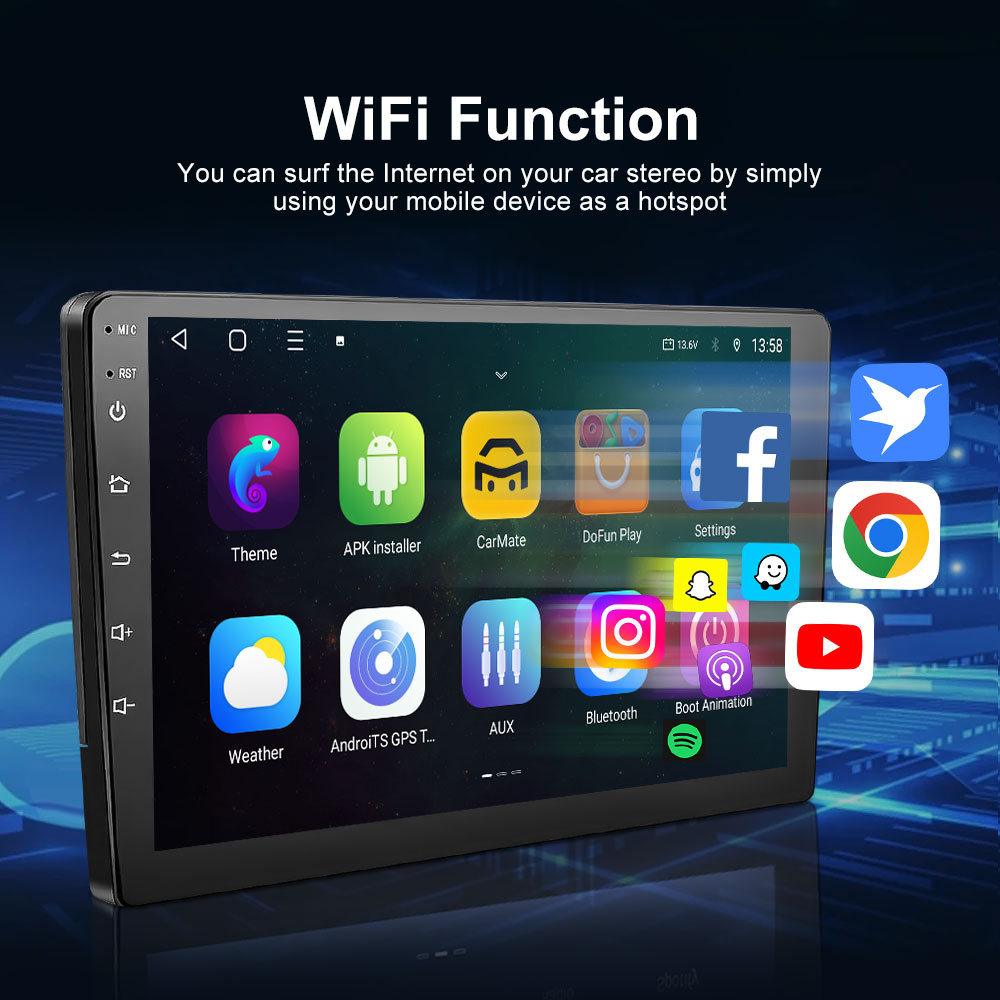
Choosing the right car radio for a distribution program, a fleet retrofit, or an OEM line is not the same as picking one unit for a single vehicle. The aftermarket car radio must fit the physical dashboard opening, accept the vehicle's wiring harness, endure the in-cabin environment, and support the smartphone features drivers actually use. This guide explains how project buyers can translate those requirements into a product spec, and it shows how TOPNAVI matches different car radio types to real installation scenarios.
The global in-car infotainment market was valued at USD 22.5 billion in 2024, and the car audio head unit segment reached USD 15.44 billion in the same year, with double DIN remaining the largest form factor, according to Grand View Research and Market Research Future. Asia Pacific accounted for 54.21% of the car audio market in 2025, and the automotive wiring harness market, which is critical for head unit integration, reached USD 50.1 billion in 2023. These numbers explain why project buyers are now treating car radio selection as a structured sourcing decision rather than an off-the-shelf purchase.
From double din car radios and single din car radios to android car radios, bluetooth car radios, and touch screen car radios, the product portfolio needs to match specific installation and usage scenarios. The sections below outline the decision criteria and show how TOPNAVI's product line supports different project types.
Why Project Buyers Need a Scenario-Based Car Radio Strategy
Many car radio projects fail not because the unit is defective, but because the specification does not match the installation scenario. The most common mismatches include choosing the wrong chassis size, assuming a universal wiring harness will fit every vehicle, overlooking CAN bus protocol differences, selecting a screen without the required CarPlay or Android Auto mode, and underestimating thermal or electrical stress in the vehicle.
In an in-vehicle environment, an aftermarket car radio can face temperatures from -30°C to 75°C, high vibration, dust, electromagnetic interference, and the repeated cold starts of a 12V DC electrical system. A cheap car radio might look acceptable in a catalog, but if it cannot tolerate those conditions or cannot be serviced after the sale, the total cost of failures, returns, and field repairs can quickly exceed the initial savings.
Project buyers therefore need a decision process that covers five areas: mounting space, wiring and protocol compatibility, connectivity, environmental tolerance, and compliance.
The Car Radio Market in Context: Size, Standards, and Regional Signals
The market signals are consistent with the need for scenario planning. The global in-car infotainment market grew to USD 22.5 billion in 2024, according to Grand View Research. Market Research Future estimated the car audio head unit market at USD 15.44 billion in 2024, with double DIN as the largest segment. In 2025, Asia Pacific generated 54.21% of global car audio revenue, reaching USD 6.01 billion, based on Fortune Business Insights.
For importers, compliance is a non-negotiable part of the spec. CE marking is required for car radios entering the EU under the RED, EMC, and LVD directives, while FCC certification is required for the US market. Industry testing standards such as ISO 16750 also describe environmental test procedures for temperature, vibration, and humidity resilience in automotive electronic devices.
The competitive landscape includes globally recognized consumer audio brands such as Alpine Electronics, Harman International, Sony, Pioneer, and JVCKenwood. At the same time, many industrial buyers evaluate manufacturers in China, where OEM/ODM capabilities, flexible MOQs, and integrated production make it possible to move from a single sample to a regional distribution program in weeks.
Defining the Operating Conditions for a Car Radio Project
Before selecting a model, define the operating conditions. A TOPNAVI application scenario summary describes an in-vehicle environment with a wide temperature range of -30°C to 75°C, high vibration, dust-proof requirements, and anti-electromagnetic interference. The power supply is 12V DC, and frequent cold starts are common.
The same scenario requires EMC compliance, wide-temperature resistance, anti-vibration design, CAN bus protocol adaptation for 99% of car models, steering wheel control compatibility, and multi-language localization support. In daily operation, the unit should start and shut down with the ignition, provide real-time GPS positioning, support offline navigation, receive OTA remote updates, and allow voice control wake-up.
These conditions are not marketing language; they are engineering parameters that a supplier must be able to document.
Matching TOPNAVI Car Radio Models to Project Scenarios
TOPNAVI, formally Shenzhen Top Navi Electronic Tech Co., Limited, is a Shenzhen-based manufacturer founded in 2014. The company operates a 20,000 m² factory with 100+ production staff, a 50+ engineer R&D team, and annual sales above 360,000 units. Its product line covers Android car radios, double DIN and single DIN units, portable navigation devices, and CarPlay accessories. The factory holds ISO 9001 certification, and the company states that all products carry CE, FCC, RoHS, E-Mark, and EMC certifications. More than 95% of output is exported, with the US as the main market.
The product portfolio can be grouped by installation scenario:
- Universal Android car radio: The TS10 runs Android 12 on an 8-core Unisoc UIS7862S processor, supports wired and wireless CarPlay, offers Bluetooth 5.0, includes a DSP and 4×48W amplifier, and operates from -30°C to 75°C. It is used in aftermarket retail and modification programs.
- 9-inch head unit for connected car projects: The TS105 runs Android 14 on an octa-core UIS7865 processor, supports wireless CarPlay and Android Auto, includes a 3G/4G SIM slot, and is E-mark, CE, and FCC certified.
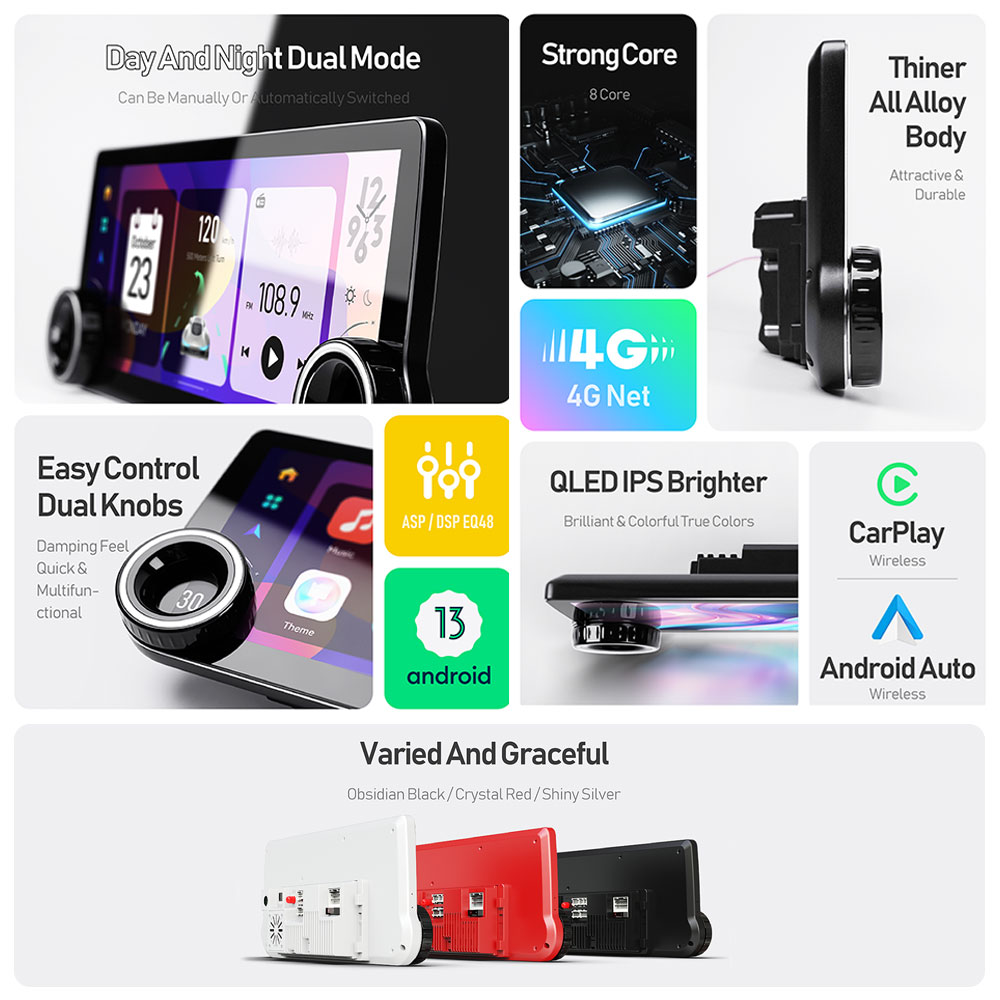
- Double DIN knob radios for fast-fit installers: The TN-X23 has a 12.3-inch diamond QLED display with dual knob design, Android 13, 4GB RAM + 64GB ROM, wireless Apple CarPlay, wired Android Auto, and a 4×50W amplifier. The TN-X80 uses a 10.1-inch OLED screen with Android 13 and an 8-core UIS8581A processor. The TN-X15 adds an 11.5-inch HD screen, wireless Apple CarPlay, wired Android Auto, and Bluetooth 5.0.
- Single DIN solution for floating-screen upgrades: The TN-UK1105 fits a 1DIN dashboard opening and uses an 11.5-inch 2K OLED capacitive touch screen with 2000×1200 resolution, Android 13, and an 8-core processor. This is a practical way to add a large screen without cutting a double DIN opening.
- Linux budget radio for cost-sensitive projects: The TN-9359 is a 7-inch Linux 2-DIN car radio with GPS navigation, Bluetooth, WiFi, FM radio, USB/TF playback, steering wheel control, and a 4×50W amplifier. It is a practical choice when the project does not require an Android app ecosystem.
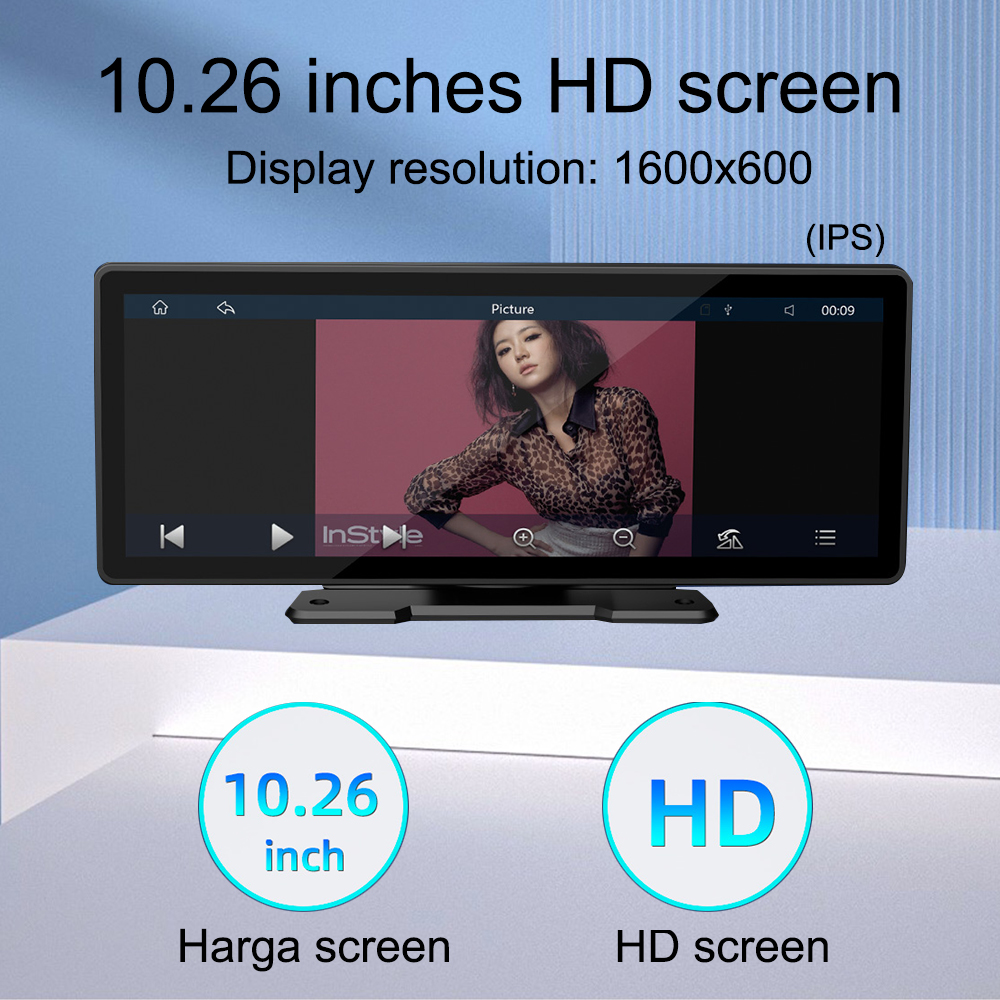
- Portable and commercial vehicle solution: The TN-RD1001 is a 10.26-inch portable PND with wireless Apple CarPlay, wired Android Auto, Bluetooth 5.0, GPS, ADAS, a 4K front camera, and a 1080P AHD rear camera. It accepts 12V-24V power, making it usable in cars and trucks.
- Model-specific vehicle upgrades: The TN-3036 is a 16.8-inch Android 13 multimedia player for the Toyota Prado, with a 2560×1440 IPS touch screen, 4GB RAM, 64GB ROM, Bluetooth 5.0, wireless and wired CarPlay and Android Auto, and a -30°C to 75°C operating range.
For OEMs that already have wired CarPlay in the vehicle, the TN-AI47 CarPlay Box adds wireless CarPlay, wireless Android Auto, YouTube, Netflix, and Google Play through an HDMI output.
Step-by-Step: How to Match a Car Radio to Your Project
Step 1: Determine the mounting space
Measure the dashboard opening. A double DIN radio, approximately 4 inches tall, is the most common aftermarket size, but some vehicles need a single DIN opening. If the customer wants a large screen but the vehicle only has a single DIN slot, a floating-screen unit such as the TN-UK1105 can fill that role. For installation without cutting the dashboard, a portable device such as the TN-RD1001 can be mounted on the dashboard.
Step 2: Check the car radio wiring harness and CAN bus protocol
The wiring harness is the physical bridge between the car and the radio. The global automotive wiring harness market was estimated at USD 50.1 billion in 2023, underlining its importance to head unit integration. In addition, modern vehicles use CAN bus for steering wheel controls, vehicle information, and warning signals. A proper supplier should be able to adapt to a large share of car models. The application scenario for this product family includes CAN bus protocol adaptation for 99% of car models and steering wheel control compatibility.
Step 3: Confirm the connectivity stack
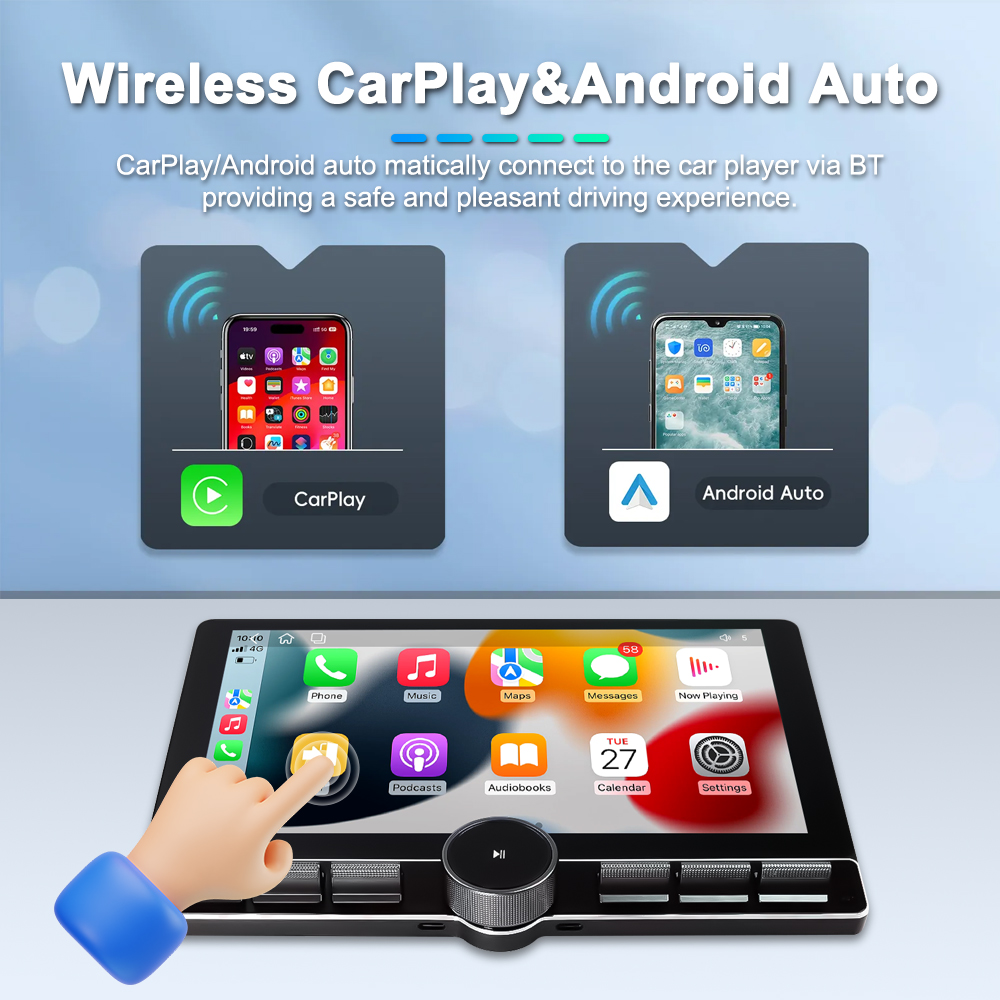
Define whether the end user needs Apple CarPlay, Android Auto, or both, and whether the connection must be wired or wireless. The TS10 supports wired and wireless CarPlay, while the TS105 supports wireless CarPlay and Android Auto. The TN-X23 offers wireless Apple CarPlay and wired Android Auto. Bluetooth 5.0 is present on several models, including the TS10, TN-X15, TN-RD1001, and TN-3036. If a vehicle already has OEM wired CarPlay, the TN-AI47 CarPlay Box can add wireless capability.
Step 4: Validate environmental and electrical tolerance
Confirm the operating temperature range and vibration resistance before ordering. For example, the TS10 and TN-3036 operate from -30°C to 75°C, while the TN-RD1001 has an operating range from -20°C to 70°C. These values should be checked against the climate and vehicle type in the target market.
Step 5: Verify regional compliance and documentation
Check which certifications are required for the destination market. CE marking is mandatory in the EU under RED, EMC, and LVD; FCC is required in the US. ISO 16750 provides a recognized framework for environmental testing of automotive electronics. TOPNAVI states that all its products carry CE, FCC, RoHS, E-Mark, and EMC certifications, and its factory holds ISO 9001. Buyers should still request certificates and test reports before mass production.
Step 6: Plan customization, sampling, and after-sales
For an OEM/ODM program, confirm the supplier can customize the product. TOPNAVI's OEM/ODM capability includes logo customization, UI themes, boot animation, pre-installed apps, language options, DSP tuning, button light color, panel color, screen size/resolution, RAM/ROM, wired/wireless CarPlay, 4G module, GPS/Beidou, AHD camera, steering wheel control, CAN protocol, package, firmware OTA, and after-sales service. The MOQ is 1 unit, the standard lead time is 7-15 days, monthly capacity is 30,000 units, and quality control includes 100% testing.
Real-World Use Cases: Car Radio Projects Across Markets
These examples show how TOPNAVI car radio models are used in different project types and regions.
- USA — online auto parts retailer: A US online retailer sold 1,500 TS10 units over three years to pickup truck and SUV modification enthusiasts. The project relied on universal 2DIN fitment, wireless Android Auto, and built-in GPS navigation, with low failure rates and fast after-sales response.
- Germany — automotive OEM: A German automotive OEM used 2,000 units in factory pre-installation for new energy vehicle models over four years. The project required compliance with EU automotive EMC standards, and the units delivered long-term stable operation.
- Mexico — car modification chain: A Mexican modification chain deployed 1,000 TN-X80 units for used-car dealerships and private car owners. The dual knob physical control, built-in DSP audio, and steering wheel control compatibility helped the shop improve satisfaction across after-sales upgrades.
- Switzerland — automotive OEM: A Swiss OEM project used 500 TN-UK1105 units for car infotainment system upgrades at local auto modification shops, with the units running for three years. The 2K display and plug-and-play installation supported the upgrade program with localized language support.
- South Korea — car modification shop: A South Korean modification shop purchased 2,500 TN-3036 units for car infotainment upgrades. The large-format touch screen was paired with smooth CarPlay connection and high-definition display in a fast-fit environment.
- Australia — automotive OEM: An Australian automotive OEM sourced 3,000 TN-3036 units for aftermarket car modification shops and car audio retailers. The program focused on reliable supply for local installers.
- Pakistan — automotive OEM: A Pakistani automotive OEM used 3,000 TN-X23 units for factory infotainment upgrades in new car models. The double DIN form factor and Android 13 system matched the factory integration workflow.
- Russia — aftermarket car modification shop: A Russian shop installed 5,000 TN-UK1105 units for car audio and navigation retrofit in passenger vehicles over two years. The single DIN installation format made it suitable for a wide range of older vehicles.
- Brazil — automotive OEM: A Brazilian automotive OEM used 10,000 TOPNAVI head units in a used-car upgrade and retrofit program. The project reported a 0.3% return rate and used plug-and-play, non-destructive installation.
Comparison Table: TOPNAVI Car Radio Models at a Glance
The table below compares core specifications for the car radio models discussed in this guide. All models are part of the TOPNAVI portfolio, and the factory states that its products carry CE, FCC, RoHS, E-Mark, and EMC certifications.
| Model | Installation | Screen | OS | CarPlay / Android Auto | Environment |
|---|---|---|---|---|---|
| TS10 | Universal 2DIN | Capacitive touchscreen; 1024x600 base resolution | Android 12 | Wired/wireless CarPlay | -30°C to 75°C |
| TS105 | Universal | 9-inch IPS; 1024x600 | Android 14 | Wireless CarPlay and Android Auto | Not specified |
| TN-X23 | Universal 2DIN | 12.3-inch QLED; dual knob | Android 13 | Wireless Apple CarPlay; wired Android Auto | Not specified |
| TN-X80 | Universal | 10.1-inch OLED; 2000x1200 | Android 13 | Android Auto; mirror link | Not specified |
| TN-X15 | Universal 2DIN | 11.5-inch HD; 1280x720 | Android | Wireless Apple CarPlay; wired Android Auto | Not specified |
| TN-UK1105 | Universal 1DIN | 11.5-inch 2K OLED; 2000x1200 | Android 13 | Android Auto | Not specified |
| TN-9359 | Universal 2DIN | 7-inch LCD; 1024x600 or 1280x720 | Linux | Not listed in datasheet | Not specified |
| TN-RD1001 | Portable dashboard mount | 10.26-inch IPS | Linux | Wireless Apple CarPlay; wired Android Auto | -20°C to 70°C |
| TN-3036 | 2DIN universal / Toyota Prado | 16.8-inch IPS; 2560x1440 | Android 13 | Wireless and wired CarPlay / Android Auto | -30°C to 75°C |
Frequently Asked Questions about Car Radio Sourcing
What certifications do car radios need for the EU and the US?
CE marking is mandatory for car radios sold in the EU under the RED, EMC, and LVD directives, while FCC certification is required for the US market. TOPNAVI states that its factory holds ISO 9001 and that all of its car radio products carry CE, FCC, RoHS, E-Mark, and EMC certifications. Buyers should still request up-to-date certificates and test reports before committing to mass production.
Can TOPNAVI customize a car radio for an OEM or ODM project?
Yes. TOPNAVI's OEM/ODM capabilities include logo customization, UI themes, boot animation, pre-installed applications, language options, DSP tuning, button light color, panel color, screen size and resolution, RAM/ROM configuration, wired or wireless CarPlay, 4G module options, GPS/Beidou, AHD cameras, steering wheel control, CAN protocol, packaging, firmware OTA, and after-sales service. The MOQ is 1 unit, with a monthly capacity of 30,000 units and a standard lead time of 7-15 days.
Can I request a sample before placing a bulk order?
Yes. Because the MOQ is 1 unit, a sample or inspection order is feasible. Contact TOPNAVI through sales@topnaviauto.com or WhatsApp to discuss the exact configuration, confirm certifications, and arrange a sample for your installation test.
What is the typical lead time for a car radio order?
The standard lead time is 7-15 days, depending on customization requirements and production scheduling. With a monthly capacity of 30,000 units and 100% testing in the factory, TOPNAVI can support both pilot samples and regional distribution programs. For a specific timeline and quote, request confirmation from the sales team before purchase.
Conclusion: Build a Car Radio Selection Process, Not a One-Off Decision
Car radio projects perform best when the selection process starts with the vehicle and the end user, not with a single model or a low price. The key variables are the mounting space, wiring harness and CAN bus compatibility, connectivity requirements, operating environment, and destination-market certifications. A supplier that can document these points and support customization, sampling, and after-sales is easier to integrate into a distribution or OEM program.
TOPNAVI is one such manufacturer to evaluate. Founded in 2014 in Shenzhen, it operates a 20,000 m² factory, employs 100+ production staff and a 50+ engineer R&D team, and reports annual sales above 360,000 units. Its export ratio is over 95%, with main markets in the US, Europe, and other regions. The company supports OEM/ODM projects with MOQ 1 unit, 7-15 day lead times, and monthly capacity of 30,000 units.
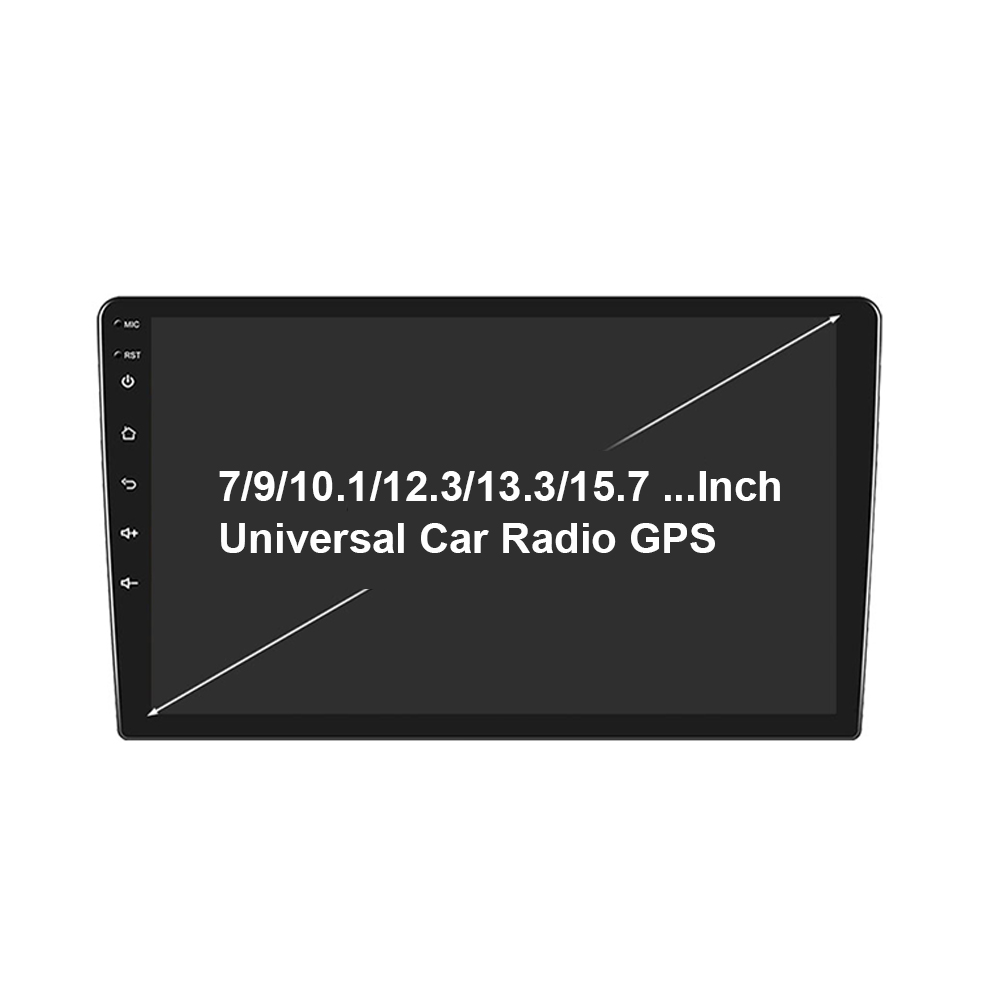
Next step: If you are planning a car radio replacement, double DIN retrofit, or OEM program, request a sample or quote to verify the fit and firmware for your target vehicles. Contact TOPNAVI at sales@topnaviauto.com, visit www.topnavi.com.cn, or send a message via WhatsApp. You can also download the company brochure: TOPNAVI brochure (PDF).
Have Questions or Need More Details?
Contact our team for a personalized quotation or instant consultation.
Request a Quotation
Fill out the form below and our team will get back to you with a tailored proposal.
WhatsApp Direct Chat
Prefer to chat in real-time? Message us on WhatsApp for instant assistance & quick answers.
- Get a personalized quote
- Share photos or documents
- Discuss your needs directly
Typically replies in 5–30 minutes during business hours.