
The Car Radio Compliance Checklist: Certifications, Specs, and What to Verify Before You Import
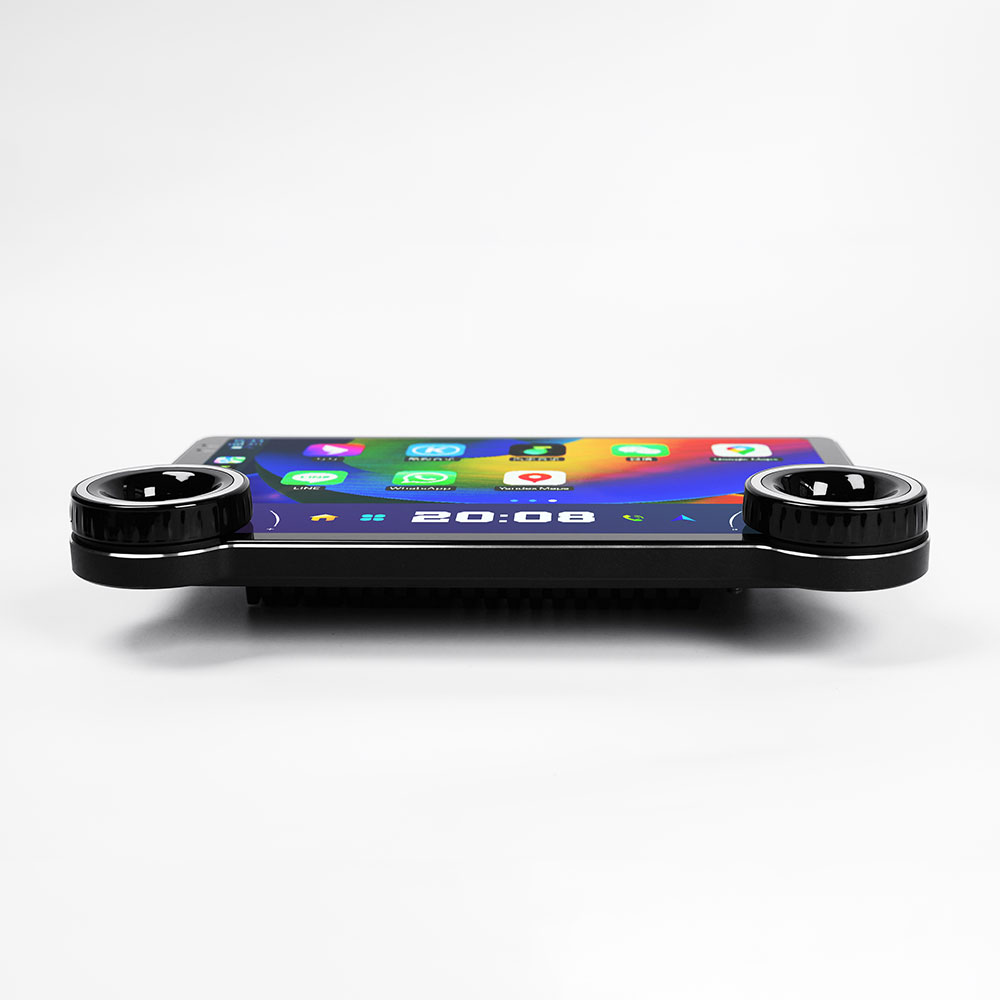
Importing an aftermarket car radio is not just about picking the best-looking head unit. In practice, the products that move smoothly through customs and produce fewer installation complaints are usually backed by a set of verifiable documents: market-specific certifications, clear model references, accurate hardware parameters, and a supplier that can prove its production quality. This article is written as a practical compliance checklist for importers, distributors, and OEM buyers who are evaluating car radio suppliers and need to reduce the risk of receiving the wrong product.
“Car radio” is a broad search term. But when buyers get closer to a purchase decision, the conversation quickly moves from features to constraints: Which certification is required for the US market? Why does an EU customer ask for an E-mark certificate? Is an ISO 9001 factory certificate important? Should a double din car radio have Bluetooth 5.0, or is Bluetooth 4.2 acceptable? These are the questions this guide answers.
Why compliance should be part of the car radio product specification
Car radios sit inside a vehicle environment with a 12V DC power supply, frequent cold start, vibration, and electromagnetic interference from other vehicle electronics. For aftermarket car radios, the situation is more challenging because one universal model may be installed in many different car models. The same device should work reliably in a sedan, an SUV, or a commercial fleet vehicle. That makes compliance documentation and technical parameters more than paperwork; they become part of the specification that defines whether a product can be used in a target market.
- US-bound shipments typically require FCC certification. FCC Part 15 Subpart B is a commonly referenced certification for vehicle navigation instruments and similar electronic devices.
- EU-bound shipments generally require CE marking, and vehicle-level electronic equipment is frequently covered by EMC directives or type-approval regulations such as UN/ECE Regulation No. 10.
- Quality-system certification, such as ISO 9001, is not a product certificate in the same way, but it tells buyers whether the factory operates controlled R&D, production, and sales processes.
- Mechanical and environmental parameters — such as operating temperature range, DIN size, screen resolution, CPU, RAM/ROM, and CAN bus compatibility — determine whether the car radio will actually fit the target vehicles and working conditions.
Buyers who treat certification and parameters as two separate conversations often find gaps: a radio might have a CE certificate, but the certificate may not cover the exact model or series being purchased. Therefore, the supplier verification process should be built around evidence, not generic marketing claims.
Layer 1: Certifications that match your destination market
Importers and distributors should first identify which market or region the car radios will be sold to. For example, FCC certification is required for the US market, while CE marking is mandatory for car radios entering the EU. For vehicle-related electronic products, E-mark type approval is also widely used because it directly addresses electromagnetic compatibility in vehicles.
As a reference example, TOPNAVI, a Shenzhen-based car multimedia manufacturer founded in 2014, publishes the certification numbers of its products. This is helpful for buyers because a certificate number can be checked against the issuing authority and the scope of the certificate. For instance:
- An FCC Part 15B certificate with number WST23N080171E, issued by Shenzhen WST Testing Co., Ltd., applies to the full series of Vehicle Navigation Instruments listed in the certificate for the US market.
- A CE-EMC certificate with number WST23N080170E covers the Vehicle Navigation Instruments series TN-901 to TN-144 under EN 55032:2015+A1:2020 and EN 55035:2017+A11:2020.
- The ECE E24 Type-Approval certificate, number E2410R06/024547*00, issued by NSAI, covers the full series of car multimedia players, including CVD 1502W-SD and variants, under UN/ECE Regulation No. 10.
Layer 2: Confirming that the certificate and the car radio model match
A common sourcing mistake is accepting a certificate that belongs to only one sample while ordering a different model. Buyers should ask the supplier for three things: the certificate itself, the list of models covered by the certificate, and the product label showing the model number and certification marks.
For TOPNAVI, the factory holds ISO 9001 certification, and its products have obtained CE, FCC, RoHS, E-Mark, and EMC certifications. The ISO 9001 certificate itself, number SW25Q20244R1S, was issued by Shanghai Sailway Certification Co., Ltd. and covers the R&D, production, and sales of car audio-visual systems, car multimedia players, and GPS navigation systems. This type of quality management system certification is not a product certificate, but it indicates that production procedures are documented and controlled.
Buyers should also remember that electrical products sold in the EU and US often require compliance with environmental and safety requirements beyond basic EMC testing, depending on the product category. A robust supplier should be able to explain which standard or directive applies to each destination market.
Layer 3: Technical parameters that matter for a double din or single din car radio
Once the certificates are verified, the next step is to check the hardware specifications against the installation scenario. Both single din and double din car radios still exist in the aftermarket, but modern models increasingly use large floating screens or T-style screens. Buyers searching for terms such as “screen car radio,” “android car radio,” “touch screen car radio,” or “bluetooth car radio” should compare the following parameters:
- Form factor and screen size: Is it a 1-DIN universal installation, a 2-DIN universal model, or a vehicle-specific large screen? For example, a portable 10.26-inch PND designed for cars and trucks may require a dashboard mount rather than a standard DIN slot.
- Display type and resolution: IPS, OLED, or QLED screens; HD or 2K resolution; capacitive touch response; and visible brightness in daylight.
- Operating system and processor: Android versions differ significantly. A newer Android release generally provides better app compatibility. CPU core count and clock speed also affect how smoothly GPS and streaming apps run.
- Memory and storage: RAM and ROM affect multitasking. Some units offer 4GB RAM + 64GB ROM; others go up to higher configurations.
- Connectivity: Bluetooth version, built-in WiFi, optional 4G SIM support, wired and wireless CarPlay, and wired/wireless Android Auto.
- Audio output: Maximum amplifier power, such as 4×50W, and whether the model includes DSP tuning.
- Vehicle compatibility: CAN bus protocol adaptation, steering wheel control support, and the ability to work with an external backup camera or DVR.
- Working temperature range: In-vehicle electronics are often exposed to wide temperature changes. Automotive electronic devices are also referenced against environmental testing standards such as ISO 16750 for temperature, vibration, and humidity resilience.
These parameters matter because they are very difficult to change after production begins. Replacing a non-compliant screen or adding a different Bluetooth module in the field is not practical for an importer.
Layer 4: Manufacturing controls and consistency of supply
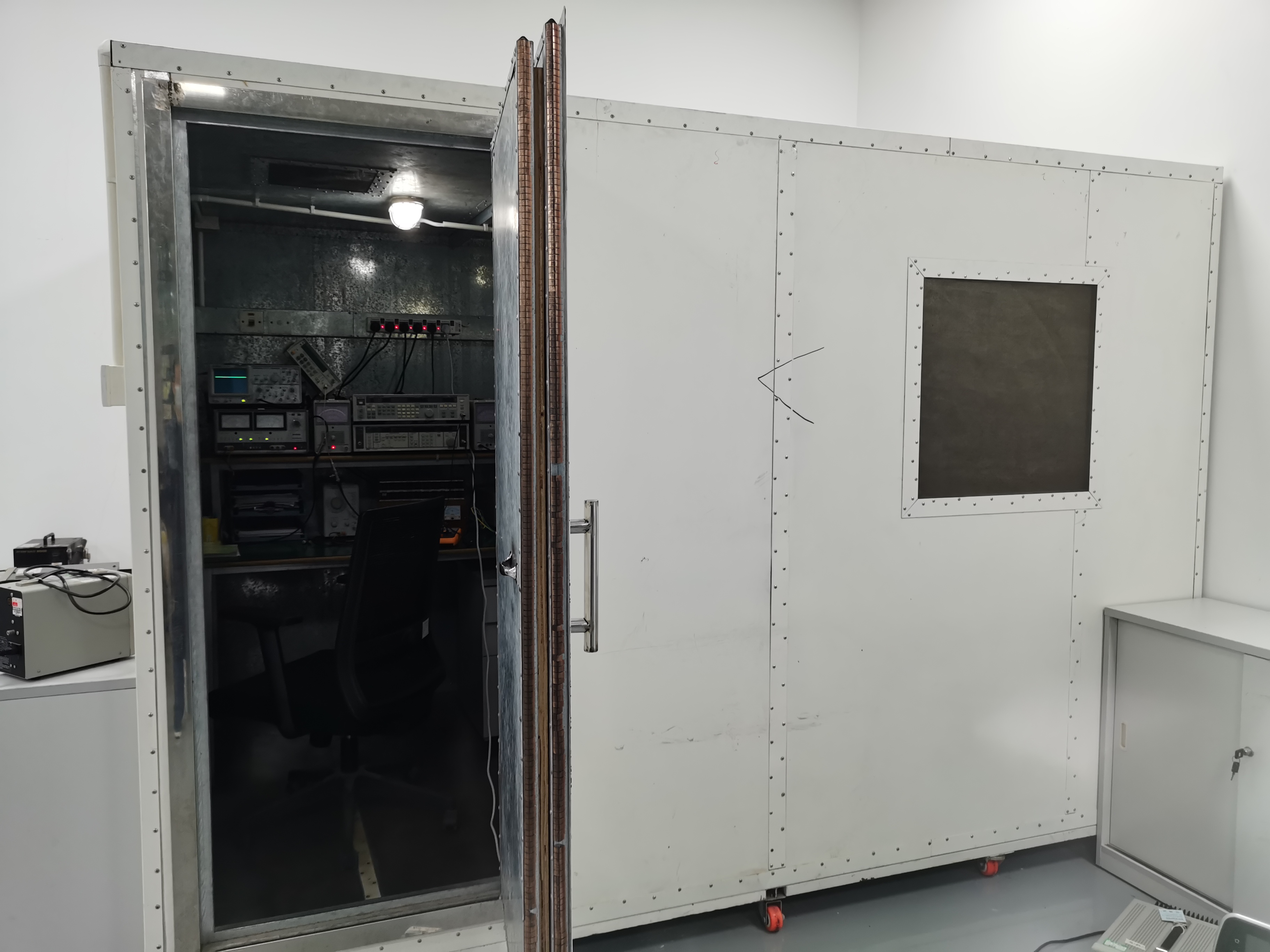
Compliance documents certify a design. They do not, by themselves, prove that every unit coming off the production line is identical to the tested sample. That is why the supplier’s production and testing process is part of the risk evaluation.
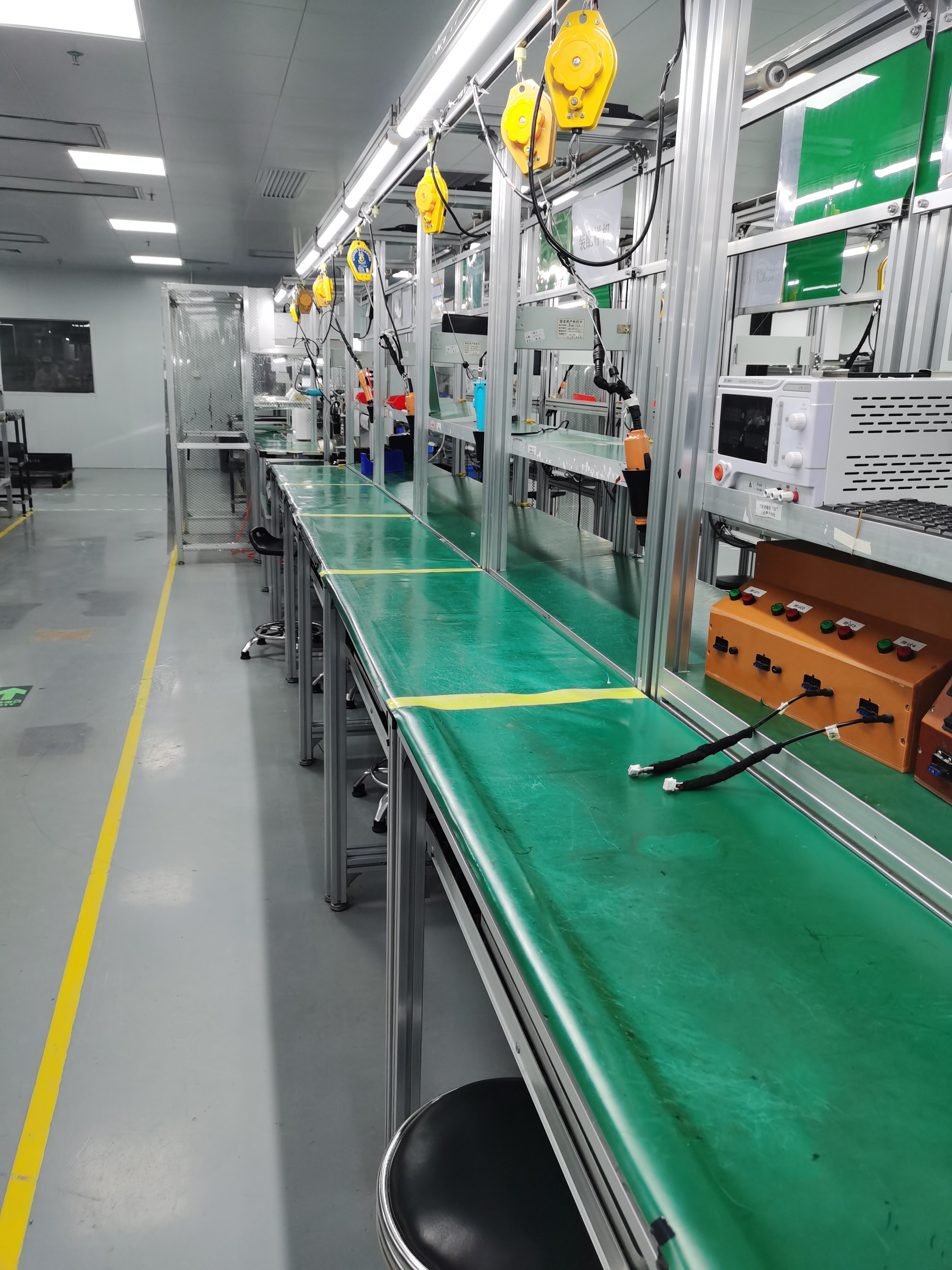
TOPNAVI has a 20,000 m² factory, more than 100 production staff, over 50 R&D engineers, and an estimated annual output of more than 360,000 units. The company states that its production process is supported by an ISO 9001 quality management system and that all products go through a 100% test procedure. For buyers, this matters because function testing at the factory stage reduces the chance of receiving units with dead pixels, weak GPS reception, or wiring defects.
Buyers looking for OEM/ODM cooperation should also confirm how much flexibility the supplier has. Customization can include logo printing, UI theme changes, boot animation, pre-installed applications, language packs, DSP tuning, button light color, panel color, screen size/resolution, RAM/ROM configuration, wired or wireless CarPlay, 4G module support, GPS/Beidou options, AHD camera input, steering wheel control, and CAN protocol adaptation.
Step-by-step verification workflow for car radio sourcing
- Define destination markets first. Write down the countries where the car radios will be sold. This directly determines the required product certifications.
- Ask for certificate evidence. Request each certificate as a PDF with the certificate number, standard, issuing authority, issue date, expiry date, and covered model list.
- Check the certificate scope. If the model is listed under a series certificate, confirm that the series uses the same PCB layout and key components.
- Review the technical specification sheet. Compare the form factor, screen, OS, CPU, RAM/ROM, Bluetooth, CarPlay/Android Auto support, temperature range, and power supply against your market needs.
- Evaluate compatibility requirements. For in-vehicle installations, check the vehicle list, CAN bus adaptation, steering wheel control, and whether the rear camera or other accessories are included.
- Request samples and test them. In many OEM/ODM projects, sampling is not a formality. TOPNAVI supports a minimum order quantity starting from 1 unit, which allows buyers to evaluate the product before placing a larger order.
- Agree on production testing and after-sales support. Confirm whether the supplier tests 100% of units and how remote technical support is provided.
Use cases: how compliance and specifications affect real buyers
In an automotive OEM project in Germany, a customer needed car multimedia systems for factory pre-installation in new energy vehicle models. The key requirements were CE/FCC/Emark certification, the Android 14 system, and an 8-core high-performance CPU. This is a good example of a compliance-driven order: the customer did not simply ask for “a radio with a screen”; the certification and operating system requirements were explicitly tied to the destination market and vehicle application.
In Pakistan, an automotive OEM used 3,000 units for factory infotainment upgrades. The project’s key features included full vehicle CAN integration, OTA lifetime updates, and CE/FCC certification. Full vehicle CAN integration is important because the head unit must communicate with existing vehicle systems, and OTA updates allow the firmware to be improved after the cars have left the factory.
In Russia, an aftermarket car modification shop ordered 5,000 units for car audio and navigation retrofitting over two years. Buyers in that segment typically look for wireless CarPlay, built-in DSP audio, and reliable navigation performance. In these situations, the evaluation shifts beyond certification to real installation convenience and driver satisfaction.
Reference table: car radio categories and typical configuration priorities
The table below summarizes product categories and the configuration points that buyers often prioritize. It is not an exhaustive ranking; it reflects typical procurement logic for aftermarket car radios.
| Car radio category | Example model | Typical configuration focus | Compliance emphasis |
|---|---|---|---|
| Universal Android car stereo | TS10 | 8-core CPU, Android 12, wireless CarPlay/Android Auto, optional 4G, wide temperature range | CE, FCC, E-mark where required |
| 9-inch universal head unit | TS105 | Android 14, 8-core CPU, IPS touch screen, wireless CarPlay and Android Auto | CE, FCC, E-mark |
| Dual knob screen car radio | TN-X80 | 10.1-inch OLED, Android 13, DSP, physical knobs, steering wheel control | CE, FCC |
| 12.3-inch dual knob car multimedia player | TN-X23 | QLED touch screen, Android 13, 4GB+64GB, full metal body, dual knob design | CE, FCC |
| Portable car multimedia player for cars & trucks | TN-RD1001 | 10.26-inch HD IPS, 4K front camera, ADAS, 12–24V power, dashboard mount | CE, FCC |
This table only covers a small sample of the available product categories. Buyers should always request the full product list and compare certificates against the exact model numbers in their purchase order.
Concise pre-order checklist for aftermarket car radios
- Destination market identified: US, EU, or both?
- Certification numbers collected and matched to the product model.
- Certificate issue date and expiry date checked.
- Product label confirmed with the model number, brand, and certification marks.
- DIN size / dashboard fit confirmed.
- OS, CPU, RAM/ROM, Bluetooth version, and WiFi connectivity verified.
- CarPlay and Android Auto connection type confirmed (wired or wireless).
- CAN bus compatibility and steering wheel control logic reviewed.
- Audio output power and DSP features verified against market expectations.
- Working temperature range and power supply voltage checked.
- Sample order placed before mass production.
- Factory testing policy confirmed, ideally 100% final test.
Frequently asked questions
What certifications are needed to import car radios for the US and EU?
For the US market, FCC certification is generally required. A typical reference is FCC Part 15 Subpart B, which applies to vehicle navigation instruments and similar electronic devices. For the EU, CE marking is mandatory for car radios entering the market; vehicle-oriented products are often certified under EMC standards such as EN 55032 and EN 55035, or under UN/ECE Regulation No. 10 for E-mark type approval. Some product categories also require RoHS compliance. Buyers should confirm the full applicable scope with the supplier before ordering.
Is FCC certification necessary if the car radio is sold only through online marketplaces?
Yes. FCC certification is based on where the device is marketed and used, not on the sales channel. If the product falls within the scope of FCC rules, online distributors generally still need to provide compliant documentation and labeling. Many marketplaces also ask for conformity records during listing reviews. Therefore, a US-bound car radio purchase should include clear FCC documentation before a purchase order is placed.
Which technical parameters indicate a higher-quality car radio?
There is no single parameter that ensures quality. Buyers should look at the combination of operating temperature range, CPU and OS version, RAM/ROM capacity, Bluetooth version, screen resolution, DSP audio capability, and vehicle compatibility features. For example, in-vehicle electronics are expected to withstand wide temperature changes; products designed for an automotive environment should have a wider working temperature range. A supplier should be able to share the full specification sheet instead of only marketing highlights.
Can a buyer order a small quantity to test a car radio before committing?
Many suppliers in the aftermarket car radio industry accept small trial orders. TOPNAVI, for example, supports an MOQ of 1 unit, which allows importers and distributors to evaluate the product before launching a larger order. The typical production lead time for orders is 7 to 15 days, depending on configuration and packaging requirements.
Does customizing a car radio create additional compliance risk?
Any change to the hardware, operating system, or user interface can potentially affect compliance if the modified version differs from the originally tested model. For this reason, buyers should ask the supplier whether their customization process is handled within a quality management system and whether the final model retains its certification coverage. When using TOPNAVI as an OEM/ODM partner, customizations include logo, UI theme, boot animation, pre-installed apps, language packs, button light color, RAM/ROM options, 4G modules, and vehicle adaptation. Buyers should always confirm which of these changes affect the certificate scope.
Need help evaluating a car radio supplier or product configuration?
Contact TOPNAVI at sales@topnaviauto.com or send a message via WhatsApp if you need a product list or sample quotation.
You can also download the TOPNAVI company brochure for reference: Download the PDF brochure.
Conclusion
Car radio sourcing becomes more predictable when buyers apply a structured compliance and specification check before placing an order. Certification documents should be matched to the exact model and market. Technical parameters should be compared against the real installation environment. And the supplier should provide evidence of production controls, testing procedures, and customization flexibility.
For companies sourcing from Shenzhen, TOPNAVI is one reference supplier that combines a 20,000 m² factory, ISO 9001 quality management, CE/FCC/RoHS/E-Mark certifications, and OEM/ODM capabilities. No supplier should be selected on documents alone; use the checklist in this article to evaluate the product sample, the certificate scope, and the supplier’s technical response before you commit.