Universal Car Radio vs CarPlay Box: Which Upgrade Fits Your Car?
Universal Car Radio vs CarPlay Box: Which Upgrade Fits Your Car?
The decision in one paragraph. If the car needs a new screen and a new radio, the right path is a universal car multimedia player such as the TOPNAVI TS105 — a 9-inch Android 14 head unit with a 1024×600 IPS touch screen and built-in wireless CarPlay and Android Auto. If the car already has a factory screen with wired CarPlay and the owner only wants wireless connection plus extra apps, the right path is a plug-in CarPlay box such as the TOPNAVI TN-AI47, which adds wireless CarPlay and wireless Android Auto to OEM wired CarPlay cars and reuses the existing display. One path replaces hardware; the other upgrades a protocol. The single check that separates them is whether the vehicle already has factory wired CarPlay.
Installers hear the same sentence from very different cars: “I want wireless CarPlay.” One of those cars is a vehicle with a basic radio and no usable screen, where the dashboard is the only place a modern interface can live. Another already has a factory touch screen and wired CarPlay that only works when the phone is plugged in. A single product cannot serve both, yet the same search terms — car radio, car radio replacement, android car radio, CarPlay box — are used for both situations. That mismatch is where most buying mistakes start.
This guide is written for the people who have to make that call: installers quoting a job, distributors planning a catalogue, retailers sourcing for pickup-truck and SUV modification customers, and vehicle owners who simply want a straight answer. It compares two concrete products from the TOPNAVI range — the TS105 universal car multimedia player and the TN-AI47 CarPlay box — and explains which vehicle condition each one is designed for.
Problem Definition: Two Upgrade Paths, Two Different Starting Points
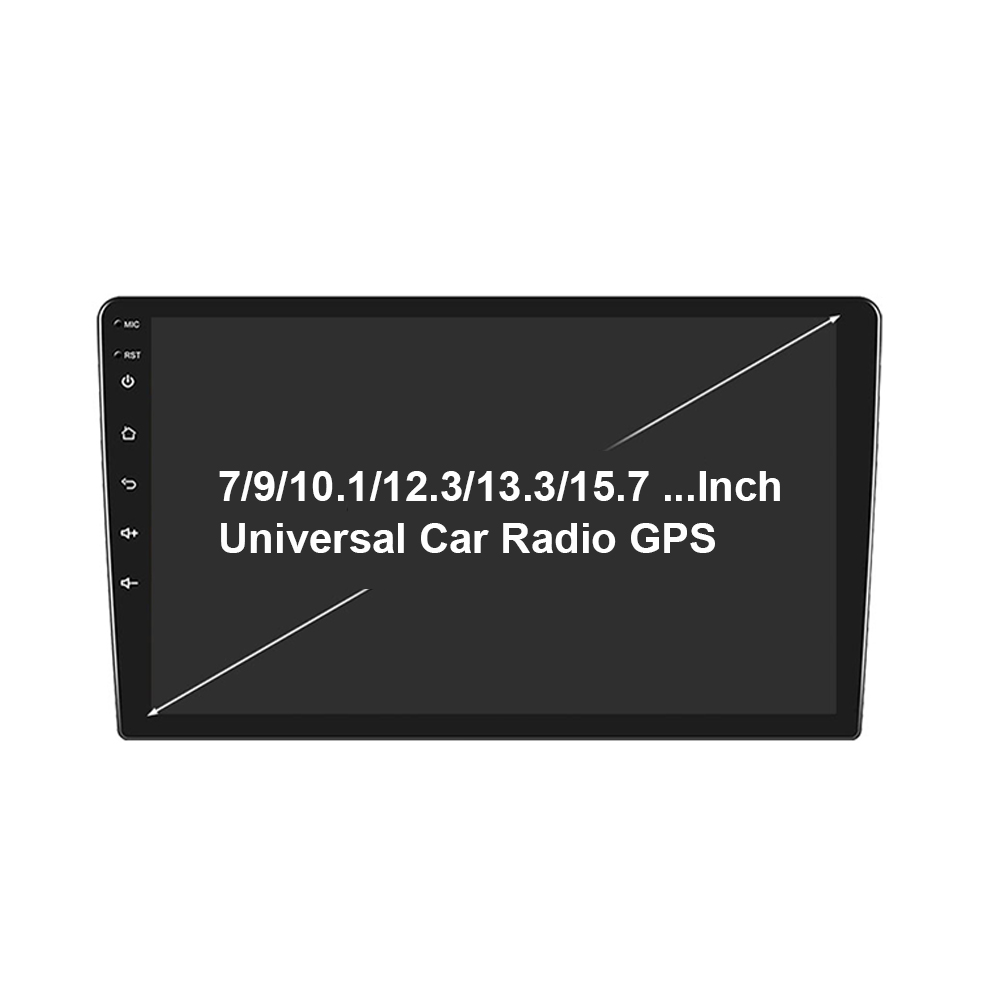
A universal car multimedia player — also sold under the search terms universal car radio, aftermarket car radio, double din car radio or touch screen car radio — is a complete head unit. Display, mainboard, radio tuner, audio output stage and phone-integration electronics sit in one chassis that mounts into the dashboard. Installing one is a car radio replacement in the literal sense: the factory radio comes out and a new system goes in.
A CarPlay box is a different category of device. It has no screen of its own; the published specification for the TN-AI47 states the screen size as “none (for car screen)”. The box sits between the smartphone and the display the car already has, and its purpose is to add wireless CarPlay and wireless Android Auto where only wired CarPlay exists, plus access to apps that the factory system does not run.
Two hard constraints separate the two paths. The first is whether the vehicle already has OEM wired CarPlay: the TN-AI47 is specified as universal for OEM wired CarPlay cars, so it does not apply to a vehicle without factory wired CarPlay. The second is whether the dashboard accepts a replacement head unit: the TS105 is specified for dashboard mount installation with universal fitment. Screen size, memory, apps and budget only become meaningful once those two questions are answered.
Industry Background: Why Both Paths Exist at the Same Time
The market context explains why a head unit and an add-on box can both be reasonable purchases in the same year. Grand View Research valued the global in-car infotainment market at USD 22.5 billion in 2024, with China dominating the regional market. Market Research Future estimated the car audio head unit market at USD 15.44 billion in 2024 and identified Double DIN as the largest segment — the format that most universal head units are built around. Fortune Business Insights put Asia Pacific at a 54.21% revenue share of the car audio market in 2025, equivalent to USD 6.01 billion in that region.
Installation work is a market of its own, and it is larger than most buyers expect. Grand View Research valued the automotive wiring harness market at USD 50.1 billion in 2023. That figure matters here because a significant share of any upgrade project sits in connection and adaptation work — harnesses, adapters and vehicle compatibility — rather than in the device itself. A project that ignores fitment and wiring logic rarely reaches a clean installation.
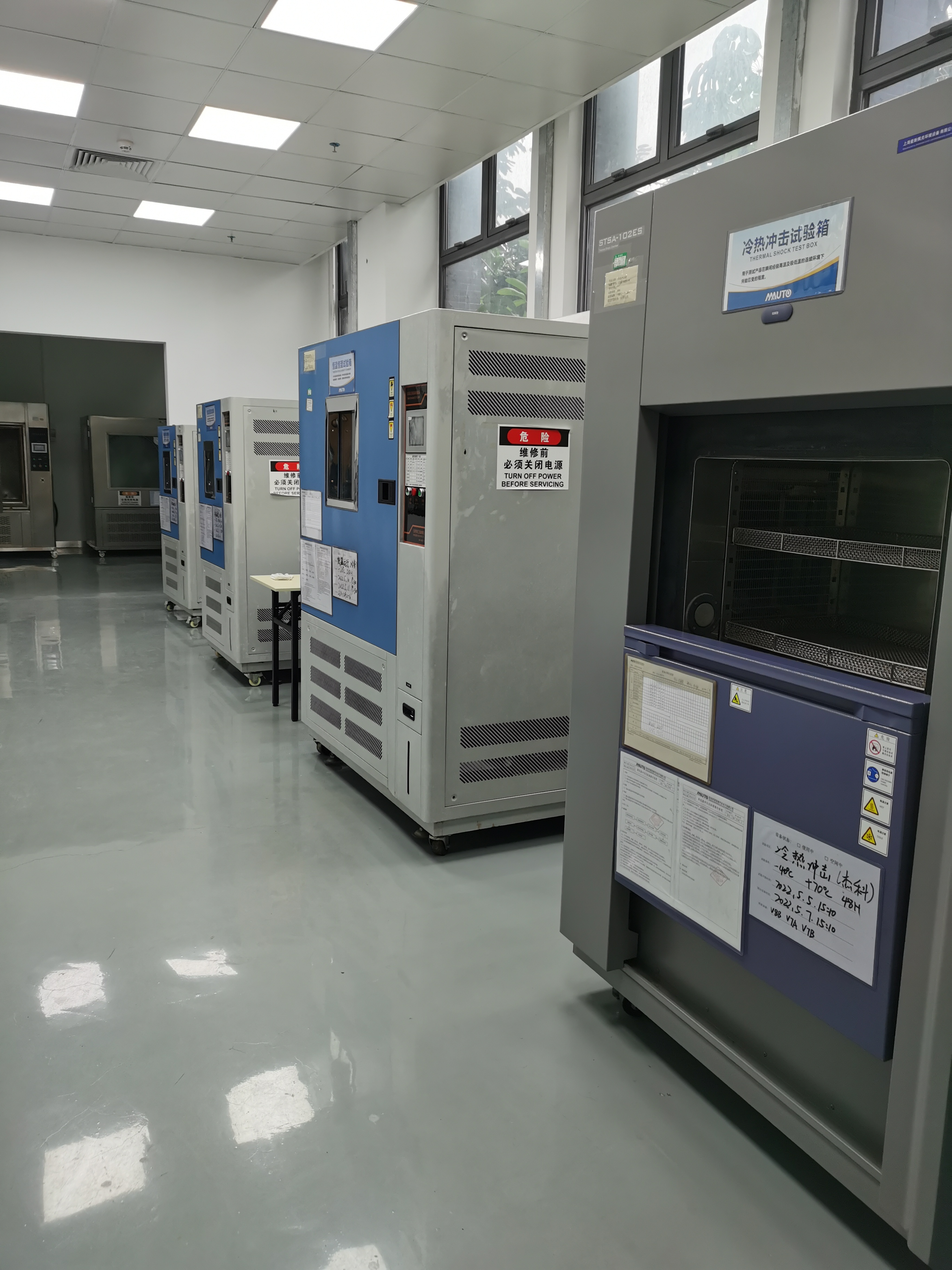
Compliance shapes the comparison just as much as features do. CE marking is mandatory for car radios entering the EU under RED, EMC and LVD requirements, while FCC certification is required for the US market. For environmental resilience, automotive electronic devices are commonly assessed against ISO 16750 for temperature, vibration and humidity. In other words, a head unit and a CarPlay box are judged by the same compliance framework even though they perform different jobs.
The competitive field is established and visible: Alpine Electronics, Harman International, Sony, Pioneer and JVCKenwood operate in the car audio and head unit space alongside factory-fitted systems. For aftermarket suppliers, that means differentiation comes from fitment coverage, certification readiness, customization flexibility and after-sales response rather than from the mere presence of CarPlay.
Path A vs Path B: What Each Product Actually Changes
Path A — Replace the radio: TS105 universal car multimedia player
The TS105 is an all-in-one universal car multimedia player. Its published specification lists a 9-inch IPS capacitive touch screen at 1024×600, Android 14 running on a UIS7865 octa-core CPU, and connectivity through USB, built-in WiFi, wireless, Bluetooth and a 3G/4G SIM card. Wireless CarPlay and Android Auto are built in rather than added on. Installation is a dashboard mount with universal fitment, the housing is ABS plastic, aluminium alloy and tempered glass, and the unit carries E-mark, CE and FCC certification with a 1-year warranty.
What that means for the vehicle: the screen, the radio and the integration electronics are all replaced at once, so the car no longer depends on what the factory installed. The TS105 does not require the vehicle to have factory CarPlay, because it brings its own phone-integration layer. The trade-off is scope — a head unit replacement is a larger installation than adding a module, and the dashboard has to accept the mounting solution.
Path B — Keep the screen: TN-AI47 CarPlay box
The TN-AI47 is a plug-in CarPlay box for cars that already have wired CarPlay from the factory. Because it has no screen of its own, its published specification describes the output rather than a display: a resolution specified at 1920×1080 with HDMI video output. Internally it runs Android 11.0 on a quad-core CPU with 2GB RAM and 16GB ROM, supports wireless CarPlay and wireless Android Auto, connects over WiFi and Bluetooth 5.0, is powered at DC 5V 2A, and operates between -10°C and 60°C. Its function list includes YouTube, Netflix, Google Play and OTA update, and it carries CE, FCC and RoHS certification.
What that means for the vehicle: nothing on the dashboard is cut or replaced, so the factory interior and factory look are preserved, and the installation is an add-on rather than a rebuild. The boundary is equally clear. The car must already have OEM wired CarPlay, because that is the connection the box is designed to extend. The factory screen remains the display, so the final viewing experience depends on the panel the car already has. And because the box is a 2GB RAM / 16GB ROM Android device rather than a full head unit, buyers should treat it as an integration module, not as a replacement infotainment system.
Boundary note for unusual dashboards. Some vehicles cannot accept a 2 DIN replacement at all. For those, TOPNAVI also lists the TN-UK1105 single-knob car multimedia player, with an 11.5-inch 2K OLED capacitive touch screen at 2000×1200, Android 13 with an 8-core CPU, and a universal 1 DIN dashboard mount. It is a third form factor for dashboards that fall outside the two paths described above.
Step-by-Step Breakdown: How to Decide in Five Checks
- Check what the car already has. Ask whether the vehicle has factory wired CarPlay. If yes, the TN-AI47 path is available because the box is specified as universal for OEM wired CarPlay cars. If no, that path is closed and the head unit path applies instead.
- Check the dashboard opening. A universal car multimedia player such as the TS105 mounts into the dashboard with universal fitment, which means the physical opening and mounting kit must be confirmed before ordering. This is also where harness and adapter planning belongs, since the automotive wiring harness market was valued at USD 50.1 billion in 2023 by Grand View Research — connection work is a real part of the project, not an afterthought.
- Match the system to the job. The TS105 runs Android 14 on a UIS7865 octa-core CPU; the TN-AI47 runs Android 11.0 on a quad-core CPU with 2GB RAM and 16GB ROM. A full head unit is the appropriate choice when the system must run the whole infotainment experience. The box is the appropriate choice when the job is wireless CarPlay, wireless Android Auto and app access on an existing screen.
- Confirm the connections you actually need. The TS105 provides USB, built-in WiFi, wireless, Bluetooth and 3G/4G SIM card connectivity. The TN-AI47 provides WiFi, Bluetooth 5.0 and HDMI video output, and is powered at DC 5V 2A with a working temperature range of -10°C to 60°C. Requirements that fall outside these lists should be raised during specification, not after delivery.
- Verify compliance for the destination market. The TS105 carries E-mark, CE and FCC; the TN-AI47 carries CE, FCC and RoHS. CE marking is mandatory for car radios entering the EU and FCC certification is required for the US market, so the certificate should always be checked against the exact model being shipped, not against a category name.
Comparison Table: TS105 Universal Car Multimedia Player vs TN-AI47 CarPlay Box
| Comparison point | TS105 universal car multimedia player | TN-AI47 CarPlay box |
|---|---|---|
| Product type | All-in-one head unit — replaces the factory radio | Add-on integration module — keeps the factory radio |
| Screen | Built-in 9-inch IPS capacitive touch, 1024×600 | None of its own (“for car screen”); output resolution specified at 1920×1080 with HDMI video output |
| Operating system and CPU | Android 14, UIS7865 octa-core | Android 11.0, quad-core |
| Memory | Not stated in the published specification | 2GB RAM / 16GB ROM |
| Phone integration | Built-in wireless CarPlay and Android Auto | Wireless CarPlay and wireless Android Auto |
| Connectivity | USB, built-in WiFi, wireless, Bluetooth, 3G/4G SIM card | WiFi, Bluetooth 5.0, HDMI video output |
| Power and operating range | Not stated in the published specification | DC 5V 2A; working temperature -10°C to 60°C |
| Installation and fitment | Dashboard mount; universal fitment | Universal for OEM wired CarPlay cars |
| App functions listed | Android platform applications | YouTube, Netflix, Google Play, OTA update |
| Certification | E-mark, CE, FCC | CE, FCC, RoHS |
| Warranty | 1 year | Not stated in the published specification |
| Best suited to | Cars where the radio and screen are being replaced anyway | Cars that already have factory wired CarPlay and a screen worth keeping |
Read the table by rows, not by product. The decisive rows are installation and fitment, which define whether the product can be used at all, and phone integration, which is where the two paths converge on the same user experience through different hardware.
Use Cases: How Buyers Have Applied the Two Paths
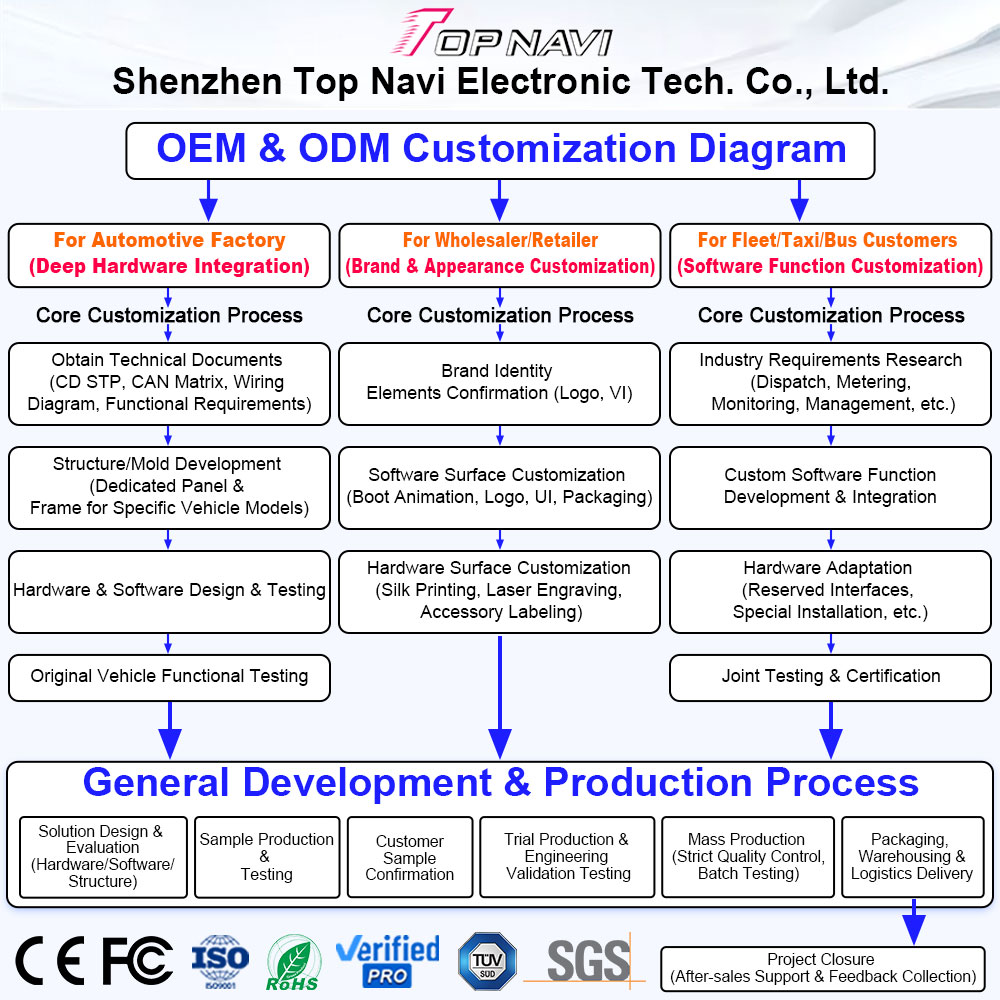
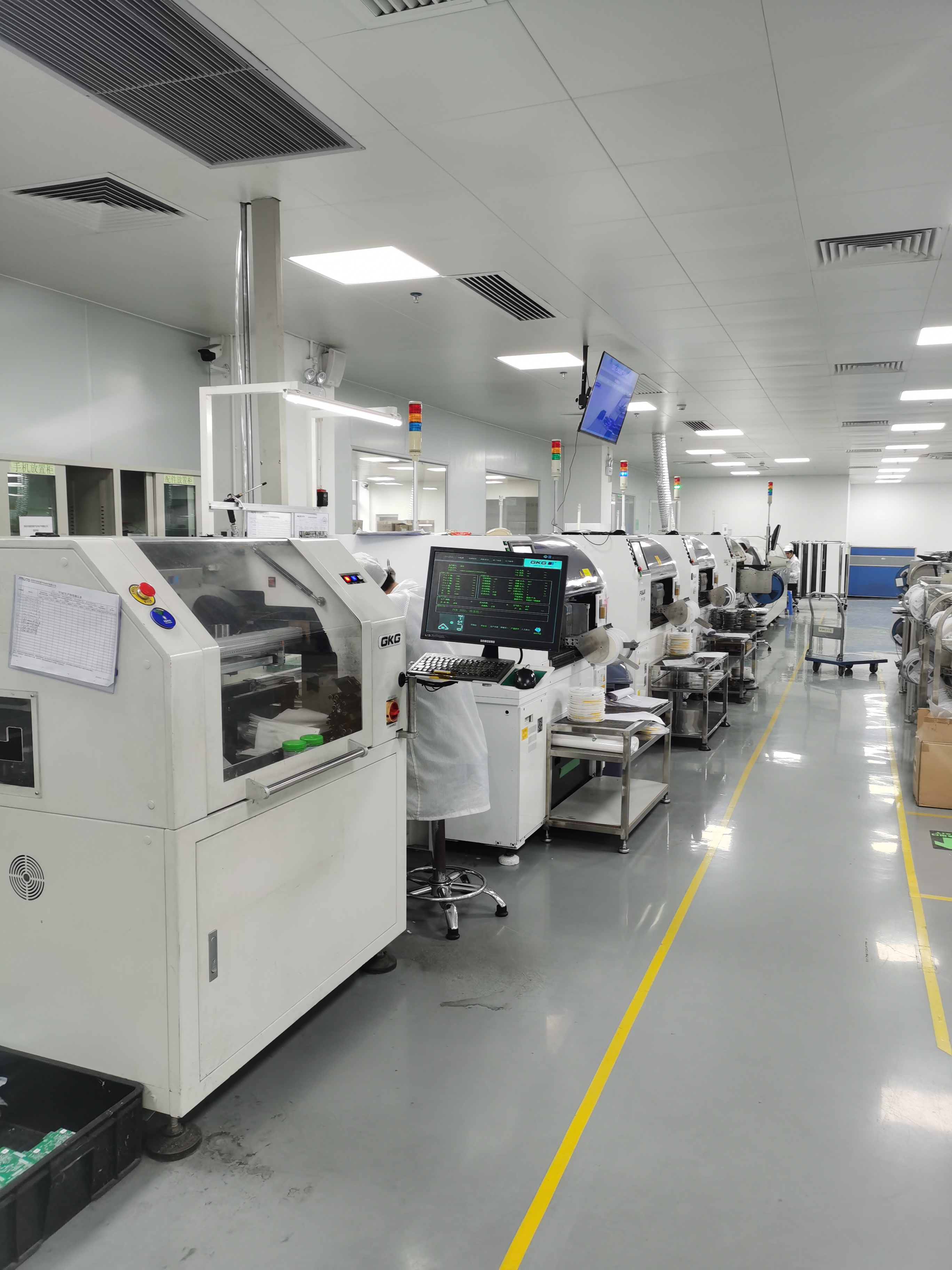
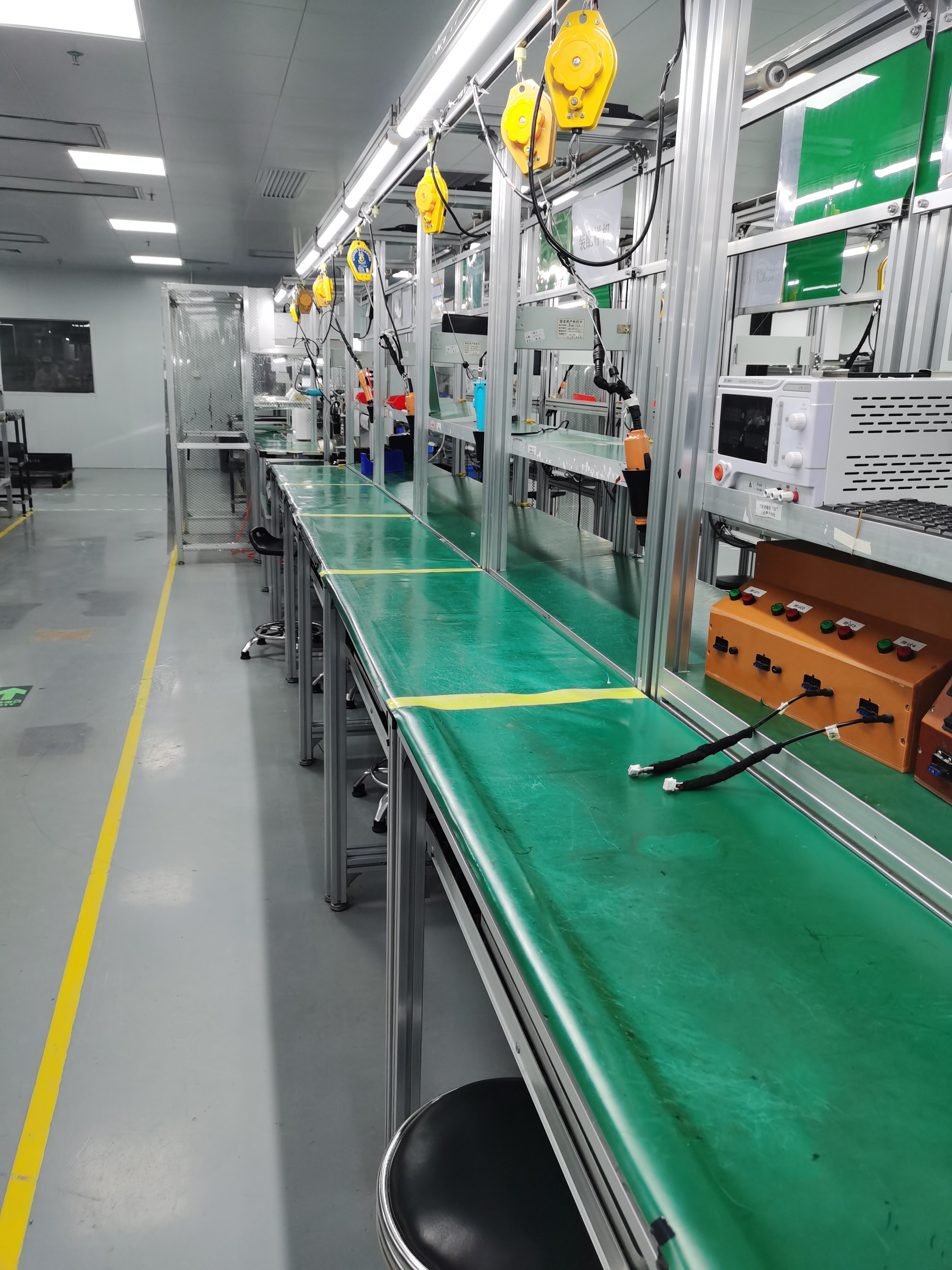
TOPNAVI (Shenzhen Topnavi Electronic Tech Co., Limited) is a Shenzhen-based manufacturer founded in 2014 that produces Android car radios, car head units, CarPlay AI boxes, motorcycle CarPlay units, headrest monitors, backup cameras and DVRs. Its OEM/ODM programs run on a 20,000 m² factory with 100+ production staff, a 50+ engineer R&D team, monthly capacity of 30,000 units and annual output of 360,000 units, with 95% of production exported to clients in 70+ countries.
One documented program involved a car modification shop client in South Korea carrying out car infotainment system upgrades: 2,500 units installed over three years, with reported outcomes of stable performance, smooth CarPlay connection and high-definition display. The TS105 universal car multimedia player is listed among the products supplied for that kind of program.
A second program involved an automotive OEM client in Australia using the platform for aftermarket car modification and audio retail applications, with 3,000 units over a two-year period. Both projects sit in the aftermarket segment where fitment coverage and after-sales response decide whether a product line survives in a distributor’s catalogue.
For distributors, the practical conclusion is a portfolio decision rather than a single-product decision. A car that has factory wired CarPlay and a screen worth keeping is a CarPlay box opportunity; a car with an older or basic radio is a head unit opportunity. Carrying only one of the two limits the vehicles a distributor can quote. Under the TOPNAVI OEM/ODM program, both form factors can be configured for a market, with customization covering Logo, UI Theme, Boot Animation, APP Pre-install, Language, DSP Tuning, Button Light Color, Panel Color, Screen Size/Resolution, RAM/ROM, Wired/Wireless CarPlay, 4G Module, GPS/Beidou, AHD Camera, SWC, CAN Protocol, Vehicle Adaptation, Package and Firmware OTA.
FAQ: Common Buyer Questions on This Decision
1. Do I need different certifications for a universal car radio and a CarPlay box?
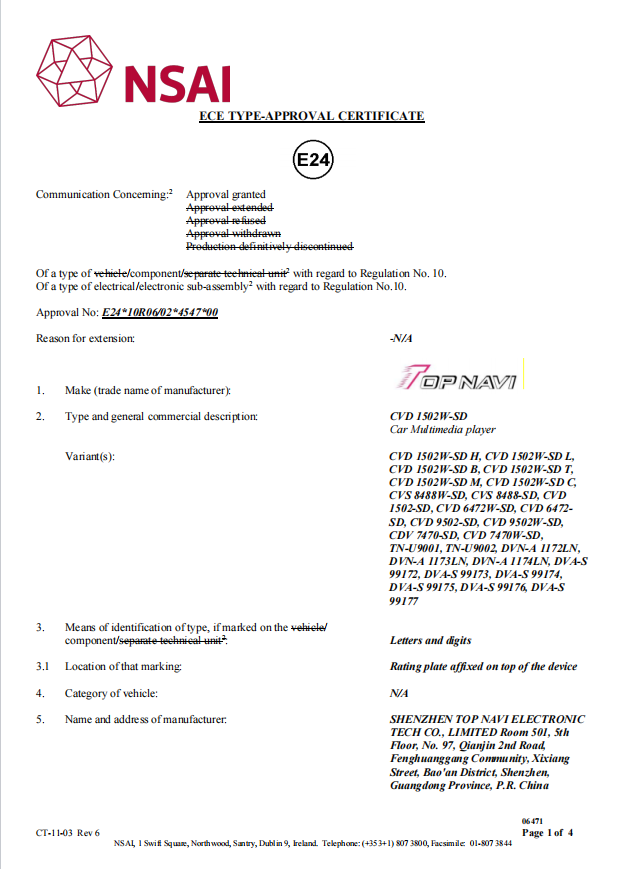
Both are automotive electronic devices, and both must satisfy the destination market. CE marking is mandatory for car radios entering the EU under RED, EMC and LVD requirements, while FCC certification is required for the US market. In TOPNAVI’s range, the TS105 universal car multimedia player carries E-mark, CE and FCC, while the TN-AI47 CarPlay box carries CE, FCC and RoHS. At factory level, TOPNAVI holds ISO 9001 certificate SW25Q20244R1S issued by Shanghai Sailway Certification Co., Ltd on 11 March 2025 and valid to 10 March 2028, covering the R&D, production and sales of car audio-visual systems, car multimedia players and GPS navigation systems; a CE-EMC certificate WST23N080170E tested to EN 55032:2015+A1:2020 and EN 55035:2017+A11:2020; an FCC Part 15 Subpart B certificate WST23N080171E issued through Shenzhen WST Testing Co., Ltd; and ECE E24 type-approval E2410R06/024547*00 issued by NSAI under UN/ECE Regulation No. 10. Buyers should always confirm that the certificate lists the exact model being ordered.
2. Can a CarPlay box add apps such as YouTube and Netflix to a factory screen?
The TN-AI47 can. Its published function list includes YouTube, Netflix, Google Play and OTA update, it runs Android 11.0 on a quad-core CPU with 2GB RAM and 16GB ROM, and it outputs video over HDMI at a resolution specified as 1920×1080. The limit is the vehicle, not the box: the TN-AI47 is specified as universal for OEM wired CarPlay cars, so the car must already have factory wired CarPlay for the box to work. If the vehicle has no factory wired CarPlay, the workable alternative is a complete head unit such as the TS105, which supplies its own 9-inch 1024×600 IPS touch screen, Android 14 system and UIS7865 octa-core processing, and therefore does not depend on the factory screen at all.
3. Which option costs less to install?
The honest answer is that the two paths carry different cost structures rather than different price tags. A CarPlay box contains no screen, so its hardware scope is smaller and it reuses the display already in the car. A universal car multimedia player replaces the screen, the radio and the integration electronics, so it carries a larger hardware and installation scope. Installation itself is a measurable part of the project: Grand View Research valued the automotive wiring harness market at USD 50.1 billion in 2023, which reflects how much of the work sits in connection and adaptation rather than in the device. Buyers searching for a cheap car radio should therefore compare total scope — unit, harness and adapters, labour, and certification for the destination market — instead of unit price alone. OEM/ODM specification also affects cost, because options such as screen size and resolution, RAM/ROM, 4G module, GPS/Beidou, AHD camera, SWC and CAN protocol can be matched to the market instead of being bought as fixed bundles.
4. Can I test both products before committing to bulk production?
Yes. Sample confirmation before bulk production is part of the stated acceptance process, together with 100% full function testing before shipment, customer on-site inspection, and third-party inspection through SGS or TUV. Samples can be configured through the OEM/ODM program, which covers Logo, UI Theme, Boot Animation, APP Pre-install, Language, DSP Tuning, Button Light Color, Panel Color, Screen Size/Resolution, RAM/ROM, Wired/Wireless CarPlay, 4G Module, GPS/Beidou, AHD Camera, SWC, CAN Protocol, Vehicle Adaptation, Package and Firmware OTA. Sample orders are settled at 100% of the sample order value, while bulk orders follow 30% T/T in advance with 70% T/T against a copy of the B/L, shipped FOB.
5. How long does production take once a sample is approved?
The standard OEM/ODM lead time is 7–15 days, supported by a monthly capacity of 30,000 units, a 20,000 m² factory in Shenzhen, 100+ production staff, a 50+ engineer R&D team and annual output of 360,000 units, with 95% of production exported. After-sales support is provided remotely and online, and every unit is function tested before shipment. To move from evaluation to execution, request a sample or a quotation for the TS105 universal car multimedia player or the TN-AI47 CarPlay box by writing to sales@topnaviauto.com, messaging +86 150-7094-1278 on WhatsApp, or downloading the company brochure at TOPNAVI product brochure.
Conclusion: Choose by Vehicle Condition, Not by Product Preference
The comparison resolves into a short rule. If the car already has factory wired CarPlay and a screen worth keeping, the CarPlay box path applies, and the TN-AI47 — with its 2GB RAM, 16GB ROM, HDMI video output and app functions including YouTube, Netflix, Google Play and OTA update — delivers wireless CarPlay and wireless Android Auto without touching the dashboard. If the car has an older or basic radio and the screen is part of what needs upgrading, the head unit path applies, and the TS105 — 9-inch 1024×600 IPS touch screen, Android 14, UIS7865 octa-core CPU, built-in wireless CarPlay and Android Auto, E-mark, CE and FCC certification — replaces the whole front end of the system.
For distributors and installers, treating the two as alternatives to each other is the mistake. They are complements, addressing two vehicle conditions inside the same aftermarket. A catalogue that covers both can quote more jobs, and both can be configured through the same OEM/ODM program, backed by ISO 9001 certified production and 7–15 day lead times.
Next step
Tell us the vehicle condition and the target market, and we will confirm which path fits: a universal car multimedia player or a CarPlay box. Request a sample or a quotation from TOPNAVI — email sales@topnaviauto.com or message +86 150-7094-1278 on WhatsApp. Product details and full specifications are available at www.topnavi.com.cn, and the complete catalogue can be downloaded here: TOPNAVI brochure (PDF).