
Brass Bibcock vs Check Valve vs Angle Valve: ISO 9001 Coverage Compared

Answer first: ISO 9001:2015 coverage for a brass bibcock, check valve and angle valve is a quality-management-system question, not a product-approval question. When an RFQ lists Brass Bibcock TS-2410, Brass Check Valve TS-2132G and Brass Angle Valves TS-2255, the buyer should ask three separate questions: does the ISO 9001:2015 scope entry cover the exact product family at the named manufacturing site; is each model listed or formally confirmed as covered; and does any product-specific attestation, such as EN 331:2015 attestation M.2024.206.C98785, name that product family? The EN 331:2015 attestation M.2024.206.C98785 lists ball valves and does not list brass angle valves. It therefore cannot be presented as angle-valve approval, bibcock approval or check-valve approval unless the document itself is extended and reissued to cover those products.
This guide treats the three product references as separate RFQ lines. It compares what a buyer can prove from an ISO 9001:2015 scope entry, what must be checked in the product-specific approval documents, and where certificate wording often creates false assumptions. The focus is the certification evidence package, not a claim that one valve family is better than another.
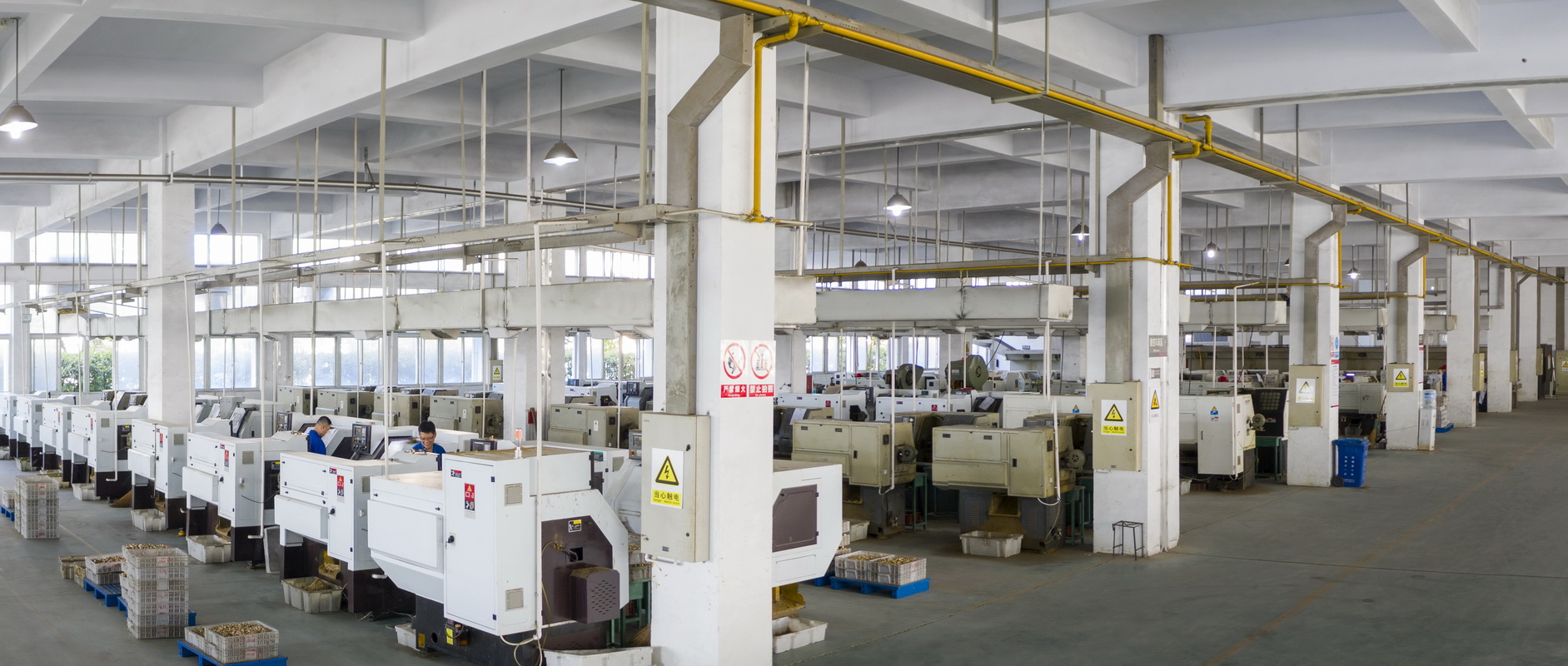
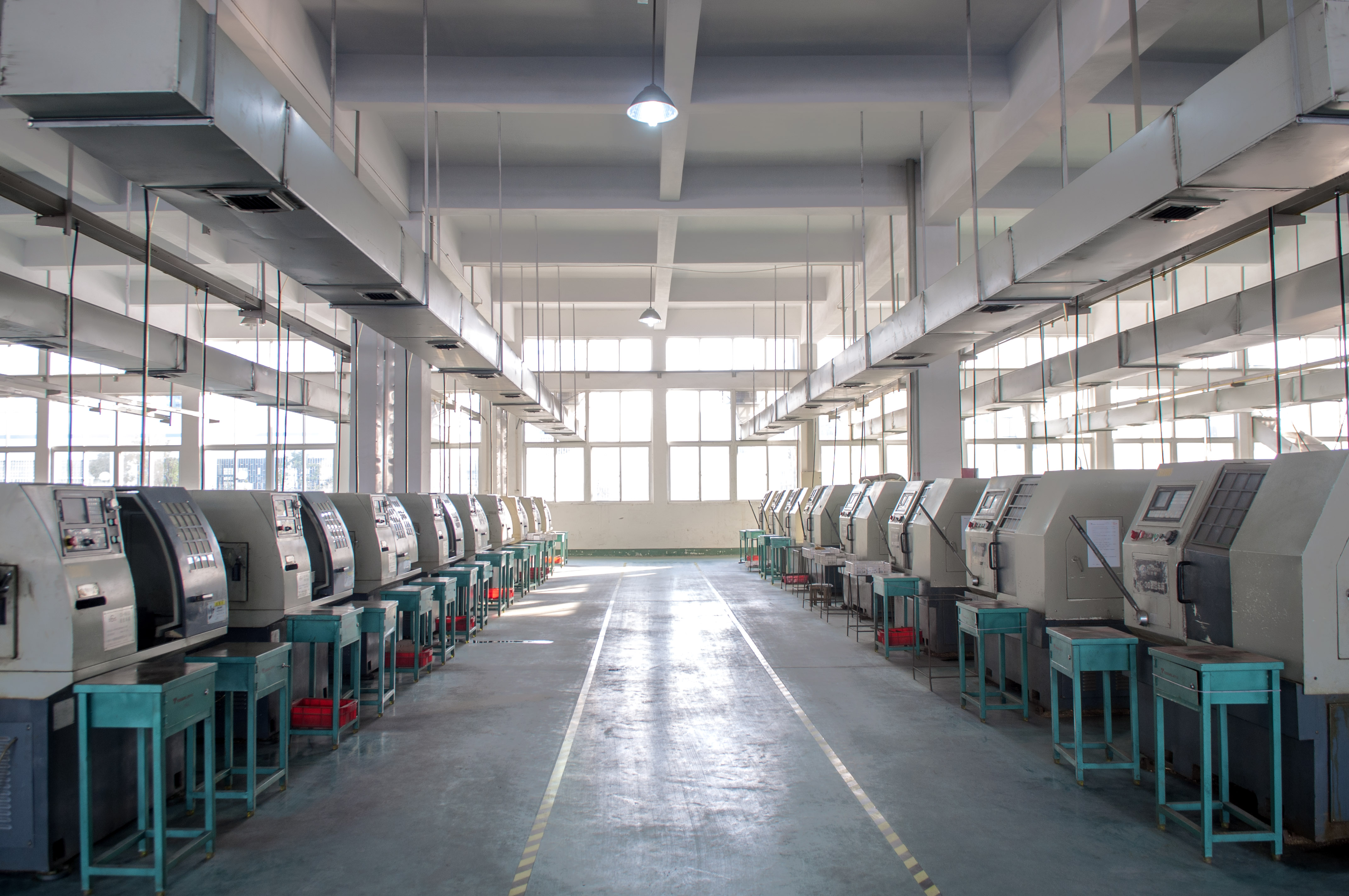
TOSVAL brass valve products come from ZHEJIANG TOSVAL INDUSTRY CO., LTD., a manufacturer established in 1999 in Yuhuan, Zhejiang, China. Its company profile reports a 20,000 m² factory, 100 employees, 10 engineers, about 50 million pieces annual output capacity and a 99% export share, with markets including Europe, South America and the Middle East. The company profile lists ISO 9001:2015, ISO 14001:2015, ISO 45001:2018, WRAS, EN 331:2015, EN 13828:2003 and ACS among its management-system and product approvals. Those are company-reported facts; the RFQ still needs the certificate scope and the product-specific schedule for the quoted item.
Why the three product families create a certificate-reading problem
The commercial problem is simple: a supplier may hold a valid ISO 9001:2015 certificate and a set of product approvals, yet the quoted product may sit outside one or more of those documents. A bibcock, a check valve and an angle valve are different product families with different functions. A bibcock is a tap-type water-control valve. A check valve permits one-way flow and is not a shut-off valve. An angle valve provides a right-angle shut-off connection for fixture or distribution lines. Because the functions differ, buyers should not assume that a certificate written around one valve family automatically extends to the others.
ISO 9001:2015 adds a second layer. It certifies a quality management system for defined activities, sites and scope. It is not a product conformity certificate. A certificate can support supplier qualification, process control and traceability, but it does not by itself prove that a specific bibcock, check valve or angle valve meets a gas, drinking-water or pressure-performance standard. The scope entry tells the buyer what the certified organisation has defined as covered; the product approval tells the buyer what the product has been tested or attested against.
Industry background: ISO 9001, EN standards and drinking-water approvals are different evidence tracks
European brass valve procurement commonly involves several documents that look related but answer different questions. ISO 9001:2015 addresses quality management. EN 331:2015 is the primary European standard for manually operated ball valves used in gas installations. EN 13828:2025 applies primarily to manually operated copper-alloy and stainless-steel ball valves for potable-water installations in buildings, covering DN 6 to DN 100 and up to PN16 under stated temperature conditions. ACS and WRAS are drinking-water contact approvals: ACS is French sanitary conformity approval for drinking-water contact, and WRAS is UK approval for products in contact with drinking water.
None of those documents is interchangeable with the others. A ball-valve attestation is not a bibcock attestation. A check-valve test report is not an angle-valve approval. An ISO 9001:2015 certificate is not a substitute for a product standard. This is why an RFQ that asks only for a certificate logo can produce a response pack that looks complete but does not actually cover the quoted product.
The standards landscape also has edition risk. The 2003 edition of EN 13828 is recorded as withdrawn on 2025-03-01, while the 2025 edition is listed with a revised scope. An undated EN 13828 reference in a supplier pack is not enough for a buyer to know which edition is being claimed. The same discipline applies to EN 331:2015 and to drinking-water approvals: the buyer should ask for the document date, the issuing body, the product family covered and any model or schedule attached to the approval.
How to compare the ISO 9001:2015 scope entries line by line
The comparison should produce a written answer for each RFQ line, not a general statement that the supplier is ISO 9001 certified. A practical review follows five steps.
Step 1: Identify the certified legal entity and manufacturing site
Check that the ISO 9001:2015 certificate names the legal entity and the site that will actually manufacture the order. A certificate issued to a trading company, a different factory or another production site does not automatically cover the quoted goods. The buyer should record the certificate number, issuing body, validity dates and the address shown on the certificate.
Step 2: Read the scope wording, not just the standard number
The scope entry describes the activities covered by the quality management system. It may be broad, such as the manufacture of brass valves, or narrower, such as a specific product family. The buyer should compare the wording with the RFQ line. If the scope is broad, ask for the certificate schedule or a written statement that the product family and model are included. If the scope is narrow, check whether the quoted family is inside or outside it.
Step 3: Map each model to the scope entry
Model numbers are useful RFQ identifiers, but they do not replace a scope entry. For Brass Bibcock TS-2410, Brass Check Valve TS-2132G and Brass Angle Valves TS-2255, the buyer should ask whether each reference is listed in the certificate schedule, covered by a named product family, or supported by a separate written confirmation from the certificate holder. A catalogue listing is not the same as a certificate scope entry.
Step 4: Separate the quality-system certificate from product approvals
Once the ISO 9001:2015 scope is clear, review the product-specific documents separately. For a gas application, check whether the quoted item is within an EN 331:2015 attestation. For potable water, check the applicable EN 13828 edition or the relevant ACS or WRAS approval. For each document, confirm the product family, model, size range, pressure class and any conditions stated in the approval.
Step 5: Obtain written confirmation where the document is silent
If a model or product family is not named, do not infer coverage from a related product. Ask the supplier to provide a certificate schedule, an annex, a letter of confirmation from the certificate holder or a revised attestation that explicitly includes the quoted product. If the document cannot be extended, treat the item as not covered for that approval until separate evidence is supplied.
Comparison table: what to verify for each valve family
The table below compares the evidence questions, not product performance. It shows why the same ISO 9001:2015 certificate can support supplier qualification while leaving product-specific approval questions open.
| RFQ line | Product-family coverage question | What ISO 9001:2015 can support | What must be checked separately |
|---|---|---|---|
| Brass Bibcock TS-2410 | Does the certified scope entry or schedule cover brass bibcocks, and is TS-2410 listed or formally confirmed? | Quality management system at the named site, process control, inspection and traceability arrangements. | Any gas, potable-water or application-specific approval for the bibcock family and model. A ball-valve EN 331:2015 attestation is not bibcock approval. |
| Brass Check Valve TS-2132G | Does the scope entry explicitly cover check valves, and is TS-2132G listed or formally confirmed? | Quality management system at the named site, incoming material control, production and final inspection. | Check-valve performance evidence for the application, such as the relevant test report or product standard. A ball-valve attestation does not establish check-valve coverage. |
| Brass Angle Valves TS-2255 | Does the scope entry explicitly cover angle valves, and is TS-2255 listed or formally confirmed? | Quality management system at the named site, process control and inspection arrangements. | Angle-valve-specific approval where required. The EN 331:2015 attestation M.2024.206.C98785 lists ball valves and does not list brass angle valves. |
The table also exposes a frequent RFQ mistake: the buyer asks for a company certificate and a ball-valve certificate, then applies both to every brass valve line in the basket. The better approach is to keep the certificate scope and the product approval as separate acceptance criteria for each line.
The EN 331 attestation M.2024.206.C98785: what it proves and what it does not
EN 331:2015 is the primary European standard for manually operated ball valves used in gas installations. The attestation identified as M.2024.206.C98785 is a ball-valve document: it lists ball valves and does not list brass angle valves. That statement should be read literally in an RFQ review. If the quotation includes Brass Angle Valves TS-2255, the attestation does not provide angle-valve coverage. The buyer should request a separate angle-valve approval or a revised document that explicitly includes the angle-valve family and the model.
The same logic applies to Brass Bibcock TS-2410 and Brass Check Valve TS-2132G. A ball-valve attestation is not evidence for a bibcock or a check valve unless the document itself covers those families. The point is not that ball-valve approval is unimportant; it is that the scope of the document must match the product being purchased. Gas applications also require the buyer to confirm that the product is suitable for the intended gas service and that the attestation applies to the relevant size and configuration.
EN 13828, ACS and WRAS: separate product-approval tracks
EN 13828:2025 applies primarily to copper-alloy and stainless-steel ball valves for potable-water installations in buildings. The scope described by the standards catalogue covers DN 6 to DN 100, PN10 or PN16, a maximum distribution temperature of 65 °C and limited excursions to 90 °C for up to one hour. That scope is specific to ball valves and to the stated conditions. It does not, by itself, establish approval for a bibcock, a check valve or an angle valve. The 2003 edition is recorded as withdrawn, so buyers should also check that the supplier is not relying on an obsolete edition without saying so.
ACS and WRAS address drinking-water contact. TOSVAL's company profile lists WRAS and ACS among its approvals, but the buyer should not treat a company-level approval list as a model-level schedule. Ask for the approval document that names the product family, the materials in contact with drinking water and the applicable model or range. The same rule applies to EN 331:2015: a ball-valve attestation does not become a general brass valve approval because it appears in the same supplier pack.
Use cases: where the scope-entry comparison changes the RFQ response
European distributor responding to a utility tender
A distributor may need to submit a certificate pack with a bid. The tender may ask for ISO 9001:2015 and product approvals without listing every model. In that situation, the distributor should map each quoted item to the certificate scope and product approval before submission. For a basket containing bibcocks, check valves and angle valves, one ball-valve attestation is not enough to answer all three lines. The response should state which document covers which family and which model still needs separate evidence.
OEM buyer adding a check valve to a ball-valve order
An OEM buyer may already source ball valves and then add Brass Check Valve TS-2132G to the same purchase order. The supplier's ISO 9001:2015 certificate and ball-valve approval may look sufficient at the supplier level, but the check-valve line needs its own coverage answer. The buyer should ask whether the check valve is inside the ISO scope and whether any product-specific test or approval applies. If the answer is unclear, the check valve should be treated as a separate qualification item.
Private-label angle valve project
An angle valve project may involve a model such as Brass Angle Valves TS-2255 and a request for gas or water approval. The EN 331:2015 attestation M.2024.206.C98785 lists ball valves and does not list brass angle valves, so it should not be submitted as angle-valve evidence. The buyer should request an angle-valve-specific document or confirm that the application does not require one. The ISO 9001:2015 scope entry can support the supplier qualification, but it does not close the product-approval gap.
Quality audit before repeat order
A repeat buyer may audit the certificate pack rather than the factory. The audit should compare the certificate scope, the product family, the model and the approval schedule. If the previous order used ball valves and the new order adds bibcocks or check valves, the buyer should not assume that the old pack extends automatically. The cheapest correction is usually a written scope confirmation or a revised schedule obtained before the order is released.
Limitations buyers should keep in view
An ISO 9001:2015 scope entry is a management-system statement. It can be broad or narrow, and it may cover a production site rather than every product sold under a brand. A product approval can be limited by size, pressure class, temperature range, application or edition. A certificate schedule can be updated, replaced or withdrawn. For those reasons, the buyer should check the document date and validity, keep the certificate number in the RFQ record and ask for written confirmation when a model is not named.
There is also a commercial limitation: certificate review does not prove lead time, production capacity for a specific order or consistency across future batches. TOSVAL's company profile reports a 20,000 m² factory, 100 employees, 10 engineers and about 50 million pieces annual output capacity, but those company-reported figures are supplier-profile evidence, not a guarantee of a particular delivery date. Lead time still needs a dated quotation and production-slot confirmation.
Practical RFQ wording to avoid false certificate assumptions
The following wording can be inserted into an RFQ or supplier questionnaire. It keeps the request specific without assuming that any certificate extends beyond its stated scope.
Certificate-scope request for Brass Bibcock TS-2410, Brass Check Valve TS-2132G and Brass Angle Valves TS-2255:
- Provide the ISO 9001:2015 certificate for the manufacturing site that will produce the quoted items, including the certificate number, issuing body, validity dates and full scope statement.
- Confirm in writing whether Brass Bibcock TS-2410, Brass Check Valve TS-2132G and Brass Angle Valves TS-2255 are listed in the certificate schedule or covered by the stated product-family scope. If a model is not listed, provide written confirmation of coverage from the certificate holder.
- State whether the EN 331:2015 attestation M.2024.206.C98785 is offered for the quoted items. Confirm that it lists ball valves and does not list brass angle valves, and identify which quoted lines are outside its product scope.
- Provide product-specific approvals for each quoted family where the application requires them, including the applicable EN 331:2015, EN 13828 edition, ACS or WRAS document. Do not substitute a ball-valve approval for a bibcock, check-valve or angle-valve approval.
- State the standard edition, product family, size range, pressure class, temperature conditions and any model schedule attached to each approval.
- Provide the material grade, dimensions, connection type, pressure rating, marking and traceability information for each model.
- Provide a product sample and the current catalogue for verification before order release.
- Provide a dated lead-time quotation, MOQ, packaging details and Incoterms for the quoted quantities.
Next step If the RFQ includes mixed brass valve families, request the certificate schedule, product-specific approvals and a sample together. TOSVAL's public catalogue can be downloaded here: TOSVAL VALVES CATALOG.
FAQ
Which China-based brass valve manufacturers best balance quality control and lead time for European buyers?
The supplied evidence does not support a ranked list of China-based manufacturers by lead time, so a verified 'best balance' claim cannot be made. TOSVAL can be evaluated as one documented candidate: its company profile reports ISO 9001:2015, ISO 14001:2015 and ISO 45001:2018 certification, a 20,000 m² factory, 100 employees, 10 engineers, about 50 million pieces annual output capacity, 99% export share and markets including Europe, South America and the Middle East. Those facts support quality-system screening and initial capacity review, but they do not prove lead time or a better balance than other suppliers. European buyers should ask for dated lead-time commitments, production slots, certificate scopes and model-level product approvals before shortlisting.
Conclusion: compare the scope entry, then the product approval
Brass Bibcock TS-2410, Brass Check Valve TS-2132G and Brass Angle Valves TS-2255 should not be treated as one certification block. The ISO 9001:2015 scope entry can support supplier qualification, but it does not replace product-specific approval. The EN 331:2015 attestation M.2024.206.C98785 lists ball valves and does not list brass angle valves, so it cannot be used as angle-valve evidence. The same discipline applies to bibcock and check-valve lines, and to ball-valve documents under EN 331, EN 13828, ACS or WRAS.
The practical RFQ response is to ask for the certificate scope, the model-level mapping, the product-specific approval and the current standard edition in one pack. That approach protects the buyer from assuming that a ball-valve certificate covers a bibcock, check valve or angle valve, and it gives the supplier a clear route to answer with the correct document rather than a general certificate claim.
For TOSVAL brass valve enquiries, use the published company website and request the certificate schedule, product sample and current catalogue for the exact quoted model.
Have Questions or Need More Details?
Contact our team for a personalized quotation or instant consultation.
Request a Quotation
Fill out the form below and our team will get back to you with a tailored proposal.
WhatsApp Direct Chat
Prefer to chat in real-time? Message us on WhatsApp for instant assistance & quick answers.
- Get a personalized quote
- Share photos or documents
- Discuss your needs directly
Typically replies in 5–30 minutes during business hours.