Pallet Box 101: How to Choose the Right Plastic Pallet Box for Automotive Logistics
Plastic pallet boxes—also known as reusable industrial pallet containers—are a core handling unit in modern logistics. They are used to organize, stack, protect, and transport everything from engine parts to finished assemblies. For buyers working in automotive supply chains, the key question is not just “which pallet box should I buy?” but “how do I choose a pallet box that fits my operation, my loads, and my returnable packaging cycle?”
This guide explains what a pallet box is, why manufacturers are shifting from wood to plastic, which functional variants matter (ESD, folding, heavy-duty, die-cast style), and how to evaluate suppliers on facts rather than marketing language.
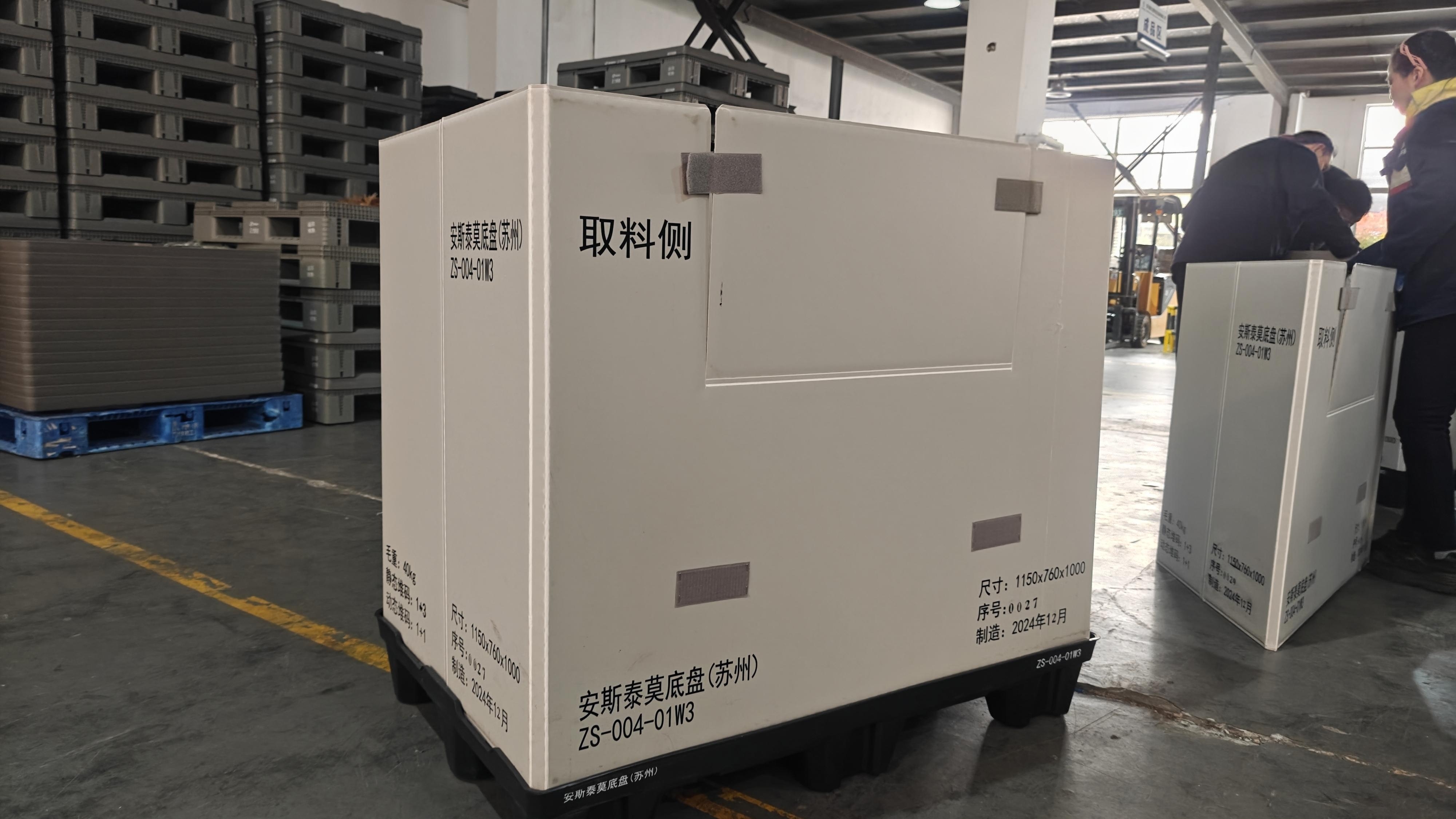
Figure 1: Plastic honeycomb panel pallet box—lightweight structure with high load-bearing capacity for industrial transport.
What Is a Pallet Box?
A pallet box is a large, reusable container with a pallet-like base, designed to be moved by forklift, pallet jack, or warehouse handling equipment. It can be used for storage, standardized stacking, and transportation protection.
The plastic pallet box product family includes models such as the 1200*800*1000 Plastic Pallet Box and the 1000*800*800 Pallet Box. Common materials are HDPE (high-density polyethylene) and PP (polypropylene). A typical enclosed pallet box has a capacity of 100–200 liters. HDPE and PP are chosen in this product category because both materials are recyclable, durable, and suitable for repeated logistics cycles.
In short: a pallet box is a logistics unit that combines the function of a pallet and a storage container, making it possible to move and store large or heavy items in one standardized step.
Why the Market Is Moving from Wood to Plastic Pallet Boxes
The global plastic pallets and pallet box market is projected to reach approximately USD 11.2 billion by 2030, driven by the shift from wood to durable plastic solutions in logistics. This long-term trend is visible across automotive, food, electronics, and general industrial supply chains.
Plastic pallet boxes offer several practical benefits for buyers:
- Reusable: plastic pallet boxes are designed for multiple trips, unlike one-way wooden packaging.
- Nestable or foldable options: empty units can be returned with less transport volume, reducing logistics cost.
- Dust-proof and washable: plastic surfaces are easier to clean than wood, which matters in food, electronics, and medical applications.
- Load-bearing stability: engineered plastic structures can reliably support stacked loads in warehouse racks.
This shift is not a claim that plastic is “always better” in every situation. Rather, it reflects one of the strongest structural advantages of plastic pallet boxes: they are built for repeatable, standardized logistics workflows.
What Automotive Logistics Actually Requires from a Pallet Box
Automotive parts logistics is one of the most demanding application areas for pallet boxes. Parts are often heavy, sensitive, and required in high volumes with exact sequencing.
In a typical logistics warehousing and packaging project, the pallet box is used for automotive parts storage, standardized stacking, and transportation protection. Working conditions may include high humidity, dust, and wide temperature ranges. In these environments, pallet boxes may also need to support waterproof and anti-static requirements.
From an operational standpoint, buyers often need pallet boxes that can operate in 24/7 logistics environments and work with forklifts, warehouse shelving, and other standard material handling equipment. Key performance expectations include moisture-proofing, shock resistance, and stable load-bearing behavior.
This is why a pallet box container for automotive parts is rarely a “generic box.” It is a packaging decision that has to be matched to the part geometry, the handling environment, and the returnable packaging loop.
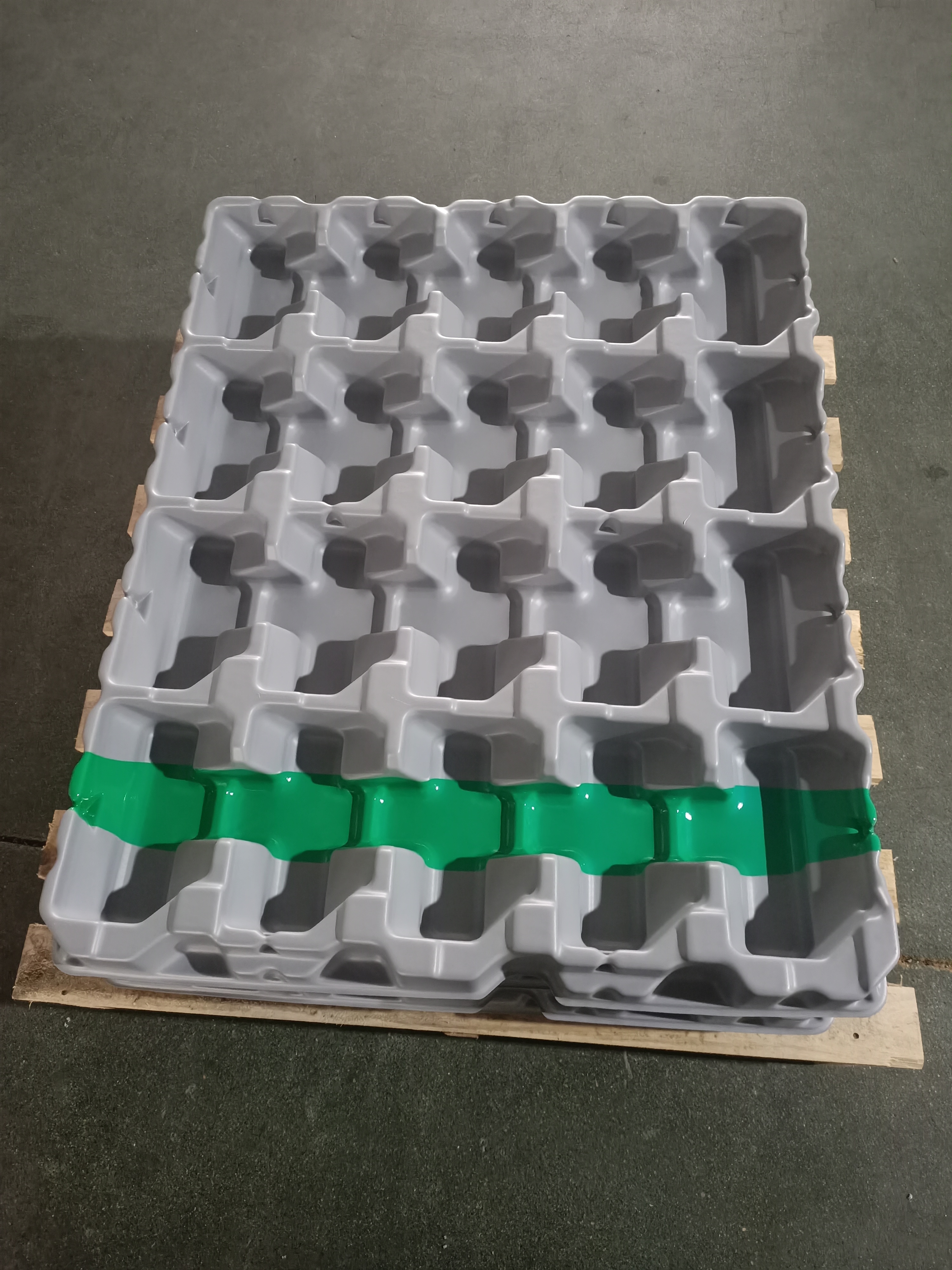
Figure 2: Automotive components stored in plastic pallet boxes during logistics warehousing operations.
Key Pallet Box Types and Variants
When buyers search for pallet boxes, they rarely use just the term “pallet box.” The buying decision is usually about a specific functional variant. Below are the most common pallet box types and how to match them to a use case.
Standard Plastic Pallet Box
A standard pallet box is an enclosed, stackable container made of HDPE or PP. For example, the 1200*800*1000 Plastic Pallet Box is an enclosed type, made of HDPE and PP, with a capacity of 100–200L and overall dimensions of 1200 x 800 x 1000 mm. The product is nestable, recyclable, and durable. It can store oil, industrial alcohol, alkali, acid, industrial wastewater, water, and car parts.
Best for: general industrial storage, automotive parts, water or liquid-containing components, and repeatable logistics.
Heavy-Duty / High-Load-Bearing Pallet Box
Heavy-load applications require pallet boxes with stronger wall structures and reinforced bases. A high-load-bearing pallet box is designed to carry dense parts such as metal components, castings, or assemblies. Die-cast pallet boxes are one example of a heavy-duty variant: the model 1230*830*1000 Pallet Box is an enclosed type made of HDPE, with a capacity of 100–200L. It is designed for automotive manufacturing and heavy industry.
Best for: cast/wrought metal parts, powertrain components, and dense loads that would damage lighter containers.
Folding or Demountable Pallet Box
A folding pallet box can be collapsed when empty, reducing return-transport volume. A demountable pallet box typically has removable walls, allowing flat stacking after use. These variants are valuable in supply chains where the empty container must travel back to the point of origin.
Best for: closed-loop logistics, supplier-to-factory returnable packaging, and operations with high empty-return costs.
ESD Pallet Box
An ESD (electrostatic discharge) pallet box is designed for environments where static-sensitive components must be protected. The ESD packaging market, including trays and pallet boxes, is expected to reach USD 5.89 billion by 2035, growing at a CAGR of 5.8%, reflecting the importance of static control in electronics and precision manufacturing.
Best for: precision electronics, sensors, control units, and other static-sensitive parts.
Plastic Honeycomb Panel Pallet Box
Plastic honeycomb board pallet boxes use a honeycomb-core panel structure to achieve a high strength-to-weight ratio. The plastic honeycomb board packaging market is projected to grow at a CAGR of 5.9% through 2032, partly due to demand for lighter yet strong packaging for automotive parts transport.
Best for: automotive parts that are heavy but where weight reduction of the empty container also matters, such as air cargo or manual handling.
Pallet Box with Customized Inner Lining
For fragile, irregular, or high-value parts, a pallet box can be fitted with a customized inner lining. Options include vacuum-formed trays, foam, or dedicated part-holding inserts. This turns the pallet box from a simple container into a purpose-built parts staging system.
Best for: boosters, transmissions, bumpers, and other parts that need location-specific protection.
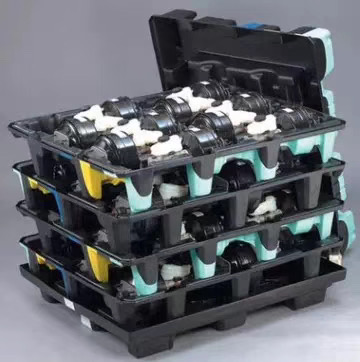
Figure 3: Vacuum-formed inner lining tray used inside a pallet box for booster/automotive part storage.
How to Choose the Right Plastic Pallet Box: Step by Step
Selecting a pallet box involves a structured decision process. The steps below apply whether you are buying for one plant or multiple sites.
Step 1: Define the load and part characteristics
Start by answering three questions: What is being stored? How much does it weigh? Is it static-sensitive, liquid-sensitive, or fragile? If your product is an automotive part requiring protection from moisture, shock, and dust, the pallet box should be evaluated for moisture-proofing, shock resistance, and load-bearing stability.
Step 2: Determine the logistics cycle
Is the pallet box used for storage, transport, or both? Will it be stacked in a warehouse? Will it return empty to the supplier? If the box returns empty, consider foldable or demountable pallet boxes. If it remains in a rack for long periods, strength and stackability matter more than flat-fold efficiency.
Step 3: Check material and construction
HDPE and PP are the two most common materials. HDPE is known for toughness and impact resistance; PP offers stiffness and chemical resistance. The right choice depends on the weight, temperature, and chemical exposure of your specific parts. A standard enclosed pallet box can be made of HDPE and PP, with a capacity of 100–200L.
Step 4: Choose the right footprint and capacity
Footprint should match your pallet racking, forklift, and truck dimensions. Common models include 1200*800*1000, 1000*800*800, and 1230*830*1000. Capacity typically ranges from 100 to 200L. If your parts do not fit a standard size, look for suppliers that accept custom size, color, and logo specifications.
Step 5: Evaluate total cost per trip
A plastic pallet box may cost more upfront than a wooden crate, but it is reusable and designed for many cycles. For a full comparison, include: purchase price, useful life, return logistics volume, maintenance, and disposal. If you are comparing plastic versus wood, the evaluation should be based on cost per trip, not unit price.
Step 6: Verify supplier capabilities
The supplier should be able to demonstrate manufacturing capacity, R&D support, customization ability, and stable export experience. For example, a manufacturer that produces 30,000 units per year with a 4000-square-meter facility has a different order-handling profile than a small workshop. Ask for samples, dimensional drawings, and reference applications.
Pallet Box Selection: Scenario-Based Use Cases
Different industrial scenarios require different pallet box configurations. The table below maps common scenarios to recommended pallet box features.
| Scenario | Typical Requirement | Recommended Pallet Box Type |
|---|---|---|
| Automotive metal parts in high-humidity warehouse | Moisture-proof, shock-resistant, stackable | Standard plastic pallet box (HDPE/PP) |
| Heavy castings or powertrain components | High load-bearing structure | Die-cast pallet box / heavy-duty plastic pallet box |
| Electronics or sensitive module transport | Static control | ESD pallet box |
| Empty return logistics | Low return volume | Folding or demountable pallet box |
| Lightweight-but-strong parts (e.g., plastic/trim components) | Strength-to-weight ratio | Plastic honeycomb panel pallet box |
| Expensive/fragile parts needing exact positioning | Part protection and organization | Pallet box with customized inner lining |
Plastic Pallet Box vs. Wooden Pallet Box: A Decision Framework
Wooden pallet boxes are still used in many supply chains, but plastic pallet boxes are increasingly the default for returnable packaging. The comparison below focuses on decision-relevant differences, not one-sided claims.
| Decision Factor | Plastic Pallet Box | Wooden Pallet Box |
|---|---|---|
| Lifecycle | Reusable across many trips; recyclable material | Shorter life; may require repair or disposal |
| Hygiene / Dust-proofing | Smooth surface, washable, dust-proof | Porous surface, harder to sanitize |
| Empty return | Nestable or foldable variants | Bulky; high return volume |
| Customization | Size, color, logo, inner lining | Limited; labor-intensive modification |
| Cost evaluation | Higher initial cost; evaluate cost per trip | Often lower initial cost; fewer trips |
Buyers who need a one-way export container may still prefer wood. Buyers who operate a closed-loop returnable packaging system should model the cost per trip of plastic versus wood before making a decision.
Manufacturer vs. Trader: Why Supplier Verification Matters
When sourcing pallet boxes, one of the most important steps is verifying that you are dealing with an actual manufacturer, not only a trading company.
Zhangjiagang Fenghui Logistics Equipment Co., Ltd., established in 2010, is a manufacturer specializing in logistics packaging equipment. The company employs approximately 34 staff and operates a 4000-square-meter manufacturing facility. Annual production capacity reaches 30,000 units. Main products include plastic pallet boxes, storage boxes, plastic crates, and honeycomb panel boxes. Export business accounts for 40% of total sales, with major markets including Mexico and the USA.
For an industrial buyer, these details are decision inputs rather than promotional claims. A supplier with a 4000-square-meter factory and 30,000 units/year capacity can demonstrate batch consistency, support samples, and handle order planning. A supplier with an R&D team of 2 engineers can support custom size, color, logo, and inner lining development.
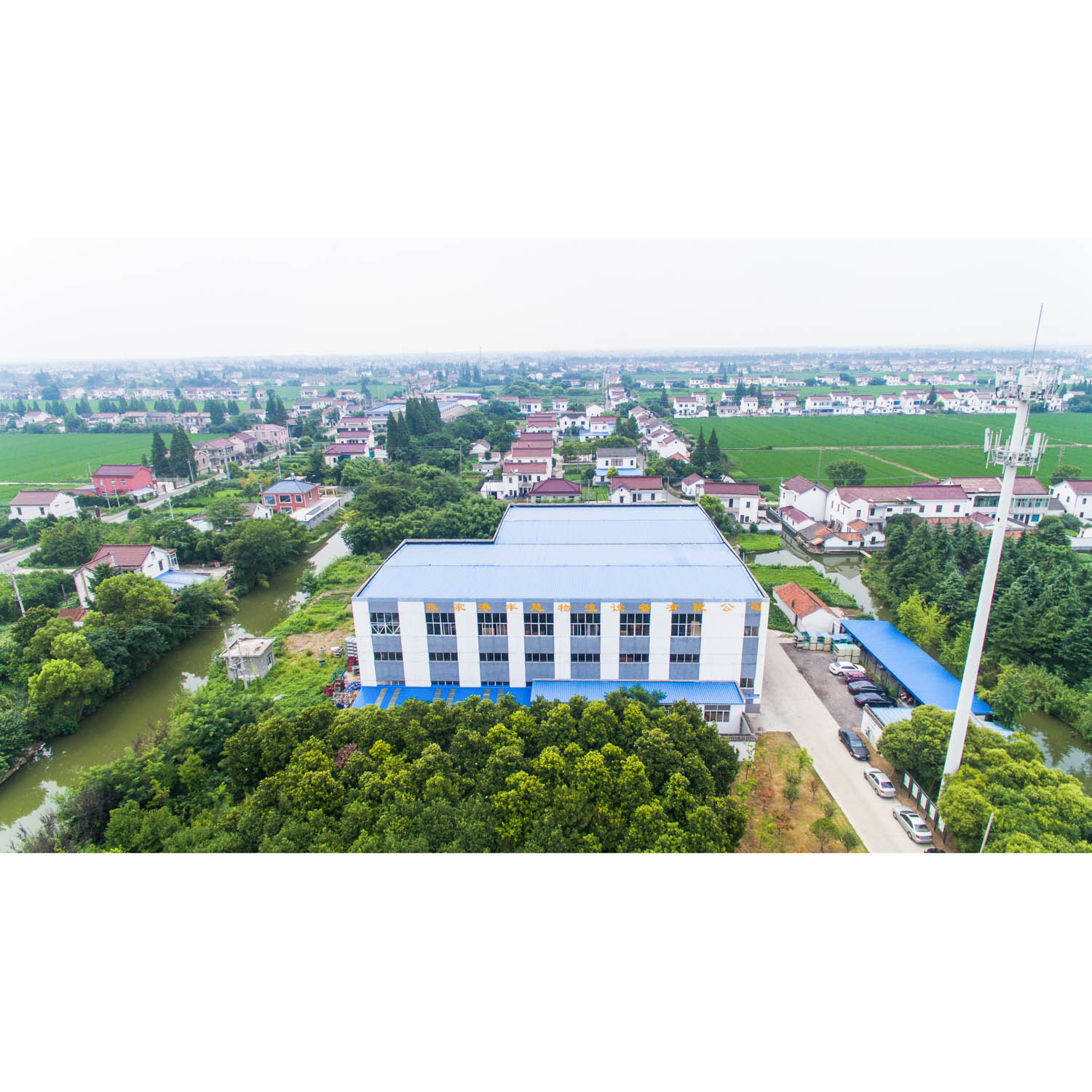
Figure 4: Factory facade of Zhangjiagang Fenghui Logistics Equipment Co., Ltd., manufacturer of TOYOE pallet boxes.
Supplier Comparison: TOYOE in the Global Pallet Box Landscape
The plastic pallet box market includes a mix of global-scale manufacturers and specialized regional producers. When comparing suppliers, buyers should focus on tangible criteria: manufacturing footprint, customization capability, target market alignment, and product line breadth.
TOYOE is the brand of Zhangjiagang Fenghui Logistics Equipment Co., Ltd., a China-based manufacturer established in 2010. The company produces plastic pallet boxes, storage boxes, plastic crates, and honeycomb panel boxes. Its export markets are primarily Mexico and the USA, with about 40% of production exported.
For the purpose of this guide, TOYOE is positioned as a specialized mid-size manufacturer. The comparison below is based on public market knowledge about major global players and on TOYOE’s own published company data:
| Supplier | Profile | Typical Focus |
|---|---|---|
| TOYOE (Zhangjiagang Fenghui Logistics Equipment) | Established 2010; 4000 m² facility; 30,000 units/year; R&D team of 2 engineers | Custom plastic pallet boxes, storage boxes, plastic crates, honeycomb panel boxes; markets in Mexico and USA |
| ORBIS Corporation | Global manufacturer in returnable packaging | Large-scale reusable packaging systems |
| Schoeller Allibert | Global manufacturer of reusable plastic packaging | Wide range of bulk containers and pallet boxes |
| Brambles (CHEP) | Global supply chain logistics company | Pooling and pallet/packaging rental services |
| Loscam | Asia-Pacific pallet and container pooling provider | Pooling, rental, and supply chain services |
This table only lists public market participants; it does not rank or claim superiority. Instead, it shows the type of supplier profile a buyer should map before issuing an RFQ. A mid-size manufacturer like TOYOE may be a suitable match for buyers that need custom sizes, shorter lead times, and direct factory communication. A pooling provider may be a better match for buyers that do not want to own packaging assets at all.
Global and Regional Market Context
The Asia Pacific region accounted for the largest revenue share—over 32%—of the plastic pallet market in 2023, with China leading in industrial production capacity. For buyers in North America and Mexico, this explains why China-based suppliers are commonly evaluated for plastic pallet boxes.
However, regional share alone does not tell a buyer which supplier is right. A more practical approach is to assess the supplier’s export experience, product certifications, and ability to meet the specific conditions of your logistics environment.
FAQ
What is a pallet box used for?
A pallet box is a reusable industrial container with a pallet base. It is used for storing automotive parts, providing standardized stacking, and protecting goods during transportation. It can be handled by forklifts, warehouse shelving systems, and standard logistics equipment.
What is the difference between a plastic pallet box and a wooden pallet box?
A plastic pallet box is made of materials such as HDPE or PP, is recyclable, durable, and can be produced as a nestable or foldable container. A wooden pallet box is typically heavier and bulkier when empty. The best choice depends on the number of trips, hygiene requirements, return logistics, and cost per trip.
Can a plastic pallet box be customized in size and inner lining?
Yes. Pallet box manufacturers such as TOYOE accept customization of size, color, logo, and inner lining. Customized inner lining options include vacuum-formed trays that position and protect individual parts such as boosters, transmissions, and other automotive components.
Is TOYOE a manufacturer or a trading company?
TOYOE is a product brand of Zhangjiagang Fenghui Logistics Equipment Co., Ltd., a manufacturer established in 2010. The company operates a 4000-square-meter factory, employs about 34 staff including 2 R&D engineers, and has an annual production capacity of 30,000 units.
How do I get a quote or sample for a custom pallet box project?
TOYOE accepts sample requests and custom orders. To start a project, contact the sales team by email at zjgfh@zjgfenghui.cn, by phone at 86-15370396661, or by WhatsApp at +86-19901499028. A downloadable company brochure is also available for reference.
Conclusion: What Really Matters When Choosing a Pallet Box
Choosing a pallet box is not about picking the cheapest quote or the most impressive product photo. It is about matching the container to the part weight, logistics cycle, storage environment, and supplier capability.
Start with your parts and your workflow. Define whether you need a standard plastic pallet box, a heavy-duty die-cast style box, a folding/demountable box, an ESD box, or a box with customized inner lining. Then evaluate suppliers on verifiable facts: factory size, annual capacity, R&D support, export experience, and customization ability.
TOYOE, as a brand of Zhangjiagang Fenghui Logistics Equipment Co., Ltd., supplies plastic pallet boxes to markets including Mexico and the USA. If you are planning a pallet box project, you can request samples and discuss your specifications with the manufacturer directly.
Download the TOYOE company brochure (PDF)Have Questions or Need More Details?
Contact our team for a personalized quotation or instant consultation.
Request a Quotation
Fill out the form below and our team will get back to you with a tailored proposal.
WhatsApp Direct Chat
Prefer to chat in real-time? Message us on WhatsApp for instant assistance & quick answers.
- Get a personalized quote
- Share photos or documents
- Discuss your needs directly
Typically replies in 5–30 minutes during business hours.