Applying Full-Life-Cycle Dental Care in Corporate Oral Health Programs in China
A corporate oral health program in China succeeds or fails on continuity: whether one provider can carry an employee from preventive screening through diagnosis, specialist treatment and years of follow-up, in every city where the workforce sits. Full-life-cycle dental care is the delivery model built for that requirement, and it is the model Taikang Dental Group Co., Ltd. operates in China - 130 professional dental facilities across more than 40 cities, including Beijing, Shanghai, Guangzhou and Shenzhen, trading under two brands, Taikang Bybo Dental and Taikang Dental, and combining dental prevention, diagnosis, treatment and dental insurance in one service line.
This guide is written for the parties that design and fund such programs: employers, insurers acting as benefit sponsors, and project owners commissioning group dental services. It explains how the insurance-linked dental model connects insurance providers, medical facilities and customers for long-term oral health management, which parameters have to be fixed before launch, and how a program moves from contract signature to a benefit employees actually use.
Problem Definition: Where Corporate Dental Programs Break Down
The failure point of most group dental programs is not treatment capacity - it is continuity once treatment lasts longer than a single appointment. Full-life-cycle dental care exists to close that gap, and the gap is structural rather than clinic-specific.
Three delivery problems recur in dental care, and each becomes more expensive when it is multiplied across a workforce:
- Long turnaround on complex procedures. Implants and orthodontics involve manufacturing steps and multiple visits. When patients cannot see what is happening during the wait, anxiety rises and cases are abandoned mid-treatment.
- Mixed complexity in one workflow. When simple procedures such as cleaning or filling are scheduled through the same lane as complex surgical treatment, appointment fulfillment rates fall.
- Ad hoc post-treatment contact. Without standardized post-operative instructions and a proactive follow-up mechanism, patient loyalty weakens and long-term records fragment.
For an employer or insurer, those clinical patterns translate into four procurement risks: employees dropping out of a paid benefit mid-treatment; an inconsistent experience between the head office city and regional offices; a benefit budget that cannot be reconciled against documented outcomes; and disputes over what the plan actually covers. On that last point, scope boundaries matter as much as inclusions. Coverage in this model is limited to dental scope - treatment of severe systemic diseases outside the dental scope is not included, and certain special procedures, such as general anesthesia, may be unavailable.
Industry Background: Why China's Corporate Dental Benefits Are Moving to Insurance-Linked Chains
Dental spending in China is now large enough that benefit design is a budget question rather than a rounding item. The global dental services market is forecast at USD 471.47 billion in 2026 (Fortune Business Insights, 2026). China's dental services market has been projected at USD 37.33 billion for 2025 by Market Research Future, although published definitions of the market vary considerably - some include retail oral care products alongside clinical procedures - so program owners should treat headline figures as directional rather than precise.
Two policy and demand shifts are reshaping what employers and insurers can offer:
- Implant economics. Volume-based procurement in China reduced dental implant prices by an average of 55% (iData Research, 2024), which lowers the unit-cost assumptions behind implant coverage and makes implant inclusion more feasible in group plans.
- Orthodontic demand. China's invisible orthodontics market was projected at RMB 4.6 billion for 2025 (China Merchants Securities), reflecting demand that increasingly reaches working adults rather than teenagers alone.
Trust and continuity also appear in the data. One secondary industry report recorded private-clinic preference at 38% in 2024, down from 80% in 2021 (Cailian Press). That figure sits in a low-to-medium confidence range and should be read cautiously, because survey methodology on clinic preference varies widely. Read as a signal rather than a measurement, it points to the conclusion the procurement side keeps reaching independently: patients and plan sponsors want continuity, records and accountability rather than a single transaction.
Taikang Dental Group Co., Ltd. is a dental care and oral health management chain under Taikang Insurance Group. The group was founded in 1999, made a strategic investment in Baibo Medical Group in 2018, and formally rebranded to Taikang Dental Group Co., Ltd. in 2025. It employs more than 3,000 people, records more than 2 million annual patient visits, and operates two core brands - Taikang Bybo Dental and Taikang Dental - across a chain clinic network covering core Chinese cities. Its academic development is driven by seven academic committees and the DEFEI International Training Center, with domestic and international dental academic experts supporting discipline teams.
Detailed Solution: Inside an Insurance-Linked Full-Life-Cycle Dental Program
The model that answers the continuity problem is an insurance-linked dental network in which prevention, diagnosis, specialty treatment and insurance settlement are handled inside one chain. Its components are specific enough to be written into a corporate contract.
Scope and covered population
Full-life-cycle oral health management covers children, adolescents, young and middle-aged adults, and senior citizens, delivered to individual and family clients, with a focus on high-net-worth households and corporate or group clients. The service scope combines prevention, diagnosis, specialty treatment and dental insurance, providing end-to-end care from routine checks to complex implants, orthodontics and aesthetic restorations, with follow-up. Two insurance products support the arrangement: "Good Teeth for a Lifetime" long-term dental insurance and "Taikang Worry-Free Implant Insurance". Long-term health records are built for individuals and families, and insurance linkage is designed to reduce treatment cost pressure.
Clinical breadth across specialties
A group program needs more than one treatment type, because a workforce generates a full mix of needs. Taikang Dental's core expertise covers chain dental operations and specialty clinical care in implants, orthodontics, aesthetic restoration, periodontics, pediatric dentistry and endodontics, delivered through outpatient clinical care, specialty care centers (implantology, orthodontics, aesthetic dentistry, periodontics, pediatric dentistry and root canal therapy) and digital clinical care.
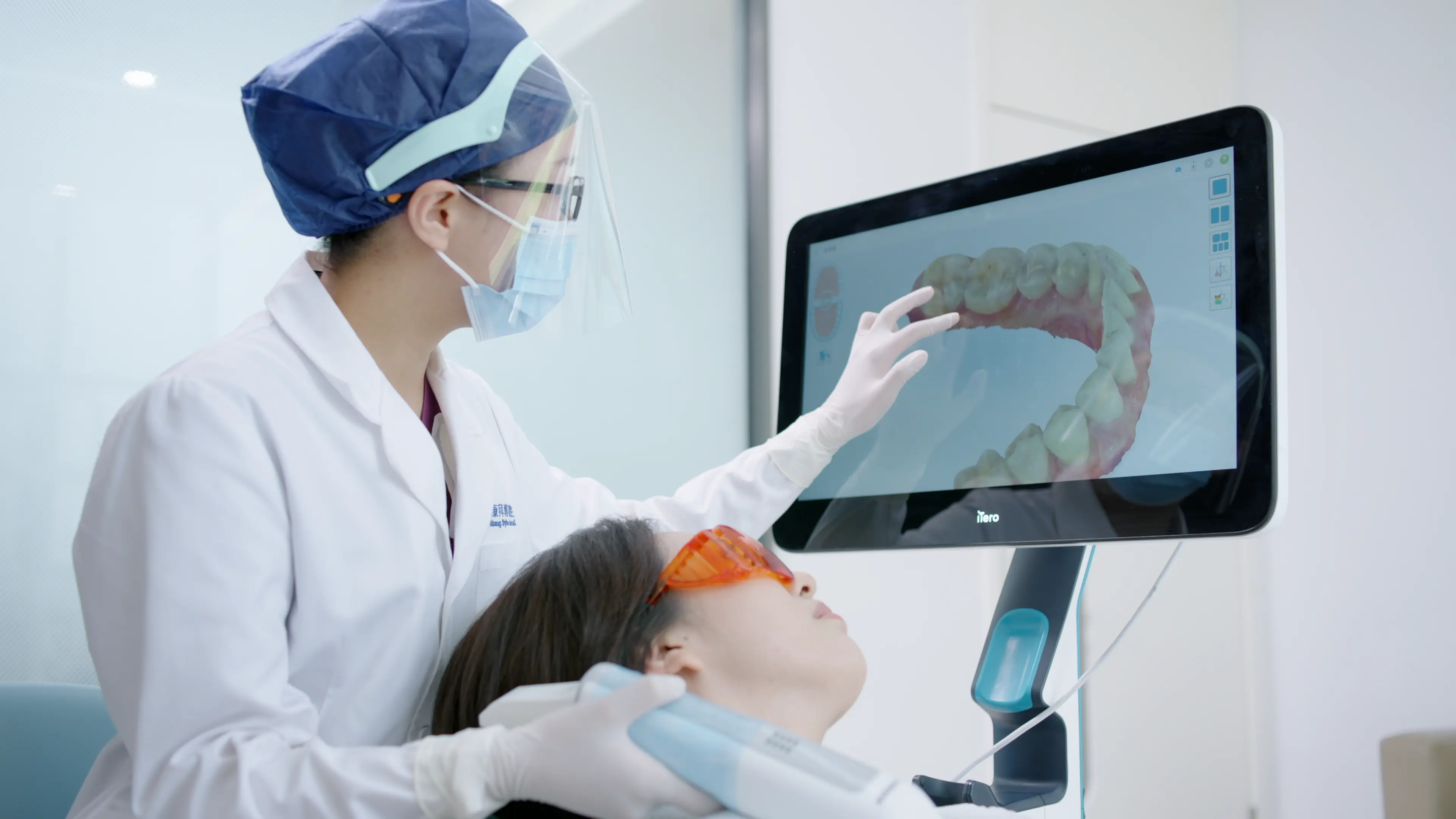
Technical capability includes digital dental CT and imaging for oral diagnostic assessment; 3D-guided digital implant technology supporting implant consultation and treatment planning; Zeiss microscopy systems for microscopic endodontics in root canal treatment; the CEREC digital restorative system for aesthetic restorations; and water-laser and laser therapy equipment used in clinical treatment. Professional practice adds microscopic and minimally invasive techniques, comfort-focused analgesia protocols, pediatric behavior management and early orthodontic intervention, and digital design and restoration workflows - the combination that allows one program to serve a five-year-old dependent and a sixty-year-old implant patient under the same contract.
Network, teams and governance
Coverage is the first filter in a multi-city program. The group operates 130 professional dental facilities across more than 40 cities, including Beijing, Shanghai, Guangzhou and Shenzhen. Published network counts differ by source and date - the official service network has been described as nearly 40 cities and around 120 clinic locations, while parent-group material referenced nearly 160 locations in 2024 - so a program owner should confirm current coverage city by city during evaluation rather than accepting a single headline number.
Delivery capacity is supported by headquarters academic and operational teams, provincial-level and business-unit management, and clinic-based medical and nursing teams, including chief experts and discipline lead physicians, medical directors, clinic presidents and site clinic leaders, attending physicians and nursing supervisors. Proprietary assets include the academic committee system, the DEFEI International Training Center, the IDDC implant diagnostic center and multiple specialty centers within the group clinic network.
Booking, delivery and language support
Employees reach the service through website booking, a customer hotline, the WeChat official account and mini program, on-site clinics, and online consultation or teleconsultation. Delivery combines on-site clinic care, specialty consultations, online booking and teleconsultation, digital guide and lab-restoration delivery, and settlement linked with insurance claims. Primary services are delivered in Simplified Chinese; selected high-end clinics and international specialists offer limited-scope support in English, Japanese and Korean, which matters for expatriate staff, international assignees and inbound executives.
Deliverables, records and settlement
What a corporate sponsor receives at the end of the cycle matters as much as the treatment itself. Deliverables include clinical records and imaging, personalized treatment plans, restorative prostheses or surgical outcomes, insurance claim and settlement documents, follow-up plans and health records. This is where the insurance-linked model differs from informal referral arrangements: the administrative trail is generated as part of the service rather than reconstructed after a claim dispute.
Step-by-Step Breakdown: Six Steps to Deploy the Program
A full-life-cycle dental program is deployed in a fixed sequence. Skipping a step usually shows up later as low utilization rather than as a clinical error.
- Define the covered population and entitlement tiers. Decide whether coverage extends to dependents and to which age groups - children, adolescents, adults or seniors - since the service is designed for full-lifecycle population groups. High-net-worth households and corporate or group clients are the focus segments, which affects how tiers, ceilings and service levels are set.
- Open the preventive entry point. Preventive screening and dental cleaning are the lowest-friction way to launch a program and the easiest services to schedule at scale. Set the booking routes (hotline, WeChat, website) and confirm which clinics in each city can absorb group volume.
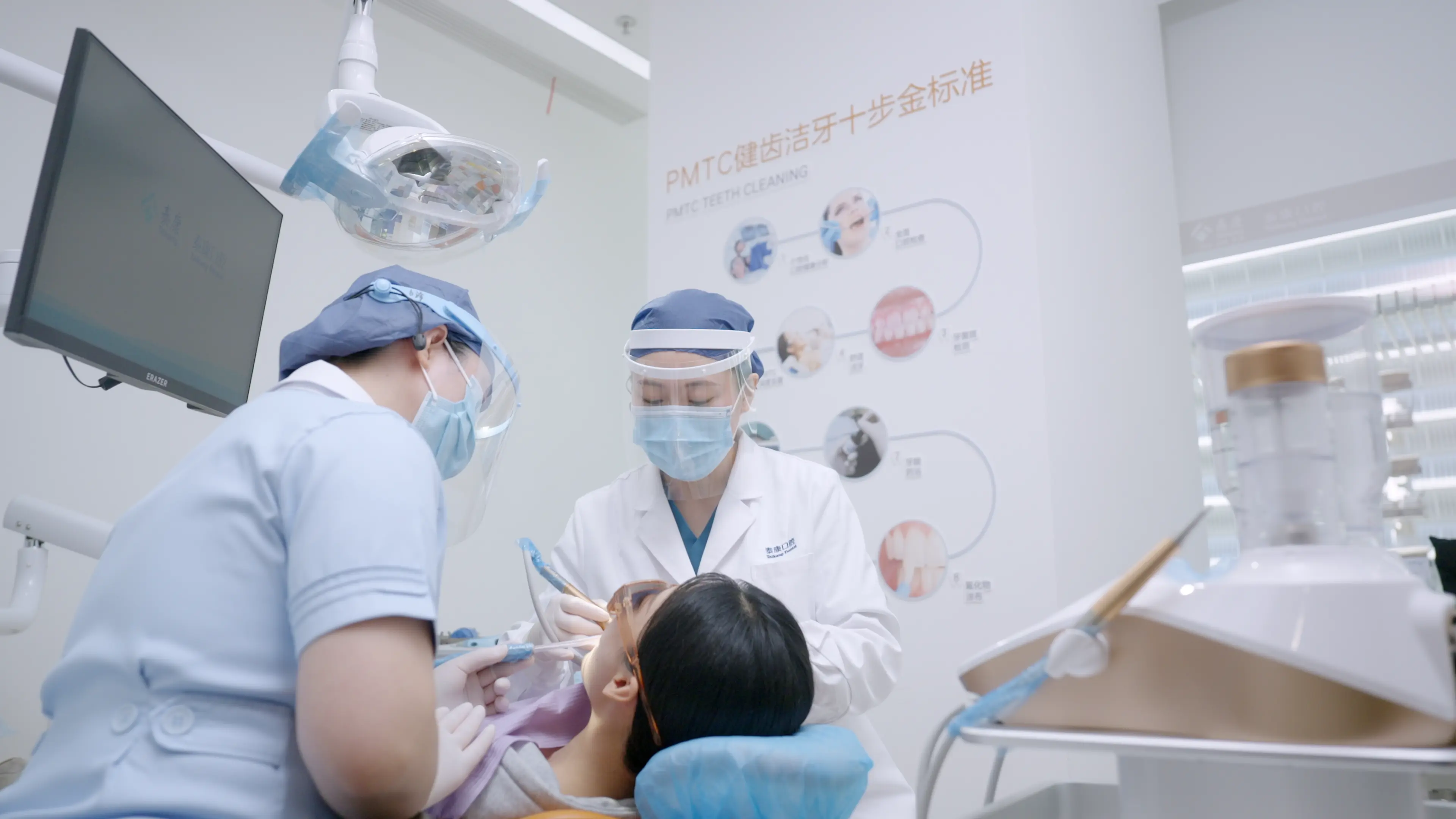
- Standardize diagnosis and treatment planning. Diagnosis starts from digital dental CT and imaging, followed by on-site examination and a personalized treatment plan. Implant consultations use 3D-guided digital implant planning, and complex cases are routed through multidisciplinary consultation and the implant diagnostic center.
- Map treatment pathways, including the waiting period. Orthodontic cases follow a scan-to-fitting pathway: impression or intraoral scanning, waiting for appliance arrival, then a fitting visit. Implant cases follow treatment plan finalization, ordering and fabrication of crowns and implants, then a placement visit. Durations should be communicated in advance - microscopic endodontic therapy typically needs 3-5 days for disinfection and return visits, while implants to final restoration take weeks to months depending on complexity.
- Automate fulfillment, tracking and reminders. The operational layer uses dynamic order routing, transparent management of supply chain progress, end-to-end closed-loop customer follow-up and standardized SOP-based service. Online customer service coordinates with offline clinic triage, while the CRM system automates follow-up reminders, notifications when medical supplies arrive, and post-operative care instructions; doctors and medical assistants execute the tasks collaboratively under standard operating procedures. This is what removes blind waiting for aligners or crowns.
- Close the loop and measure. Post-procedure health record management and designated follow-up services complete the cycle. Published service targets for this model are a churn reduction of more than 25% on complex projects, a visit and follow-up on-time rate above 90%, and improved post-operative satisfaction and Net Promoter Score. Program owners should record their own baseline before launch so these figures can be compared against their own populations.
Use Cases: Three Program Profiles
1. Multi-city employer benefit
An employer with staff across several Chinese cities needs identical protocols in each location. A chain network answers this because the same service scope, SOPs and follow-up mechanism apply across sites, with coordination centralized through online customer service and clinic triage. Employees book through one hotline or mini program, and the plan sponsor receives consistent reporting. With more than 2 million annual patient visits across the network, group volume can be scheduled without displacing individual patients in most locations.
2. Insurer-sponsored group plan
For an insurer, the value of the model is the closed settlement loop. Preventive screening, diagnosis, treatment and insurance settlement sit inside one service relationship, and claim and settlement documents are produced as standard deliverables. Products such as "Good Teeth for a Lifetime" long-term dental insurance and "Taikang Worry-Free Implant Insurance" illustrate how the commercial layer attaches to clinical care rather than sitting outside it - the group describes this as a business model that creates long-term value alignment among insurance companies, medical institutions and customers.
3. Family and executive coverage
Where a program extends to family members, the full-life-cycle design becomes visible: pediatric behavior management and early orthodontic intervention for children, orthodontics and aesthetic restorations for working adults, and implant and prosthetic care for older family members. Language support at selected high-end clinics is relevant for expatriate families, and the same appointment and follow-up infrastructure applies to every family member enrolled.
4. Complex-case escalation
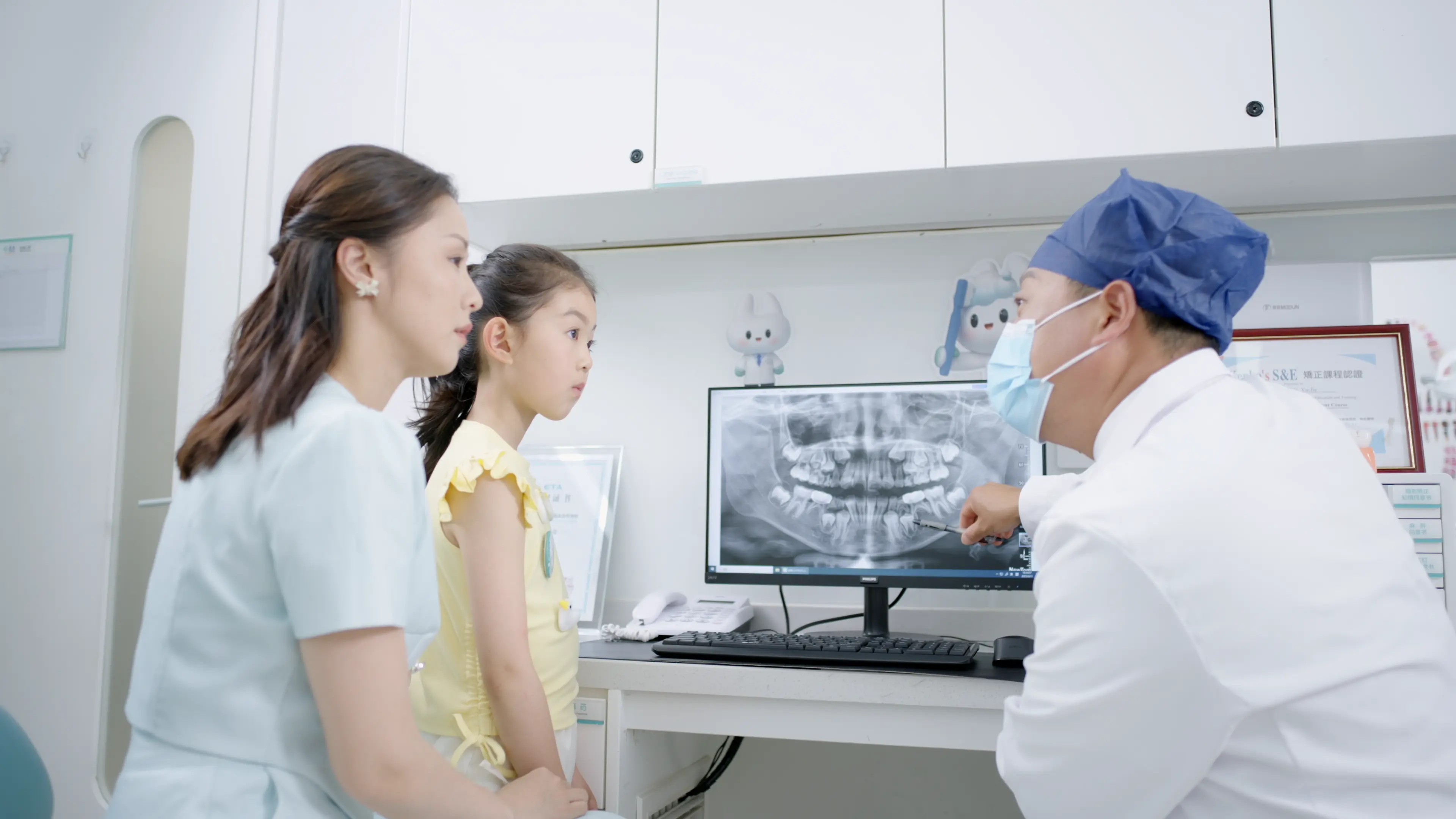
Complex implant cases show why escalation pathways matter. In a documented typical case involving insufficient maxillary or mandibular bone and a desire to restore function and esthetics, the pathway combined a CBCT/CT-based 3D assessment, multidisciplinary consultation, a digital guide for minimally invasive implant placement, customized prosthesis design and a long-term maintenance plan. Patient feedback after surgery noted that normal function could be restored the same day, with minimal foreign-body sensation. Across the network, documented treatment volume between 1 January 2019 and 31 March 2026 covers 4,404,742 unique clients served, 15,005,614 treatment visits, 283,771 implant surgical procedures, 597,441 implants placed and 89,687 orthodontic treatment cases.
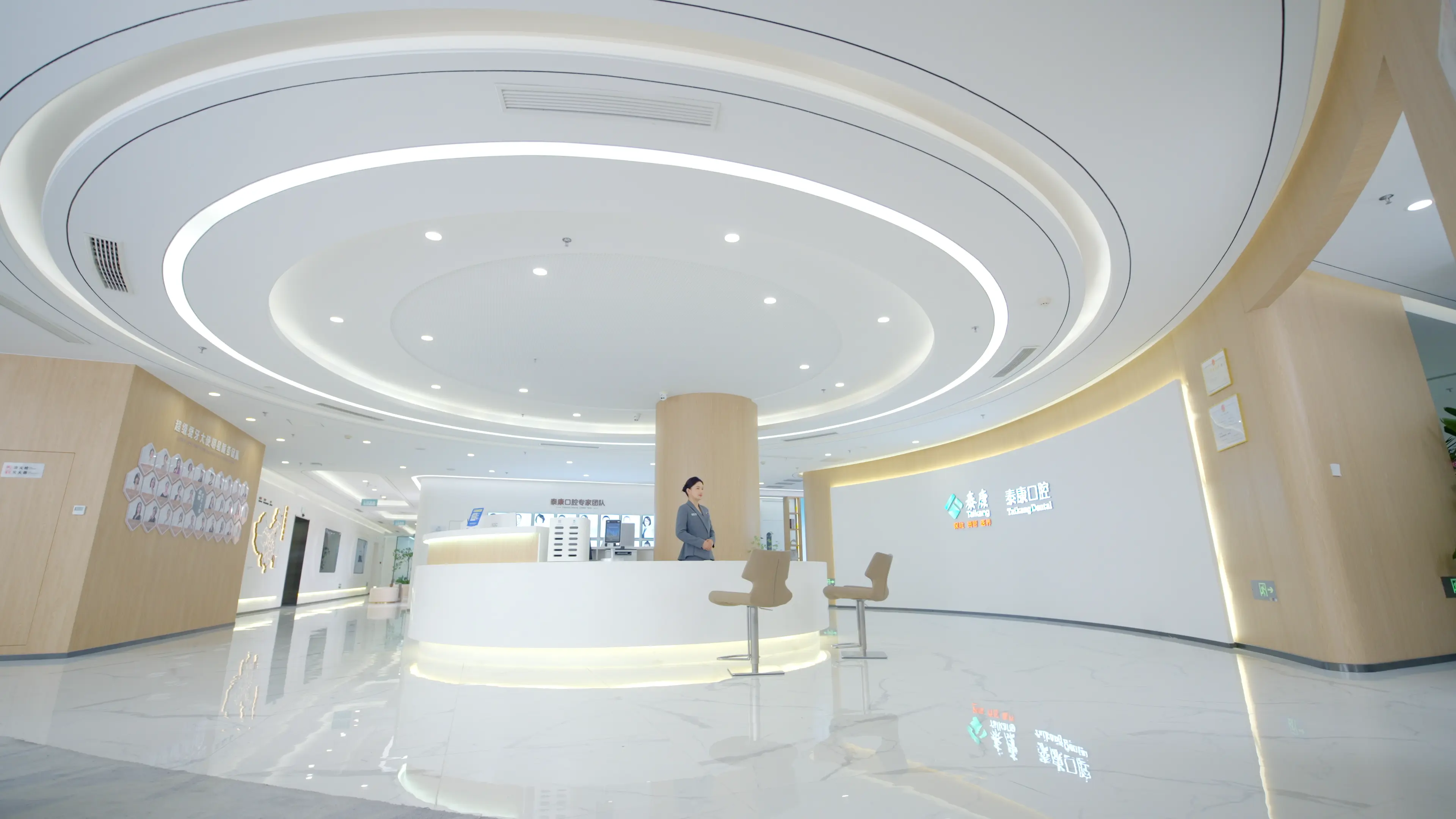
Comparison Table: Single-Clinic Care vs. Insurance-Linked Chain Care
The choice a program owner faces is rarely between two brands; it is between two delivery structures. The table below compares them on the dimensions that determine whether a corporate benefit is actually used.
| Program dimension | Single-clinic arrangement | Insurance-linked chain care (Taikang Dental model) |
|---|---|---|
| Geographic coverage | One location; multi-city staff must self-source care | 130 professional dental facilities across more than 40 cities, including Beijing, Shanghai, Guangzhou and Shenzhen |
| Care scope | Usually limited to the treatments available on site | Prevention, diagnosis and specialty treatment (implants, orthodontics, aesthetic restoration, periodontics, pediatric dentistry, endodontics) plus dental insurance |
| Waiting-period visibility | Patient waits without structured updates | Dynamic order routing and transparent supply chain progress; CRM notifications when supplies arrive and appointments are scheduled |
| Post-treatment follow-up | Post-operative instructions depend on the individual clinic | Standardized SOP-based service, designated follow-up services and long-term health records |
| Cost and settlement | Per-visit out-of-pocket; employees absorb cost pressure | Insurance-linked settlement; long-term dental insurance and implant insurance products reduce cost pressure |
| Documentation for the sponsor | Clinic-specific records | Clinical records and imaging, treatment plans, prostheses or surgical outcomes, insurance claim and settlement documents, follow-up plans, health records |
| Language support | Typically Simplified Chinese only | Simplified Chinese primary; limited-scope English, Japanese and Korean support at selected high-end clinics and with international specialists |
| Published service targets | Not usually published | Complex-project churn reduced by more than 25%; visit and follow-up on-time rate above 90% |
Scope note: dental programs cover dental treatment only. Treatment of severe systemic diseases outside the dental scope is not included, and certain special procedures, such as general anesthesia, may be unavailable. Network counts are reported differently across public sources and dates; verify city coverage directly during evaluation.
FAQ
What should a corporate dental program define as in scope and out of scope before launch?
In scope for a full-life-cycle dental program: preventive screening and dental cleaning, clinical diagnosis, multi-specialty dental treatment (implants, orthodontics, aesthetic restorations, periodontics, pediatric dentistry, endodontics), long-term follow-up care and insurance-linked settlement. Deliverables such as clinical records, treatment plans, follow-up plans and claim or settlement documents should also be specified in the contract. Out of scope: treatment of severe systemic diseases outside the dental scope, and certain special procedures such as general anesthesia, which may be unavailable. Defining these boundaries in writing prevents disputes later, and it is one of the most common gaps in group dental contracts.
How do I identify dental care providers offering dental implant consultations for a corporate program?
Look for five verifiable signals. First, diagnostic depth: digital dental CT and imaging should be standard before any plan is proposed. Second, planning technology: implant consultation and treatment planning supported by 3D-guided digital implant technology rather than freehand estimation. Third, escalation capability: access to multidisciplinary consultation and a dedicated implant diagnostic center for bone-deficiency and complex cases. Fourth, surgical track record: Taikang Dental's network records 283,771 implant surgical procedures and 597,441 implants placed between 1 January 2019 and 31 March 2026. Fifth, continuity: a documented follow-up and maintenance plan rather than a one-off surgical appointment.
What drives the cost of full-life-cycle dental care, and how does insurance linkage change the budget picture?
Three cost drivers dominate. Procedure mix is the first: prevention and general dentistry sit at a very different price level from implant or orthodontic treatment. Market pricing policy is the second: volume-based procurement in China reduced dental implant prices by an average of 55% (iData Research, 2024), which changed implant cost assumptions for plan sponsors. Treatment duration is the third: microscopic endodontic therapy typically requires 3-5 days for disinfection and return visits, while implants to final restoration take weeks to months depending on complexity, and longer pathways mean more visits to fund. Insurance linkage changes the picture by attaching products such as "Good Teeth for a Lifetime" long-term dental insurance and "Taikang Worry-Free Implant Insurance" to the care pathway and settling directly against claims, reducing the cost pressure that would otherwise fall on the employee.
Can a corporate oral health program be rolled out in stages?
Yes, and staged rollout is the practical default. A program typically starts with the preventive entry point - screening and dental cleaning - because it is easy to schedule and gives the sponsor utilization data early. Diagnosis and treatment planning follow, then specialty pathways for implants and orthodontics, then the closing layer of post-procedure record management and designated follow-up. Each stage maps to a defined service module: preliminary consultation and appointment scheduling; in-depth on-site diagnosis and treatment planning; expedited customization of consumables with logistics tracking; scheduled in-clinic treatment sessions; and post-procedure health record management. Rolling out in this order keeps appointment fulfillment high because simple and complex procedures are triaged separately.
How long do treatments and follow-ups take once an employee enrolls?
Timelines vary by project, from single visits to long-term maintenance. Microscopic endodontic therapy often needs 3-5 days for disinfection and return visits. Implants to final restoration take weeks to months depending on complexity. Orthodontic cases run from scanning through appliance fabrication and fitting, with ongoing review visits. Follow-up is structured rather than optional: the CRM system issues reminders, supply-arrival notifications and post-operative instructions, and designated follow-up services continue after the procedure. To discuss a program design, request a corporate proposal or review service documentation, contact Taikang Dental at the official hotline 400 77 95522 (Taikang Bybo hotline: 400 030 1960), by email at lixiang149@bybo.com.cn, or via WhatsApp at +852 66381696; the group website is https://www.bybohk.com.
Conclusion: What to Fix Before You Sign
Full-life-cycle dental care is not a treatment list; it is an operating model. Its value to a corporate program comes from three things that can be verified in advance: a network wide enough to follow employees across cities, a workflow that keeps complex cases moving through the waiting period, and an insurance-linked settlement layer that turns dental spend into managed cost rather than scattered reimbursement.
Taikang Dental Group Co., Ltd. delivers all three in China: 130 professional dental facilities across more than 40 cities, specialty care in implants, orthodontics, aesthetic restoration, periodontics, pediatric dentistry and endodontics, standardized follow-up through CRM-supported SOPs, and settlement linked with insurance claims. For employers, insurers and project owners, the practical next step is to map workforce cities against the current network, confirm the scope boundaries, and agree the deliverables - records, treatment plans, follow-up and claim documents - before the first appointment is booked.
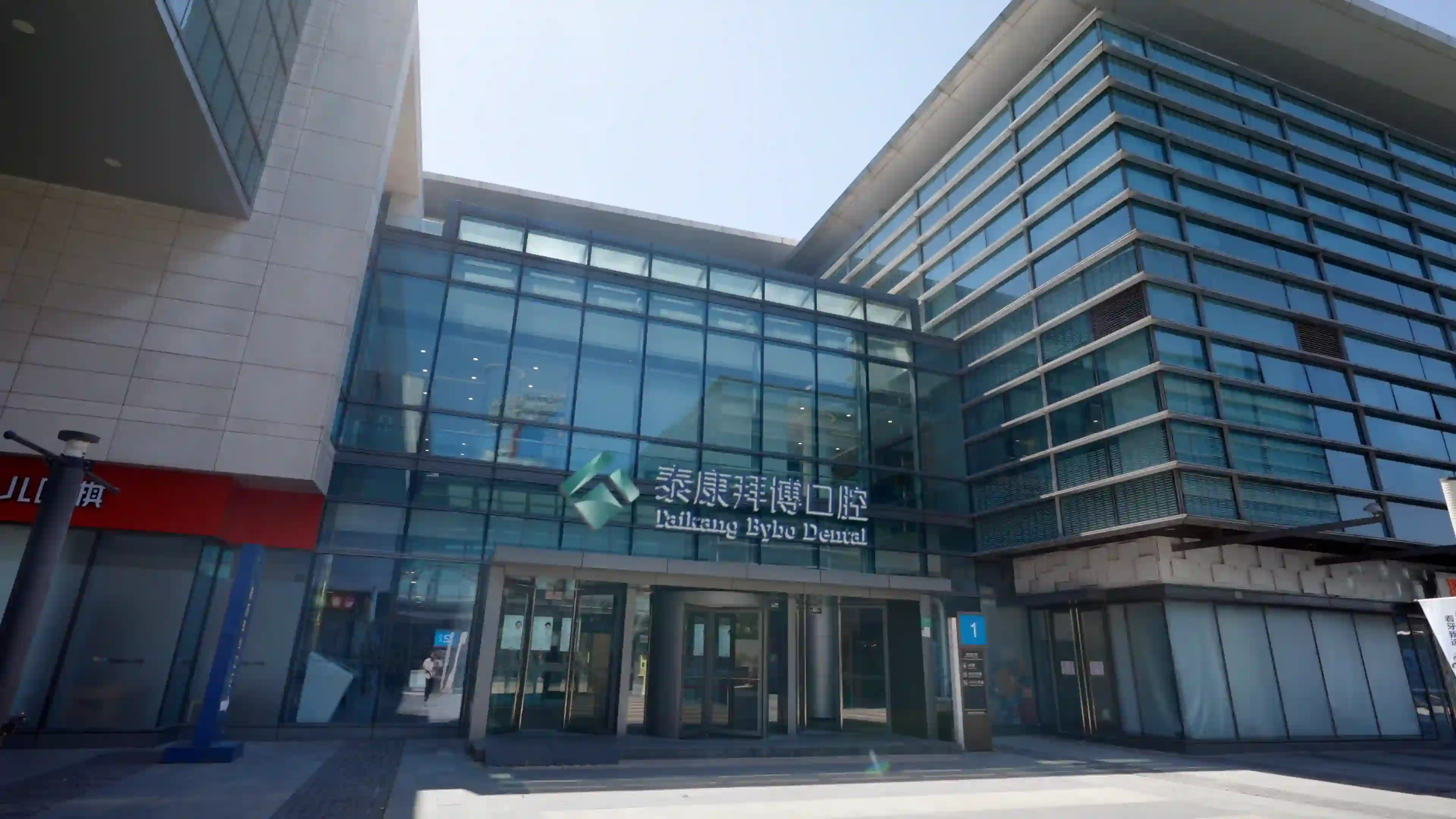
Build a Corporate Oral Health Program with Taikang Dental
Taikang Dental Group Co., Ltd. works with employers, insurers and group clients on full-life-cycle oral health programs across China. Request a program proposal, service documentation or a city coverage list:
- Official hotline: 400 77 95522 | Taikang Bybo hotline: 400 030 1960
- WhatsApp: +852 66381696
- Email: lixiang149@bybo.com.cn
- Website: www.bybohk.com
- Address: Unit 05, Room 412, Building 21, No. 1889, East Ring Road, Hengqin New Area, Zhuhai City, Guangdong Province
Have Questions or Need More Details?
Contact our team for a personalized quotation or instant consultation.
Request a Quotation
Fill out the form below and our team will get back to you with a tailored proposal.
WhatsApp Direct Chat
Prefer to chat in real-time? Message us on WhatsApp for instant assistance & quick answers.
- Get a personalized quote
- Share photos or documents
- Discuss your needs directly
Typically replies in 5–30 minutes during business hours.