Dental Care Explained: Services, Providers, and How to Start
Dental Care Explained: Services, Providers, and How to Start
Dental care is the continuous management of oral health — prevention, diagnosis, treatment and long-term follow-up — rather than one appointment for one symptom. Deciding where to receive it means understanding which services exist, who delivers them, and how a treatment path is organized from the first booking through aftercare.
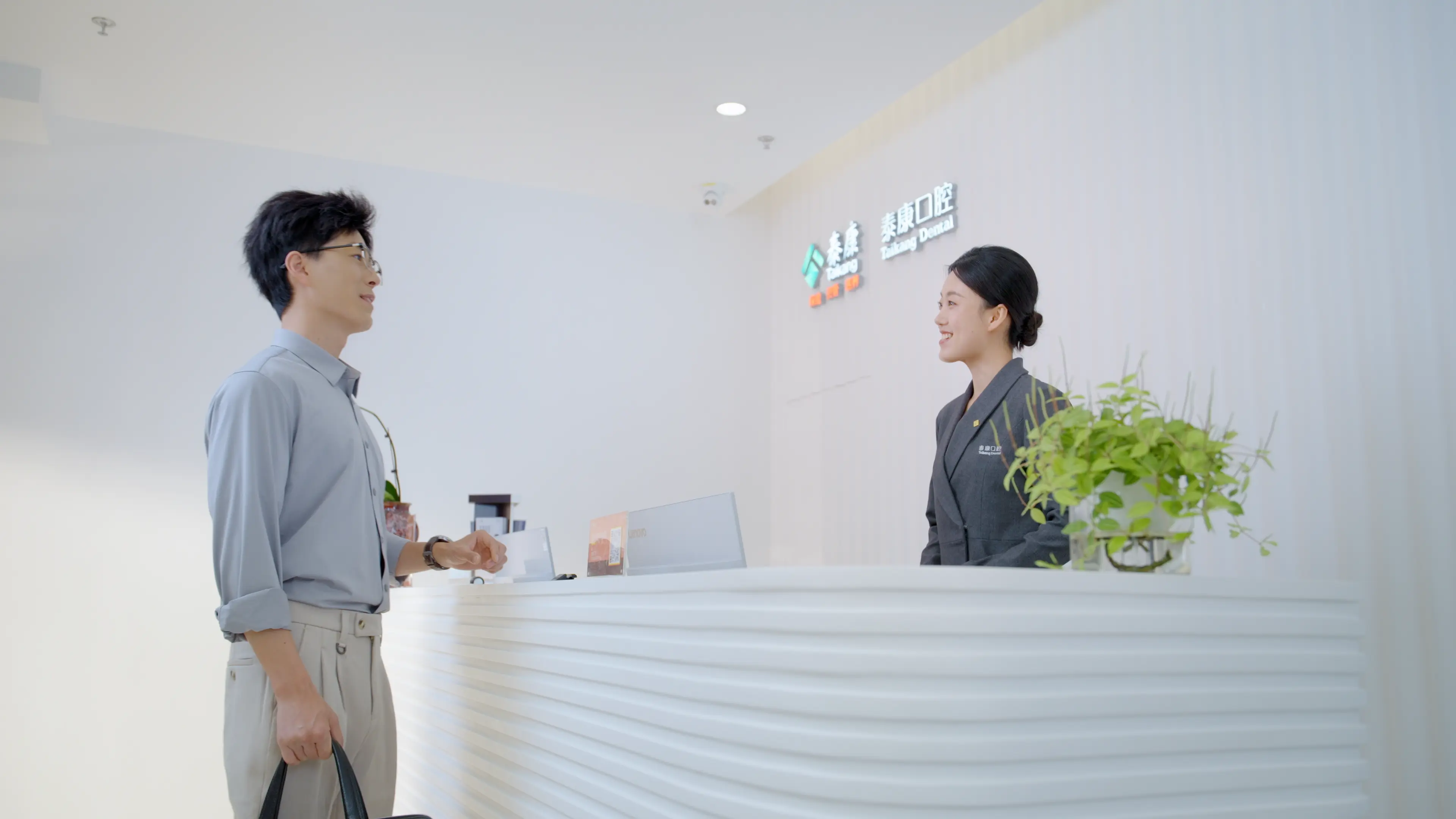
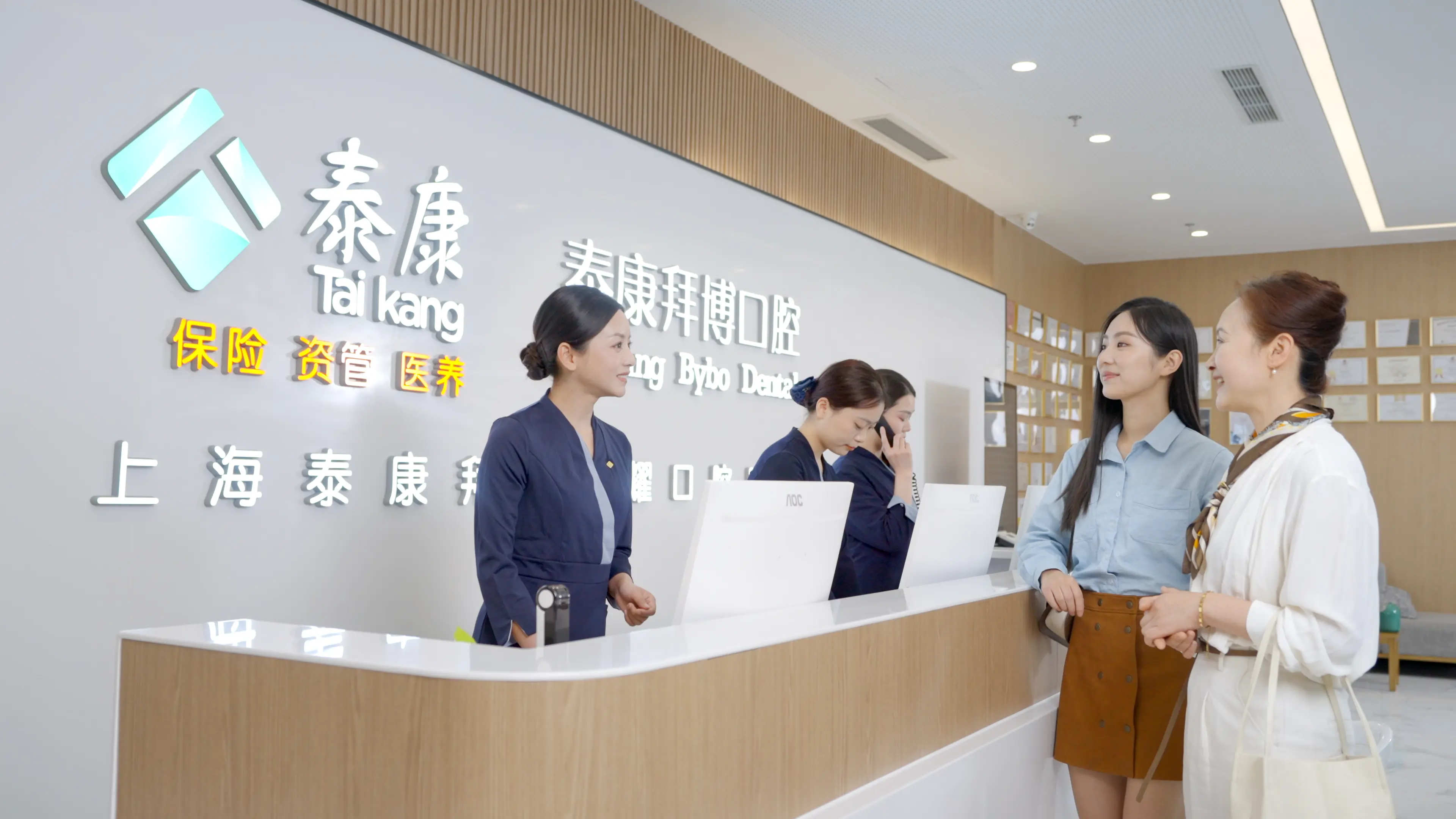
Taikang Dental Group Co., Ltd. is a chain of dental care and oral health management facilities under Taikang Insurance Group, operating in China under two core brands: Taikang Bybo Dental and Taikang Dental. The company was established in 1999, formed following a strategic investment in Baibo Medical Group in 2018, and formally rebranded to its current name in 2025 — more than 25 years of experience in dental care and oral health management.
Short answer: comprehensive dental care combines preventive care (check-ups, cleaning, oral health records), general dentistry (fillings, extractions, toothache relief, restorations, dentures) and specialty care (dental implants, orthodontics, periodontics, pediatric dentistry, root-canal therapy, aesthetic dentistry). Provider choice is decided by clinical scope, specialist access, follow-up systems and payment clarity — not by price alone.
This guide moves through the category in order: the problems that push people to seek care, how the dental market is changing, what a full-lifecycle service model contains, how a treatment path runs step by step, which situations fit which services, the criteria worth comparing, and the questions most patients ask before a first visit.
Problem Definition: What Patients Are Actually Trying to Solve
Most dental care searches begin with a concrete trigger — acute pain, a missing tooth, a child's first check-up, a cosmetic concern — but the difficulties underneath are structural rather than personal. Four challenges recur across the category.
- Low prevention awareness and weak follow-up compliance. Care is often treated as repair work after symptoms appear, which shortens the value of treatment and raises long-term cost.
- Inconsistent quality of medical services. Clinical standards, equipment investment and specialist availability vary between providers and regions.
- Cumbersome payment and insurance claim procedures. Insurance and medical services are not always a closed loop, and settlement steps are frequently unclear at the point of treatment.
- Uneven access to advanced expertise. Advanced procedures are not equally available across regional clinics, so a patient may need to travel for the same treatment.
The causes behind these symptoms are industry fragmentation, uneven discipline and talent development, disparities between public insurance and commercial dental coverage, unequal investment in technology and equipment, and limited patient awareness of health management. The result for a patient is a habitual trade-off between cost, quality and continuity, plus the question of how much weight to give public versus private providers, which differ in both experience and pricing.
Trigger scenarios are fairly predictable: acute dental pain and infection, implant and restorative needs, orthodontic and aesthetic demands, early pediatric intervention, and denture treatment or maintenance for older adults. Each one arrives with a different urgency and a different tolerance for waiting — which is why appointment routing, not marketing, tends to decide whether a patient stays with a provider. The consequence of getting this wrong is measurable: lower long-term oral health value for the patient, and for providers, higher operating cost and constrained trust.
Industry Background: Scale, Policy, and Shifting Trust
Dental care is a large and still-expanding service category. Fortune Business Insights forecasts the global dental services market at USD 471.47 billion for 2026, measured as total revenue generated by dental clinics and practitioners for oral health services.
China is one of the largest single markets inside it. Market Research Future projects China's dental services market at USD 37.33 billion for 2025, a scope that includes diagnosis, treatment, prevention, cosmetic procedures, fillings, braces and dentures. That number deserves a caveat: published estimates for the same market diverge widely — one comparison set records a USD 35.5 billion figure alongside smaller reports at USD 7.25 billion — because studies define "dental services" differently, with some including retail oral-care products and others counting only clinical procedures. For buyers, that means market-size headlines are useful for context and unreliable as a price signal.
Three developments shape what patients encounter in a clinic today.
- Implant pricing has moved. China's volume-based procurement (VBP) initiative reduced dental implant prices by an average of 55%, according to iData Research. Tooth replacement is now a more accessible decision than it was before the policy, which increases the importance of comparing clinical quality rather than headline price.
- Aesthetic orthodontics has scaled. China Merchants Securities projects China's invisible orthodontics market at RMB 4.6 billion in 2025, moving clear aligners and transparent braces from a niche option toward a mainstream one.
- Provider trust is volatile. A secondary industry report cited by Cailian Press put private-clinic preference at 38% in 2024, down from 80% in 2021. A swing that large is likely to reflect survey methodology and population bias as much as real patient behavior, and it should be cross-checked against official medical resource statistics before being read as a trend. What it does indicate is that no provider type is chosen automatically any more.
Taken together, growth does not guarantee consistency. Continuity, payment clarity and specialist access are the variables that separate one care path from another — and they are the things a patient can actually verify before committing.
The Solution Model: Full-Lifecycle Oral Health Management
The service category designed to answer those problems is full-lifecycle oral health management: an integrated model that combines prevention, diagnosis, specialty treatment and dental insurance, with follow-up built into the process rather than offered on request. It sits in the medical services, health management and oral-care products category, and is delivered under the Taikang Dental and Taikang Bybo Dental brands.
What the service includes
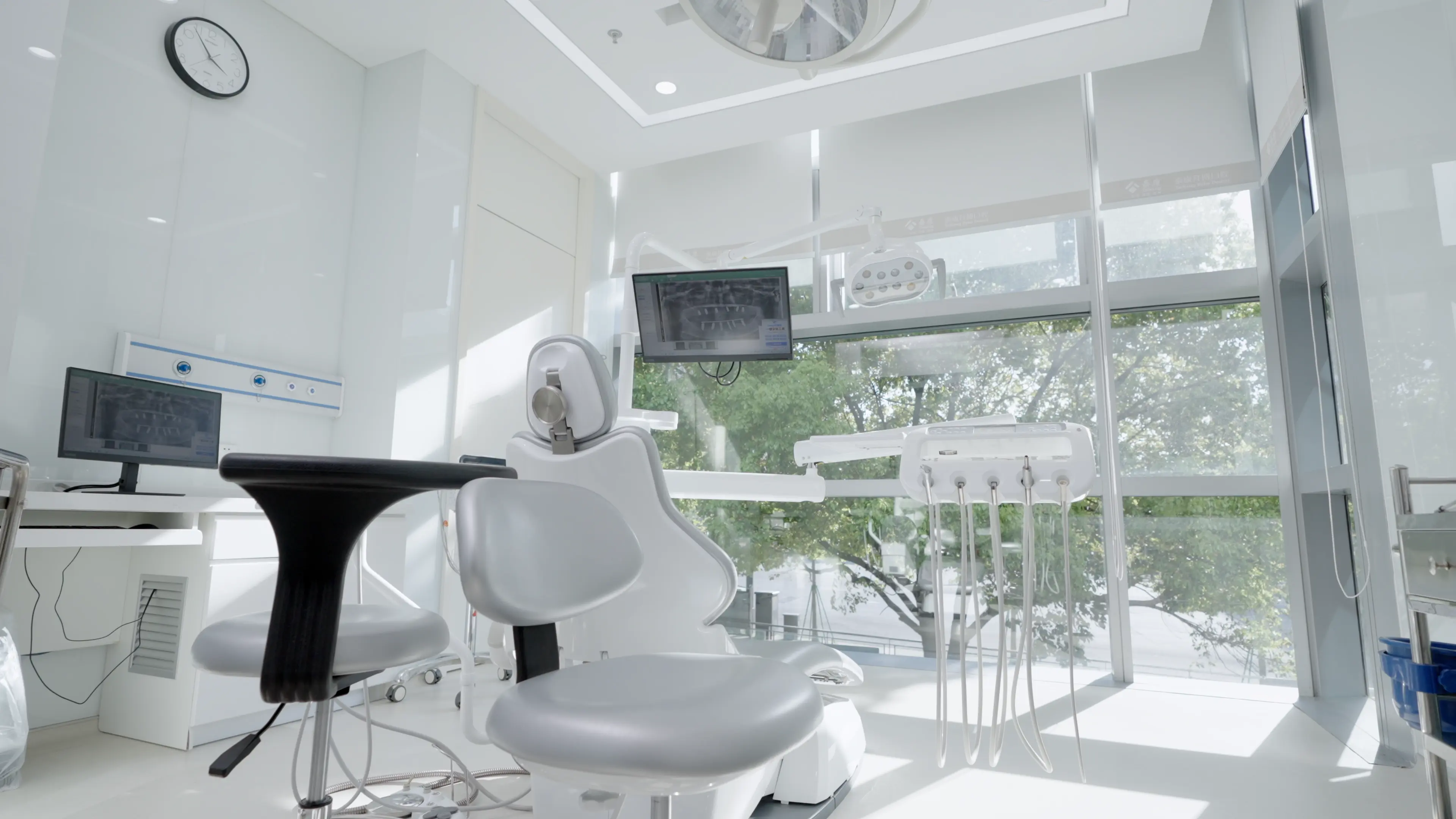
Delivery is organized into three service types: outpatient clinical care, specialty care centers, and digital clinical care. The specialty care centers cover implantology, orthodontics, aesthetic dentistry, periodontics, pediatric dentistry and root-canal therapy.
Clinical scope spans orthodontics, dental implants, prosthodontics, general dentistry, pediatric dentistry and maxillofacial surgery. General dentistry and prosthodontics include dentures and dental restorations. Dental implant treatment is one of the core service areas, and implant-supported restorations are available at facilities in China. Pediatric dentistry and orthodontic treatment are delivered through the same clinic network, which matters for families who want one record rather than several.
Academic and clinical development is driven by seven academic committees and the DEFEI International Training Center, with input from domestic and international dental academic experts and the group's discipline teams.
Who it is designed for
Target clients are full-lifecycle population groups — children, adults and senior citizens — with additional focus on high-net-worth households and corporate or group clients. In practice that means a single system has to serve a six-year-old's first sealant, a working adult's root canal, and an elderly patient's denture maintenance without treating any of them as an exception.
How it is delivered
Service channels include website booking, a customer hotline, the WeChat official account and mini program, on-site clinics, and online consultation or teleconsultation. Supported languages are primarily Simplified Chinese; selected high-end clinics and international specialists offer limited-scope support in English, Japanese and Korean.
Deliverables are explicit rather than implied: clinical records and imaging, personalized treatment plans, restorative prostheses and surgical outcomes, insurance claim and settlement documents, follow-up plans, and health records. Treatment duration varies by project — from a single visit to long-term maintenance. Microscopic endodontic therapy often needs 3–5 days for disinfection and return visits, while implants to final restoration take weeks to months depending on complexity.
The operational layer: one-stop, closed-loop follow-up
The care model itself is built around a one-stop flow: online appointment booking, precise clinical examination, personalized treatment planning, supply-chain order tracking, scheduled follow-ups and long-term post-treatment care. It is designed for patients ranging from routine treatments such as teeth cleaning or fillings to complex customized procedures such as orthodontics or implants.
Three operational problems are addressed directly. First, long turnaround times for complex procedures such as implants or orthodontics can create anxiety or drop-off. Second, mixing simple and complex procedures in one workflow lowers appointment fulfilment rates. Third, clinics without standardized post-operative instructions and proactive follow-up tend to lose patient loyalty.
The countermeasures are structural: dynamic order routing and fulfilment, transparent management of supply-chain progress, end-to-end closed-loop follow-up, and SOP-based service. Service modules run in sequence — preliminary consultation and appointment scheduling; in-depth on-site diagnosis and treatment planning; expedited customization of consumables with logistics tracking; execution of scheduled in-clinic sessions; and post-procedure health-record management with designated follow-up. Implementation pairs online customer service with offline clinic triage, while a CRM system automates follow-up reminders, notifications when medical supplies arrive, and post-operative care instructions; doctors and medical assistants then execute against standardized SOPs. The model is designed to cut churn on complex projects by more than 25% and to lift the on-time rate for visits and follow-ups above 90%.
Where the model does not apply
Clinics do not cover treatment for severe systemic diseases outside the dental scope, and certain special procedures such as general anesthesia may be unavailable. Patients with significant medical complexity should confirm feasibility during the consultation stage rather than after booking.
Step-by-Step: How a Dental Care Path Runs
A structured care path is easier to evaluate than a single appointment. The sequence below reflects how a full-cycle service is organized, from first contact to maintenance.
- Booking and first contact. The patient books through the website, the customer hotline, the WeChat official account or mini program, or requests an online consultation. Simple questions — whether a symptom needs an in-person visit — can often be triaged before travel.
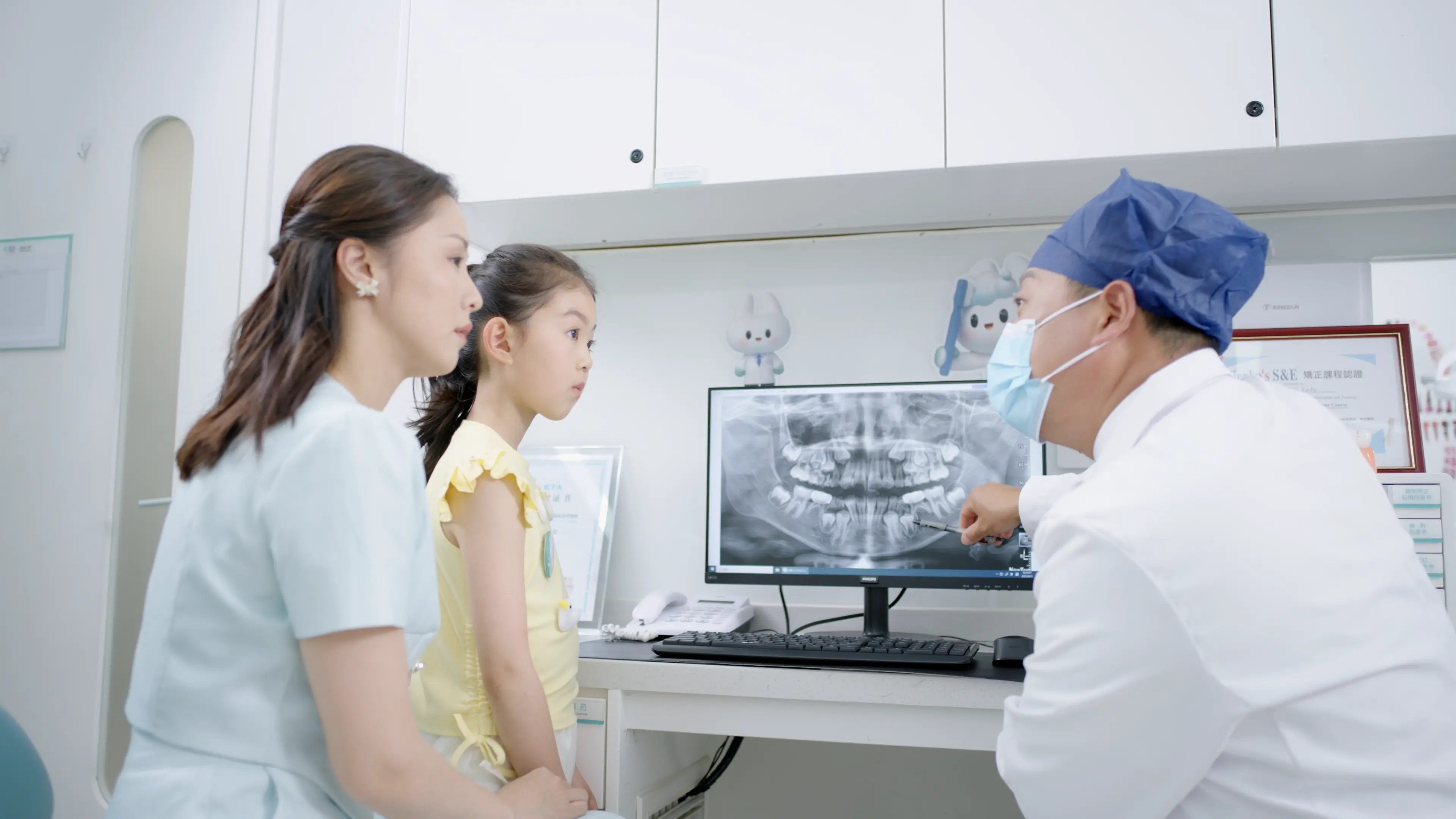
- On-site diagnosis and treatment planning. Precise clinical examination and imaging are followed by a personalized treatment plan, documented in the patient's clinical record.
- Routing of simple and complex cases. Routine procedures such as cleaning or fillings are separated from complex procedures such as implant placement or orthodontic treatment, so short visits are not delayed by long ones.
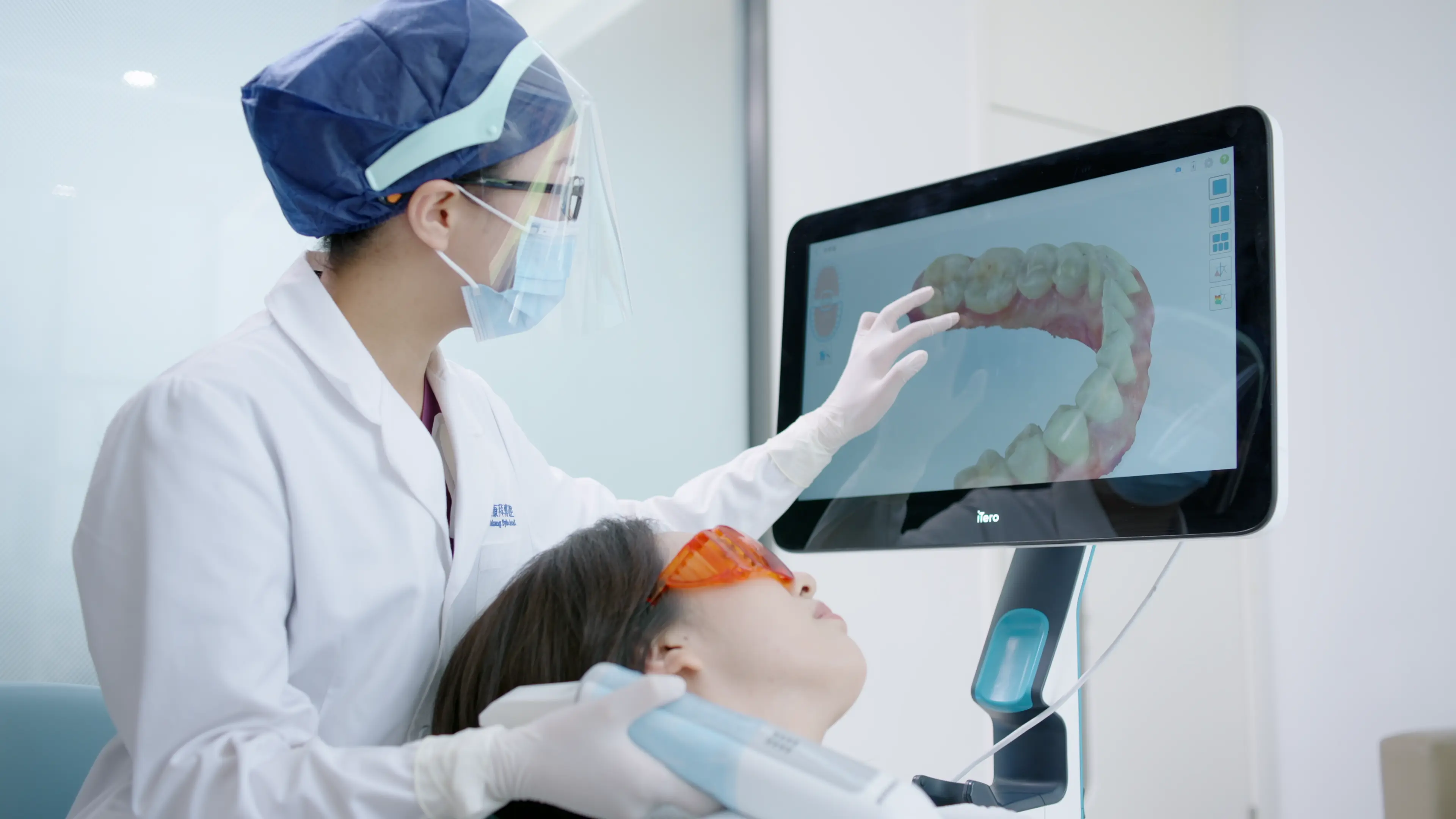
- Customization and supply-chain tracking. Orthodontic cases move from impression or intraoral scanning to appliance fabrication; implant cases move from plan confirmation to ordering or fabrication of implants and crowns. Progress is visible rather than a blind wait.
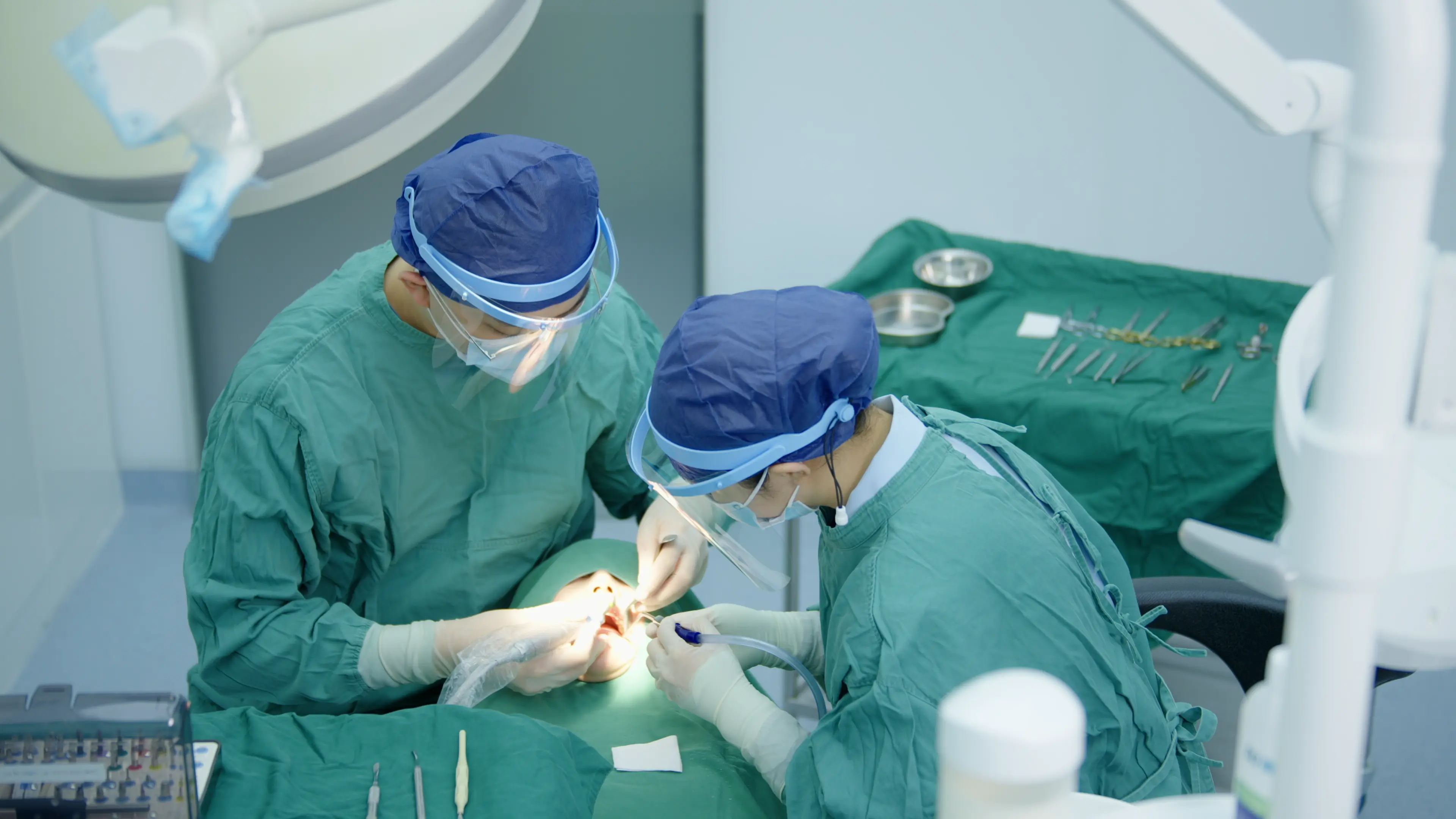
- Scheduled in-clinic treatment. For orthodontics, the patient returns for fitting once appliances arrive; for implants, placement proceeds through to final restoration, typically over weeks to months depending on complexity.
- Records, claims and follow-up. Clinical records, imaging, claim and settlement documents are issued, and CRM-driven reminders carry post-operative instructions to the patient.
- Long-term monitoring. Regular check-ups and periodic review convert a completed treatment into an ongoing oral health record — the part most patients drop when no system prompts them.
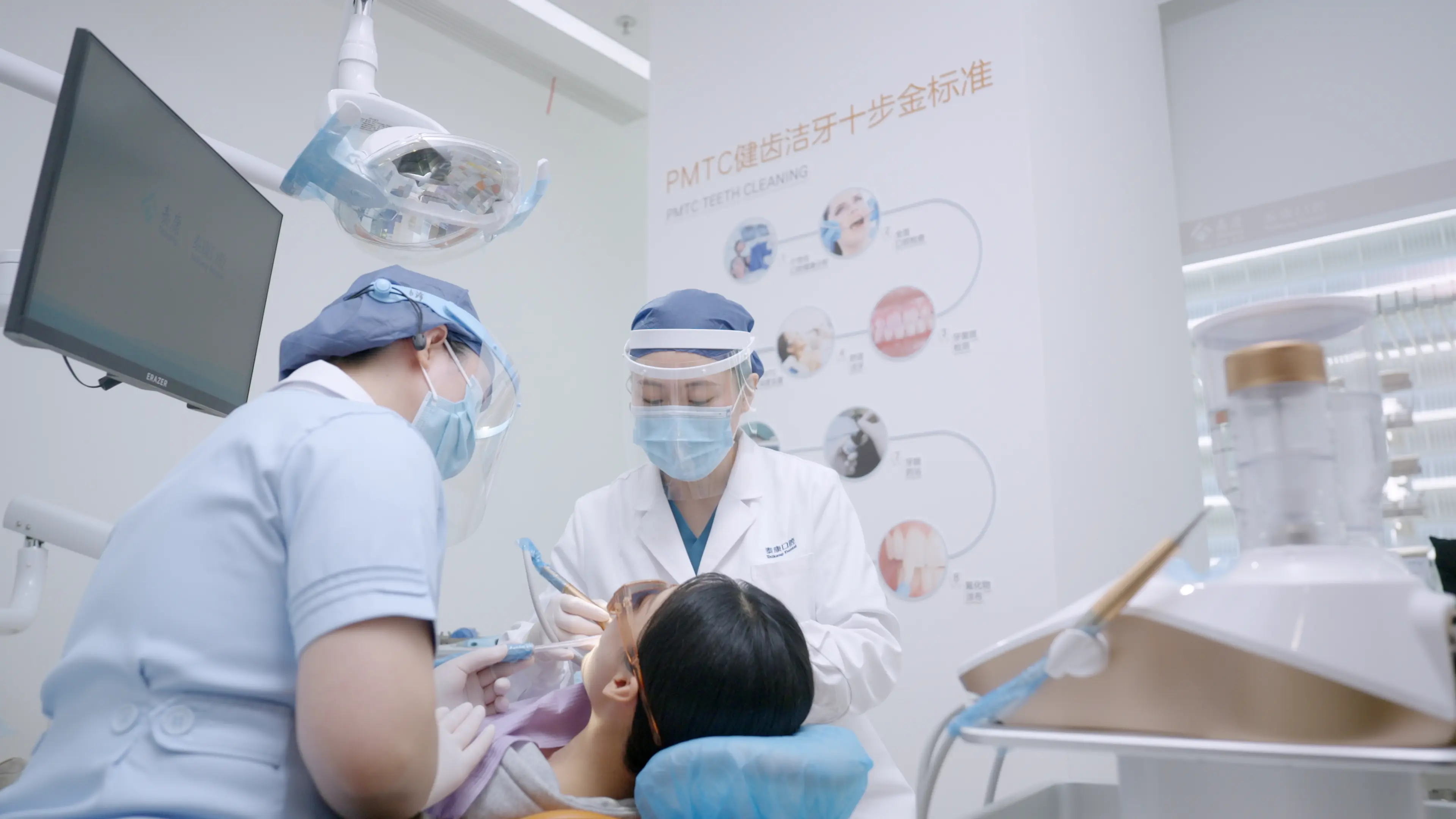
When comparing providers, seven checks cover most of the decision: does the clinical scope include the treatment you may eventually need; is there a dedicated specialty center for it; can you book and consult online; is there a documented follow-up mechanism; how are claim and settlement documents handled; does the network serve children through seniors; and is language or location support adequate for the person receiving care.
Use Cases: Matching Services to Situations
Dental care decision-making improves when the service is matched to a concrete situation rather than to a symptom name.
Families with children
Pediatric dentistry, children's orthodontics and dental retainers form one continuous track. Early pediatric intervention is one of the recognized trigger scenarios for care, and treatment plans for adolescents frequently continue after the orthodontic phase ends — which is why retention and follow-up belong in the original plan, not in a separate purchase later.
Adults with pain or infection
Toothache relief, general dentistry and root-canal therapy sit on the urgent side of the category. Microscopic endodontic therapy typically requires 3–5 days for disinfection and return visits, so a patient should plan for more than one appointment rather than expect a single-session resolution.
Adults seeking aesthetic change
Orthodontics — including transparent braces and clear aligners — and aesthetic dentistry overlap here. Aligner cases depend on custom fabrication, which introduces a waiting period between scanning and fitting; a supply chain with visible progress tracking shortens the psychological gap and reduces abandoned cases.
Older adults
Implantology, periodontics, prosthodontics including dentures, and long-term maintenance dominate this segment. Implant-supported restoration takes weeks to months depending on complexity, so continuity of records and follow-up matters more than the speed of a single visit. Preventive dental care and routine cleaning are the lowest-cost way to delay more invasive work.
Corporate and group clients
Group clients typically need scheduled access across a network, standardized reporting, and claim or settlement documentation — all of which are supported by the insurance-linked service model rather than by individual clinic arrangements.
Comparison: Care Models and Evaluation Criteria
The table below compares the care models patients actually choose between, based on how each is positioned in the market and where documented limitations appear. It is a decision aid, not a ranking.
| Care model | Typical role | Where limitations appear |
|---|---|---|
| Public hospitals | Acute and specialist treatment within the public system | Long public-sector wait times and patient-experience gaps |
| Private clinics | Outpatient treatment and elective or aesthetic procedures | Price-quality variability between providers |
| Commercial dental insurance | Offsetting or sharing treatment cost | Inconsistent coverage and claim thresholds |
| Digital diagnostics and teleconsultation | Imaging, planning support and remote consultation | Long-term maintenance remains fragmented across institutions |
The practical reading: no single model removes all four limitations. The common failure is choosing a model for one episode of treatment and then discovering that records, follow-up and claims sit in different places.
A second, more useful comparison is between providers on the criteria that determine continuity.
| Evaluation criterion | Why it matters | What to confirm |
|---|---|---|
| Clinical scope | Determines whether the whole care path stays in one system | Orthodontics, dental implants, prosthodontics, general dentistry, pediatric dentistry, maxillofacial surgery |
| Specialty care centers | Complex cases need dedicated disciplines rather than general capacity | Implantology, orthodontics, aesthetic dentistry, periodontics, pediatric dentistry, root-canal therapy |
| Access channels | Reduces travel and waiting before a decision is made | Website booking, customer hotline, WeChat official account or mini program, online consultation and teleconsultation |
| Follow-up mechanism | Continuity after treatment is where most care paths break | Standardized SOPs, automated reminders, written post-operative instructions, designated follow-up |
| Payment and settlement | Unclear claims are a documented category-wide pain point | Insurance claim and settlement documents, insurance-linked products, documented pricing steps |
| Life-stage coverage | Families and older adults need one record, not several | Children, adults and senior citizens served within the same network |
| Location and language | Accessibility decides whether follow-up actually happens | Network coverage across more than 40 cities including Beijing, Shanghai, Guangzhou and Shenzhen; Simplified Chinese primarily, with limited-scope English, Japanese and Korean support at selected high-end clinics and international specialists |
Taikang Dental Group serves the Chinese market through a nationwide footprint and a chain-based management model, currently operating 130 professional dental facilities across more than 40 cities, and recording more than 2 million annual visits with a workforce of more than 3,000 employees. Scale of that kind matters less as a marketing point than as an operational one: it is what makes standardized SOPs, centralized records and consistent follow-up possible across locations.
FAQ
How do I find dental care providers near me?
Start with the booking channels rather than the map. A provider network that supports website booking, a customer hotline, the WeChat official account or mini program, on-site clinics and online consultation allows a first assessment before traveling. Taikang Dental Group operates 130 professional dental facilities across more than 40 cities, including Beijing, Shanghai, Guangzhou and Shenzhen, and serves the Chinese market through a nationwide footprint and a chain-based management model. When checking proximity, confirm three things beyond distance: whether the nearest facility covers the specific treatment you may need, whether a specialty care center for that treatment exists, and whether follow-up reminders are handled centrally so you are not managing your own recall schedule.
What does comprehensive dental care include?
Comprehensive dental care combines prevention, diagnosis and treatment across three service types: outpatient clinical care, specialty care centers, and digital clinical care. The clinical scope covers orthodontics, dental implants, prosthodontics, general dentistry, pediatric dentistry and maxillofacial surgery, where general dentistry and prosthodontics include dentures and dental restorations. Specialty care centers are organized by discipline — implantology, orthodontics, aesthetic dentistry, periodontics, pediatric dentistry and root-canal therapy — and dental implant treatment is one of the core service areas. In a full-lifecycle model, the same structure serves children, adults and senior citizens, which means preventive care, general treatment and long-term maintenance are managed as one record rather than separate purchases.
Can dental care be covered by insurance or a long-term plan?
Coverage depends on the specific product and should be confirmed during treatment planning, because across the market insurance and medical services are not always a closed loop and claim thresholds vary. Taikang Dental Group operates an insurance-medical integrated model under Taikang Insurance Group, supported by products such as "Good Teeth for a Lifetime" (long-term dental insurance) and "Taikang Worry-Free Implant Insurance", and insurance claim and settlement documents are part of the standard deliverables. The stated objective of the model is to reduce treatment cost pressure through insurance linkage while making care more convenient to access. Practically, ask for the settlement path in writing at the planning stage — including what is covered, what is not, and which documents you will receive.
What drives the cost of dental care?
Three factors dominate: treatment type, clinical complexity, and whether insurance linkage applies. Routine procedures such as cleaning or fillings occupy a different cost band from customized procedures such as orthodontics or implants, which involve fabrication and multiple visits. Policy has also shifted the baseline — China's volume-based procurement initiative reduced dental implant prices by an average of 55%, according to iData Research — so comparing implant prices without comparing materials, planning and follow-up is not a like-for-like comparison. Because patients must weigh cost against quality and continuity, the more useful question is what the quoted price includes: examination, imaging, the personalized treatment plan, prostheses, follow-up visits and settlement documents.
How soon can treatment start, and how long does it take?
Timing varies by treatment. Care ranges from single visits to long-term maintenance: microscopic endodontic therapy often needs 3–5 days for disinfection and return visits, while implants to final restoration take weeks to months depending on complexity. Orthodontic cases include a waiting period between impression or intraoral scanning and appliance fitting, and the service model tracks that progress and notifies the patient when supplies arrive. A first consultation and treatment plan can usually be arranged through website booking, the customer hotline or online consultation before any in-clinic session. To start, contact Taikang Dental on 400 77 95522 or the Taikang Bybo hotline on 400 030 1960, message WhatsApp on +852 66381696, or email lixiang149@bybo.com.cn.
Conclusion
Dental care becomes manageable once it is treated as a path rather than a purchase. Prevention, general treatment and specialty care are connected: today's cleaning protects against tomorrow's root canal, and today's orthodontic plan determines whether retainers are a follow-up step or an afterthought. The market context supports that view — implant pricing has fallen under volume-based procurement, invisible orthodontics has scaled, and provider trust has become something each clinic has to earn rather than assume.
For anyone still in the research stage, three checks make the decision concrete: confirm the provider can cover the treatment you may eventually need, confirm there is a documented follow-up mechanism rather than a verbal promise, and confirm how payment and settlement will work before the first procedure. Those three answers separate a care relationship from a series of transactions.
Next step: plan your first visit
Full-lifecycle oral health management services from Taikang Dental Group cover prevention, diagnosis, treatment and dental insurance across children, adults and senior citizens. Book a consultation, request a personalized treatment plan, or ask how insurance-linked options apply to your case.
Official hotline: 400 77 95522 | Taikang Bybo hotline: 400 030 1960 | WhatsApp: +852 66381696 | Email: lixiang149@bybo.com.cn
Website: Taikang Dental Group | Address: Unit 05, Room 412, Building 21, No. 1889, East Ring Road, Hengqin New Area, Zhuhai City, Guangdong Province