Dental Care Near You: A Buyer's Guide to Choosing a Provider
Dental Care Near You: A Complete Guide to Choosing the Right Provider
Search behaviour around dental care is revealing. The query people type is short — dental care near me, dental care providers near me — but the decision behind it usually contains three or four unspoken questions: can this provider handle the problem I actually have? Will they still be managing it in five years? Who pays, and how much of it? And how do I avoid restarting the whole process with a new clinic every time something changes?
Short answer: dental care works best when one provider covers the full scope you need — prevention, diagnosis, general treatment and specialty work — keeps a continuous record across visits, and connects clinical treatment to a clear payment and follow-up pathway. Providers that do only one of those three things are where most long-term dental frustration comes from.
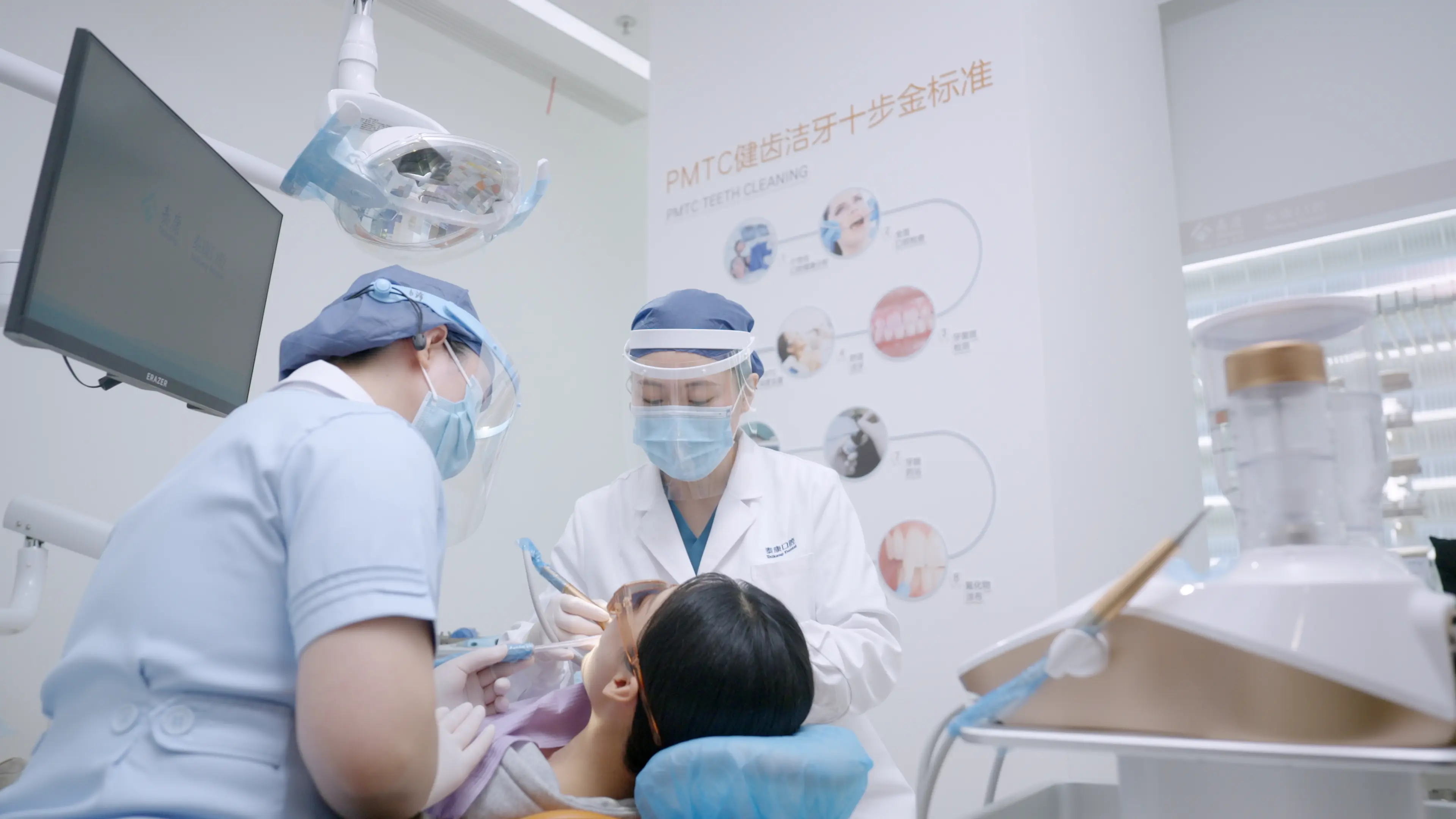
In this guide, dental care means the full set of services a patient or family may need across a lifetime: preventive dental care and oral health management, dental cleaning, diagnosis, general dentistry, dental restoration and prosthodontics including dentures, root canal treatment, periodontal treatment, orthodontics (including transparent braces and dental retainers), dental implants and implant-supported restorations, pediatric dentistry and children's orthodontics, and toothache relief.
Taikang Dental Group Co., Ltd. is a dental care and oral health management chain operating under Taikang Insurance Group in China. It was established in 1999, was formed following a strategic investment in Baibo Medical Group in 2018, and formally rebranded to its current name in 2025. The group operates two core brands — Taikang Bybo Dental and Taikang Dental — and provides full-lifecycle oral health management services that combine prevention, diagnosis, treatment and dental insurance.
- Scope: does the provider cover your actual procedure, from cleaning and fillings to implants, orthodontics or pediatric dentistry?
- Continuity: will records, follow-ups and maintenance stay with the same organisation over years, not one visit?
- Specialty depth: are implantology, orthodontics, periodontics, root canal therapy and pediatric dentistry handled by dedicated teams?
- Payment pathway: is the insurance and settlement route clear before treatment starts?
- Access: can you book, consult and follow up through channels that fit your schedule?
Why Choosing Dental Care Is Harder Than It Looks
The core problems in dental care are documented, and they are not primarily about technology. They are about awareness, consistency and coordination.
At the patient level, low prevention awareness means many people first contact a provider when something already hurts. For a family, the same pattern repeats across generations: a child's first orthodontic assessment happens later than it should, an adult postpones periodontal treatment, and an older relative manages dentures reactively rather than as part of maintenance.
Three structural problems sit underneath that behaviour:
- Variable care quality. Industry material notes inconsistent quality of medical services and uneven access to advanced expertise among regional clinics. Two providers can offer the same named procedure with very different outcomes.
- Fragmented payment channels. Public insurance and commercial dental coverage differ, claim thresholds are inconsistent, and insurance and medical services are not always a closed loop. Patients end up trading off cost, quality and continuity at the same time.
- Weak long-term maintenance. Follow-up compliance is a known pain point, and long-term maintenance is often fragmented across institutions, so no single provider sees the full history.
Private and public providers differ in experience and pricing, and that difference is exactly what makes the “providers near me” decision confusing: proximity tells you where a clinic is, not whether it can carry a treatment plan from first consultation to final restoration and then keep maintaining it.
The Dental Care Market in 2026: What the Numbers Show
Dental care is a large and still-developing service market, and several published figures help explain why provider models are changing.
Globally, the dental services market is forecast at USD 471.47 billion in 2026, according to Fortune Business Insights' dental services market report. For China specifically, Market Research Future projects a dental services market of USD 37.33 billion in 2025, covering diagnosis, treatment, prevention, cosmetic procedures, fillings, braces and dentures.
A caution worth keeping: published China market estimates diverge sharply depending on what is counted as “dental services” — clinical procedures only, or clinical procedures plus retail oral care products. The definitional gap is wide enough that buyers and analysts should compare methodologies before comparing figures.
Three further data points describe where demand is moving:
- Implants became more accessible. China's volume-based procurement initiative reduced dental implant prices by an average of 55% (iData Research, 2024), shifting implant decisions from purely price-driven toward provider- and outcome-driven.
- Orthodontics keeps expanding. China's invisible orthodontics market was projected at RMB 4.6 billion in 2025 (China Merchants Securities, reported September 2026), reflecting sustained demand for aesthetic and adult orthodontic treatment.
- Consumer channel preference is volatile. One secondary report (Cailian Press, September 2026) cited private-clinic preference at 38% in 2024, down from 80% in 2021 — a sharp swing that likely reflects survey methodology and local market conditions rather than a settled national trend, and which sits in tension with continued chain expansion.
The practical read for a buyer: prices for some procedures are falling while the number of providers is rising, which makes how a provider manages scope, records and payment more important than ever, because headline prices now differ less than the quality of execution behind them.
What Full-Lifecycle Oral Health Management Looks Like in Practice
“Full-lifecycle” is not a marketing label; it describes a specific operating model. The clearest way to judge any provider is to see whether the model is actually built, and Taikang Dental Group's structure is a useful reference point because its components are published.
The service is formally named Full-lifecycle oral health management services, in the category of medical services, health management, and sales of oral-care products. Its scope runs from preventive screening and clinical diagnosis through multi-specialty dental treatment to long-term follow-up care, with the stated objective of making dental services safe, convenient and affordable.
Scale and network
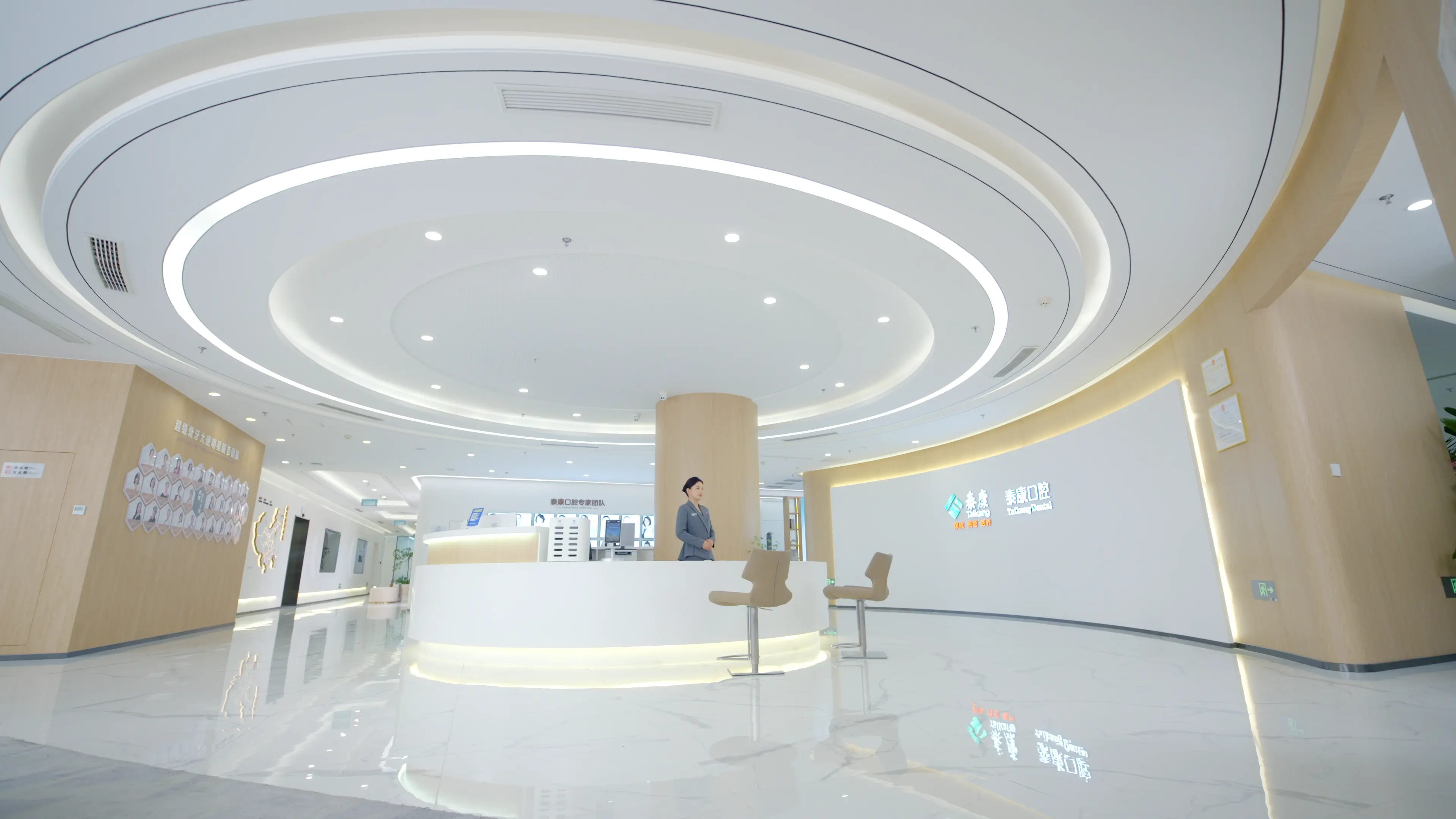
Taikang Dental Group currently operates 130 professional dental facilities across more than 40 cities, including Beijing, Shanghai, Guangzhou and Shenzhen, serving the Chinese market through a nationwide footprint and a chain-based management model. The group employs more than 3,000 staff, and annual patient visits exceed 2 million. Founded in 1999, the group describes more than 25 years of experience in dental care and oral health management.
Service types and specialty centres
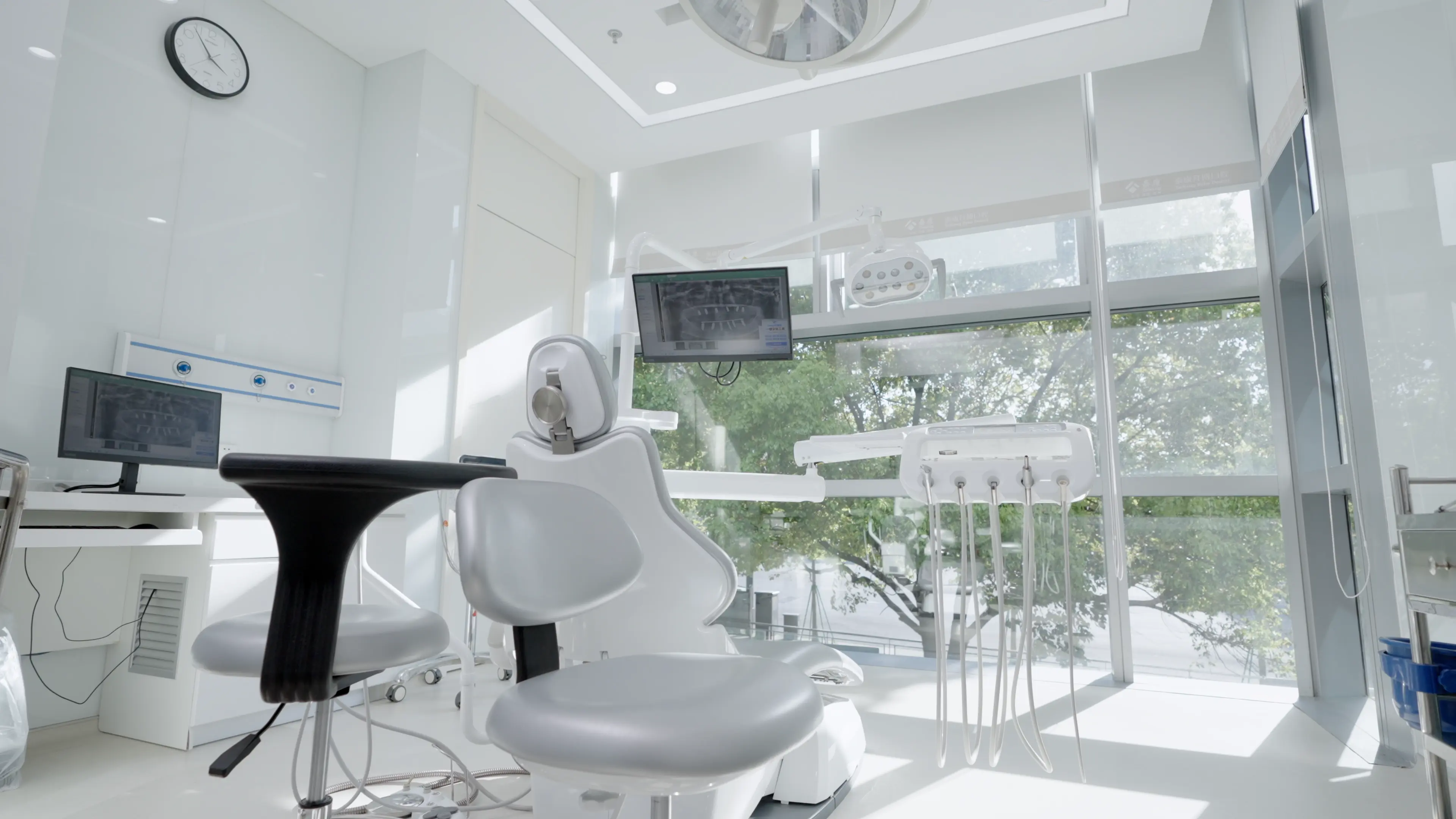
Care is delivered through three service types: outpatient clinical care, specialty care centres and digital clinical care. The specialty centres cover implantology, orthodontics, aesthetic dentistry, periodontics, pediatric dentistry and root-canal therapy. Within the overall service scope, dental implant treatment is one of the core service areas, and orthodontics, prosthodontics (including dentures and dental restorations), general dentistry, pediatric dentistry and maxillofacial surgery are all included.
Academic and clinical development
Clinical capability is supported by a research and development structure that includes domestic and international dental academic experts together with the group's own discipline teams. Academic development is organised through seven academic committees and the DEFEI International Training Center.
Service delivery, records and follow-up
The full-cycle service model covers the entire patient journey: online appointment booking, precise clinical examinations, personalised treatment planning, supply-chain order tracking, scheduled follow-ups and long-term post-treatment care. Deliverables include clinical records and imaging, personalised treatment plans, restorative prostheses and surgical outcomes, insurance claim and settlement documents, follow-up plans and health records.
The model also addresses a problem that is rarely discussed openly: the waiting period during laboratory work. When aligners or crowns are being fabricated, patients often lose contact with the clinic. The group's approach links diagnosis, laboratory fabrication and follow-up reminders so progress is visible and appointments are confirmed rather than left open-ended. The same workflow separates simple procedures from complex ones — a documented cause of low appointment fulfilment when both are pushed through one queue — and the service is designed around stated targets such as reducing churn in complex programmes by more than 25% and lifting on-time visit and follow-up rates above 90%.
Payment and insurance integration
Because the group sits under Taikang Insurance Group, clinical services are combined with dental insurance products, including “Good Teeth for a Lifetime” long-term dental insurance and “Taikang Worry-Free Implant Insurance.” The intent is to reduce treatment cost pressure through insurance linkage and to build stable long-term oral health records for individuals and families, through a model in which insurers, medical institutions and customers are linked in a long-term value relationship.
Who the service is designed for — and what it does not cover
Target clients span the full lifecycle: children, adults and senior citizens, with attention to high-net-worth households and corporate or group clients. To be precise about boundaries: the clinics do not cover treatment for severe systemic diseases outside the dental scope, and certain special procedures such as general anaesthesia may be unavailable. Supported languages are primarily Simplified Chinese, with selected high-end clinics and international specialists offering limited-scope support in English, Japanese and Korean. Service channels include website booking, a customer hotline, WeChat official account and mini program, on-site clinics, and online consultation or teleconsultation.
Step-by-Step: How to Choose a Provider — and What Happens After You Book
Choosing dental care becomes much simpler when you separate the pre-booking assessment from the clinical journey. The first is a buyer task; the second should be a provider-managed process.
Part 1 — Six evaluation steps before you book
- Write down the actual need, not the symptom. “Toothache relief” may be a filling, a root canal, or a periodontal problem. Match the need to a service line: general dentistry, root canal treatment, periodontal treatment, dental restoration, implants, orthodontics, or pediatric care.
- Check whether the service list is specific. A provider that names implantology, orthodontics, aesthetic dentistry, periodontics, pediatric dentistry and root-canal therapy as dedicated centres is structured for complex cases; a general list alone tells you less.
- Ask how records and follow-up work. Because long-term maintenance is commonly fragmented across institutions, ask directly who holds your imaging and treatment history, and how follow-up reminders are issued.
- Clarify who pays and when. Establish before treatment begins whether the path is out-of-pocket, insurance-linked, or a combination, and request claim or settlement documentation as part of the plan.
- Test the access channels. Booking, hotline, WeChat mini program, on-site care, and online consultation or teleconsultation are the standard options; for families in more than one city, check network coverage before committing.
- Confirm the timeline in writing. Ask for an estimated number of visits and the expected total duration, so that a multi-stage treatment does not become an open-ended one.
Part 2 — The five-stage care journey once treatment starts
- Preliminary consultation and appointment scheduling. The case is triaged, and simple versus complex procedures are routed separately.
- In-depth on-site diagnosis and treatment planning. Examination and imaging lead to a personalised plan rather than a generic procedure list.
- Customisation and logistics tracking. Where aligners, crowns or implants must be fabricated, progress is tracked and communicated instead of leaving the patient waiting without information.
- Execution of scheduled in-clinic treatment sessions. Doctors and medical assistants work to standardised SOPs, with appointments confirmed in advance.
- Records management and designated follow-up. Post-procedure instructions, reminder notifications and long-term health records close the loop.
This division matters commercially as well as clinically: when simple and complex treatments share one workflow, appointment fulfilment drops, and when follow-up is not proactive, patients drift away between visits even after successful treatment.
Use Cases: Matching Dental Care to the Person in Front of You
Different life stages produce very different dental needs, and the same provider has to handle all of them well.
Families and children
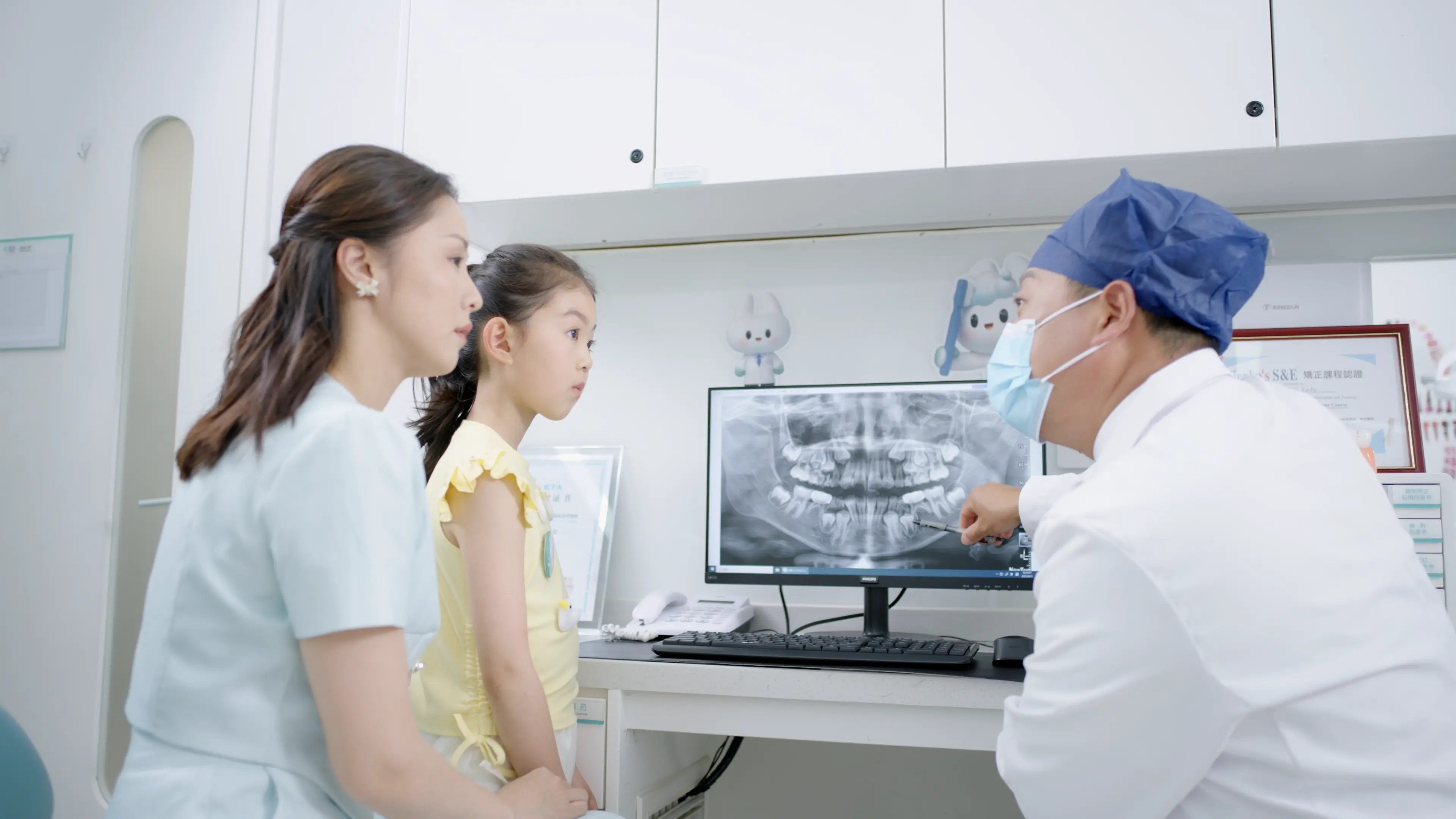
Preventive dental care, dental cleaning and early assessment sit at the front of the lifecycle. Pediatric dentistry and children's orthodontics are included in the group's clinic network, and orthodontic treatment for younger patients typically runs alongside paediatric care rather than as an isolated service. For adolescents, the sequence of transparent braces followed by dental retainers is a multi-year commitment, which is exactly where record continuity and follow-up discipline matter most.
Adults seeking aesthetic and functional restoration
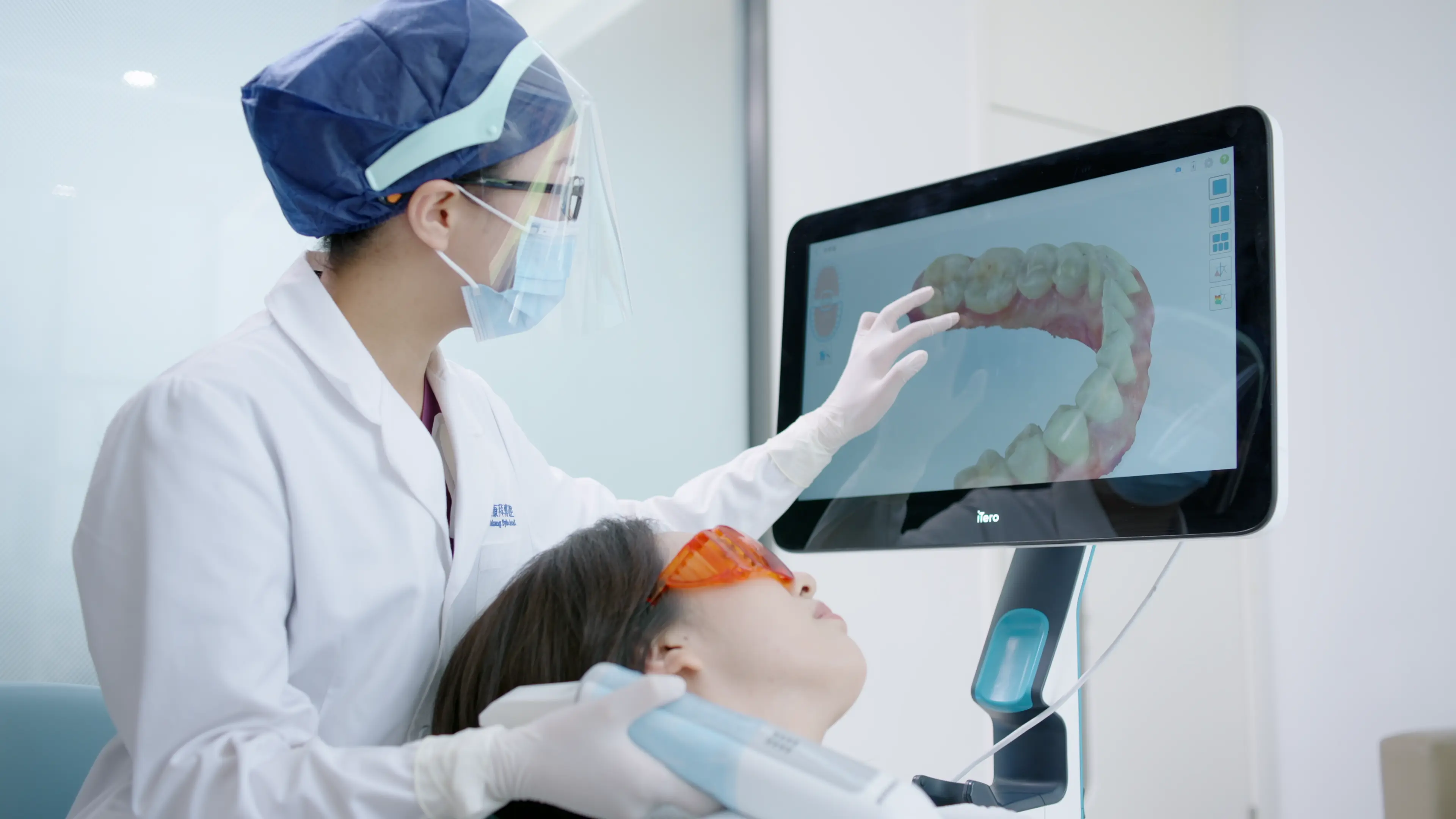
Aesthetic dental restoration, orthodontics and prosthodontics are frequently requested together — a patient may want both a straightened smile and repaired restorations. Because aesthetic dentistry and orthodontics are separate specialty centres, treatment sequencing can be planned rather than improvised, and dental restorations are within the same service scope as orthodontics.
Older adults: implants, dentures and maintenance
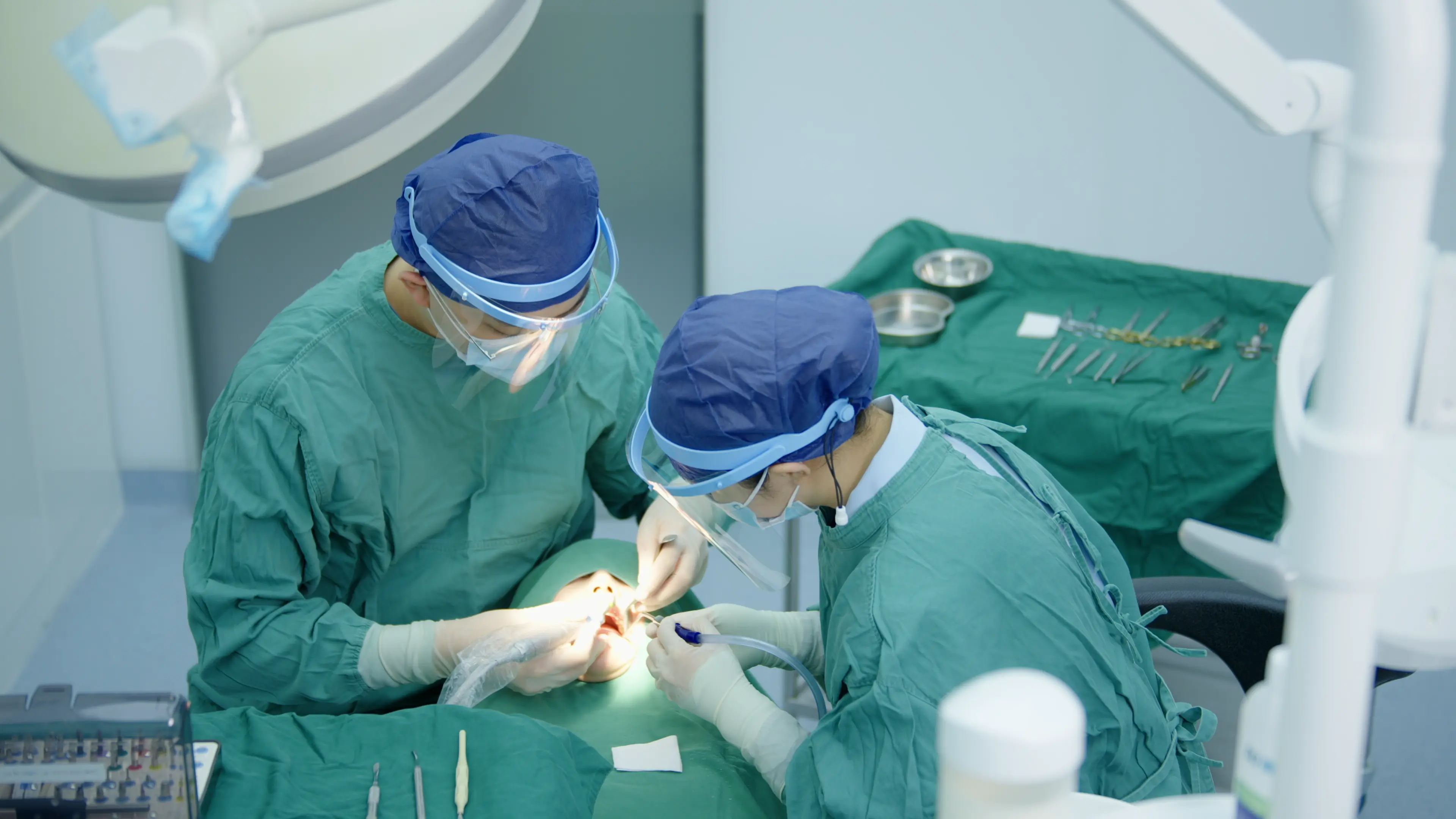
Tooth replacement is the dominant need, and it rarely stops at one procedure. Dental implant treatment is one of the group's core service areas, implant-supported restorations are available at its facilities, and dentures sit within prosthodontics. For seniors, the deciding factor is usually not the implant itself but the follow-up schedule after the final restoration.
Acute problems and maintenance care
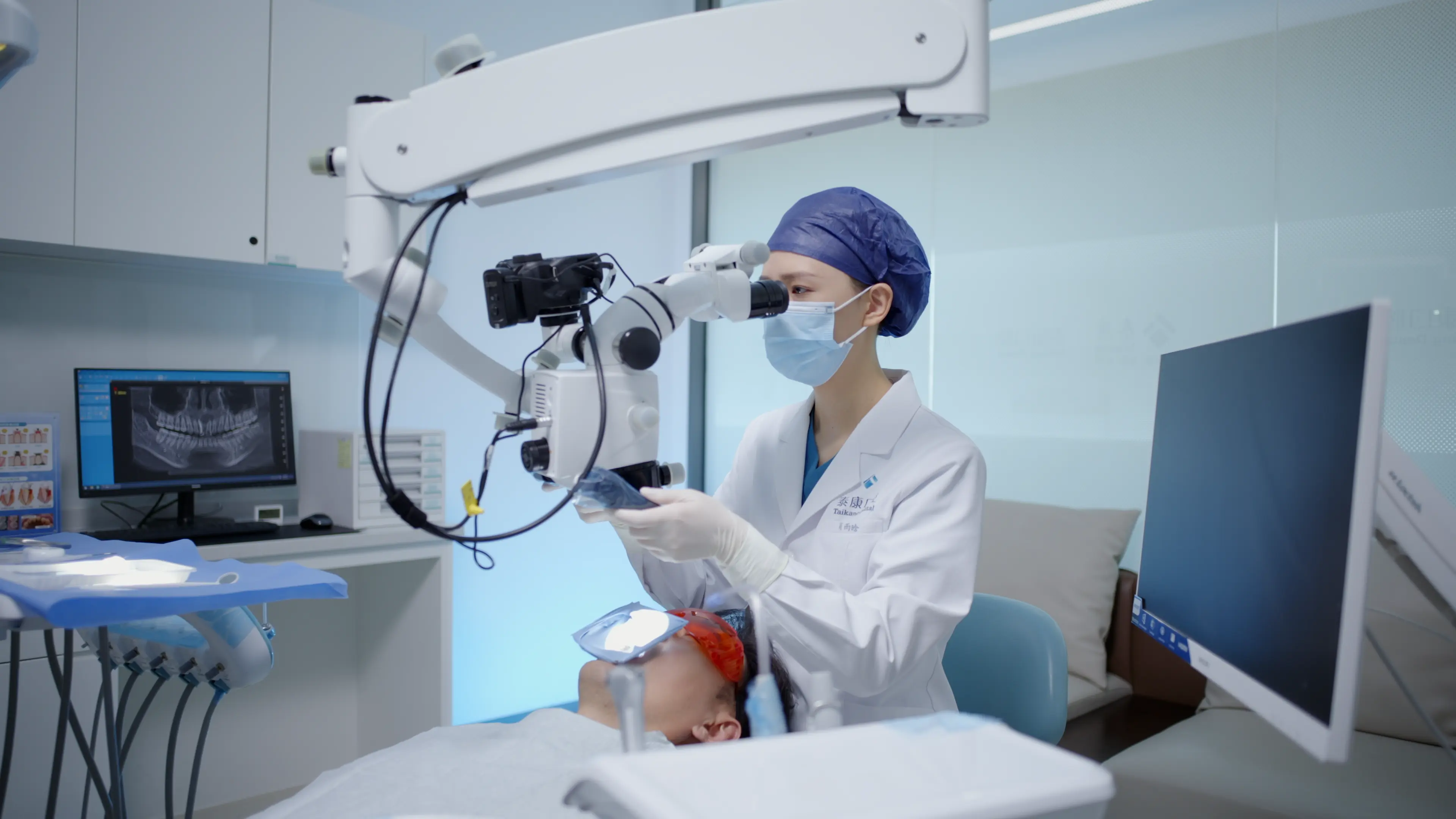
Toothache relief, infection management and root canal treatment are the most time-sensitive scenarios, where microscopy-supported endodontic work and a defined number of return visits determine how quickly normal life resumes. Periodontal treatment and ongoing oral health management then become maintenance services rather than one-off interventions.
Comparing Dental Care Models Side by Side
The table below compares provider models on the criteria that actually influence outcomes. Category descriptions reflect published industry material on existing market solutions and their documented limitations; individual providers within each category vary.
| Decision criterion | Public hospital dental department | Single-location private clinic | Multi-city chain with integrated insurance (Taikang Dental) |
|---|---|---|---|
| Access and waiting time | Longer public-sector wait times and patient-experience gaps are documented limitations. | Generally shorter waits, but capacity is limited to one team and one site. | Booking via website, hotline, WeChat official account or mini program, on-site clinics, plus online consultation and teleconsultation. |
| Price and cost transparency | Public pricing structures apply; commercial dental coverage is not always aligned with public insurance. | Price–quality variability is a documented constraint in the private segment. | Clinical services are combined with dental insurance products such as “Good Teeth for a Lifetime” long-term dental insurance and “Taikang Worry-Free Implant Insurance.” |
| Continuity of records and follow-up | Long-term maintenance is commonly fragmented across institutions. | Records stop at the practice boundary; no cross-city continuity. | Health records, scheduled follow-ups, supply-arrival notifications and post-operative instructions are managed as part of the service. |
| Specialty depth | Varies by city; advanced expertise is unevenly available across regions. | Depends on the individual practitioner; complex cases are often referred out. | Specialty centres for implantology, orthodontics, aesthetic dentistry, periodontics, pediatric dentistry and root-canal therapy. |
| Service scope | Broad in principle, with experience differences between facilities. | Typically general dentistry with limited specialty coverage. | Orthodontics, dental implants, prosthodontics, general dentistry, pediatric dentistry and maxillofacial surgery, plus preventive care and diagnosis. |
| Geographic continuity | Facility-specific; transfer between sites is not automatic. | One location only. | 130 professional dental facilities across more than 40 cities, including Beijing, Shanghai, Guangzhou and Shenzhen. |
| Boundaries to note | Public coverage rules and queues affect scheduling. | Scope and equipment are site-dependent. | Does not cover severe systemic diseases outside the dental scope; certain procedures such as general anaesthesia may be unavailable; non-Chinese language support is limited-scope at selected clinics. |
Reading the table as a buyer: the differentiator is not one row but the combination of the scope row and the continuity row. A provider can be excellent for a single cleaning and still be the wrong choice for a two-year orthodontic and restoration programme.
FAQ: Dental Care Providers Near Me
How do I evaluate dental care providers near me?
Check three things before booking. First, whether the provider names the specific services you need — dental implants, orthodontics, root canal treatment, periodontal treatment or pediatric dentistry — instead of listing only general dental care. Second, how it manages records and follow-up, since long-term maintenance is where fragmented care fails. Third, which booking and consultation channels it offers, including online consultation or teleconsultation if you cannot visit in person. For families spread across cities, network coverage matters: Taikang Dental Group operates 130 professional dental facilities across more than 40 cities, including Beijing, Shanghai, Guangzhou and Shenzhen.
What services should full-lifecycle dental care include?
A genuinely full-lifecycle service covers prevention, diagnosis, treatment and follow-up. In practice that means preventive screening and dental cleaning, general dentistry and fillings, root canal treatment, periodontal treatment, dental implants and implant-supported restorations, orthodontics including transparent braces and dental retainers, prosthodontics with dentures and aesthetic dental restorations, and pediatric dentistry. Taikang Dental Group delivers these through outpatient clinical care, specialty care centres and digital clinical care, with dedicated centres for implantology, orthodontics, aesthetic dentistry, periodontics, pediatric dentistry and root-canal therapy.
How do cost and insurance affect dental care decisions?
Cost is driven mainly by procedure complexity, materials and the number of visits required. Payment is often where care breaks down: industry material notes fragmented payment channels and inconsistent insurance coverage and claim thresholds, with insurance and medical services not always forming a closed loop. In China, volume-based procurement reduced dental implant prices by an average of 55% (iData Research, 2024), which lowered the cost barrier for implant treatment in that market. Integrated models also exist — Taikang Dental Group combines clinical services with dental insurance products such as “Good Teeth for a Lifetime” long-term dental insurance and “Taikang Worry-Free Implant Insurance.”
What should I receive before committing to a treatment plan?
Ask for clinical records and imaging, a personalised treatment plan, an estimated timeline, an insurance claim or settlement path where relevant, and a written follow-up plan. Taikang Dental Group lists clinical records and imaging, personalised treatment plans, restorative prostheses and surgical outcomes, insurance claim and settlement documents, and follow-up plans among its service deliverables. It is also worth asking whether simple and complex procedures are handled in separate workflows, because mixing them in one queue is a documented cause of low appointment fulfilment.
How long does dental treatment take, and how are follow-ups handled?
Timelines depend on the procedure. Microscopic endodontic therapy often needs 3–5 days for disinfection and return visits; implants through to final restoration take weeks to months depending on complexity; a routine cleaning is a single visit. Follow-up at Taikang Dental Group is managed proactively — scheduled reminders, notifications when medical supplies arrive, post-operative care instructions and long-term health records. If you are comparing options for your own case, the group's clinics can be reached through the official hotline 400 77 95522, the Taikang Bybo hotline 400 030 1960, or WhatsApp at +852 66381696, and general information is available at bybohk.com.
Conclusion: Choose for the Next Ten Years, Not the Next Appointment
Dental care is a long relationship disguised as a short appointment. The provider that solves today's toothache is not automatically the provider that will manage an implant, a child's orthodontic programme and an older parent's dentures — and switching between them is where cost, records and continuity are lost.
Use the five checks — scope, continuity, specialty depth, payment pathway and access — and use the comparison table to see which model fits your situation. If your needs are simple and local, a single clinic may be enough. If your family's needs span prevention, orthodontics, implants and senior care across several cities, a chain model with integrated insurance and specialty centres is structurally better matched to that lifecycle.
Next step
If you would like to check whether your specific case fits a full-lifecycle care plan, Taikang Dental Group can be contacted via the official hotline 400 77 95522, the Taikang Bybo hotline 400 030 1960, or WhatsApp at +852 66381696. Enquiries by email: lixiang149@bybo.com.cn. Address: Unit 05, Room 412, Building 21, No. 1889, East Ring Road, Hengqin New Area, Zhuhai City, Guangdong Province. Website: www.bybohk.com.