Dental Care Provider Checks Before an Implant Consultation
Dental Care Provider Checks Before an Implant Consultation
A dental implant consultation should answer more than one question. Whether a clinic can place an implant is the least informative part of the conversation. The constraints that decide the outcome are the diagnostic imaging used, the specialties the provider runs in-house, the realistic timeline in stages, the documents and follow-up delivered, and the clinic network that has to support the case for months afterwards.
Taikang Dental Group Co., Ltd. is a chain dental care and oral health management group in China operating two core brands, Taikang Bybo Dental and Taikang Dental. The group was built around a strategic investment in Baibo Medical Group in 2018 and was formally rebranded as Taikang Dental Group Co., Ltd. in 2025. Because its service facts are published at the level of technology, scope, deliverables and limits, it works as a practical example of how a patient or purchaser can verify a provider before committing to implant treatment.
This guide is written for patients and for the people who often book on their behalf — family members, corporate benefits managers, and coordinators arranging care for international staff. It sets out the six constraints worth checking, the questions that surface them, and the type of answers a prepared provider can give.
Problem Definition: Why Do You Do Implants? Fails as a Screening Question
Screening a dental care provider with a single yes-or-no question filters almost nothing, because implant treatment appears on most service menus. The real difference lies in how much of the implant workflow a provider controls directly, and how much of it depends on external laboratories, part-time specialists or undocumented processes.
- Diagnostic constraint. Implant planning in cases with reduced bone volume depends on three-dimensional imaging. Without it, the assessment is a clinical estimate rather than a measurement.
- Specialty constraint. Complex implant cases regularly need periodontics, endodontics, orthodontics or prosthodontics involved in the same plan, and separate providers make coordination the patient's problem.
- Timeline constraint. Implant and orthodontic treatments both contain waiting periods while crowns, prostheses or aligners are fabricated. Patients rarely receive a documented expectation for that period, which is where uncertainty and drop-off usually begin.
- Documentation constraint. Clinical records and imaging, a personalized treatment plan, insurance claim or settlement documents, and a follow-up plan are deliverables, not administrative extras.
- Continuity constraint. A treatment that runs for weeks or months has to survive staff changes, travel and long-term maintenance; that depends on records and follow-up being standardized rather than personal.
- Scope constraint. Every clinic has boundaries. Knowing which treatments sit outside a provider's scope before starting is considerably cheaper than discovering them mid-treatment.
A consultation that stays vague on these six points usually reflects an undocumented workflow rather than an unusual clinical case. The verification sequence below is designed to separate the two.
Industry Background: A Growing Market With Shifting Constraints
Dental care is expanding in both global and Chinese markets, and the constraints around it are changing at the same time.
| Metric | Value | Year | Source |
|---|---|---|---|
| Global dental services market size (forecast) | USD 471.47 billion | 2026 | Fortune Business Insights, Dental Services Market Size, Share | Global Report [2026-2034] |
| China dental services market size (projection), including diagnosis, treatment, prevention, cosmetic procedures, filling, braces and dentures | USD 37.33 billion | 2025 | Market Research Future, China Dental Services Market Size, Share, Trends, By 2035 |
| Average reduction in dental implant prices in China under volume-based procurement | 55% | 2024 | iData Research |
| China invisible orthodontics market size (projection) | RMB 4.6 billion | 2025 | China Merchants Securities |
The implant figure matters most for provider selection. When average implant prices fall by 55% under volume-based procurement, price stops being the main differentiator and capability takes its place: which imaging the provider uses, whether planning is guided, who fabricates the prosthesis, and how the waiting period is managed.
Orthodontics shows the same pattern in a different form. A projected China invisible orthodontics market of RMB 4.6 billion in 2025 means a large share of treatment decisions now hinge on aligner fabrication, fitting appointments and retention — process questions rather than one-off procedure questions.
Aggregate market data should be handled with care. One secondary report suggested that consumer preference for private dental clinics in China fell from 80% in 2021 to 38% in 2024, while the source itself flags methodology differences and volatility in the underlying surveys. That instability is an argument for clinic-level verification, not against it: when market averages move this fast, the reliable evidence sits in specifics — technology, scope, timeline, documentation and network.
Detailed Solution: What a Verifiable Dental Care Capability Stack Looks Like
Each of the six constraints above can be answered with concrete information. Taikang Dental's published service facts illustrate what that looks like in practice, and they double as a template for questions any patient can put to any provider.
Diagnostic and planning layer
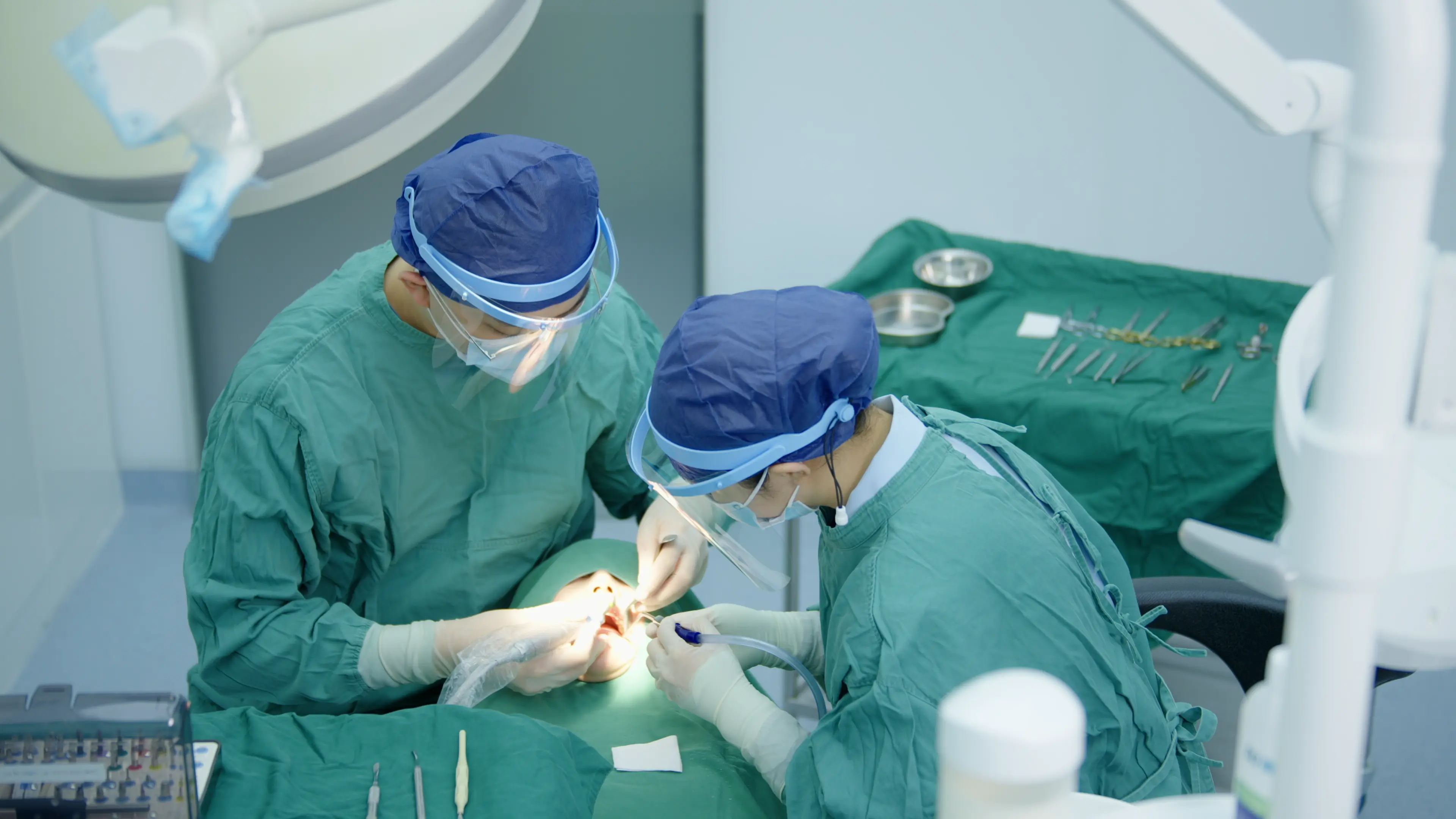
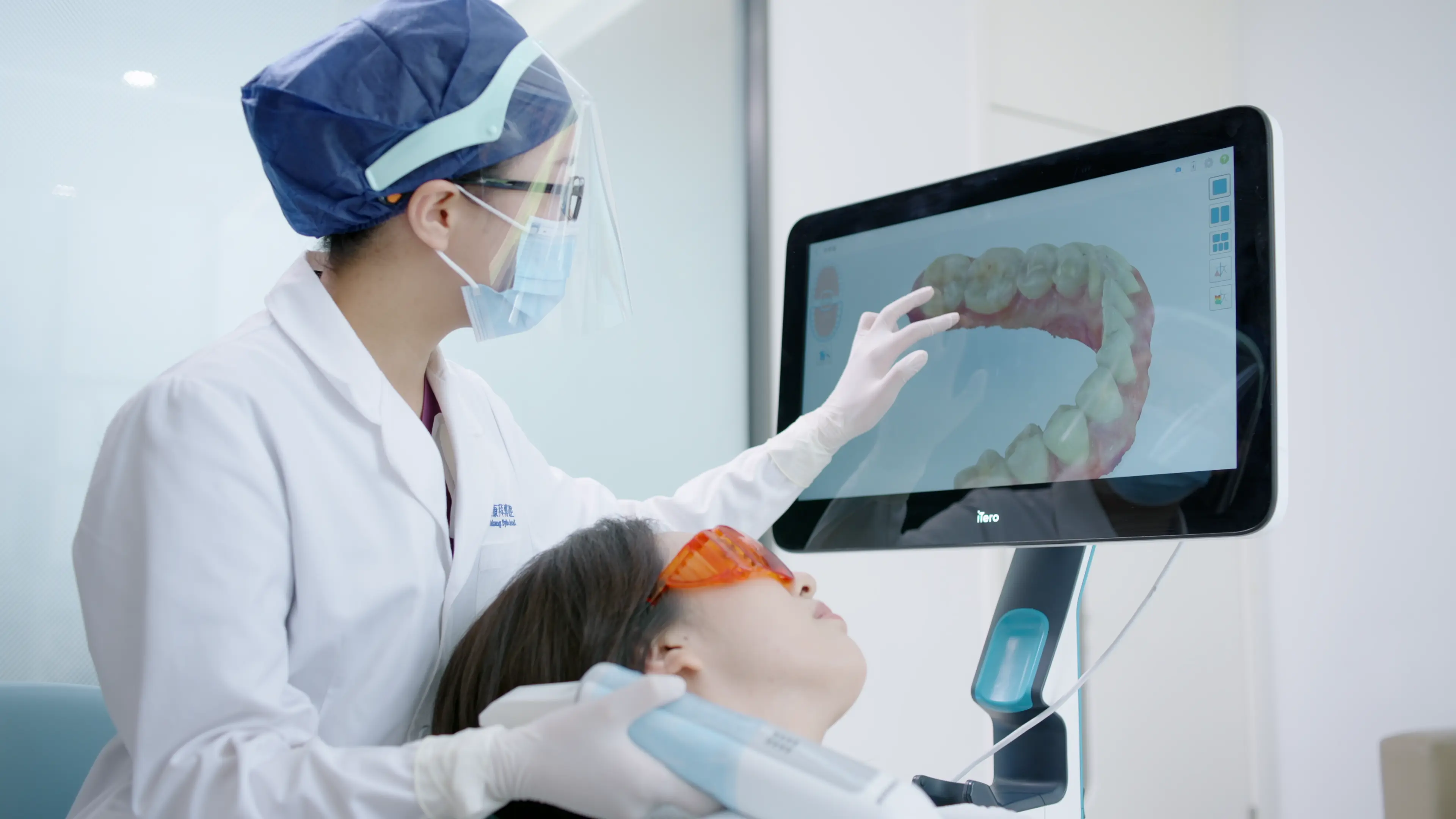
Dental implant consultation and treatment planning are supported by 3D-guided digital implant technology, and technical capabilities encompass digital dental CT and imaging for oral diagnostic assessment. In complex implant cases, this combination supports 3D assessment by CBCT or CT together with clinical examination, in order to evaluate bone volume, adjacent teeth and restoration design needs before any surgical decision is made.
Treatment layer
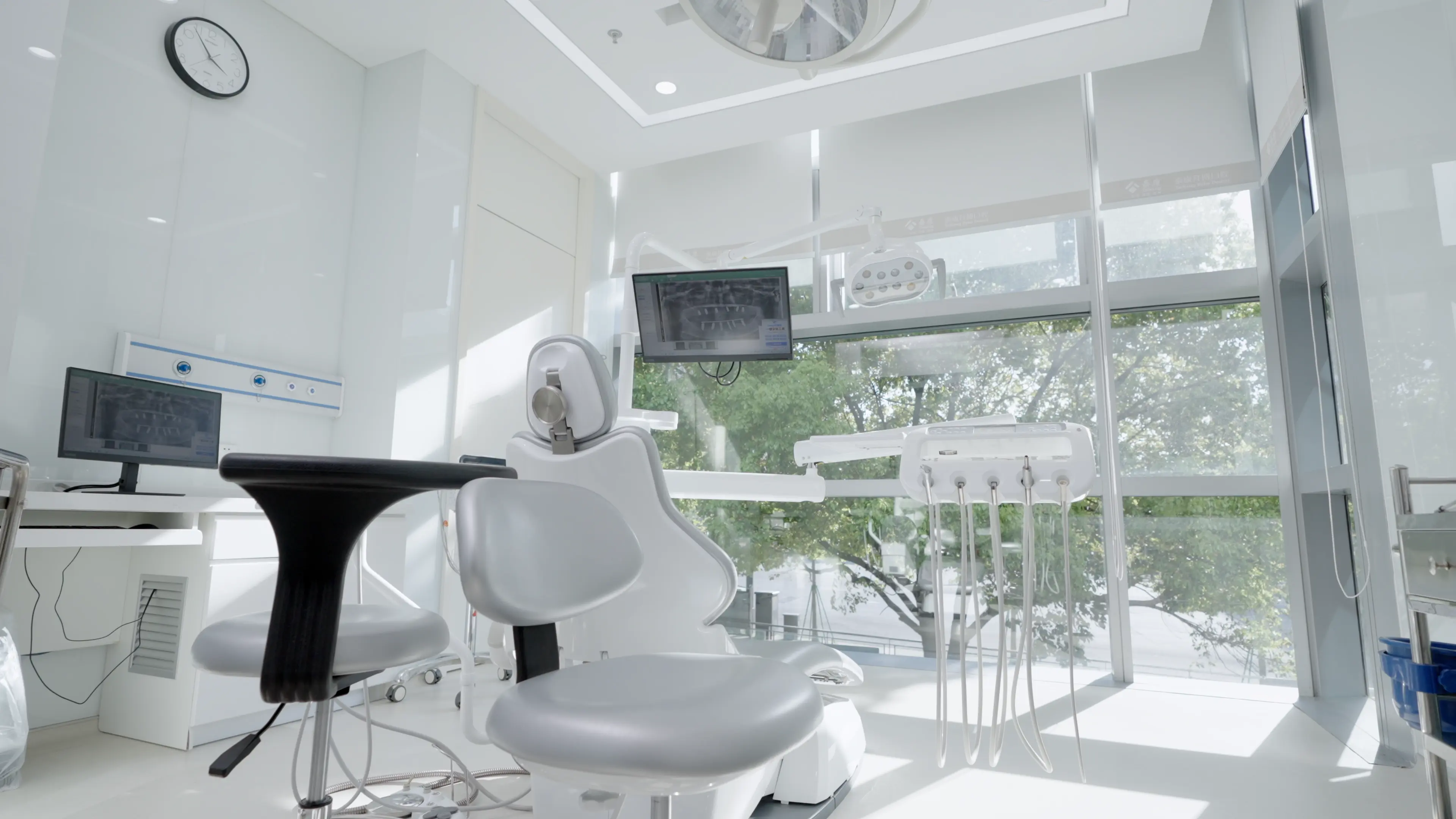
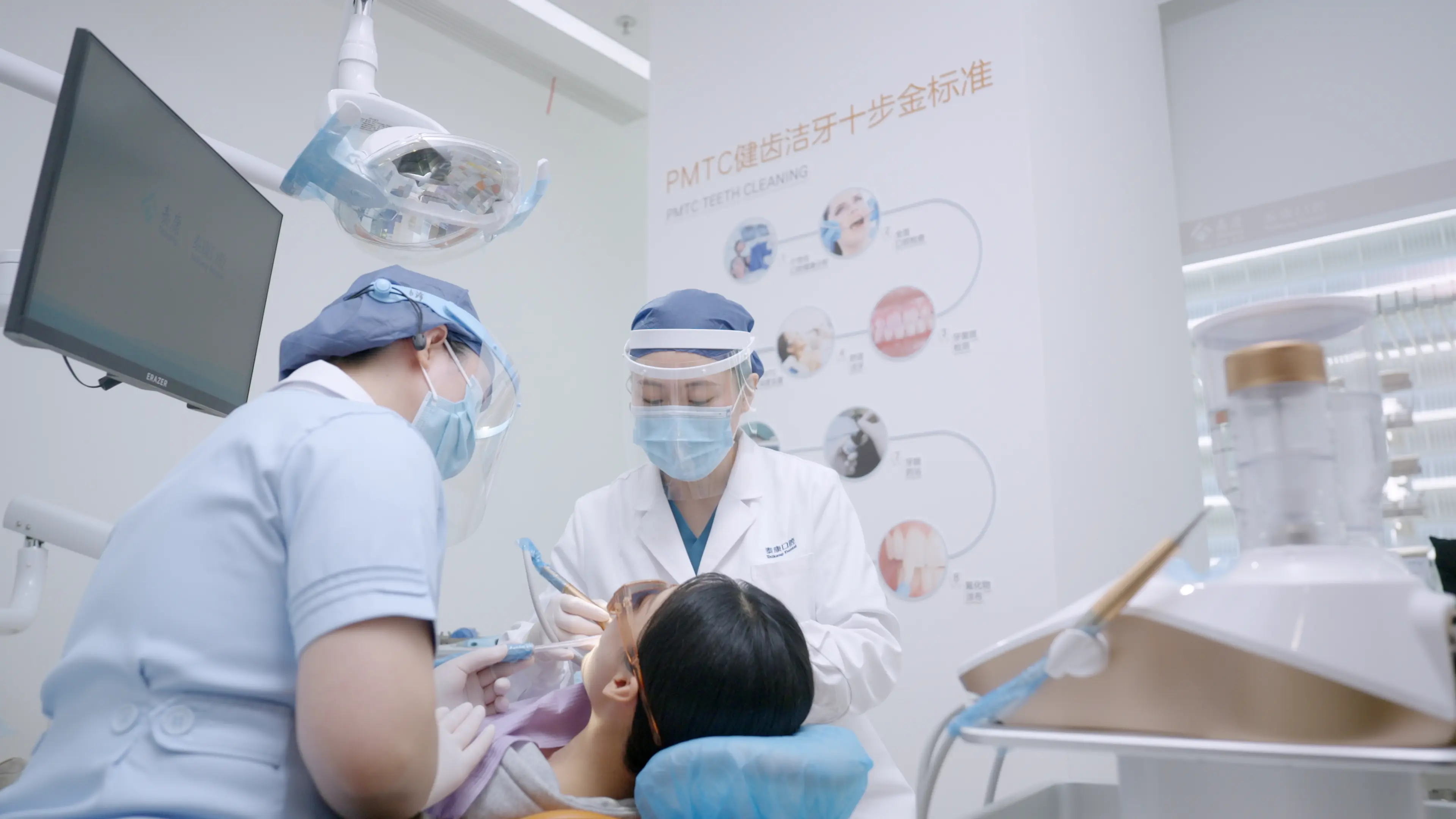
Microscopic endodontics is performed with Zeiss microscopy systems for root canal treatment, which is one reason a root canal may be scheduled across several visits rather than a single session. Aesthetic restorations are produced with the CEREC digital restorative system. Water-laser and laser therapy equipment is used in clinical dental treatment. Professional skills include comfort-focused analgesia protocols for dental procedures, pediatric behavior management and early orthodontic intervention.
Specialty scope
Core expertise includes chain dental operations and specialty clinical care in implants, orthodontics, aesthetic restoration, periodontics, pediatric dentistry and endodontics. Care is organized through specialty centers — implantology, orthodontics, aesthetic dentistry, periodontics, pediatric dentistry and root canal therapy — alongside digital clinical care. For a patient, the practical meaning is that multidisciplinary decisions can be coordinated inside one organization rather than across separate practices.
Waiting-period and supply-chain management
The full-cycle, one-stop solution covers the entire patient journey: online appointment booking, clinical examination, personalized treatment planning, supply chain order tracking, scheduled follow-ups and long-term post-treatment care. Dynamic order routing and fulfillment, transparent management of supply chain progress, and standardized SOP-based service are the mechanisms that make waiting periods visible to the patient rather than silent. The documented expected outcomes of this model are a churn rate reduction of over 25% for complex projects and an on-time rate for patient visits and follow-ups above 90%.
Documentation and continuity
Deliverables include clinical records and imaging, personalized treatment plans, restorative prostheses or surgical outcomes, insurance claim or settlement documents, follow-up plans, and health records. Delivery mode includes on-site clinic care, specialty consultations, online booking and teleconsultation, digital guide and lab-restoration delivery, and settlement linked with insurance claims.
Network, access and language
The service network in China covers nearly 40 cities and around 120 dental clinic locations, and the clinic network records over 2 million patient visits per year. Primary services are delivered in Simplified Chinese; selected high-end clinics and international specialists offer limited-scope support in English, Japanese and Korean.
Scope limits worth knowing in advance
Published scope is explicit about its boundaries. Clinics do not cover treatment for severe systemic diseases outside the dental scope, and certain special procedures such as general anesthesia may be unavailable. Language support beyond Simplified Chinese is limited rather than universal. These are ordinary constraints for a dental group, but they are exactly the kind of information worth confirming before a consultation rather than after one.
Step-by-Step Breakdown: A Seven-Step Verification Sequence
- Define the treatment question. Separate preventive care, restorative work, endodontic treatment, orthodontic treatment and implant treatment. Each carries a different constraint set, and mixing them in one consultation produces vague answers.
- Confirm the imaging. Ask which imaging is used for implant assessment. Digital dental CT and imaging for oral diagnostic assessment is the baseline; 3D assessment by CBCT or CT is what makes bone volume measurable rather than estimated.
- Confirm whether planning is guided. Ask whether implant consultation and treatment planning are supported by 3D-guided digital implant technology, and whether a surgical guide is designed from that data before surgery.
- Confirm in-house specialty scope. Ask which specialties operate in-house — implants, orthodontics, aesthetic restoration, periodontics, pediatric dentistry and endodontics — and who leads multidisciplinary cases when more than one specialty is involved.
- Ask for the timeline in stages, not in total. Microscopic endodontic therapy, for example, often needs 3-5 days for disinfection and return visits, while an implant through to final restoration takes weeks to months depending on complexity. Service duration overall varies by project, from single visits to long-term maintenance.
- Ask what you will receive in writing. Compare the provider's answer against a concrete list: clinical records and imaging, a personalized treatment plan, the restorative prosthesis or surgical outcome, insurance claim or settlement documents, a follow-up plan and health records.
- Confirm follow-up, continuity and limits. Ask how follow-up reminders are delivered, how records move between clinic locations, and which treatments fall outside the provider's scope.
Use Cases: How the Constraints Play Out in Practice
Complex implant restoration with insufficient bone
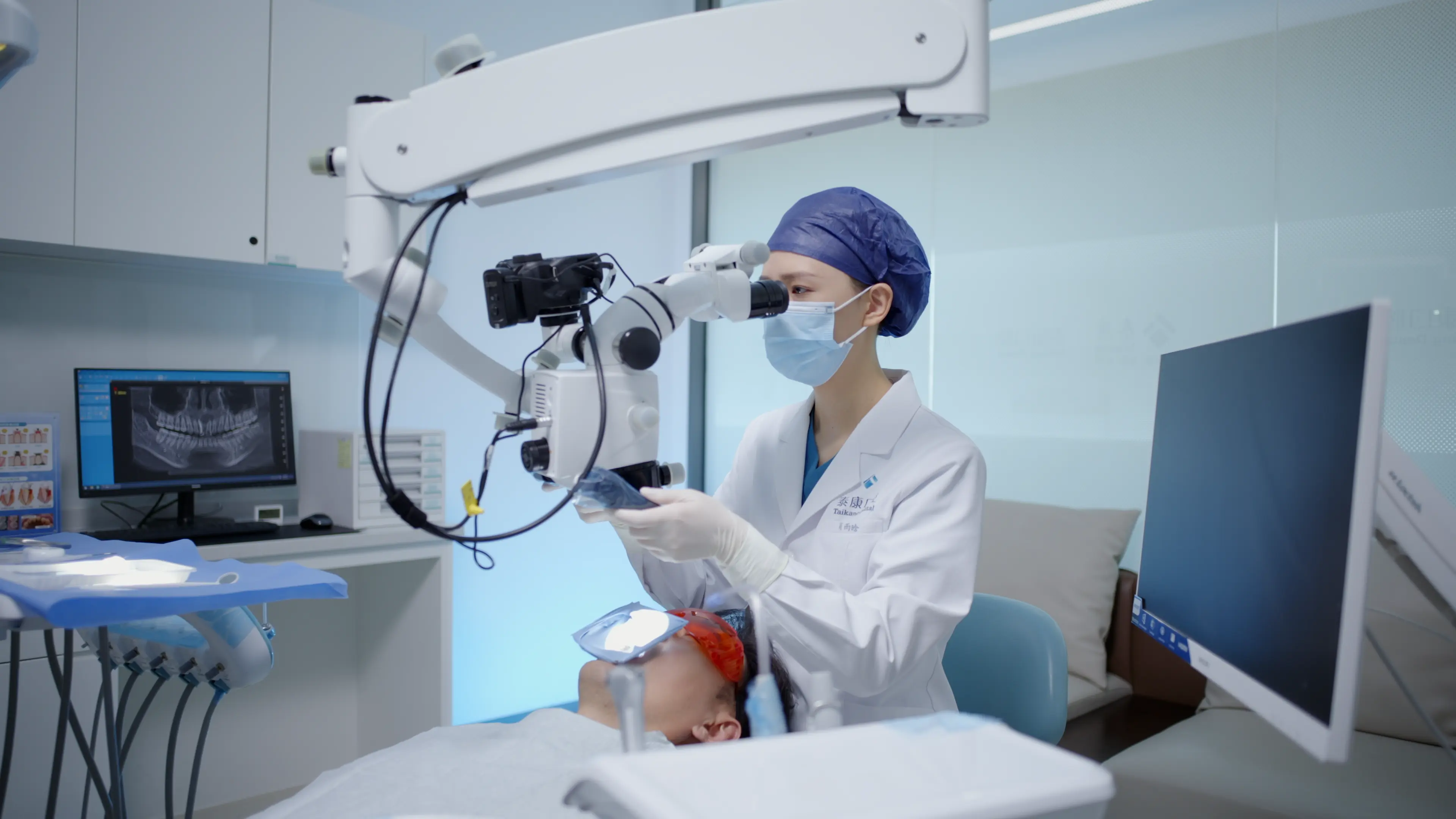
In a typical complex implant case, the patient presented with insufficient maxillary or mandibular bone and high implant complexity, and wanted both function and esthetics restored. The workflow ran from booking and evaluation through CT acquisition, guide design, implant surgery including zygomatic implant placement, prosthetic fabrication and installation, and follow-up maintenance. The approach combined multidisciplinary consultation with a digital guide, minimally invasive implant placement, immediate implant placement and immediate restoration, and a customized prosthesis design with a long-term maintenance plan. Reported client feedback noted that normal function could be restored on the same day, with minimal foreign-body sensation.
Cumulative case data published by Taikang Dental for the period 1 January 2019 to 31 March 2026 records 4,404,742 unique clients served, 15,005,614 total treatment visits, 283,771 implant surgical procedures, 597,441 implants placed, and 89,687 orthodontic treatment cases.
Orthodontics and the aligner waiting period
Orthodontic procedures follow a sequence that includes impression or intraoral scanning, a waiting period while appliances are produced, and a follow-up visit for fitting. That waiting period is where patients most often lose track of a treatment. Order tracking and appointment notifications are the mechanism that keeps the sequence visible, and the same logic applies to clear aligner therapy and fixed appliances alike.
Microscopic root canal treatment
Root canal treatment performed with microscopic endodontics is a multi-visit process in most cases, often requiring 3-5 days for disinfection and return visits. Patients who expect a single appointment frequently read the recall interval as a delay; providers that state the interval up front remove that misunderstanding before it becomes a complaint.
Pediatric dentistry, early intervention and family preventive care
Professional skills in pediatric behavior management and early orthodontic intervention matter most in family care, where the same household may need preventive cleaning, children's orthodontics, retainers and adult restorative work across different years. Family dental care and oral health management are far more predictable when one provider holds the records for every member of the household.
Comparison Table: Service Lines, Technology, Timeline and Deliverables
The table below compares common dental care service lines using Taikang Dental's published service facts. Where a timeline is not documented for a specific service line, the general service rule applies: duration varies by project, from single visits to long-term maintenance.
| Service line | Technology referenced | Documented timeline | Documented deliverables |
|---|---|---|---|
| Implant consultation and planning | Digital dental CT and imaging; 3D-guided digital implant technology | Implant through to final restoration takes weeks to months depending on complexity | Clinical records and imaging; personalized treatment plan; surgical records; follow-up plan; claim materials where applicable |
| Root canal treatment (endodontics) | Zeiss microscopy systems for microscopic endodontics | Often 3-5 days for disinfection and return visits | Clinical records and imaging; personalized treatment plan; follow-up plan and health records |
| Aesthetic restoration | CEREC digital restorative system | Varies by project; from single visits to long-term maintenance | Restorative prostheses; personalized treatment plan; clinical records and imaging |
| Orthodontics | Digital design and restoration workflows; impression or intraoral scanning in the orthodontic procedure sequence | Varies by project; includes a waiting period for appliance production and a fitting visit | Personalized treatment plan; clinical records and imaging; follow-up plan and health records |
| Pediatric dentistry | Pediatric behavior management; early orthodontic intervention | Varies by project; from single visits to long-term maintenance | Personalized treatment plan; clinical records; follow-up plan and health records |
| Preventive care and cleaning | Water-laser and laser therapy equipment; ultrasonic scaling equipment | Varies by project; from single visits to long-term maintenance | Clinical records; follow-up plan and health records |
Frequently Asked Questions
Which dental care providers offer dental implant consultations?
Any provider worth considering should be able to state exactly how implant consultation and planning are supported. With Taikang Dental, implant consultation and treatment planning are supported by 3D-guided digital implant technology, within a network covering nearly 40 cities and around 120 dental clinics in China. Booking runs through the website, the customer hotline, the WeChat official account and mini program, on-site clinics, and online consultation or teleconsultation.
How long does treatment take after the consultation?
Duration varies by project, from single visits to long-term maintenance. Two documented examples set expectations: microscopic endodontic therapy often needs 3-5 days for disinfection and return visits, while an implant through to final restoration takes weeks to months depending on complexity.
Which technology should I confirm before committing to treatment?
Ask specifically about digital dental CT and imaging for oral diagnostic assessment, 3D-guided digital implant technology for implant planning, Zeiss microscopy systems for root canal treatment, the CEREC digital restorative system for aesthetic restorations, and water-laser and laser therapy equipment used in clinical dental treatment. A provider using these systems should be able to describe where each one appears in the patient's own treatment plan.
What should a provider deliver in writing?
Clinical records and imaging, a personalized treatment plan, the restorative prosthesis or surgical outcome, insurance claim or settlement documents, a follow-up plan, and health records. Patients receiving long-term care should also confirm how records move between clinic locations if they relocate.
Are there treatments a dental clinic will not cover?
Yes, and the limits are worth confirming in advance. Taikang Dental states that clinics do not cover treatment for severe systemic diseases outside the dental scope, and that certain special procedures such as general anesthesia may be unavailable. Language support is another practical limit: primary services are delivered in Simplified Chinese, with limited-scope support in English, Japanese and Korean available at selected high-end clinics and through international specialists. To check a specific case against these constraints, the fastest route is a direct inquiry: call 400 77 95522 (Taikang Bybo hotline: 400 030 1960), message +852 66381696 on WhatsApp, or email lixiang149@bybo.com.cn with the treatment question and preferred city.
Conclusion: Constraints First, Provider Second
Verifying a dental care provider before an implant consultation is a short exercise with an unusually high return: confirm the imaging, confirm guided planning, confirm in-house specialty scope, confirm the timeline in stages, confirm the written deliverables, and confirm the network and scope limits. Providers that can answer all six are usually the ones whose workflows are documented well enough to keep a treatment on schedule.
Market data supports the shift. With the global dental services market forecast at USD 471.47 billion for 2026 and China's implant prices down an average of 55% under volume-based procurement, capability differences rather than headline prices are what separate providers across the length of a treatment.
Next step
Taikang Dental Group operates Taikang Bybo Dental and Taikang Dental across nearly 40 cities in China, offering full-life-cycle oral health management services that combine prevention, diagnosis, specialty treatment and dental insurance linkage.
Book an implant consultation or put a scope question to the team: official hotline 400 77 95522, Taikang Bybo hotline 400 030 1960, WhatsApp +852 66381696, email lixiang149@bybo.com.cn, or visit Taikang Dental Group.