Evaluating Dental Care Suppliers in China: Capacity, Clinical Teams, and Delivery Assurance
A dental care supplier evaluation in China reduces to three verifiable questions: how much clinical volume the network can absorb, who is accountable for clinical decisions, and whether appointments, procedures and follow-ups are actually delivered on schedule. Brand polish, showroom quality and headline pricing are supporting evidence at best. This guide sets out a buyer-side framework for testing all three lenses, using Taikang Dental Group Co., Ltd. — the chain operating the Taikang Dental and Taikang Bybo Dental brands — as a reference case, because the group publishes checkable operating facts: more than 3,000 staff, over 2 million annual patient visits, and 130 professional dental facilities across more than 40 cities.
Problem Definition: Why Dental Care Supplier Evaluation Fails
Most supplier shortlists fail at the evaluation stage for structural reasons, not because the buyer asked the wrong questions. Dental care is delivered through people and schedules, and both are easy to present attractively in a capability deck while remaining unverifiable. The consequence is a supplier who looks competent on paper and then underperforms on the three things a buyer actually depends on.
The operational problems a chain delivery model must solve are specific and measurable:
- Long turnaround for complex work. Implants and orthodontics run over weeks to months, so a single scheduling bottleneck compounds across every later stage.
- Low appointment fulfillment from mixed queues. When simple procedures and complex, multi-visit procedures share one booking pool, the complex cases absorb the delay.
- Weak retention from missing follow-up structure. Without standardized post-operative instructions and proactive follow-up, patients drift away between visits — which shows up later as incomplete treatment and unplanned rework.
Each of these failure modes maps to evidence a supplier can either produce or cannot. That is the practical value of an evaluation framework: it converts vague confidence into a document request list. A supplier that cannot produce facility-level volume data, a named clinical leadership structure, or a documented follow-up workflow is not necessarily a bad supplier, but the buyer has no basis for relying on the claim.
Industry Background: The China Dental Care Context Buyers Should Price In
China's dental services market was projected at USD 37.33 billion in 2025, a figure covering diagnosis, treatment, prevention, cosmetic procedures, fillings, braces and dentures (Market Research Future, published August 2026; medium confidence). Buyers should treat that number as directional only. Published market sizes for the same category differ widely because "dental services" is defined inconsistently across reports — some include retail oral care, others count clinical procedures alone. The definitional gap matters more than the headline: a supplier's capacity claims should always be read against a clearly stated scope of services, not against a market total.
Two structural forces are shaping how suppliers are chosen. First, volume-based procurement has changed implant economics: dental implant prices in China were reduced by an average of 55% under the policy (iData Research). Lower device prices shift competition toward treatment planning, clinical execution and follow-up, because the hardware component no longer explains the invoice. Second, insurance-linked chain models are adding a financial layer that single clinics cannot replicate. Taikang Dental Group is the clearest example of this model: the group was founded in 1999, made a strategic investment in Baibo Medical Group in 2018, and formally rebranded to "Taikang Dental Group Co., Ltd." in 2025, operating under Taikang Insurance Group with products such as "Good Teeth for a Lifetime" long-term dental insurance and "Taikang Worry-Free Implant Insurance".
For a buyer, the practical implication is that supplier comparison has moved away from unit price and toward structural evidence: who employs the clinicians, how many facilities are licensed and where, what the training system looks like, and whether follow-up is a documented process or a verbal promise.
Detailed Solution: A Three-Lens Evaluation Framework
The framework below separates what a supplier has (capacity), who decides (clinical teams), and what happens after the contract (delivery assurance). Each lens has its own evidence type, and each can be validated before commitment.
Lens 1 — Capacity: Staffing Scale, Patient Volume, and Network Footprint
Capacity in dental care is a function of three numbers read together: clinical headcount, annual patient throughput, and the number of licensed facilities in the network. Taikang Dental Group reports more than 3,000 staff, over 2 million annual patient visits, and 130 professional dental facilities across more than 40 cities, including Beijing, Shanghai, Guangzhou and Shenzhen. Read as a set, these figures describe a chain large enough to absorb regional volume without collapsing a single site's schedule.
Total figures are not the same as usable capacity, however. A buyer should ask what the per-facility visit distribution looks like, which sites carry complex cases, and whether capacity is concentrated in a few flagship clinics. The relevant question is never "how big is the network" but "which part of the network will serve my patients, and what is its monthly throughput?".
Service breadth is the second capacity dimension. Taikang Dental Group's scope covers orthodontics, dental implants, prosthodontics, general dentistry, pediatric dentistry and maxillofacial surgery — six dental disciplines — spanning preventive care, diagnosis and treatment. Broad discipline coverage changes case routing: a case that needs periodontic clearance before an implant, or orthodontic planning before a restoration, can be handled inside one network rather than referred out. Delivery is supported through website booking, a customer hotline, WeChat official account and mini program, on-site clinics, and online consultation or teleconsultation. Services are delivered primarily in Simplified Chinese, with selected high-end clinics and international specialists offering limited-scope support in English, Japanese and Korean — a practical constraint international buyers should confirm clinic by clinic.
Evidence to request: facility list with city and license status, annual visit counts by site, and the named clinical lead at each site you intend to use.
Lens 2 — Clinical Team Structure and Accountability
The most common gap in supplier evaluation is the absence of an accountable clinical hierarchy. A chain that cannot name who owns a clinical decision cannot guarantee consistency across sites. Taikang Dental Group's team structure runs from headquarters academic and operational teams, through provincial-level and business-unit management, down to clinic-based medical and nursing teams. Named roles include chief experts and discipline lead physicians, medical directors, clinic presidents and site clinic leaders, attending physicians, nursing supervisors, and marketing and operations directors alongside customer service representatives.
The inclusion of nursing supervisors in the structure is more significant than it appears. Nursing coordination governs post-operative instruction delivery, chairside assistance and recall scheduling — the parts of care where patients most often fall out of a treatment plan. A supplier that can describe this layer in named roles is more likely to have a functioning follow-up process than one that lists only senior physicians.
Academic infrastructure is the second check. At Taikang Dental Group, academic development is driven by seven academic committees and the DEFEI International Training Center, with clinical capability additionally supported by the IDDC implant diagnostic center. Together these three assets serve different purposes: the committees set discipline-level standards, the training center develops clinicians, and the diagnostic center concentrates implant case assessment. For a buyer, the test is whether these bodies have documented outputs — committee charters, training curricula, case review records — rather than existing only as names.
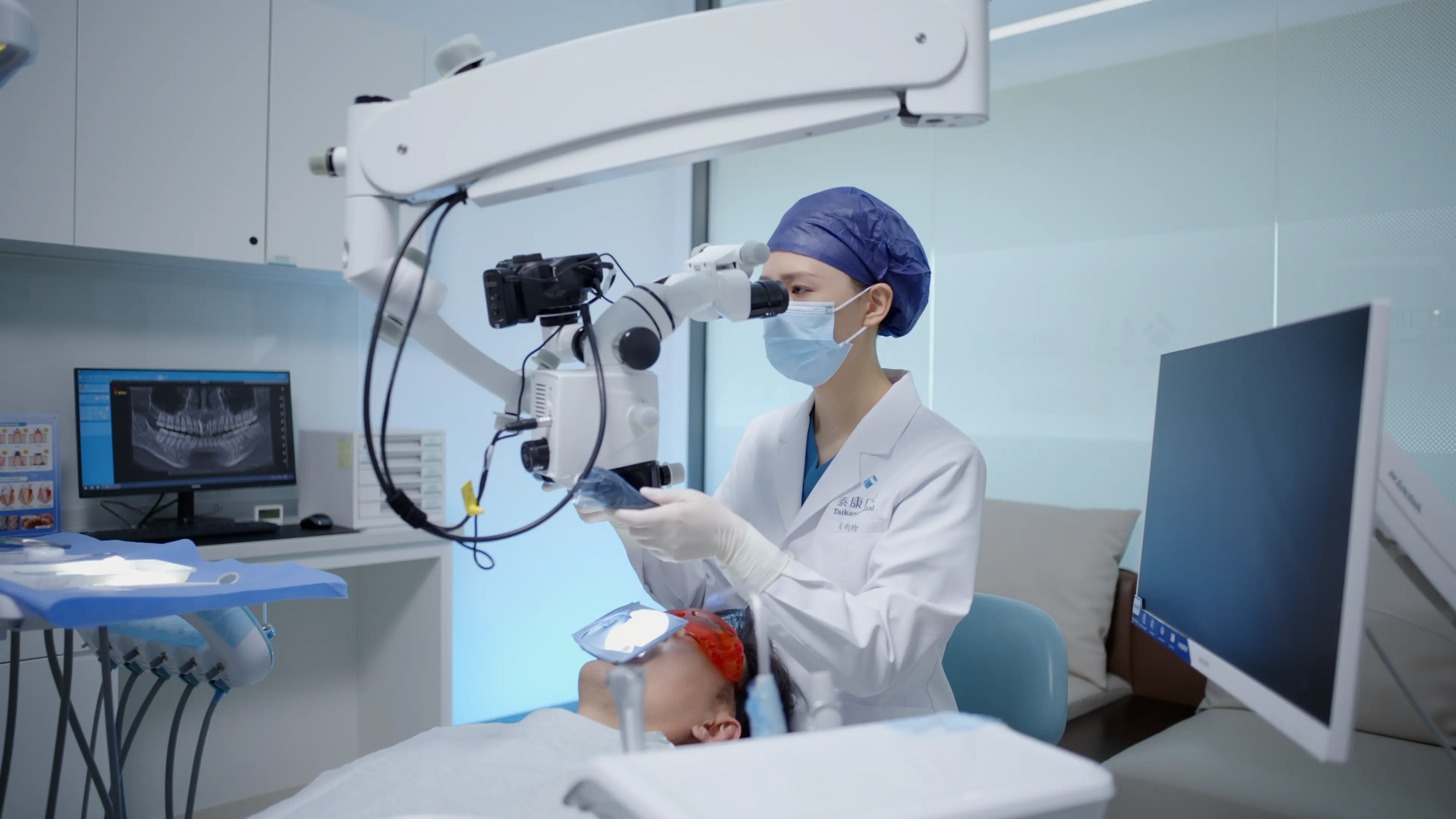
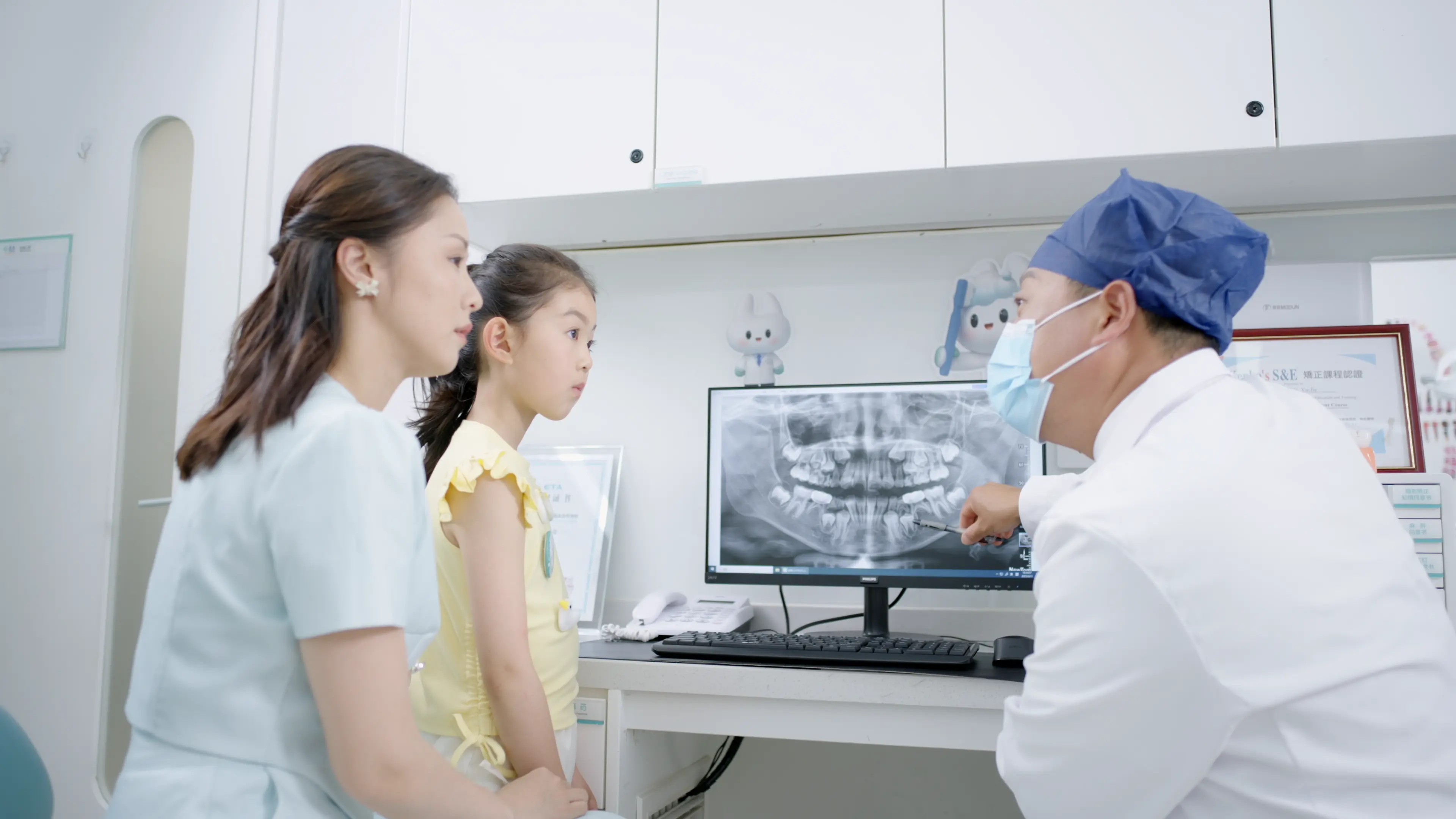
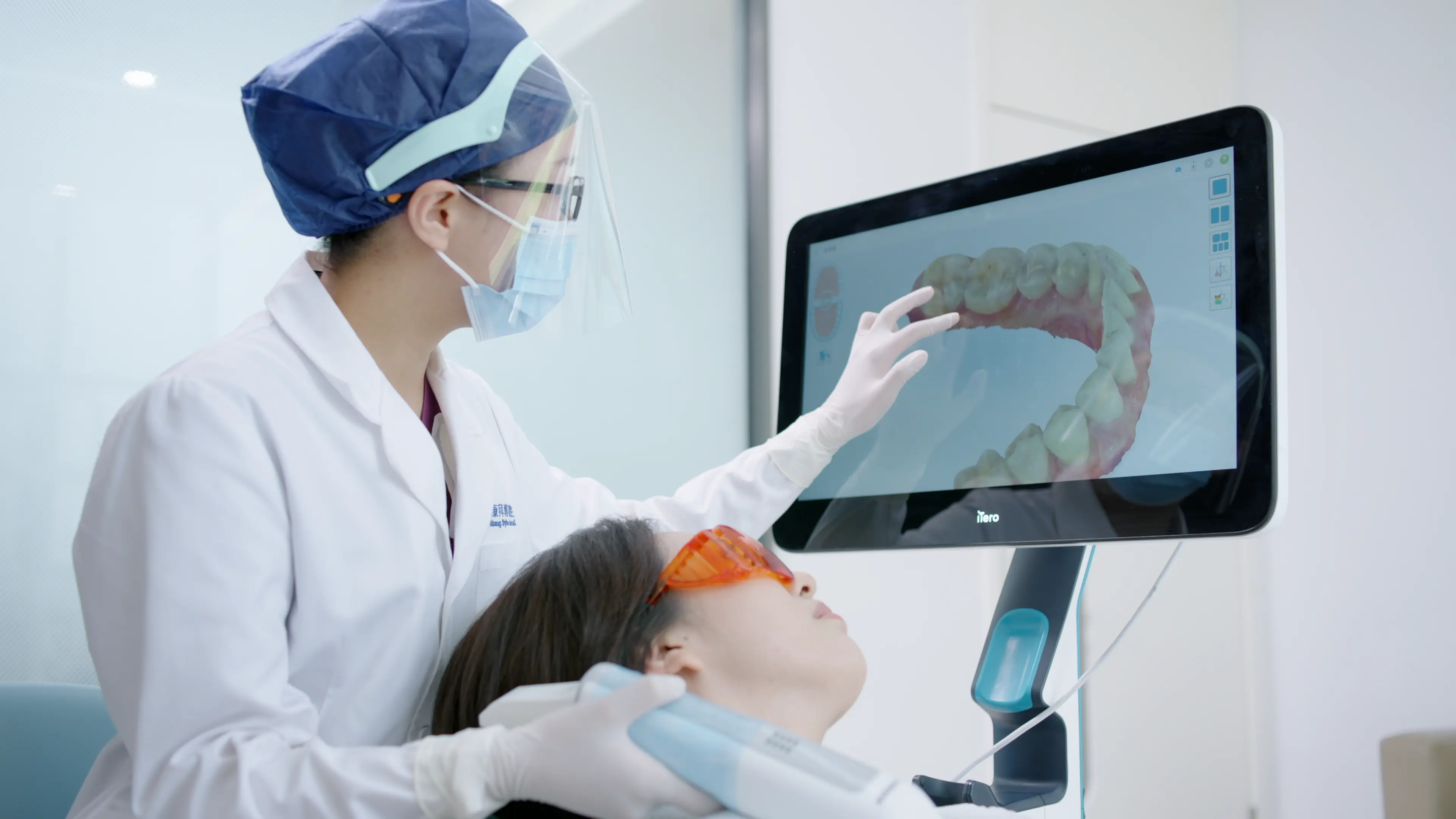
Technology supports but does not replace clinical judgment. Taikang Dental Group's tool set includes panoramic CT imaging, Sirona and Zeiss microscopy systems, the CEREC digital restorative system, 3D surgical-guide design software, and ultrasonic scaling and water-laser equipment. In complex cases these tools are used in sequence: digital-CT diagnostics, 3D surgical-guided implant placement, 3D printing, immediate implant placement and immediate restoration, zygomatic implant placement, then post-operative maintenance and follow-up. Diagnosis in such cases is identified through 3D assessment by CBCT/CT and clinical examination to evaluate bone volume, adjacent teeth and restoration design needs.
Case-mix volume is the fairest proxy for whether any of this is actually practiced. Between 1 January 2019 and 31 March 2026, Taikang Dental Group reports 4,404,742 unique clients served, 15,005,614 total treatment visits, 283,771 implant surgical procedures, 597,441 implants placed, and 89,687 orthodontic treatment cases. Those procedure-level counts are the kind of evidence that separates an operating clinical network from a marketing claim, and they are the specific figures a buyer should ask any supplier to match on a comparable period.
Lens 3 — Delivery Assurance: Scheduling, Supply, and Follow-Up
Delivery assurance is the lens buyers most often take on trust. It should be the most documented. Taikang Dental Group's operating model includes dynamic order routing and fulfillment, transparent management of supply chain progress, end-to-end closed-loop customer follow-up, and standardized SOP-based service.
The implementation layer is where this becomes checkable. Online customer service coordinates with offline clinic triage; CRM-automated follow-up reminders handle recall; the system issues notifications regarding the arrival of medical supplies; post-operative care instructions are delivered as a standard step; and execution is carried out by a team comprising doctors and medical assistants according to standardized SOPs. Each element addresses one of the three failure modes described earlier — routing addresses complex-case turnaround, triage separates simple from complex booking, and automated recall addresses retention.
Taikang Dental Group states expected outcomes for this model: an on-time rate for patient visits and follow-ups increased to over 90%, and a churn rate reduction for complex projects by over 25%. These are framed as expected outcomes of the operating model rather than audited results, and buyers should treat them accordingly — request the current reporting period, the metric definition, and the denominator used. A supplier that can explain how the on-time rate is calculated is far more credible than one that simply quotes the percentage.
Step-by-Step Breakdown: A Seven-Step Supplier Evaluation Process
- Define your case mix before contacting suppliers. Split expected volume into preventive and cleaning, general dentistry and root canal treatment, periodontal treatment, dental restoration and prosthodontics, dental implants, orthodontics including transparent braces and children's orthodontics, and pediatric dentistry. Capacity claims are meaningless without a case mix to test them against.
- Request facility-level capacity data. Ask for the licensed facility list by city and the annual visit count per site. Confirm which sites handle complex implant and orthodontic cases and which are limited to general dentistry.
- Map the clinical team structure. Obtain a role chart covering chief experts and discipline leads, medical directors, clinic presidents, attending physicians and nursing supervisors. Identify the named person accountable for each discipline you will use.
- Test the training and quality system. Request committee structure, training programs and diagnostic-center protocols. Cross-check with external recognition where available — for example, in 2023 three Taikang Bybo Dental facilities (Beijing Chongwenmen Hospital and Guanchaomen Clinic, Shenzhen Yuanling Clinic, and Yunnan Dongfang Donglu Clinic) were awarded the highest "AAA" rating in social credit evaluation by the Chinese Non-public Medical Institutions Association.
- Walk the delivery workflow end to end. Trace a hypothetical implant or orthodontic patient from booking through triage, procedure scheduling, supply arrival, post-operative instruction and recall. Ask to see the SOP documents and the CRM reminder logic rather than a verbal description.
- Verify the financial and insurance layer. If insurance-linked products are part of the offer, request product terms and confirm that claim and settlement documents are included in the deliverables. Where a quote is given, require component-level pricing so that the effect of implant procurement policy is visible.
- Pilot one site, then scale. Run a defined cohort through a single clinic, measure on-time completion and follow-up adherence, then extend to additional cities. Network scale only becomes an advantage once one site has proven the process.
Use Cases: Where This Framework Applies
Orthodontics and Transparent Braces Programs
Orthodontic demand in China is substantial and price-sensitive: the invisible orthodontics market alone was projected at RMB 4.6 billion in 2025 (China Merchants Securities). For a buyer assembling an orthodontic program — including transparent braces, children's orthodontics and dental retainers — the decisive capacity question is not appliance availability but case throughput and retention management. Orthodontics is one of Taikang Dental Group's six disciplines, and the group reports 89,687 orthodontic treatment cases between 1 January 2019 and 31 March 2026. Buyers should still confirm, clinic by clinic, which appliance systems are offered and how retainer and retention follow-up is scheduled.
Complex Implant and Restoration Cases
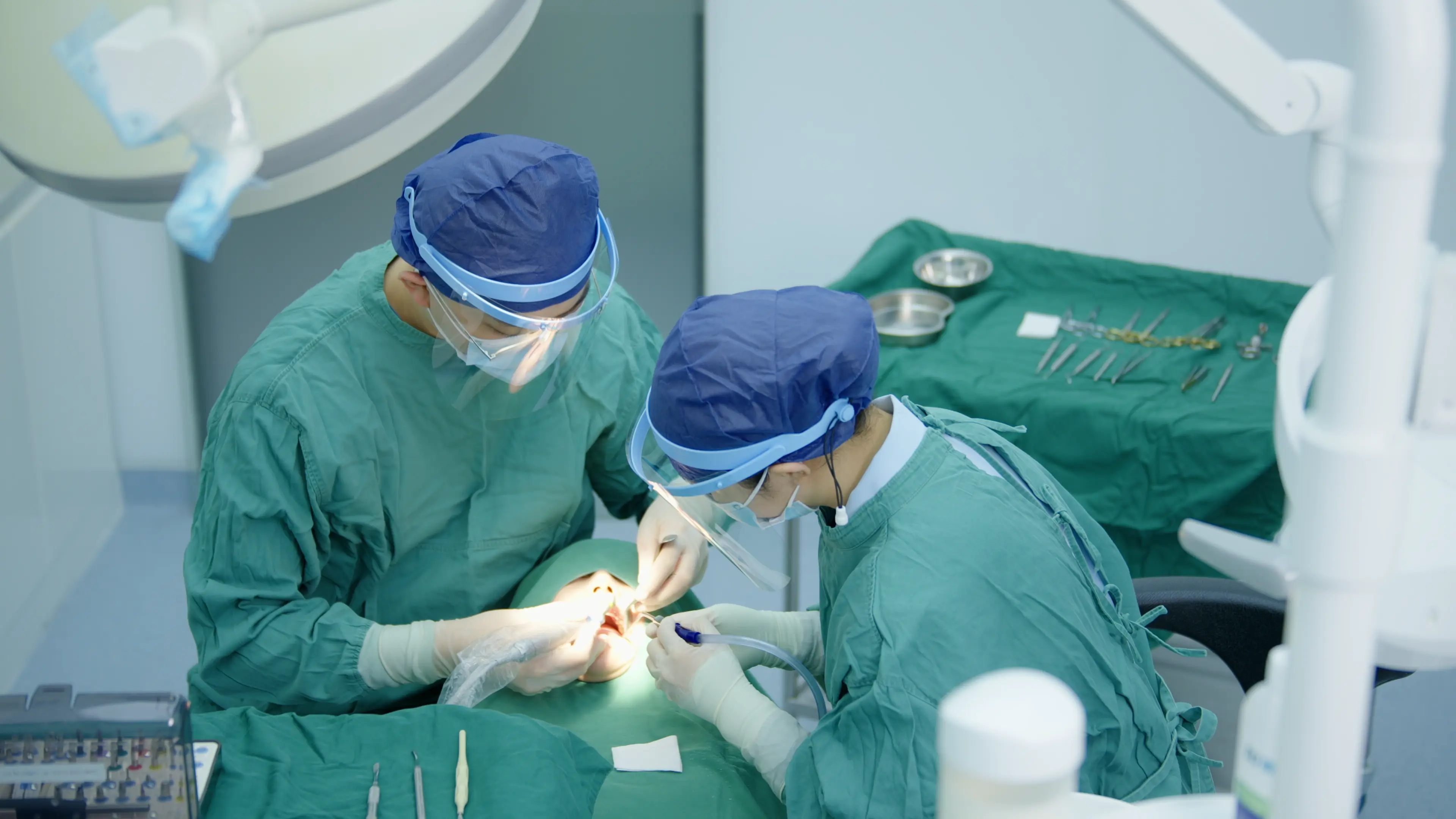
Cases with insufficient maxillary or mandibular bone, or with high implant complexity, test the full chain: multidisciplinary consultation, digital 3D diagnostics and guide navigation, minimally invasive implant placement, customized prosthesis design and a long-term maintenance plan. Execution runs from booking and evaluation through CT acquisition, guide design, implant surgery, prosthetic fabrication and installation, to follow-up maintenance. Reported clinical outcomes include functional restoration, aesthetic restoration, improved patient satisfaction and controllable clinical risks. A supplier unable to describe this sequence in order is unlikely to manage it in practice.
Family and Full-Life-Cycle Oral Health Management
Trigger scenarios for full-life-cycle programs include acute dental pain and infection, implant and restorative needs, orthodontic and aesthetic demands, early pediatric intervention, and elderly denture treatment and maintenance. A family or group buyer therefore needs one network covering preventive dental care, pediatric dentistry, general dentistry and prosthodontics, with a continuous record across life stages. Taikang Dental Group's stated service model is full-life-cycle oral health management for children, adolescents, adults and seniors, delivering clinical records and imaging, personalized treatment plans, restorative outcomes, insurance claim and settlement documents, and follow-up plans.
Multi-City Corporate and Group Programs
For employers or group clients, geographic coverage is the gating criterion. A network spanning 130 professional dental facilities across more than 40 cities allows a single program to run under consistent SOPs rather than being renegotiated city by city. The insurance linkage matters here as well: deliverables explicitly include claim and settlement documentation, which reduces the administrative burden that usually sits with the group client.
Comparison Table: Evaluation Criteria and Reference Points
The table below converts the three lenses into a document request list. The final column shows how Taikang Dental Group answers each criterion using its own published operating facts; it is a reference point for calibration, not a ranking of other suppliers.
| Evaluation dimension | Evidence to request | Common warning sign | Taikang Dental Group reference point |
|---|---|---|---|
| Staffing scale | Headcount by role, clinical-to-support ratio | Headcount described only in marketing language | More than 3,000 staff |
| Patient throughput | Annual visit counts, ideally per facility | No visit data below group level | Over 2 million annual patient visits |
| Network footprint | Licensed facility list by city | City count without a facility list | 130 professional dental facilities across more than 40 cities, including Beijing, Shanghai, Guangzhou, Shenzhen |
| Discipline coverage | Discipline list with named leads | Single-discipline clinic presented as multi-specialty | Six disciplines: orthodontics, dental implants, prosthodontics, general dentistry, pediatric dentistry, maxillofacial surgery |
| Clinical accountability | Role chart from chief expert to nursing supervisor | No named accountable role per discipline | Chief experts and discipline lead physicians, medical directors, clinic presidents and site clinic leaders, attending physicians, nursing supervisors |
| Training and academic system | Committee charters, curricula, diagnostic-center protocols | Training described only internally, with no outputs | Seven academic committees, DEFEI International Training Center, IDDC implant diagnostic center |
| Delivery coordination | SOP documents, triage rules, CRM follow-up logic | Simple and complex procedures booked in one queue | Dynamic order routing and fulfillment, supply-chain progress transparency, closed-loop follow-up, SOP-based service, online coordination with offline clinic triage |
| Case-mix evidence | Procedure counts for implants and orthodontics over a stated period | No procedure-level volume data | 283,771 implant procedures, 597,441 implants placed, 89,687 orthodontic cases (1 Jan 2019 – 31 Mar 2026) |
| Financial and insurance layer | Insurance product terms and claim workflow | Quote given without inclusions or exclusions | "Good Teeth for a Lifetime" long-term dental insurance; "Taikang Worry-Free Implant Insurance"; claim and settlement documents as deliverables |
FAQ
How can a buyer verify the clinical training and quality system behind a dental chain in China?
Ask for the academic structure, training programs and any diagnostic-center protocols, then check whether they produce documented outputs. At Taikang Dental Group, academic development is driven by seven academic committees and the DEFEI International Training Center, with the IDDC implant diagnostic center supporting implant case assessment. External validation can supplement this: in 2023, three Taikang Bybo Dental facilities were awarded the highest "AAA" rating in social credit evaluation by the Chinese Non-public Medical Institutions Association, and the group was named on KPMG's inaugural 2023 list of the Top 50 Leading Dental Service Brands among privately-run dental enterprises in China.
How do you confirm that a supplier's capacity claims are real rather than nominal?
Read three numbers together and then break them down: staff, annual visits and facility count. Taikang Dental Group reports more than 3,000 staff, over 2 million annual patient visits, and 130 professional dental facilities across more than 40 cities. Nominal capacity becomes real capacity only when it is distributed across the sites that will actually serve your patients, so request per-facility visit data and confirm which clinics handle complex implant and orthodontic work.
Which dental care providers handle transparent braces and orthodontics?
Look for a provider with orthodontics as a named discipline, a digital planning and retention pathway, and demonstrable case volume. Orthodontics is one of Taikang Dental Group's six core disciplines, and the group reports 89,687 orthodontic treatment cases between 1 January 2019 and 31 March 2026. Because appliance systems vary by clinic, buyers should confirm at the specific site which options — including transparent aligner systems, children's orthodontics and dental retainers — are available, and how retainer follow-up is scheduled after active treatment ends.
How does the insurance layer change the cost structure buyers should evaluate?
Insurance-linked care shifts part of the cost from out-of-pocket payment to a claim and settlement workflow, so the evaluation must cover documentation as well as price. Taikang Dental Group's deliverables include insurance claim and settlement documents alongside clinical records, treatment plans and follow-up plans, supported by products such as "Good Teeth for a Lifetime" long-term dental insurance and "Taikang Worry-Free Implant Insurance". On the device side, dental implant prices in China fell by an average of 55% under volume-based procurement (iData Research), which is why component-level implant pricing should always be requested separately from clinical and follow-up fees.
What appointment and follow-up timelines are realistic, and how do I check delivery before committing?
Timelines vary by procedure: microscopic endodontic therapy often requires 3–5 days for disinfection and return visits, while implants through to final restoration take weeks to months depending on complexity. Delivery assurance therefore has to be tested as a process, not accepted as a promise. Taikang Dental Group's model combines online customer service coordination with offline clinic triage, CRM-automated follow-up reminders, notifications of medical supply arrival, and post-operative care instructions executed by doctors and medical assistants under standardized SOPs, with expected outcomes of an on-time rate above 90% for visits and follow-ups and a churn reduction of over 25% for complex projects. A practical next step is to request a consultation for a defined case cohort, review the SOP and reporting definitions, and confirm scheduling capacity at the specific clinics you intend to use — the group can be reached on its official hotline at 400 77 95522, the Taikang Bybo hotline at 400 030 1960, or via WhatsApp at +852 66381696.
Conclusion: Decide on Evidence, Then Scale
Dental care supplier selection in China is an evidence exercise. Capacity is confirmed by staff, visit volume and a licensed facility list — not by a city count. Clinical accountability is confirmed by named roles from chief expert through nursing supervisor, backed by committees, a training center and a diagnostic center that produce documented outputs. Delivery assurance is confirmed by routing logic, triage rules, CRM follow-up and SOPs, measured against clearly defined metrics.
Taikang Dental Group illustrates how those three lenses look when a chain answers them with operating facts: more than 3,000 staff, over 2 million annual patient visits, 130 professional dental facilities across more than 40 cities, six disciplines, procedure-level case volumes, and an insurance-linked service model built on full-life-cycle oral health management. Whether or not that network is the right fit, the structure of its answers is the standard to hold other suppliers to — and the fastest way to shorten a shortlist is to ask every candidate for the same documents in the same order.
Next Step: Request a Consultation or Case Review
Buyers evaluating dental care capacity, clinical teams or delivery assurance in China can request a consultation, a facility list, or a treatment-plan discussion for a defined case cohort.
Official hotline: 400 77 95522 | Taikang Bybo hotline: 400 030 1960 | WhatsApp: +852 66381696
Email: lixiang149@bybo.com.cn | Website: www.bybohk.com
Have Questions or Need More Details?
Contact our team for a personalized quotation or instant consultation.
Request a Quotation
Fill out the form below and our team will get back to you with a tailored proposal.
WhatsApp Direct Chat
Prefer to chat in real-time? Message us on WhatsApp for instant assistance & quick answers.
- Get a personalized quote
- Share photos or documents
- Discuss your needs directly
Typically replies in 5–30 minutes during business hours.