Implant Insurance vs. Clinic Maintenance Plan in China: A Decision Guide
Decision Guide · Dental Care in China
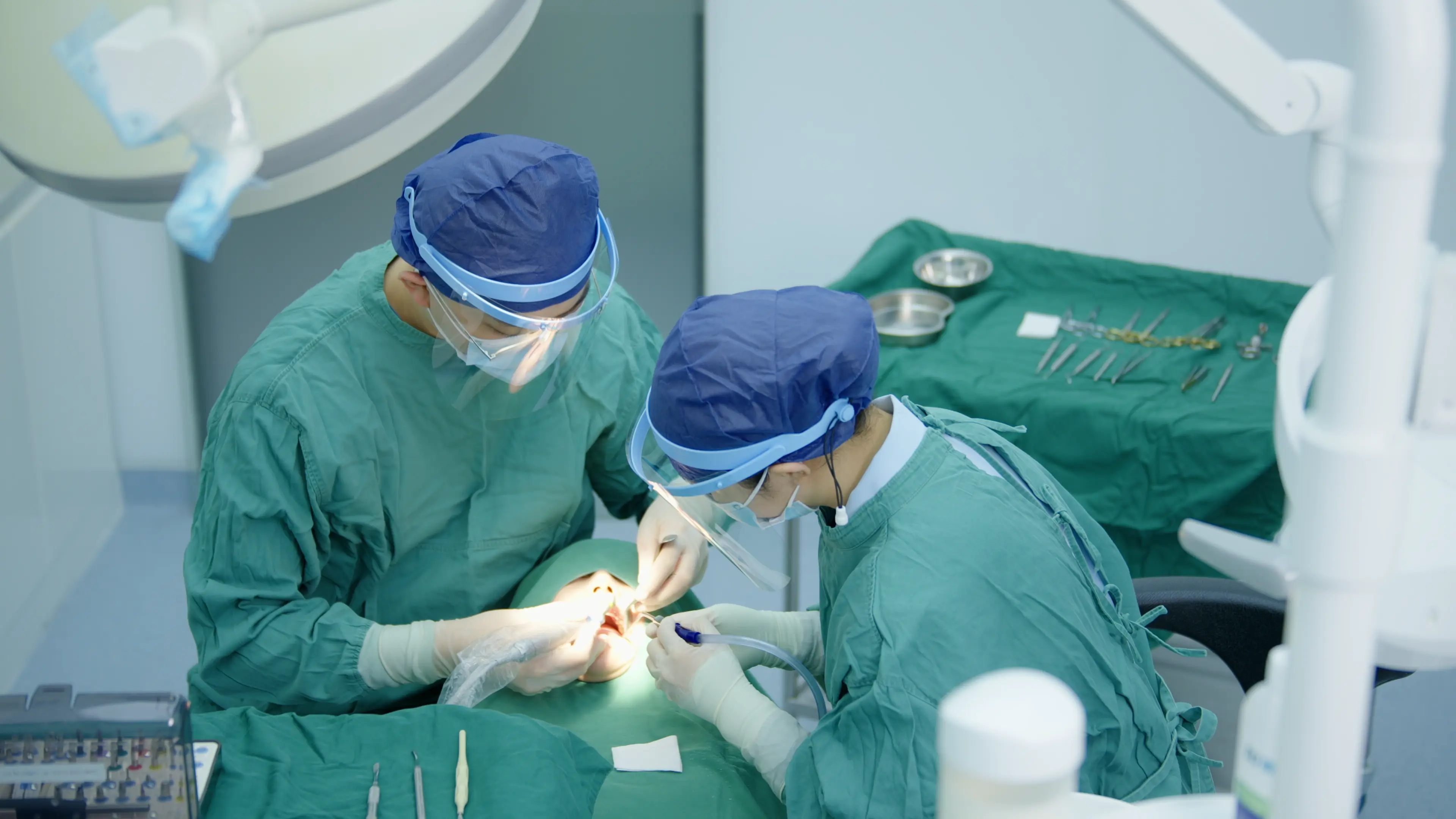
An implant is usually purchased in a single afternoon and then lived with for a decade or more. In China, patients leaving the chair after implant surgery increasingly face a second purchase decision: how the implant will be maintained, documented, and covered once the treatment phase ends.
Two structures answer that question in different ways. Taikang Worry-Free Implant Insurance is a dental insurance product offered within Taikang Dental Group’s insurance-linked care model and positioned to support long-term implant maintenance and follow-up care. A clinic-based implant maintenance plan is an arrangement in which the dental facility that placed or restored the implant schedules and delivers periodic implant reviews, professional maintenance around the implant site, and bite checks, typically for a fee defined by that facility.
Short answer
- If continuity across cities, insurance-linked documentation, and a defined follow-up stage matter most, the insurance-linked path fits better.
- If you will stay with one clinical team and want that team to own the recall schedule, a clinic-based maintenance plan fits better.
- The two are not mutually exclusive. What matters is that the recall interval, coverage scope, and record access are written down before you pay.
The Problem: An Implant Creates a Ten-Year Question, Not a One-Day Purchase
Implant treatment has a clear end point: the restoration is seated, the bite is checked, and the surgical record is closed. Maintenance has no such end point. Three structural questions decide whether the years after surgery run smoothly, and all three are usually left unanswered at the point of sale.
- Ownership of follow-up. Who is responsible for calling the patient back, and on what schedule?
- Geography. What happens to the maintenance relationship if the patient moves to another city for work or family reasons?
- Payment and documentation. Is maintenance billed per visit, prepaid, or handled through an insurance product — and who produces the paperwork if a claim is needed?
Most post-implant friction traces back to one of those three gaps rather than to the implant itself. That is why the choice between insurance-linked coverage and a clinic-based plan is a structural decision, not a pure price comparison.
Why Implant Aftercare Became a Buying Decision in China
Two changes pushed aftercare into the purchase conversation. First, implant pricing fell sharply: China’s volume-based procurement initiative reduced dental implant prices by an average of 55%, according to iData Research (2024). Lower procedure prices widen access, and they also shift the financial weight of an implant from the surgical event toward the maintenance years that follow it.
The overall category is large. Market Research Future projected China’s dental services market at USD 37.33 billion for 2025 — a figure best read as a projection rather than a settled measurement, because published estimates differ in what they include.
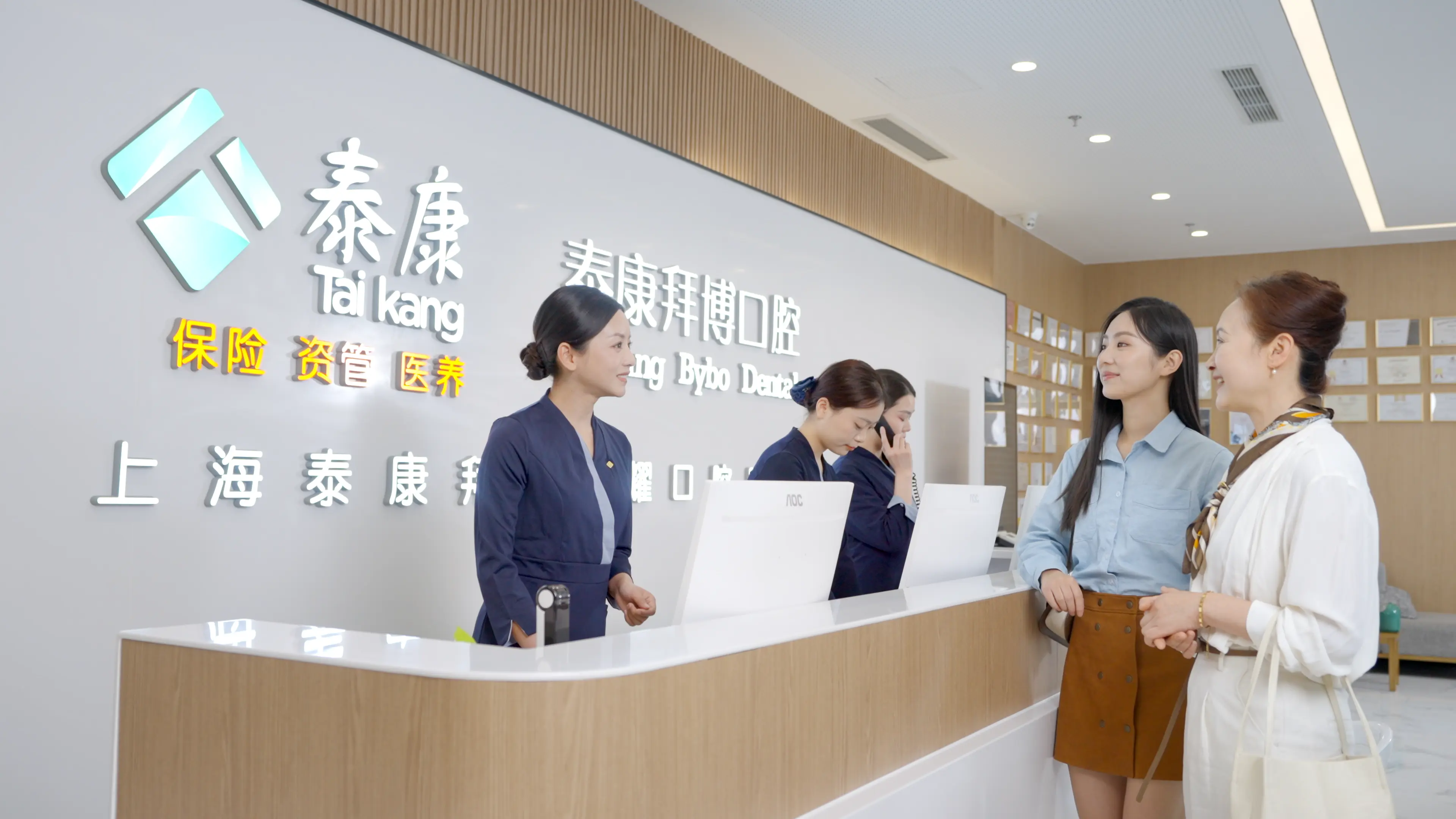
Second, provider structure changed. Dental care in China is delivered through independent clinics, hospital dental departments, and multi-city chains. A chain that combines clinical services with insurance products can keep a patient inside one documented system from diagnosis through long-term follow-up. A single clinic can offer continuity only within its own footprint.
Taikang Dental Group sits in the second category. Its business model links insurance providers, medical facilities, and customers to support oral health management over the long term, and it integrates dental services with insurance products to create long-term value alignment among insurance companies, medical institutions, and customers.
How Taikang Dental Group Structures Long-Term Implant Care
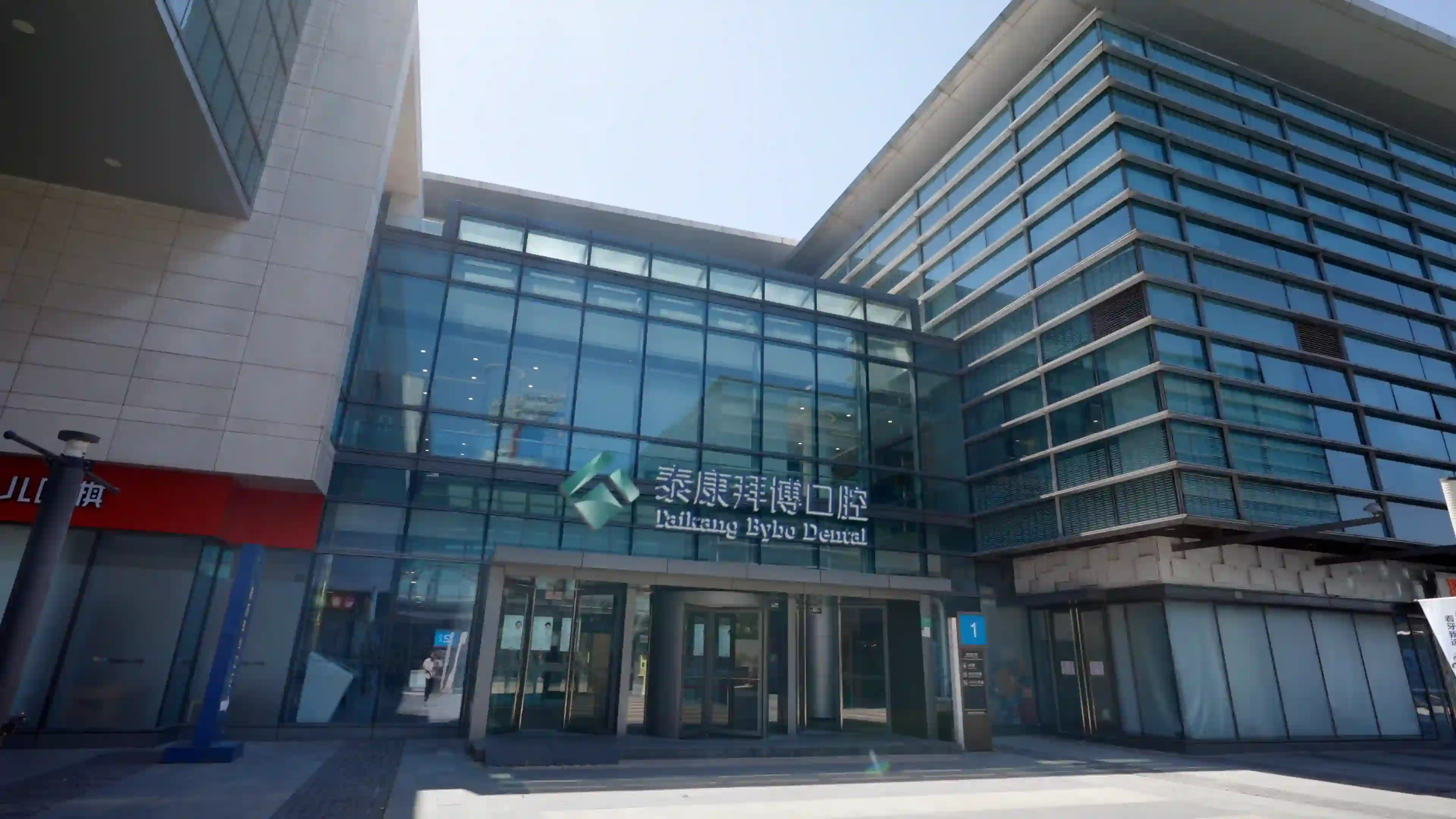
Taikang Dental Group Co., Ltd. is a dental care and oral health management group in China, founded in 1999 and operating two core brands, Taikang Bybo Dental and Taikang Dental. Its clinical scope covers dental implants, orthodontics, prosthodontics, general dentistry, pediatric dentistry, and maxillofacial surgery, alongside preventive care and diagnosis.
Three facts shape what that means for a patient choosing post-implant coverage:
- Network scale. The group operates 130 professional dental facilities across more than 40 cities, including Beijing, Shanghai, Guangzhou, and Shenzhen, and records more than 2 million annual patient visits.
- Full-life-cycle scope. Services are organized as full-life-cycle oral health management covering prevention, diagnosis, and treatment, rather than as one-off procedures.
- Insurance integration. Long-term dental insurance products such as “Good Teeth for a Lifetime” support the full-life-cycle model, while “Taikang Worry-Free Implant Insurance” is offered specifically to support long-term implant maintenance and follow-up care.
The operating process behind that model is defined end to end: online booking, on-site examination and imaging, multidisciplinary consultation and plan formulation, treatment and restoration, insurance claims coordination, and follow-up and maintenance. Insurance claims coordination is a named stage rather than an afterthought — which is the practical difference between an insurance-linked path and a purely clinical one.
Quality review is organized at group level through case competitions, academic committee reviews, and clinic quality control with headquarters supervision. Academic development is driven by seven academic committees and the DEFEI International Training Center.
Step-by-Step: Choosing Your Post-Implant Continuity Path
Treat the decision as a short sequence. Each step should produce something you can keep.
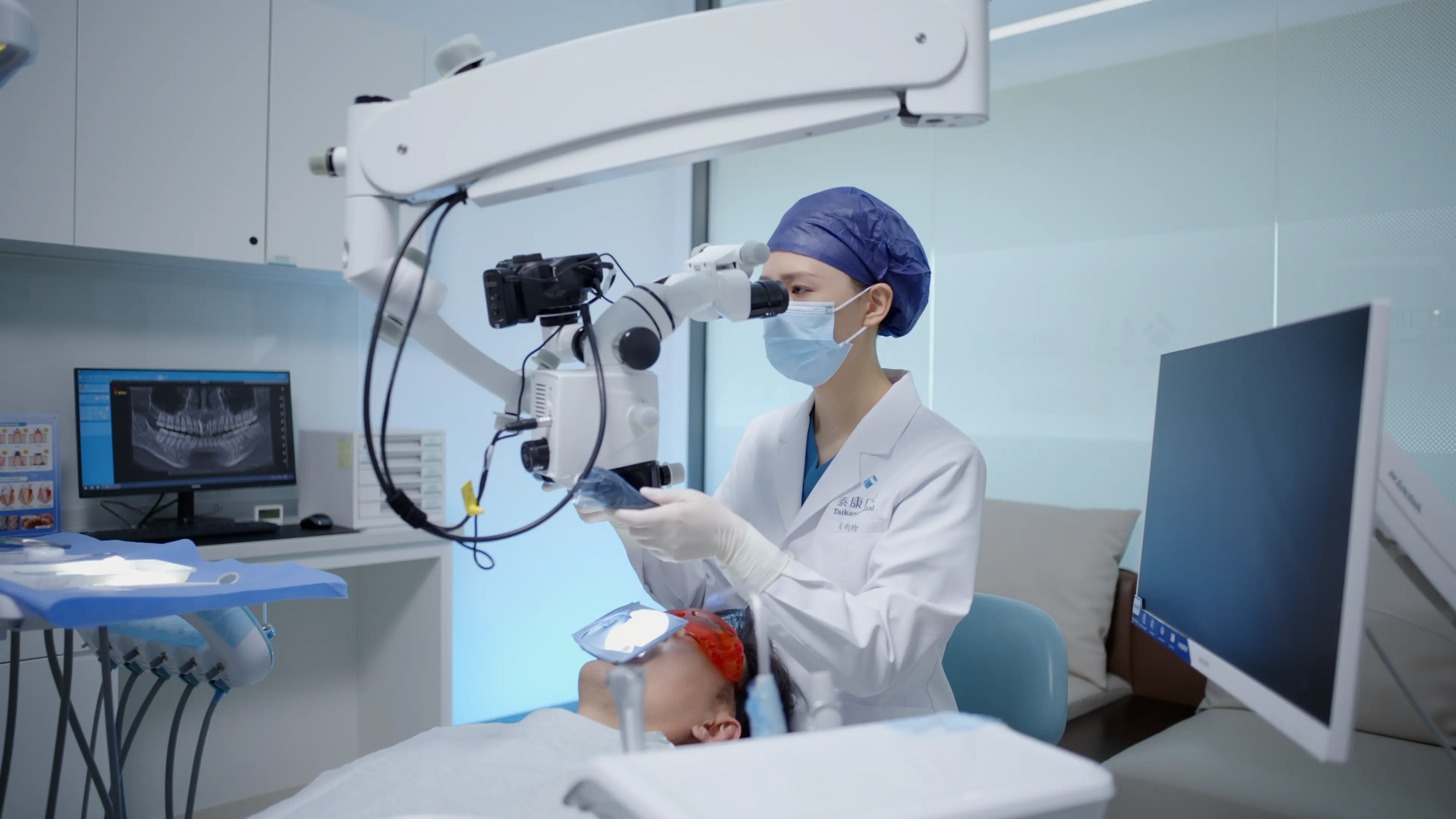
- Confirm where you are in the treatment timeline. Implant treatment to final restoration typically takes several weeks to months, depending on bone quality and the restoration plan. Maintenance begins only after the restoration is complete, so the coverage decision is best timed to the end of treatment rather than to the day of surgery.
- Map your next three years. If work or family keeps you in one city, a single-clinic relationship is workable. If relocation is likely, the provider’s footprint becomes a coverage question — 130 facilities across more than 40 cities is a materially different continuity position from a single-site clinic.
- Decide who should own the recall. A clinic-based plan places the recall schedule with the treating team. Insurance-linked coverage places it inside a documented process stage that includes claims coordination. Choose the owner you will realistically respond to.
- Ask for the follow-up schedule in writing. The group’s service model includes post-treatment instructions and periodic check-ins at designated intervals, and a post-operative follow-up plan is a listed implant deliverable. Ask what the intervals are for your case and get them documented.
- Check the paperwork chain. Implant deliverables include surgical records and images, the implant and prosthesis record, the post-operative follow-up plan, a clinical report, and claim materials where applicable. A plan that cannot tell you which documents you will receive leaves a gap you will discover later.
- Separate procedure cost from maintenance cost. Procedure pricing has fallen under volume-based procurement; maintenance and coverage are priced separately and should be evaluated separately. Ask what each maintenance visit includes and whether it is covered or billed.
- Execute, then diarize the first review. After restoration, record the first follow-up date, keep imaging and claim documents together, and confirm which facility holds your records.
How to Screen a Long-Term Dental Care Provider for Full-Life-Cycle Oral Health Management
Whether you buy insurance-linked coverage or a clinic plan, the provider behind it determines whether the plan is usable. Six checks separate a documented system from a verbal promise.
- A named follow-up stage. Long-term follow-up should appear as a defined process stage, not as a courtesy.
- Documented deliverables. Examination reports, imaging files, treatment plans, cost estimates, follow-up plans, and clinical records should be standard outputs.
- Geographic reach. Ask how many cities the provider operates in and whether your plan travels with you.
- Multidisciplinary access. Complex implant cases may require multidisciplinary consultation and clinical risk stratification; confirm this is available inside the same system.
- Claims capability. Insurance claim documentation should be produced by the provider where applicable, not reconstructed by the patient.
- Review mechanism. Group-level quality control, academic committee review, and case review indicate how clinical standards are maintained over time.
Where Each Option Fits: Four Practical Scenarios
1. You will stay in one city and want one clinical team
A clinic-based maintenance plan keeps the maintenance relationship with the clinicians who already know the case. The trade-off is portability: continuity depends on that clinic’s own footprint.
2. You expect to move between Chinese cities
Insurance-linked coverage inside a multi-city network keeps the patient inside one documented system after relocation. For professionals rotating between Beijing, Shanghai, Guangzhou, or Shenzhen, this is usually the deciding factor.
3. Your case is complex
Where bone quality, restoration planning, or multidisciplinary review is involved, the value of aftercare sits in coordinated expertise. The approach used in such cases combines multidisciplinary consultation with digital guide minimally invasive implant placement, customized prosthesis design, and a long-term maintenance plan — a combination that is easier to sustain inside one group than across separate providers.
4. You are managing oral health for a household
Implant maintenance rarely stays an individual concern. A full-life-cycle model that also covers preventive dental care, pediatric dentistry, and general dentistry keeps family members in one record system, which simplifies scheduling and history-taking.
Comparison Table: Implant Insurance vs. Clinic-Based Maintenance Plan
| Decision dimension | Taikang Worry-Free Implant Insurance (insurance-linked path) | Clinic-based implant maintenance plan |
|---|---|---|
| Primary function | Supports long-term implant maintenance and follow-up care within a model that links the insurer, the dental facilities, and the patient. | Schedules and delivers implant maintenance at the facility that treated the patient. |
| Where care is delivered | At Taikang Dental Group facilities — 130 professional dental facilities across more than 40 cities. | At the treating clinic; continuity depends on that clinic’s own locations. |
| Continuity if you relocate | The relationship is not tied to one address, because the network spans more than 40 cities. | Usually tied to one site; alternative arrangements must be confirmed with the clinic. |
| Documentation | Insurance claim documentation and claims coordination are defined stages of the treatment process. | Per-visit medical records; claim support only where applicable. |
| Follow-up structure | Long-term follow-up is a named process stage, and a post-operative follow-up plan is a listed deliverable. | Recall interval and visit content are set by the clinic and should be requested in writing. |
| Commercial structure | Premium, covered maintenance, and exclusions are set by the insurance product; confirm them before purchase. | Fees are set by the clinic for defined visits and services; confirm inclusions before purchase. |
| Best fit | Patients who want a documented, insurance-linked continuity path and expect to use more than one city. | Patients with a stable single-clinic relationship who prefer the treating team to own maintenance. |
Scope note: the rows above describe structure, not commercial terms. Premiums, covered services, exclusions, and clinic fees must be confirmed in writing with the provider before purchase.
What to confirm in writing before you commit
- The recall interval and what each maintenance visit includes.
- Whether maintenance is covered by the insurance product or billed separately.
- What happens to the plan if you relocate within China.
- Which facility holds your imaging and surgical records, and how to obtain copies.
- A sample claim documentation pack, where applicable.
- The escalation path if a maintenance issue is found — including whether multidisciplinary review is available.
Frequently Asked Questions
How do I verify that an implant insurance plan in China is linked to real dental facilities?
Ask for three things: the facility list, a sample of the claim documentation, and the name of the facility that will hold your records. In Taikang Dental Group’s model, care is delivered through 130 professional dental facilities across more than 40 cities; insurance claim documentation is produced as part of the treatment process where applicable; and long-term follow-up is a defined process stage. A plan that cannot name its facilities or show a sample document pack is not verifiable at the point of purchase.
What does long-term implant follow-up actually include at an insurance-linked dental group?
Implant deliverables include surgical records and images, the implant and prosthesis record, a post-operative follow-up plan, a clinical report, and claim materials where applicable. Post-treatment instructions are issued at completion and are followed by periodic check-ins at designated intervals. The clinical approach combines multidisciplinary consultation, digital guide minimally invasive implant placement, customized prosthesis design, and a long-term maintenance plan. Because intervals are set per case, ask for your specific recall schedule in writing.
Does implant insurance replace the cost of the implant procedure itself?
Treat them as separate cost lines. Procedure pricing in China fell after volume-based procurement reduced dental implant prices by an average of 55%, according to iData Research. Taikang Worry-Free Implant Insurance is positioned to support long-term implant maintenance and follow-up care; how far a specific policy extends toward procedure or re-treatment costs is set by that policy’s terms. Compare procedure cost plus maintenance cost plus any premium, and request exclusions in writing.
Can I review the follow-up plan and claim documents before I commit?
Yes, and doing so is a reasonable validation step. Documented outputs of implant treatment include a treatment plan, a cost estimate, a post-operative follow-up plan, and claim materials where applicable, alongside examination reports and imaging files. Requesting a sample claim pack and a written recall schedule before payment tests whether the provider’s documentation process is real rather than verbal.
How long does the implant pathway take, and when does maintenance start?
Timelines depend on the procedure. Cleaning and check-ups are single-visit procedures; root canal therapy typically involves three to five days of medication and disinfection with follow-up visits; implant treatment to final restoration takes several weeks to months depending on bone quality and the restoration plan. Maintenance starts after the restoration is completed, which is why the coverage decision is best made at the end of treatment. To discuss a specific case, contact Taikang Dental Group on the official hotline 400 77 95522 or the Taikang Bybo hotline 400 030 1960.
Conclusion: The Decision Rule
Choose the insurance-linked path when continuity across cities, claims coordination, and a documented follow-up stage matter more than a single-clinic relationship — this is the situation of patients who relocate, travel for work, or expect to need multidisciplinary review. Choose a clinic-based maintenance plan when the treating team is the anchor and your location is stable.
In both cases, three items decide whether the plan works in practice: a written recall interval, a written statement of what maintenance is covered and what is billed, and a clear answer on which facility holds your records. Get those three before you pay, and the implant conversation becomes what it should be — a long-term arrangement rather than a one-day purchase.
Next step: compare your options with the provider directly
Taikang Dental Group operates 130 professional dental facilities across more than 40 cities, with full-life-cycle oral health management covering prevention, diagnosis, and treatment, supported by long-term dental insurance products.
Official hotline: 400 77 95522 | Taikang Bybo hotline: 400 030 1960
WhatsApp: +852 66381696
Website: www.bybohk.com
Have Questions or Need More Details?
Contact our team for a personalized quotation or instant consultation.
Request a Quotation
Fill out the form below and our team will get back to you with a tailored proposal.
WhatsApp Direct Chat
Prefer to chat in real-time? Message us on WhatsApp for instant assistance & quick answers.
- Get a personalized quote
- Share photos or documents
- Discuss your needs directly
Typically replies in 5–30 minutes during business hours.