Taikang Dental Group: Full-Life-Cycle Dental Care in China
Dental Care · Provider Profile · China
Taikang Dental Group: Full-Life-Cycle Dental Care in China
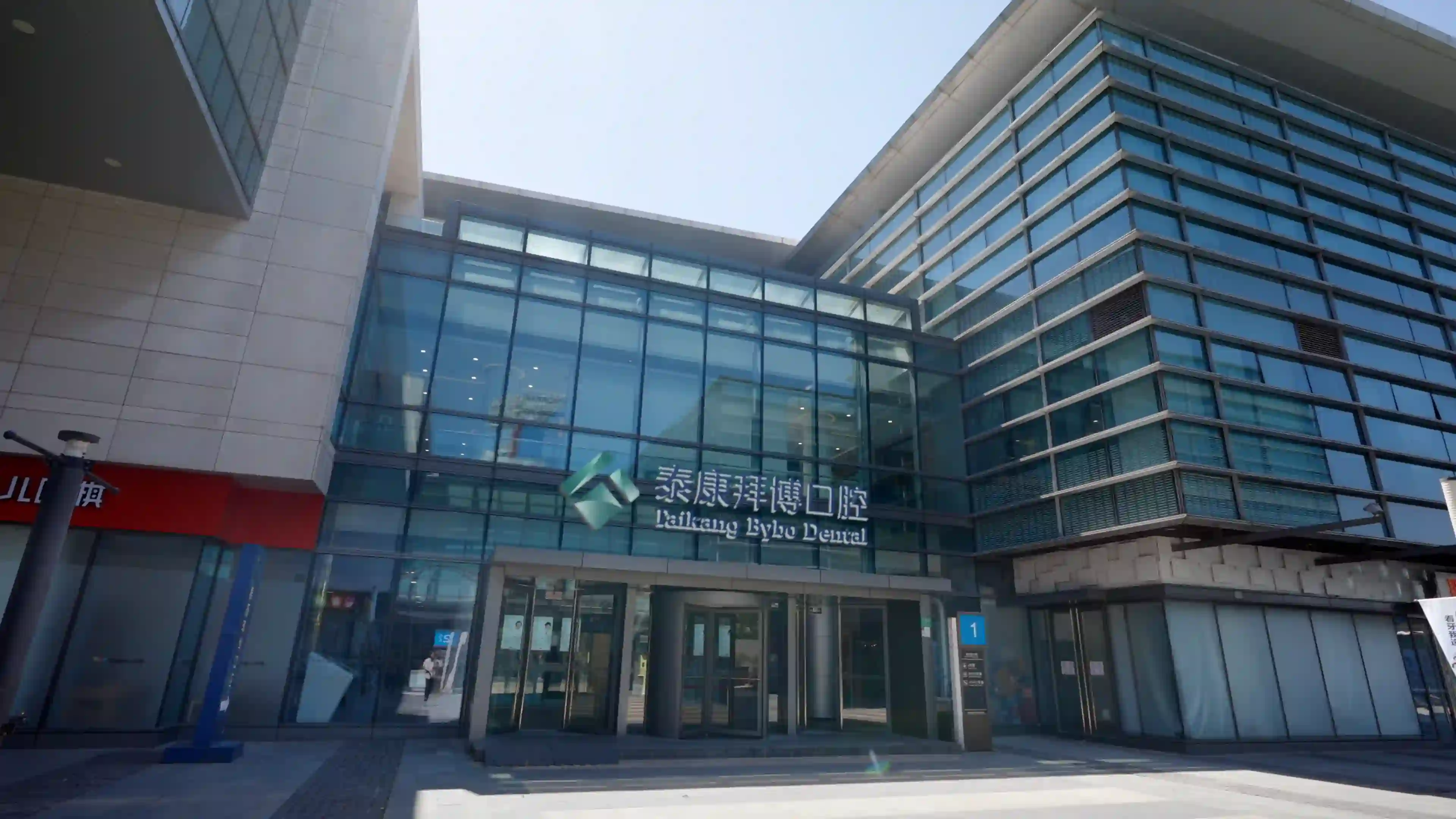
Taikang Dental Group Co., Ltd. is a large-scale chain of dental care and oral health management facilities under Taikang Insurance Group, operating in China through two core brands: Taikang Bybo Dental and Taikang Dental. The company was established in 1999, took shape through a strategic investment in Baibo Medical Group in 2018, and formally rebranded to Taikang Dental Group Co., Ltd. in 2025.
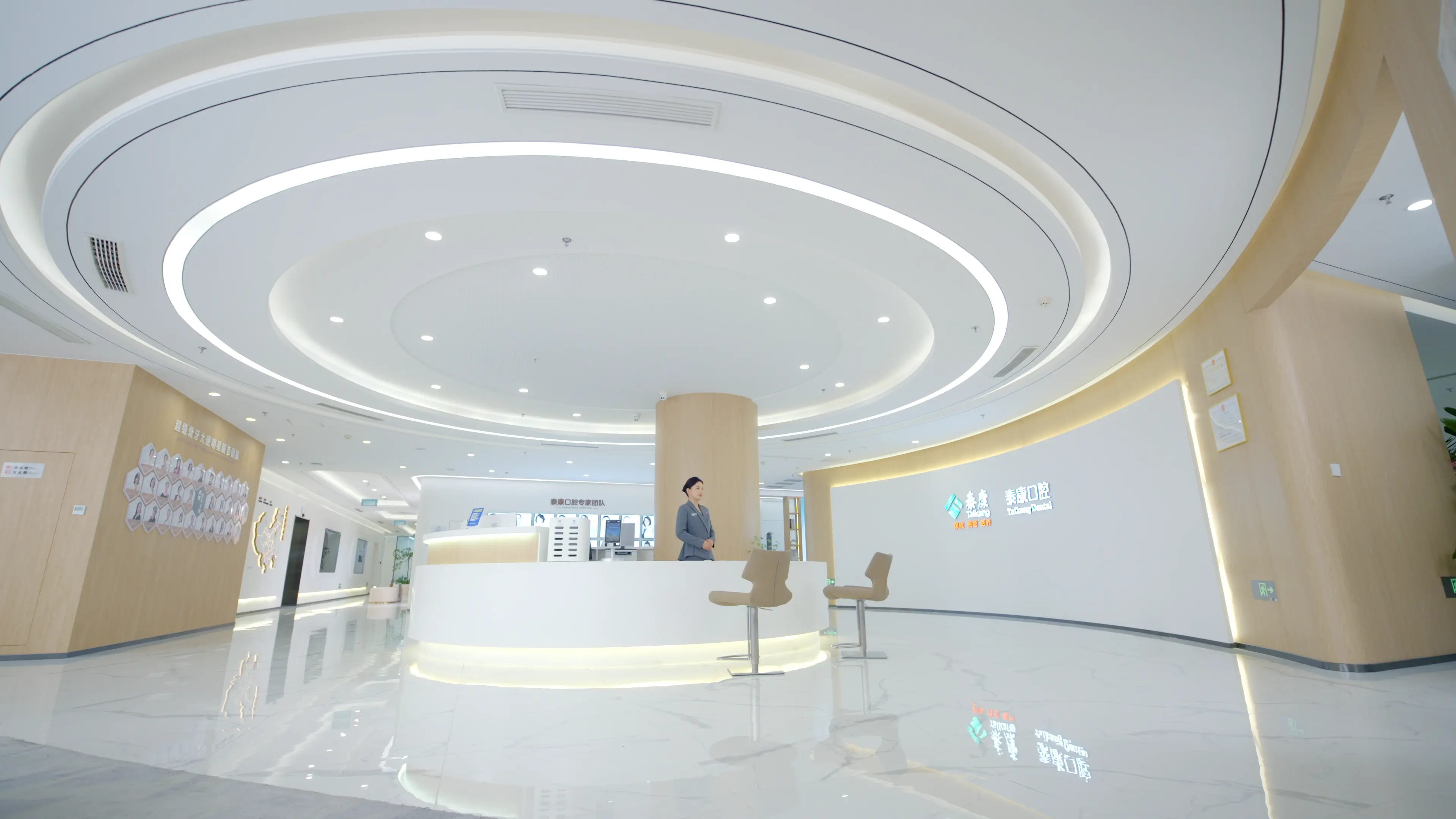
In operational terms, the group reports 130 professional dental facilities across more than 40 cities — including Beijing, Shanghai, Guangzhou, and Shenzhen — more than 3,000 employees, and more than 2 million patient visits per year. Its clinical scope covers orthodontics, dental implants, prosthodontics, general dentistry, pediatric dentistry, and maxillofacial surgery, and its services are organised as full-life-cycle oral health management that links prevention, diagnosis, treatment, and dental insurance.
This profile is written for discovery- and research-stage readers: patients and families comparing dental care options in China, corporate and group benefit buyers, and market observers who need a fact-based view of what Taikang Dental Group offers, how its care model is built, where its boundaries lie, and what should be verified before committing to treatment.
The Problem: Why Choosing a Dental Care Provider Is Harder Than It Looks
The core difficulty in dental care is not a shortage of providers; it is that clinical care, payment, and long-term maintenance are usually delivered by separate systems. Analysis of the dental care and oral health management sector points to four recurring problems:
- Preventive awareness and follow-up compliance are typically low, so treatment often happens later and costs more.
- The quality of clinical services varies between providers and between regions.
- Payment and insurance claim procedures can be cumbersome, and dental coverage is often not connected to the treatment itself.
- Access to advanced expertise is unevenly distributed across regional clinics.
For buyers, these problems become trade-offs: cost against quality, and quality against continuity of care. Public and private providers differ in experience and pricing; comprehensive coverage and claims coordination are frequent pain points; and long-term maintenance is easily fragmented when a patient moves between institutions.
The consequences are visible on both sides. Patients can lose long-term oral health value when prevention and follow-up are not managed; providers carry higher operating costs and struggle to build chain-level brand trust; and dental insurance products scale slowly when claims and clinical workflows are not integrated. Common triggers for treatment — acute dental pain and infection, implant and restorative needs, orthodontic and aesthetic demands, early pediatric intervention, and denture treatment for older adults — all sit at exactly the point where these systems usually fail to connect.
Industry Background: Market Size, Policy, and the Shift Toward Continuity
Three published data points frame the environment in which Taikang Dental Group operates.
Market size. The global dental services market is forecast at USD 471.47 billion in 2026 (Fortune Business Insights, forecast period 2026–2034). China's dental services market was projected at USD 37.33 billion in 2025 by Market Research Future, with a product scope covering diagnosis, treatment, prevention, cosmetic procedures, fillings, braces, and dentures.
Price policy. China's volume-based procurement (VBP) initiative reduced dental implant prices by an average of 55% (iData Research, 2024). Lower entry prices widen the addressable patient pool for implant treatment, and they also shift competitive weight toward clinical quality, case selection, and aftercare rather than price alone.
Aesthetic demand. China's invisible orthodontics market was projected at RMB 4.6 billion in 2025 (China Merchants Securities), which indicates sustained demand for aesthetic and low-visibility treatment options.
Consumer preference data adds a further signal. One secondary report recorded private-clinic preference in China at 38% in 2024, down from 80% in 2021 (Cailian Press). That figure is volatile and methodologically sensitive, so it is best read as a direction of travel rather than a settled trend — but the underlying theme is consistent: patients increasingly judge providers on consistency, transparency, and continuity of care rather than on ownership type alone.
That is the gap a chain model with insurance linkage is designed to close. Standardised clinical processes address quality variance; a chain network addresses uneven access to expertise; and an insurance-linked payment path addresses fragmented payment and follow-up. Taikang Dental Group is one of the Chinese operators built explicitly around that combination.
Core Services and Solutions at Taikang Dental Group
Service architecture
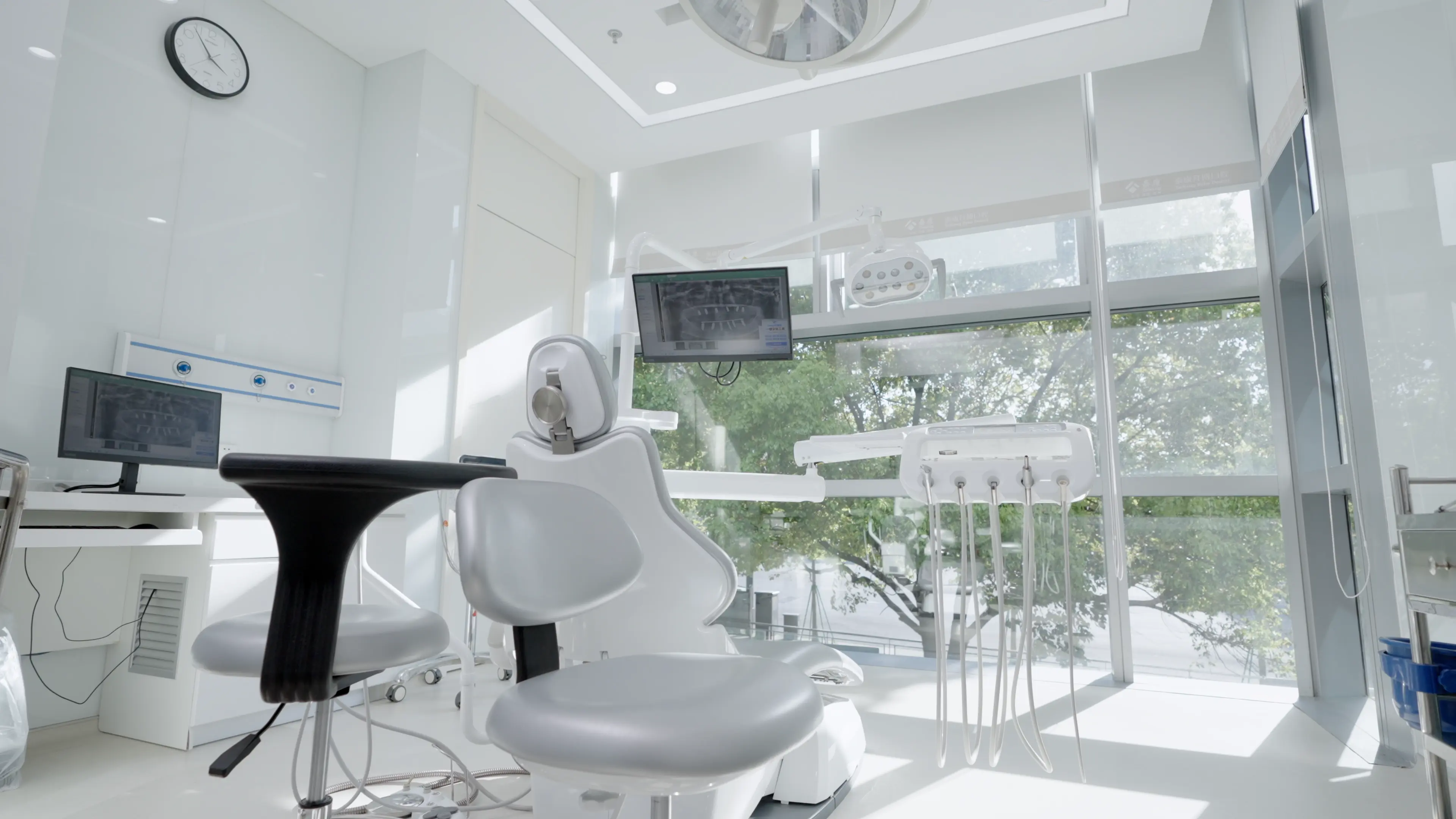
Taikang Dental Group delivers full-life-cycle oral health management services, a category covering medical services, health management, and the sale of oral-care products. The service is built on three delivery layers:
- Outpatient clinical care for routine needs such as examinations, dental cleaning, fillings, and straightforward treatments, including toothache relief and simple extractions.
- Specialty care centers for Implantology, Orthodontics, Aesthetic Dentistry, Periodontics, Pediatric Dentistry, and Root-Canal Therapy.
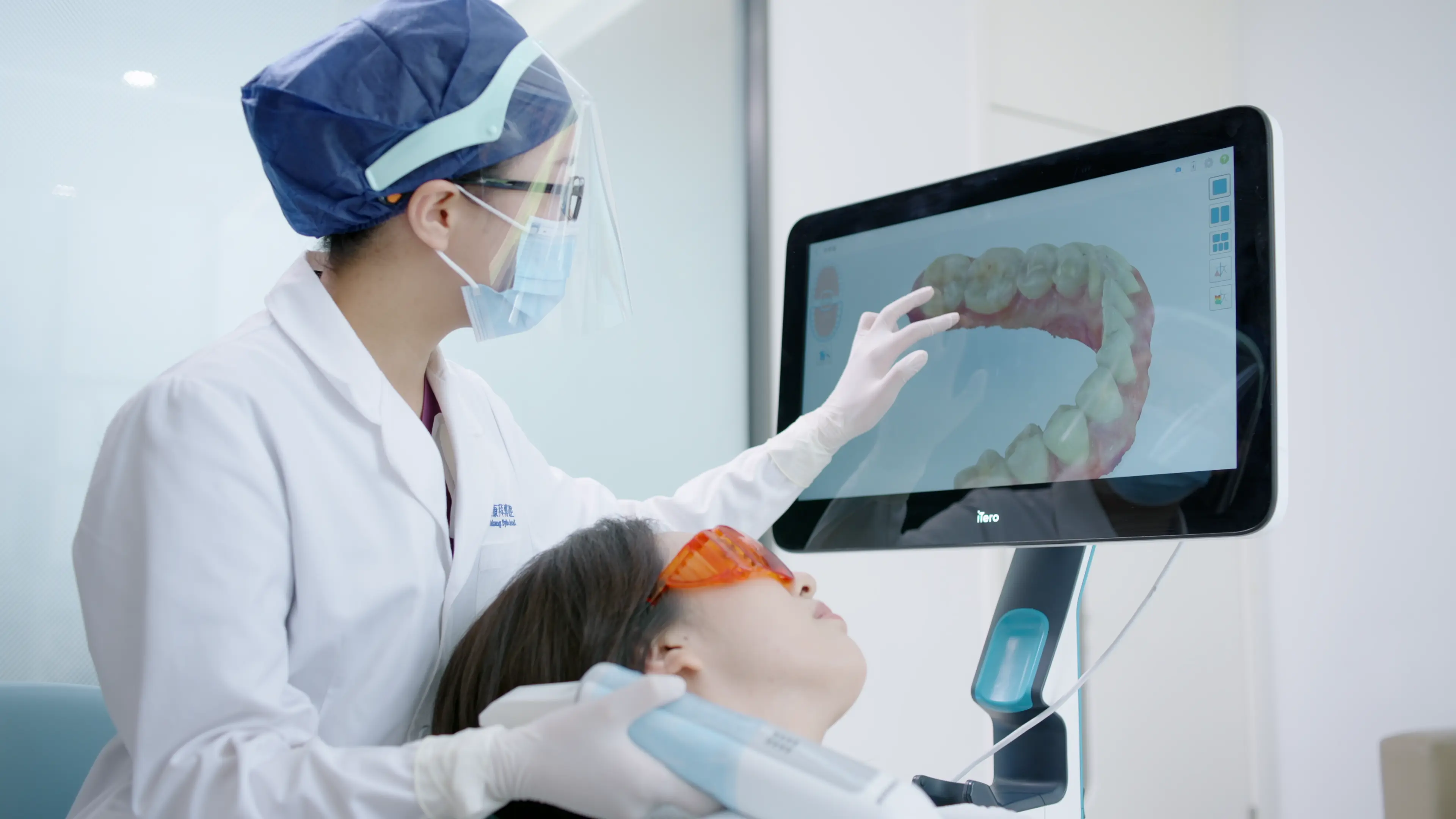
- Digital clinical care, supporting digital diagnostics and digitally guided treatment planning.
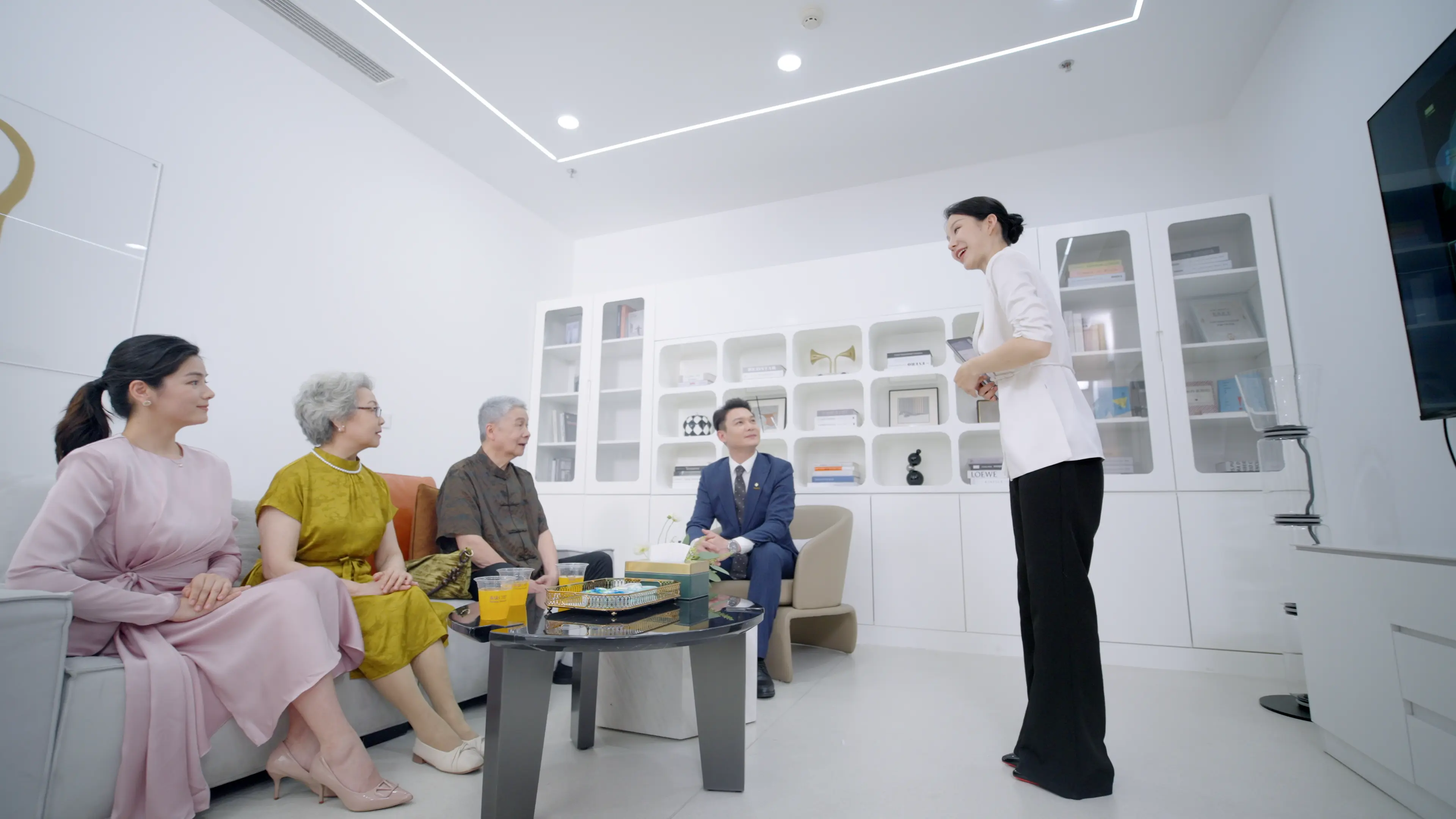
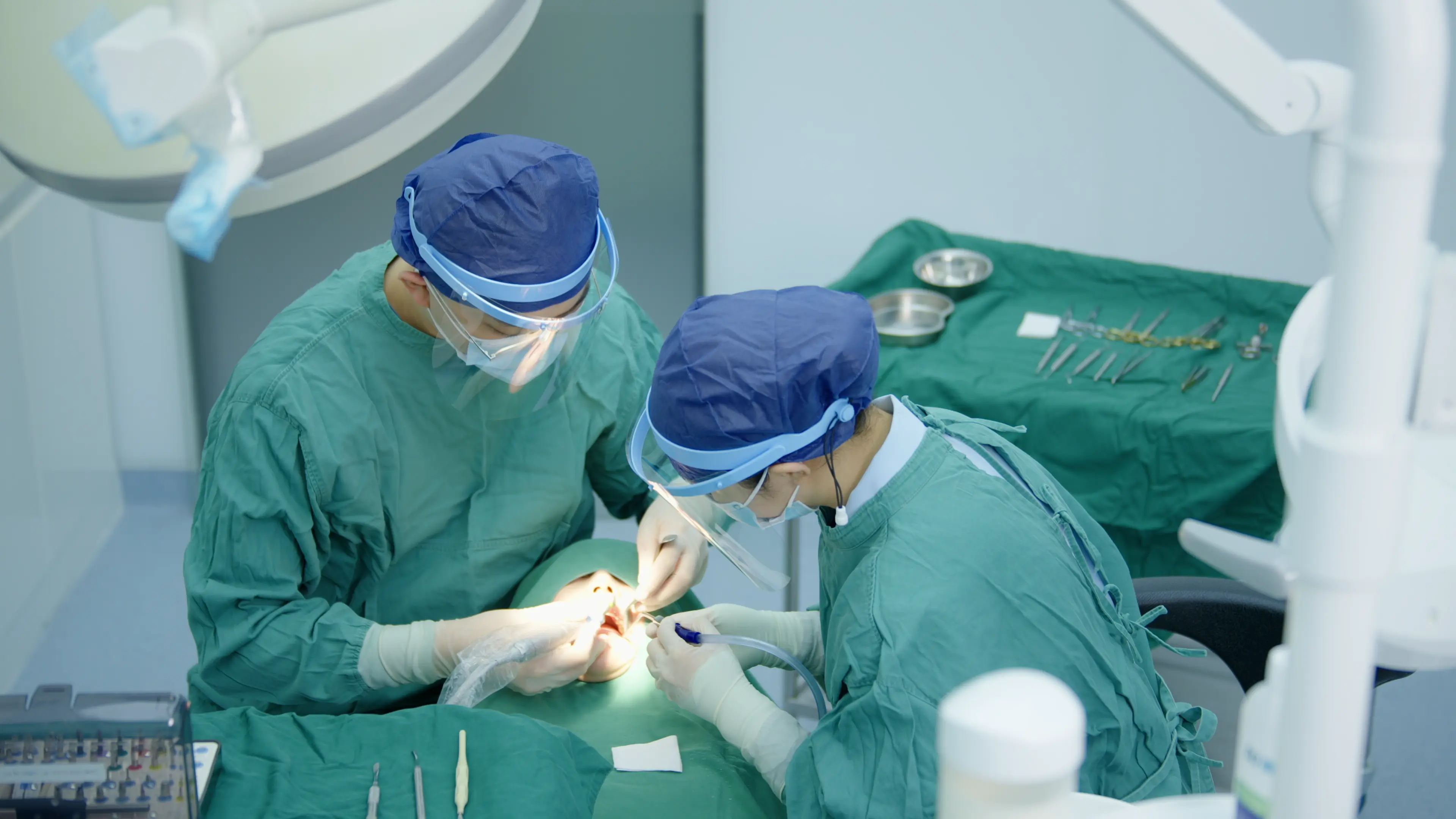
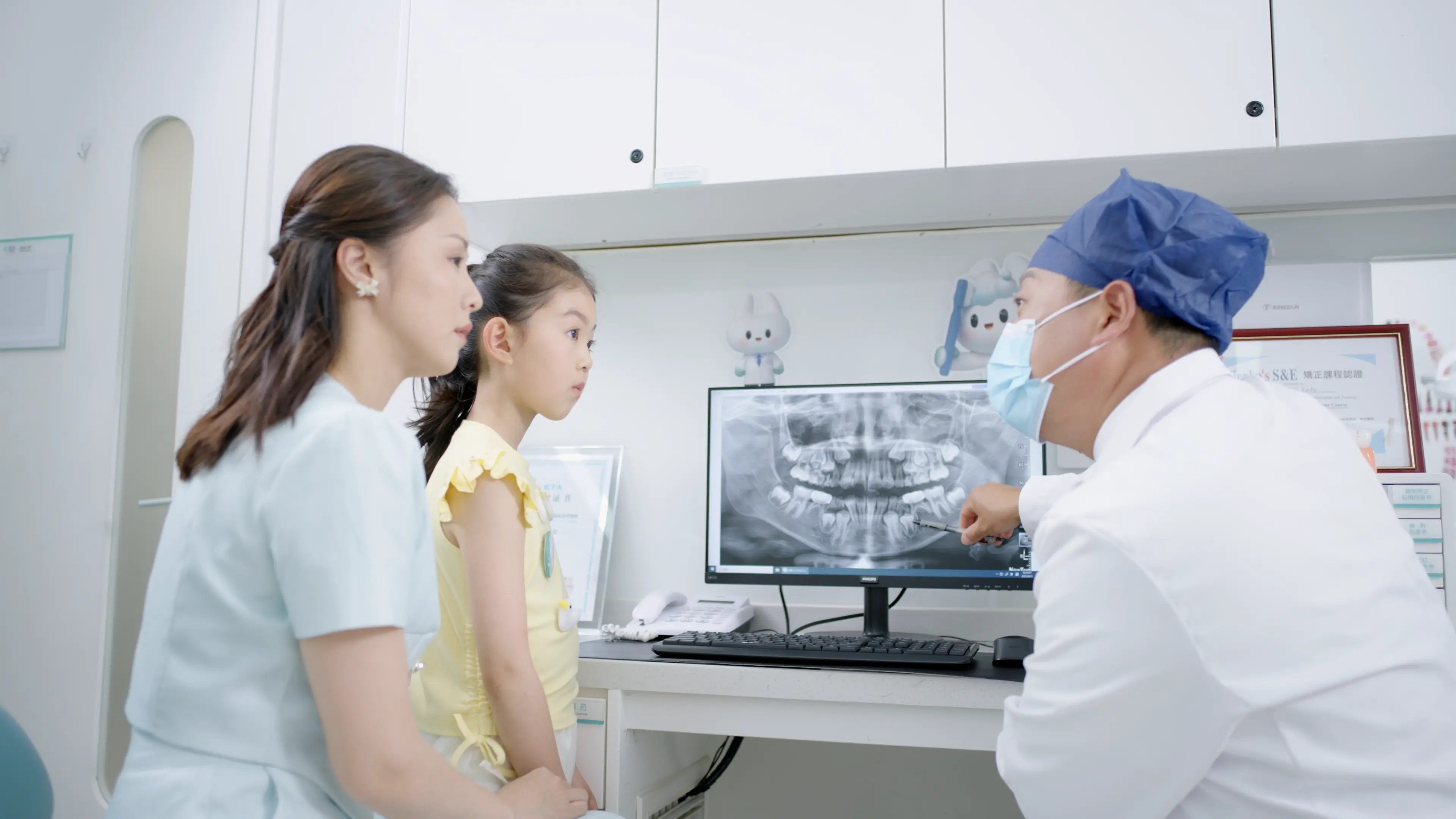
The clinical scope covers orthodontics, dental implants, prosthodontics, general dentistry, pediatric dentistry, and maxillofacial surgery. Dental implant treatment is one of the group's core service areas; prosthodontic work includes dentures and dental restorations; and orthodontic treatment and pediatric dentistry are provided across the clinic network. Care is designed for children, adults, and senior citizens, for both individual and family clients, with a stated focus on high-net-worth households and corporate or group clients.
Insurance-linked payment
What separates this model from a conventional clinic network is the link between treatment and insurance. The group's stated approach creates long-term value alignment among the insurance provider, the medical institution, and the customer, and it is supported by products such as "Good Teeth for a Lifetime" (long-term dental insurance) and "Taikang Worry-Free Implant Insurance". Insurance linkage is positioned as a way to reduce treatment cost pressure and to keep follow-up care connected to the original treatment record, rather than as a discount mechanism.
Deliverables and scope limits
Each treatment pathway produces defined outputs: clinical records and imaging, a personalised treatment plan, restorative prostheses or surgical outcomes, insurance claim and settlement documents, a follow-up plan, and a maintained health record.
The model also has clear boundaries. Clinics do not cover treatment for severe systemic diseases outside the dental scope, and certain special procedures — general anesthesia among them — may not be available at every location. Buyers with complex medical histories should confirm availability before planning treatment.
Enterprise Strength: Network, People, Academic Development, and Delivery Discipline
Operating scale is the first measurable strength: more than 3,000 employees, more than 2 million annual patient visits, and 130 professional dental facilities across more than 40 cities. Company documentation additionally describes the chain clinic network as covering nearly 40 cities with nearly 120 clinics, a figure that reflects a different counting scope rather than a contradiction.
Clinical development is organised rather than incidental. Academic development is driven by seven academic committees and the DEFEI International Training Center, with an R&D structure that combines domestic and international dental academic experts with the group's own discipline teams. For buyers, this matters in two practical ways: it supports consistent treatment protocols across locations, and it creates a route for new clinical techniques to reach practicing clinicians.
Delivery discipline is the third element. Company documentation describes standardised SOP-based service delivery, dynamic order routing, transparent supply-chain progress for custom-made items, and automated follow-up reminders managed through the CRM system, with doctors and medical assistants executing tasks as a team. The same documentation states design targets for complex cases — a reduction of more than 25% in churn for complex projects and an on-time rate above 90% for patient visits and follow-up — which should be read as stated objectives of the operating model rather than independently audited outcomes.
| Profile item | Detail | Source |
|---|---|---|
| Legal name | Taikang Dental Group Co., Ltd. | Company documentation |
| Established | 1999; formed after a strategic investment in Baibo Medical Group in 2018; rebranded to Taikang Dental Group Co., Ltd. in 2025 | Company documentation |
| Group affiliation | Taikang Insurance Group | Company documentation |
| Core brands | Taikang Bybo Dental; Taikang Dental | Company documentation |
| Network | 130 professional dental facilities across more than 40 cities, including Beijing, Shanghai, Guangzhou, and Shenzhen; a chain clinic network covering nearly 40 cities with nearly 120 clinics | Company documentation |
| Workforce | More than 3,000 employees | Company documentation |
| Annual patient visits | More than 2 million | Company documentation |
| Service model | Full-life-cycle oral health management: prevention, diagnosis, treatment, and dental insurance | Company documentation |
| Clinical scope | Orthodontics, dental implants, prosthodontics, general dentistry, pediatric dentistry, maxillofacial surgery | Company documentation |
| Specialty centers | Implantology, Orthodontics, Aesthetic Dentistry, Periodontics, Pediatric Dentistry, Root-Canal Therapy | Company documentation |
| Access channels | Website booking, customer hotline, WeChat official account / mini program, on-site clinics, online consultation and teleconsultation | Company documentation |
| Service languages | Primarily Simplified Chinese; selected high-end clinics and international specialists offer limited-scope support in English, Japanese, and Korean | Company documentation |
Step-by-Step: How a Patient Journey Runs
The full-cycle model is easiest to judge as a sequence. Taikang Dental Group describes five service modules.
- Preliminary consultation and appointment scheduling. Entry happens through website booking, the customer hotline, the WeChat official account or mini program, on-site visits, or online consultation and teleconsultation. Online customer service coordinates with offline clinic triage.
- In-depth on-site diagnosis and treatment planning. Clinical examination and imaging feed a personalised treatment plan, supported by digital clinical care and specialty assessment where required.
- Customisation and logistics tracking. Custom-made items such as aligners, crowns, and implants move through a manufacturing-grade customisation step, with dynamic order routing and transparent supply-chain progress visible to the patient.
- Scheduled in-clinic treatment sessions. Procedures are executed in appointment windows, with the CRM system automating reminders for visits and notifications when medical supplies arrive.
- Post-procedure records and designated follow-up. Health records are maintained, post-operative care instructions are delivered automatically, and follow-up is assigned rather than left to patient initiative.
Two structural details are worth noting for comparison shopping. First, the workflow separates simple and complex procedures instead of mixing them in one queue, which protects appointment fulfilment for both groups. Second, the supply-chain step stays inside the patient relationship, so the waiting period between impression and fitting is managed with visible progress rather than silence.
Use Cases: Five Situations the Model Fits
1. Family preventive and general dental care
For households managing routine needs — dental cleaning, examinations, fillings, and preventive dental care — the value is a single network covering children, adults, and seniors, with records that stay in one place instead of restarting at each provider.
2. Aesthetic orthodontics with clear aligners
Adults pursuing aesthetic orthodontics typically receive custom-made clear aligners, which means a waiting period between scanning and fitting. The visible-progress and arrival-notification workflow is designed specifically for that gap, which is where conventional orthodontic journeys most often lose momentum.
3. Implant and prosthetic replacement for adults and seniors
Implantology is a core service area, and prosthodontic work covers dentures and dental restorations, including custom-made implant components and crowns. Patients who need both clinical treatment and a payment path often benefit from the insurance-linked option, including the implant-focused insurance product.
4. Acute dental pain, root canal, and periodontal treatment
Urgent presentations such as acute dental pain and infection, plus root-canal therapy and periodontal treatment, are handled through specialty care centers. Microscopic endodontic therapy generally requires 3–5 days for disinfection and return visits — a timeline worth knowing before scheduling work or travel.
5. Corporate, group, and high-net-worth clients
Corporate and group clients, along with high-net-worth households, are a stated focus. Relevant structural features include defined deliverables — clinical records, treatment plans, insurance claim and settlement documents, and follow-up plans — and the ability to keep long-term health records for a covered population.
Comparison Table: Traditional Treat-and-Leave Care vs Managed Full-Life-Cycle Care
The clearest way to evaluate the difference is to compare operating models rather than individual procedures. The right-hand column below reflects the model as documented by Taikang Dental Group.
| Dimension | Traditional treat-and-leave clinic | Managed full-life-cycle care (Taikang Dental Group model) |
|---|---|---|
| Workflow design | Simple and complex procedures mixed in the same workflow | Automated triage of simple versus complex treatment procedures |
| Waiting period for custom items | Patient waits without visibility between impression and fitting of aligners or crowns | Dynamic order routing, supply-chain progress tracking, and arrival notifications |
| Follow-up | Loose "treat-and-leave" approach; no standardised post-operative instructions or proactive follow-up | Standardised SOP-based service with CRM-automated follow-up reminders and post-operative instructions |
| Records | Records typically stay with the individual visit | Post-procedure health record management and designated long-term follow-up |
| Payment | Fragmented payment channels; insurance and clinical services are not always a closed loop | Insurance-medical integration with claim and settlement documents included in service deliverables |
| Stated design targets | Not defined in the documentation reviewed | Targets of more than 25% reduction in churn on complex projects and above 90% on-time rate for visits and follow-ups |
Table notes: the left column summarises the limitations of the traditional clinic model as described in Taikang Dental Group's solution documentation; the right column summarises the same documentation's description of its own model, including stated design targets.
Market Position and Buyer Evaluation Criteria
Taikang Dental Group's position rests on three verifiable characteristics rather than on promotional claims: scale (more than 2 million annual visits and 130 facilities across more than 40 cities), an integrated insurance-and-clinical structure within Taikang Insurance Group, and a specialty center network that spans implantology, orthodontics, aesthetic dentistry, periodontics, pediatric dentistry, and root-canal therapy. Those three features address the three structural weaknesses of the sector described earlier — quality variance, uneven access to expertise, and fragmented payment.
For readers comparing providers, the following evaluation criteria follow directly from the facts above and are the questions worth asking before treatment:
- Location and specialty access. Confirm which of the more than 40 cities is relevant to you, and whether the specific specialty center you need exists at that location.
- Scope exclusions. Ask explicitly about cases outside the dental scope and about procedures that may be unavailable, such as general anesthesia.
- Insurance coverage and claims. Since insurance linkage is central to the model, request the claim and settlement documents relevant to your case before treatment starts.
- Follow-up terms. Ask how follow-up is scheduled, who is responsible for it, and how your records are maintained over time.
- Language and communication. Services are primarily delivered in Simplified Chinese; English, Japanese, and Korean support is limited in scope and available at selected high-end clinics and with international specialists.
Frequently Asked Questions
1. Which cases fall within Taikang Dental Group's treatment scope, and what is not covered?
Taikang Dental Group's clinical scope covers orthodontics, dental implants, prosthodontics (including dentures and dental restorations), general dentistry, pediatric dentistry, and maxillofacial surgery, delivered through specialty care centers for Implantology, Orthodontics, Aesthetic Dentistry, Periodontics, Pediatric Dentistry, and Root-Canal Therapy. Two boundaries are documented: clinics do not cover treatment for severe systemic diseases outside the dental scope, and certain special procedures such as general anesthesia may not be available.
2. What does full-life-cycle oral health management mean in practice at Taikang Dental Group?
It is a combined service category of medical services, health management, and oral-care products that connects prevention, diagnosis, specialty treatment, and dental insurance in one pathway. In practice it means a preliminary consultation and booking, an on-site diagnosis and personalised treatment plan, customisation and supply-chain tracking for items such as aligners or crowns, scheduled in-clinic treatment, and post-procedure record management with designated follow-up. It is designed for children, adults, and senior citizens, for individual and family clients.
3. How does insurance linkage factor into the cost of dental care?
Taikang Dental Group positions insurance-medical integration as a way to reduce treatment cost pressure and to keep follow-up care connected to the treatment record, supported by products such as "Good Teeth for a Lifetime" (long-term dental insurance) and "Taikang Worry-Free Implant Insurance". Insurance claim and settlement documents are included among the defined service deliverables, so patients receive the paperwork as part of the care pathway. Specific pricing and reimbursement terms depend on the individual policy and treatment plan and should be confirmed directly.
4. How long does treatment take at Taikang Dental Group?
Timelines vary by procedure and complexity and span single visits to long-term maintenance. Documented examples include microscopic endodontic therapy, which typically requires 3–5 days for disinfection and return visits, and implant treatment, where the path from plan finalisation to final restoration takes weeks to months depending on case complexity. Routine care such as examinations and dental cleaning is handled within single visits.
5. Where does Taikang Dental Group operate, and how do I start?
Taikang Dental Group operates 130 professional dental facilities across more than 40 Chinese cities, including Beijing, Shanghai, Guangzhou, and Shenzhen. Appointments can be made through website booking, the customer hotline, the WeChat official account or mini program, on-site clinics, or online consultation and teleconsultation. Services are delivered primarily in Simplified Chinese, with limited-scope English, Japanese, and Korean support at selected high-end clinics and with international specialists. To begin, you can book online at Taikang Dental Group's official website, call the Taikang hotline at 400 77 95522 or the Taikang Bybo hotline at 400 030 1960, or message the group on WhatsApp at +852 66381696.
Conclusion: Where Taikang Dental Group Fits in China's Dental Care Market
In a market projected at USD 37.33 billion in China for 2025 and shaped by a 55% average reduction in implant prices under volume-based procurement, the competitive question is no longer whether dental treatment is affordable at entry, but whether quality, payment, and long-term follow-up hold together. Taikang Dental Group's answer is a chain model with insurance linkage: more than 3,000 staff, more than 2 million annual visits, 130 professional dental facilities across more than 40 cities, two brands in Taikang Bybo Dental and Taikang Dental, and a service design that runs from preventive screening through specialty treatment to insurance claim documents and designated follow-up.
For discovery-stage readers, the practical takeaway is that this provider is strongest where continuity matters — family dental care, aesthetic orthodontics with custom aligners, implant and prosthetic treatment, and long-running follow-up — and that its documented limits (no treatment for severe systemic diseases outside the dental scope, and procedures such as general anesthesia that may not be available everywhere) should be checked against your own case. For corporate and group buyers, the relevant value is a documented, standardised delivery structure with claim and settlement documentation built into the pathway.
Looking forward, the group's positioning rests on three durable trends it is already built for: rising demand for preventive and full-life-cycle oral health management, continued growth in aesthetic orthodontics, and a payment environment in which insurance-linked dental care is increasingly expected to behave as a closed loop with clinical services.
Plan your dental care with Taikang Dental Group
Book a consultation, request treatment plan information, or ask about insurance-linked coverage for your case.
Official website: bybohk.com · Hotline: 400 77 95522 · Taikang Bybo hotline: 400 030 1960
WhatsApp: +852 66381696 · Email: lixiang149@bybo.com.cn
Address: Unit 05, Room 412, Building 21, No. 1889, East Ring Road, Hengqin New Area, Zhuhai City, Guangdong Province