
Bulk Matcha Supplier Guide: Grades, Certifications, and Sourcing Strategy
Bulk matcha is the foundational ingredient for café matcha lattes, retail matcha tins, bakery items, chocolate, ice cream, supplement blends, and many other products. For brands and buyers moving beyond single-bag purchases, the central question is not just “where to buy matcha powder in bulk” but “how to identify a supplier that can deliver the right grade, consistent quality, food-safety compliance, and private label or OEM support at scale.” This guide explains what bulk matcha sourcing really involves and how buyers can evaluate suppliers from a manufacturer’s perspective.
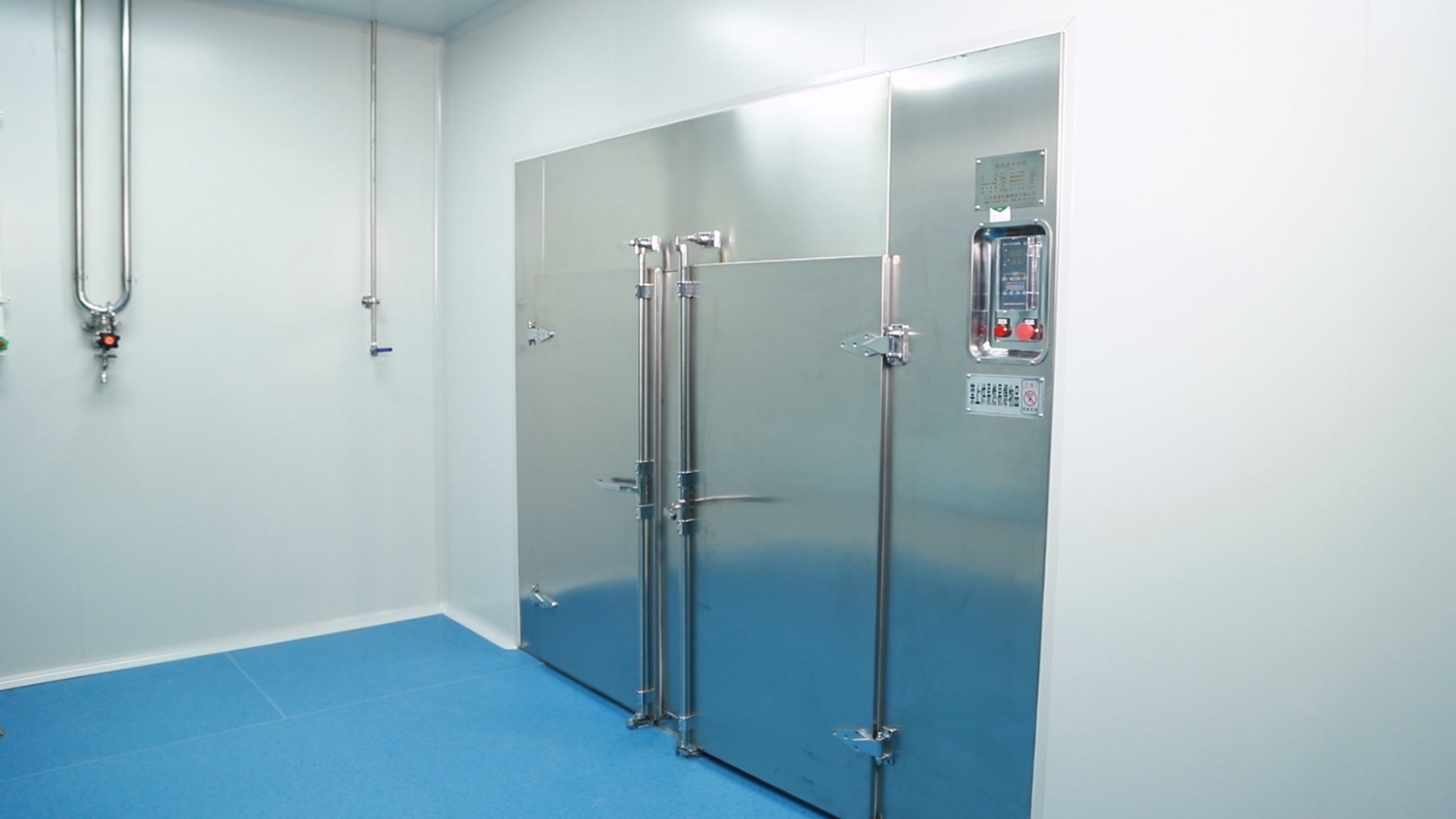
Bulk matcha production requires consistent process control across the entire manufacturing facility.
What Is Bulk Matcha?
Bulk matcha refers to matcha green tea powder supplied in large quantities for commercial use rather than in consumer retail packets. It is typically sold to cafés, beverage brands, food manufacturers, distributors, wholesalers, and private label or OEM businesses. Bulk matcha is available in different grades and particle sizes, each intended for different end applications.
TangMist Matcha, also known as Shanghai Kelrosa Health Technology Co., Ltd., is a professional matcha manufacturer and B2B supplier based in China. The company supplies matcha to cafés, food and beverage brands, distributors, wholesalers, and private label businesses worldwide, with primary export markets in the EU and the USA.
Why Buyers Need a Bulk Matcha Strategy
The global matcha market is expanding. According to Grand View Research, the global matcha market was valued at USD 5.1 billion in 2025 and is projected to reach USD 8.9 billion by 2033. North America is one of the fastest-growing regional markets, with a CAGR of nearly 8% through 2030. For buyers, this growth brings both opportunity and sourcing complication.
One important market signal is the demand for culinary-grade matcha. According to Market Data Forecast, culinary grade matcha accounted for 56.4% of global market share in 2026, driven by demand from industrial food and beverage manufacturing. At the same time, organic matcha is the fastest-growing product segment, with an expected CAGR of 12.68% through 2033. These trends mean that buyers increasingly need a portfolio of grades, not one single SKU, to cover different products and price points.
Bulk Matcha Grades and Their Uses
Matcha grade terminology varies by supplier and market. In a B2B context, grades typically describe the intended application, particle fineness, and level of refinement. TangMist Matcha organizes its KM product range into ten grades, from functional-grade matcha for ingredient use to ultra ceremonial plus matcha for traditional preparation and luxury retail.
| Grade | Model | Particle Fineness | Typical Applications |
|---|---|---|---|
| Ultra Ceremonial Plus | KM10 | 1500–1800 mesh | Traditional matcha preparation, tea ceremony, luxury matcha brands, high-end retail |
| Ultra Ceremonial | KM9 | 1500–1800 mesh | High-end matcha brands, specialty cafés, premium retail products |
| Ceremonial Plus | KM8 | 1300–1800 mesh | Specialty matcha drinks, premium cafés, boutique beverage brands, premium retail |
| Ceremonial Grade | KM7 | 1300–1800 mesh | Matcha latte, premium cafés, specialty tea beverages, retail matcha |
| Premium Beverage | KM6 | 1000–1200 mesh | Premium milk tea, café chains, specialty beverages |
| Beverage Grade | KM5 | 1000–1200 mesh | Milk tea, matcha latte, café drinks, beverage formulations |
| Culinary Plus | KM4 | 800–1200 mesh | Chocolate, beverages, desserts, premium food products |
| Culinary Grade | KM3 | 800–1000 mesh | Baking, ice cream, desserts, confectionery, food manufacturing |
| Functional Grade | KM2 | 800–1000 mesh | Nutrition products, functional foods, powdered nutrition formulations |
| Functional Grade | KM1 | 800–1000 mesh | Supplements, functional food blends, powdered formulations |
All KM-series products are made from 100% Matcha Green Tea Powder. Particle fineness, measured in mesh, affects mouthfeel and how the powder disperses in water, milk, or food formulations. Finer particles, such as those in ceremonial grades at 1300–1800 mesh, generally create a smoother texture. Coarser culinary and functional grades at 800–1200 mesh still deliver color and flavor but are formulated for blending into larger recipes.
How to Choose the Right Bulk Matcha Grade
1. Beverage Production and Cafés
For cafés, a ceremonial or premium beverage grade usually provides the smooth mouthfeel needed for matcha lattes. TangMist KM7 is a ceremonial grade developed for matcha latte, premium cafés, specialty tea beverages, and retail matcha scenarios. For high-volume café chains that want consistent performance across locations, KM6 premium beverage is formulated for specialty beverages and premium milk tea chains. KM5 beverage grade balances commercial scalability with beverage performance for milk tea, matcha latte, café drinks, and beverage formulations.
2. Bakery, Confectionery, Chocolate, and Desserts
Food manufacturing requires a matcha that can survive mixing, baking, chilling, or fat-based processing while maintaining recognizable flavor and color. KM3 culinary grade is developed for baking, ice cream, desserts, and confectionery. KM4 culinary plus is positioned above standard culinary grade for chocolate, beverages, desserts, and premium food products where a stronger matcha presence is needed.
3. Nutrition and Functional Formulations
Supplements and functional food blends typically use functional-grade matcha as an ingredient. KM1 is an entry-level functional matcha designed for cost-sensitive, large-volume formulations. KM2 is an upgraded functional-grade matcha for nutrition products requiring a higher-tier ingredient. Both are 100% matcha green tea powder with a particle fineness of 800–1000 mesh.
Raw Material and Quality Consistency
Bulk buyers depend on consistent quality across lots. TangMist says raw materials are evaluated against defined product specifications before production, with matcha grades managed according to application, particle fineness, and quality requirements to support consistent commercial supply.
For buyers, the practical implication is that a reliable bulk matcha supplier should be able to explain its grade system, the intended application for each SKU, and how it controls raw material variation. The R&D capability of a supplier also matters. TangMist has an R&D team of 5 to 10 engineers and technicians, which supports product development and customer-specific formulation work.
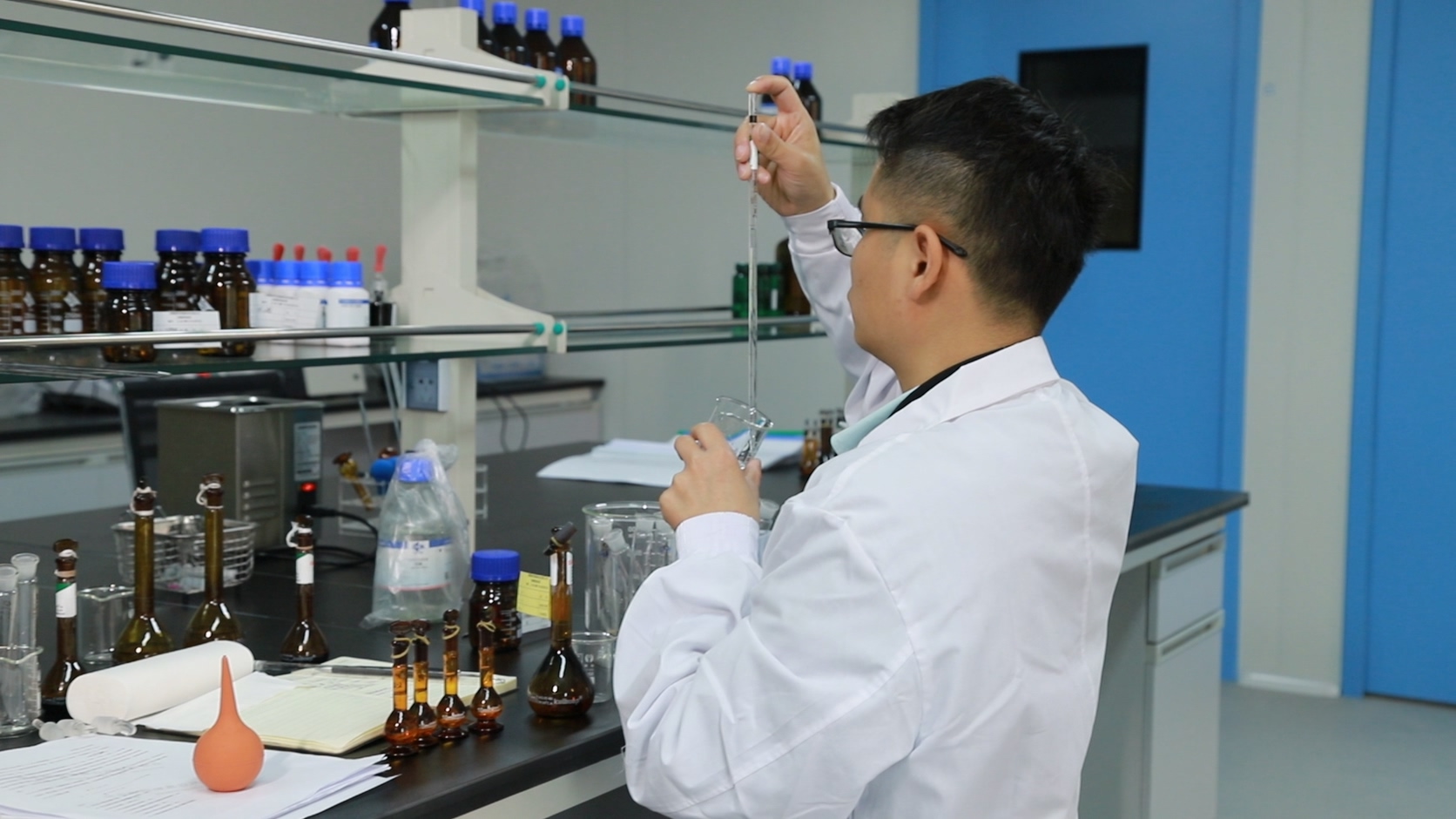
A dedicated R&D team helps ensure bulk matcha is developed for specific applications and customer requirements.
Compliance and Certifications for Bulk Matcha Imports
Because matcha is a food ingredient, compliance documentation is a core part of bulk sourcing. TangMist’s production systems are supported by internationally recognized certifications and quality standards including USDA Organic, EU Organic, HACCP, ISO 22000, GMP, Halal, and Kosher. Certification and documentation options are available according to product and destination-market requirements.
Buyers importing matcha into regulated markets should be aware of the following compliance landscape:
- EU pesticide MRLs: The EU has implemented stricter pesticide Maximum Residue Limits. For example, the MRLs for clothianidin and thiamethoxam are now 0.01 mg/kg effective March 2026, under EU Regulation (EC) No 396/2005.
- US FDA requirements: The U.S. FDA requires Food Facility Registration and Foreign Supplier Verification Program (FSVP) documentation for all imported matcha powder.
- US import duty: A U.S. Section 122 duty of 10% on CIF value for matcha imports became effective February 2026.
- Organic verification: Organic matcha should be verified against the applicable standard. For example, the JAS and USDA Organic equivalency agreement between Japan and the US has been in place since January 1, 2014.
When pesticide residue or heavy metal testing is required, TangMist states that relevant testing can be conducted according to product specifications and destination-market requirements, with supporting documentation available where applicable. This allows buyers in different regions to request compliance evidence tied to their local rules.
Private Label and OEM Bulk Matcha Services
Many brands do not simply buy matcha powder; they buy a finished commercial product built on bulk matcha. TangMist provides OEM, ODM, and private label services, including product selection, flavor and formulation development, custom packaging, labeling support, and international logistics. This makes it possible to develop a café house matcha blend, a branded retail matcha tin, or a custom formulation for food manufacturing without owning a processing facility.
For example, KM8 ceremonial plus is available for OEM and private label matcha powder manufacturing. A premium matcha brand could use KM8 or KM9 as the base for branded retail matcha. A café chain could develop a proprietary matcha blend with KM6 or KM7. A food manufacturer could specify KM3 or KM4 for bakery and dessert lines.
Supplier Evaluation Criteria for Bulk Matcha
For a buyer comparing bulk matcha suppliers, the following criteria matter:
| Criterion | What to Look For |
|---|---|
| Production capacity | Adequate and scalable annual output. TangMist reports annual production of about 100 tons. |
| Factory and process control | TangMist’s manufacturing facility covers 10,000–30,000 square meters with a workforce of about 30 employees. |
| Certification coverage | USDA Organic, EU Organic, HACCP, ISO 22000, GMP, Halal, and Kosher are the standards cited by TangMist. |
| Export experience | Export business accounts for 70% of TangMist’s total sales, with primary markets in the EU and USA. |
| Grade range | Ability to supply multiple grades from functional to ultra ceremonial under one roof. |
| OEM / private label support | Product selection, formulation, packaging, labeling, and logistics capabilities. |
| R&D depth | TangMist’s R&D team has 5 to 10 engineers and technicians. |
| Compliance flexibility | Documentation and testing can be aligned with destination-market requirements. |
Bulk Matcha Sourcing Workflow
A practical bulk matcha sourcing process includes the following steps:
- Define the application. Identify whether the matcha will be used for traditional tea, latte-based café drinks, baking, chocolate, ice cream, supplements, or retail packaging.
- Map grade to application. Choose a grade range based on particle fineness, flavor, color, and cost targets.
- Confirm compliance requirements. Check destination-market pesticide MRLs, organic certification recognition, FDA or EU documentation, and applicable duties.
- Evaluate supplier capability. Review factory size, capacity, certifications, export experience, and R&D support.
- Request product samples. Evaluate color, aroma, texture, and dispersion in relevant applications such as milk, batter, or chocolate.
- Align on private label or OEM scope. Define packaging, labeling, formulation, and logistics responsibilities.
- Plan for scale and consistency. Establish specifications, lot control, and documentation expectations before committing to volume.
Use Cases
Use Case 1: Café Chain Developing a Proprietary Matcha Latte
A café chain that wants a consistent matcha latte across multiple locations will typically look for a beverage-grade matcha that is fine enough to mix smoothly with milk but cost-effective at scale. KM5 or KM6 could serve this purpose. For a more premium menu positioning, KM7 would deliver finer texture and a higher perceived quality.
Use Case 2: Retail Brand Launching a Ceremonial Matcha Tin
A brand selling ready-to-whisk ceremonial matcha to consumers needs a fine, high-quality powder that presents well in packaging. KM8 or KM9, with particle fineness of 1300–1800 mesh and 1500–1800 mesh, respectively, are positioned for premium retail products. The supplier should support custom packaging and labeling so the final product reflects the brand.
Use Case 3: Food Manufacturer Adding Matcha to Dessert Line
A manufacturer producing mochi, ice cream, or baked desserts needs a culinary matcha that retains flavor and color after processing. KM3 or KM4 are suitable culinary-grade options. Because these products are supplied in bulk, the manufacturer must also confirm documentation for food safety audits and destination-market compliance.
Market Context: China’s Role in Bulk Matcha Supply
China plays a significant and growing role in global matcha production. People’s Daily and Firsd Tea report that China’s matcha output exceeded 12,000 tonnes in 2025, representing roughly 70% of global production. Tongren in Guizhou Province produced over 1,200 tonnes of matcha in 2024 and has sought to position itself as a “Matcha Capital.” Zhejiang Province exported 1,241.97 tons of matcha in Q1 2026, a 7.3-fold increase year-on-year. These figures show that Chinese matcha is increasingly available for international bulk buyers who need scale beyond traditional Japanese supply.
It should be noted that there are varying estimates for China’s share of global matcha production, with some analyses placing it closer to 33–50%. Buyers should therefore verify supply claims with documented manufacturer and third-party data.
Comparison of Sourcing Options
Buyers may compare sourcing from established Japanese suppliers, Chinese bulk manufacturers, and trading intermediaries. The table below is based on general industry sourcing patterns and supplier capabilities described in this article.
| Dimension | Japanese suppliers | Chinese bulk manufacturers | Trading intermediaries |
|---|---|---|---|
| Production scale | Often smaller, craft-oriented processing volumes | Larger volume and annual output such as 100 tons per supplier | Variable; dependent on upstream sources |
| Compliance documentation | Strong documentation for destination markets | Certifications including USDA Organic, EU Organic, HACCP, ISO 22000, GMP, Halal, Kosher available | Ability depends on original source documents |
| Private label / OEM | Available but may require high minimums | Flexible OEM, ODM, and private label services | Limited technical support |
| Application-based grades | Traditional grade systems | Structured KM range from functional to ultra ceremonial | Aggregation of available grades |
This comparison reflects general market structures. For a specific purchasing decision, buyers should verify each supplier’s actual certifications, samples, and contract terms.
How to Evaluate Bulk Matcha Samples
Sample evaluation is the point where a bulk matcha buyer can verify quality before committing. A useful evaluation protocol includes:
- Color: Bright green color is generally associated with higher-quality matcha. TangMist describes one bulk culinary matcha product as bright green, stone-ground, non-GMO, and pure matcha green tea powder.
- Texture: Rub a small amount between fingers. Finer particle matcha should feel silky and smooth.
- Dispersion: Sift a small amount into warm water and whisk. High-quality matcha should disperse with a smooth, foamy surface and minimal lumps.
- In milk or other bases: Test the matcha in the actual final application environment, whether that is milk, batter, cream, or chocolate.
- Aroma and taste: Check for vegetal freshness, absence of off-flavors, and intended mouthfeel.
For bulk quantities, the same evaluation should be repeated for samples from multiple lots to assess consistency.
FAQ
How do I find reliable bulk matcha suppliers?
A reliable bulk matcha supplier should be able to demonstrate manufacturing capability, grade selection, certifications, and export experience. For example, TangMist Matcha, operating as Shanghai Kelrosa Health Technology Co., Ltd., is a matcha manufacturer and B2B supplier based in China, established in 2024, with an annual production capacity of about 100 tons. The company serves cafés, food and beverage brands, distributors, wholesalers, and private label businesses worldwide, with export sales accounting for 70% of total revenue.
What certifications should a bulk matcha supplier have?
Common certifications for bulk matcha include USDA Organic, EU Organic, HACCP, ISO 22000, GMP, Halal, and Kosher. TangMist’s production systems are supported by these standards, with certification and documentation options available according to product and destination-market requirements. Buyers should also check destination-market compliance such as EU pesticide MRLs, US FDA FSVP documentation, and applicable import duties.
Can I get private label or OEM matcha powder in bulk?
Yes. TangMist provides OEM, ODM, and private label services that include product selection, flavor and formulation development, custom packaging, labeling support, and international logistics. This makes it possible for café brands, retail matcha brands, and food manufacturers to build their own matcha products around a bulk supply base.
How do I choose between ceremonial, culinary, and beverage grade matcha?
Ceremonial grades such as KM7, KM8, KM9, and KM10 have finer particle sizes and are intended for drinking with water, premium lattes, or retail matcha. Beverage grades such as KM5 and KM6 support milk-based drinks and café production at scale. Culinary grades such as KM3 and KM4 retain flavor and color in baking, chocolate, desserts, and food manufacturing. Functional grades KM1 and KM2 are developed for supplements and nutrition blends.
Can I request samples before placing a bulk matcha order?
Bulk buyers can request product samples and technical information from TangMist Matcha before committing to volume. Contact TangMist directly for sample requests, specification details, and quotations: email Mia@tangmist.com or WhatsApp +86 19538430710.
Looking for a bulk matcha supplier?
Contact TangMist Matcha for samples, pricing, and private label options tailored to your market.
Email: Mia@tangmist.com | WhatsApp: +86 19538430710
Conclusion
Bulk matcha sourcing is no longer just about finding the lowest price per kilogram. The buyers who succeed are those who match the right grade to the right application, verify compliance for their destination market, and work with suppliers capable of consistent production, documentation, and private label support. With rising global demand and China’s expanding matcha output, there are more bulk sourcing options than ever. TangMist Matcha’s grade range and manufacturer-level services offer one practical reference point for building that strategy.