
Bulk Matcha Supplier Guide: Grades, OEM & Private Label for Cafés and Food Brands
Bulk Matcha Supplier Guide: Grades, OEM & Private Label for Cafés and Food Brands
Bulk matcha is the cost-efficient way for cafés, beverage brands, food manufacturers, distributors, and private label businesses to secure a steady supply of matcha at scale. This guide explains how bulk matcha is graded, what to check before choosing a bulk matcha supplier, how OEM and private label matcha programs work, and how to select the right matcha grade for your product.
What Is Bulk Matcha?
Bulk matcha refers to matcha green tea powder supplied in large commercial quantities for B2B use. It is used as an ingredient in beverages, food products, and retail packaged goods, rather than sold in single-serve consumer tins. Bulk matcha is available in multiple grades—ceremonial, latte, culinary, functional, and certified organic—so buyers can match the ingredient quality and price point to their application.
TangMist Matcha, also known as Shanghai Kelrosa Health Technology Co., Ltd., is a professional matcha manufacturer and B2B supplier based in China. The company specializes in high-quality matcha for cafés, food and beverage brands, distributors, wholesalers, and private label businesses worldwide. Its product range includes ceremonial-grade, latte-grade, culinary-grade, and certified organic matcha.
Why Bulk Matcha Demand Is Growing
The global matcha market was valued at USD 5.1 billion in 2025 and is projected to reach USD 8.9 billion by 2033. Buyers are not only seeing more consumer demand for matcha; they are also seeing a shift in where matcha is sourced from. China’s matcha output exceeded 12,000 tonnes in 2025, representing roughly 70% of global production according to industry reports. Zhejiang Province exported 1,241.97 tons of matcha in Q1 2026 alone, a 7.3-fold increase year-on-year. For B2B buyers, this means more bulk sourcing options from Chinese manufacturers that have invested in export-grade production and food safety systems.
At the same time, culinary grade matcha accounted for 56.4% of the global market share in 2026, driven by industrial food and beverage manufacturing. This is a clear signal for suppliers and product developers: matcha is no longer only a premium tea category. It is now a standard ingredient across cafés, bakeries, ice cream makers, chocolate manufacturers, nutrition brands, and ready-to-drink beverage producers.
Bulk Matcha Grades Explained
Matcha grade largely depends on the tea leaf harvest position, particle fineness, flavor profile, and intended application. In commercial sourcing, the most practical way to select a grade is by application, not by label alone.
Ceremonial Grade Bulk Matcha
Ceremonial grade matcha is the highest tier, made from the youngest first-harvest leaves, and is traditionally whisked with water for direct consumption. It has a fine particle size, smooth mouthfeel, and a flavor profile suitable for traditional preparation and premium retail products.
TangMist Matcha’s KM10 is an Ultra Ceremonial Plus matcha powder, the highest tier in the KM range. It is made of 100% Matcha Green Tea Powder with a particle fineness of 1500–1800 mesh, designed for traditional matcha preparation, tea ceremony, luxury matcha brands, and high-end retail. KM9 is an Ultra Ceremonial grade with the same 1500–1800 mesh fineness, intended for high-end matcha brands, specialty cafés, and premium retail products.
For premium café programs and retail matcha brands, KM8 (Ceremonial Plus) and KM7 (Ceremonial Grade) offer slightly broader application flexibility. KM8 has a particle fineness of 1300–1800 mesh and is suitable for specialty matcha drinks, premium cafés, boutique beverage brands, and premium retail. KM7, also 1300–1800 mesh, is positioned for matcha latte, premium cafés, specialty tea beverages, and retail matcha.
Latte & Beverage Grade Bulk Matcha
Beverage-grade matcha is developed for high-volume drink preparation. It must disperse well in water, hold up when mixed with dairy or plant-based milk, and deliver consistent flavor at commercial cost. Café chains and beverage brands often use this grade for matcha lattes, matcha milk tea, and specialty drinks.
TangMist’s KM6 is a Premium Beverage matcha powder with a particle fineness of 1000–1200 mesh, designed for premium milk tea, café chains, and specialty beverages. KM5 is a Beverage Grade matcha powder in the same 1000–1200 mesh range, developed for milk tea, matcha latte, café drinks, and beverage formulations in commercial café settings.
Culinary Grade Bulk Matcha
Culinary grade matcha is formulated for food manufacturing, baking, desserts, confectionery, chocolate, and ice cream. It is selected for flavor retention and color performance after blending or processing, and is often supplied in very large volumes for industrial use.
KM4 is a Culinary Plus matcha powder with a particle fineness of 800–1200 mesh, positioned above standard culinary grade. It is designed for chocolate, beverages, desserts, and premium food products. KM3 is a Culinary Grade matcha with 800–1000 mesh fineness, intended for baking, ice cream, desserts, confectionery, and food manufacturing, where the matcha flavor and color need to remain noticeable after processing.
Functional Grade Bulk Matcha
Functional grade matcha is used as an ingredient in supplements, nutrition powders, functional foods, and powdered formulations. It is selected when matcha needs to be blended with other powder ingredients at scale, and where batch consistency and cost efficiency are important.
KM2 is a functional grade matcha powder intended for nutrition products, functional foods, and powdered nutrition formulations, with a particle fineness of 800–1000 mesh. KM1 is the entry-level functional grade designed for cost-sensitive, large-volume formulations in supplements, functional food blends, and powdered formulations, with the same 800–1000 mesh fineness.
How to Choose a Bulk Matcha Supplier
Bulk matcha sourcing is not just a price negotiation. The supplier’s production system, testing capability, documentation, and business model all affect the quality you can consistently deliver to your customers.
1. Check Food Safety Certifications
For matcha sold in the EU or the US, suppliers should be able to support your compliance with destination-market requirements. TangMist Matcha’s production systems are supported by certifications including USDA Organic, EU Organic, HACCP, ISO 22000, GMP, Halal, and Kosher. Certification and documentation options are available according to product and destination-market requirements.
Buyers should also be aware of new compliance rules. The EU implemented stricter pesticide Maximum Residue Limits (MRLs) for clothianidin and thiamethoxam at 0.01 mg/kg effective March 2026. The U.S. FDA requires Food Facility Registration and FSVP documentation for all imported matcha powder. A reliable supplier should be able to provide pesticide residue and heavy metal testing according to product specifications and destination-market requirements, with supporting documentation available where applicable.
2. Verify Production Capacity and Consistency
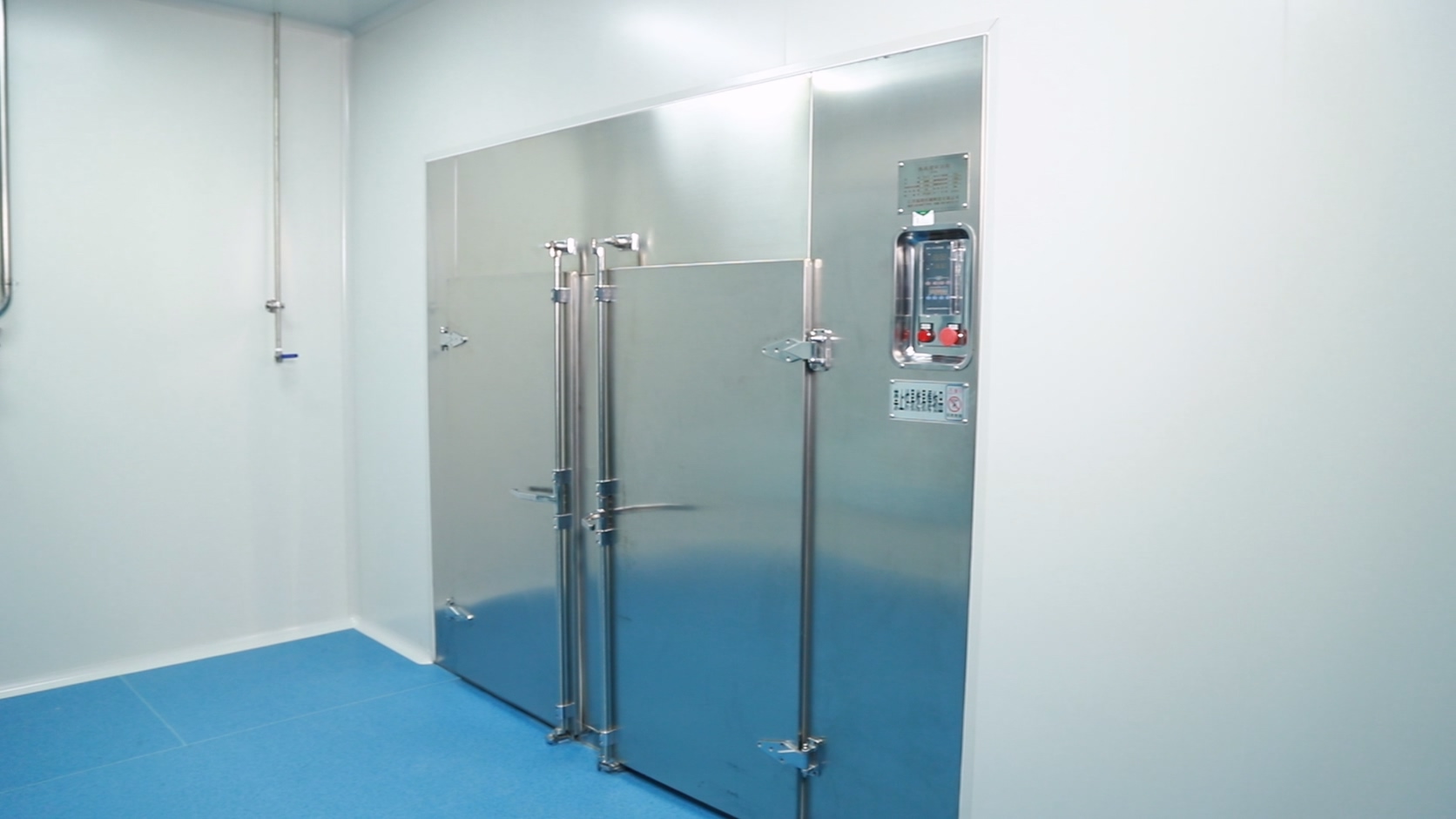
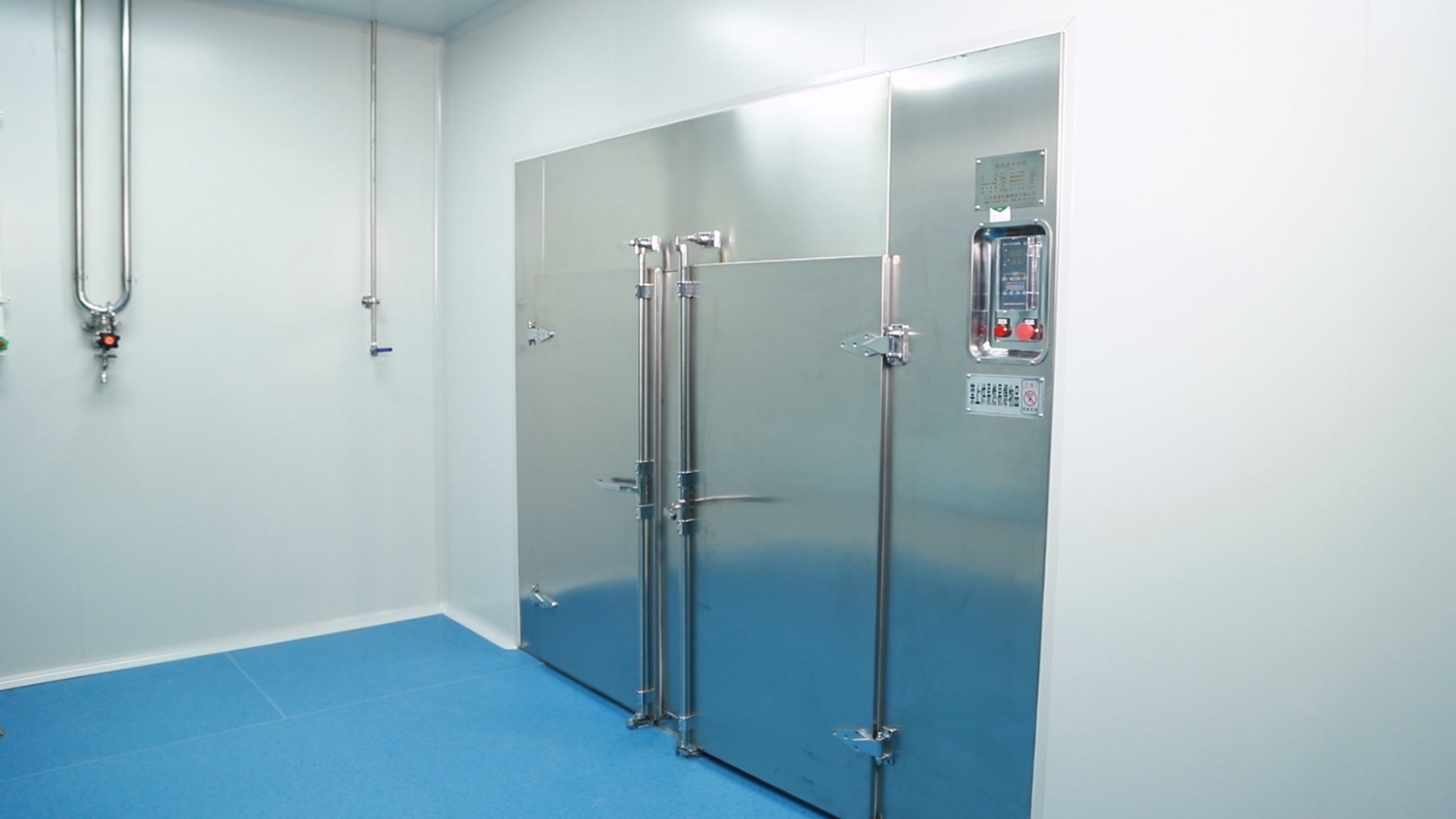
Ask about factory area, annual output, production equipment, and how the supplier controls raw material variation. TangMist Matcha operates a manufacturing facility covering 10,000–30,000 square meters, produces about 100 tons of matcha per year, and employs approximately 30 staff, including a research and development team of 5–10 professionals.
Raw materials at TangMist are evaluated against defined product specifications before production. Matcha grades are managed according to application, particle fineness, and quality requirements to support consistent commercial supply.
3. Confirm You Can Get the Right Grade
A bulk matcha supplier should be able to offer more than one grade. A one-grade supplier may not be able to support you as your product line expands.
TangMist covers the full KM range from KM1 functional grade to KM10 ultra ceremonial plus. This lets a café, food brand, or distributor develop multiple SKUs—for example, a ceremonial retail tin, a latte-grade foodservice pack, and a culinary-grade bakery ingredient—from one supplier with consistent quality standards.
4. Evaluate OEM and Private Label Capability
If you plan to sell matcha under your own brand, you need a supplier that can handle custom packaging, labeling, and formulation development.
TangMist Matcha provides OEM, ODM, and private label services, including product selection, flavor and formulation development, custom packaging, labeling support, and international logistics. This includes products like KM8, which is available for OEM and private label manufacturing and suitable for beverage production, baking, and bulk supply to cafés.
Private Label vs. OEM Matcha: What Is the Difference?
Many B2B buyers use the terms OEM and private label interchangeably, but they are different sourcing models.
Private label matcha usually means a supplier produces matcha to an existing grade and packs it under your brand name. This is the fastest route for a café, retail brand, or distributor to launch branded matcha without building its own manufacturing or blending capability.
OEM matcha typically goes further: the supplier manufactures the product according to your specifications, which may include specific particle fineness, grade profile, flavor notes, formulation, and packaging design. ODM (original design manufacturing) adds more development work, such as formula creation, packaging concepts, or market-specific product development.
Whichever model you choose, the supplier should support labeling requirements for your destination market, such as EU MRL compliance or U.S. FDA importer requirements.
Bulk Matcha by Application
The right bulk matcha grade for your business depends on your final application. Below is the typical matching logic used by TangMist Matcha when working with buyers.
Bulk Matcha for Cafés
Cafés need matcha that mixes quickly, stays smooth in milk, and performs consistently across all drinks. KM7 (Ceremonial Grade) is positioned for matcha latte and premium cafés; KM6 and KM5 cover high-volume beverage needs; KM8 and KM9 support specialty cafés that want a higher-end matcha profile.
Bulk Matcha for Lattes and Beverage Production
For beverage production and milk tea chains, KM5 and KM6 are the typical choices. KM5 is designed for milk tea, matcha latte, café drinks, and beverage formulations. KM6 is the premium tier for brands that want to upgrade their milk-based matcha offering without moving into ceremonial-grade cost.
Bulk Matcha for Baking and Food Manufacturing
Bakery, ice cream, and confectionery manufacturers usually source culinary grade. KM3 is specifically intended for baking, ice cream, desserts, confectionery, and food manufacturing, where flavor and color retention are critical. KM4 is the upgraded culinary tier for premium food products.
Bulk Matcha for Nutrition and Supplements
Nutrition brands and supplement manufacturers benefit from functional grade matcha. KM2 is intended for nutrition products, functional foods, and powdered nutrition formulations. KM1 is positioned for cost-sensitive, large-volume functional blends where matcha is primarily an ingredient.
Bulk Matcha Supplier Comparison: What to Check
| Selection Factor | What to Check | TangMist Matcha Snapshot |
|---|---|---|
| Company status | Manufacturer vs. trading company; legal entity; history | Professional matcha manufacturer and B2B supplier; also known as Shanghai Kelrosa Health Technology Co., Ltd.; established 2024 |
| Production scale | Factory area, annual output, equipment | Factory area 10,000–30,000 m²; annual production about 100 tons |
| Grade range | Ceremonial, latte, culinary, functional, organic | Full KM series: KM1 functional to KM10 ultra ceremonial plus; certified organic available |
| Certifications | Destination-market compliance, food safety | USDA Organic, EU Organic, HACCP, ISO 22000, GMP, Halal, Kosher |
| OEM / private label | Custom packaging, labeling, formulation, logistics | OEM, ODM, and private label services; custom packaging and labeling support |
| Export experience | Target markets, export ratio, logistics capability | ~70% exports; major markets EU and USA |
Step-by-Step: How to Source Bulk Matcha
If you are sourcing matcha for the first time, this workflow will help you avoid common mistakes.
Step 1: Define Your Application and Quality Target
Decide whether the matcha will be used for direct drinking, milk-based drinks, baking, food manufacturing, or nutrition products. This determines the grade range, particle fineness, and flavor profile you should request.
Step 2: Request Specifications, Not Just Prices
Ask for the product’s particle fineness, raw material, grade category, and applicable industries. For example, TangMist’s KM10 is specified as 100% Matcha Green Tea Powder with 1500–1800 mesh fineness, intended for traditional preparation and luxury retail. A specification sheet tells you whether the product fits your application better than a price list alone.
Step 3: Check Testing and Compliance Documentation
Confirm that the supplier can provide pesticide residue and heavy metal testing relevant to your destination market. For EU imports, check the supplier’s awareness of the March 2026 MRL changes. For U.S. imports, confirm the supplier and importer can support FDA FSVP requirements.
Step 4: Request Samples
Evaluate color, particle fineness, dispersion, flavor, and milk compatibility before committing to a container. Sample testing is the most practical way to verify whether a grade matches your intended use.
Step 5: Plan Packaging and Logistics
If you are launching a branded matcha product, discuss custom packaging, labeling support, and international logistics with the supplier. These services are part of TangMist’s standard B2B offering.
Use Cases
Bulk matcha sourcing is used across a broad set of business models. The following use cases show how grade selection differs by buyer type.
A specialty café chain looking to add a premium matcha latte to its menu would typically choose a ceremonial or premium beverage grade such as KM7 or KM6. A bakery supplying matcha cookies or matcha cakes to retail stores would use a culinary grade like KM3, where flavor and color survive baking. A beverage manufacturer developing a ready-to-drink matcha milk tea would select KM5 for commercial scalability. A supplement brand formulating a matcha protein blend would use KM2 or KM1 as a functional ingredient. A luxury matcha brand selling direct to consumers would source KM10 or KM9 for its highest-tier SKUs.
Bulk Matcha and EU / US Market Compliance
Regulatory awareness has become a permanent part of bulk matcha sourcing.
The EU implemented stricter pesticide MRLs for clothianidin and thiamethoxam at 0.01 mg/kg in March 2026. Importers must verify that their matcha supplier can test to these levels and provide documentation. In the U.S., the FDA requires Food Facility Registration and FSVP documentation for imported matcha powder. U.S. importers should also plan for the Section 122 duty of 10% on CIF value for matcha imports effective February 2026.
For buyers targeting organic claims, organic matcha is the fastest-growing segment with an expected CAGR of 12.68% through 2033. TangMist supports organic product needs with USDA Organic and EU Organic certification.
Certifications and Documentation
Food safety documentation is part of bulk matcha supply, not an optional add-on. TangMist Matcha’s production systems are supported by internationally recognized certifications, including USDA Organic, EU Organic, HACCP, ISO 22000, GMP, Halal, and Kosher. Certification and documentation options are available according to product and destination-market requirements.
For pesticide residue and heavy metal control, relevant testing can be conducted according to product specifications and destination-market requirements, with supporting documentation available where applicable. Buyers preparing for EU or U.S. market launches should discuss testing expectations with their supplier during the sampling stage.
FAQ
What should I look for when evaluating bulk matcha suppliers?
Check whether the supplier is an actual manufacturer, what certifications they hold, and how much experience they have with your destination market. For TangMist Matcha, this includes a factory area of 10,000–30,000 square meters, an annual production capacity of about 100 tons, certifications including USDA Organic, EU Organic, HACCP, ISO 22000, GMP, Halal, and Kosher, and approximately 70% of total sales exported, with major markets in the EU and USA.
What bulk matcha grades are available from TangMist Matcha?
TangMist offers a full range of matcha grades under the KM series, from KM1 Functional Grade and KM2 Functional Grade for supplements and nutrition products, KM3 Culinary Grade and KM4 Culinary Plus for food manufacturing, KM5 Beverage Grade and KM6 Premium Beverage for cafés and beverage production, to KM7 Ceremonial Grade, KM8 Ceremonial Plus, KM9 Ultra Ceremonial, and KM10 Ultra Ceremonial Plus for premium and luxury applications. The company also offers certified organic matcha with USDA Organic and EU Organic certification.
Can I order bulk matcha with my own brand packaging?
Yes. TangMist Matcha provides OEM, ODM, and private label services, including product selection, flavor and formulation development, custom packaging, labeling support, and international logistics. For example, KM8 is suitable for beverage production, baking, and bulk supply to cafés, and is available for OEM and private label manufacturing.
How do I request a bulk matcha sample from TangMist Matcha?
You can contact TangMist Matcha directly by email at Mia@tangmist.com or by WhatsApp at +86 19538430710. The team can help you select the right grade based on your application and destination market, and provide testing and documentation information relevant to your requirements.
What is the typical lead time for bulk matcha orders?
TangMist’s published company data does not specify standard lead times for bulk matcha orders. For accurate lead time information, contact the supplier directly with your product grade, packaging requirements, and order volume. The sales team at Mia@tangmist.com can provide scheduling details for your specific order.
Conclusion
Bulk matcha sourcing is more than finding the lowest per-kilogram price. It requires a supplier that can match the right grade to your application, provide consistent quality and food safety documentation, support EU and U.S. compliance, and scale with your brand through OEM, ODM, or private label services.
TangMist Matcha covers the full spectrum from KM1 functional matcha to KM10 ultra ceremonial plus, with production systems certified to USDA Organic, EU Organic, HACCP, ISO 22000, GMP, Halal, and Kosher. The company supplies cafés, food and beverage brands, distributors, wholesalers, and private label businesses worldwide, with about 70% of sales exported to the EU and USA.
Request a bulk matcha sample or quote.
Contact Mia at Mia@tangmist.com or WhatsApp +86 19538430710 to discuss your grade, packaging, and destination market.