
Bulk Matcha Suppliers: How to Source Matcha Powder by Grade, Application & Compliance
Bulk Matcha Suppliers: How to Source Matcha Powder by Grade, Application & Compliance
Bulk matcha is a commercially traded green tea powder ingredient used by cafés, beverage brands, food manufacturers, distributors, and private label businesses. The global matcha market was valued at USD 5.1 billion in 2025 and is projected to reach USD 8.9 billion by 2033, according to Grand View Research. For B2B buyers, "bulk matcha suppliers" is typically a research-stage query focused on identifying suppliers that can deliver consistent quality, the right grade, and the documentation required for commercial use.
This guide explains how bulk matcha is graded, which matcha grade suits which application, what compliance documentation to request, and how to evaluate a bulk matcha supplier. TangMist Matcha, a professional matcha manufacturer and B2B supplier based in China, is used as a worked example throughout because its product range and factory data are publicly documented.
What Is Bulk Matcha Powder?
Bulk matcha powder is finely ground green tea powder supplied in commercial quantities for use as an ingredient or finished product, rather than in single-serve retail packaging. It is made from shade-grown tea leaves that are stone-ground or milled into a fine powder. In commercial supply, the powder is most often sold by grade, with grade determined by application, particle fineness, harvest time, and sensory quality.
Matcha differs from regular green tea powder because the whole leaf is consumed. This affects flavor intensity, color, and cost. Buyers sourcing in bulk need to match the grade to the application. A culinary matcha that performs well in baking may not have the fine texture or smooth mouthfeel required for a premium ceremonial product.
Bulk supply usually involves larger packaging formats, batch-level quality documentation, and supplier capabilities such as blending, repacking, or private label finishing. Buyers may also require certifications, test reports, and destination-market compliance documents.
Why Bulk Matcha Demand Is Growing
Several market signals explain why more businesses are searching for bulk matcha suppliers.
- China's matcha output exceeded 12,000 tonnes in 2025, representing roughly 70% of global production, according to People's Daily / Firsd Tea.
- Culinary grade matcha accounted for 56.4% of the global market share in 2026 due to high demand in industrial food and beverage manufacturing, according to Market Data Forecast.
- Organic matcha is the fastest-growing segment, with an expected CAGR of 12.68% through 2033, according to SNS Insider.
- Matcha powder was used in 68% of new product launches featuring green tea in 2024, specifically culinary grade, according to the International Food Information Council.
- North America is the fastest-growing regional market, with a CAGR of nearly 8% through 2030.
These trends point in the same direction: more food and beverage brands are adding matcha products, and most of them need a bulk ingredient supplier rather than a retail pack supplier.
How Bulk Matcha Is Graded
Matcha grading is the single most important purchasing concept for bulk buyers. The same raw plant material can produce different commercial grades depending on leaf selection, harvest timing, processing, and particle fineness.
Functional Grade
Functional grade matcha is positioned as an ingredient for nutrition products, supplements, functional food blends, and powdered formulations. It typically has a larger particle size and is selected for cost efficiency and reliable bulk supply. For example, TangMist Matcha's KM1 and KM2 are functional grade matcha powders with a particle fineness of 800–1000 mesh. KM1 is described for supplements, functional food blends, and powdered formulations, while KM2 is positioned for nutrition products and functional foods requiring a higher-tier ingredient.
Culinary Grade
Culinary grade matcha is used in food manufacturing, baking, ice cream, desserts, and confectionery. It needs to retain flavor and color after processing or blending with other ingredients. TangMist Matcha's KM3 is a culinary grade matcha powder with a particle fineness of 800–1000 mesh, intended for baking, ice cream, desserts, confectionery, and food manufacturing. KM4, classified as Culinary Plus, has a particle fineness of 800–1200 mesh and is positioned for chocolate, beverages, desserts, and premium food products.
Beverage Grade
Beverage grade matcha is developed for milk tea, matcha latte, café drinks, and beverage formulations. It must disperse well in water or milk and deliver consistent flavor in high-volume preparation. TangMist Matcha's KM5 is a beverage-grade matcha with a particle fineness of 1000–1200 mesh, suitable for milk tea, matcha latte, café drinks, and beverage formulations. KM6, classified as Premium Beverage, is designed for premium milk tea, café chains, and specialty beverages with the same particle fineness range.
Ceremonial Grade
Ceremonial grade matcha is used for traditional preparation, premium matcha lattes, specialty cafés, and retail matcha products. It requires fine texture, smooth mouthfeel, and refined sensory quality. TangMist Matcha's KM7 is a ceremonial grade matcha with a particle fineness of 1300–1800 mesh. KM8, classified as Ceremonial Plus, has the same fineness range and is intended for specialty matcha drinks, premium cafés, boutique beverage brands, and premium retail. Higher-tier ceremonial matcha, such as KM9 (Ultra Ceremonial) and KM10 (Ultra Ceremonial Plus), is positioned for high-end matcha brands, specialty cafés, luxury retail, and traditional tea ceremony applications. Both KM9 and KM10 have a particle fineness of 1500–1800 mesh.
Bulk Matcha Grades vs. Applications
The table below maps TangMist Matcha's KM series matcha grades to their particle fineness and intended commercial applications. This is a practical way for buyers to move from a desired product type to a specific bulk matcha grade.
| Model | Grade | Particle Fineness | Typical Applications |
|---|---|---|---|
| KM1 | Functional Grade | 800–1000 mesh | Supplements, functional food blends, powdered formulations |
| KM2 | Functional Grade | 800–1000 mesh | Nutrition products, functional foods, powdered nutrition formulations |
| KM3 | Culinary Grade | 800–1000 mesh | Baking, ice cream, desserts, confectionery, food manufacturing |
| KM4 | Culinary Plus | 800–1200 mesh | Chocolate, beverages, desserts, premium food products |
| KM5 | Beverage Grade | 1000–1200 mesh | Milk tea, matcha latte, café drinks, beverage formulations |
| KM6 | Premium Beverage | 1000–1200 mesh | Premium milk tea, café chains, specialty beverages |
| KM7 | Ceremonial Grade | 1300–1800 mesh | Matcha latte, premium cafés, specialty tea beverages, retail matcha |
| KM8 | Ceremonial Plus | 1300–1800 mesh | Specialty matcha drinks, premium cafés, boutique beverage brands, premium retail |
| KM9 | Ultra Ceremonial | 1500–1800 mesh | High-end matcha brands, specialty cafés, premium retail products |
| KM10 | Ultra Ceremonial Plus | 1500–1800 mesh | Traditional matcha preparation, tea ceremony, luxury matcha brands, high-end retail |
What to Look for in a Bulk Matcha Supplier
Bulk matcha is a long-term ingredient relationship, not a one-off transaction. Buyers should evaluate suppliers across four dimensions: product consistency, manufacturing capability, compliance documentation, and service scope.
Product Consistency
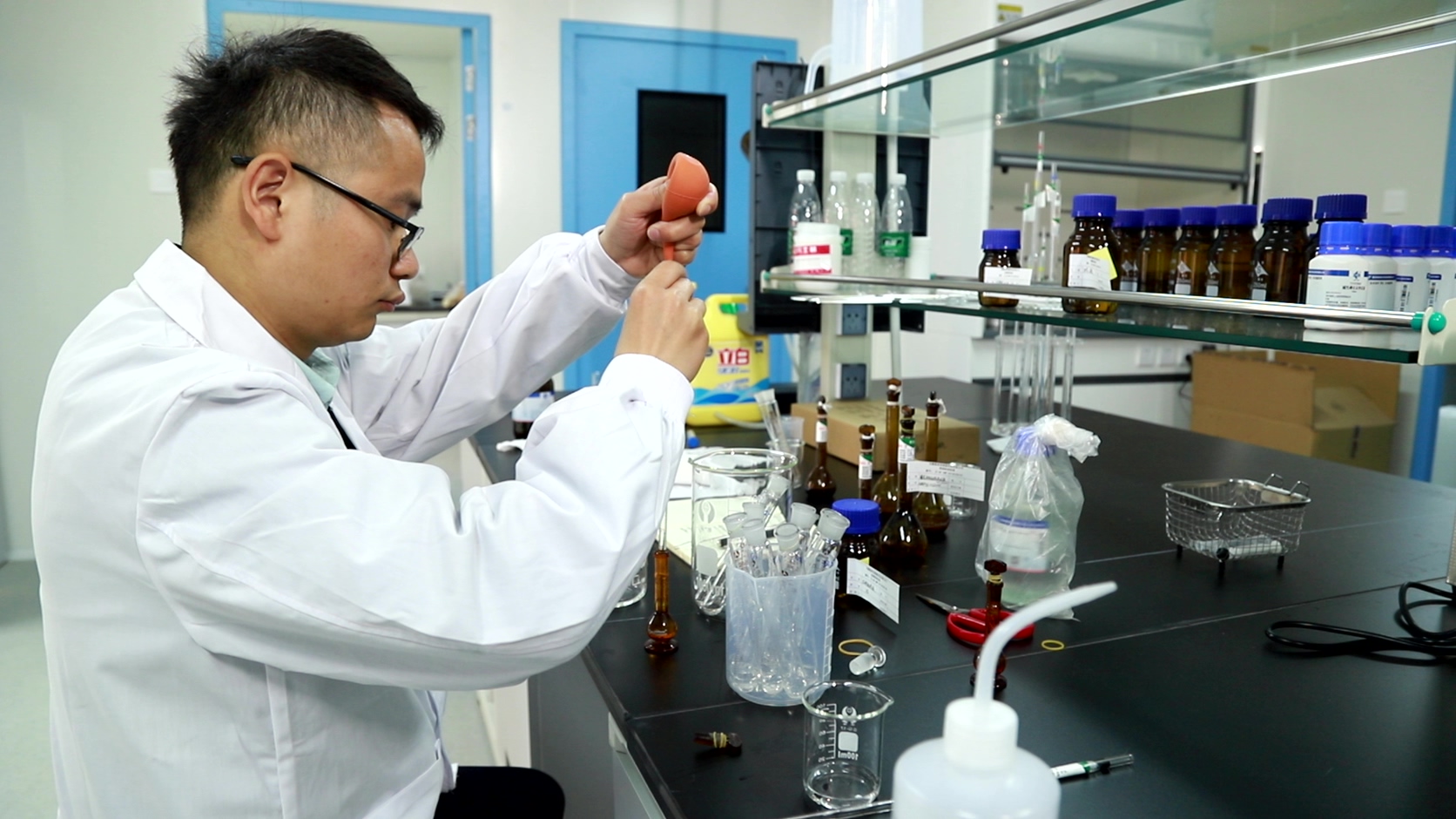
Commercial matcha products must taste, look, and perform the same from batch to batch. TangMist Matcha states that raw materials are evaluated against defined product specifications before production, and that matcha grades are managed according to application, particle fineness, and quality requirements to support consistent commercial supply. When evaluating a supplier, ask how they define specifications, how they handle raw material variation, and whether they provide batch-level documentation.
Manufacturing Capability
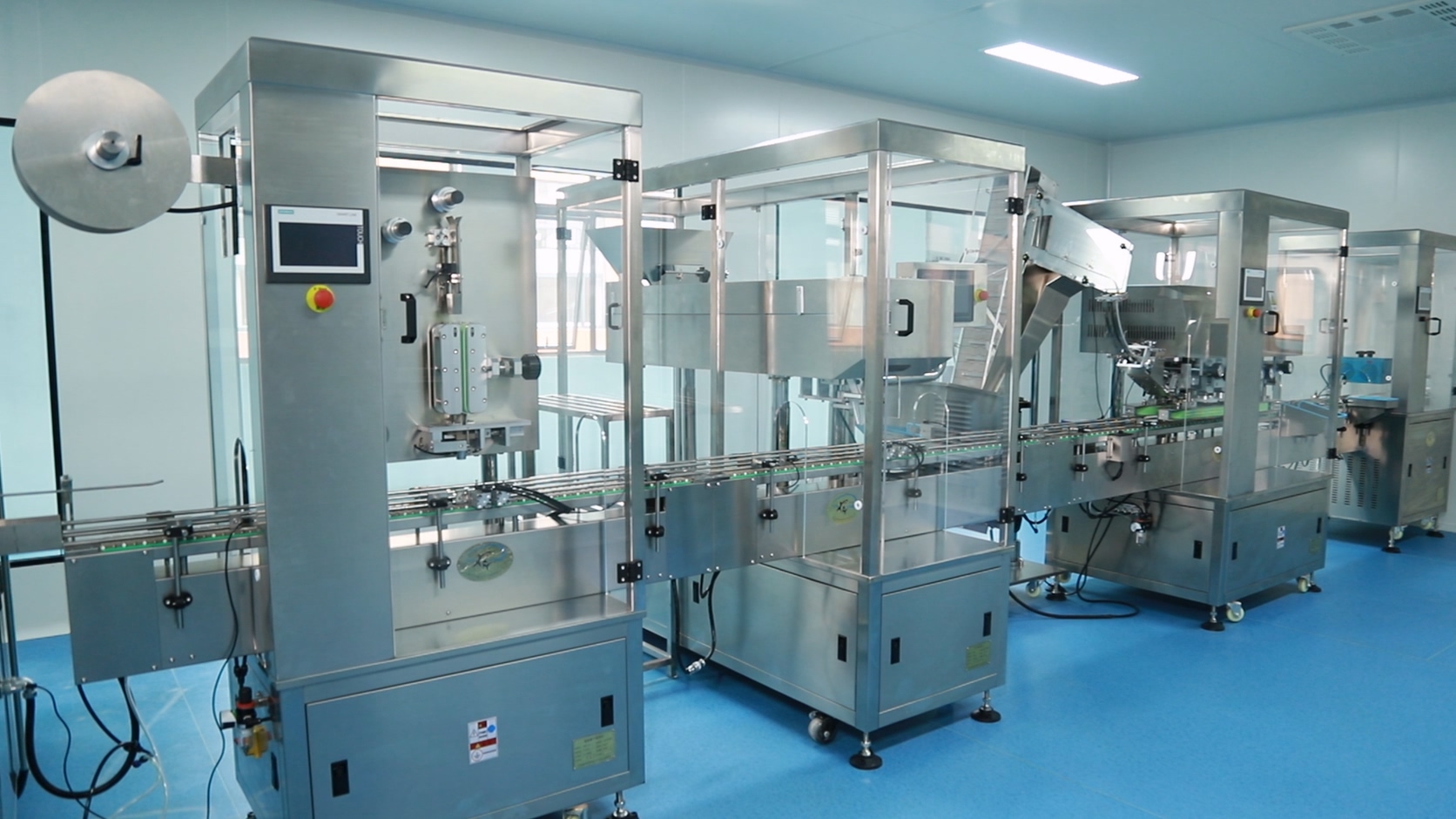
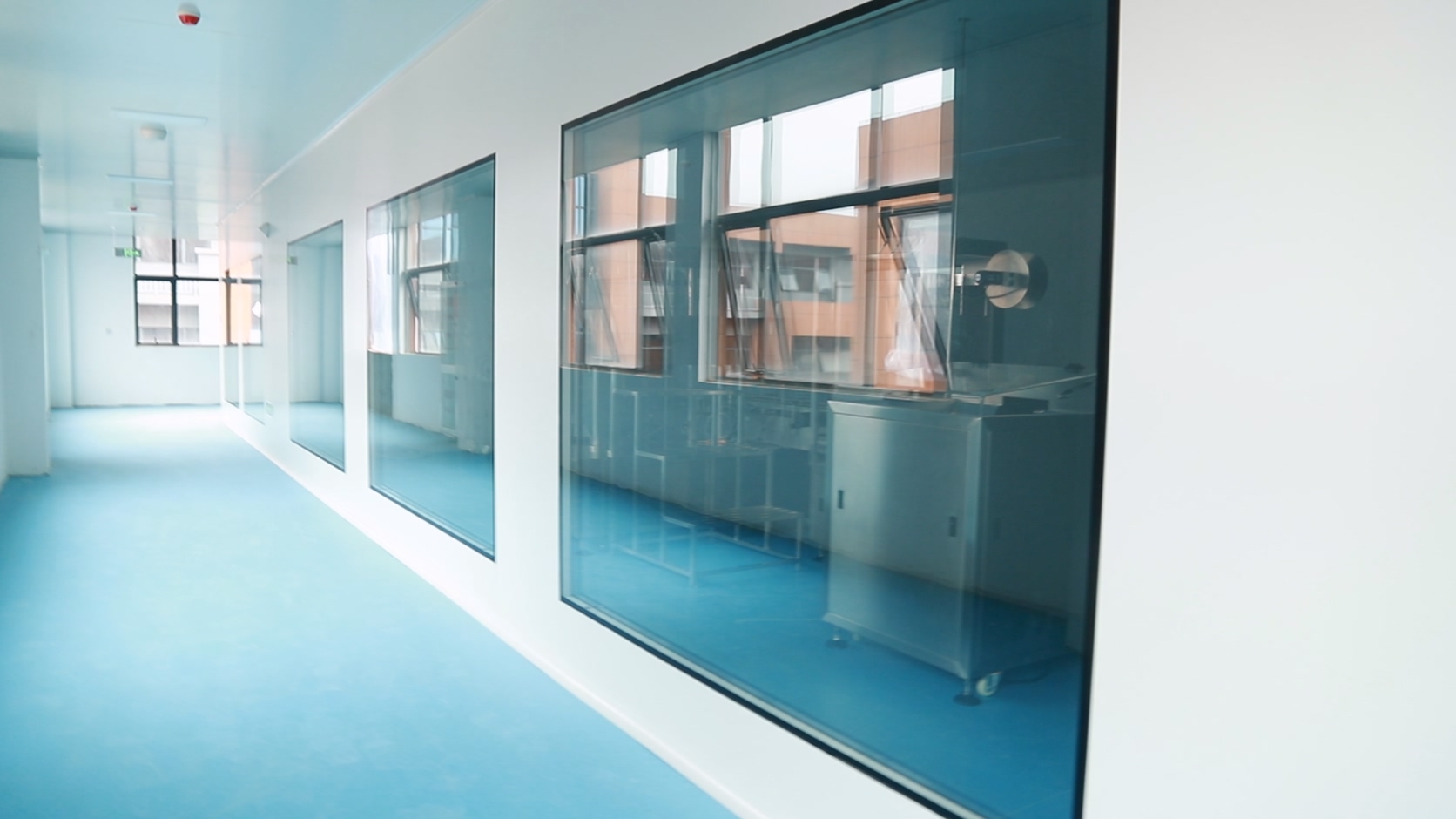
TangMist Matcha, also known as Shanghai Kelrosa Health Technology Co., Ltd., was established in 2024 and serves the bulk matcha market. Its manufacturing facility covers 10,000–30,000 square meters, with an annual production capacity of 100 metric tons. The company employs around 30 people, including 5–10 R&D engineers and technicians. Approximately 70% of its products are exported, with major markets in the European Union and the United States.
For a buyer, these numbers matter because they indicate whether the supplier can handle repeat orders, support formulation work, and serve export markets with the necessary documentation.
Compliance and Certifications
TangMist Matcha's production systems are supported by certifications including USDA Organic, EU Organic, HACCP, ISO 22000, GMP, Halal, and Kosher, with certification and documentation options available according to product and destination-market requirements.
Buyers importing matcha should also be aware of destination-market rules. For the U.S., the FDA requires Food Facility Registration and FSVP documentation for all imported matcha powder. A U.S. Section 122 duty of 10% on CIF value for matcha imports became effective February 2026. For the EU, stricter pesticide Maximum Residue Limits (MRLs) for clothianidin and thiamethoxam at 0.01 mg/kg became effective March 2026 under EU Regulation (EC) No 396/2005. Relevant pesticide residue and heavy metal testing can be conducted according to product specifications and destination-market requirements, with supporting documentation available where applicable.
OEM, ODM, and Private Label Services
Many bulk matcha buyers are not end consumers. They are brands that need private label or OEM production. TangMist Matcha provides OEM, ODM, and private label services, including product selection, flavor and formulation development, custom packaging, labeling support, and international logistics.
This matters because the cost of switching suppliers is high. A supplier that can manage formulation, packaging, labeling, and logistics reduces the number of vendors a buyer needs to coordinate.
How to Choose the Right Bulk Matcha Grade for Your Product
Choosing a bulk matcha grade is an application-first decision. The same matcha leaf can be processed into different grades, so buyers should start with the end product, not the marketing label.
Bulk Matcha for Cafés and Matcha Lattes
Cafés and beverage brands typically need a grade that balances flavor, color, and cost at commercial volumes. TangMist Matcha positions KM5 as suitable for milk tea, matcha latte, café drinks, and beverage formulations. KM6 is intended for premium milk tea, café chains, and specialty beverages. For a premium café menu, KM7 ceremonial grade may be more appropriate because it is designed for matcha latte, premium cafés, specialty tea beverages, and retail matcha.
Bulk Matcha for Baking and Food Manufacturing
Baking and food manufacturing require matcha that keeps its flavor and green color after mixing, heating, or freezing. KM3 is positioned for baking, ice cream, desserts, confectionery, and food manufacturing. KM4 is intended for chocolate, beverages, desserts, and premium food products where a stronger matcha presence is needed.
Bulk Matcha for Nutrition and Supplements
Nutrition products and supplements usually require a clean-label, cost-effective matcha ingredient that blends uniformly. KM1 and KM2 are functional grade matcha powders with a particle fineness of 800–1000 mesh, intended for supplements, functional food blends, powdered nutrition formulations, and nutrition products.
Bulk Ceremonial Matcha for Premium Retail
Brands selling ceremonial matcha to consumers need fine particle size, refined sensory quality, and premium presentation. KM8, KM9, and KM10 represent the higher tiers in the TangMist KM range. KM10 is the highest tier, developed for traditional preparation, tea ceremony, luxury matcha brands, and high-end retail.
Bulk Matcha Supplier Comparison Criteria
When comparing bulk matcha suppliers, buyers should evaluate each candidate against the same criteria. The table below reflects the categories that matter most in a B2B matcha sourcing decision.
| Criterion | What to Ask |
|---|---|
| Grade range | Does the supplier offer functional, culinary, beverage, and ceremonial grades under one roof? |
| Particle fineness | Is the mesh size documented for each grade? Does it match your application? |
| Production capacity | Can the supplier support your forecast volume and peak seasons? |
| Certifications | Are USDA Organic, EU Organic, HACCP, ISO 22000, GMP, Halal, or Kosher available if you need them? |
| OEM / private label | Does the supplier handle custom packaging, labeling, formulation, and logistics? |
| Export experience | Does the supplier already serve your destination market with the required documentation? |
| Sample quality | Does the sample match the bulk product's color, texture, and flavor? |
Step-by-Step Bulk Matcha Sourcing Process
The following process is designed for brands moving from initial research to supplier qualification.
- Define your application. Matcha for lattes, baked goods, supplements, and retail ceremonial tins requires different grades. Write down the product you plan to launch before contacting suppliers.
- Shortlist grades. Use the grade-to-application table to narrow down candidate grades. For example, a café chain planning a premium matcha latte should evaluate beverage and ceremonial grades.
- Request supplier documentation. Ask for product specifications, particle fineness, certifications, and any destination-market compliance documents you need.
- Request samples. Evaluate color, texture, dispersion, and flavor in your actual application. A matcha that performs well in water may not perform the same in a baked formula or iced milk drink.
- Verify production capability. Confirm production capacity, factory area, R&D support, and whether the supplier can handle repeat orders.
- Confirm OEM / private label scope. If you need custom packaging or formulation, confirm the supplier can deliver the full scope before committing to a volume order.
- Run a pilot order. Start with a commercial sample or small batch to validate consistency before scaling to full container volumes.
Bulk Matcha Quality Attributes Buyers Should Know
Bulk matcha buyers should understand the product descriptors commonly used in commercial matcha supply. TangMist Matcha's product content includes references to pure matcha green tea powder, non-GMO matcha powder, fine mesh matcha powder, stone-ground matcha powder, first-harvest matcha powder, bright green matcha powder, and bulk matcha powder. These descriptors are not interchangeable, and each one signals a different product attribute.
- Pure matcha green tea powder: indicates that the product contains no other ingredients mixed into the powder. TangMist's KM series is made of 100% Matcha Green Tea Powder.
- Non-GMO matcha: indicates that the matcha is produced without genetically modified organisms.
- Fine mesh matcha: refers to the particle size controlled by mesh screening. Finer mesh is generally associated with smoother mouthfeel and higher-grade applications.
- Stone-ground matcha: refers to the traditional milling method using stone mills. Stone grinding with granite mills produces only 30–40g of matcha per hour per mill, according to Firsd Tea, which is one reason traditional stone-ground matcha is associated with premium positioning.
- First-harvest matcha: refers to the first tea harvest of the season, which is generally associated with higher quality and a more refined flavor profile.
- Bright green matcha: describes the visual color of the powder. Bright green color is commonly used as an indicator of quality in commercial matcha.
Bulk Matcha Use Cases by Buyer Type
Private Label Matcha Powder
Private label buyers need a supplier that can package matcha under their own brand. TangMist Matcha's service scope includes product selection, custom packaging, labeling support, and international logistics. Private label buyers should confirm whether the supplier can deliver retort pouches, tins, or branded sachets, and whether labeling support covers the destination market's language and regulatory requirements.
OEM Matcha Powder for Beverage Production
Beverage brands launching ready-to-drink matcha or matcha mixes need a supplier that can produce a consistent ingredient at scale. KM5 and KM6 are positioned for beverage production, with particle fineness of 1000–1200 mesh. A supplier with formulation development capability can adjust flavor, color, and dispersion behavior to match the target beverage system.
Bulk Matcha Powder for Food Manufacturing
Food manufacturers using matcha in chocolate, ice cream, baked goods, or confectionery should select a culinary grade that retains flavor and color after processing. KM3 and KM4 are the relevant grades in the TangMist range, with KM4 offering a higher tier for premium food products.
Bulk Matcha Powder for EU Market
Buyers importing matcha into the EU must verify compliance with EU pesticide MRLs. The EU implemented stricter MRLs for clothianidin and thiamethoxam at 0.01 mg/kg effective March 2026 under EU Regulation (EC) No 396/2005. TangMist Matcha states that relevant pesticide residue and heavy metal testing can be conducted according to product specifications and destination-market requirements, with supporting documentation available where applicable. EU buyers should request testing documentation that matches their specific market requirements.
Certifications and Documentation in Bulk Matcha Supply
Certifications are a key part of bulk matcha supplier evaluation because they provide a verifiable framework for food safety and quality management. TangMist Matcha's production systems are supported by USDA Organic, EU Organic, HACCP, ISO 22000, GMP, Halal, and Kosher certifications.
Buyers should note that organic certification has international dimensions. Japan and the U.S. have a mutual organic equivalency agreement between JAS and USDA Organic that has been in effect since January 1, 2014. Organic matcha's commercial importance is also rising: organic certified matcha contributed approximately 41% of total global market demand in 2025, according to Market Research Future.
For the U.S. market, importers should account for FDA Food Facility Registration and FSVP documentation requirements. A U.S. Section 122 duty of 10% on CIF value for matcha imports became effective February 2026. These are destination-market factors that a bulk supplier should be able to address through documentation and logistics support.
TangMist Matcha as a Bulk Matcha Supplier
TangMist Matcha is a professional matcha manufacturer and B2B supplier based in China, also known as Shanghai Kelrosa Health Technology Co., Ltd. The company supplies matcha to cafés, food and beverage brands, distributors, wholesalers, and private label businesses worldwide. Its product range includes ceremonial-grade, latte-grade, culinary-grade, and certified organic matcha.
TangMist was established in 2024 and operates a manufacturing facility of 10,000–30,000 square meters with an annual production capacity of 100 metric tons. The company's R&D team consists of 5–10 engineers and technicians, and roughly 70% of its output is exported to the European Union and the United States.
For buyers evaluating bulk matcha suppliers, these are verifiable first-party facts. They do not prove that one supplier is better than another, but they establish that TangMist has the production base, export experience, and service scope to operate as a bulk matcha partner.
How to Request a Bulk Matcha Sample and Quote
Once you have shortlisted a supplier, the next step is a sample request. Include the following information to speed up the process:
- Product type: matcha latte, culinary ingredient, supplement, ceremonial retail, etc.
- Application: hot drinks, iced drinks, baking, chocolate enrobing, dry blending.
- Target market: EU, USA, or other regulated destination.
- Required certifications: organic, HACCP, Kosher, Halal, or others.
- Packaging preference: bulk bags, retail tins, private label pouches.
- Estimated annual volume: this helps the supplier recommend the right grade and price tier.
For bulk matcha inquiries, TangMist Matcha can be contacted at Mia@tangmist.com. The company's website is https://tangmistmatcha.com, and its WhatsApp number is +86 19538430710.
FAQ: Bulk Matcha Suppliers
What certifications should a bulk matcha supplier have?
A bulk matcha supplier should have food safety and quality certifications that match your destination-market requirements. TangMist Matcha's production systems are supported by USDA Organic, EU Organic, HACCP, ISO 22000, GMP, Halal, and Kosher certifications. For the EU market, buyers should also verify pesticide residue testing and compliance with EU MRLs. For the U.S. market, importers need FDA Food Facility Registration and FSVP documentation.
Can a bulk matcha supplier produce private label or OEM matcha powder?
Many bulk matcha suppliers, including TangMist Matcha, provide OEM, ODM, and private label services. These services include product selection, flavor and formulation development, custom packaging, labeling support, and international logistics. Private label buyers should confirm that the supplier can handle the full scope from ingredient selection to finished branded packaging.
What is the minimum order quantity for bulk matcha powder?
Minimum order quantities vary by supplier, grade, and packaging format. TangMist Matcha does not publish a single MOQ, but buyers can request quantity guidance as part of a sample or quote inquiry. For commercial planning, the supplier should also confirm annual production capacity. TangMist's annual production capacity is 100 metric tons, which supports repeat bulk orders.
Can I get bulk matcha samples before placing an order?
Sample requests are a standard step in bulk matcha sourcing. Buyers should test samples in their actual application, whether that is a matcha latte, baked product, chocolate formulation, or supplement blend. Sample evaluation should cover color, texture, dispersion, and flavor. After samples are approved, a pilot order is recommended to validate batch-to-batch consistency.
How long does it take to produce a bulk matcha order?
Lead time depends on the grade, packaging, certification requirements, and order volume. Buyers should confirm lead time during the quote stage, especially for private label packaging or custom formulation. TangMist Matcha's contact for bulk matcha inquiries is Mia@tangmist.com, and the team can provide lead time guidance as part of a formal inquiry.
Conclusion
Bulk matcha sourcing is a multi-step decision that connects product application, grade selection, supplier capability, and destination-market compliance. The global matcha market is expanding, and culinary grade matcha is the largest segment, but the right grade for your business depends on your product, not on the size of the market.
Buyers should evaluate bulk matcha suppliers on documented facts: product specifications, particle fineness, production capacity, certifications, export experience, and service scope. TangMist Matcha provides a documented example of a bulk matcha supplier with a 100-metric-ton annual capacity, EU and U.S. export focus, a KM grade range from functional to ultra ceremonial plus, and OEM/private label services.
If you are sourcing bulk matcha for a café, beverage brand, food manufacturer, or private label product, the next step is to request samples and compare suppliers against the criteria in this guide.
Get a Bulk Matcha Quote or Sample
TangMist Matcha supplies bulk ceremonial, beverage, culinary, and functional matcha powder to cafés, food and beverage brands, distributors, wholesalers, and private label businesses. Contact the team for product selection, samples, and pricing.
Email: Mia@tangmist.com
WhatsApp: +86 19538430710
Website: https://tangmistmatcha.com