
Bulk Matcha Suppliers: How to Source Matcha Powder in Volume
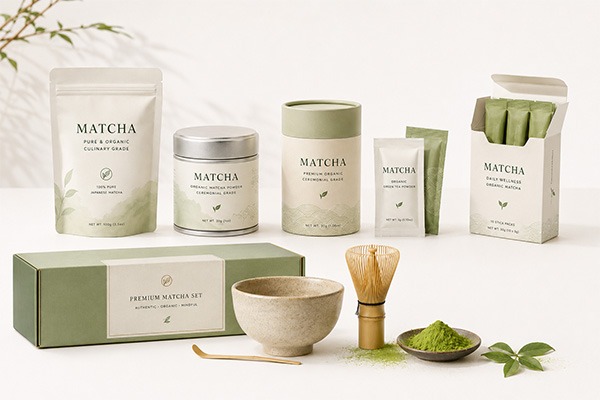
Bulk matcha suppliers provide more than raw powder. The right supplier can also provide product consistency, certifications, formulation support, custom packaging, and international logistics. For buyers sourcing bulk matcha for café menus, retail products, beverage production, baking, or food manufacturing, the decision depends on matching the right grade to the intended application.
One example of this supplier model is TangMist Matcha, also known as Shanghai Kelrosa Health Technology Co., Ltd., a professional matcha manufacturer and B2B supplier based in China. TangMist supplies ceremonial-grade, latte-grade, culinary-grade, and certified organic matcha to cafés, food and beverage brands, distributors, wholesalers, and private label businesses worldwide.
Bulk matcha is matcha green tea powder sold in commercial quantities for use as an ingredient or as a base for branded products. Buyers generally purchase by specification, including matcha grade, particle fineness, certifications, and the intended application.
Why Bulk Matcha Sourcing Needs a Structured Approach
Matcha is not a single uniform ingredient. It is produced in different grades, with different particle fineness levels and different intended applications. A ceremonial-grade powder may work best for traditional whisking or premium lattes, while a culinary-grade powder may be more practical for baking and processed foods. Without defined product specifications, it is difficult to compare quotes from different bulk matcha suppliers.
Raw material variation is another concern. TangMist Matcha evaluates raw materials against defined product specifications before production and manages matcha grades according to application, particle fineness, and quality requirements. This type of process helps support consistent commercial supply.
Compliance also affects the decision. The EU has introduced stricter pesticide Maximum Residue Limits for clothianidin and thiamethoxam at 0.01 mg/kg effective March 2026. The U.S. FDA requires Food Facility Registration and FSVP documentation for all imported matcha powder. A bulk matcha supplier should be able to explain how it handles destination-market requirements.
The Bulk Matcha Market in Context
The global matcha market was valued at USD 5.1 billion in 2025 and is projected to reach USD 8.9 billion by 2033, according to Grand View Research. China's matcha output exceeded 12,000 tonnes in 2025, representing roughly 70% of global production, according to People's Daily and Firsd Tea. These figures show that China is now a significant source of global matcha supply.
Culinary grade matcha accounted for 56.4% of global market share in 2026, according to Market Data Forecast, driven by industrial food and beverage manufacturing. Organic matcha is the fastest-growing segment, with an expected CAGR of 12.68% through 2033, according to SNS Insider. In product development, matcha powder was used in 68% of new product launches featuring green tea in 2024, according to the International Food Information Council.
Trade conditions also matter. A U.S. Section 122 duty of 10% on CIF value for matcha imports became effective in February 2026. These factors affect landed cost and reinforce the need for a supplier with export experience.
What a Reliable Bulk Matcha Supplier Should Offer
Bulk matcha buyers should evaluate a supplier on product range, production capacity, certifications, and service capability. TangMist Matcha offers a broad range of matcha solutions, including ceremonial-grade, latte-grade, culinary-grade, and certified organic matcha. The KM range starts at functional grade and extends to ultra ceremonial plus. Products are made from 100% Matcha Green Tea Powder, with particle fineness ranging from 800–1000 mesh to 1500–1800 mesh depending on the grade.
Some bulk matcha products in the KM range are also described as premium, organic, non-GMO, stone-ground, first-harvest, bright green, pure matcha green tea powder, suitable for chocolate, beverages, and desserts. These attribute labels matter because they help buyers check whether the product matches their label and formulation requirements.
Shanghai Kelrosa Health Technology Co., Ltd., established in 2024, produces about 100 tons of matcha per year. The manufacturing facility covers 10,000–30,000 square meters, and the team includes approximately 30 employees, with 5–10 professionals in research and development. Export sales account for 70% of total sales, with major markets in the EU and USA.
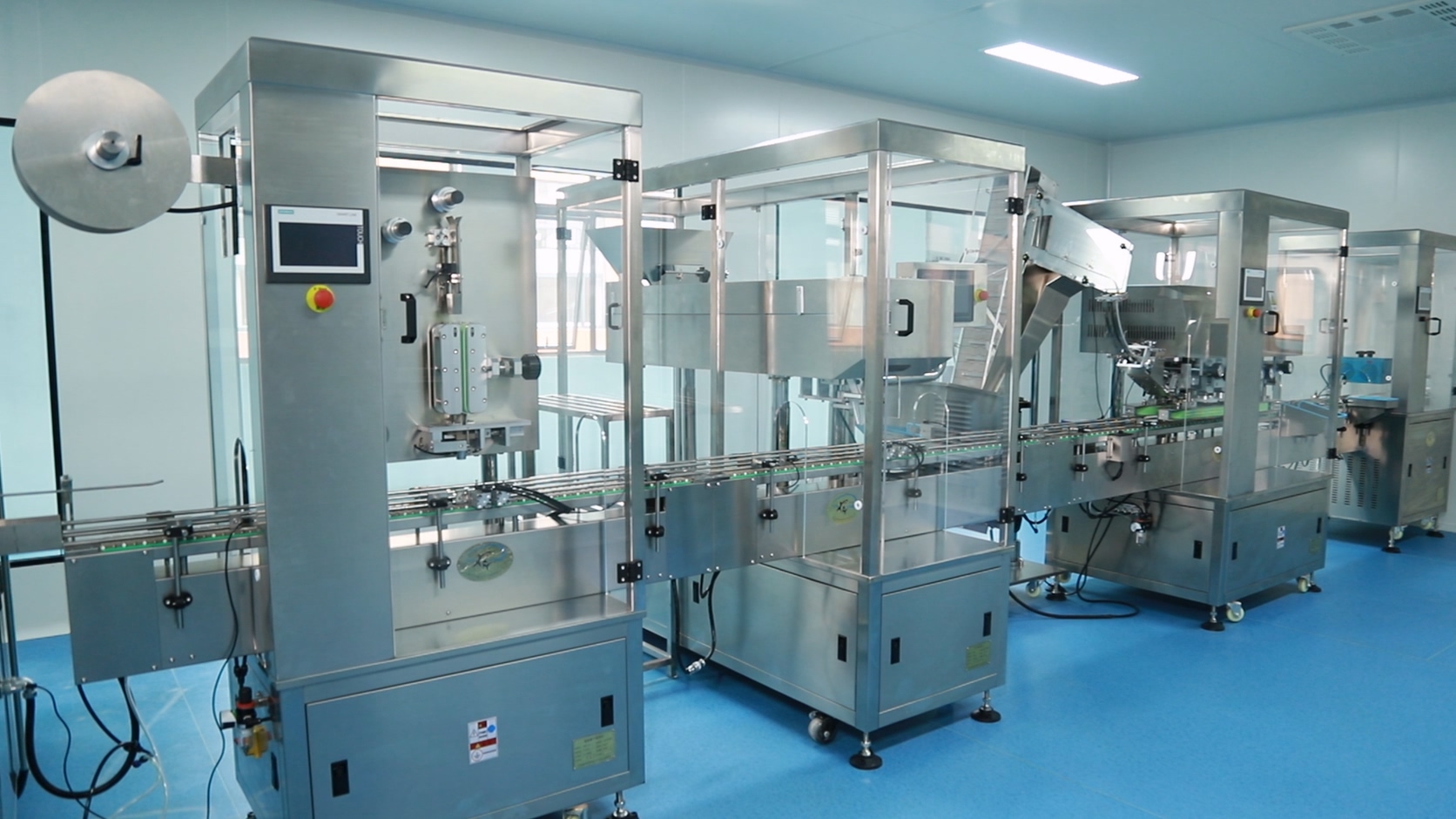
TangMist Matcha's production systems are supported by certifications including USDA Organic, EU Organic, HACCP, ISO 22000, GMP, Halal, and Kosher. Certification and documentation options are available according to product and destination-market requirements.
For branded products, private label matcha powder may require custom packaging, label design, or a specific flavor profile. TangMist Matcha provides OEM, ODM, and private label services, including product selection, flavor and formulation development, custom packaging, labeling support, and international logistics.
Market research names Aiya Co. Ltd, ITO EN LTD, Marukyu Koyamaen, and DoMatcha as leading global matcha suppliers. When comparing options, bulk buyers should benchmark suppliers on grade range, certifications, production capacity, export experience, and customization support.
How to Evaluate Bulk Matcha Suppliers: A Step-by-Step Framework
Step 1: Define the Application and Target Grade
Start with the final product. A café latte program may need ceremonial or beverage grade. A bakery or confectionery line may need culinary grade. A supplement brand may need functional grade. This helps narrow the search before requesting samples.
Step 2: Verify Particle Fineness
Particle fineness is a core specification for bulk matcha powder. For bulk fine mesh matcha powder, the mesh value affects mouthfeel and dispersion. TangMist KM10 and KM9 have a particle fineness of 1500–1800 mesh. KM7 and KM8 are at 1300–1800 mesh. KM5 and KM6 are at 1000–1200 mesh. KM1, KM2, and KM3 are at 800–1000 mesh. A finer mesh may be better for drinking applications, while slightly coarser grades may be more practical for food processing.
Step 3: Check Certifications and Destination-Market Compliance
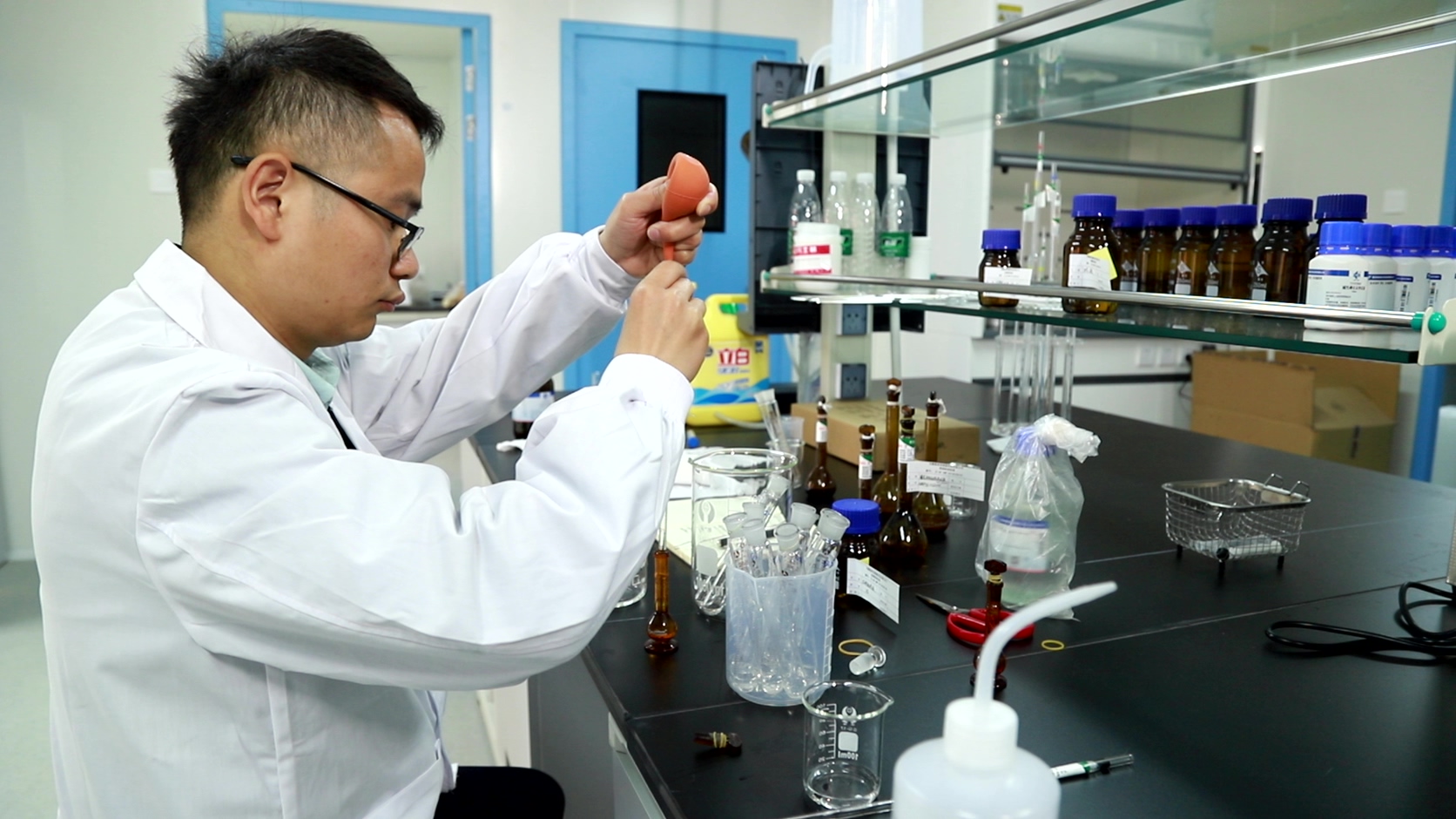
Ask for documentation such as USDA Organic, EU Organic, HACCP, ISO 22000, GMP, Halal, or Kosher. Confirm whether the supplier can conduct pesticide residue and heavy metal testing according to product specifications and destination-market requirements. For bulk matcha powder for EU market, verify MRL thresholds. For U.S. imports, verify FSVP documentation and applicable duties.
Step 4: Assess Production Capacity
Annual output, factory size, R&D staffing, and export ratio are practical indicators. Shanghai Kelrosa Health Technology Co., Ltd. produces about 100 tons of matcha annually, exports about 70% of output, and serves markets in the EU and USA.
Step 5: Confirm Customization and Logistics
If private label or OEM matcha powder is required, check whether the supplier can handle product selection, flavor development, custom packaging, labeling, and international logistics.
Step 6: Request Samples and Compare Against a Specification Sheet
Sample evaluation should include color, mouthfeel, particle behavior in liquid or batter, and compatibility with the target application.
Bulk Matcha Powder by Grade: A Comparison Table
The following table summarizes the main grades in the TangMist KM range and their typical bulk matcha applications.
| Model | Grade Type | Particle Fineness | Typical Bulk Application |
|---|---|---|---|
| KM10 | Ultra Ceremonial Plus | 1500–1800 mesh | Traditional matcha preparation, tea ceremony, luxury matcha brands, high-end retail |
| KM9 | Ultra Ceremonial | 1500–1800 mesh | High-end matcha brands, specialty cafés, premium retail products |
| KM8 | Ceremonial Plus | 1300–1800 mesh | Specialty matcha drinks, premium cafés, boutique beverage brands, premium retail |
| KM7 | Ceremonial Grade | 1300–1800 mesh | Matcha latte, premium cafés, specialty tea beverages, retail matcha |
| KM6 | Premium Beverage | 1000–1200 mesh | Premium milk tea, café chains, specialty beverages |
| KM5 | Beverage Grade | 1000–1200 mesh | Milk tea, matcha latte, café drinks, beverage formulations |
| KM4 | Culinary Plus | 800–1200 mesh | Chocolate, beverages, desserts, premium food products |
| KM3 | Culinary Grade | 800–1000 mesh | Baking, ice cream, desserts, confectionery, food manufacturing |
| KM2 | Functional Grade | 800–1000 mesh | Nutrition products, functional foods, powdered nutrition formulations |
| KM1 | Functional Grade | 800–1000 mesh | Supplements, functional food blends, powdered formulations |
Bulk Matcha Use Cases Across Categories
Bulk Matcha Powder for Cafés and Lattes
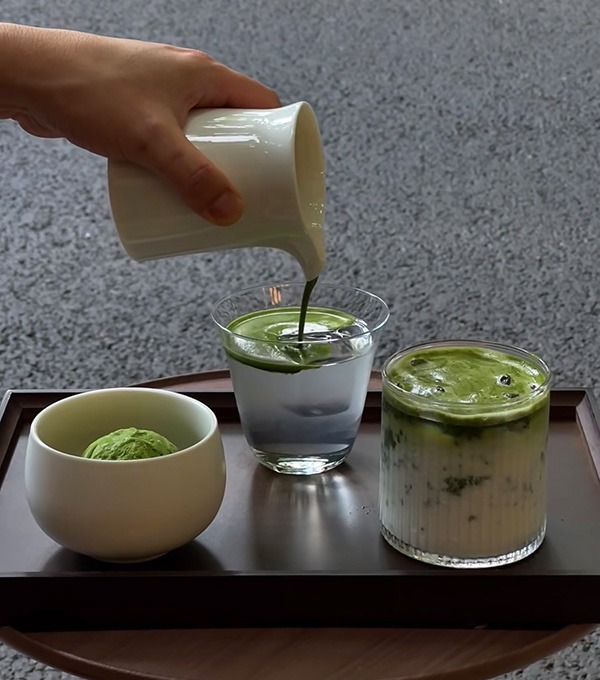
For premium café menus, ceremonial-grade matcha such as KM7 can support a fine mouthfeel and refined presentation. For high-volume milk-based drinks, beverage-grade KM5 is designed for milk tea, matcha latte, café drinks, and beverage formulations.
Bulk Matcha Powder for Beverage Production
Beverage brands often need matcha that disperses consistently in milk or plant-based milk. KM6 is classified as Premium Beverage, with a particle fineness of 1000–1200 mesh, and is intended for premium milk tea, café chains, and specialty beverages.
Bulk Matcha Powder for Baking and Food Manufacturing
For baking, ice cream, desserts, confectionery, and processed foods, culinary grade matcha is commonly specified. KM3 has a particle fineness of 800–1000 mesh and is designed for applications where matcha flavor and color remain noticeable after processing. KM4 is positioned above standard culinary grade for chocolate, beverages, desserts, and premium food products.
Bulk Matcha Powder for Premium Retail and Private Label
Brands targeting premium positioning may select ceremonial plus or ultra ceremonial grades. KM8 is a ceremonial plus matcha and is available for OEM and private label manufacturing. KM9 and KM10 offer particle fineness of 1500–1800 mesh for high-end retail and traditional preparation.
Bulk Matcha Powder for Nutrition Products
Nutrition brands and supplement manufacturers can use functional grade matcha. KM1 and KM2 have a particle fineness of 800–1000 mesh and are intended for supplements, functional food blends, and powdered nutrition formulations.
Frequently Asked Questions About Bulk Matcha Suppliers
What certifications should a bulk matcha supplier have?
Look for documented production and food safety systems. TangMist Matcha production systems are supported by USDA Organic, EU Organic, HACCP, ISO 22000, GMP, Halal, and Kosher, with certification and documentation options available according to product and destination-market requirements. Buyers should also confirm whether pesticide residue and heavy metal testing can be arranged for the target market.
How much bulk matcha can a supplier produce?
Capacity varies by supplier. Shanghai Kelrosa Health Technology Co., Ltd. was established in 2024, produces about 100 tons of matcha per year, operates a factory of 10,000 to 30,000 square meters, employs about 30 people, and has 5 to 10 R&D professionals. Export sales account for 70% of total sales, mainly to the EU and USA.
Which bulk matcha grade should I choose for my budget?
TangMist Matcha offers a KM range from KM1 to KM10. KM1 and KM2 are functional grades for supplements and nutrition products. KM3 and KM4 are culinary grades for baking, desserts, and food manufacturing. KM5 and KM6 are beverage grades for cafés and milk-based drinks. KM7 and KM8 are ceremonial grades for matcha latte and specialty cafés. KM9 and KM10 are ultra ceremonial grades for premium retail and traditional preparation.
Can I get samples, OEM matcha powder, or private label support before ordering?
Yes. TangMist Matcha provides OEM, ODM, and private label services including product selection, flavor and formulation development, custom packaging, labeling support, and international logistics. You can request samples or a quote by contacting Mia at Mia@tangmist.com or WhatsApp +86 19538430710.
Conclusion: Choose a Bulk Matcha Supplier That Can Document Its Product
Bulk matcha sourcing succeeds when product grade, supplier capability, and destination-market requirements are aligned. TangMist Matcha offers a broad range of matcha products across functional, culinary, beverage, ceremonial, and organic segments, and supports OEM, ODM, and private label customers with production and logistics services. Before selecting a supplier, define your application, verify certifications, assess capacity, and request samples.

Ready to discuss bulk matcha for your business?
Contact Mia at Mia@tangmist.com or WhatsApp +86 19538430710 to request samples, a quote, or a catalog. Visit tangmistmatcha.com for more information.