
Bulk Matcha Supply Beyond the First Order: Long-Term Partnership and Private Label
For café chains, food manufacturers, beverage brands, distributors and retail startups, a single bulk matcha order is only the entry point. The real value lies in a repeatable relationship that keeps grade, compliance, packaging and scalability under control.
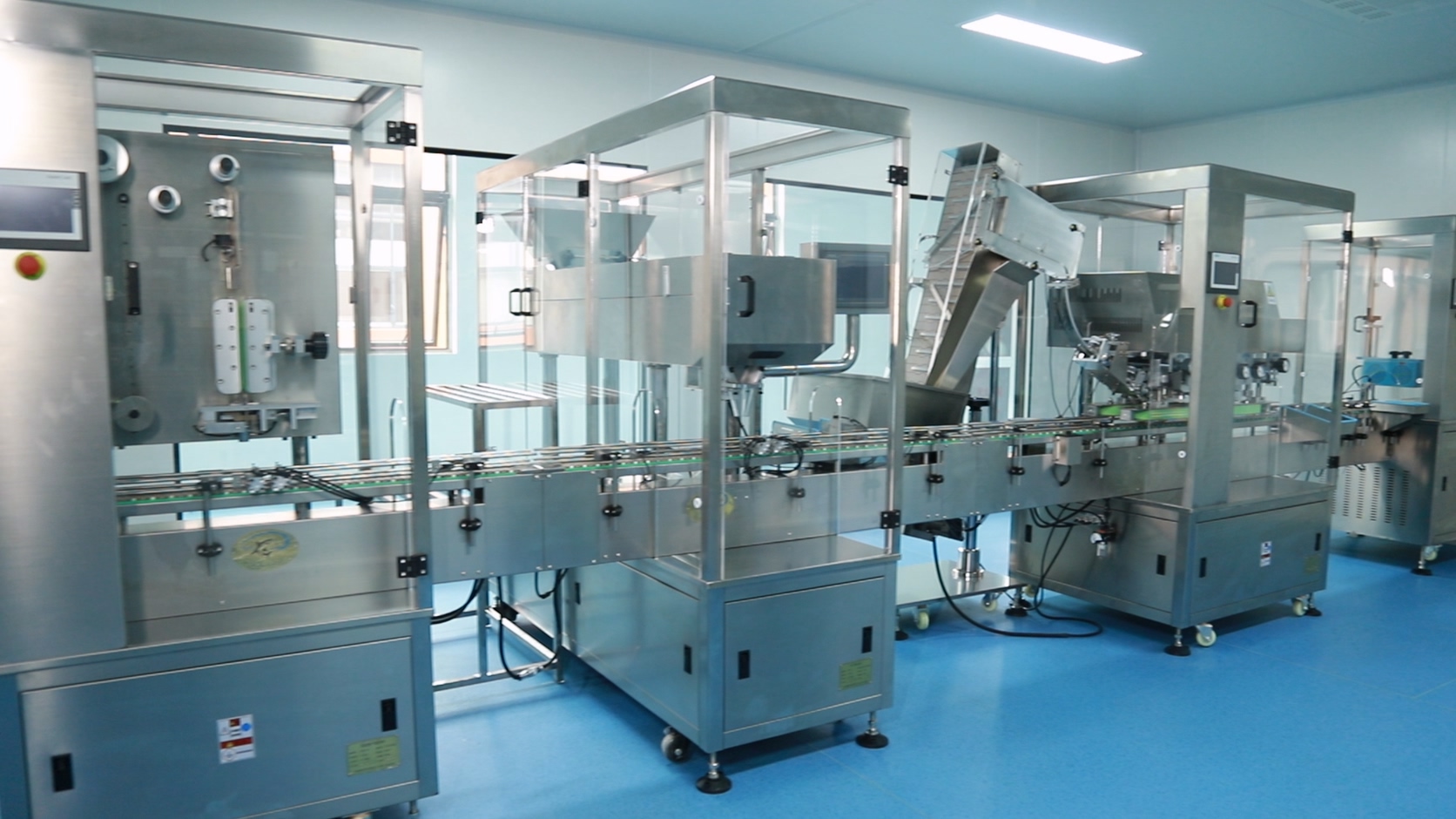
TangMist Matcha production facility: the base for repeatable bulk matcha quality.
Why a One-Off Bulk Matcha Order Is Hard to Scale
Most bulk matcha buying processes start the same way: a brand or café chain receives a sample, approves the flavor, and asks for 50 kg or 500 kg of powder. The first delivery can be excellent. The second delivery, however, may face raw-material seasonality, a different particle profile, a changed certificate status, or a supplier that loses interest once the order is done. For a food business, these small disruptions can create noticeable changes in color, taste, texture or regulatory documentation.
Scaling a matcha product therefore depends less on any single shipment and more on the systems around the supplier: defined grade specifications, production consistency, documentation, custom packaging capabilities, and the ability to grow with the buyer’s volume. This is why buyers evaluating bulk matcha should assess the manufacturer’s long-term supply model before committing to a container order.
Bulk Matcha Demand Is Outgrowing the Commodity Powder Model
The global matcha market was estimated at USD 5.1 billion in 2025 and is projected to reach USD 8.9 billion by 2033, according to Grand View Research. Supply has responded strongly: China’s matcha output exceeded 12,000 tonnes in 2025, roughly 70% of global production, according to People’s Daily and Firsd Tea; Zhejiang Province exported 1,241.97 tonnes in Q1 2026, a year-on-year increase of 7.3 times, per the Zhejiang Provincial Department of Agriculture.
Demand is also becoming more segmented. Culinary-grade matcha held 56.4% of the global market in 2026, reflecting its broad application in food and beverage manufacturing (Market Data Forecast). Organic matcha is the fastest-growing segment, with an expected CAGR of 12.68% through 2033 (SNS Insider). Wholesale and private label buyers now need a supplier who can move across culinary, beverage, ceremonial and organic product lines without creating a fragmented supply chain.
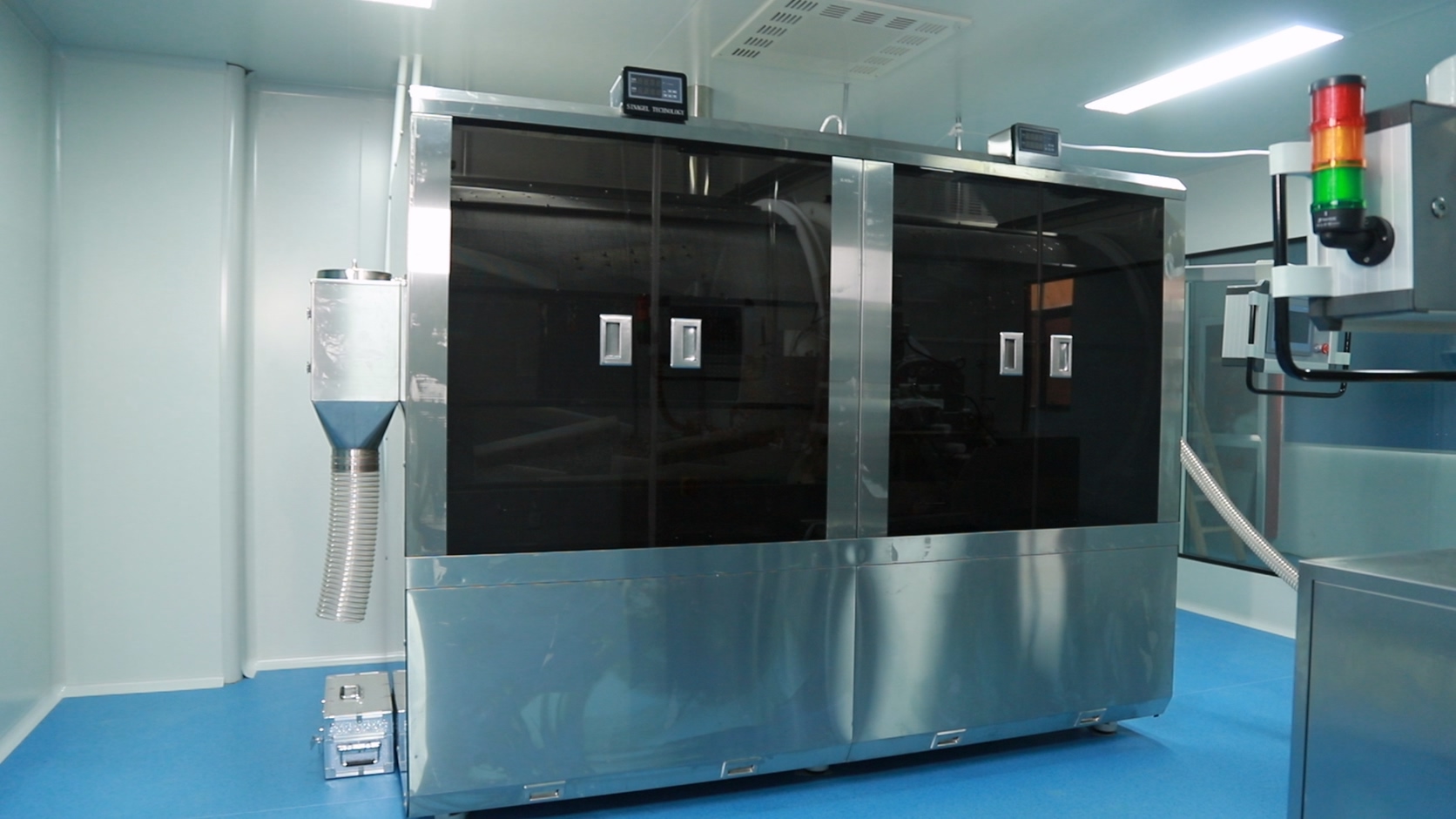
Consistent particle size is a practical requirement for repeatable matcha recipes.
TangMist Matcha’s Bulk Supply System: From 10 kg Samples to Ton-Level Orders
Who TangMist Matcha Is
TangMist Matcha is a professional matcha manufacturer and B2B supplier based in China, specializing in matcha for cafés, food and beverage brands, distributors, wholesalers and private label businesses worldwide. The company operates within a 10,000–30,000 m² facility, employs approximately 30 people, and reports an annual matcha output of 100 tonnes. Around 70% of output is exported to the EU and the USA, and an R&D team of 5–10 people supports product specification and development.
A Grade System Built for Repeatability
TangMist organizes its matcha into a KM model range—KM1 through KM10—so a customer can specify the same quality profile on every reorder.
| Grade category | TangMist model | Particle fineness | Common applications |
|---|---|---|---|
| Functional | KM1–KM2 | 800–1000 mesh | Supplements, nutrition powders, functional blends |
| Culinary | KM3–KM4 | 800–1200 mesh | Baking, desserts, chocolate, food manufacturing |
| Beverage | KM5–KM6 | 1000–1200 mesh | Milk tea, matcha latte, café drinks |
| Ceremonial | KM7–KM8 | 1300–1800 mesh | Premium cafés, specialty tea drinks, retail matcha |
| Ultra ceremonial | KM9–KM10 | 1500–1800 mesh | High-end matcha brands, traditional preparation, luxury retail |
All models in this range are 100% Matcha Green Tea Powder; the main differentiators are particle fineness and intended application. Having model numbers simplifies communication across batches, seasons and team members.
Compliance and Certification as a Recurring Safeguard
TangMist Matcha holds internationally recognized certifications including USDA Organic, EU Organic, HACCP, ISO 22000, GMP, Halal and Kosher. When a product is destined for a specific market, pesticide residue and heavy metal testing can be arranged according to the product specification and destination-market rules, with supporting documentation available where applicable. This becomes a practical recurring safeguard for European buyers, especially after the EU tightened MRLs for clothianidin and thiamethoxam to 0.01 mg/kg in March 2026; it also supports US importers who must maintain FDA facility registration and FSVP-compliant files for imported matcha.
OEM, ODM and Private Label Services
Beyond bulk powder, TangMist provides flexible OEM, ODM and private label services. These include product selection, flavor and formulation development, custom packaging, labeling support and international logistics. A café chain can therefore start with plain bulk matcha in its own production, then move to TangMist as the packing manufacturer for a branded retail line without changing the underlying grade.
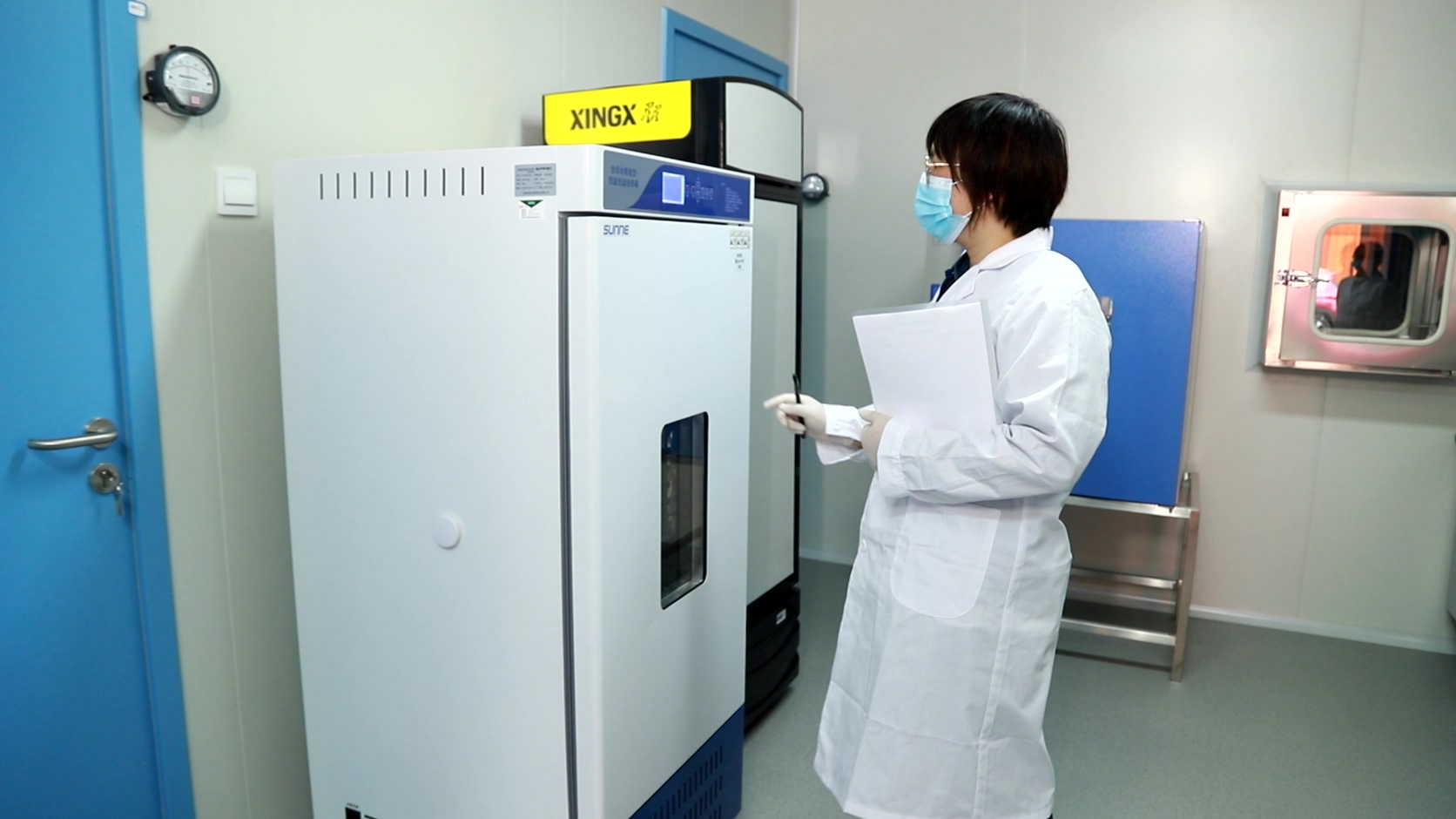
Application-based matcha grade selection is one of the first steps in a long-term bulk supply plan.
Step-by-Step: Building a Repeatable Bulk Matcha Program
1. Define the application and destination market before contacting suppliers
Specify whether the order is for beverage production, bakery ingredients, dairy-free ice cream, retail tins or supplement blending. The same matcha tree can produce several commercial profiles, but the buyer’s application determines which fineness and flavour are correct. Also identify the destination-market organic standard, import registration or residue limits that the documentation must meet.
2. Select the grade and set a written specification
Use a supplier’s model structure as a shorthand. For example, specify KM5 for a high-volume matcha latte program, KM7 for a premium café menu, or KM3 for an ice-cream base. A written specification should include particle fineness, packaging, harvest expectations, and the certification documents required with each batch.
3. Verify compliance against your market’s current rules
Before volume ordering, ask how pesticide residue and heavy metal testing is handled. Confirm the supplier can provide the certificate you need—USDA Organic, EU Organic, Halal, Kosher, or another destination-specific document. For EU shipments, review the current MRL amendments; for US shipments, check that your supplier can support importer verification duties such as FSVP records.
4. Evaluate samples or a 10–25 kg trial order
TangMist’s 10–25 kg tier includes application-based grade selection, product specification consultation, sample evaluation and order coordination. Use this level to assess particle behaviour in water, milk, butter, cream or a finished recipe, and to freeze the commercial specification before scaling.
5. Scale through controlled MOQ stages
- 25–100 kg: specification coordination, packaging consultation and export documentation support.
- 100–300 kg: production planning, customized packaging coordination, documentation and logistics support.
- 300–500 kg: batch planning, specification management, production scheduling, export documentation and shipment coordination.
- 500 kg–1 ton: large-order production planning, batch-consistency management, packaging coordination, compliance documentation and international logistics support.
Payment terms for TangMist bulk orders are normally 30% deposit and 70% balance. The standard production lead time is 15–21 days, with delivery under EXW, FOB, CIF, DDP or other agreed Incoterms.
6. Build private label or OEM after the core recipe is proven
Once the matcha grade and supply cadence are stable, brands can expand into consumer-ready formats. TangMist can manage customized packaging, labelling and finished-product services, allowing a distributor to launch its own matcha brand without building separate packing infrastructure.
7. Review every repeat shipment as a batch-consistency exercise
Log lot numbers, tasting notes, certificates and customer feedback after each release. A long-term bulk matcha relationship works best when both parties track these records and use them to adjust shading or processing before the next order.

TangMist supports order planning from small trial batches to multi-hundred-kilogram production runs.
Use Cases: Where Bulk Matcha Creates Commercial Value
Café chains and specialty beverage brands
Beverage-grade matcha KM5 or KM6 is a common starting point for high-volume milk-based menus, while KM7 or KM8 works for specialty cafés with a premium matcha latte. A single manufacturer can supply both tiers, so the café can test a premium drink without switching suppliers.
Food manufacturing and bakery
For cakes, desserts, chocolate and ice cream, culinary-grade KM3 or KM4 provides a stronger matcha presence and finer dispersion in recipes. With culinary matcha representing more than half of the global market by grade share, food producers are the largest users of bulk volume.
Nutraceutical and functional food
Functional-grade KM1 or KM2 is designed for powdered formulations and supplements where matcha is part of a blend and cost efficiency is important. The particle fineness supports uniform dry mixing.
Retail and e-commerce private label
Retailers can start with bulk matcha and later request private label packaging for ceremonial-grade tins or beverage-grade pouches. TangMist’s OEM/ODM services cover flavor development, labeling and logistics, making it possible to launch a branded matcha line with one production partner.
Distributors building a multi-grade catalogue
Importers and wholesalers may need functional, culinary, beverage and ceremonial grades in one consolidated order. A supplier with a full KM range simplifies sourcing, documentation and logistics across product categories.
Bulk Matcha vs. Private Label Matcha: Which Model Fits Your Next Phase?
Bulk matcha and private label matcha are often treated as two separate purchases. In practice, they are phases of the same long-term relationship.
| Comparison point | Bulk matcha | Private label matcha |
|---|---|---|
| Core focus | Matcha as a B2B ingredient. | Matcha plus consumer-ready packaging, branding and finished-product services. |
| Best suited for | Cafés, food manufacturers, beverage companies and distributors with their own production or packing. | Retail brands, e-commerce brands and specialty tea companies that want a complete route to market-ready products. |
| Typical entry | MOQ starts from 10 kg; standard lead time is 15–21 days. | Same matcha grades as bulk, with additional customization and finishing services. |
| Cost structure | Minimizes unnecessary retail packaging requirements. | Adds packaging, labeling, branding and finished-good preparation cost. |
| Operational fit | Integrates directly into the customer’s own production or packing line. | Best when the manufacturer handles packaging and market-ready preparation. |
| Long-term role | Efficient repeat supply at scale. | Brand ownership, presentation and direct-to-consumer differentiation. |
FAQ
What certifications does TangMist Matcha hold for bulk matcha exports to the EU and USA?
TangMist Matcha holds internationally recognized certifications including USDA Organic, EU Organic, HACCP, ISO 22000, GMP, Halal, and Kosher. For EU and US shipments, pesticide residue and heavy metal tests can be arranged according to product specifications and destination-market requirements, with supporting documentation available where applicable.
Can TangMist Matcha support OEM and private label bulk matcha programs?
Yes. TangMist Matcha provides flexible OEM, ODM, and private label services including product selection, flavor and formulation development, custom packaging, labeling support, and international logistics.
What is the MOQ for bulk matcha orders from TangMist Matcha?
TangMist Matcha’s ordering program starts at 10–25 kg for sample and trial coordination, then scales through 25–100 kg, 100–300 kg, 300–500 kg, and 500 kg–1 ton tiers depending on volume, packaging and destination-market needs.
How can a buyer evaluate bulk matcha samples before committing to volume?
TangMist Matcha supports application-based grade selection, product specification consultation, sample evaluation and order coordination. A buyer can start with a 10–25 kg order, test the powder in its own formulation or café menu, and lock the specification before moving to higher-volume tiers.
What is the standard lead time for bulk matcha production and delivery?
The standard lead time is 15–21 days for production. Delivery can be arranged through EXW, FOB, CIF, DDP and other agreed Incoterms. For a current sample coordination or quote, contact TangMist Matcha at Mia@tangmist.com or WhatsApp +86 19538430710.
Conclusion: A Long-Term Bulk Matcha Supply Partnership Wins Over Spot Orders
Scaling a matcha product is smoother when the powder supplier is treated as part of the product team. Grade consistency, certified facilities, flexible OEM/private label services and the ability to grow from 10 kg to ton-level production are the building blocks of a long-term bulk matcha relationship. TangMist Matcha provides these building blocks to cafés, food and beverage producers, distributors and private-label brands.
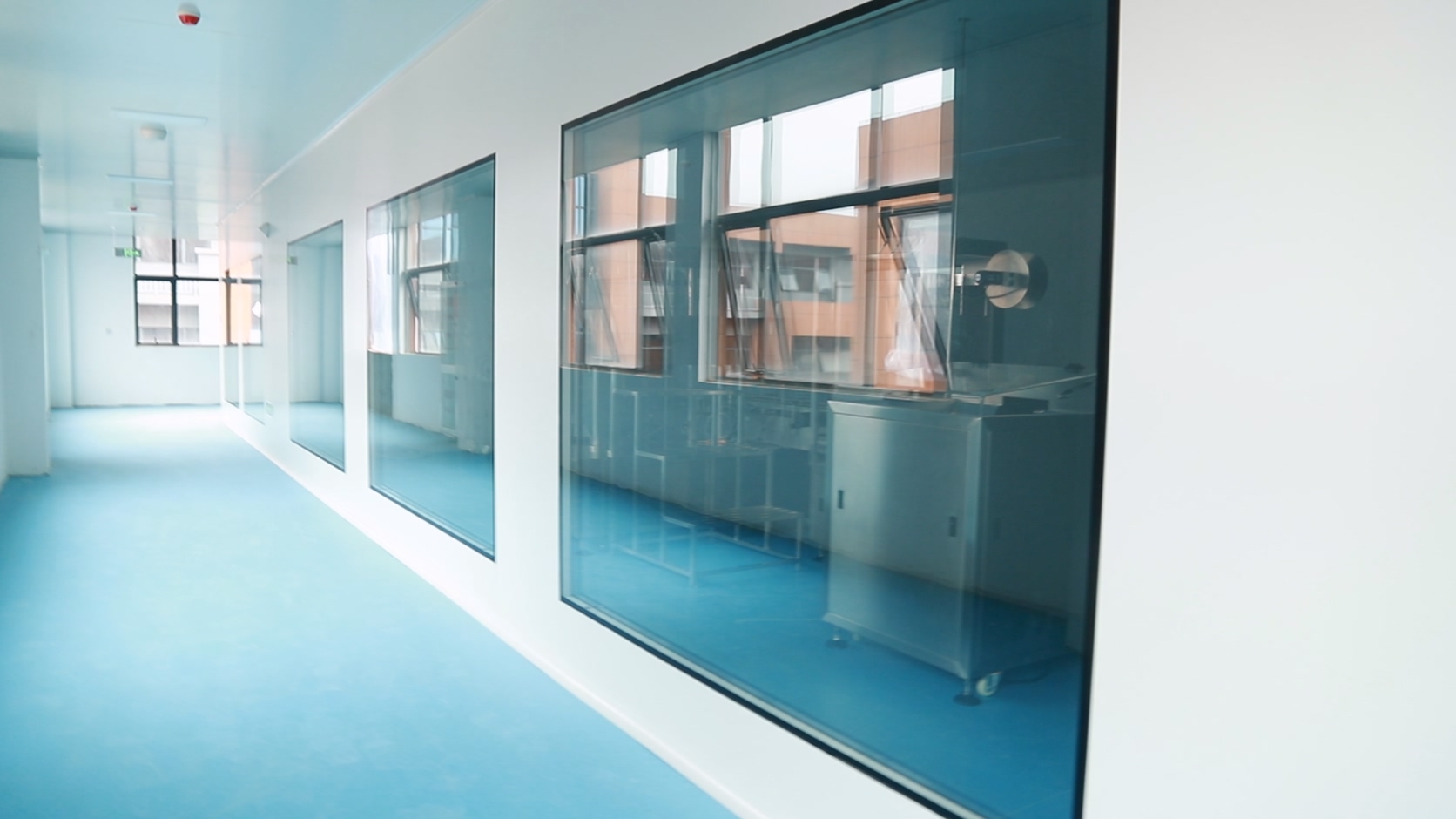
A dependable production base is central to a long-term bulk matcha contract.
Next step
Evaluate a grade against your formulation before scaling. Contact TangMist Matcha at Mia@tangmist.com or WhatsApp +86 19538430710 for sample coordination and specification review.