
Bulk Matcha Technical Guide: Residue, Heavy Metal & Raw Material Selection Parameters
Bulk Matcha Technical Guide: Residue, Heavy Metal & Raw Material Selection Parameters
Most bulk matcha projects do not fail on flavour. They fail on parameters. A specification that does not state which pesticide residues were tested, which heavy metals were quantified, and which raw material actually supported the approved sample will eventually produce a shipment that a buyer cannot release, or a certificate that a destination market does not accept.
This guide is written for buyers at the awareness and research stage: importers, distributors, private label brand owners and food manufacturing teams who need to decide what to fix in writing before approving a bulk matcha specification. It covers three parameter layers — pesticide residue, heavy metals, and raw material selection — and then explains how certification and documentation scope (HACCP, ISO 22000:2018, GMP based on 21 CFR Part 111, EU Organic Regulation (EU) 2018/848, HALAL AHF 5600:2020 and Star-K Kosher) should be mapped to individual product codes and to the destination market.
TangMist Matcha, also known as Shanghai Kelrosa Health Technology Co., Ltd., is a matcha manufacturer and B2B supplier based in China. The company was established in 2024, employs approximately 30 staff including 5 to 10 research and development professionals, and produces about 100 tons of matcha per year from a facility of 10,000–30,000 m². Around 70% of sales are exported, with the European Union and the United States as the main markets, and the range covers ceremonial-grade, latte-grade, culinary-grade and certified organic matcha supplied to cafés, food and beverage brands, distributors, wholesalers and private label businesses worldwide.
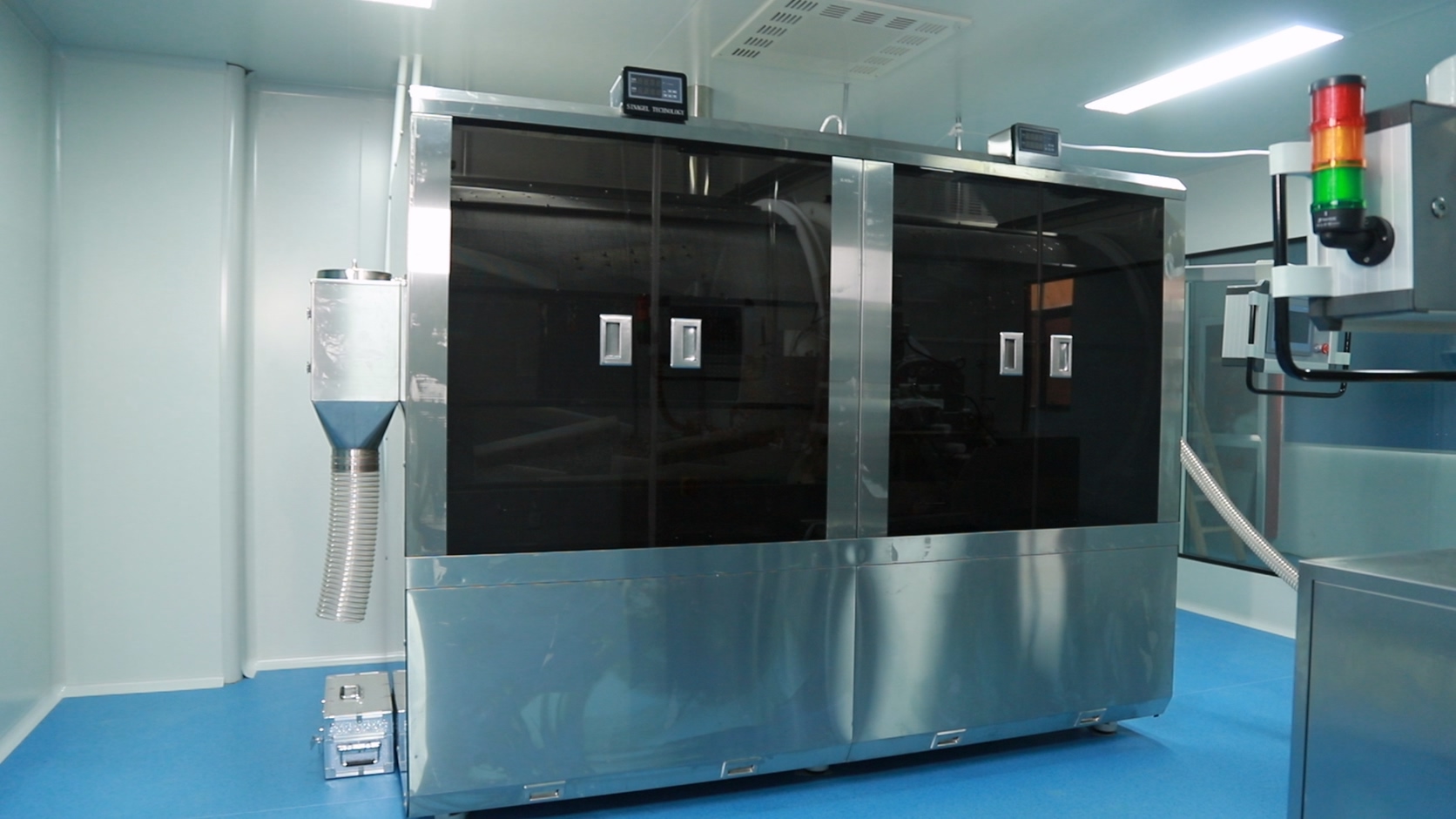
Matcha processing equipment: residue and heavy metal control begins at raw material intake, not at the final packing line.
Problem Definition: Where a Bulk Matcha Specification Breaks Down
Three failure points repeat across bulk matcha purchases, and they reinforce each other.
- Parameter ambiguity. A buyer requests “heavy metal tested” or “within EU limits” without naming the elements, the limits, the method or the sample basis. The supplier then delivers a valid document that does not answer the buyer’s compliance question.
- Certificate-scope ambiguity. A certificate is issued to a production system, a site or a defined product scope — not automatically to every grade, every particle fineness or every SKU in a catalogue. When a buyer switches product code, or switches destination market, the relevant scope has to be confirmed again.
- Raw material drift. Residue and heavy metal parameters are properties of the raw tea material and its growing environment, not only of the finished powder. If the grade, harvest or leaf selection behind a code changes, the supporting test documentation should be revisited.
Because these three points interact, the practical question is not “is this supplier certified?” but rather: which parameters apply to this product code, in this market, for this application — and which document proves it.
Industry Background: Residue and Heavy Metal Rules Keep Moving
Regulatory limits for plant-based powders continue to tighten, usually compound by compound rather than all at once. Four developments are directly relevant to a 2026 bulk matcha specification.
- In the European Union, stricter maximum residue limits for clothianidin and thiamethoxam were set at 0.01 mg/kg, effective March 2026 under EU Regulation (EC) No 396/2005. A specification written before that change may no longer describe a releasable product.
- In the United States, the FDA requires Food Facility Registration and FSVP documentation for all imported matcha powder, which places documentation responsibility on the importer as well as on the supplier.
- Demand is shifting toward certified organic material. Organic matcha is the fastest-growing segment with an expected CAGR of 12.68% through 2033 (SNS Insider), and organic certified matcha contributed approximately 41% of total global market demand in 2025 (Market Research Future).
- Volume demand remains concentrated in food applications. Culinary grade matcha accounted for 56.4% of global market share in 2026 (Market Data Forecast), against a global matcha market valued at USD 5.1 billion in 2025 and projected to reach USD 8.9 billion by 2033 (Grand View Research).
The consequence for buyers is structural: a matcha specification has to be code-level and market-level, and it has to be re-checked whenever either the product code or the destination market changes.
Detailed Solution: The Three Parameter Layers of a Bulk Matcha Specification
A workable specification separates three layers: what may be present in the material (residue), what may accumulate in the material (heavy metals), and what the material actually is (raw material selection and grade). They are documented differently and should never be merged into a single sentence.
Layer 1 — Pesticide Residue Parameters
Pesticide residue parameters should be defined by reference to the destination market’s regulation, not by a generic statement. A complete residue section in a purchase specification typically identifies:
- the target regulation or market — for European Union buyers, EU Regulation (EC) No 396/2005;
- the compound list that must be covered, including compounds whose limits were recently tightened;
- the maximum residue limit and the reporting limit required on the test report;
- the analytical method used and the accreditation status of the laboratory issuing the report;
- the sampling plan — how many lots are covered, and whether testing applies per shipment or per production lot.
Residue control is also partly a sourcing decision. Where the raw tea leaf is grown, how incoming material is screened and how lots are segregated determine residue risk before the powder is milled. TangMist Matcha states that relevant pesticide residue and heavy metal testing can be conducted according to product specifications and destination-market requirements, with supporting documentation available where applicable.
Layer 2 — Heavy Metal Parameters
Heavy metal parameters appear in almost every EU and US bulk matcha enquiry, yet the phrase “heavy metal test” is not a specification. Buyers should state which elements are in scope — lead, cadmium, arsenic and mercury are the elements most commonly listed for plant-based powders — together with the limit for each element, the reporting basis (mg/kg on the powder as delivered), the analytical method, and how many lots the report covers.
Because heavy metal content reflects the growing environment and the leaf fraction used, it cannot be separated from raw material selection. A change of origin, harvest or leaf grade is also a change of heavy metal risk profile, and the documentation set should follow that change rather than stay attached to the previous code.
Layer 3 — Raw Material Selection Parameters
Raw material parameters define what the buyer is actually purchasing. For bulk matcha, five parameters carry the most technical and commercial weight:
- Grade and leaf selection — from functional grades used as an ingredient through to ultra ceremonial grades used for traditional preparation;
- Particle fineness — expressed in mesh, which drives dispersion in beverages, colour distribution in baked goods and mouthfeel in whisked preparation;
- Milling method — stone-ground material is one of the product forms available in the range;
- Harvest and appearance — first-harvest and bright green are accepted descriptions of premium raw material;
- Certification status of the raw material — organic and non-GMO positions depend on how the leaf was grown, not on how it was milled.
The TangMist Matcha range structures this selection through ten product codes. KM1 and KM2 are functional grade at 800–1000 mesh, used in supplements, functional food blends and powdered nutrition formulations. KM3 is culinary grade at 800–1000 mesh for baking, ice cream, desserts, confectionery and food manufacturing, while KM4 is culinary plus at 800–1200 mesh for chocolate, beverages, desserts and premium food products. KM5 (beverage grade) and KM6 (premium beverage) sit at 1000–1200 mesh for milk tea, matcha latte, café drinks and premium beverage programmes. KM7 (ceremonial grade) and KM8 (ceremonial plus) are 1300–1800 mesh for matcha latte, premium cafés, specialty tea beverages and retail matcha. KM9 (ultra ceremonial) and KM10 (ultra ceremonial plus) are 1500–1800 mesh, developed for high-end brands, specialty cafés, premium retail and traditional tea ceremony applications.
The selection rule is simple enough to apply consistently: choose the lowest grade that still delivers the required sensory and functional result in the intended application, then confirm that the residue, heavy metal and certificate documentation for that specific code matches the destination market.
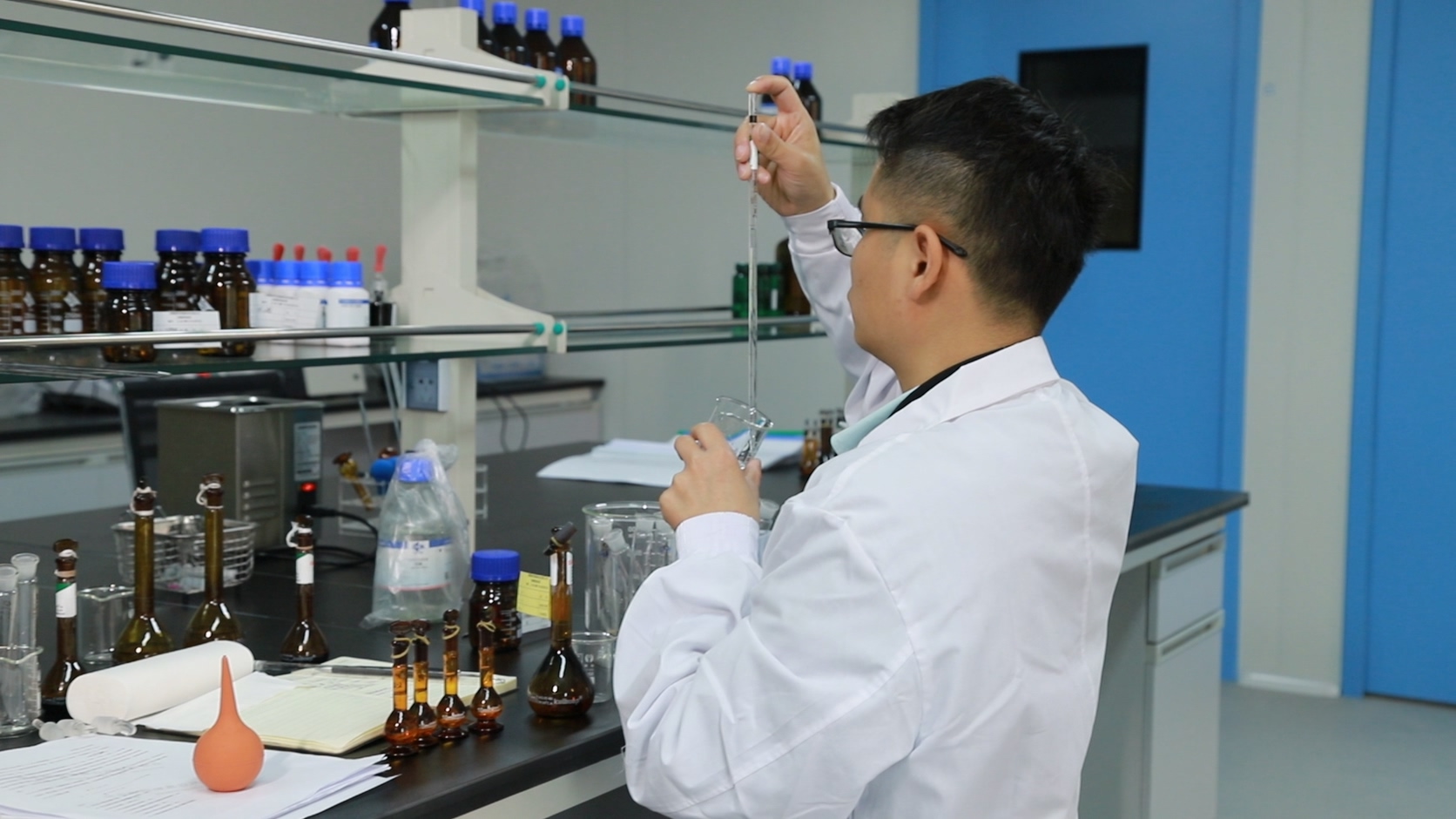
Raw material evaluation: grade, harvest and leaf selection determine both application performance and residue risk.
Certificate Scope: What Each Framework Covers, and How It Maps to KM1–KM10
Certification documents answer different questions, and none of them substitutes for another.
- HACCP addresses process-level food safety: hazard analysis and control at identified critical control points. It supports a food safety system; it does not certify a residue level or an organic claim.
- ISO 22000:2018 is a food safety management system standard. It defines how an organisation manages food safety within a stated scope — and the scope statement is what determines which products and sites are covered.
- GMP based on 21 CFR Part 111 is the US dietary supplement good manufacturing practice framework. It becomes directly relevant when matcha is supplied into supplement or nutrition products for the US market.
- EU Organic Regulation (EU) 2018/848 governs organic production and labelling for the European Union. It determines whether a product may be placed on the EU market as organic.
- HALAL AHF 5600:2020 is a halal certification standard, relevant where halal market access or halal-compliant channels apply.
- Star-K Kosher certification addresses kosher compliance for kosher retail and foodservice channels.
TangMist Matcha states that its production systems are supported by certifications including USDA Organic, EU Organic, HACCP, ISO 22000, GMP, Halal and Kosher, with certification and documentation options available according to product and destination-market requirements. The operative part of that sentence is according to product and destination-market requirements: coverage is not automatically identical across all ten product codes, and it changes when the destination market changes. A catalogue-level certificate claim is therefore not enough evidence for a specific purchase.
| Product Code | Grade / Type | Particle Fineness | Typical Applications | Documentation to Confirm Before Order |
|---|---|---|---|---|
| KM1 | Functional Grade | 800–1000 mesh | Supplements, functional food blends, powdered formulations | Destination-market residue limits; heavy metal parameters; GMP documentation if used in US-bound supplement supply chains |
| KM2 | Functional Grade | 800–1000 mesh | Nutrition products, functional foods, powdered nutrition formulations | Same as KM1, confirmed against the buyer’s finished-product specification |
| KM3 | Culinary Grade | 800–1000 mesh | Baking, ice cream, desserts, confectionery, food manufacturing | Residue and heavy metal parameters for the destination market; documentation scope for food manufacturing use |
| KM4 | Culinary Plus | 800–1200 mesh | Chocolate, beverages, desserts, premium food products | Organic scope if an organic claim is required; residue and heavy metal parameters |
| KM5 | Beverage Grade | 1000–1200 mesh | Milk tea, matcha latte, café drinks, beverage formulations | Documentation scope for café and beverage supply; residue and heavy metal parameters |
| KM6 | Premium Beverage | 1000–1200 mesh | Premium milk tea, café chains, specialty beverages | Same as KM5, confirmed against each destination market |
| KM7 | Ceremonial Grade | 1300–1800 mesh | Matcha latte, premium cafés, specialty tea beverages, retail matcha | Residue and heavy metal parameters; organic, halal or kosher scope where the market requires it |
| KM8 | Ceremonial Plus | 1300–1800 mesh | Specialty matcha drinks, premium cafés, boutique beverage brands, premium retail | Documentation scope for OEM and private label supply; organic scope if applicable |
| KM9 | Ultra Ceremonial | 1500–1800 mesh | High-end matcha brands, specialty cafés, premium retail products | Full documentation package for premium retail; residue and heavy metal parameters |
| KM10 | Ultra Ceremonial Plus | 1500–1800 mesh | Traditional matcha preparation, tea ceremony, luxury matcha brands, high-end retail | Full documentation package; scope statements confirmed for the specific code and market |
The mapping logic matters more than the table itself. A buyer who moves from KM3 to KM7 is not simply buying a finer powder; the raw material selection behind the code is different, and the residue, heavy metal and certificate documentation should be re-confirmed for the new code. A buyer who keeps the same code but changes the destination market must also re-confirm the applicable limits and scope, because the same product can satisfy one market’s requirements and not another’s.
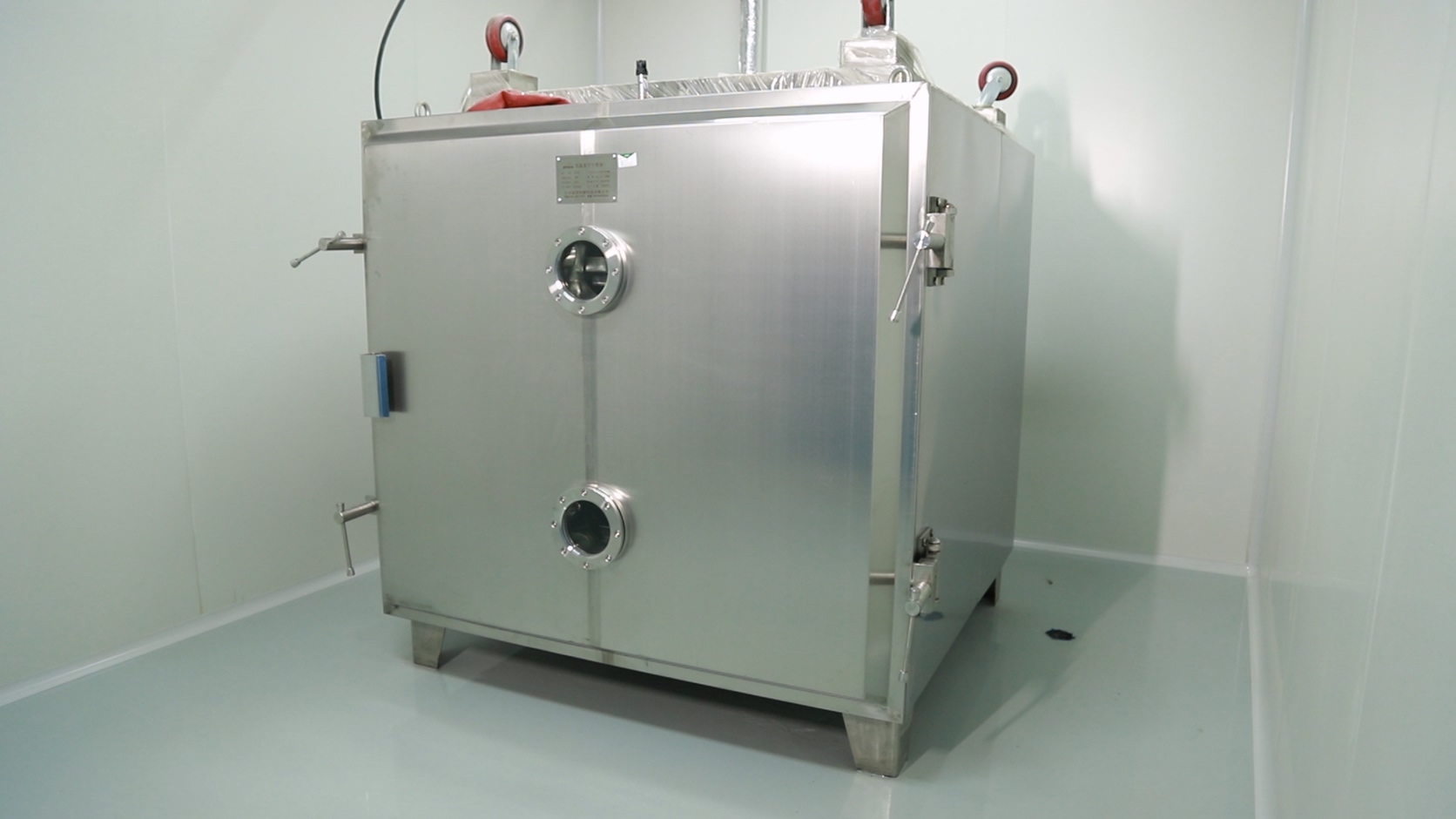
Processing equipment: particle fineness and lot consistency are verified at this stage of production.
Step-by-Step Breakdown: Building a Residue and Heavy Metal Control Plan
- Define the destination market and the product code first. Residue and heavy metal parameters are not meaningful without both, because the applicable limits and scope depend on the market and the code.
- Write the residue section around the destination regulation. Name the regulation and the compound list that applies; for EU-bound material, this includes compounds whose limits were tightened to 0.01 mg/kg effective March 2026.
- Write the heavy metal section with elements, limits, reporting basis, method and lot coverage. A report without stated limits cannot be checked against a specification.
- Lock the raw material parameters. Grade, particle fineness, harvest and appearance, milling method, and organic or non-GMO status should be agreed in the same document as the residue and heavy metal parameters.
- Match certificate scope to application and market. HACCP and ISO 22000:2018 for food safety system evidence; GMP based on 21 CFR Part 111 where the material enters US supplement supply chains; EU Organic Regulation (EU) 2018/848 for organic placement in the EU; HALAL AHF 5600:2020 and Star-K Kosher where those markets or channels apply.
- Request the documentation package in writing before the order. Ask for the specification, the certificate scope statement for the exact product code, test reports showing method and limits, and the sampling plan.
- Validate against a sample. Compare the sample documentation with the code and market you intend to buy; this is the cheapest point to discover that a scope statement does not cover the destination.
- Re-confirm at every change. A new code, a new market, a new harvest or a new private label formulation each require the documentation set to be revisited rather than inherited.
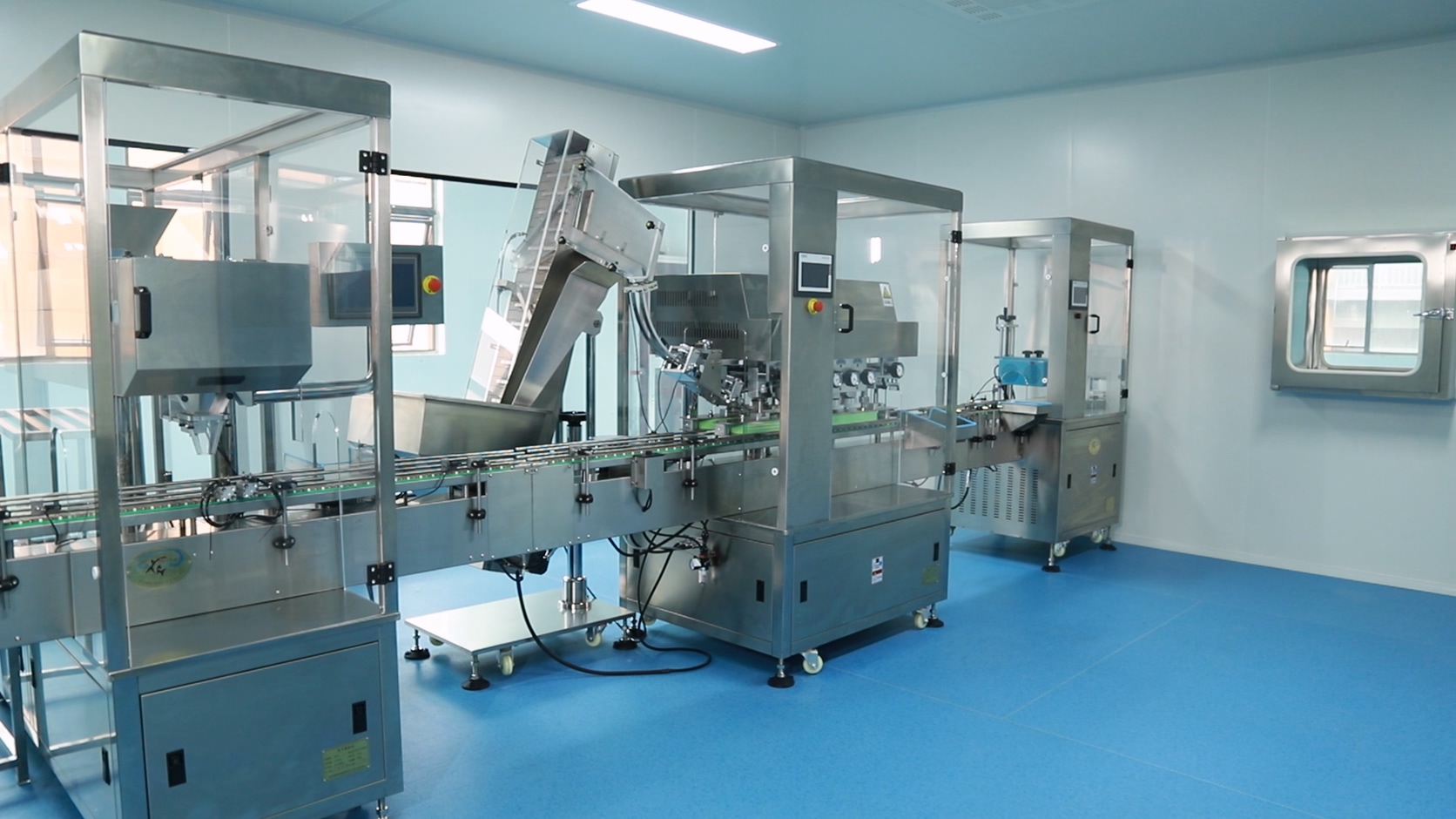
TangMist Matcha production facility: documentation scope refers to the site and product scope covered, not to a catalogue as a whole.
Use Cases: How Different Buyers Apply These Parameters
Café chains and beverage brands (KM5, KM6). These buyers need consistent dispersion in milk-based drinks across locations. The residue and heavy metal documentation has to be confirmed for each country in which the beverage is sold, because a single beverage specification can be exported to several markets with different limits.
Specialty cafés and premium retail brands (KM7, KM8, KM9, KM10). Here the documentation must support what is printed on the packaging. If a retail claim refers to organic, halal or kosher status, the corresponding scope statement for that product code and that market is part of the specification, not an afterthought.
Bakery, confectionery, ice cream and food manufacturing (KM3, KM4). The grade decision is driven by whether flavour and colour remain noticeable after processing and blending, while residue and heavy metal parameters are driven by the destination market’s food regulation. Both need to be settled before a production trial.
Supplement and nutrition brands (KM1, KM2). When matcha is used as an ingredient in powdered formulations bound for the United States, GMP documentation based on 21 CFR Part 111 becomes part of supplier evaluation, alongside residue and heavy metal parameters.
Private label and OEM projects (across the KM range). TangMist Matcha provides OEM, ODM and private label services including product selection, flavour and formulation development, custom packaging, labelling support and international logistics. Technical parameter work should start before packaging design, because both the grade decision and the compliance documents depend on the destination market.
Comparison Table: Certification and Documentation Frameworks
| Framework | What it governs | What it supports | What it does not replace |
|---|---|---|---|
| HACCP | Process-level food safety control | Food safety system evidence for a manufacturing process | Residue limits, heavy metal limits or organic status |
| ISO 22000:2018 | Food safety management system across a defined scope | Evidence of system-level management of food safety | Product-specific residue or heavy metal test results |
| GMP (21 CFR Part 111) | US dietary supplement manufacturing practice | Relevance for matcha used in US-bound supplement and nutrition products | Organic certification, halal or kosher status |
| EU Organic Regulation (EU) 2018/848 | Organic production and labelling for the EU market | The basis for placing a product on the EU market as organic | Residue and heavy metal test reports, or other certifications |
| HALAL AHF 5600:2020 | Halal certification requirements | Access to halal markets and halal-compliant channels | Organic status, food safety system certification or residue data |
| Star-K Kosher | Kosher compliance | Access to kosher retail and foodservice channels | Residue, heavy metal or organic documentation |
| Pesticide residue and heavy metal test reports | The actual measured content of the material for the stated parameters | Buyer verification against destination-market limits | Any certification framework, and vice versa |
FAQ: Bulk Matcha Residue, Heavy Metal and Certificate Scope
Do all KM product codes carry the same certification and documentation?
No. Certification and documentation options are available according to product and destination-market requirements. TangMist Matcha states that its production systems are supported by certifications including USDA Organic, EU Organic, HACCP, ISO 22000, GMP, Halal and Kosher, but the applicable scope has to be confirmed for the specific product code and the market of destination. Buyers should request the scope statement for the exact code they intend to purchase rather than rely on a catalogue-level claim, and should re-confirm it when the grade or the market changes.
Can a bulk matcha supplier provide pesticide residue and heavy metal testing documentation?
Yes. Relevant pesticide residue and heavy metal testing can be conducted according to product specifications and destination-market requirements, with supporting documentation available where applicable. To be usable, the request should state the destination regulation, the compound and element list, the limits, the reporting basis and the lot coverage, so that the resulting report answers the buyer’s compliance question rather than a generic one.
Which selection decisions drive the specification scope of a bulk matcha order?
Three decisions drive scope: the grade, the particle fineness required by the application, and the destination market. Grade runs from functional codes (KM1–KM2 at 800–1000 mesh) through culinary (KM3 at 800–1000 mesh, KM4 at 800–1200 mesh) and beverage codes (KM5 and KM6 at 1000–1200 mesh) to ceremonial and ultra ceremonial codes (KM7–KM8 at 1300–1800 mesh, KM9–KM10 at 1500–1800 mesh). Grade and fineness determine how much raw material selection sits behind the code; the destination market determines which residue, heavy metal and certification documents are required.
Can we validate the documentation before placing a bulk order?
Yes. The practical approach is to submit a written specification together with a sample request, then compare the documentation supplied for the sample against the product code, grade and destination market you intend to buy. TangMist Matcha provides product selection support and documentation options according to product and destination-market requirements, so the sample stage is the right point to confirm certificate scope and test documentation rather than the shipment stage.
How early should documentation be requested for a bulk matcha order?
Documentation is not a shipment-stage task. Because residue limits, certificate scope and organic, halal or kosher applicability depend on the specific product code and destination market, the request should be raised at the enquiry and sample stage so that the specification, scope statements and test reports are agreed before production. Whenever the destination market, the product code or the raw material grade changes, the documentation set should be re-confirmed before the next production run. Sample and documentation requests can be sent to Mia@tangmist.com or by WhatsApp at +86 19538430710.
Conclusion: Parameters First, Certificates Second
Residue, heavy metal and raw material selection are not three separate conversations. They are three layers of the same specification, and the document that proves each layer is different: test reports for residue and heavy metals, scope statements for HACCP, ISO 22000:2018, GMP based on 21 CFR Part 111, EU Organic Regulation (EU) 2018/848, HALAL AHF 5600:2020 or Star-K Kosher, and the product specification itself for grade, mesh and raw material. Coverage varies by product code and by market, so the evaluation has to be repeated whenever either changes.
TangMist Matcha supplies bulk matcha across the KM1–KM10 range to cafés, food and beverage brands, distributors, wholesalers and private label businesses, with OEM, ODM and private label support covering product selection, flavour and formulation development, custom packaging, labelling support and international logistics.

Matcha Powder KM7: ceremonial grade, 1300–1800 mesh, one of ten product codes in the TangMist Matcha range.
Next step: send your destination market and intended product code (KM1–KM10), and request the matching specification, certificate scope statement and sample.
Email: Mia@tangmist.com · WhatsApp: +86 19538430710 · Website: tangmistmatcha.com