
Bulk Organic Matcha Buyer's Guide: Grades & Sourcing
Bulk Organic Matcha Buyer's Guide: Grades & Sourcing
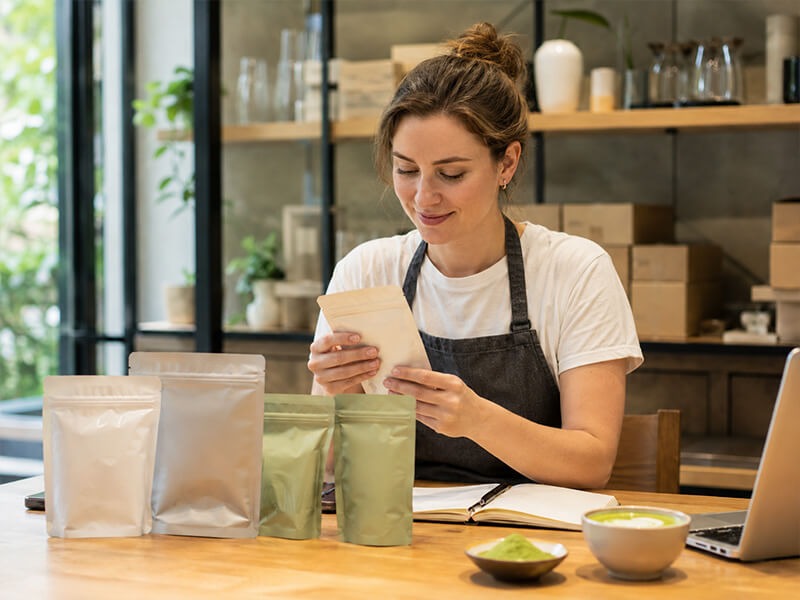
Bulk organic matcha is matcha green tea powder supplied in commercial quantities under a product-specific organic certification scope — typically in kilogram, multi-kilogram or pallet-scale lots — for cafés, beverage brands, food manufacturers, distributors and private-label programs. What a buyer actually receives is not a grade name but a specification: a particle fineness, an application fit, a certification scope and a documentation package.
This guide is written for importers, distributors, café operators, beverage and food manufacturers, and brand owners in the awareness and research stage of sourcing — the stage where the real question is "what should I be buying, and how do I qualify a supplier?" rather than "who is cheapest?". TangMist Matcha, a B2B matcha manufacturer based in Shanghai, China, is used throughout as a worked example of how specifications, grades and documentation are structured in practice.
Why Bulk Organic Matcha Is Harder to Buy Than It Looks
The sourcing difficulty in this category is not the powder itself. It is the gap between the label a buyer searches for and the specification a manufacturer actually produces against. Five issues account for most first-order problems.
1. Grade names are market vocabulary, not regulated definitions
"Ceremonial grade" and "culinary grade" are commercial terms. They describe positioning and intended application rather than a certified or legally fixed standard. As a result, two suppliers quoting the same grade name may be quoting different particle fineness, sensory profiles and price levels. Buyers comparing quotations by grade name alone are comparing labels, not products.
2. "Organic" is a scope, not a blanket promise
Organic certification attaches to specific products, batches and destination markets. TangMist Matcha states that selected bulk matcha products may have China Organic, USDA Organic, EU Organic or JAS Organic options, with the applicable scope confirmed by product, batch and destination market. That is the correct way to read any organic claim: as a screening criterion that must be verified against the certificate that covers your order.
3. Application fit is decided by particle fineness
Matcha specifications in the TangMist KM range run from 800–1000 mesh at the functional end to 1500–1800 mesh at the premium end. A fine ceremonial powder and a coarser culinary powder behave differently in milk, batter, ice cream and dry blends. Choosing by grade name without checking mesh is one of the most common causes of a failed first production run.
4. Documentation and commercial data are unevenly published
Verified public data on MOQ, lead time, packaging cost and factory-level capacity for bulk organic matcha remains limited; these are documented gaps in the sourcing dataset reviewed for this guide. That does not mean suppliers are hiding information — it means buyers should request these figures in writing against a defined specification instead of assuming them.
5. Price moves with grade, season and origin
Published 2026 B2B benchmarking lists typical wholesale prices for Japanese ceremonial-grade matcha at roughly USD 100–320 per kilogram, which is far above entry-level functional grades. When a quotation arrives well below that band without a specification attached, the specification is usually where the difference sits.
The Market Behind Bulk Organic Matcha
Demand context matters for planning, even at the research stage. The global matcha market was valued at more than USD 4.58 billion in 2024, with a projected compound annual growth rate of 8.48% between 2025 and 2030 (Research and Markets). Forecasts diverge above that: one projection places the market at USD 7.40 billion by 2030, while another projects USD 9.6 billion by 2035 with a slightly lower growth rate. Treat long-range forecasts as a range, not a number.
On the supply side, Japan's green tea export volume reached 13,125 tonnes in FY2025 according to Japan Ministry of Finance customs statistics. Note the scope carefully: that figure covers green tea exports as a category, and published trade classification under HS 090210 does not cleanly isolate matcha, so it should not be read as matcha tonnage. Separately, commercial sourcing research estimates that China accounts for 60%–70% of global matcha production volume in 2025–2026 — which is why a growing share of bulk buyers now evaluate Chinese matcha manufacturing directly rather than treating it as a fallback option.
For a buyer, the practical takeaway is straightforward: origin is a cost and reliability variable, not a quality verdict. The specification, the documentation and the batch consistency matter more than the country on the label.
What Determines Bulk Organic Matcha Quality: Four Levers
Every commercial matcha decision in this category resolves to four levers. Understanding them before contacting suppliers makes quotation comparison far faster.
- Grade family. Functional, culinary, culinary plus, beverage, premium beverage, ceremonial, ceremonial plus, ultra ceremonial. The family sets the intended application band and the price band.
- Particle fineness (mesh). Measured in mesh, this controls mouthfeel, dispersion and how the powder performs in milk, batter or dry blends.
- Organic scope and documentation. Certificate coverage, certificate of analysis, applicable laboratory reports and export-related records for the specific product and batch.
- Packaging and delivery format. Bulk format, retail-ready private-label formats, and the labelling and logistics support around them.
All KM models in the TangMist Matcha range declare 100% matcha green tea powder as the material. The differences buyers pay for are grade positioning, fineness and application performance — not filler content.
Inside a China-Based Bulk Organic Matcha Manufacturing Operation
TangMist Matcha is the matcha brand operated by Shanghai Kelrosa Health Technology Co., Ltd., a B2B matcha manufacturer and supplier based in Shanghai, China. The company was established in 2024 and, as of 2026, has roughly two years of operating history — a relevant detail when buyers are comparing it against longer-established suppliers, and a reason to lean on documentation and sample validation rather than reputation alone.
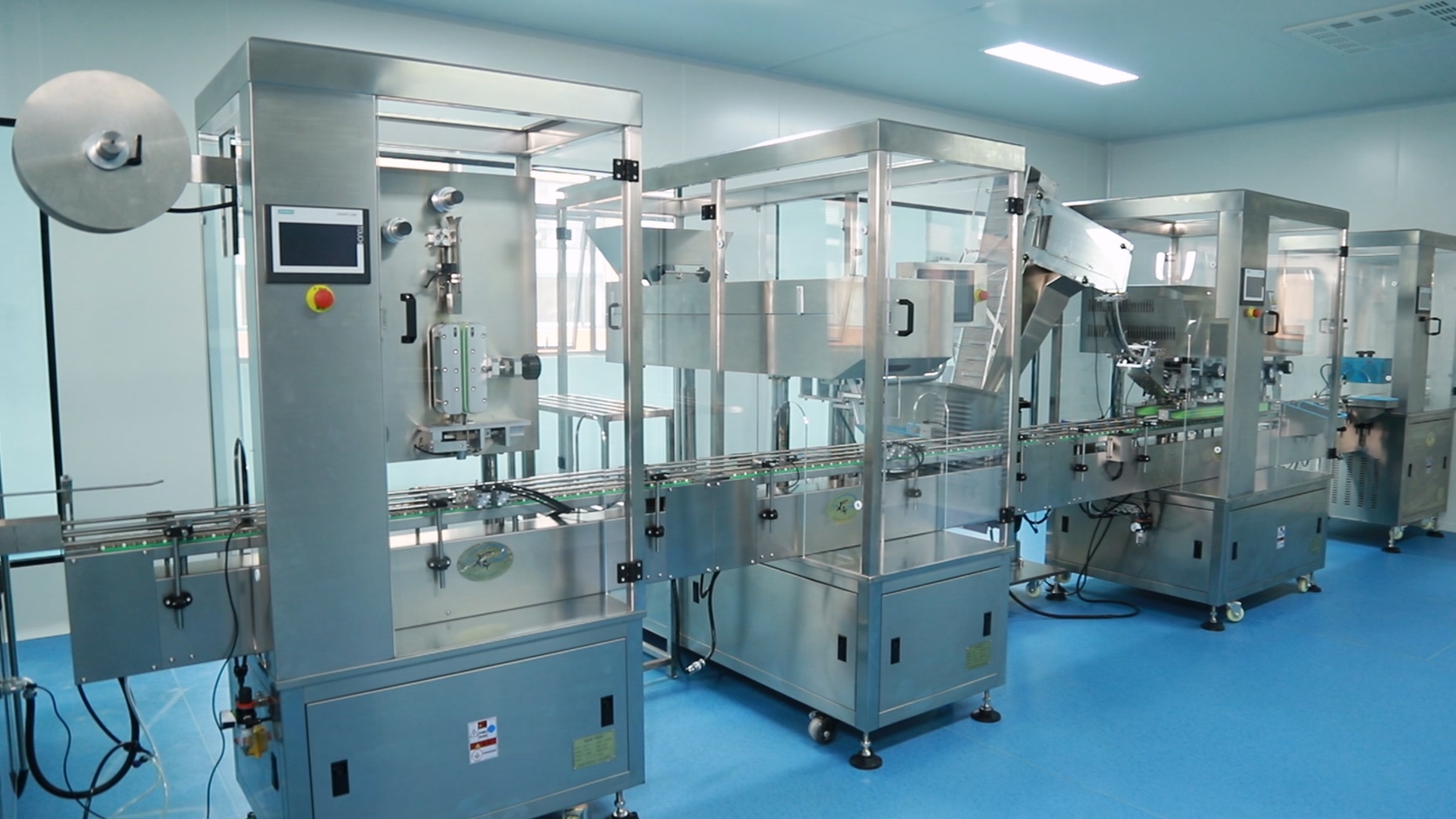
Operationally, the company states that its manufacturing facility covers 10,000–30,000 square meters for matcha processing and production, employs approximately 30 staff, and holds an annual production capacity of 100 tons of matcha, used to support bulk wholesale and contract supply requirements. A research and development team of 5–10 engineers and technicians focuses on matcha product selection and formulation development. Export business accounts for 70% of total sales, with the European Union and the United States as the main markets, and supply oriented toward importers and distributors.
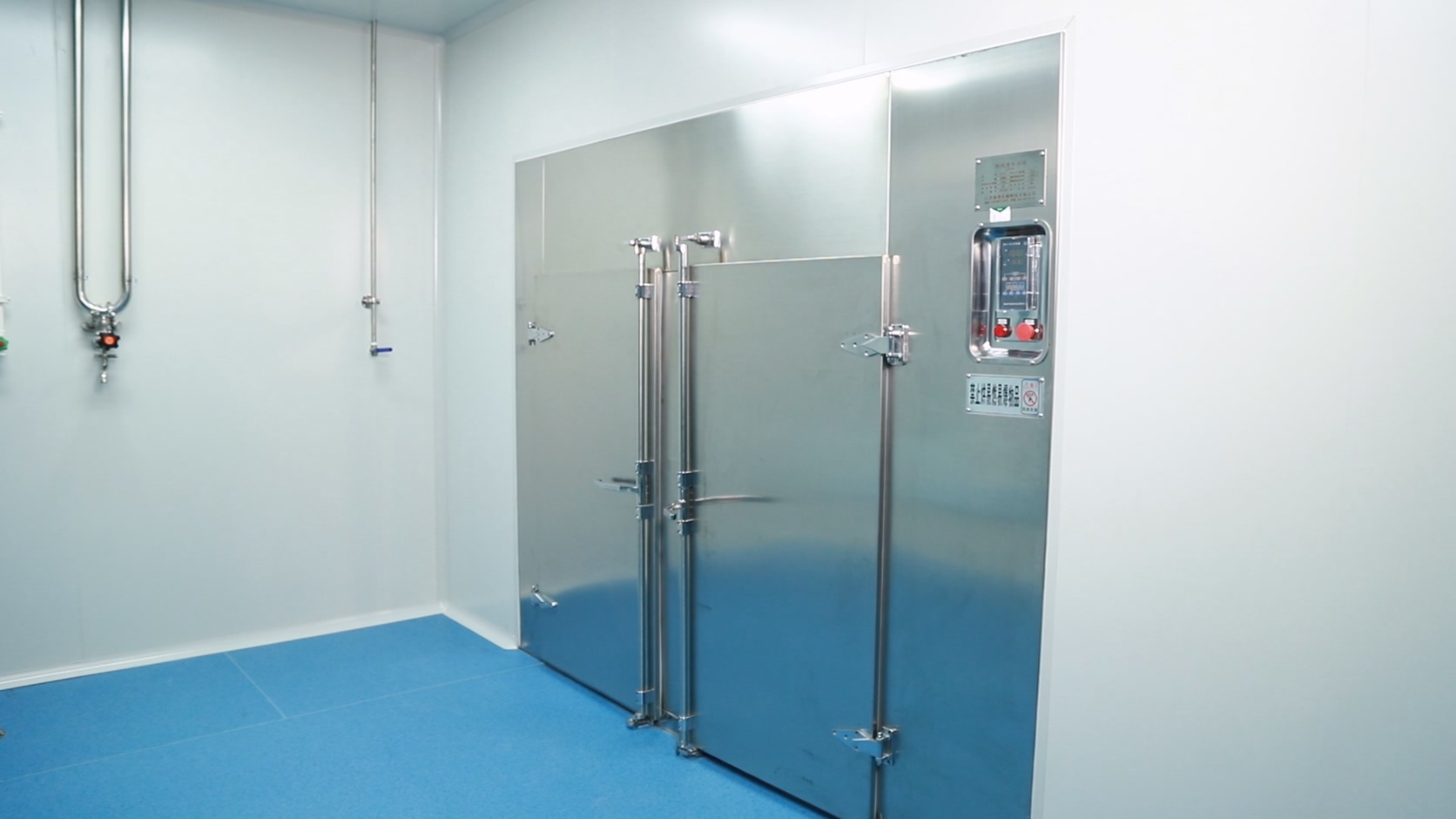
On compliance, the company states that its supply and manufacturing systems are supported by internationally recognized certifications and quality standards, including USDA Organic, EU Organic, HACCP, ISO 22000, GMP, Halal and Kosher, with certification and documentation options available according to product and destination-market requirements. Two boundaries are worth stating plainly: organic certification availability for these products is described as product-, batch- and destination-dependent, and the certification and capacity figures above are company-reported rather than independently audited in the sources reviewed for this guide. Both points belong in your due-diligence checklist, not in the marketing column.
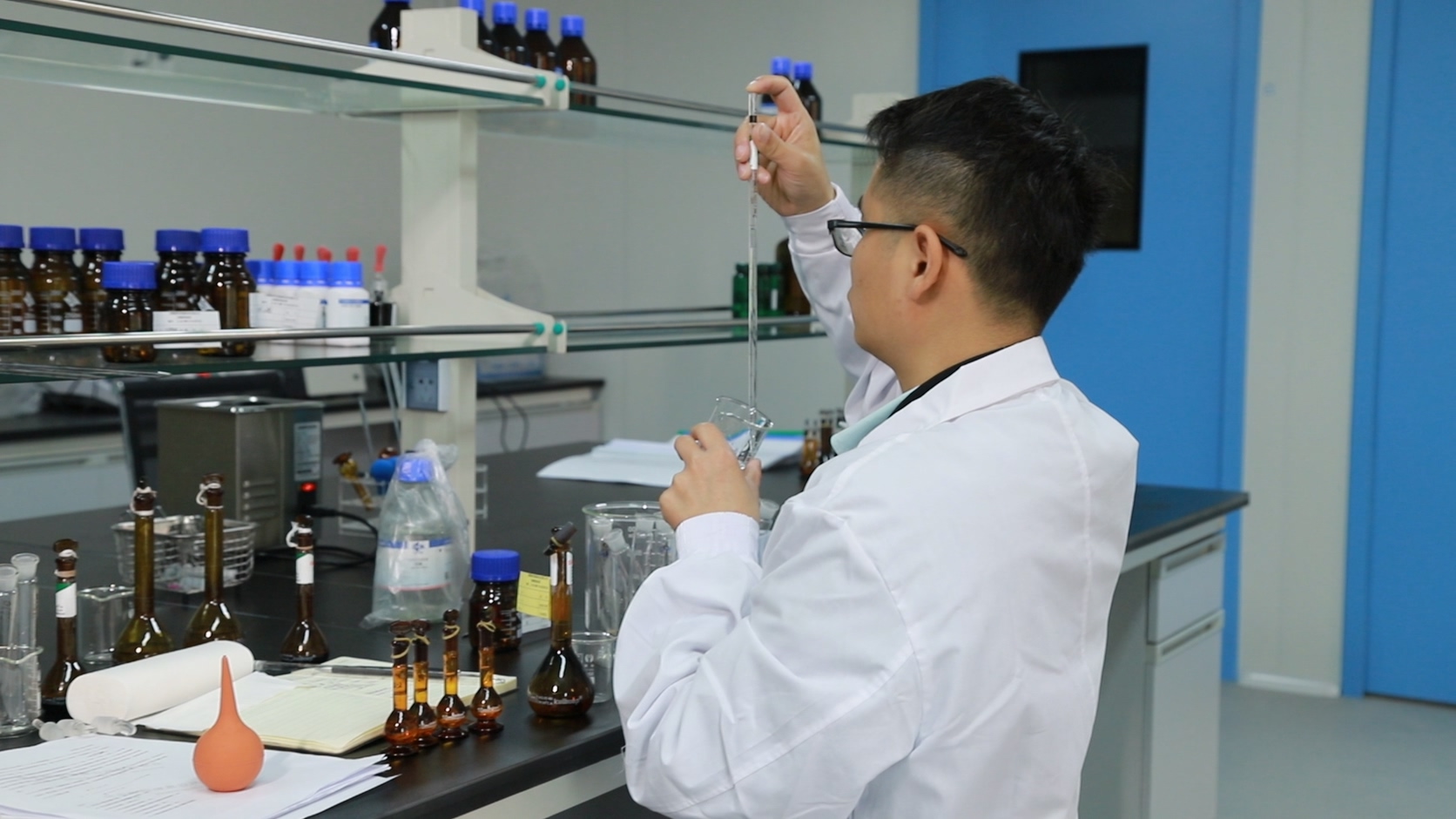
Beyond bulk supply, TangMist Matcha provides OEM, ODM and private-label services covering product selection, flavor and formulation development, custom packaging, labeling support and international logistics. Supported retail-ready formats include pouches, tins, jars, sachets and stick packs. Documentation that can be made available, subject to product, batch and order requirements, includes product specification sheets, certificates of analysis, applicable laboratory reports, certification documents and export-related records. Pesticide residue and heavy metal testing can be conducted according to product specifications and destination-market requirements, with supporting documentation where applicable.
Step-by-Step: How to Source Bulk Organic Matcha
Step 1 — Start from the finished product, not the grade name
Define what the matcha has to survive: hot milk, cold foam, a baked batter, a high-fat chocolate base or a dry powder blend. This single decision removes most of the wrong answers before supplier contact begins. A beverage program and a bakery line rarely need the same grade family.
Step 2 — Convert the application into a specification
Translate the application into three written requirements: grade family, particle fineness range, and material declaration. For example, a café latte program typically points toward the 1000–1200 mesh beverage family, while baking and frozen desserts point toward 800–1200 mesh culinary families where flavor and color must remain detectable after processing. Writing the mesh range into the RFQ is what makes quotations comparable.
Step 3 — Screen suppliers on organic scope and documentation
Ask for the certificate that applies to your specific product and batch, together with scope, issue and expiry dates, plus a certificate of analysis and relevant laboratory reports. Documentation review is a standard part of private-label onboarding, and it is the step that separates a claim from a verifiable compliance position.
Step 4 — Validate with samples before committing volume
Sample evaluation should happen in your actual formulation, not in water alone. Milk compatibility, dispersion and color stability in your process are the variables that decide whether a grade works. TangMist Matcha describes sample evaluation as part of its private-label support workflow, alongside packaging planning, documentation review and repeat B2B supply.
Step 5 — Lock packaging, labeling and the private-label format
Decide the delivery format early: bulk packaging, or retail-ready pouches, tins, jars, sachets and stick packs. Packaging and labeling choices affect cost, artwork lead time and customs treatment, so treating them as a late-stage detail is a common source of delay. Flavor and formulation development, custom packaging and labeling support are the service layers that sit around the powder itself.
Step 6 — Agree commercial terms, QC and repeat supply
Fix the specification, the documentation pack, the packaging format and the acceptance criteria in writing, then treat batch consistency as the performance metric over time. Renewal of a good first order depends on the second and third batches matching the first — so ask how batch-to-batch consistency is documented before, not after, the first shipment.
Bulk Organic Matcha Use Cases by Application
Cafés, café chains, milk tea and specialty beverages
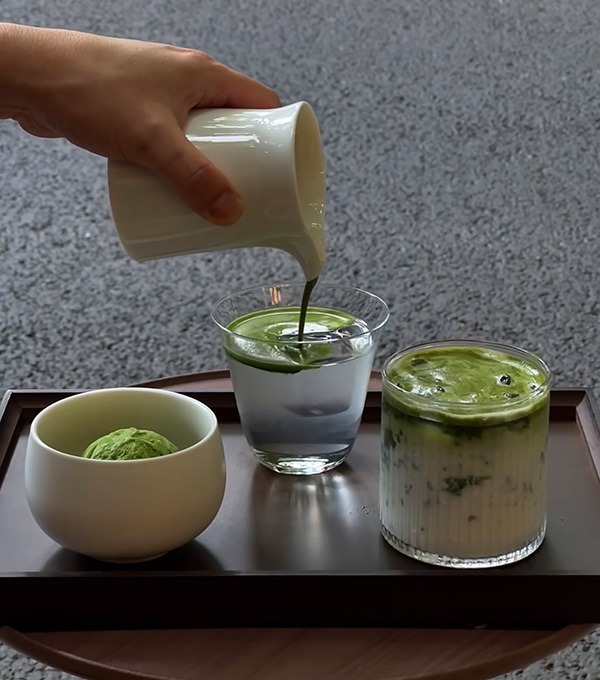
High-volume beverage programs need consistency across locations and smooth dispersion in milk and plant-based milk. Models KM5 (beverage grade, 1000–1200 mesh) and KM6 (premium beverage, 1000–1200 mesh) are positioned for milk tea, matcha lattes and café drinks, including café chains and specialty beverage menus. Matching equipment is typically an electric whisk, frother or commercial beverage mixer.
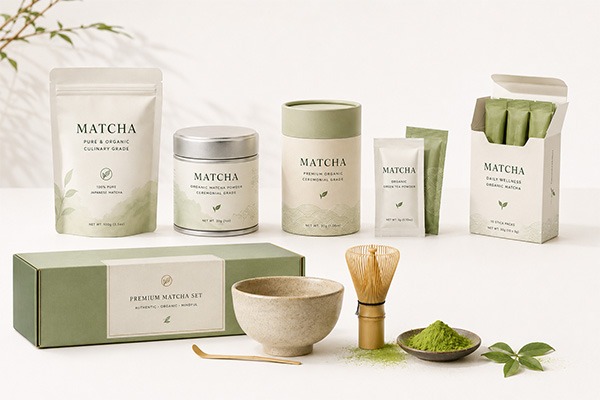
Premium cafés and latte menus typically step up to KM7 (ceremonial grade, 1300–1800 mesh), described for matcha latte, café latte menus and retail matcha, prepared with a bamboo whisk, electric whisk or matcha bowl.
Bakery, ice cream, confectionery and food manufacturing
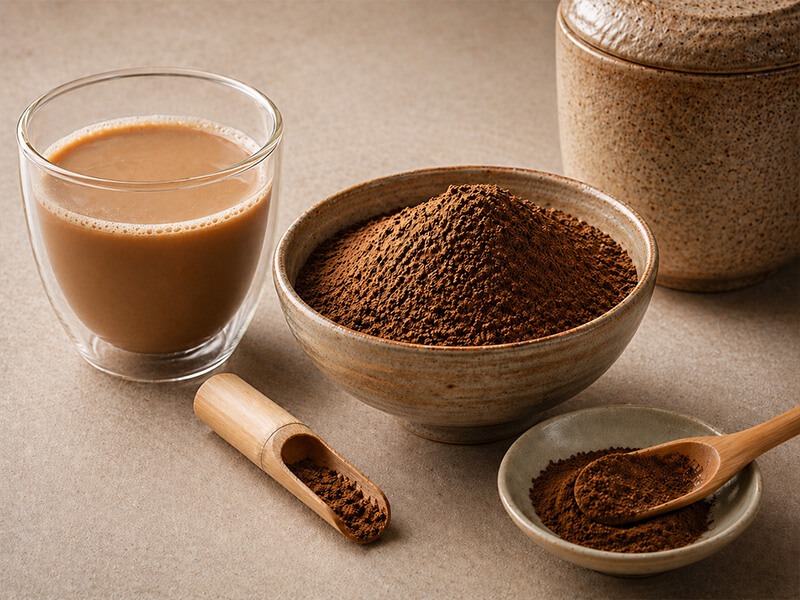
Food manufacturing places different demands: flavor and color must survive heat, freezing and blending. KM3 (culinary grade, 800–1000 mesh within an 800–1200 mesh scope) is formulated so matcha flavor and color remain detectable after processing, and is intended for bakery mixes, frozen desserts and confectionery. KM4 (culinary plus, 800–1200 mesh) sits above standard culinary grade for chocolate, beverages, desserts and premium food products.
Nutrition, supplements and functional foods
In powdered formulations, matcha is usually an ingredient rather than the hero flavor, so cost per kilogram and batch consistency dominate. KM1 (functional grade, 800–1000 mesh) is an entry-level functional matcha designed for cost-sensitive, large-volume formulations used in supplements and functional food blends, while KM2 is positioned for nutrition products and powdered nutrition formulations.
Premium retail and luxury matcha brands
At the top of the range, KM9 (ultra ceremonial, 1500–1800 mesh) targets high-end matcha brands, specialty cafés and premium retail products, and KM10 (ultra ceremonial plus, 1500–1800 mesh) is the highest tier in the KM range, positioned for traditional matcha preparation, tea ceremony and luxury retail applications.
Comparison Table: Grade Families and Sourcing Context
The table below summarises the KM range as published, so that grade, mesh and application can be compared on one line rather than across separate pages.
| Model | Grade | Particle fineness | Typical applications |
|---|---|---|---|
| KM1 | Functional Grade | 800–1000 mesh | Supplements, functional food blends, powdered formulations |
| KM2 | Functional Grade | 800–1000 mesh | Nutrition products, functional foods, powdered nutrition formulations |
| KM3 | Culinary Grade | 800–1000 mesh (scope 800–1200 mesh) | Baking, ice cream, desserts, confectionery, food manufacturing |
| KM4 | Culinary Plus | 800–1200 mesh | Chocolate, beverages, desserts, premium food products |
| KM5 | Beverage Grade | 1000–1200 mesh | Milk tea, matcha latte, café drinks, beverage formulations |
| KM6 | Premium Beverage | 1000–1200 mesh | Premium milk tea, café chains, specialty beverages |
| KM7 | Ceremonial Grade | 1300–1800 mesh | Matcha latte, premium cafés, specialty tea beverages, retail matcha |
| KM8 | Ceremonial Plus | 1300–1800 mesh | Specialty matcha drinks, premium cafés, boutique beverage brands, premium retail |
| KM9 | Ultra Ceremonial | 1500–1800 mesh | High-end matcha brands, specialty cafés, premium retail products |
| KM10 | Ultra Ceremonial Plus | 1500–1800 mesh | Traditional matcha preparation, tea ceremony, luxury matcha brands, high-end retail |
The second table places the sourcing context around those specifications. Only published, attributable reference points are listed; where a figure is not reliably established, it is marked as such rather than estimated.
| Reference point | Figure | Source / note |
|---|---|---|
| Global matcha market value, 2024 | More than USD 4.58 billion | Research and Markets, 2025 |
| Projected CAGR, 2025–2030 | 8.48% | Research and Markets, 2025 |
| Long-range forecast divergence | USD 7.40 billion by 2030 vs USD 9.6 billion by 2035 | Published forecasts use different methodologies |
| Japan green tea export volume, FY2025 | 13,125 tonnes | Japan Ministry of Finance — green tea category, not matcha-isolated |
| China share of global matcha production volume, 2025–2026 | 60%–70% | Commercial sourcing research estimate |
| Japanese ceremonial grade wholesale price, 2026 | USD 100–320 per kg | Published B2B price benchmarking, 2026 |
| Verified MOQ, lead time and factory capacity | Not consistently established in reviewed public sources | Documented data gap — confirm in writing at RFQ stage |
Frequently Asked Questions
Is bulk organic matcha from China certified organic for the EU or the US?
Certification availability in this category is product-, batch- and destination-market dependent. TangMist Matcha states that selected bulk matcha products may have China Organic, USDA Organic, EU Organic or JAS Organic options, and that its supply and manufacturing systems are supported by standards including USDA Organic, EU Organic, HACCP, ISO 22000, GMP, Halal and Kosher. The correct procurement step is to request the certificate that applies to your specific product and batch and confirm its scope, issue date and expiry date before placing an order.
What production capacity and technical capability should a bulk organic matcha manufacturer demonstrate?
Capacity should be matched to your order volume and growth plan, not used as a general quality signal. As a published reference point, TangMist Matcha states a manufacturing facility of 10,000–30,000 square meters, approximately 30 staff, an annual production capacity of 100 tons of matcha supporting bulk wholesale and contract supply, and an R&D team of 5–10 engineers and technicians working on product selection and formulation development. These figures are company-reported and should be verified against your own specification and order size.
How much does bulk organic matcha cost?
Price is driven by grade family, particle fineness, organic scope, packaging format, volume and destination-market documentation. As a published benchmark, Japanese ceremonial-grade matcha was listed at roughly USD 100–320 per kilogram in 2026 wholesale price benchmarking, with entry-level functional and culinary grades priced below that band. Because verified price data for every grade and supplier combination is limited, the only reliable benchmark is a written quotation issued against a defined specification — grade, mesh, certification scope, packaging and volume.
Can buyers request samples before placing a bulk order?
Yes. TangMist Matcha describes support for sample evaluation as part of its private-label workflow, alongside packaging planning, documentation review and repeat B2B supply. Evaluate any sample inside your real formulation — in milk, batter, a frozen base or a dry blend — because dispersion and flavor performance in your process is what determines whether a grade is suitable, not performance in water alone.
What lead times apply to bulk organic matcha orders?
Lead times depend on grade, order volume, packaging format, documentation requirements and destination market. Verified public sourcing data does not consistently establish lead times or MOQs for bulk organic matcha, and these are recorded as data gaps in the sourcing dataset reviewed for this guide, so any specific number quoted without a defined specification should be treated as provisional. The practical approach is to fix the specification first, then request a written schedule covering production, packaging, documentation and shipping. You can start that process by requesting a sample and a specification-based quotation from the TangMist Matcha export team at Mia@tangmist.com or via WhatsApp at +86 19538430710.
Conclusion: Decide the Specification, Then the Supplier
Bulk organic matcha rewards buyers who work in a fixed order: define the finished product, convert it into a grade family and mesh range, confirm the organic scope that applies to your product, batch and destination market, validate with a sample in your own formulation, and only then negotiate on price. Buyers who start from a grade name and a price target usually end up re-specifying after the first production run.
The market context supports that discipline rather than undermining it. A market valued at more than USD 4.58 billion in 2024 with projected growth of 8.48% through 2030, a Japanese green tea export base of 13,125 tonnes in FY2025, and an estimated 60%–70% of global matcha production volume sitting in China mean buyers now have genuine origin and grade options. What they do not have is a regulated definition of "ceremonial" or a universal definition of "organic" — which is why specification, documentation and batch consistency remain the three things worth paying attention to.
Request a Sample and a Specification-Based Quote
TangMist Matcha supplies bulk matcha and private-label matcha programs for cafés, beverage brands, food manufacturers, distributors, wholesalers and retail brands, with products developed for different taste profiles, applications and price points.
Contact: Mia | Email: Mia@tangmist.com | Tel / WhatsApp: +86 19538430710 | Message us on WhatsApp
Website: tangmistmatcha.com | Blog: blog.tangmistmatcha.com
Address: No. 2177 Shenkun Road, Shanghai, China
Have Questions or Need More Details?
Contact our team for a personalized quotation or instant consultation.
Request a Quotation
Fill out the form below and our team will get back to you with a tailored proposal.
WhatsApp Direct Chat
Prefer to chat in real-time? Message us on WhatsApp for instant assistance & quick answers.
- Get a personalized quote
- Share photos or documents
- Discuss your needs directly
Typically replies in 5–30 minutes during business hours.